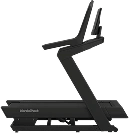
Whether your goal is weight loss, improving cardiovascular fitness, daily walking, stress relief, or maintaining an active lifestyle, a home-use treadmill is one of the most effective fitness investments you can make in the UAE. With high outdoor temperatures for most of the year and busy work schedules, having a treadmill at home allows you to stay consistent with your workouts in a comfortable, controlled environment.
Home-use treadmills are designed specifically for residential settings. They are compact, quieter than commercial models, energy efficient, and easy to store, while still offering enough power and features for effective walking, jogging, and running workouts. This buying guide will help you understand what to look for when choosing the right home-use treadmill in the UAE and which features matter most for long-term use.
Motor power, running surface size, cushioning, incline levels, speed range, noise level, safety features, and space-saving design are the most important factors when selecting a treadmill for home use. Understanding these elements will help you choose a model that fits your fitness goals, available space, and budget.
The running surface is one of the most important aspects of a treadmill. It should offer enough space for a natural stride while still fitting comfortably in your home.
For walking and light jogging, a running belt that is around 45 cm wide and 120 cm long is usually sufficient. This size allows comfortable movement without taking up excessive space. For regular jogging or light running, a belt width of 48 to 50 cm and a length of 130 to 140 cm is recommended. Taller users or those with a longer stride should opt for a larger running surface for added comfort and safety.
Also check the maximum user weight supported by the treadmill. Most home-use treadmills available in the UAE support between 110 kg and 140 kg. Choosing a treadmill with a higher weight capacity than your body weight improves stability and durability over time.
Motor power determines how smoothly the treadmill operates and how well it handles different workout intensities. Home-use treadmills typically feature motors ranging from 1.5 hp to 3 hp.
A motor with 1.5 to 2 hp is suitable for walking and occasional light jogging. For regular jogging and moderate running sessions, a motor with 2 to 2.5 hp is ideal. If multiple family members will use the treadmill or if you plan longer workouts, a 3 hp motor provides better performance and longevity.
In apartments and villas, a quiet motor is especially important. Look for treadmills designed with low-noise motors to reduce disturbance to family members and neighbors.
Incline training increases workout intensity without requiring higher speeds. Most home-use treadmills offer incline levels of up to 10 or 12 percent, which is sufficient for effective calorie burning and muscle activation.
Training with incline helps strengthen glutes, hamstrings, calves, and thighs. It also improves cardiovascular endurance. A minimum incline setting of 1 percent is recommended to simulate outdoor walking or running conditions, as it accounts for air resistance and natural terrain changes.
Electronic incline adjustment allows you to change incline levels easily during workouts, making interval and hill training more convenient.
Cushioning is essential for protecting joints, especially for users who train frequently or are new to running. Home-use treadmills are equipped with cushioning systems that reduce impact on knees, ankles, and hips compared to running on concrete or tiled floors.
Most models use rubber shock absorbers or elastic cushioning to absorb impact during foot strikes. This makes treadmill workouts more comfortable and reduces the risk of joint strain. Good cushioning is particularly beneficial for beginners, seniors, and users returning to exercise after a break.
The speed range of a treadmill should match your training needs. Most home-use treadmills in the UAE offer speeds between 1 km/h and 12 to 16 km/h.
For walking and rehabilitation workouts, speeds up to 6 km/h are sufficient. Jogging workouts usually require speeds of 8 to 10 km/h. Casual runners benefit from treadmills that reach 14 to 16 km/h. Higher speeds are generally unnecessary for home use unless you are training seriously for running events.
Smooth speed transitions are important, especially during interval workouts. A good home treadmill should adjust speed gradually without sudden jerks.
A clear and easy-to-use console enhances your training experience. The display should show essential workout data such as speed, time, distance, calories burned, and heart rate.
Large numbers with good contrast make it easier to read performance metrics while exercising. Direct selection buttons for speed and incline allow quick adjustments without interrupting your rhythm. A quick start button is useful for daily workouts when you want to begin immediately.
Many modern home treadmills also include Bluetooth connectivity, mobile app compatibility, speakers, and tablet holders. These features help keep workouts engaging, especially during longer sessions.
Most home treadmills are equipped with hand grip heart rate sensors located on the handrails. While convenient, these sensors may not provide highly accurate readings during running since your hands naturally move.
If heart rate-based training is important to you, choose a treadmill that supports wireless chest straps. Chest straps offer more precise heart rate data and are ideal for users training within specific heart rate zones.
Training programs help maintain motivation and structure your workouts. Many home-use treadmills come with preset programs such as fat-burning workouts, interval training, hill simulations, endurance sessions, and beginner programs.
These programs automatically adjust speed and incline, allowing you to focus on running rather than manual settings. Some treadmills also allow user-defined programs so you can customize workouts based on your fitness goals.
Safety is a key consideration, especially if beginners, seniors, or multiple family members use the treadmill. Essential safety features include side handrails for stability and an emergency stop system.
Most treadmills come with a safety key or clip attached to a cord. If the key is pulled out, the treadmill stops immediately. This feature is particularly important for preventing accidents during slips or loss of balance.
A stable frame, non-slip belt surface, and proper certification also contribute to safe home use.
Space efficiency is important in UAE apartments and villas. Many home-use treadmills feature foldable decks that allow the treadmill to be stored upright against a wall when not in use.
Foldable treadmills are ideal for smaller home gyms or multipurpose rooms. If you have sufficient space, a fixed-frame treadmill offers better stability and durability for regular use. Consider the available space before choosing between foldable and non-foldable designs.
Place your treadmill in a dry, well-ventilated area away from direct sunlight. Heat and humidity can affect electronic components and belt material. Using a floor mat under the treadmill helps reduce noise and protects flooring.
Ensure the treadmill is level using adjustable feet to prevent wobbling and uneven belt wear. Clean sweat and dust regularly with a soft, damp cloth. Avoid using harsh chemical cleaners.
Vacuum the motor area and surrounding space every two weeks to prevent dust buildup. Check belt lubrication monthly by touching under the belt edges. If it feels dry, apply silicone lubricant as recommended by the manufacturer. Always use clean indoor running shoes to extend belt life.
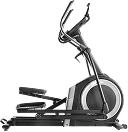
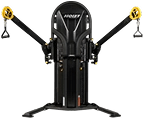
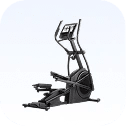
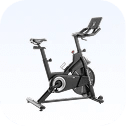
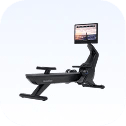
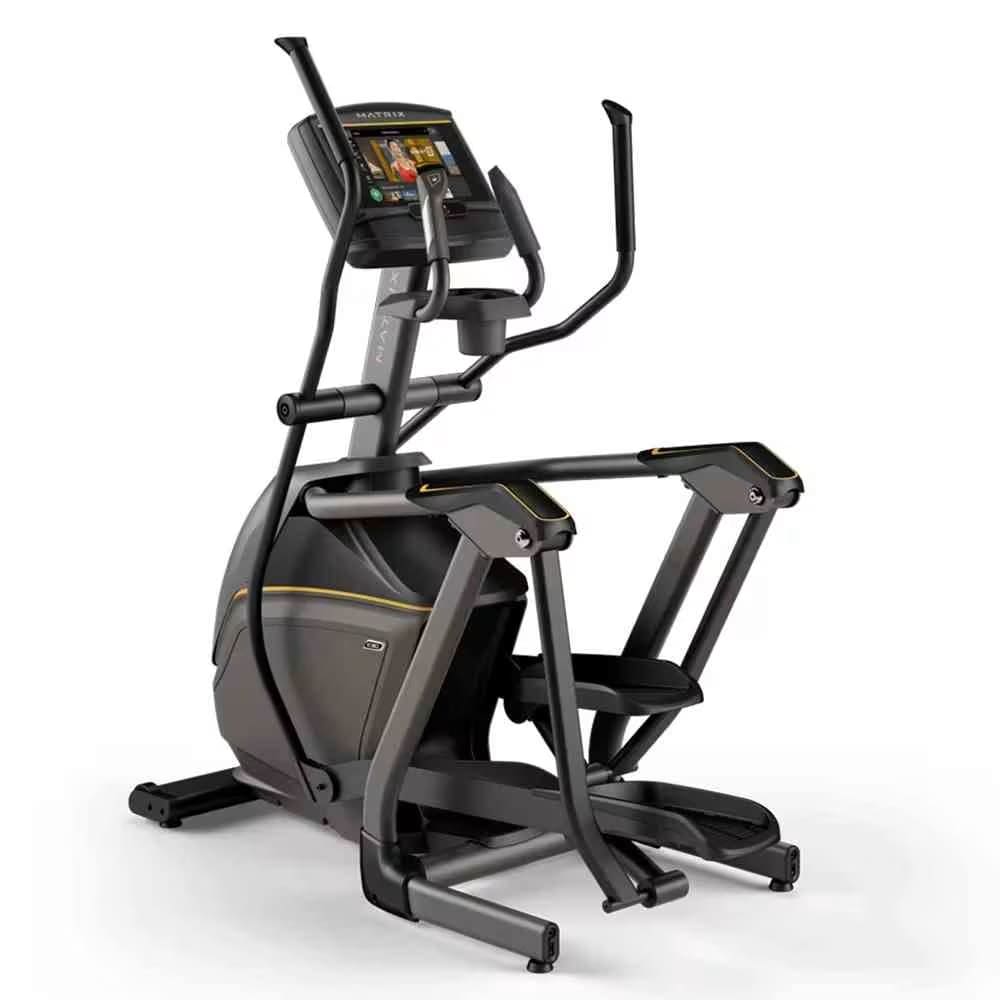
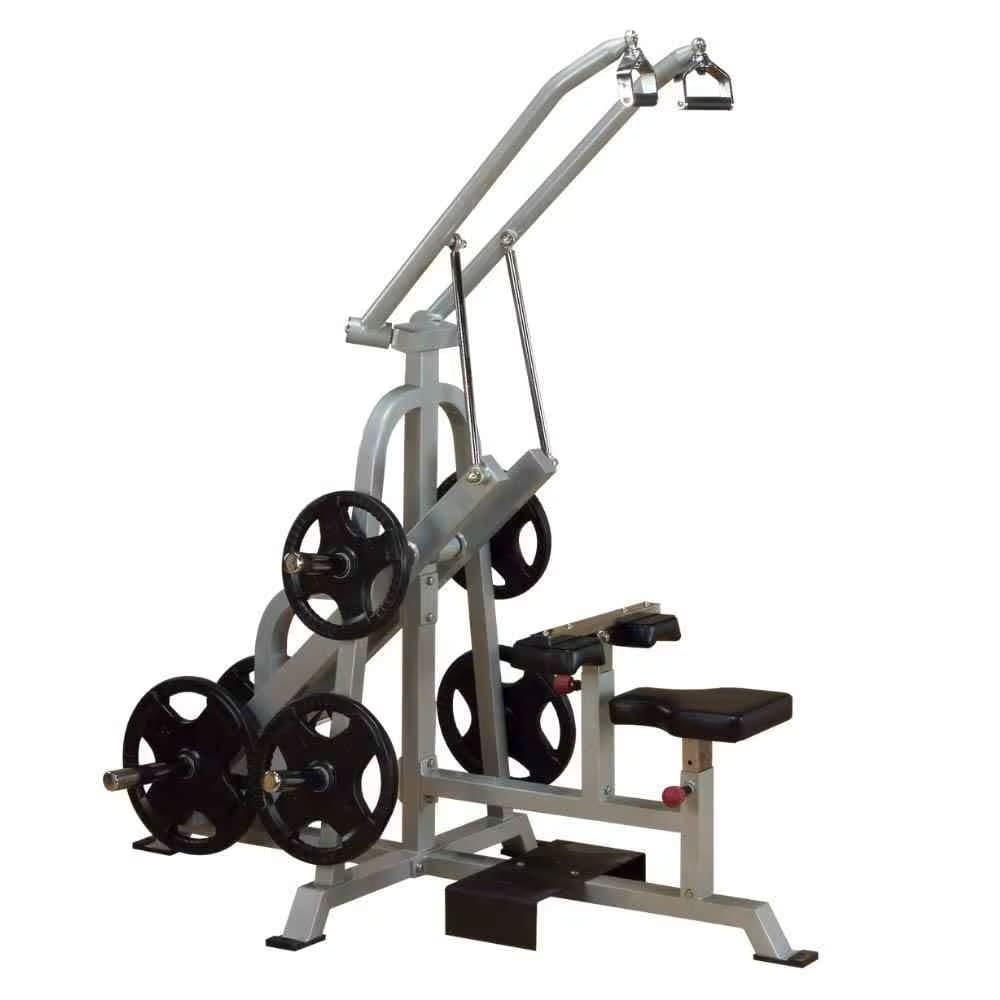
If you are looking to buy other fitness machines or accessories, look no further! Explore our range of fitness products like elliptical cross trainers, exercise bikes, rowing machines, home gym, functional trainer, multi-station, power towers, smith machines, dumbbells, foosball tables, pool tables, and table tennis.