Agility Training Accessories in UAE – Buy Speed Ladders, Agility Cones, Hurdles and More
Agility training is an important part of sports conditioning, fitness development, and athletic preparation. It involves exercises that help individuals practise changing direction, coordinating movements, maintaining balance, and responding to different physical demands. Whether you are an athlete preparing for competition, a coach organising team drills, or a fitness enthusiast looking to improve your workout routine, the right agility training accessories can help you structure your sessions effectively.
At Life Time Fitness Store, you can explore sports and fitness equipment for different training environments. If you are searching for agility training accessories in the UAE, choosing equipment that matches your goals, available space, and fitness level is an important step towards building a practical training setup.
Agility training equipment is used across a variety of sports, including football, rugby, basketball, tennis, cricket, athletics, and other activities that involve quick movements and changes of direction. Products such as agility cones, speed ladders, speed hurdles, agility poles, and agility grids can be incorporated into different exercises depending on the objectives of the session.
From individual fitness routines to professional coaching programmes, suitable training accessories can help create structured drills for athletes at different experience levels. Schools, sports academies, fitness centres, and sports clubs can also use agility equipment to organise group activities and develop progressive training routines.
Explore the agility training accessories collection at Life Time Fitness Store to discover the available products and find equipment suited to your training requirements.
Explore Agility Training Accessories for Every Fitness Level
Agility training accessories come in different designs and configurations, with each product serving a particular purpose during exercise. Some equipment helps establish movement patterns, while other products can be used to create obstacles, mark training zones, or organise footwork drills.
Choosing the right accessories begins with identifying the skills you want to practise. Beginners may benefit from simple exercises using cones and markers, while experienced athletes may incorporate ladders, hurdles, and more complex movement sequences into their training programmes.
The ideal setup also depends on the available training area, the number of participants, and the type of sport involved. A compact home workout space may require a different selection of equipment from a school field or a professional sports training facility.
Agility Cones for Direction Changes and Movement Drills
Agility cones are versatile training accessories used to mark positions, create boundaries, and organise movement exercises. They can be placed at different distances to establish running routes, turning points, shuttle drills, and practice zones.
Coaches frequently use cones when designing exercises that require players to accelerate, decelerate, move laterally, or change direction in response to visual cues. Fitness enthusiasts can also incorporate cones into circuit training and outdoor workouts.
One of the main advantages of agility cones is their flexibility. They can be arranged in straight lines, zigzag patterns, squares, or other layouts depending on the exercise.
When choosing agility cones, consider the following factors:
- Size and height: Select a suitable size for the drills and environment in which the cones will be used.
- Colour visibility: Bright colours can make markers easier to distinguish during training.
- Material: Review the product construction and care instructions to understand its suitability for repeated use.
- Quantity: Consider how many cones are required to create the desired training layout.
- Portability: Lightweight cones can be convenient for coaches who move between training locations.
- Storage: Sets that can be stacked or organised together may simplify transport and storage.
Agility cones are useful for beginners and experienced athletes because their placement can be adjusted as exercises become more challenging.
Explore the agility cones collection to review a dedicated cone listing and compare the available product information.
Speed Ladders for Footwork and Coordination
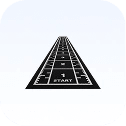
Speed ladders are commonly used for footwork drills that involve moving through a sequence of marked spaces. They can help coaches structure exercises that focus on stepping patterns, coordination, rhythm, and controlled changes in movement.
A speed ladder is typically placed on the ground, with players performing exercises that involve stepping into or between the ladder's sections. Depending on the drill, movements may include forward steps, lateral patterns, single-foot entries, and alternating footwork.
Speed ladders are used in a range of sports training programmes because the exercises can be adjusted to different skill levels.
When choosing a speed ladder, consider:
- Length: Select a ladder that suits the planned drills and the available space.
- Rung spacing: Review the spacing and adjustability, where applicable, according to the intended exercises.
- Material and construction: Check the materials and design for suitability for regular practice.
- Portability: Consider whether the ladder can be packed away easily between sessions.
- Training level: Beginners may prefer simple stepping exercises, while experienced players can progress to more complex patterns.
- Surface compatibility: Use the ladder on a suitable, stable surface according to the manufacturer's guidance.
Speed ladders can be incorporated into warm-up routines, sports conditioning sessions, and coordinated movement drills. Exercises should be introduced progressively, with emphasis on control and technique before increasing speed.
Browse the speed ladders and agility training category to explore the equipment available for your workout or coaching setup.
Speed Hurdles for Athletic Movement and Jumping Drills
Speed hurdles are training accessories designed to create small obstacles for movement exercises. Depending on their height and design, they can be used for drills involving stepping, controlled jumping, quick foot placement, and movement sequencing.
Athletes and coaches may incorporate hurdles into sports conditioning routines to practise moving over obstacles while maintaining control and coordination.
Speed hurdles are available in different heights and configurations, so selecting an appropriate model is important. Lower hurdles may be suitable for introductory drills, while other designs may be used for more advanced exercises under suitable supervision.
Consider the following when selecting speed hurdles:
- Hurdle height: Choose a height appropriate for the participants and the exercise.
- Stability: Look for a design suitable for the intended training surface.
- Material: Review the construction and product specifications.
- Portability: Consider how easily the hurdles can be moved between training stations.
- Storage: Check whether the hurdles can be stacked or stored efficiently.
- Training purpose: Select a design that supports your planned movement exercises.
Start with controlled movements and suitable spacing. Avoid introducing obstacles that are too high or complex for the participants, and ensure the training area is clear before beginning.
Explore the speed hurdles collection to review the dedicated product category.
Agility Poles for Directional and Slalom Drills
Agility poles can be used to establish movement routes, turning points, and slalom-style exercises. They are particularly useful when coaches want players to practise moving around obstacles while maintaining balance and body control.
Poles can be arranged in a straight line, staggered sequence, or another configuration depending on the exercise. Athletes may move around them at different speeds, with the difficulty adjusted according to their experience.
Agility poles can be incorporated into drills for sports that involve rapid direction changes, including football, rugby, hockey, and other field-based activities.
Before selecting agility poles, consider:
- Pole height: Choose a design appropriate for the participants and training objectives.
- Base design: Check that the product is suitable for the surface and intended setup.
- Material and durability: Review the manufacturer's product specifications.
- Portability: Consider how the poles will be transported and assembled.
- Training area: Ensure sufficient space is available for players to move around the poles safely.
- Storage requirements: Check the dimensions and storage needs of the equipment.
For coaches and sports facilities, agility poles can be incorporated into multiple drills by changing their placement and the movement sequence.
Visit the agility training accessories page to explore the category and check the current listings for agility poles and related equipment.
Agility Grids for Structured Footwork Exercises
Agility grids provide a defined layout for exercises involving foot placement, balance, coordination, and movement patterns. Depending on the product design, they can help establish repeatable sequences for individual practice or group training.
Grids may be useful for athletes who want to practise controlled stepping patterns and for coaches who need a consistent layout for drills.
When selecting an agility grid, consider its dimensions, construction, ease of setup, and compatibility with the intended training area.
It is also important to choose exercises appropriate for the participant's ability. Beginners can start with simple movements before progressing to more demanding sequences.
Agility grids can be combined with cones and other training markers to create different exercise stations, helping coaches organise sessions that address multiple movement skills.
Explore the agility training equipment collection to review the available categories and identify products suitable for your training objectives.
Agility Training Accessories for Different Sports
Agility exercises can be adapted to many sports. Although the specific movements differ, training often involves practising footwork, direction changes, coordination, and body control.
Selecting accessories according to the demands of your sport can help make training sessions more relevant and organised.
Agility Equipment for Football Players
Football involves frequent changes of direction, short accelerations, decelerations, and movements in response to teammates and opponents.
Coaches may use cones to create dribbling routes, speed ladders for footwork drills, and agility poles to establish slalom courses.
Speed hurdles can also be incorporated into suitable conditioning exercises, provided the movements are appropriate for the player's experience and the training environment.
When designing football drills, focus on movement quality before increasing complexity. Players should practise maintaining control and balance while moving through each sequence.
A combination of agility cones and other suitable training accessories can help coaches create different stations for individual practice and team sessions.
Agility Equipment for Rugby Players
Rugby players need to move effectively in changing situations while maintaining awareness of teammates, opponents, and the playing area. Agility cones and poles can be used to create directional drills, while ladders and low hurdles may be incorporated into suitable footwork and conditioning exercises.
Coaches should choose exercises that complement the team's overall training programme and are appropriate for each player's physical capabilities. For younger players, introductory drills can focus on controlled movement and coordination before progressing to more demanding exercises.
Agility Equipment for Basketball Players
Basketball requires frequent changes of direction, lateral movement, short bursts of acceleration, and controlled positioning.
Agility cones can be arranged for movement routes, while speed ladders may be used for structured footwork exercises. Suitable hurdle drills can also be incorporated into conditioning programmes when they match the player's ability.
Basketball training should combine general movement exercises with sport-specific practice, including ball handling, passing, shooting, and tactical drills.
Agility accessories can help organise the physical conditioning portion of a session, but they should complement rather than replace basketball-specific training.
Agility Equipment for Tennis Players
Tennis involves movement in multiple directions, repeated changes in court position, and the need to respond to an opponent's shots.
Coaches may use cones to establish movement points and speed ladders for selected footwork drills. Agility poles can also be used in exercises that involve controlled changes of direction.
The equipment and drills should be appropriate for the court environment and available space. Avoid placing training accessories where they could interfere with active play or create hazards.
Agility Equipment for Cricket Players
Cricket training can involve running between wickets, fielding movements, short accelerations, and directional changes.
Agility cones can mark running routes or fielding positions, while ladders and suitable hurdles may be used for selected conditioning exercises.
Training should reflect the needs of the player's role and the objectives of the session. Fielding, batting, bowling, and general conditioning require different combinations of practice activities.
Agility Equipment for General Fitness
Agility accessories are not limited to competitive sports. Fitness enthusiasts can use cones, ladders, and suitable hurdles as part of structured workout circuits.
Exercises may involve stepping patterns, lateral movement, short shuttle runs, and controlled changes of direction.
For home workouts, choose equipment that fits the available space and can be stored conveniently after use. Begin with manageable drills and increase the difficulty gradually as your technique improves.
How to Choose the Right Agility Training Accessories
Choosing suitable agility equipment starts with understanding your objectives, the people who will use it, and the training environment.
Whether you are purchasing a single accessory for personal use or multiple products for a sports facility, the following factors can help guide your selection.
1. Identify Your Training Goals
Start by identifying the skills you want to practise. You may want to focus on footwork, movement coordination, directional changes, jumping drills, or organising group activities.
Different accessories serve different purposes. Cones are versatile for marking routes, ladders support structured footwork exercises, and hurdles provide obstacles for selected movement drills.
Choose equipment according to the activities you plan to conduct rather than purchasing products simply because they are commonly used in sports training.
2. Consider Your Fitness and Skill Level
The appropriate training setup depends on the participants' experience and physical capabilities.
Beginners should focus on controlled movement and simple exercises. Experienced athletes may progress to more complex sequences or combine multiple accessories within the same session.
For group training, select equipment that can accommodate the needs of different participants and allow coaches to adjust the difficulty of exercises.
3. Check the Available Training Space
Your training area will influence the size and quantity of equipment you can use.
A home workout space may be suitable for a short speed ladder and a small set of cones, while a sports academy may have room for several stations involving poles and hurdles.
Measure the available space before purchasing equipment and leave sufficient room around each station for safe movement.
4. Review Materials and Construction
Agility accessories may be used repeatedly, transported between locations, and exposed to outdoor conditions.
Review product specifications to understand the materials, construction, and recommended use. Consider whether the equipment is suitable for the surfaces and training frequency you expect.
For schools and clubs, durability and ease of maintenance may be especially important because equipment is often shared by many participants.
5. Consider Portability and Storage
Training equipment is easier to manage when it can be stored and transported efficiently.
Cones and markers are often convenient for mobile coaching, while larger sets of hurdles or poles may require more storage space.
Before making a purchase, consider how the equipment will be moved, where it will be stored, and who will be responsible for setting it up.
6. Compare Available Product Specifications
Compare products according to dimensions, materials, quantities, configuration, and price.
For products supplied in sets, confirm how many pieces are included. Review the product description carefully so that the selected equipment matches your intended training activities.
Visit the Life Time Fitness Store agility training collection to review the available categories and check the current product listings.
Benefits of Using Agility Training Accessories
Agility accessories can help organise exercises that involve controlled movement, coordination, and changes of direction. Their benefits depend on the exercises performed, the participant's ability, and the overall training programme.
Helps Structure Footwork Practice
Speed ladders, grids, and cones provide visible layouts for footwork exercises.
These layouts allow coaches to establish repeatable movement sequences and help participants understand where to place their feet during each drill.
With regular practice, athletes can work on performing these movements with greater control and consistency.
Supports Directional Movement Drills
Cones and poles can mark turning points and movement routes.
Players can practise moving forwards, backwards, laterally, or around obstacles, depending on the exercise. The difficulty can be adjusted by changing the spacing, sequence, or movement speed.
Adds Variety to Fitness Sessions
Agility accessories can be incorporated into circuit training, sports conditioning, and general fitness routines.
For example, a session may include ladder footwork, cone shuttle runs, and selected hurdle movements. Varying the exercises can help coaches structure different training stations while maintaining a clear session objective.
Helps Coaches Organise Group Activities
Training accessories can divide an area into stations and provide clear visual markers for participants.
This can be useful in schools, sports academies, and group fitness sessions where multiple people perform similar exercises.
Planning the equipment layout in advance can help make transitions between drills more organised.
Allows Training Progression
Many agility drills can be adjusted to suit different skill levels.
Beginners may use fewer cones or simple ladder patterns, while more experienced participants can progress to more complex sequences under suitable supervision.
Gradually adjusting the challenge allows coaches to tailor sessions to the participants rather than relying on a single routine for everyone.
Agility Training Accessories for Schools, Academies, and Sports Clubs
Educational institutions and sports organisations often require equipment that can be used across different training groups.
Agility accessories can support physical education lessons, introductory sports activities, and more structured athletic development programmes.
Equipment for School Sports Programmes
Schools can use agility cones and markers to organise movement exercises and introduce students to basic coordination drills.
Ladders and suitable hurdles may be included in activities that match the students' ages and physical abilities.
When purchasing for a school, consider the number of students, available facilities, storage space, and the variety of activities planned during the academic year.
Equipment should be easy to organise and suitable for supervised use.
Equipment for Sports Academies
Sports academies may require multiple accessories for athletes at different experience levels.
Coaches can use cones, ladders, poles, and hurdles to establish different training stations and adapt drills to the needs of each group.
Before purchasing, prepare an equipment inventory and identify which products are needed for each training programme.
This can help avoid unnecessary duplication and make it easier to allocate equipment across different sessions.
Equipment for Professional Coaching
Coaches working with competitive athletes may incorporate agility accessories into carefully planned conditioning routines.
Equipment layouts can be adjusted to match the sport, the training phase, and the movement patterns being practised.
When using multiple stations, consider participant flow, available space, rest periods, and the need for supervision.
The equipment should support the coaching plan rather than determine the session on its own.
Equipment for Community and Recreational Facilities
Community centres and recreational facilities may need versatile equipment that accommodates different age groups and activities.
Cones, ladders, and other accessories can be used in general fitness sessions, youth sports activities, and recreational games.
A clear storage and maintenance routine helps ensure that equipment remains organised and ready for future sessions.
Tips for Setting Up an Agility Training Session
A well-planned session should have a clear objective, suitable equipment, and exercises that match the participants' abilities.
Start With a Suitable Warm-Up
Begin with a warm-up appropriate for the activity and the participant's fitness level.
This may include light movement and dynamic exercises before progressing to more demanding drills. Follow the guidance of a qualified coach where appropriate.
Establish Clear Training Zones
Use cones or other suitable markers to define the exercise area.
Make sure participants understand the route and the purpose of each drill before starting. Clear layouts can reduce confusion and help maintain a consistent flow between stations.
Introduce Simple Drills First
Start with basic movements that allow participants to practise technique and control.
For example, a beginner might move between a small number of cones before progressing to a more complex route. Ladder exercises can similarly begin with simple stepping patterns.
Progress Gradually
Increase the complexity of exercises only when participants can perform the current movements with suitable control.
Progression may involve changing the sequence, adding directional movements, or increasing the challenge according to the training plan.
Avoid introducing difficult jumps or rapid directional changes before participants are ready.
Allow Adequate Recovery
Training intensity should be appropriate for the exercise and the individual.
Include suitable rest periods, particularly when drills involve repeated high-intensity efforts. Stop an exercise if a participant experiences pain, dizziness, or unusual discomfort.
Inspect Equipment and Training Surfaces
Before the session, check that the equipment is in good condition and placed securely.
Ensure that the training surface is appropriate, the area is free from hazards, and there is enough space between stations.
After the session, collect and store the equipment properly.
Tips for Maintaining Your Agility Training Equipment
Proper care can help keep training accessories organised and in good condition.
- Inspect equipment before each session: Look for cracks, broken components, or signs of wear.
- Clean products as recommended: Follow the manufacturer's instructions for removing dirt and other residue.
- Store equipment appropriately: Keep accessories in a suitable area away from conditions that could damage the materials.
- Organise cones and markers: Group products by size or type to make them easier to distribute.
- Check ladders and connecting parts: Inspect the rungs, straps, and other components for damage before use.
- Inspect hurdles and poles: Check their stability and construction before setting up drills.
- Keep an inventory: Schools and clubs can record the quantities of equipment available and identify items that need replacement.
- Follow product instructions: Use accessories only for their intended purposes and according to the manufacturer's guidance.
Regular inspections are particularly important when equipment is shared across multiple teams or training groups.
Creating a Practical Agility Training Setup
A practical setup should reflect your available space, training goals, and the number of participants. You do not need every type of accessory to begin agility training. Start with the equipment that supports your planned exercises and expand the setup as your needs develop.
For Home Workouts
A small collection of agility cones and a speed ladder can provide options for simple movement drills in a suitable open area. Choose equipment that is easy to transport and store, and ensure that the workout area is large enough for the planned movements. Avoid placing accessories on slippery or unstable surfaces.
For Personal Sports Training
Athletes may select equipment according to the demands of their sport. For example, a football player may use cones to create directional drills, while a tennis player may focus on selected footwork exercises. Choose accessories that complement your regular practice and coaching programme.
For Group Fitness Sessions
Group sessions may benefit from multiple sets of markers and clearly defined exercise stations. When planning a circuit, consider the number of participants, the space between stations, and how people will move from one exercise to another. The equipment layout should allow participants to complete each drill without obstructing others.
For Schools and Sports Clubs
Organisations may need equipment in different quantities to accommodate several teams and age groups.
Prepare a list of the required accessories and compare product specifications before ordering. Consider storage, maintenance, and the frequency with which each item will be used.
A planned setup can make it easier for coaches and staff to prepare equipment before each session.
Why Explore Agility Training Accessories at Life Time Fitness Store?
Choosing agility training equipment starts with understanding your goals and comparing products according to their intended use.
Life Time Fitness Store provides an online destination for sports and fitness equipment, including a dedicated agility training category. The category features product groups such as agility cones, agility poles, speed ladders, speed hurdles, and agility grids.
Whether you are preparing a home workout space, equipping a school sports programme, or organising drills for a club, reviewing the individual product listings can help you identify suitable options.
You can also explore the store's wider sports and fitness equipment collection to discover other categories that may complement your training routine.
If you are comparing products across different brands, visit the Life Time Fitness Store brands directory to explore the brands featured in the store's wider catalogue. For assistance with product details, orders, or availability, use the Contact Us page to review the available customer support options.
Before purchasing, check the individual product listings for current specifications, dimensions, quantities, pricing, and availability. For larger orders, confirm the required quantities and intended use before finalising your selection.
Shop Agility Training Accessories Online in UAE
Whether you are an athlete looking to practise footwork, a coach organising team drills, or a fitness enthusiast building a structured workout routine, suitable agility accessories can help you plan your training sessions.
Agility cones can establish movement routes, speed ladders can provide layouts for footwork exercises, and speed hurdles can be incorporated into appropriate obstacle drills. Agility poles and grids offer additional ways to organise exercises according to your goals.
The best equipment depends on your training objectives, experience, available space, and budget. Reviewing product specifications and selecting accessories according to their intended use can help you build a practical training setup.
Explore the agility training accessories collection at Life Time Fitness Store to compare the available options and prepare for your next workout.
Frequently Asked Questions About Agility Training Accessories
Where can I buy agility training accessories online in the UAE?
You can explore the Life Time Fitness Store agility training accessories category to review the available equipment. Check the individual product pages for specifications, prices, and current availability.
What are agility training accessories used for?
Agility accessories help organise exercises involving footwork, coordination, directional changes, and movement patterns. Depending on the product, they can be used to mark routes, establish obstacles, and create structured training stations.
Which agility training equipment is suitable for beginners?
Agility cones and simple footwork layouts can be useful starting points for beginners. The appropriate equipment depends on the person's age, experience, training space, and intended activities.
What is the purpose of agility cones?
Agility cones are used to mark boundaries, turning points, and movement routes. They can be arranged in different patterns for shuttle runs, directional drills, and other structured exercises.
What are speed ladders used for?
Speed ladders provide a sequence of marked spaces for footwork drills. Exercises can involve forward stepping, lateral movement, and different foot placement patterns, depending on the participant's ability and the training plan.
What are speed hurdles used for?
Speed hurdles are used in suitable training drills involving stepping, controlled jumping, and movement over obstacles. Select an appropriate height and ensure that the exercise matches the participant's ability.
Are agility accessories useful for football and other sports?
Yes. Agility accessories can be incorporated into conditioning routines for sports such as football, rugby, basketball, tennis, and cricket. The exercises should reflect the sport's demands and complement sport-specific training.
Can schools and sports academies purchase agility training equipment?
Agility accessories can be used in school sports programmes, coaching sessions, and sports academy training. Organisations should consider the number and age of participants, available space, equipment quantities, and maintenance requirements.
How do I choose the right agility training equipment?
Identify your training goals, assess your available space, and consider the participants' skill levels. Compare product dimensions, materials, configurations, and quantities before making a purchase.
How should agility training accessories be maintained?
Inspect equipment before use, clean it according to the manufacturer's instructions, and store it in suitable conditions. Check ladders, hurdles, poles, and cones for wear or damage, and replace items that are no longer suitable for use.
Can I use agility training accessories at home?
Yes, provided you have enough space and a suitable surface for the planned exercises. Choose equipment that fits your training area and begin with simple drills that match your experience.
Where can I find more sports and fitness equipment?
Visit the Life Time Fitness Store sports and fitness collection to explore other categories and discover equipment for different activities.







 0




















 Price Match Guarantee
 Free Shipping
 Product Warranty
 After-Sale Support
 Have Coupon Code?
 You'll Save 0.00 On This Order
 Safe And Secure Payments. Easy Returns. 100% Genuine Products