Kids Indoor Games in UAE – Buy Indoor Play Equipment and Children's Games Online
Indoor games provide children with opportunities to play, learn, explore, and develop important skills in a comfortable and engaging environment. From early learning activities and interactive games to soft play equipment and family entertainment, indoor play can be an enjoyable part of a child's daily routine. Whether you are a parent looking for activities at home, a school planning recreational sessions, or a nursery creating a dedicated play area, choosing suitable kids' indoor games can help create a fun and stimulating environment.
At Life Time Fitness Store, you can explore sports, games, and fitness equipment for different age groups and recreational settings. If you are searching for kids' indoor games in the UAE, selecting appropriate products according to children's ages, interests, available space, and supervision requirements can help you make a practical purchasing decision.
Indoor games can support a wide range of activities, including imaginative play, coordination exercises, problem-solving, social interaction, and group entertainment. The right selection depends on how children will use the equipment and whether it is intended for a home playroom, classroom, nursery, childcare centre, or commercial indoor play facility.
Parents may prefer compact games that fit easily into a living room or dedicated playroom, while schools and nurseries may require equipment that accommodates several children during supervised activities. Play centres may have different requirements, including durable products, clearly defined play zones, and suitable arrangements for regular use.
Explore the kids' indoor games collection at Life Time Fitness Store to discover the available options and find products that suit your family's or organisation's requirements.
Explore Kids' Indoor Games for Different Ages and Activities
Children have different interests and developmental needs as they grow. Some enjoy games that involve movement and coordination, while others prefer building activities, imaginative play, puzzles, and games that encourage interaction with family members or friends.
Choosing indoor games according to children's interests and abilities can help make playtime more engaging. It is also important to consider the available space, the number of children participating, and the level of adult supervision required.
Before purchasing indoor play equipment, review the product description, recommended age range, dimensions, materials, and safety instructions. These details can help you determine whether a particular game is suitable for your intended environment.
Early Years Games for Learning Through Play
Early years games can introduce young children to playful activities that encourage exploration, movement, recognition, and interaction. For nurseries, preschools, and families with young children, play-based activities can form a useful part of everyday routines.
Depending on the product, early learning games may involve matching, sorting, identifying shapes, recognising colours, manipulating objects, or completing simple challenges.
When selecting games for younger children, consider the following factors:
- Age suitability: Choose products designed for the intended age group.
- Ease of use: Look for activities that children can understand and participate in with appropriate guidance.
- Materials: Review the product construction and cleaning instructions.
- Size of components: Check for small parts and any choking hazards relevant to the child's age.
- Learning opportunities: Consider whether the activity supports recognition, coordination, creativity, or simple problem-solving.
- Supervision: Follow the manufacturer's guidance on appropriate adult supervision.
For nurseries and preschools, it can be useful to select a variety of activities that accommodate different interests and abilities. Rotating games periodically can also help keep playtime interesting.
Explore the store's kids' indoor games category to review the currently available products for children's recreational activities.
Soft Play Equipment for Indoor Play Areas
Soft play is a popular option for environments designed specifically for children's play. Depending on the products selected, a soft play area may provide opportunities for supervised movement, exploration, and age-appropriate physical activity.
Soft play equipment can be considered for nurseries, childcare centres, indoor playrooms, and selected commercial recreational facilities. The equipment required will depend on the children's ages, the available floor area, and the activities the space is intended to accommodate.
Before selecting soft play products, consider:
- Available space: Measure the area and plan suitable circulation space around the equipment.
- Age group: Select products appropriate for the intended users.
- Construction: Review the materials, finish, and manufacturer's specifications.
- Cleaning requirements: Consider how the products can be cleaned and maintained.
- Installation: Check whether assembly, anchoring, or professional installation is required.
- Safety arrangements: Follow product-specific instructions, supervision guidance, and applicable facility requirements.
For commercial play areas, schools, and childcare facilities, equipment selection should be supported by a suitable layout and appropriate supervision procedures.
Explore the kids' indoor games collection to check the available listings and product information before planning your indoor play setup.
Indoor Games for Family Entertainment
Indoor games can bring family members together and create opportunities for shared activities at home. Depending on children's ages and interests, families can choose games that involve thinking, taking turns, solving challenges, or working together.
Family-friendly games can be useful during weekends, school holidays, rainy days, and other occasions when outdoor activities are less convenient.
When selecting games for family use, consider the following:
- Whether the game is appropriate for the youngest participant.
- How many players can participate at one time.
- Whether the rules are easy to understand.
- How much room is required for playing.
- Whether the game can be stored conveniently after use.
- Whether the activity encourages individual participation or group interaction.
A balanced selection of games can provide variety without overcrowding the available space. Families may choose a combination of quieter tabletop activities and games involving movement, depending on the size and layout of their home.
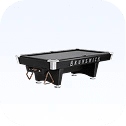
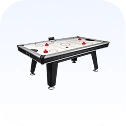
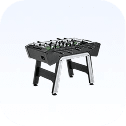
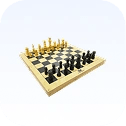
You can also explore the store's board games and game table categories to discover additional entertainment options for family and recreational settings.
Indoor Activity Equipment for Movement and Coordination
Children often enjoy activities that involve movement, balance, and coordination. When selected appropriately, indoor activity equipment can help create opportunities for active play in suitable spaces.
The choice of equipment depends on the child's age, the activity being planned, and the amount of room available. Not every product is suitable for every indoor environment, so it is important to review the manufacturer's instructions before use.
For supervised activity sessions, parents and educators may consider games that encourage children to move between designated areas, follow simple instructions, or complete age-appropriate challenges.
When planning movement-based indoor play, ensure that:
- The floor is suitable for the activity.
- Furniture and other obstacles are moved away from the play area.
- The equipment is used according to the manufacturer's instructions.
- Children have enough room to move without colliding with others.
- Appropriate supervision is provided.
- Products are inspected regularly for wear or damage.
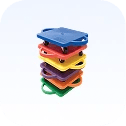
For activities that require general coordination and movement, explore the store's agility training accessories for additional equipment categories that may complement a supervised activity programme.
Indoor Games for Schools and Nurseries
Schools, nurseries, and childcare centres often need indoor games that can be incorporated into classroom activities, supervised playtime, and group sessions.
A well-planned collection can accommodate different interests and help educators organise activities for individuals, pairs, and small groups.
When purchasing games for an educational setting, consider:
- The number of children who will use the equipment.
- The age groups participating in each activity.
- The space available for indoor play.
- The ease of cleaning and storing products.
- The need for multiple sets of the same game.
- The suitability of each product for repeated supervised use.
It is helpful to organise games into categories, such as quiet activities, group games, early learning resources, and movement-based play. This makes it easier for teachers and caregivers to choose suitable activities throughout the day.
Before placing an order, review the available products and confirm that their specifications meet the needs of your institution.
Kids' Indoor Games for Different Age Groups
Children's interests and abilities change as they grow. A game that is appropriate for a preschool child may not provide the same level of engagement for an older child.
Selecting games according to age, ability, and individual interests can help make playtime more enjoyable and manageable.
Indoor Games for Toddlers and Preschoolers
Toddlers and preschoolers often benefit from simple, supervised activities that encourage exploration and interaction.
Depending on their age and developmental stage, suitable activities may involve recognising shapes, matching colours, sorting objects, manipulating larger components, or engaging in imaginative play.
When choosing games for younger children, prioritise age suitability and safety. Carefully check for small parts, sharp edges, detachable components, and any other hazards identified in the product instructions.
Consider selecting games that are easy to set up and store, particularly when space is shared between playtime and other household activities.
Adult supervision is particularly important for activities involving physical movement or objects that may present a choking hazard.
Indoor Games for Primary School Children
Primary school children may enjoy activities that combine entertainment with increasingly complex challenges.
Depending on their interests, these could include puzzles, construction activities, memory games, board games, and group challenges that encourage communication and strategic thinking.
When selecting games for this age group, consider the recommended age range, complexity of the rules, number of participants, and expected play duration.
For schools and families, a mixture of individual and group games can offer flexibility and accommodate different preferences.
Indoor Games for Older Children
Older children may enjoy games that involve planning, strategy, creativity, friendly competition, and collaboration.
Board games and tabletop activities can provide opportunities to practise decision-making and follow rules, while selected group games can encourage communication and teamwork.
When selecting indoor games for older children, consider their interests rather than focusing exclusively on age. A game that is challenging enough to remain engaging can be a valuable addition to a home or recreational setting.
Families can also explore other entertainment options available through the store's game table categories when planning a dedicated recreation space.
Indoor Games for Mixed Age Groups
Some homes, schools, and childcare centres need games that can accommodate children of different ages.
In these situations, it is helpful to select activities with flexible difficulty levels or simple rules that can be adapted to the participants.
Consider whether younger children can participate safely and whether older children will remain engaged. Some activities may work best when children are grouped by age or when an adult helps organise the session.
Always follow age recommendations and safety instructions, even when a game is intended for family or group participation.
How to Choose the Right Kids' Indoor Games
Choosing indoor games becomes easier when you understand the children's interests and the practical requirements of your play area.
Whether you are buying a single game for home use or selecting equipment for a school or childcare facility, the following factors can help guide your decision.
1. Identify the Intended Use
Start by deciding where and how the games will be used.
A home playroom may require compact products that can be stored in cupboards or shelves. A nursery may need activities that can be shared by several children, while a commercial play facility may require equipment designed for its specific environment.
Defining the purpose of the purchase helps narrow down the available options.
2. Consider Age and Developmental Suitability
Always check the manufacturer's recommended age range before buying a game.
Consider the child's abilities, interests, and experience with similar activities. For younger children, pay particular attention to component sizes and potential choking hazards.
For group settings, choose products that are suitable for the children who will actually use them rather than relying on a general age label alone.
3. Evaluate the Available Space
The dimensions of the play area influence the types of games you can accommodate.
Measure the available floor area and account for furniture, storage, doorways, and room for movement.
For soft play and activity equipment, allow sufficient space around the product according to the manufacturer's installation and safety guidance.
Compact tabletop games may be more appropriate for smaller homes, while larger dedicated play areas can accommodate a wider range of activities.
4. Review Materials and Construction
Children's games may be handled frequently, transported between rooms, and shared among several users.
Review the product description to understand its materials, construction, cleaning requirements, and intended use.
For schools and childcare centres, maintenance and storage should be considered alongside the initial purchase price.
5. Think About the Number of Players
Some games are designed for individual use, while others require two or more participants.
Before purchasing, consider how many children will use the game at one time and whether additional sets are necessary.
For schools and group settings, selecting an appropriate quantity can reduce waiting times and make it easier to organise activities.
6. Check Storage and Cleaning Requirements
Games should be easy to organise and maintain in their intended environment.
Review whether products can be disassembled, stored in their original packaging, or placed on shelves when not in use.
For shared equipment, establish a routine for cleaning products according to the manufacturer's recommendations.
7. Compare Specifications and Prices
Compare the available products according to their dimensions, materials, recommended age range, features, and price.
Read the individual product description carefully to understand what is included and whether any additional components are required.
Visit the kids' indoor games category at Life Time Fitness Store to review the current listings and check their specifications before purchasing.
Benefits of Indoor Games for Children
Indoor games can provide opportunities for learning, interaction, creativity, and age-appropriate movement. The benefits depend on the type of activity, the child's interests, and how the game is incorporated into daily routines.
Encourages Learning Through Play
Some indoor games introduce children to concepts such as shapes, colours, numbers, matching, and sequencing.
Activities that encourage children to explore and experiment can complement other learning experiences at home or in educational settings.
The most appropriate games depend on the child's age, abilities, and interests.
Supports Problem-Solving Skills
Puzzles, board games, matching activities, and similar challenges can encourage children to consider different options and work towards a goal.
Children may learn to recognise patterns, follow instructions, and adjust their approach when a task becomes challenging.
These activities can be adapted to different skill levels to help maintain interest.
Encourages Social Interaction
Games played with family members, classmates, or friends can provide opportunities to practise communication and cooperation.
Children may learn to take turns, follow shared rules, and participate in group activities.
Adult guidance can help younger participants understand how to interact appropriately during play.
Provides Opportunities for Creativity
Imaginative and open-ended activities allow children to experiment with ideas and create their own ways to play.
Creative play can be incorporated into daily routines through age-appropriate games and activities.
Allowing children to choose between different options can also help keep playtime varied.
Supports Coordination and Movement
Selected indoor games involve reaching, handling objects, moving between designated areas, or completing simple physical challenges.
These activities can provide opportunities to practise coordination and controlled movement when the equipment and space are suitable.
Ensure that movement-based activities are age-appropriate and carried out under suitable supervision.
Makes Indoor Recreation More Engaging
Indoor games provide alternatives to screen-based entertainment and can help families and educators plan structured recreational activities.
Having several types of games available makes it easier to alternate between quiet activities, creative play, and group participation.
The aim is to provide a balanced range of enjoyable activities that suit the children's needs and interests.
Kids' Indoor Games for Homes, Schools, and Commercial Play Areas
Different environments require different types of indoor games. Planning the equipment around the intended setting can help improve usability and make better use of the available space.
Indoor Games for Homes and Playrooms
For home use, consider games that match your children's interests and fit comfortably into the available room.
Compact products may be easier to store between activities, while a dedicated playroom can accommodate a wider selection.
A practical home setup may include a combination of tabletop games, creative activities, and age-appropriate movement games.
Keep products organised and store smaller components securely, particularly when younger children share the space.
Indoor Games for Nurseries and Preschools
Nurseries and preschools may need games that can be used during supervised playtime, classroom activities, and small-group sessions.
Choose products that are suitable for the children attending the facility and can be maintained according to the manufacturer's instructions.
It can be helpful to divide equipment into clearly labelled storage areas so educators can select activities and return products after use.
Inspect shared games regularly and remove damaged items from use.
Indoor Games for Schools
Schools may use indoor games during classroom breaks, extracurricular activities, and supervised recreational sessions.
When planning purchases, consider the number of students, the available storage, and whether activities will be organised individually or in groups.
A varied selection can help teachers accommodate different interests and age groups.
For larger purchases, prepare an inventory of existing games and identify which products need replacement or additional quantities.
Indoor Games for Hotels and Family Entertainment Facilities
Hotels, family recreation spaces, and selected commercial venues may use indoor games to create dedicated areas for children.
The equipment should suit the intended users, available space, operational requirements, and supervision arrangements.
For commercial play areas, confirm product specifications, installation requirements, cleaning procedures, and any applicable safety standards before purchasing.
A suitable layout should allow children to use the equipment without interfering with other activities or obstructing access routes.
Indoor Games for Community Centres
Community centres may host children's activities, family events, and group programmes throughout the week.
Games that accommodate different numbers of participants can help organisers plan flexible sessions.
Consider portability, storage, ease of setup, and the frequency of use when comparing products for shared recreational facilities.
Tips for Organising a Safe and Enjoyable Indoor Play Area
A well-organised play area can make it easier for children to enjoy their activities while helping adults supervise and maintain the equipment.
- Choose age-appropriate games: Follow the recommended age range and product instructions.
- Prepare the play area: Remove obstacles and ensure there is sufficient room for the intended activity.
- Organise equipment: Use suitable shelves, containers, or storage areas to keep games accessible and tidy.
- Follow cleaning instructions: Maintain products according to the manufacturer's recommendations.
- Inspect games regularly: Check for broken components, sharp edges, loose parts, and other damage.
- Supervise younger children: Provide supervision appropriate to the child's age and the type of game.
- Separate unsuitable items: Keep products with small parts away from children who may put objects in their mouths.
- Establish simple rules: Explain how games should be used and how equipment should be stored after play.
- Allow for different activities: Provide suitable options for quieter play, creativity, and movement.
- Review the setup periodically: Adjust the games and layout as children's interests and abilities change.
For commercial facilities and educational institutions, follow the applicable safety requirements and manufacturer guidance for each piece of equipment.
Creating a Practical Indoor Play Setup for Children
A useful indoor play setup does not need to contain a large number of products. The goal is to select suitable games that fit the available space and provide a variety of activities.
For Small Homes and Apartments
Space-saving games may be more practical for families living in apartments or homes with shared living areas.
Look for products that are easy to set up, pack away, and store. Tabletop games and compact activities can be useful where floor space is limited.
Keep the play area free from obstacles and ensure that any movement-based activity is appropriate for the available room.
For Dedicated Children's Playrooms
A dedicated playroom can accommodate different activity zones according to the children's interests.
For example, you might create separate areas for tabletop games, creative activities, and supervised movement-based play.
Storage containers and shelves can help keep products organised and make it easier for children to return games after use.
Choose equipment according to the dimensions of the room and leave adequate space around products that require movement.
For Nurseries and Schools
Educational settings may benefit from dividing games according to age group, activity type, and number of participants.
Teachers can rotate activities throughout the week and use a simple inventory system to monitor equipment condition and availability.
When several children use the same products, establish cleaning and storage procedures that are appropriate for the materials.
For Commercial Indoor Play Facilities
Commercial play areas require careful planning around the intended users, expected activity levels, available floor space, and supervision arrangements.
Before purchasing equipment, establish the layout, check installation requirements, and confirm that the products are suitable for the intended environment.
Plan for routine inspection, cleaning, maintenance, and the replacement of damaged items.
For larger projects, consider seeking advice from qualified play-area or facility specialists.
Why Explore Kids' Indoor Games at Life Time Fitness Store?
Choosing children's indoor games starts with understanding your needs and comparing the available products.
Life Time Fitness Store provides an online destination for sports, games, and fitness equipment, including a dedicated kids' indoor games category. The store's category listings include early years games and soft play, providing starting points for exploring children's recreational equipment.
Whether you are looking for games for home use, preparing a nursery activity area, or planning recreational activities for a school, reviewing individual product details can help you make an informed decision.
You can explore the kids' indoor games collection to browse the products listed in the category.
To discover other activities for children and families, you can also visit the Life Time Fitness Store homepage and browse its wider selection of sporting goods and recreational products.
If you are planning a broader recreational space, explore the store's sports and fitness equipment collection to discover other categories.
For additional options related to movement and coordination activities, browse the agility training accessories category.
If you are interested in equipment for swimming-related activities, visit the swimming accessories collection to explore another sporting category.
For questions about products, orders, or availability, visit the Life Time Fitness Store Contact Us page to review the available support options.
Before purchasing, check individual product pages for current prices, dimensions, age recommendations, materials, stock status, and delivery information. For school, nursery, or commercial orders, confirm product suitability and required quantities before finalising your purchase.
Shop Kids' Indoor Games Online in UAE
Whether you are creating a playroom at home, organising activities for a nursery, or planning a recreational space for children, choosing suitable indoor games can help make playtime more enjoyable and engaging.
Early years games can introduce simple learning activities, while soft play and other suitable equipment can provide opportunities for supervised movement and exploration. Family games and tabletop activities offer additional ways for children to interact with siblings, friends, and adults.
The best selection depends on children's ages, interests, available space, supervision requirements, and budget. Comparing product specifications and checking the current listings can help you find suitable options for your intended environment.
Explore the kids' indoor games collection at Life Time Fitness Store to compare the available products and plan your next indoor play activity.
Frequently Asked Questions About Kids' Indoor Games
Where can I buy kids' indoor games online in the UAE?
You can explore the Life Time Fitness Store kids' indoor games category to review the products currently listed. Check individual product pages for prices, specifications, age recommendations, and availability.
What are indoor games for kids?
Indoor games are activities designed to be played inside homes, classrooms, nurseries, recreational facilities, or other suitable indoor environments. Depending on the product, they may involve learning, creativity, problem-solving, social interaction, or physical movement.
What types of kids' indoor games should I consider?
The right selection depends on the child's age and interests. Options to consider include early years games, suitable soft play equipment, puzzles, tabletop activities, and other age-appropriate recreational games.
Are indoor games suitable for toddlers?
Some indoor games are designed specifically for toddlers and young children. Always check the recommended age range, component sizes, safety instructions, and supervision requirements before purchasing or using a product.
What are early years games?
Early years games are activities intended to support play and exploration among younger children. Depending on the product, they may involve recognising shapes, matching colours, sorting objects, or developing basic coordination.
What is soft play equipment?
Soft play equipment is designed for selected children's play environments and may provide opportunities for supervised movement and exploration. Check the manufacturer's specifications and suitability requirements before selecting products for a home, nursery, or commercial facility.
How do I choose indoor games for a small apartment?
Consider compact products that can be stored easily when not in use. Tabletop games and appropriately sized activities can be practical options for limited spaces. Always ensure that the play area is suitable for the intended activity.
Are indoor games useful for schools and nurseries?
Indoor games can be incorporated into supervised recreation, classroom activities, and group sessions. Schools and nurseries should choose products appropriate for their children's ages, facilities, cleaning procedures, and safety requirements.
What should I consider when buying indoor games in bulk?
Consider the number of children, age groups, frequency of use, available storage, maintenance requirements, and budget. Review product specifications and confirm quantities and availability before placing a large order.
How can I maintain kids' indoor games?
Follow the manufacturer's cleaning and storage instructions, inspect products regularly for damage, and remove unsuitable items from use. For shared facilities, establish clear procedures for cleaning and equipment checks.
Can indoor games encourage physical activity?
Some indoor games involve movement, balance, coordination, and age-appropriate physical challenges. Select products that suit the available space and children's abilities, and provide suitable supervision.
Where can I find other sports and recreational equipment at Life Time Fitness Store?
Visit the Life Time Fitness Store sports and fitness collection to explore other product categories for sports, exercise, and recreation.






 0





























































 Price Match Guarantee
 Free Shipping
 Product Warranty
 After-Sale Support
 Have Coupon Code?
 You'll Save 0.00 On This Order
 Safe And Secure Payments. Easy Returns. 100% Genuine Products