Buy Interlocking Mats in Oman for Home Gyms and Commercial Fitness Flooring
Looking to buy interlocking mats in the Oman? Lifetime Fitness Store offers a selection of modular flooring solutions designed for home gyms, commercial fitness centres, workout rooms, and other training environments. Whether you're creating a dedicated exercise area at home, upgrading the flooring in a fitness studio, or planning a larger gym installation, choosing suitable interlocking mats can help you build a more organised and functional workout space.
Interlocking mats are designed to connect with neighbouring tiles, allowing you to cover a defined area without necessarily installing permanent flooring throughout the room. Depending on the product, these mats may be suitable for general exercise areas, selected strength-training zones, and other fitness applications. Their modular design can also make it easier to plan flooring coverage around the dimensions of your available space.
At Lifetime Fitness Store, you can explore rubber flooring tiles, puzzle-style mats, and other interlocking flooring options in different dimensions and thicknesses. Available products include options from brands such as Murano, TRIMLIFE USA, ErgoFloor, VersaFit, and Body Sculpture, subject to current stock and product availability.
Explore our interlocking mats collection in Oman to compare available flooring products for your home workout area, personal training studio, or commercial gym.
Explore a Wide Range of Interlocking Mats in Oman
Choosing the right interlocking mats involves more than selecting a colour or the number of tiles required. The material, thickness, dimensions, surface texture, and intended application can all influence whether a particular flooring product is appropriate for your workout environment.
Some flooring products are intended for general exercise and recreational use, while others are designed for specific fitness or commercial applications. Understanding these differences can help you choose a solution that suits your equipment, training activities, and available budget.
Rubber Interlocking Mats for Home and Commercial Gyms
Rubber interlocking mats are a popular option to consider when planning flooring for a dedicated workout area. They are available in different constructions and dimensions, making it possible to select tiles according to the size and requirements of the space.
Depending on their specifications, rubber tiles may be suitable for selected strength-training areas, general fitness zones, and commercial gym environments. They can provide a defined flooring surface beneath compatible exercise equipment and help reduce direct contact between equipment and the underlying floor.
When choosing rubber interlocking mats, consider the following:
- Material composition: Check whether the tile is made from rubber, a rubber composite, or another material.
- Thickness: Compare the available thicknesses against the intended application and equipment requirements.
- Tile dimensions: Larger tiles may cover more area per piece, while smaller tiles can provide flexibility when planning certain layouts.
- Surface finish: Consider whether the surface texture is suitable for the intended workout activities.
- Load requirements: Check the product specifications before placing heavy equipment or weights on the flooring.
- Maintenance: Review the recommended cleaning procedures and any restrictions on cleaning products.
Lifetime Fitness Store lists products such as Murano Rubber Interlocking Mats and TRIMLIFE USA Composite Rubber Tiles. Check the individual listings for exact dimensions, thickness, material details, and suitability for your intended use.
Interlocking Mats for Home Gym Flooring
Creating a home gym is easier when you plan the flooring alongside your exercise equipment. Whether you're setting up a compact workout corner or dedicating an entire room to fitness, interlocking mats can provide a modular way to cover the area.
Unlike a single large mat, interlocking tiles can be arranged to fit the dimensions of a suitable space. This can be helpful when planning a workout zone around room boundaries or creating separate areas for different activities.
For a home gym, consider:
- The total floor area you want to cover.
- The dimensions of each tile and the number of pieces required.
- The type of exercises you intend to perform.
- Whether the flooring will support the intended equipment and loads.
- The condition and material of the existing floor.
- The amount of storage space available for any spare tiles.
For example, a small workout corner used for stretching, bodyweight exercises, and light training may require a different flooring solution from a home gym with heavy strength equipment.
Before purchasing, measure the available area carefully and check the product specifications. Avoid assuming that every interlocking mat is suitable for every exercise or equipment type.
Puzzle Mats for Exercise and General Fitness Areas
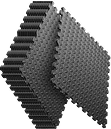
Puzzle-style mats connect along their edges to create a larger surface. They may be worth considering for selected general exercise areas where modular coverage and straightforward layout planning are important.
Lifetime Fitness Store lists Body Sculpture interlocking mats and Murano Sport Puzzle Mats among its flooring options. Available sizes, materials, and thicknesses vary by product.
Puzzle mats can be useful when creating a defined area for activities such as stretching, mobility exercises, and selected bodyweight workouts, provided the product is designed for those activities.
Before choosing a puzzle mat, consider:
- Intended activity: Confirm that the material and thickness are suitable for your exercise routine.
- Surface stability: Ensure the assembled tiles create an appropriate surface for the movements you plan to perform.
- Tile connections: Check how the edges connect and whether the assembly instructions meet your requirements.
- Coverage: Calculate how many tiles are needed to cover the intended area.
- Storage and handling: Consider whether the tiles need to be removed or rearranged regularly.
For dynamic exercises, heavy weights, or equipment that generates substantial force, check the manufacturer's guidance rather than assuming a general-purpose puzzle mat will provide adequate support.
Interlocking Rubber Tiles for Strength Training
Strength-training areas have different flooring requirements from spaces used primarily for stretching or light exercise. Dumbbells, weight plates, benches, racks, and other gym equipment can place concentrated loads on the floor.
Rubber interlocking tiles may be suitable for certain strength-training applications, but the correct choice depends on the product's construction, thickness, load capacity, and intended use.
When planning flooring for a strength-training zone, consider:
- The type and weight of the equipment.
- Whether weights will be placed on the floor during workouts.
- The potential impact from lifting and setting down weights.
- The manufacturer's load and impact recommendations.
- The condition of the subfloor.
- Whether specialist flooring is required for the intended activity.
If your workout space includes a squat rack, weight bench, or dumbbell storage area, plan the flooring around the equipment layout and the expected loads.
For heavy free weights, Olympic lifting, or repeated weight dropping, choose flooring specifically rated for those conditions. Standard interlocking tiles should not be assumed to provide sufficient impact protection for every type of strength training.
Commercial Gym Flooring for Fitness Centres and Studios
Commercial fitness facilities often need flooring that accommodates regular use, multiple exercise zones, and a variety of machines and training activities.
Interlocking flooring can be considered when planning suitable areas within gyms, personal training studios, hotel fitness rooms, residential fitness facilities, and corporate workout spaces. Its modular format can help facilities plan coverage across defined zones, provided the selected flooring is appropriate for the intended use.
When choosing interlocking mats for a commercial gym, consider:
- Usage frequency: Estimate how often each section of the flooring will be used.
- Equipment placement: Identify areas beneath machines, benches, racks, and other equipment.
- Training activities: Separate general exercise zones from areas requiring specialised impact protection.
- Tile specifications: Compare dimensions, thickness, material, and load requirements.
- Cleaning procedures: Check whether the flooring is compatible with the facility's cleaning routine.
- Installation requirements: Follow the manufacturer's guidance for preparing the subfloor and assembling the tiles.
- Future maintenance: Plan how damaged or worn sections can be inspected and addressed.
For larger installations, prepare a floor plan with measurements, equipment positions, and intended activities before selecting products. This can help you estimate the number of tiles needed and identify where different flooring specifications may be required.
Interlocking Mats for Multipurpose Workout Spaces
Not every fitness area is used for the same activity throughout the day. A home workout room may serve as a stretching area, a bodyweight training space, and a place to store selected fitness equipment. A studio may also need to accommodate different exercise sessions.
Interlocking mats can provide a way to organise suitable areas within a multipurpose room. However, the flooring should match the activities planned for each zone.
For example, a section intended for mobility exercises may have different requirements from a section used for strength equipment. If the room includes cardio machines, verify that the flooring is compatible with their weight, stability requirements, and operating conditions.
Before installing interlocking mats in a multipurpose area:
- Map out the activities that will take place in each section.
- Measure the room and identify any obstacles or fixed equipment.
- Compare the required coverage with the available tile dimensions.
- Check the suitability of the flooring for the intended exercises.
- Ensure the assembled surface does not create unacceptable gaps, raised edges, or trip hazards.
- Follow the manufacturer's instructions for installation and maintenance.
Careful planning can help create a more practical workout environment without purchasing unnecessary flooring.
How to Choose the Right Interlocking Mats
The best interlocking mats are those that suit the space, the activity, and the conditions in which they will be used. Consider the following factors before making a purchase.
Consider the Purpose of the Flooring
Start by identifying the primary purpose of the mats. General exercise, mobility training, strength training, and commercial gym use may require different flooring characteristics.
Check whether the product is specifically intended for the activities you have planned. If the flooring will support heavy machines or weights, review the relevant load and impact specifications.
Choose the Appropriate Material
Interlocking mats are available in different materials, including rubber, rubber composites, and foam-based constructions. Each material has different characteristics and may be intended for different applications.
Rubber flooring products are often considered for selected gym environments, while some foam puzzle mats may be more appropriate for lighter activities. However, suitability depends on the individual product rather than the material name alone.
Review the manufacturer's description, material composition, and intended application before choosing.
Compare Thickness and Construction
Thickness is an important consideration when selecting interlocking mats, but thicker flooring is not automatically better for every workout.
The appropriate thickness depends on the type of exercise, the equipment being used, and the flooring's intended performance. Compare the product specifications and check whether the tile is suitable for the loads and movements expected in your workout area.
Measure the Area Before Buying
Accurate measurements can help you estimate how many tiles you need and reduce unnecessary purchases.
Measure the length and width of the area to be covered. Then check the dimensions of each tile and calculate the required quantity, allowing for any edges, corners, or layout adjustments.
For rooms with unusual shapes, columns, or fixed equipment, sketching a simple floor plan can make planning easier.
Check Compatibility With the Existing Floor
The surface beneath the mats is just as important as the mats themselves. Consider whether the subfloor is level, clean, dry, and appropriate for the selected product.
Some flooring materials may require specific installation conditions or may not be suitable for certain surfaces. Follow the manufacturer's recommendations to reduce the risk of movement, moisture problems, or damage to the underlying floor.
Consider Maintenance and Durability
The amount of maintenance required depends on the material, construction, usage, and surrounding environment.
Review cleaning instructions and inspect the tiles periodically for wear, deformation, loose connections, or other signs of damage. For commercial facilities, include flooring inspections in the routine maintenance schedule.
Compare Prices and Overall Coverage
When comparing interlocking mats, consider the cost per tile, the area covered by each piece, the number of tiles required, and any additional installation components.
A tile with a lower individual price may not necessarily be the most economical option if it covers less area or is unsuitable for the intended application.
Compare the full specifications and total coverage to make a more informed purchasing decision.
Benefits of Using Interlocking Mats in Your Workout Space
When selected and installed correctly, suitable interlocking flooring can offer several practical advantages.
Modular Floor Coverage
Interlocking tiles can be assembled to cover a defined area. This can help when planning flooring for workout corners, dedicated gym rooms, and selected commercial fitness zones.
Flexible Layout Planning
Because the tiles connect individually, you can plan coverage around the dimensions of the room and the intended layout. The actual flexibility depends on the tile design and the installation requirements.
A Defined Exercise Area
Flooring can help visually distinguish a workout area from the rest of a room. This may be useful in multipurpose spaces or home gyms where equipment and exercise zones need to be organised.
Potential Floor Protection
Suitable flooring may help reduce direct contact between compatible equipment and the underlying surface. The degree of protection depends on the material, thickness, load, and activity.
Maintenance of Individual Sections
A modular floor can make it possible to identify individual sections that require inspection or attention. Whether a tile can be removed or replaced independently depends on the installation method and product design.
Options for Different Spaces
Interlocking mats come in different dimensions, constructions, and thicknesses. This variety allows customers to compare options for different fitness environments, provided the selected product is appropriate for the intended activity.
Interlocking Mats vs Equipment Mats: Which Should You Choose?
Interlocking mats and equipment mats are both used in fitness environments, but they serve different purposes.
Interlocking Mats
Interlocking mats connect with neighbouring tiles to cover a broader area. They may be suitable for creating modular flooring across a workout zone or selected gym sections.
They can be worth considering when you want to define an exercise area rather than cover only the footprint of one machine.
Equipment Mats
Equipment mats are generally intended to sit beneath individual machines or within a specific equipment footprint. They can be useful when the main objective is to provide a protective layer under a treadmill, rowing machine, or another compatible piece of fitness equipment.
If you only need to protect the floor beneath a single machine, explore the store's equipment mats collection to compare options intended for individual fitness equipment.
Which Option Is Right for You?
Choose interlocking mats when you need modular coverage across a suitable exercise area. Consider an equipment mat when you primarily need flooring beneath an individual machine.
For some gyms, both solutions may be appropriate in different zones. Before combining products, check their compatibility, installation requirements, and suitability for the equipment and activities involved.
Buy Interlocking Mats Online in Oman at Lifetime Fitness Store
Finding suitable flooring should be straightforward, whether you're building a home gym, upgrading an existing exercise room, or planning a larger fitness facility.
Lifetime Fitness Store allows you to explore available interlocking mats and compare product specifications before purchasing. Review the dimensions, thickness, material, intended application, and current pricing of each product to identify the options that match your requirements.
If you are setting up a complete workout space, you may also want to explore related fitness products. The store's fitness accessories collection includes a range of workout and training accessories that may complement your flooring setup.
When shopping for interlocking mats, it is useful to prepare a few details in advance:
- The total area you intend to cover.
- The type of exercises or activities planned.
- The equipment that will be placed on the flooring.
- The existing floor material.
- Your preferred tile dimensions and thickness.
- Your approximate budget.
Having this information ready can help you compare products more efficiently and identify flooring options that fit your needs.
Why Choose Lifetime Fitness Store for Interlocking Mats in Oman?
Selecting flooring for a workout space involves considering the intended application, product specifications, and overall layout. Lifetime Fitness Store provides an online catalogue where you can browse available interlocking flooring products and compare suitable options.
A Selection of Flooring Options
Explore rubber interlocking mats, composite rubber tiles, and puzzle-style flooring products. Review individual listings to understand the construction, dimensions, and intended use of each option.
Products for Different Fitness Environments
Whether you're setting up a small home workout area or planning flooring for a larger fitness facility, identifying your equipment and activity requirements can help you select suitable products.
Convenient Online Comparison
Compare dimensions, thicknesses, material details, and prices across available listings. This makes it easier to shortlist products based on your intended coverage and budget.
Support With Product Enquiries
If you need help understanding a product's specifications, prepare the measurements of your space and details of the intended application before contacting the store team.
For larger installations, a floor plan and an inventory of the equipment to be used can help make your enquiry more productive.
Visit the Lifetime Fitness Store homepage to explore the wider range of fitness equipment, accessories, and flooring products available in the UAE.
Frequently Asked Questions About Interlocking Mats in Oman
Where can I buy interlocking mats in Oman?
You can explore interlocking mats through Lifetime Fitness Store's online flooring category. Compare the available products, dimensions, material specifications, and prices to identify a suitable option for your workout space.
What are interlocking mats used for?
Interlocking mats are modular tiles that connect to create a larger flooring surface. Depending on their specifications, they may be suitable for selected home gym areas, exercise spaces, and commercial fitness applications.
Are interlocking mats suitable for home gyms?
Some interlocking mats are suitable for home gym use, but the right choice depends on the planned exercises, equipment, floor type, and product specifications. Check the manufacturer's recommendations before placing heavy equipment on the tiles.
Are rubber interlocking mats suitable for weight training?
Certain rubber flooring products may be suitable for selected strength-training applications. However, heavy weights and high-impact activities can require specialised flooring. Check the product's load and impact specifications before use.
How thick should interlocking gym mats be?
There is no single thickness suitable for every application. The appropriate thickness depends on the exercise type, equipment, loads, and intended flooring performance. Compare the manufacturer's specifications and recommendations before purchasing.
How many interlocking mats do I need?
Measure the area you want to cover and calculate how many tiles are required based on the dimensions of each piece. Allow for room boundaries, corners, and layout adjustments. For irregular spaces, prepare a simple floor plan before ordering.
Can interlocking mats protect my existing floor?
Suitable interlocking mats may help protect the underlying floor from certain types of contact and wear. The level of protection depends on the product, the floor surface, the equipment, and the activity. They should not be assumed to prevent all damage.
Are interlocking mats waterproof?
Water resistance varies by material and product construction. Do not assume that every interlocking mat is waterproof or suitable for wet environments. Check the product specifications and cleaning instructions before use.
Can interlocking mats be used in commercial gyms?
Some interlocking flooring products may be appropriate for commercial fitness areas. Their suitability depends on usage frequency, equipment loads, maintenance requirements, and the type of training performed. Confirm the product specifications before installation.
What is the difference between rubber and foam interlocking mats?
Rubber and foam mats can differ in density, firmness, durability, and intended use. Rubber products may be designed for selected gym and flooring applications, while some foam products may be intended for lighter activities. Always check the specifications of the individual product.
How do I clean and maintain interlocking mats?
Follow the manufacturer's cleaning instructions and use compatible cleaning products. Inspect the flooring periodically for damage, loose connections, deformation, or other signs of wear, and address any issues before continuing to use the affected area.






 0





















































 Price Match Guarantee
 Free Shipping
 Product Warranty
 After-Sale Support
 Have Coupon Code?
 You'll Save 0.00 On This Order
 Safe And Secure Payments. Easy Returns. 100% Genuine Products