


Exercise bikes have earned a permanent place in both home gyms and commercial fitness facilities because they provide an effective cardiovascular workout while placing minimal stress on the joints. Whether your goal is improving heart health, losing weight, increasing endurance, or staying active throughout the year, an exercise bike offers a convenient and low-impact solution. However, choosing the right type of bike can be challenging, especially when deciding between an upright bike and a recumbent bike. While both machines deliver excellent cardiovascular benefits, they differ significantly in riding position, comfort, muscle engagement, workout intensity, and overall user experience. Understanding these differences allows you to choose the bike that best supports your fitness goals, lifestyle, and physical needs.
Understanding Upright and Recumbent Exercise Bikes
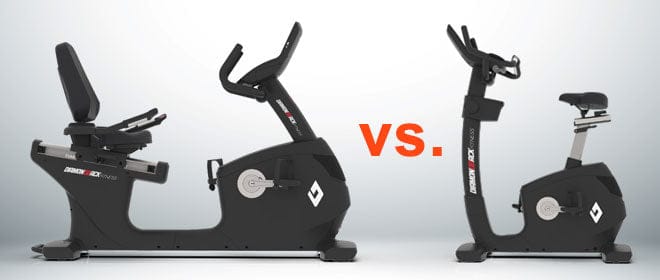
Although both bikes belong to the stationary bike category, they are designed with different users in mind. An upright bike resembles a traditional outdoor bicycle, placing the pedals directly beneath the rider while encouraging a more vertical riding posture. A recumbent bike positions the rider in a reclined seat with a supportive backrest and pedals located in front of the body. These design differences affect comfort, posture, muscle activation, and workout intensity, making each bike suitable for different fitness objectives.
What Is an Upright Exercise Bike?
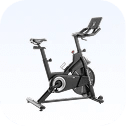
An upright exercise bike closely mimics the feel of riding a conventional bicycle. Riders sit on a saddle while maintaining an upright posture and pedaling beneath their hips. Most upright bikes include adjustable handlebars, multiple resistance levels, workout programs, and digital performance tracking. Because they encourage greater core engagement and balance, upright bikes are popular among users seeking an active cardiovascular workout that feels similar to outdoor cycling. They are commonly found in both home gyms and commercial fitness centers due to their versatility and relatively compact footprint.
What Is a Recumbent Exercise Bike?
A recumbent exercise bike features a larger chair-like seat with full back support, allowing riders to exercise in a reclined position. Instead of pedaling directly beneath the body, the pedals are positioned forward, reducing pressure on the lower back and hips. This design provides exceptional comfort while making cycling more accessible to seniors, beginners, rehabilitation patients, and individuals with mobility limitations. Despite its relaxed appearance, a recumbent bike still delivers an effective cardiovascular workout while minimizing joint stress.
Also Read : How to Adjust Your Exercise Bike for Effective Ride
The Difference in Riding Position
The riding position is perhaps the most noticeable difference between these two bikes. Upright bikes require riders to maintain a more active posture, engaging the core and upper body to remain balanced throughout the workout. This riding style closely resembles outdoor cycling and creates a more athletic training experience. Recumbent bikes provide full back support, allowing riders to sit comfortably without placing excessive strain on the spine or shoulders. The reclined position reduces fatigue during longer workouts and makes cycling more comfortable for individuals with existing joint or back concerns.
Comparing Comfort Levels
Comfort is often one of the biggest deciding factors when selecting an exercise bike. Upright bikes typically use narrower saddles that support efficient pedaling but may require some adjustment for beginners during longer rides. Their upright posture encourages natural body alignment while promoting greater muscle engagement. Recumbent bikes prioritize comfort through wider padded seats and supportive backrests that distribute body weight more evenly. This design reduces pressure on the hips, lower back, and wrists, allowing many users to ride comfortably for extended periods without discomfort.
Which Bike Provides a More Intense Workout?
Both bikes improve cardiovascular fitness, but the overall workout experience differs. Upright bikes encourage a more active riding position that engages additional stabilizing muscles while allowing riders to perform interval training, endurance sessions, and higher-intensity workouts. Recumbent bikes focus more on sustained cardiovascular exercise performed in a comfortable seated position. Although riders can still increase resistance and challenge themselves, the overall experience often feels less demanding on the upper body because of the supported posture.
Muscle Engagement Differences
Both upright and recumbent bikes effectively strengthen the quadriceps, hamstrings, calves, and glutes. However, upright bikes require greater core activation because riders must stabilize themselves without back support. This additional engagement may contribute to improved posture and balance over time. Recumbent bikes isolate the lower body more effectively while reducing demands on the upper body and core. This makes them especially valuable for individuals recovering from injury or those seeking low-impact lower-body exercise.
Which Bike Is Better for Weight Loss?
Weight loss depends primarily on consistent physical activity combined with proper nutrition rather than one specific type of exercise bike. Both upright and recumbent bikes burn calories and improve cardiovascular health. Upright bikes may encourage slightly higher workout intensities because of greater whole-body involvement, while recumbent bikes often allow users to exercise comfortably for longer periods. Ultimately, the bike that encourages consistent exercise habits will generally produce better long-term results than one chosen solely for perceived calorie-burning potential.
Joint Impact and Injury Prevention
One of the greatest advantages of exercise bikes is their low-impact nature. Both upright and recumbent bikes reduce stress on the knees and ankles compared to high-impact activities like running. Recumbent bikes provide additional support for individuals with lower back pain, arthritis, or mobility challenges by reducing spinal compression and improving seating comfort. Upright bikes remain highly joint-friendly while encouraging greater movement and functional cycling mechanics. Choosing the appropriate bike based on personal health needs helps minimize discomfort while promoting long-term exercise adherence.
Space Requirements
Space is another important consideration when purchasing home fitness equipment. Upright bikes generally occupy less floor space because of their compact vertical design, making them ideal for apartments and smaller workout areas. Recumbent bikes require additional room due to their extended frame and larger seating system. While they occupy more space, many users consider the added comfort well worth the extra footprint, particularly if cycling will become a regular part of their fitness routine.
Ease of Use
Both bikes are relatively simple to operate, but recumbent bikes are often considered more beginner-friendly because of their supportive seating position. Mounting and dismounting the bike generally requires less balance, making them accessible to users recovering from injury or experiencing reduced mobility. Upright bikes require slightly more coordination when getting on and off, but most users quickly become comfortable after a few sessions. Once adjusted correctly, both bikes provide intuitive and enjoyable riding experiences.
Choosing Based on Your Fitness Goals
The best exercise bike depends entirely on your long-term objectives. If your goal is improving general cardiovascular fitness while enjoying a riding experience similar to outdoor cycling, an upright bike is often the better choice. If comfort, rehabilitation, joint protection, or longer low-impact workouts are your priorities, a recumbent bike may better suit your needs. Many commercial gyms include both options because each serves a different group of users while delivering excellent cardiovascular benefits.
Home Use Versus Commercial Use
Both upright and recumbent bikes perform exceptionally well in home gyms and commercial facilities. Home users often select upright bikes because they require less space and provide versatile workouts suitable for multiple family members. Recumbent bikes remain popular in homes where comfort and accessibility are especially important. Commercial gyms frequently include both bike styles to accommodate beginners, experienced athletes, rehabilitation clients, and older adults seeking safe, effective cardiovascular exercise.
Who Should Choose an Upright Bike?
An upright bike is ideal for individuals who want a traditional cycling experience while exercising indoors. Its design closely resembles an outdoor bicycle, making it a familiar option for people who enjoy riding outside or want to improve cycling performance. The upright riding position naturally encourages greater engagement of the core and upper body, creating a more active workout without significantly increasing joint impact.
People looking to improve cardiovascular endurance, burn calories, and build consistent fitness habits often appreciate the versatility of upright bikes. They are suitable for beginners but also offer enough resistance and workout variety for intermediate and advanced users. Because upright bikes occupy relatively little floor space, they are also excellent choices for apartments, home gyms, and fitness rooms where maximizing available space is important.
Who Should Choose a Recumbent Bike?
Recumbent bikes are designed with comfort as the highest priority. Their larger seat, supportive backrest, and forward pedal position make them particularly attractive to individuals who experience lower back discomfort or limited mobility. Beginners often feel more confident using a recumbent bike because the riding position feels stable and relaxed from the very first workout.
People recovering from injuries, older adults, and those beginning a new fitness routine frequently choose recumbent bikes because they reduce pressure on the joints while still providing an effective cardiovascular workout. The supportive seating also allows users to maintain longer exercise sessions comfortably, helping improve endurance without unnecessary physical strain.
Daily Workout Experience
The experience of riding each bike differs considerably over the course of a typical workout. Upright bikes encourage riders to remain actively engaged throughout the session. Because there is no back support, posture naturally becomes part of the exercise, requiring the rider to stabilize their body while pedaling. This creates a dynamic workout that many users find both enjoyable and motivating.
Recumbent bikes provide a noticeably different experience. The backrest supports the spine while allowing the rider to focus almost entirely on pedaling. Many users enjoy reading, watching television, or listening to music during longer rides because the relaxed seating position feels comfortable even during extended sessions. This makes recumbent bikes particularly suitable for steady-state cardiovascular exercise.
Which Bike Is Better for Long-Term Fitness?
Long-term success depends less on equipment specifications and more on consistency. The exercise bike that encourages regular use will almost always produce better results than one that remains unused.
For individuals who enjoy more active cycling workouts, upright bikes often provide greater long-term motivation because they support varied resistance levels, interval training, and performance progression. Riders can continually increase workout intensity as fitness improves.
Recumbent bikes promote consistency through comfort. Individuals who previously struggled to maintain exercise routines because of joint discomfort or back pain often find that a recumbent bike allows them to exercise regularly without unnecessary strain. This comfort frequently becomes the reason they remain committed to long-term fitness.
Comparing Calories Burned
Many buyers naturally wonder which bike burns more calories. The answer depends primarily on workout intensity rather than equipment design.
An upright bike may encourage higher-intensity riding because of increased muscle engagement and more aggressive riding posture. Riders often perform interval sessions, standing climbs, or higher resistance workouts that increase overall energy expenditure.
Recumbent bikes can produce similar calorie expenditure when resistance and workout duration are increased appropriately. Because users often remain comfortable for longer sessions, total calorie burn over an extended workout may equal or even exceed shorter, higher-intensity rides.
Ultimately, consistency and workout effort remain the biggest factors influencing calorie expenditure.
Which Bike Offers Better Accessibility?
Accessibility is an important consideration, particularly for households where multiple family members will use the equipment.
Recumbent bikes are widely recognized for their accessible design. The lower seat height, open frame, and supportive backrest make mounting and dismounting significantly easier for many users. This accessibility is especially valuable for older adults, rehabilitation patients, and individuals with reduced flexibility.
Upright bikes remain highly accessible for most healthy adults but require slightly greater balance and mobility when getting on and off the saddle. For regular exercisers, this rarely presents a challenge, but it can influence purchasing decisions for households with diverse age groups.

Which Bike Fits Better in Smaller Homes?
Available space plays a significant role when designing a home gym. Upright bikes generally occupy less floor space because of their vertical frame design. They fit comfortably into spare bedrooms, home offices, apartments, or dedicated workout corners without overwhelming the room.
Recumbent bikes require a larger footprint due to their extended frame and reclined seating position. Although they occupy more space, many users consider the additional comfort well worth the larger footprint, particularly if the bike will become their primary cardiovascular machine.
Before purchasing either model, measuring the available workout area ensures the equipment integrates comfortably into the home.
Noise During Exercise
Indoor cycling remains one of the quietest forms of cardiovascular exercise available. Both upright and recumbent bikes equipped with magnetic resistance systems operate with minimal noise, making them excellent choices for apartments and shared homes.
Quiet operation allows users to exercise early in the morning, during children's nap times, or late in the evening without disturbing others. Premium models often produce little more than the sound of the pedals rotating smoothly, making them ideal for households where maintaining a peaceful environment is important.
Durability and Maintenance
Modern exercise bikes are designed for years of reliable performance with relatively little maintenance. Regular cleaning after workouts prevents sweat from affecting metal components, while occasional inspection of adjustment mechanisms helps ensure safe operation.
Commercial-grade upright bikes are built to withstand continuous daily use in busy fitness facilities, while residential models are engineered for regular home workouts. Recumbent bikes share similar durability when properly maintained. Their additional seating components require occasional inspection, but overall maintenance requirements remain minimal.
Choosing equipment from reputable manufacturers and following recommended maintenance schedules helps maximize the lifespan of both bike types.
Which Bike Is Better for Families?
Families often need equipment that accommodates users of different ages, heights, and fitness levels.
Upright bikes provide broad adjustability through seat and handlebar positioning, making them suitable for multiple household members. Their familiar riding position also appeals to a wide range of users.
Recumbent bikes are equally family-friendly, particularly when comfort is a priority. Older family members, beginners, and individuals returning to exercise often feel more confident using a recumbent bike because of its supportive seating and stable design.
Households with users of varying abilities frequently benefit from selecting the bike that encourages everyone to remain active.
Making the Final Decision
Rather than asking which bike is objectively better, buyers should ask which bike best supports their personal lifestyle. Someone seeking athletic cycling workouts, improved endurance, and compact equipment may naturally prefer an upright bike. Someone prioritizing comfort, joint protection, rehabilitation, or longer low-impact workouts will likely appreciate a recumbent bike. Both machines improve cardiovascular health, strengthen the lower body, and support long-term wellness. The best investment is ultimately the bike that motivates consistent exercise while fitting comfortably into your daily routine.
Final Thoughts
Upright bikes and recumbent bikes each offer unique advantages that make them valuable additions to any home or commercial gym. Upright bikes provide a dynamic, traditional cycling experience with greater core engagement and workout versatility, while recumbent bikes deliver exceptional comfort, stability, and accessibility for users seeking low-impact cardiovascular exercise. By carefully evaluating your fitness goals, physical condition, available space, and preferred workout style, you can confidently select the exercise bike that will help you stay active, improve your health, and enjoy consistent indoor cycling for many years.
Conclusion
Choosing between an upright bike and a recumbent bike ultimately depends on your individual fitness goals, physical condition, and preferred workout style. Upright bikes provide a more traditional cycling experience with greater core engagement and higher workout intensity, making them ideal for users seeking active cardiovascular training. Recumbent bikes emphasize comfort, back support, and joint-friendly exercise, making them excellent choices for beginners, seniors, and rehabilitation programs. Both bikes offer outstanding cardiovascular benefits while supporting healthier, more active lifestyles. By selecting the bike that best matches your personal needs, you can enjoy consistent, comfortable, and effective indoor cycling for years to come.
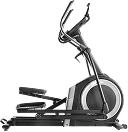
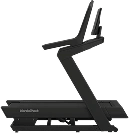
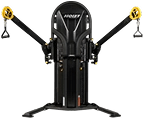
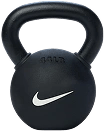
If you are looking to buy other fitness machines or accessories, look no further! Explore our range of fitness products like treadmills, elliptical cross trainers, exercise bikes, rowing machines, home gym, functional trainer, multi-station, power towers, smith machines, dumbbells, foosball tables, pool tables, and table tennis.


 0
0