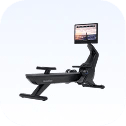



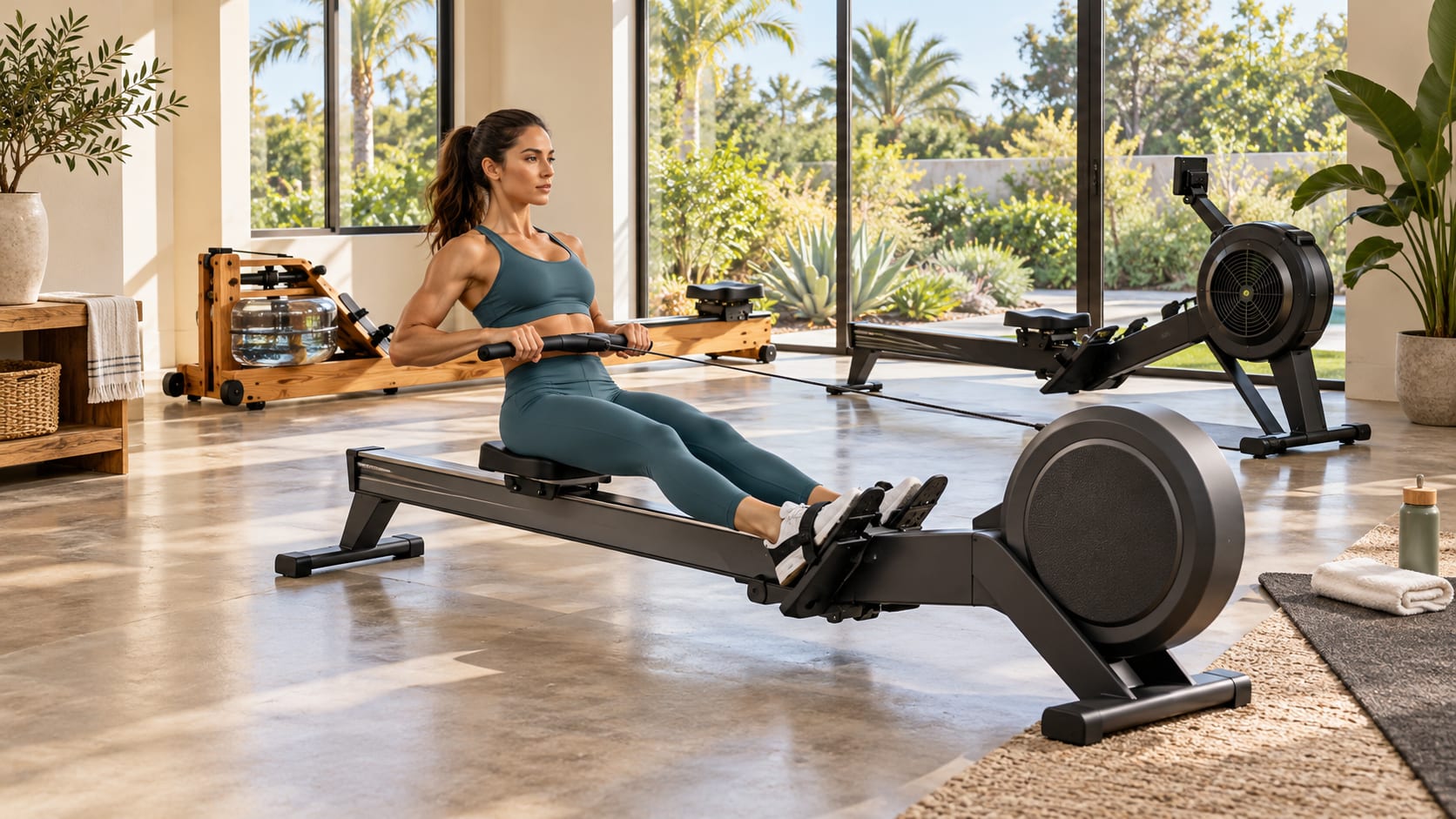
A rowing machine is one of the must-have equipment in a home gym or commercial fitness centre. The full-body workout it provides improves cardiovascular fitness and helps train several major muscle groups. It is a good option if you like to include cardio workout in your exercise routine.
Choosing the right rowing machine, however, is easier said than done. The basic factors like resistance system, rail lengths, weight capacities, console features and storage options vary depending on different models. A few of them are designed for quiet home workouts, while others are built for busy gyms.
If you are planning to buy a rowing machine in Oman, you need to look beyond the price and appearance. The right model should fit your available space, suit your fitness goals and provide a comfortable workout for the people who are going to use it.
This blog is essentially a rowing machine buying guide that explains the main features to compare before buying. It also touches upon some of the practical suggestions for apartment gyms, villas, dedicated home gyms and commercial fitness centres.
Why Should You Consider a Rowing Machine?
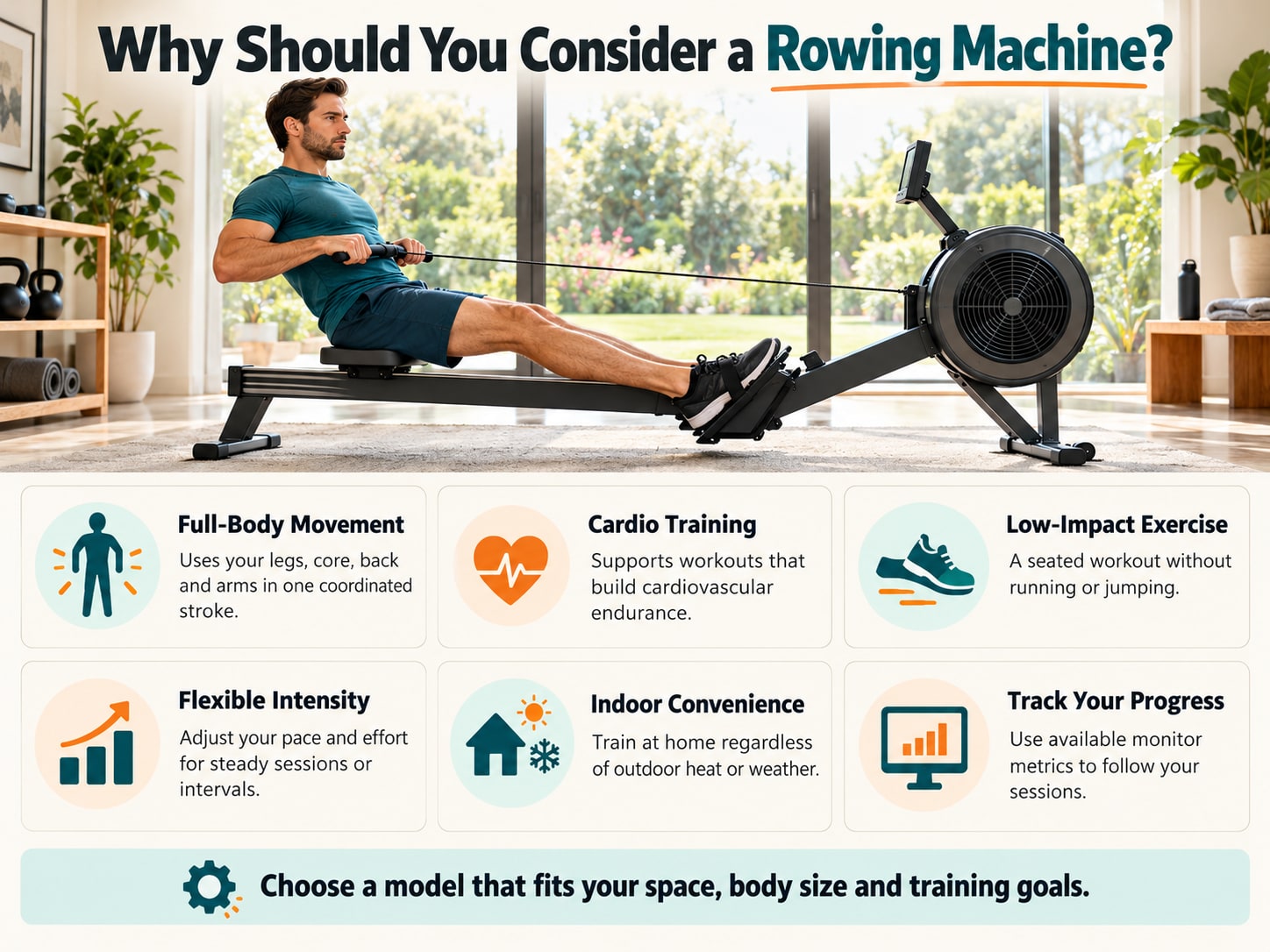
A rowing machine simulates the movement of rowing a boat. When performed correctly, rowing involves the legs, glutes, back, shoulders, arms and core. It also raises your heart rate, making it beneficial for cardiovascular training.
One of the main benefits of a rowing machine is its versatility. You can use it for a short warm-up, steady cardio, interval training or longer endurance sessions. Beginners can start at a comfortable pace, while experienced users can increase their effort as their fitness improves.
Rowing machines are available in different sizes and designs. Some models can be stored vertically or folded, which may help when floor space is limited. Before choosing one, consider where you will use it, how often you plan to exercise and what you want to achieve from your workouts.
Why Rail Length and Available Space Matter?
Rail length is one of the first things to check when buying a rowing machine. The rail is the long section along which the seat moves during each stroke. If it is too short for the user, the rowing movement may feel restricted.
The required rail length depends on the machine's design and the height and proportions of the person using it. Taller users often need a longer rail to complete a comfortable stroke.
Never judge suitability by the machine's overall length alone. Check the manufacturer's recommended user height and, if possible, try the machine before purchasing.
You should also consider the total space needed to use it. A rowing machine requires room for the frame, the moving seat, the handle and the user's body. You also need enough space to get on and off safely.
For apartment residents, space may be limited. Measure the intended workout area before choosing a model. Check the full dimensions and allow enough clearance around the machine for safe movement.
For villas and dedicated home gyms, a longer rowing machine may be easier to accommodate. Even then, avoid placing it where it blocks a doorway, wardrobe, storage cabinet or walking path.
For commercial gyms, plan the layout in such a way that users can access the rowers without crossing other workout zones. Leave sufficient room between machines and nearby equipment.
Measure the available floor area first, then compare it with the machine's dimensions and recommended user height. This simple step can help you avoid buying a rower that is uncomfortable or difficult to position.
Rowing Machines: Understanding the Different Resistance Types
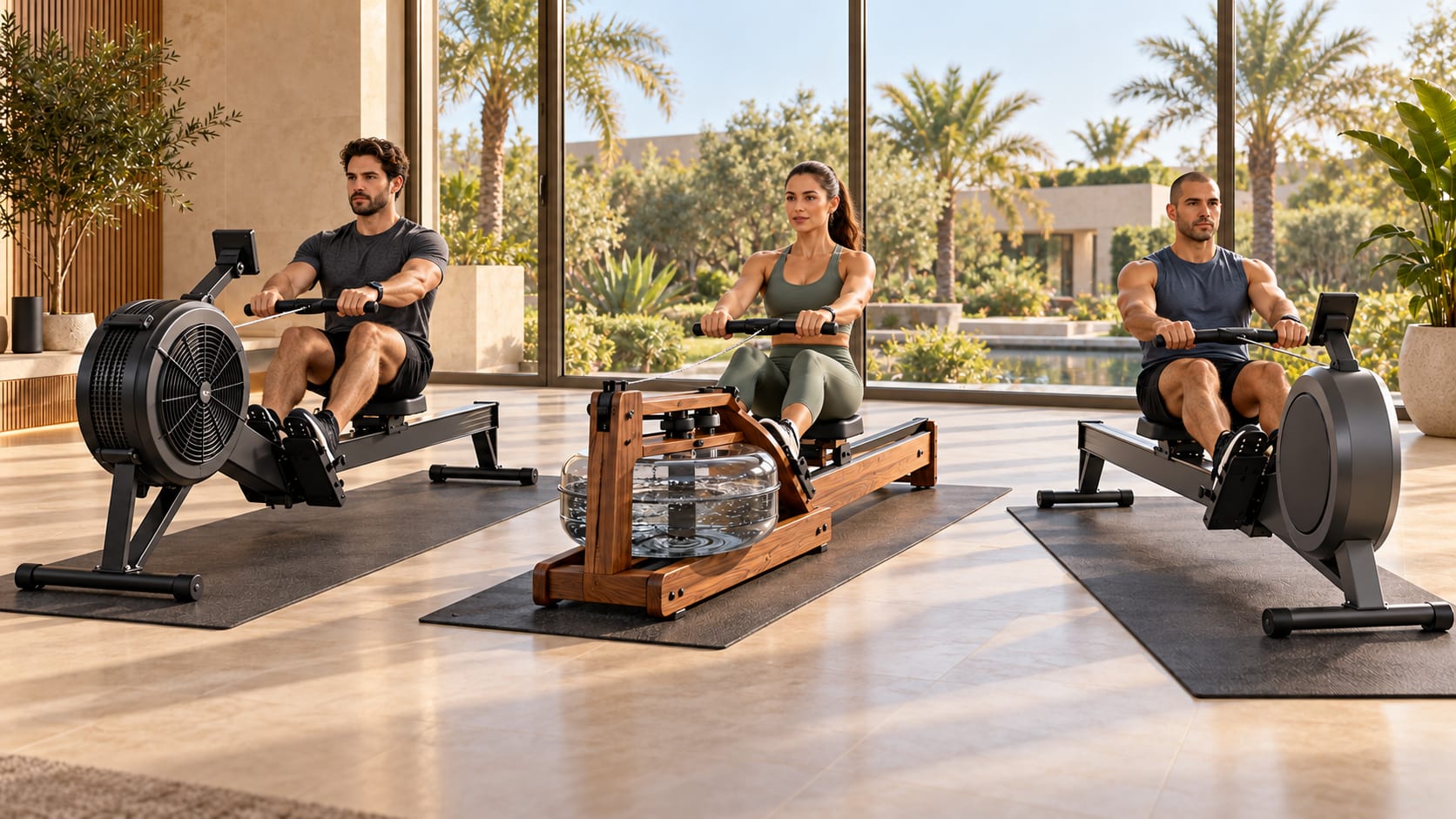
The resistance system affects how a rowing machine feels, how much noise it makes and how it suits different workouts. The three common types are air, water and magnetic resistance. Some machines use a combination of systems.
Air Resistance Rowing Machines
Air rowers use a flywheel with fan blades to create resistance. The harder and faster you row, the more resistance you generally feel. These machines are popular for interval training and demanding cardio workouts. They allow users to control their effort through rowing speed and power.
Its main disadvantage is noise. The spinning flywheel produces a fan-like sound that becomes more noticeable when you row harder. This may be fine in a dedicated home gym or commercial facility, but less suitable for people who need a quiet workout in an apartment.
Water Resistance Rowing Machines
Water rowers use paddles inside a water-filled tank. As you pull the handle, the paddles move through the water and create resistance. Many enjoy the smooth rowing feel and the sound of water. Resistance increases with rowing effort, although the tank design and water level influence the experience.
Water rowers may appeal to people who enjoy a natural rowing sensation. However, they need appropriate tank care and can be heavier or more difficult to move, depending on the design.
Magnetic Resistance Rowing Machines
Magnetic rowers use magnets to control resistance around a flywheel. Many models allow you to select a resistance level using a dial or electronic control.
They are generally quieter than air and water rowers, making them useful for home gyms and apartments. They can also be suitable for beginners who prefer simple resistance adjustments.
The available resistance range differs between models, so check that it offers enough challenge for your fitness level. So, the question is, which resistance type should you choose?
- Choose air resistance if you enjoy intense workouts and want resistance that responds to your effort.
- Choose water resistance if you prefer a smooth rowing feel and enjoy the sound of moving water.
- Choose magnetic resistance if quiet operation and straightforward adjustments are important.
There is no single best resistance system for everyone. Your workout preferences, living environment and budget should guide your choice.
Choose a Rowing Machine With the Right User Weight Capacity
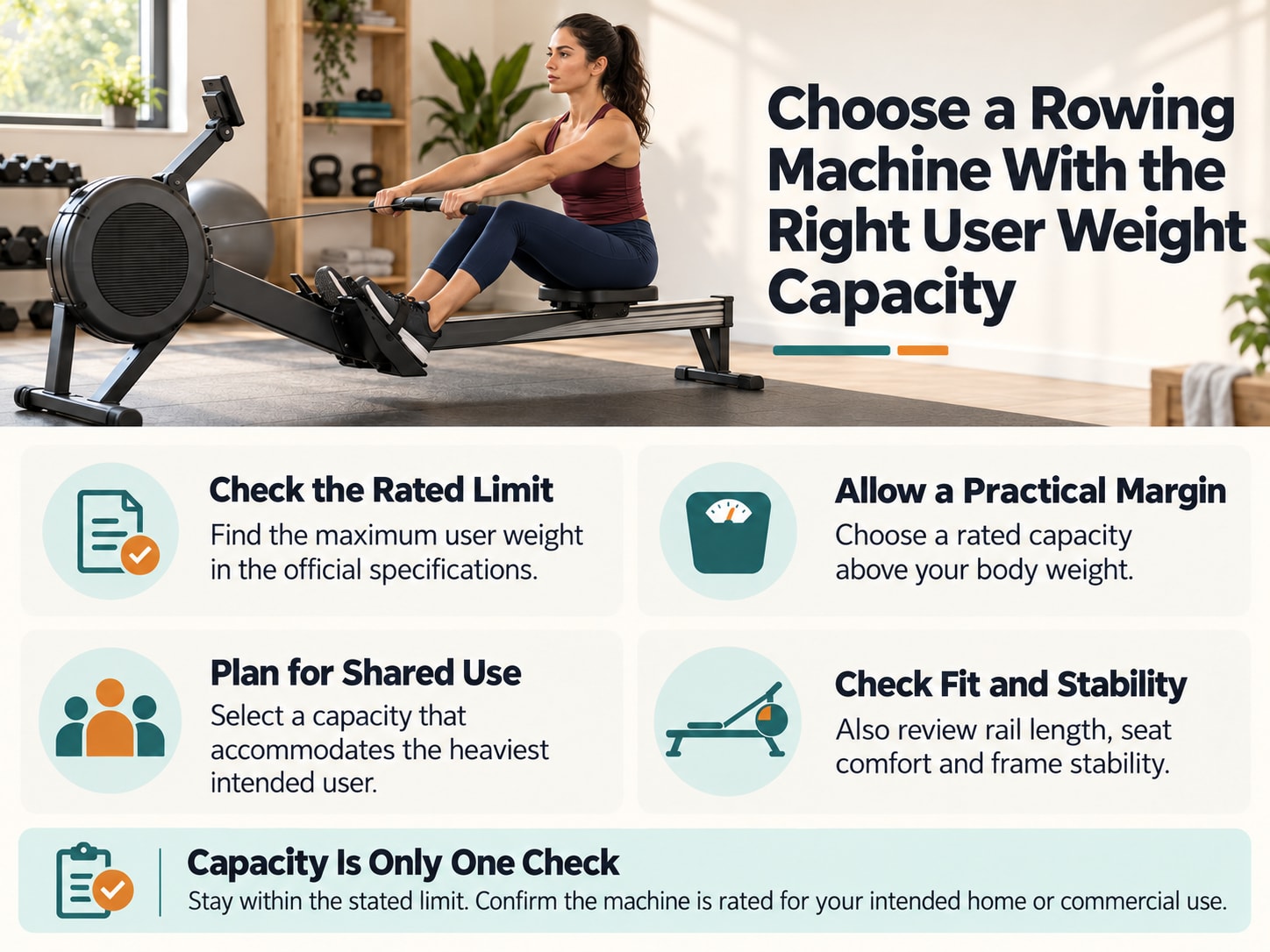
User weight capacity is an important safety and durability specification. Every rowing machine has a maximum user weight set by its manufacturer.
Before buying, check the stated capacity and make sure it is suitable for everyone who will use the machine. Do not rely on appearance alone to judge how strong a frame is.
A machine with a suitable capacity can offer greater confidence during regular workouts, but weight capacity is not the only measure of quality. The frame construction, seat stability, rail design, footrests and overall build also matter.
What Should Home and Commercial Gym Buyers Consider?
If several family members are likely to use the rower in a home gym, check the maximum user weight and recommended user height for each person. The seat should move smoothly, and the footrests should allow a secure, comfortable position.
For a commercial facility, consider the range of users who may use the machine. Equipment may experience more frequent use than it would in a private home, so durability and suitability for repeated workouts are important. Follow the manufacturer's instructions and never exceed the stated weight limit.
Choose a Rowing Machine Based on Your Fitness Goals
The best rowing machine is one that matches your workout routine. Before comparing specific models, decide what you want to achieve.
For Beginners and General Fitness
If you are new to exercise, look for a comfortable seat, secure footrests, smooth movement and simple controls. A magnetic rower may be a practical option if you want quiet operation and straightforward resistance adjustments.
For Cardiovascular Fitness
All three resistance types can support cardiovascular training. Choose a model that you enjoy using and can fit into your routine consistently. Check the console features if you want to track workout duration, distance or stroke rate. These measurements can help you monitor progress over time.
For Interval Training
Air rowers are a popular choice for alternating between hard efforts and recovery periods because the resistance responds to the user's effort. Some water and magnetic rowers can also support interval training. Check the resistance range, build quality and manufacturer's guidance before choosing a machine for demanding sessions.
For Weight Management
A rowing machine can help increase physical activity and support a weight-management plan. Results depend on factors such as exercise consistency, food intake, recovery and overall activity. You do not need the most expensive model to begin. Choose a comfortable machine that fits your space and budget.
For Shared Home Gyms
If several people with different fitness levels will use the machine, look for easy adjustments, comfortable footrests, suitable weight capacity and clear workout information. The machine should be easy for everyone to use safely.
Consider a Rowing Machine That's Easy to Store and Move
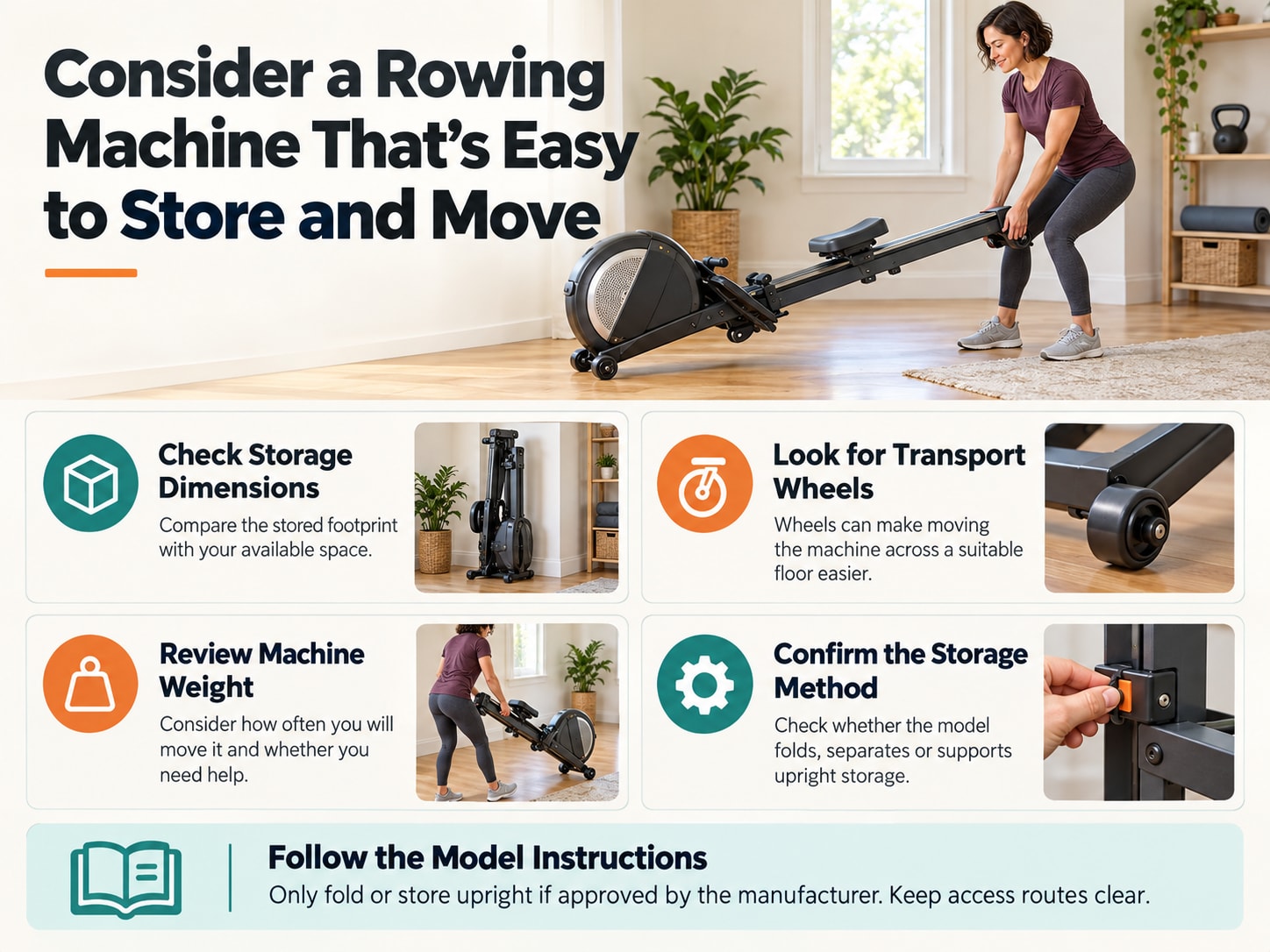
A rowing machine can take up a considerable amount of floor space when it is in use. If you plan to exercise in a living room, spare bedroom or multipurpose space, storage may be an important factor.
Some models fold, while others can be stored vertically. Certain designs allow the frame to be separated into sections. However, these features vary, so check the manufacturer's specifications before purchasing.
Practical Questions to Ask Before Buying a Rowing Machine
Check out the following questions that one should consider before making a purchase:
- Can the machine be folded or stored upright?
- Is vertical storage approved by the manufacturer?
- How much space does it occupy when stored?
- Can you move it easily using the built-in transport wheels?
- Is the machine too heavy to reposition comfortably?
- Can it be stored without blocking access or creating a safety risk?
A storage-friendly model can make home workouts easier to manage, especially in smaller apartments. However, consider the complete storage process. If folding the machine is difficult or requires lifting a heavy frame, you may be less likely to put it away after every workout.
For commercial gyms, folding is usually less important than stability, durability and efficient floor planning. Choose equipment that fits the layout and can be accessed easily by members.
Noise Levels: An Important Factor for Home Gyms
Noise can affect where and when you use your rowing machine. This is important if you live in an apartment, share your home with others or exercise early in the morning.
Magnetic rowers are generally the quietest of the three main types. Air rowers create fan noise, while water rowers produce a swishing sound from the tank. However, resistance type is not the only factor. Seat rollers, loose components, the surface beneath the machine and general wear can also affect noise.
How Can You Reduce Rowing Machine Noise?
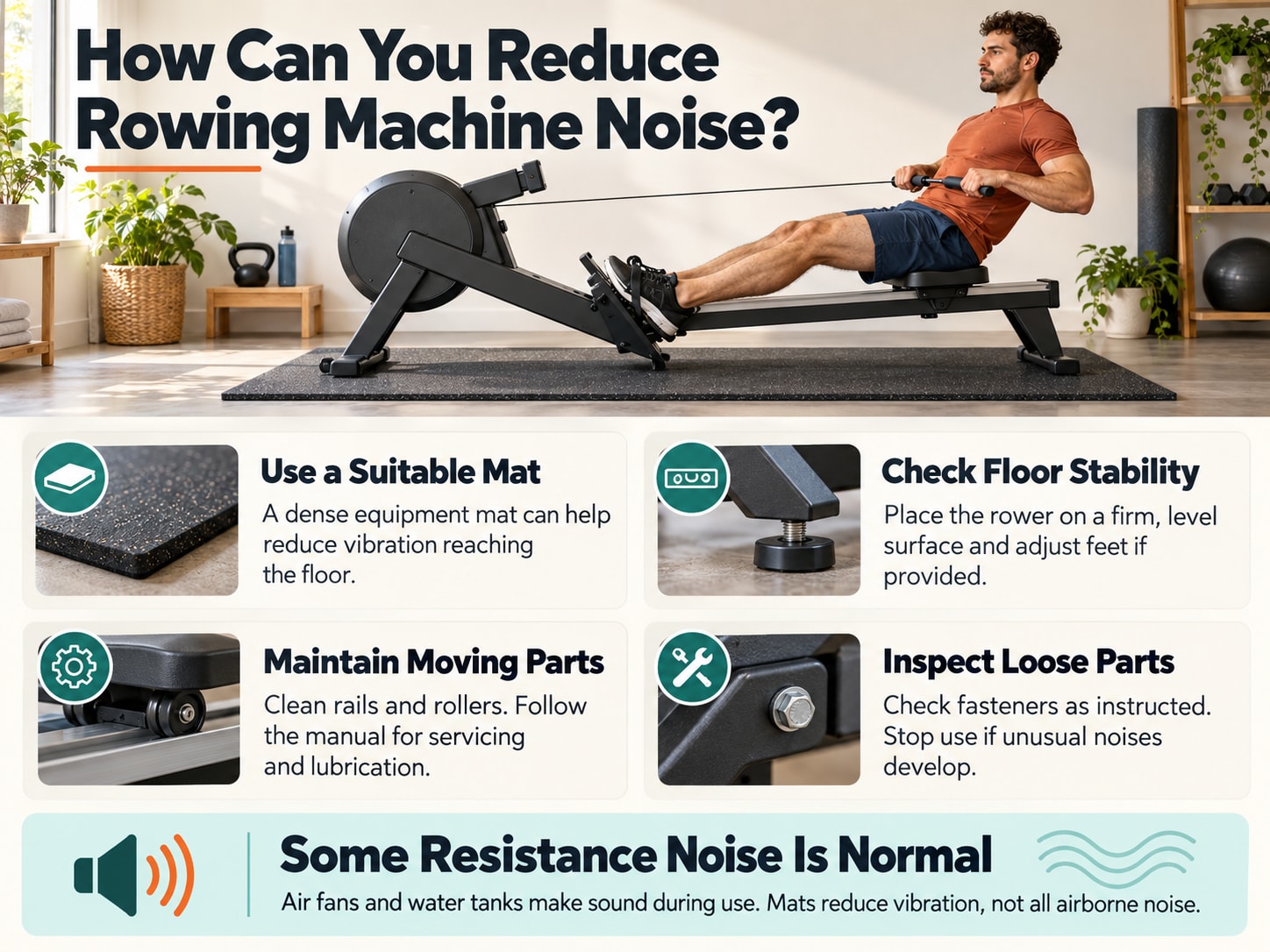
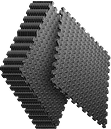
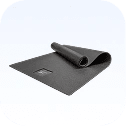
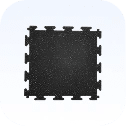
- Place the machine on a suitable exercise mat if recommended for your flooring.
- Keep the rail and seat rollers clean.
- Inspect the machine for loose fasteners and unusual movement.
- Follow the maintenance instructions.
- Avoid placing the machine directly beside a bedroom or shared wall if noise is a concern.
A mat may help reduce vibration and protect the floor, but it will not make a noisy machine completely silent. For apartment use, consider both the noise created by the resistance system and the space needed to position the machine safely.
Commercial Rating: Is the Rowing Machine Built for Gym Use?
Not all rowing machines are designed for the same level of use. Some are intended mainly for home workouts, while others are built for commercial environments. This distinction matters if you are setting up a gym, hotel fitness room, residential facility or corporate gym.
Commercial gym equipment may need to handle repeated workouts throughout the day, with users of different sizes and fitness levels. The frame, seat, rail, handle, drive system and adjustment points may all experience more frequent use.
A model suitable for occasional home exercise may not be the best choice for a busy gym. Check for the following aspects:
- Manufacturer's intended use: Look for clear information about whether the machine is intended for home or commercial use. Do not assume that a heavy-looking machine is commercially rated.
- Frame and construction: Check the quality of the frame, rail, seat rollers and footrests. These parts contribute to stability and the overall rowing experience.
- Warranty terms: Read the warranty carefully. Coverage can differ for domestic and commercial use, even for machines from the same brand.
- Maintenance requirements: Commercial equipment may need more frequent inspections because of its higher usage. Check the manufacturer's maintenance recommendations.
- Spare parts and service: Ask about the availability of replacement parts and support if the machine develops a fault.
- User capacity: Make sure the stated weight limit suits the intended users.
- Expected daily usage: Consider how many people will use the rower and how often. The expected workload should influence your choice.
For a commercial gym, buying the lowest-priced machine may not provide the best long-term value. Durability, service support, downtime and replacement costs should all be considered.
Maintenance and Care for Rowing Machines
Regular maintenance helps keep your rowing machine comfortable and in good working condition. In the GCC, dust can accumulate on equipment, particularly in rooms that are not cleaned frequently.
The exact care routine depends on the resistance system and manufacturer. For most rowing machines, useful maintenance habits include the following:
- Wipe the seat, handle and other frequently touched surfaces after workouts.
- Keep the rail and seat rollers clean.
- Check the footrests, straps and handle for wear.
- Inspect visible fasteners and moving components.
- Watch for unusual sounds, resistance changes or jerky movement.
- Follow the manufacturer's instructions for the flywheel, drive system or water tank.
- Keep the machine indoors, away from excessive heat and direct sunlight where possible.
Do not apply oil, cleaning chemicals or other products to parts unless the manufacturer recommends them. Incorrect products can damage components or affect the machine's operation.
If you notice a damaged strap, unstable seat, unusual resistance or a persistent mechanical noise, stop using the machine until the issue has been checked. For commercial facilities, a written maintenance schedule can help staff record inspections and arrange servicing when needed.
How Much Should You Spend on a Rowing Machine?
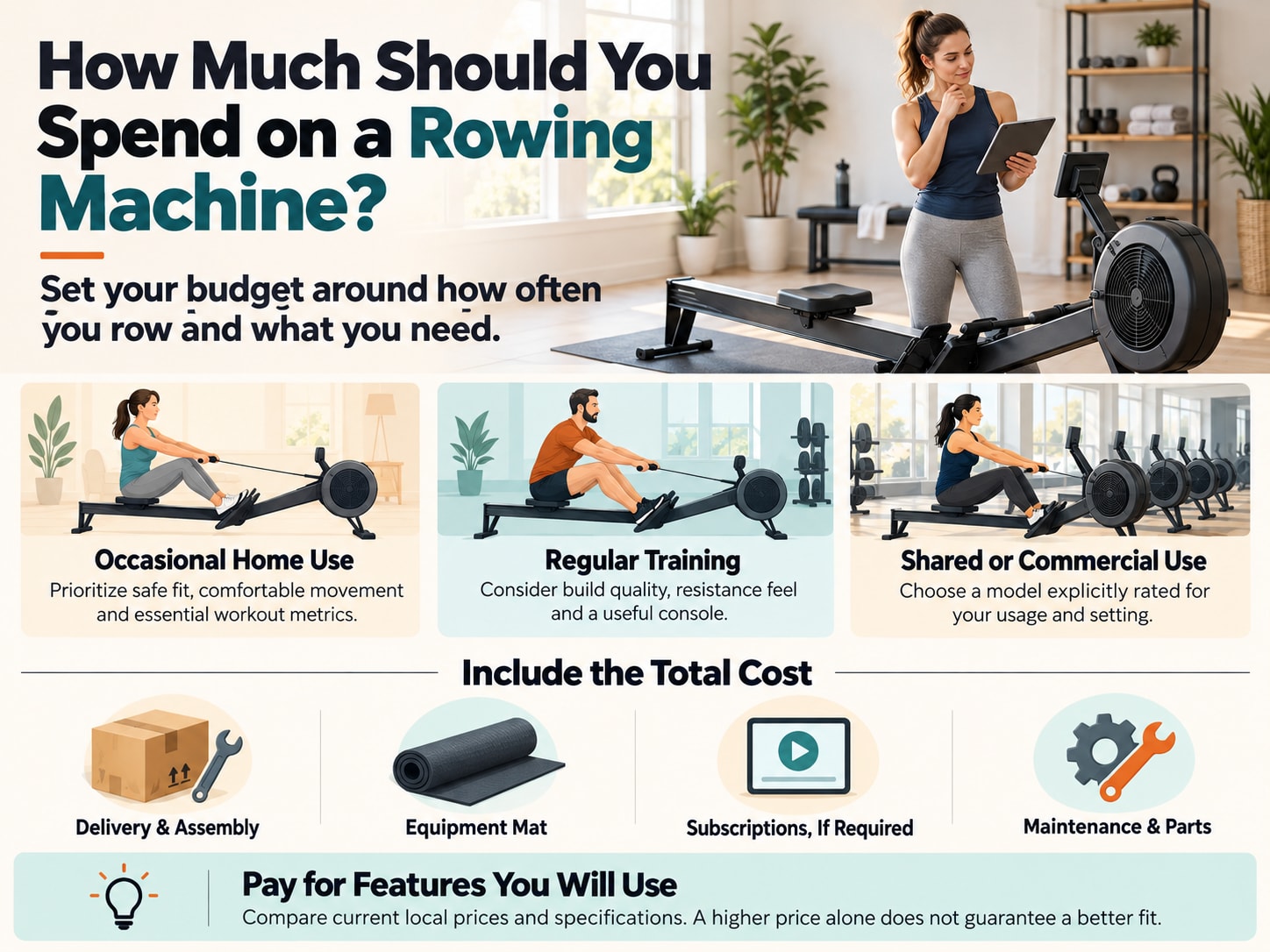
Rowing machine prices vary depending on the resistance system, frame quality, console features, brand and intended use. Instead of choosing by price alone, compare what each model offers for your requirements.
A basic model may suit someone who wants occasional home workouts. A more advanced model may be worth considering if you plan to exercise frequently, need additional tracking features or require a wider resistance range.
For commercial gyms, the purchase price should be considered alongside expected usage, warranty coverage, service support and the cost of potential repairs.
When shopping in the GCC, also confirm the final cost of delivery, assembly or installation where applicable. Check product availability and ask about after-sales support before making your decision.
A useful way to compare models is to shortlist two or three options and check factors like rail dimensions, user capacity, resistance, storage, noise, console and warranty side by side.
Final Checklist Before Buying a Rowing Machine
Now that you have a basic understanding on the dos and don'ts pertaining to the usage of equipment, consider the following checklist before placing your order.
- The machine fits the available workout area.
- The rail length suits the intended users.
- The maximum user weight is suitable.
- The resistance type matches your workout preferences.
- The machine's noise level suits your home or gym.
- Storage options meet your space requirements.
- The console includes the features you need.
- The machine is suitable for home or commercial use, as required.
- Warranty terms and spare parts support are clear.
- Maintenance requirements are manageable.
- Delivery, assembly and service arrangements have been confirmed.
Taking a few minutes to compare these points can help you choose a rowing machine that suits your space, fitness goals and budget.
Fitness buffs can rely on Lifetime Fitness Store for exploring gym equipment options for different needs and available spaces. Before choosing a rowing machine and other equipment, compare the specifications carefully and select a model that you will feel comfortable using regularly.
Conclusion
A rowing machine can always be a unique valuable addition to a home gym or commercial fitness facility, but the right choice depends on more than its resistance system.
Check the rail length to ensure a comfortable stroke, confirm the maximum user weight, compare resistance types and consider how much noise the machine will make. Storage and console features can also make a difference to your daily workout experience.
If you are buying it for an apartment, quiet operation and compact storage may be your main priorities. For a dedicated home gym, you may have more flexibility in size and resistance type. For a commercial fitness centre, build quality, commercial-use suitability, warranty and service support deserve extra attention.
 Get a weekly dose of latest stories
and useful tips directly in your inbox!
Get a weekly dose of latest stories
and useful tips directly in your inbox!


 0
0