The various benefits of strength training need no introduction. What matters is the equipment fitness freaks choose for strength training to achieve their health goals. Choosing the right strength equipment is really important, irrespective of whether you have a home gym or a commercial gym.
Among the several popular strength equipment, two of them that are preferred by youngsters lately are plate-loaded machines and selectorized machines. Needless to say, both possess their own advantages and are equipped with unique features.
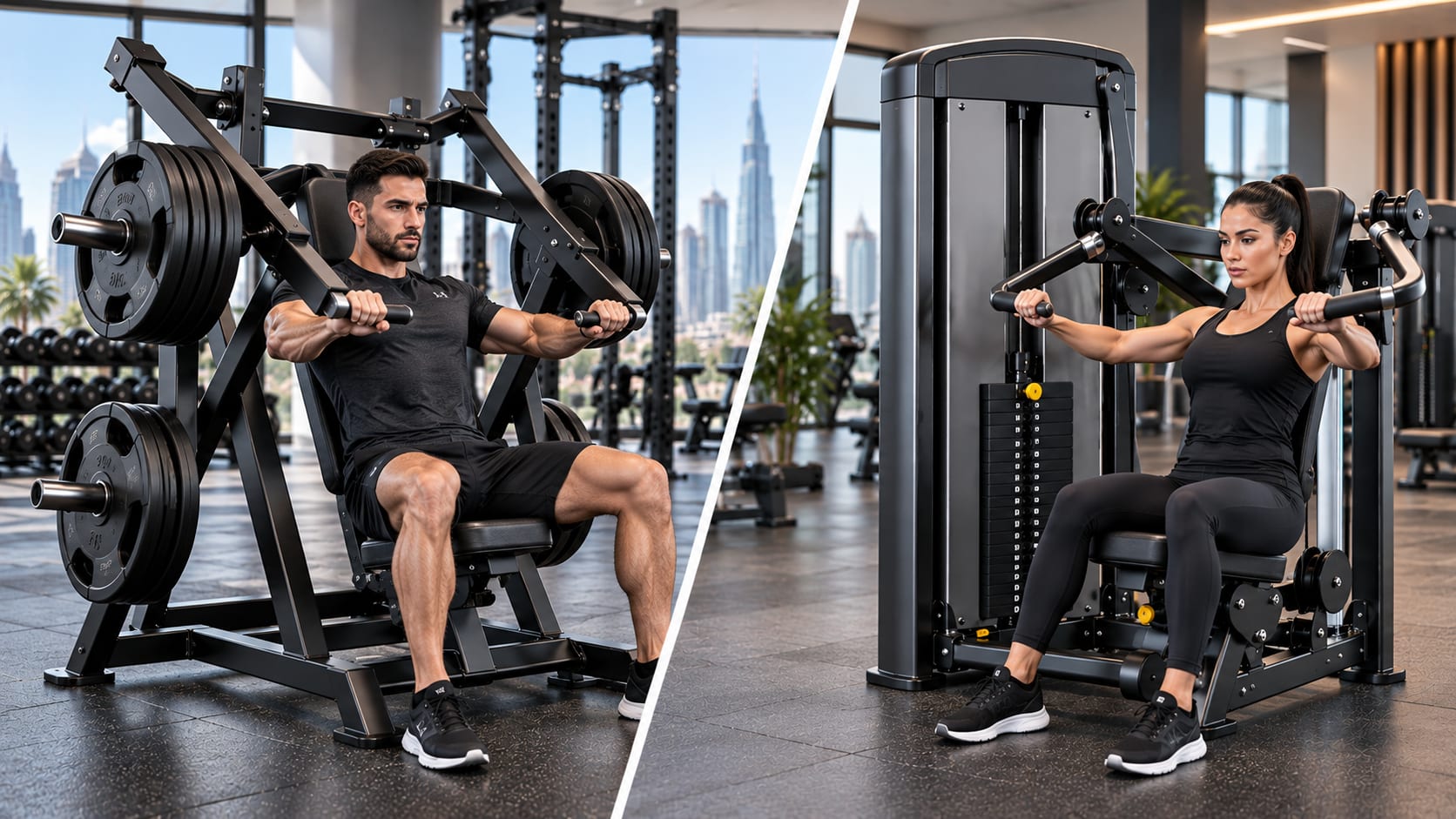
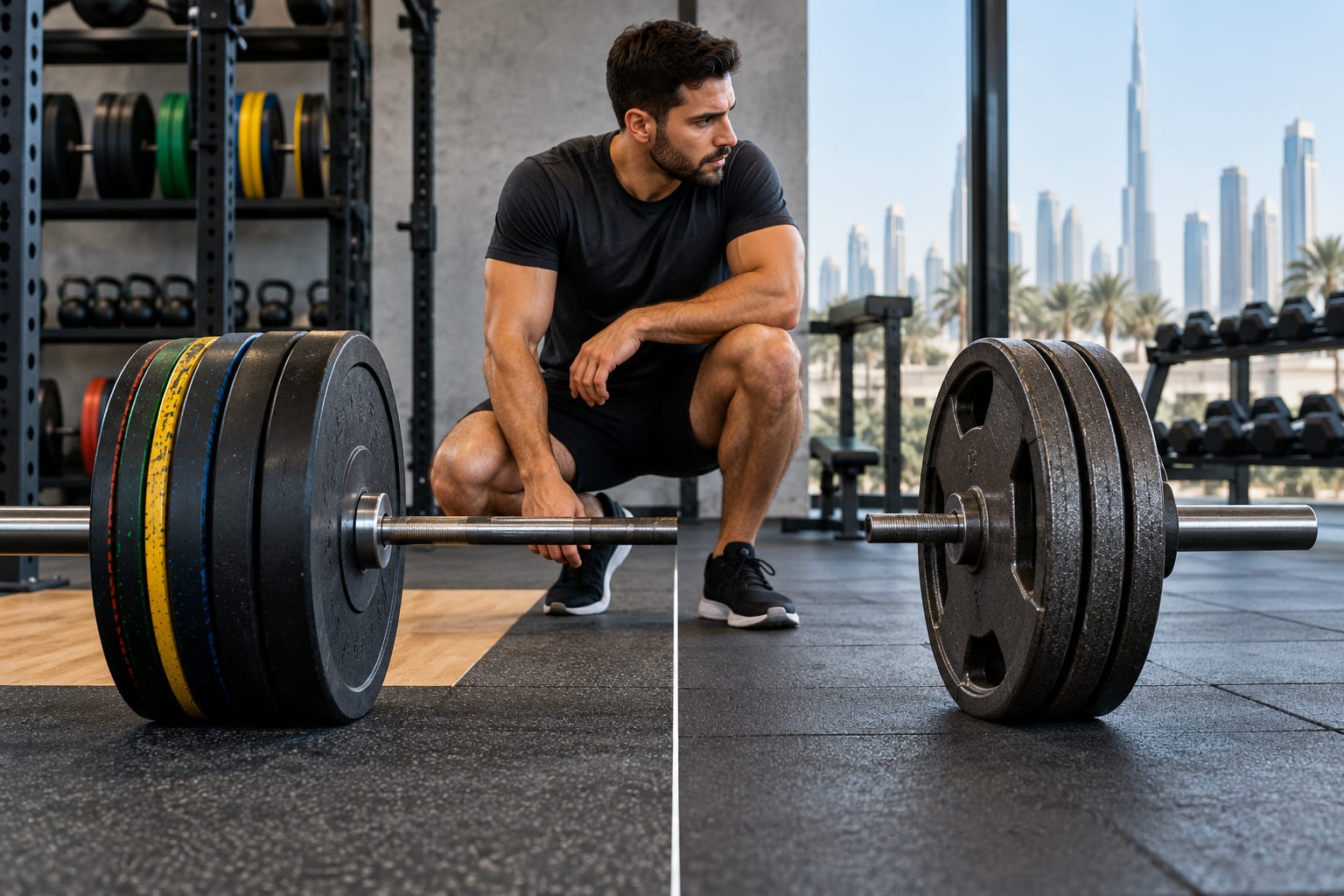
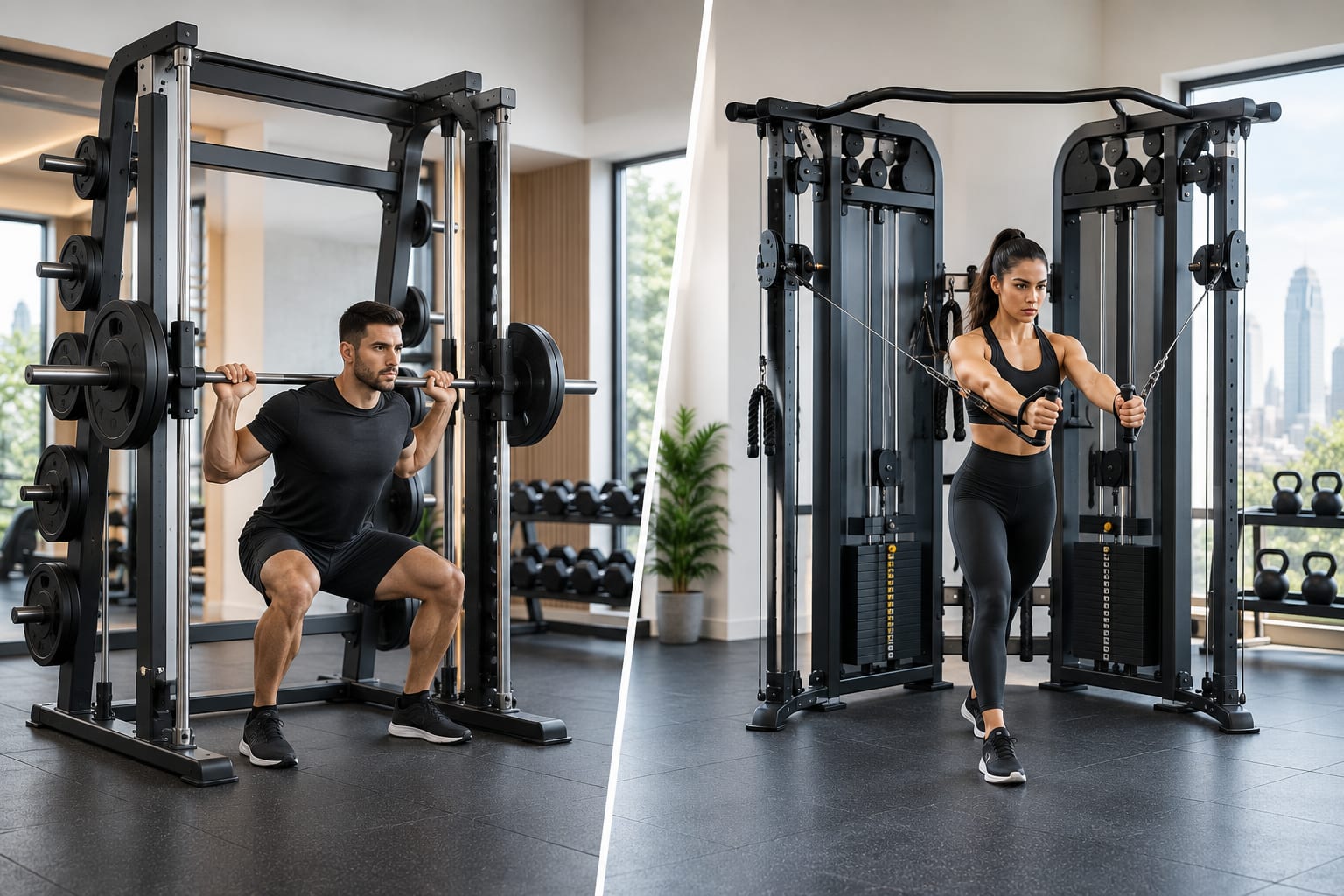
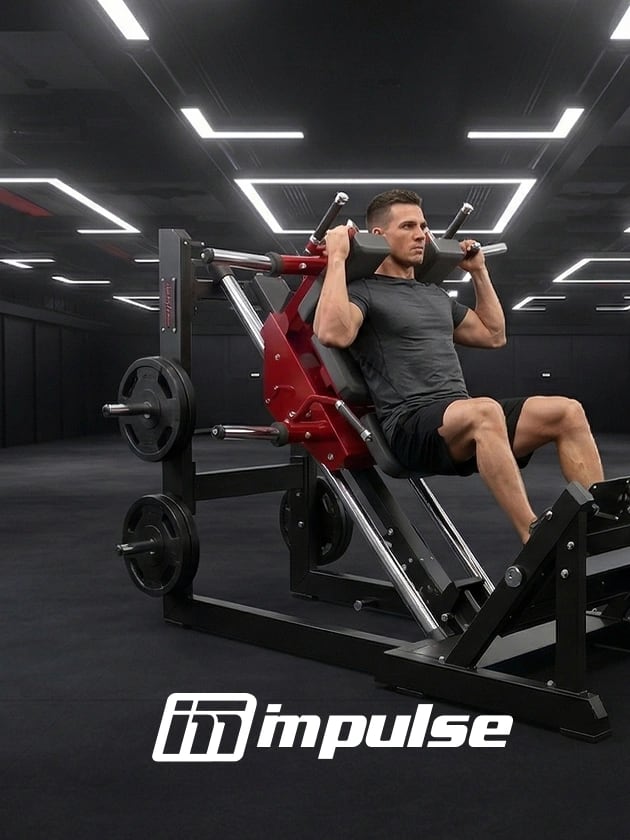
A plate-loaded machine uses weight plates for resistance. Users add or remove plates depending on the workout and the amount of resistance required. A selectorized machine, on the other hand, has a built-in weight stack. Users normally change the resistance by moving a selector pin. This fundamental difference changes quite a lot about the workout experience they offer.
Plate-loaded machines offer a comparatively traditional strength-training experience and come across as attractive when acquisition costs are important. Selectorized machines are usually easier to use and can make exercise easier when a fitness centre has several members training at the same time.
Choosing between the two depends on one’s budget, available space, expected usage, maintenance plans and other factors.
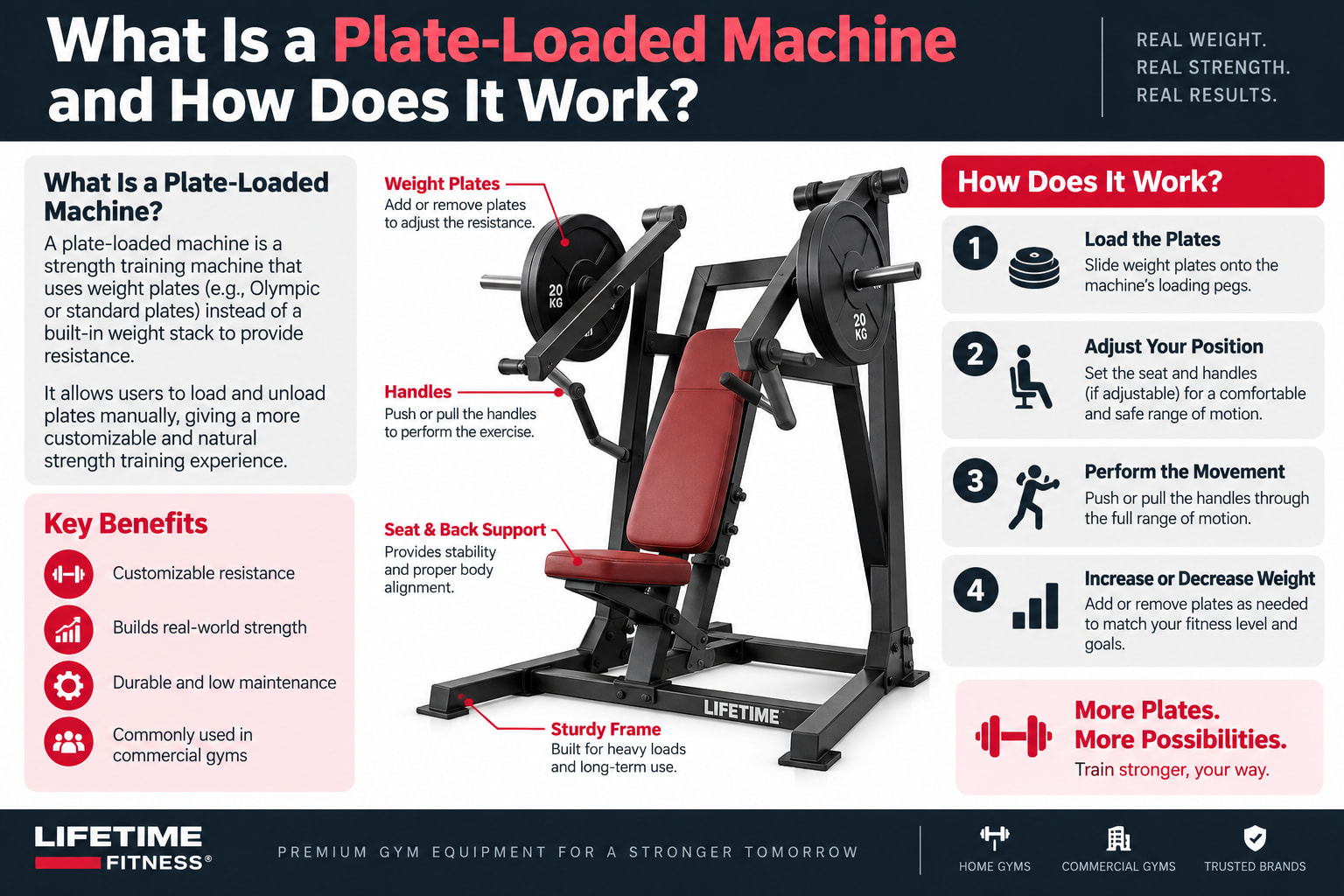
What Is a Plate-Loaded Machine and How Does It Work?
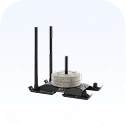
As mentioned above, a plate-loaded machine requires weight plates to create resistance. The plates are usually placed on loading pegs attached to the machine. Depending on the equipment, users may load standard or Olympic plates.
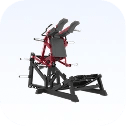
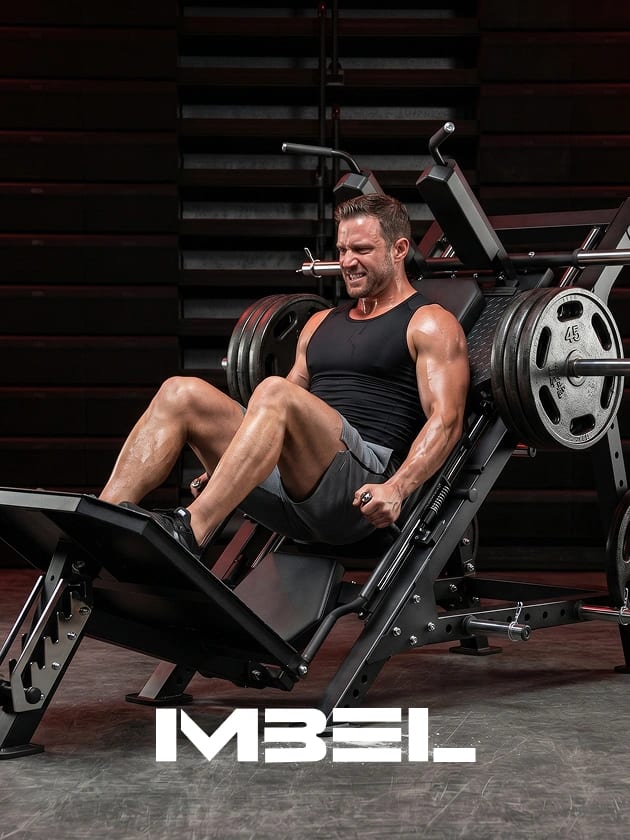
Some of the examples include plate-loaded chest presses, leg presses, hack squats, rows, shoulder presses and various other strength machines. One of its main attractive features is its simplicity. There is no large built-in weight stack taking up part of the machine. The resistance comes from the plates you already have in the gym.
For serious strength-training environments, this may be appealing. Users can also load a significant amount of weight when the machine is designed for heavier training.
There is one clear disadvantage, though. Someone has to load those plates. While this may not bother an experienced lifter, it can become inconvenient when a commercial gym is busy and members are frequenty changing weights.
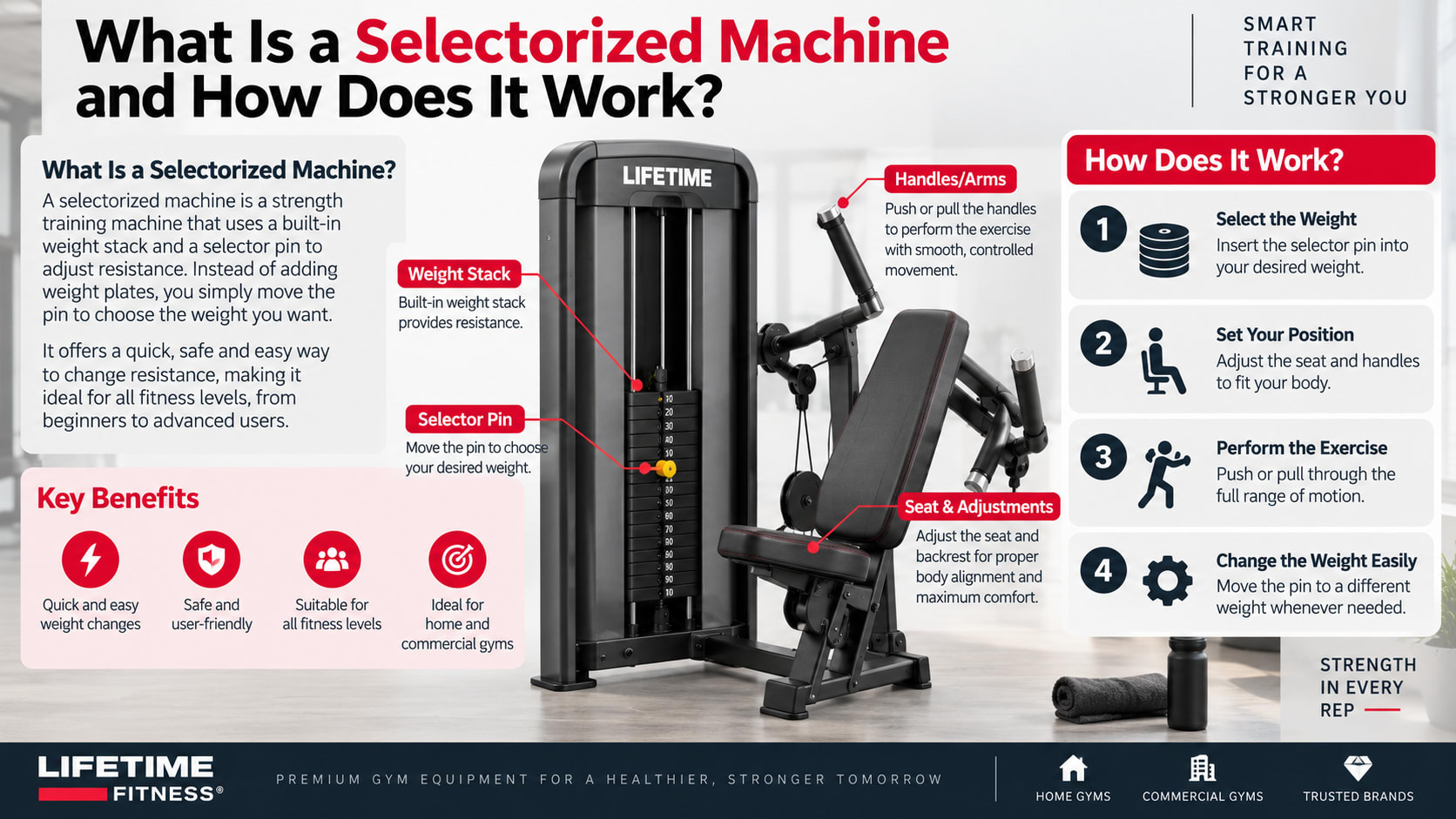
What Is a Selectorized Machine and How Does It Work?
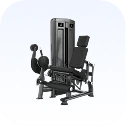
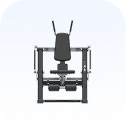
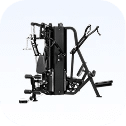
Selectorized machines use a built-in stack of weight plates connected to the machine through cables and pulleys. Instead of carrying plates over to the machine, the user simply moves a pin to select the desired resistance.
It is quick, straightforward and easy to understand. This is one reason selectorized machines are common in commercial gyms. A user can adjust the seat, choose a weight and start exercising without spending time loading and unloading plates.
They can be useful for beginners as the process is less complex. Someone who is new to strength training may feel more comfortable moving a selector pin than trying to work out which plates should be loaded onto a machine.
Plate-Loaded vs Selectorized: The Basic Difference
Though the two machines may look quite similar at first glance, the major difference lies in the resistance.
Resistance: Need weight plates in the former, while the latter has built-in weight stack.
Loading: The process is manual in plate-loaded ones.
Initial machine cost: It is often lower in plate-loaded machines.
User convenience: It’s moderate in plate-loaded and high in selectorized.
Weight changes: It is comparatively slower in plate-loaded equipment.
Maintenance: It is relatively simple in plate-loaded machines.
Progressive overload: Very flexible, Easy to control
Commercial throughput: Moderate, High
Plate storage: Required in plate-loaded ones as opposed to less in selectorized ones.
Beginner friendly: It is relatively easy in selectorized ones.
Plate-Loaded vs Selectorized Machines: Which Costs More?
Budget is considered to be a major priority for gym owners. A plate-loaded machine can sometimes be more affordable to purchase because the machine itself does not need an integrated weight stack. If your gym already owns a good collection of Olympic plates, this becomes even more attractive.
However, it is advisable not to compare only the machine price. If you're starting a gym from scratch, you may need to buy enough plates. You'll need different weights so members can increase or decrease resistance without constantly waiting for plates to become available.
You may also need plate trees or storage racks. A selectorized machine usually has a higher upfront equipment cost because the weight stack and its associated components are part of the machine. But once it is installed, the machine is largely ready to use.
For a commercial project, it is worth calculating the total equipment cost rather than comparing individual machine prices. For example, imagine purchasing ten plate-loaded machines. You may need a large number of weight plates and storage racks to make those machines practical.
With ten selectorized machines, the cost per machine may be higher, but there is less need for shared plates. The cheaper machine is not always the cheaper gym solution.
Maintenance Requirements Compared
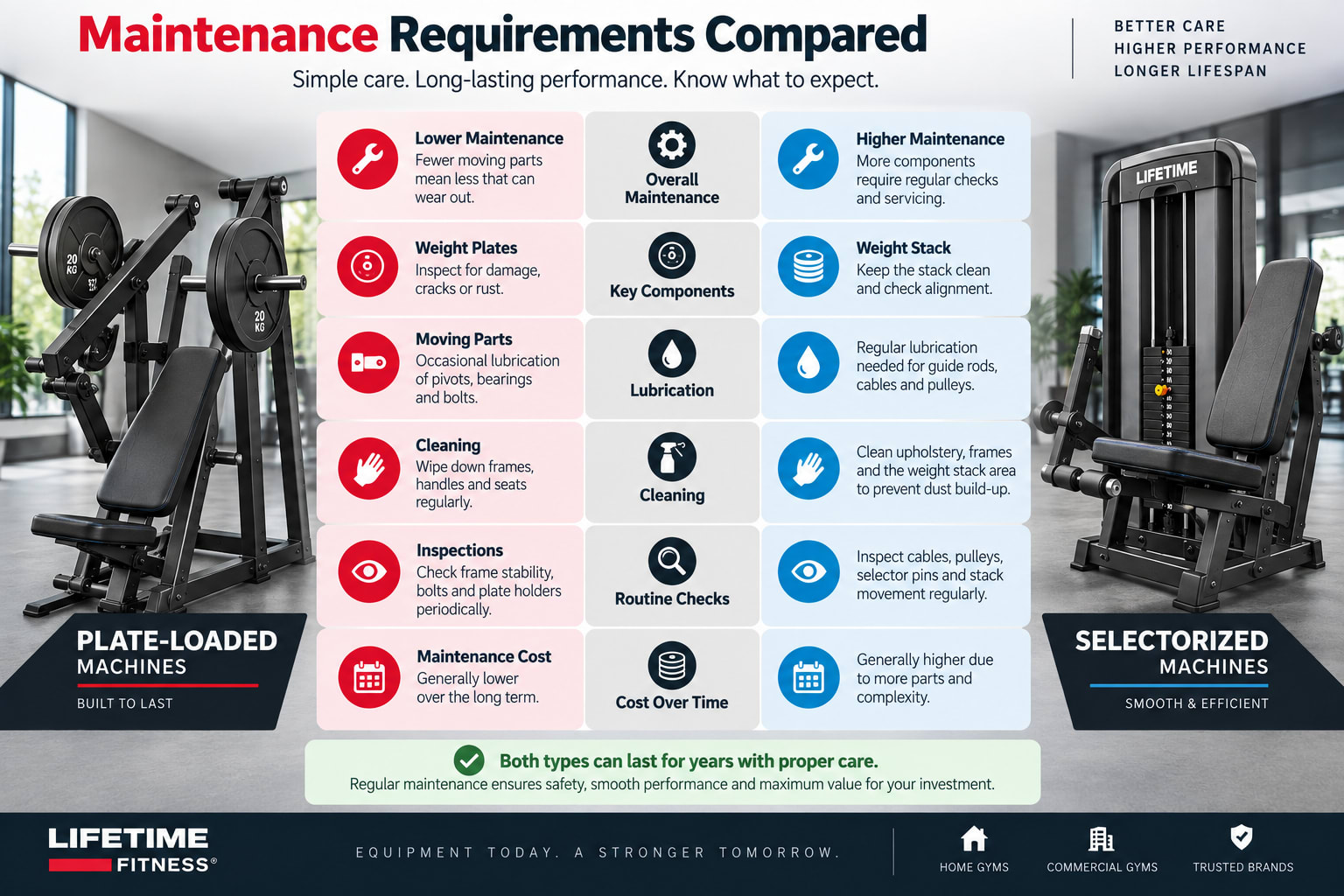
Maintenance is another area where plate-loaded equipment has an advantage. The basic mechanism is often relatively straightforward. There are fewer components associated with selecting resistance compared with a selectorized machine.
However, plate-loaded equipment is not maintenance-free. You still need to inspect aspects like frame, bolts, handles, bearings, pads and moving joints. Weight plates themselves can also damage floors if they are dropped or handled carelessly.
Selectorized machines have more components to look after. The weight stack, guide rods, cables, pulleys and adjustment mechanisms all need regular inspection. Cables should be checked for signs of wear, while guide rods may need cleaning and lubrication according to the manufacturer's recommendations.
In a busy commercial gym, this matters. A machine that is used dozens of times every day will naturally need more attention than equipment sitting in a private home gym. The good news is that regular preventive maintenance can catch many problems before they turn into expensive repairs.
Essential Maintenance Tips for Gym Equipment Owners
Don't wait until a machine starts making strange noises. Create a maintenance schedule; check cables and pulleys regularly. Inspect bolts and moving joints. Make sure adjustments still lock properly.
For selectorized machines, pay attention to the cable and weight-stack movement. For plate-loaded machines, inspect loading pegs, bearings and frame connections. A few minutes of routine checking can save a machine from being taken out of service for a much longer period.
Plate-Loaded vs Selectorized Machines: User Experience Compared
This is where selectorized machines have an upper hand. The user chooses the weight and begins the exercise. There is no need to search for plates. Also, there is no need to carry a 20 kg plate across the gym. Moreover, there is no need to remove somebody else's plates before starting your set.
That convenience is quite valuable in a commercial gym. Plate-loaded machines provide a different experience. Many experienced lifters enjoy the process of loading plates. It feels familiar and gives the workout a more traditional strength-training character.
Interestingly, there is a sense of satisfaction about seeing the plates build up as the weight increases. But convenience depends on the user. For a bodybuilding-focused gym, plate-loaded machines can be extremely popular. For a hotel gym, apartment gym or facility used mainly by beginners, selectorized equipment may be the easier option.
Which Is Better for Progressive Overload?
Progressive overload simply means gradually increasing the challenge placed on your muscles over time. Both types of machines can support progressive overload.
With a plate-loaded machine, you have a lot of freedom. You can add small plates, larger plates or combinations of both. If the machine accepts enough weight, you can continue increasing resistance as your strength improves.
This makes plate-loaded equipment attractive to experienced lifters. Selectorized machines make progression very easy to track as well. For example, if you are using 40 kg today, you can move the pin to the next available setting during a future workout.
But the limitation is that you're tied to the increments built into the weight stack. Say for instance, the machine moves from 40 kg to 45 kg. If a 5 kg increase feels too large, you may need an additional accessory weight or another method of progression, depending on the machine.
Some commercial machines offer smaller incremental weights or add-on systems to solve this issue. So when progressive overload is the priority, neither design is automatically superior. Plate-loaded machines offer greater loading flexibility, while selectorized machines offer simple and repeatable progression.
Which Offers Better Gym Member Throughput?
If you run a commercial gym, you should think about throughput. Throughput is basically how efficiently equipment can be used by members.
Imagine a busy gym at 6.30 in the evening. Someone finishes a set on a chest press. Another member is waiting. The next person wants a different weight. With a selectorized machine, changing from 50 kg to 60 kg can take a few seconds.
With a plate-loaded machine, the user may need to remove several plates and replace them with others. That doesn't mean plate-loaded machines are bad for commercial gyms. Far from it. Many successful gyms use them extensively.
It simply means the gym layout and equipment mix need to match the way members train. If your facility has many beginners and general fitness members, selectorized machines can keep people moving. If your members are serious lifters who spend more time on individual exercises, plate-loaded machines may be a better fit.
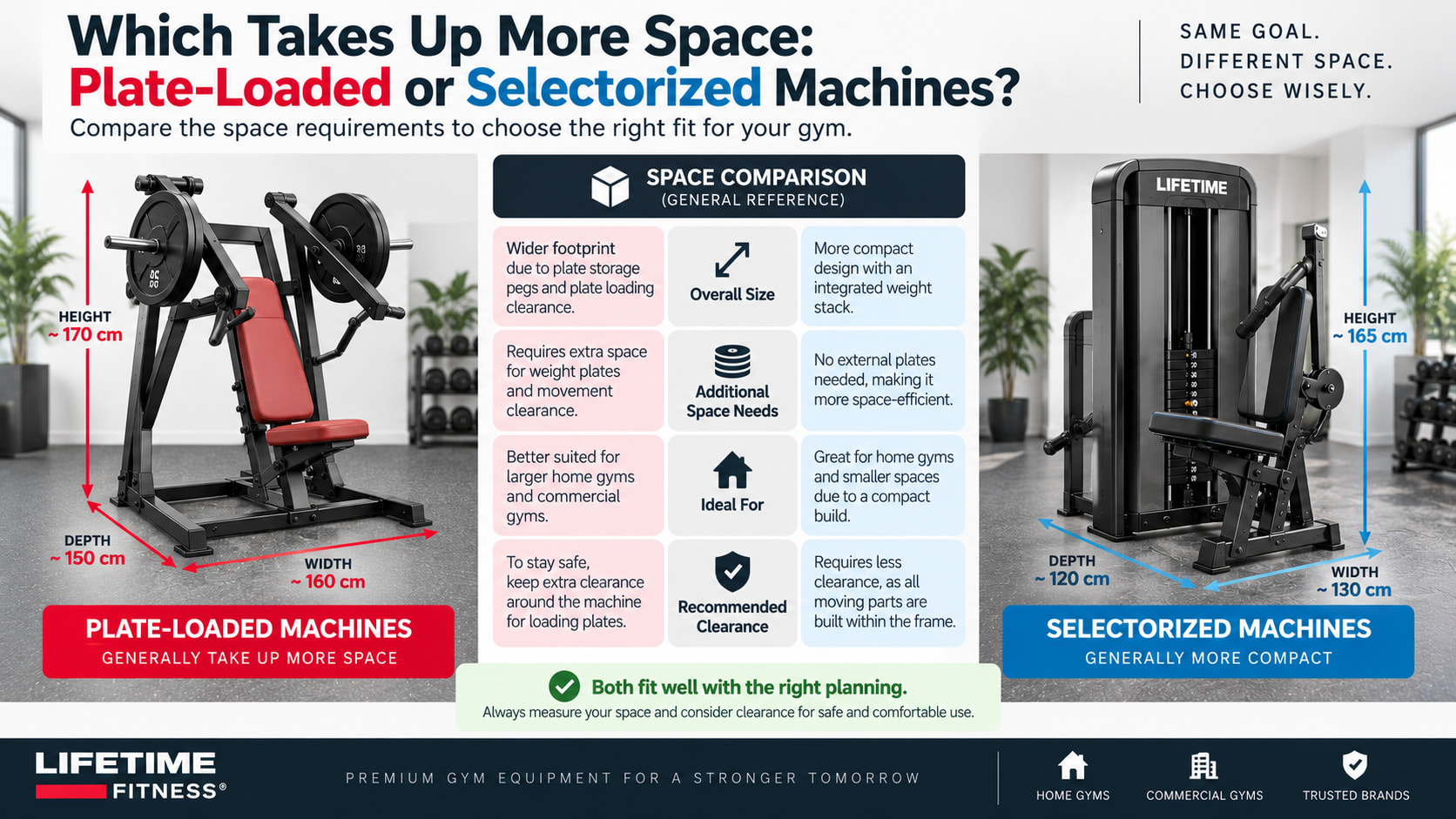
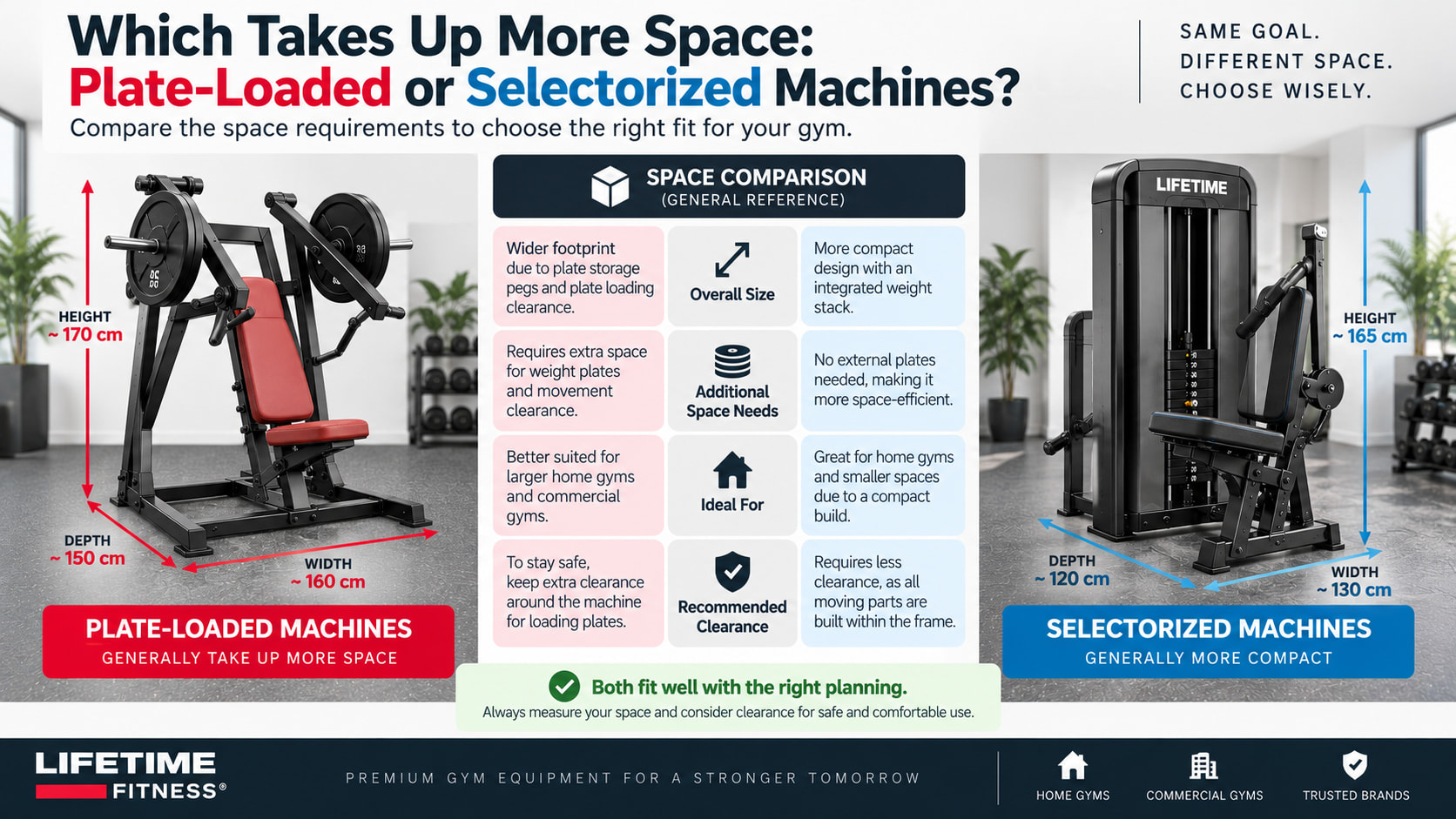
Which Takes Up More Space: Plate-Loaded or Selectorized Machines?
This is one factor people tend to underestimate when planning a gym. A machine might have a relatively small footprint on its product specification sheet, but the actual working area needs to be larger. Users need room to get on and off the machine, adjust seats and handles, move weights and exercise safely.
Plate-loaded equipment also needs space for weight plates. This is a big consideration. A plate-loaded machine may fit perfectly into a room, but if the surrounding area is filled with plates and storage racks, the gym can quickly start feeling crowded.
Selectorized machines generally offer a cleaner layout because the weights are built into the machine. For smaller home gyms, this can be a significant advantage. Before ordering equipment, measure the machine footprint and leave enough clearance around it. Also consider doors, walkways and nearby equipment.
What to Check Before Gym Equipment Delivery?
Delivery is another practical issue that deserves attention when purchasing gym equipment. Large strength machines can be heavy and awkward to move. A machine that looks manageable in a showroom can become a very different proposition when it needs to be taken through a narrow doorway or moved up a staircase.
Before placing an order, ask the supplier about:
Delivery to your emirate
Expected delivery time
Building access
Lift requirements
Staircase delivery
Unloading arrangements
Additional delivery charges
Delivery to the exact room
If you're purchasing several machines for a commercial gym, coordinate delivery with your flooring, electrical and interior work.It is much easier to install large equipment when the gym is prepared for it rather than trying to move machines around after everything else is finished.
Professional Installation Requirements
Some strength machines are relatively straightforward to assemble. Others are not. Selectorized machines can involve weight stacks, cables, guide rods and several adjustment points. Plate-loaded machines may be simpler, but larger commercial models can still require proper assembly.
Professional installation is worth considering for both types. The installation team should ideally make sure the machine is properly assembled, level and functioning correctly.
Ask the supplier what installation includes before buying. Some companies include installation with selected products, while others charge separately. The service may also vary depending on the emirate, building access and equipment size.
If the machine needs floor anchoring, clarify whether that work is included. Never assume that "installation" automatically covers drilling or structural work.
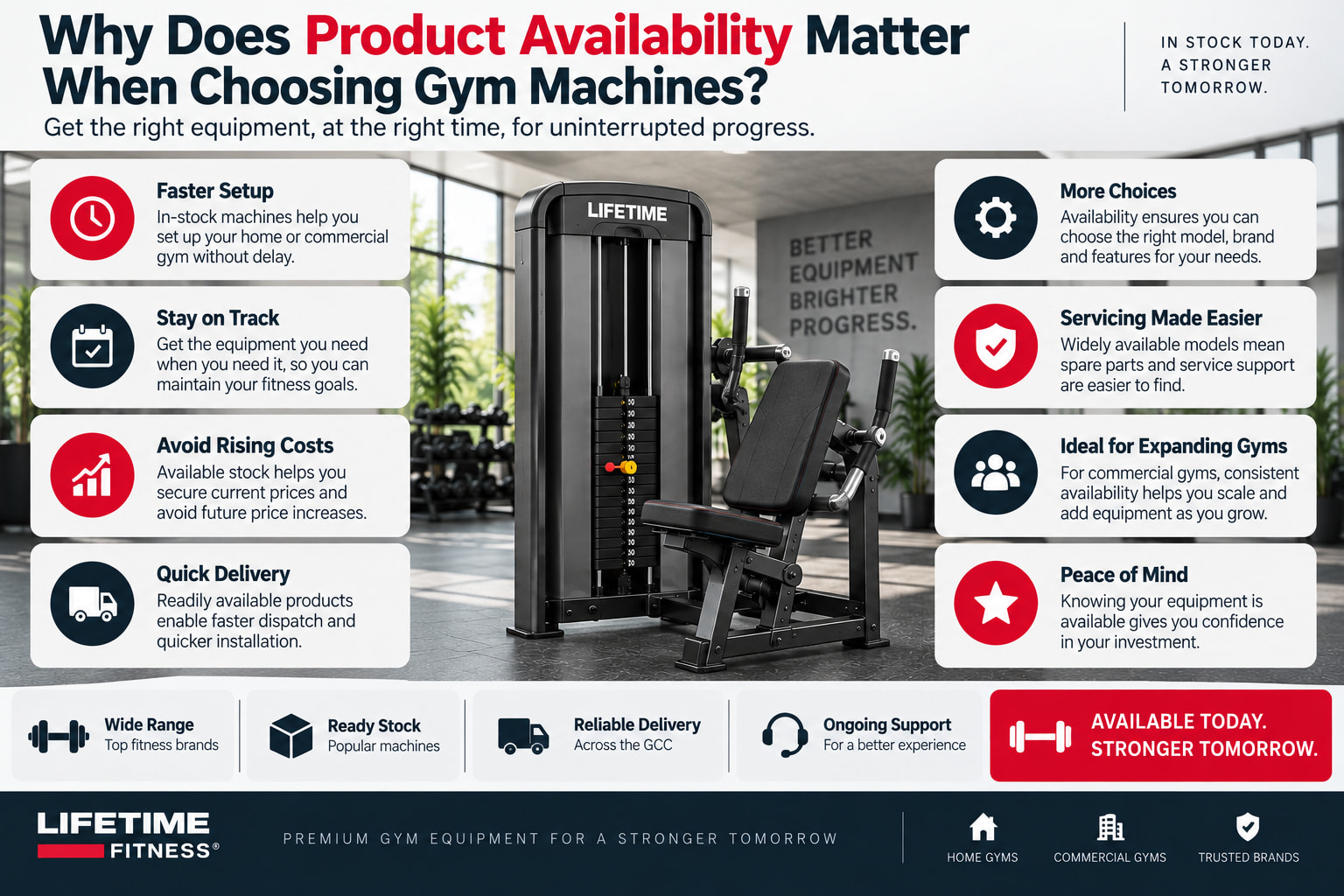
Why Does Product Availability Matters When Choosing Gym Machines?
Product availability can influence your buying decision more than you might expect. If you are opening a commercial gym next month, ordering equipment that is still being imported may create problems for your schedule. Always ask whether the product is:
Available in local stock
Available on order
Imported specifically for your purchase
Temporarily out of stock
Available with a confirmed delivery date
Ask about spare parts as well. A machine may be available today, but what happens if you need a replacement cable, pulley, seat pad or adjustment component two years later? Local support can make ownership much easier. For commercial gyms, this is important because equipment downtime can affect member experience.
Which Should You Choose for a Home Gym: Plate-Loaded or Selectorized?
For a home gym, the answer often comes down to how you train. A plate-loaded machine can be a good choice if you already own Olympic plates and enjoy traditional strength training. It can also be attractive when you want to keep the initial equipment cost under control.
Selectorized equipment is more convenient if several people in the household use the gym. It is also a good choice if you want to move quickly between exercises without constantly handling weights. If space is limited, think carefully about plate storage. A machine that looks compact may require additional floor space once you add enough plates to use it properly.
Which Should You Choose for a Commercial Gym: Plate-Loaded or Selectorized?
Commercial gyms often benefit from having both. That may sound like avoiding the question, but there is a good reason for it. Different members want different things.
Beginners may prefer selectorized machines because they are simple to adjust. Experienced lifters may prefer plate-loaded equipment because they enjoy heavier training and greater freedom when adding weight.
A well-planned commercial gym can use selectorized machines for easy-to-use stations and plate-loaded equipment in the heavier strength-training area. This also spreads members across different parts of the gym instead of forcing everyone toward the same type of equipment.
Key Factors to Consider Before Buying Strength Training Machines
There are a few important details that can make a big difference.
Upholstery: Check the quality of the seat and back pads. Commercial equipment will see plenty of use, so durable upholstery matters.
Adjustability: Look at seat positions, handles and starting positions. A machine should accommodate users of different heights.
Weight Stack Increments: For selectorized machines, check the weight increments. Smaller jumps can be useful for progressive overload.
Plate Storage: For plate-loaded machines, check whether storage pegs are built into the machine. If not, you'll need separate storage.
Warranty: Look beyond the warranty period. Find out what the warranty actually covers.
Spare Parts: Ask whether common replacement parts are available.
User Access: Make sure users can comfortably get on and off the machine without bumping into nearby equipment.
Fitness enthusiasts from Oman who are looking to upgrade their workouts can visit Lifetime Fitness Store for quality gym equipment, trusted fitness brands, and attractive prices that deliver excellent value for home and commercial gyms.
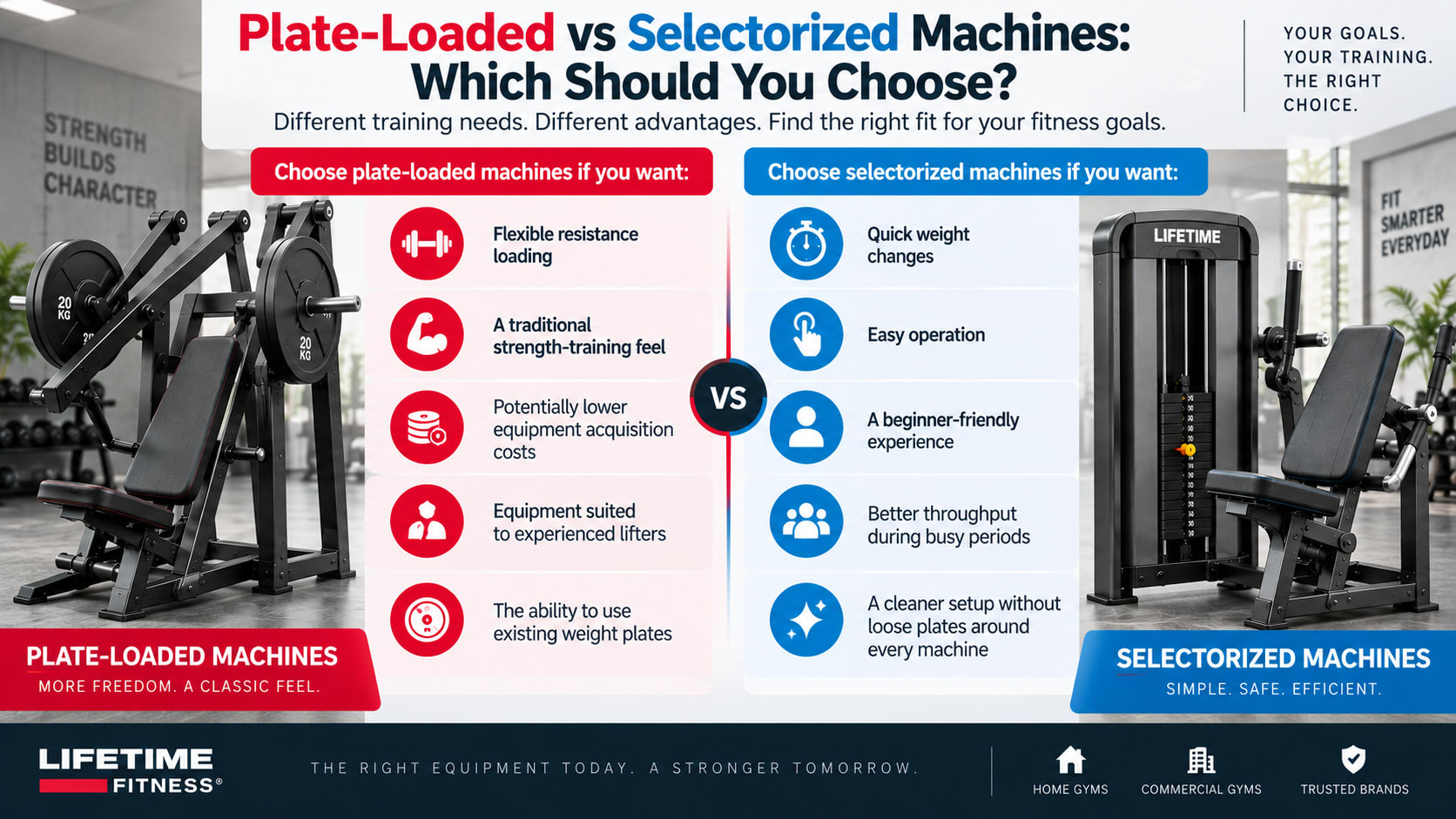
Plate-Loaded vs Selectorized Machines: Which Should You Choose?
Choose plate-loaded machines if you want:
Flexible resistance loading
A traditional strength-training feel
Potentially lower equipment acquisition costs
Equipment suited to experienced lifters
The ability to use existing weight plates
Choose selectorized machines if you want:
Quick weight changes
Easy operation
A beginner-friendly experience
Better throughput during busy periods
A cleaner setup without loose plates around every machine
For many commercial gyms, a combination of both is the smartest approach. Use selectorized machines where convenience and fast member turnover are important. Add plate-loaded equipment where heavier training and loading flexibility are priorities.
Conclusion
Both plate-loaded and selectorized machines have a place in a modern gym. The better choice depends on what you are trying to build.
If you're working with a tight equipment budget and already have a collection of weight plates, plate-loaded machines can make a lot of sense. They offer a straightforward approach to strength training and give experienced users plenty of control over resistance.
If your priority is convenience, quick weight changes and a smooth experience for a wide range of members, selectorized machines are hard to beat. For a commercial gym, don't stop at the equipment price. Consider delivery, installation, local product availability, spare parts, floor space and expected daily usage before making your decision.
And if the budget allows, you don't necessarily have to choose one side. A gym with a sensible mix of plate-loaded and selectorized equipment can give members the best of both worlds. Beginners get simple, approachable machines, while experienced lifters have access to equipment that lets them push their training further.
Finally, the right equipment is not the machine with the longest list of features. It is the one that fits your gym, your members and the way the facility will actually be used.
Plate-loaded machines use removable weight plates to provide resistance, while selectorized machines have a built-in weight stack that users adjust with a selector pin. Plate-loaded equipment offers flexible loading, while selectorized machines make resistance changes quicker and more convenient.
It depends on the gym and its members. Selectorized machines can be useful in busy commercial gyms because they offer quick weight changes, simple operation and efficient member turnover. Plate-loaded machines can be attractive for strength-focused facilities and experienced lifters who prefer traditional plate-based resistance.
Plate-loaded machines generally have simpler mechanisms, although their frames, pivots, bolts, upholstery and loading points still require regular inspection. Selectorized machines may require additional attention to weight stacks, guide rods, cables, pulleys and selector pins. Maintenance requirements vary by model and manufacturer.
Consider your budget, available floor space, target users, training goals, expected gym traffic, maintenance needs and existing weight plates. Buyers should also check product availability, delivery access, installation requirements and after-sales support before purchasing.




 Get a weekly dose of latest stories
and useful tips directly in your inbox!
Get a weekly dose of latest stories
and useful tips directly in your inbox!


 0
0






































 Price Match Guarantee
 Free Shipping
 Product Warranty
 After-Sale Support
 Have Coupon Code?
 You'll Save 0.00 On This Order
 Safe And Secure Payments. Easy Returns. 100% Genuine Products