Flat Bench vs Adjustable Bench Oman: Which Bench Is Best for Your Gym?
One of the common equipment we may find in a workout space is a gym bench. It is natural that many tend to overlook its importance during the workout routine. Not many know that choosing the right bench makes a big difference to your exercise sessions. The bench you choose determines your comfort factor, the kind of exercises you may perform, and how much space the equipment takes up.
The options are plenty today - from compact flat benches aimed at home gyms to heavy-duty adjustable benches catered for busy commercial facilities - many people are confused about going for the right bench.
Well, the final decision depends on your requirements and how the chosen bench will be used for your fitness goals. This blog delineates the distinction between flat and adjustable benches based on factors like stability, exercise range, storage, weight capacity, commercial use, delivery, installation, and product availability.
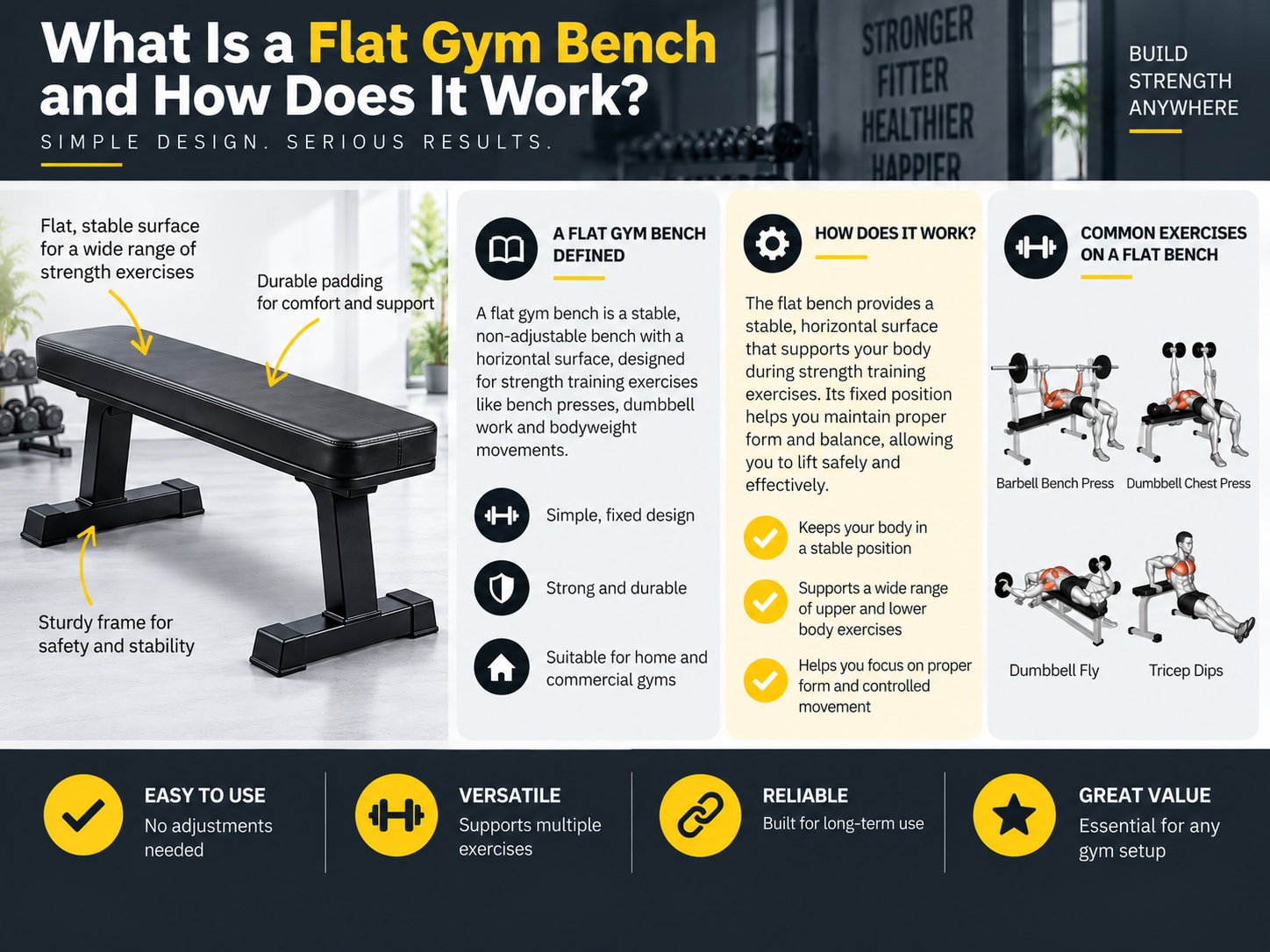
What Is a Flat Gym Bench and How Does It Work?
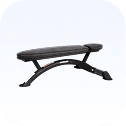
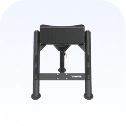
A flat bench has a fixed, horizontal surface. There are no moving backrest or seat sections, and it comes with a straightforward design. It is commonly used for exercises such as flat bench presses, dumbbell presses, dumbbell rows, triceps exercises, and other strength-training exercises.
Its biggest advantage is its simplicity. There are less moving parts in it, and the bench is ready to use without adjusting anything. For a home gym or a fitness centre where basic strength exercises are the priority, a good-quality flat bench can be more than enough.
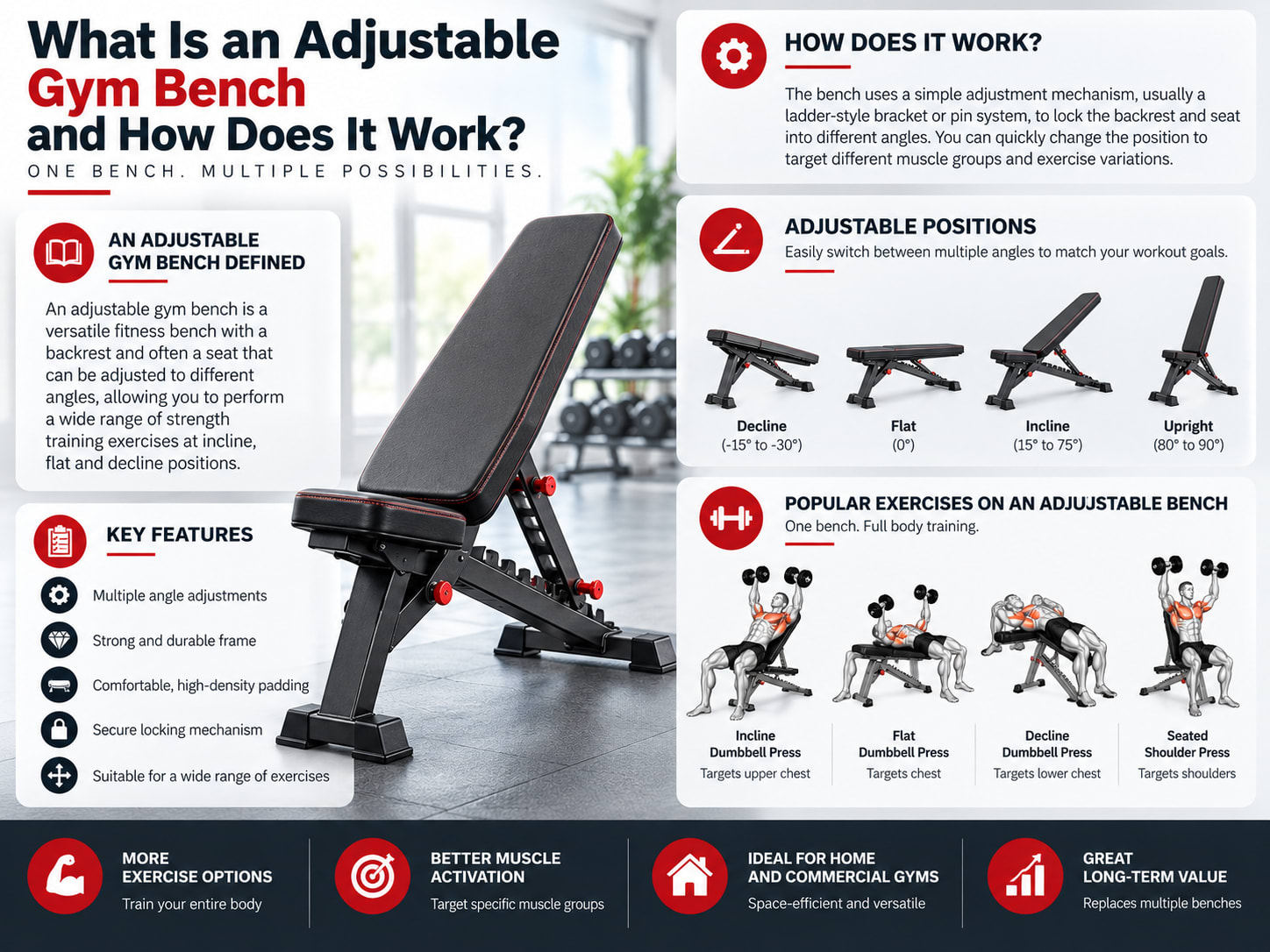
What Is an Adjustable Gym Bench and How Does It Work?
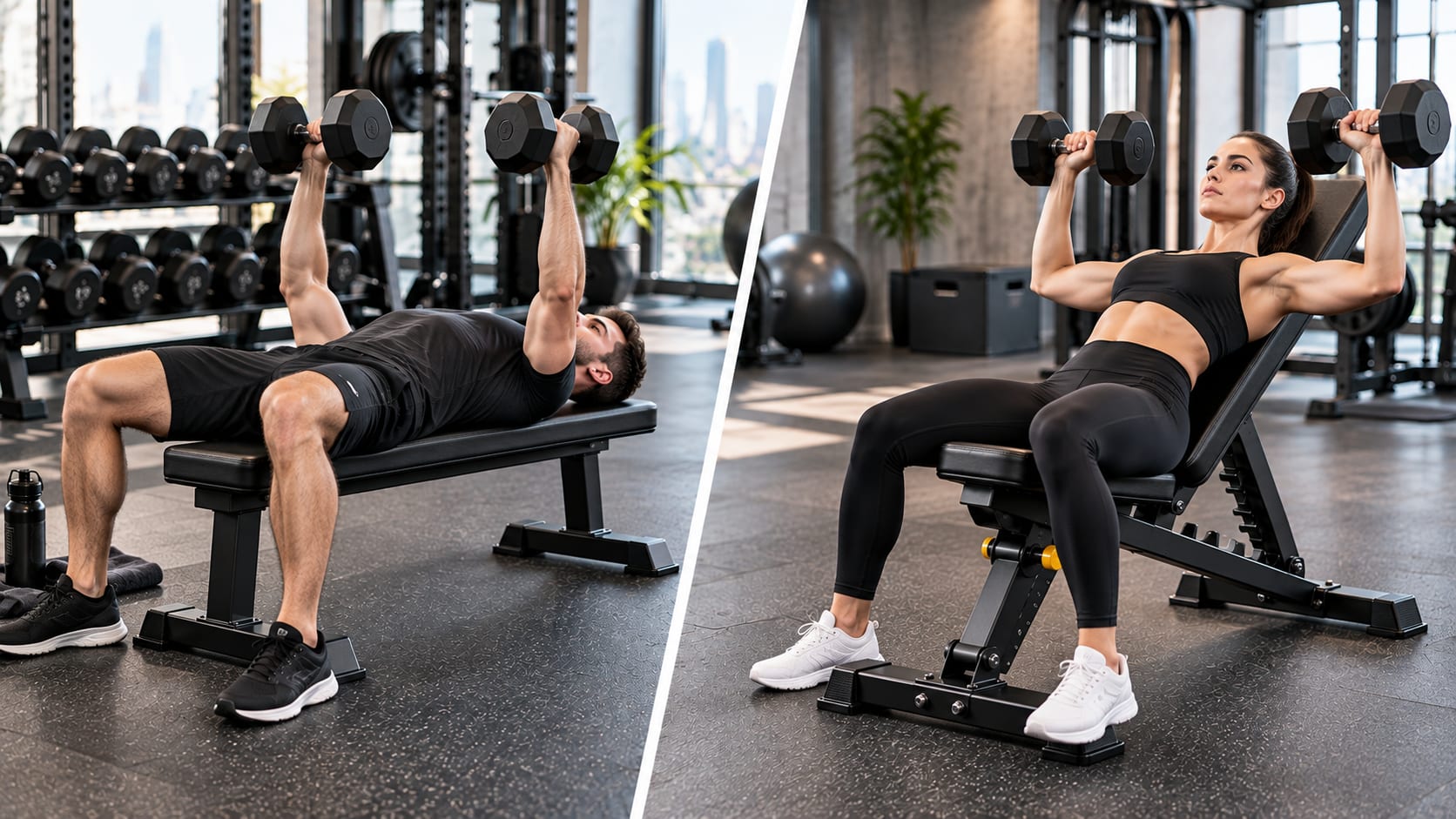
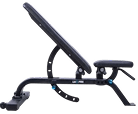
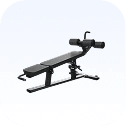
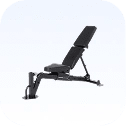
An adjustable bench allows the user to change the angle of the backrest. Depending on the model, the seat may also have several adjustment positions. This means one bench can be used for flat, incline, and sometimes decline exercises.
For example, instead of having a separate flat bench and incline bench, an adjustable model can cover several positions in one piece of equipment. This extra flexibility is the reason many gyms choose adjustable benches.
However, the additional adjustment mechanism also means there are many components to consider when buying one. A few factors like locking system, adjustment points, frame construction, padding, and overall stability matter.
Flat Bench vs Adjustable Bench: Key Differences Compared
Stability: Flat benches lead this segment in comparison
Flat vs Adjustable Bench: Which Offers Better Stability?
Stability is one of the first things to look for when purchasing a gym bench. A flat bench has a fixed frame and a horizontal surface. Because there are no adjustment mechanisms in the backrest, the design is relatively simple. A well-built flat bench feels extremely solid during heavy dumbbell presses, rows, and other strength exercises.
This is really useful for lifters who don't want the bench moving or flexing while they train. Adjustable benches can also be highly stable. However, their construction is more complicated because the backrest needs to move between different positions. A quality adjustable bench should have a strong locking mechanism and a sturdy frame that keeps the bench secure at every angle.
If your priorities are maximum simplicity and stability, a flat bench has an upper hand. If you are looking for versatility without sacrificing stability, go for a well-built commercial adjustable bench.
Which Weight Bench Is Better for Exercise Variety?
This is where adjustable benches really stand out. With a flat bench, you are limited to exercises that work from a horizontal position or don't require the backrest to be angled. An adjustable bench opens up comparatively more possibilities. Users can perform:
Flat dumbbell presses
Incline dumbbell presses
Seated shoulder presses
Incline chest flyes
Supported dumbbell rows
Seated biceps exercises
Various core movements
Other upper-body exercises
However, the exact exercise range depends on the adjustment positions and the overall bench design. For a commercial gym, versatility can be a major advantage. Instead of buying multiple benches for different movements, one adjustable bench can serve several purposes.
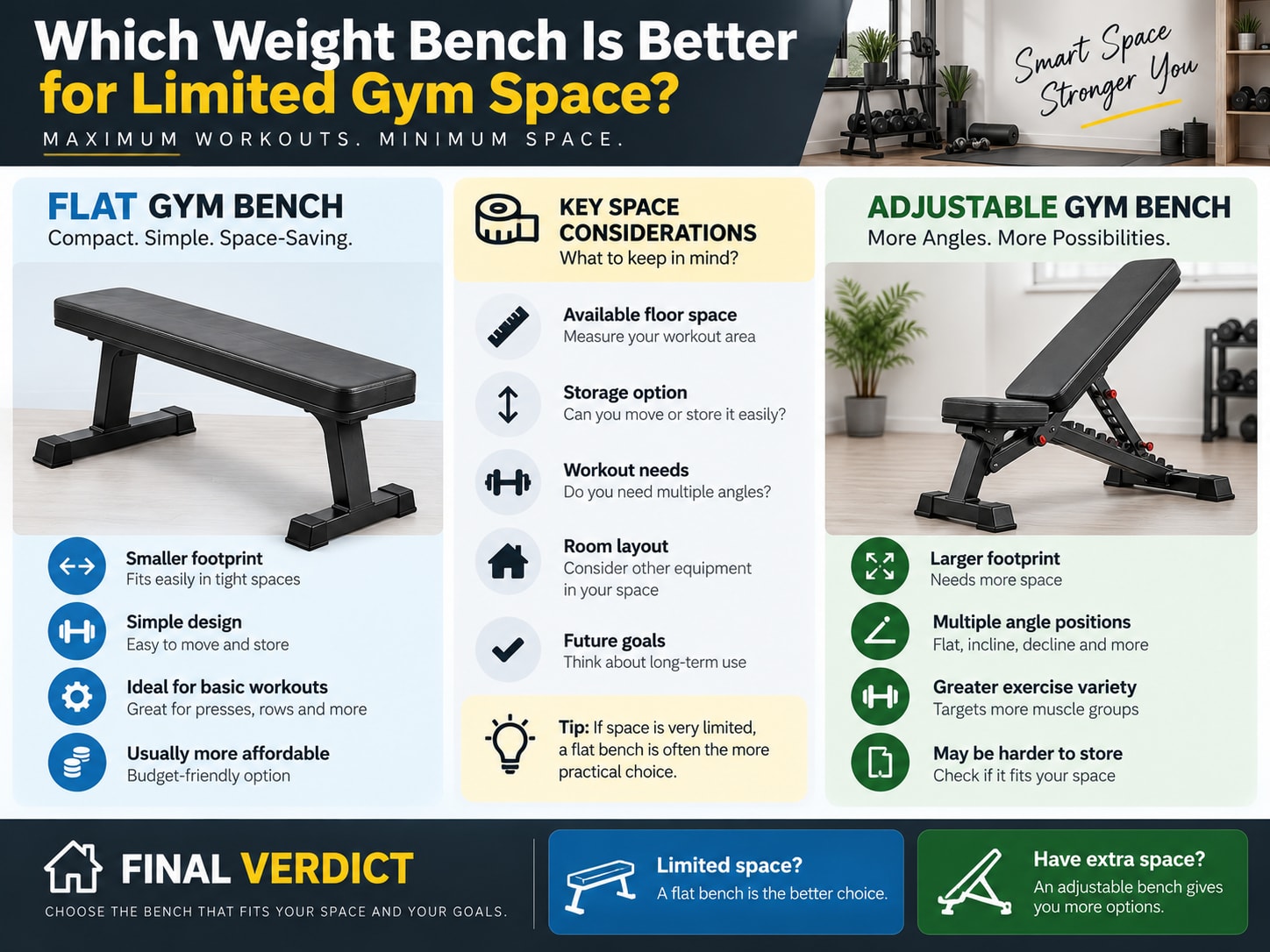
Which Weight Bench Is Better for Limited Gym Space?
Gym space comes at a premium in busy commercial facilities. Flat benches are generally easier to store because of their simple construction. Many models can be moved underneath racks or placed against a wall when not in use. Some also include wheels and handles that make repositioning easier.
Adjustable benches take up a similar amount of floor space during use, but their shape and adjustment mechanisms can make storage slightly less straightforward. Before ordering one, look beyond the bench's basic dimensions. Think about how people will move around it.
A bench may physically fit into a corner, but if users cannot comfortably access it or move dumbbells around it, the space isn't being used effectively. For a commercial gym, leave enough room around benches for users to train safely and for staff to clean and maintain the area.
Flat Bench vs Adjustable Bench: Weight Capacity Compared
Weight capacity is another area where buyers are advised to look beyond the headline number. The capacity of a bench usually needs to take into account both the user's body weight and the weight being lifted. For example, if a person weighs 90 kg and is pressing 40 kg in each hand, the bench is supporting more than just the 80 kg of dumbbells.
For commercial gyms, a higher-rated bench is considered a sensible investment because the equipment may be exposed to heavier loads and more frequent use. Flat benches often have an advantage here because their fixed construction is straightforward. But that doesn't mean adjustable benches are unsuitable for heavy training.
There are commercial-grade adjustable benches designed for demanding strength environments. The important thing is to check the manufacturer's stated weight capacity and intended use rather than assuming every adjustable bench has the same strength.
Never choose a bench based only on its price or appearance. Always check its maximum user and training load before buying.
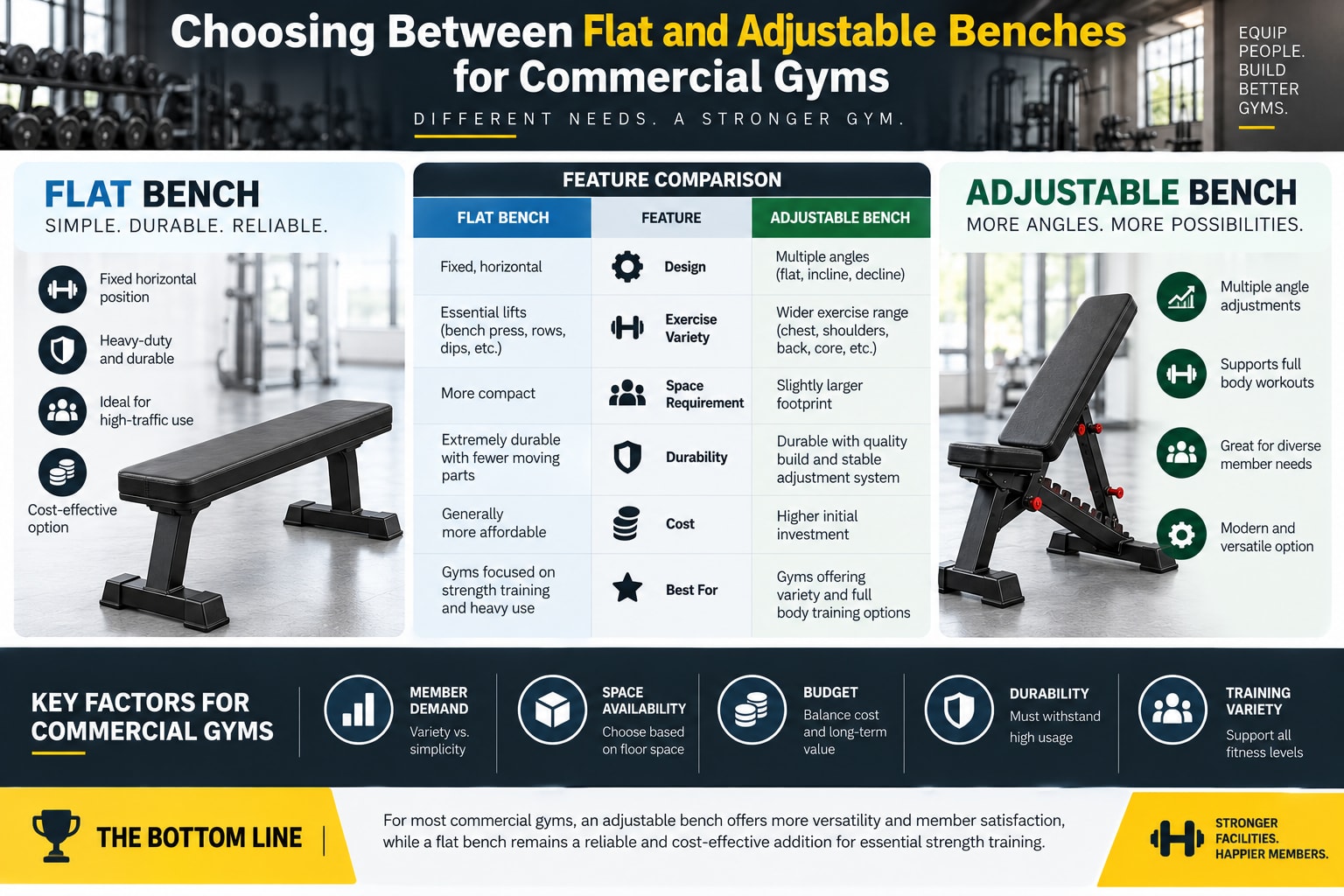
Choosing Between Flat and Adjustable Benches for Commercial Gyms
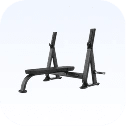
For a commercial gym, the choice isn't always one or the other. In fact, many fitness centres can benefit from having both. Flat benches are useful in areas where straightforward strength training is the focus. They work well alongside power racks, squat racks, dumbbell racks, and other free-weight equipment.
Adjustable benches are ideal when you want to perform a wider selection of exercises. Think about the people using your gym. A bodybuilding-focused gym may need several adjustable benches because incline work is common. A strength-focused gym may prefer more flat benches around the rack area.
A hotel gym, a residential fitness centre, or a smaller studio may prefer adjustable benches because they provide more exercise options without requiring several different pieces of equipment. The right mix depends on your members, available floor space, training style, and budget.
Which Is More Durable: Flat Bench or Adjustable Bench?
A gym bench has to deal with a lot of use. People sit on it, lie on it, move it, adjust it, and sometimes drop weights nearby. In a commercial gym, this happens throughout the day.
Look closely at the frame construction, upholstery, welds, adjustment mechanism, foot support, and overall finish. For adjustable models, pay attention to the locking mechanism. It should feel secure when changing positions. You don't want a backrest that feels loose or unstable during an exercise.
The padding matters, too. It should provide enough support without being excessively soft. Upholstery should also be durable enough to handle regular cleaning and everyday gym use.
This is why buying from an established fitness equipment supplier can be helpful. You aren't just buying a bench; you're also buying into the supplier's support network, spare parts availability, warranty process, and service capability.
Gym Bench Maintenance: Flat vs Adjustable Bench Compared
Flat benches are relatively easy to maintain. There are fewer components involved, so regular checks mainly focus on the frame, bolts, upholstery, feet, and general condition.
Adjustable benches require a little more attention. The adjustment mechanism should be checked periodically to make sure it is working correctly. This doesn't mean an adjustable bench is difficult to maintain. It simply has more components that need inspection.
For commercial gyms, regular preventive maintenance is worth considering regardless of which type of bench you buy. Small issues such as loose bolts, damaged upholstery, or worn adjustment components are easier to deal with when identified early.
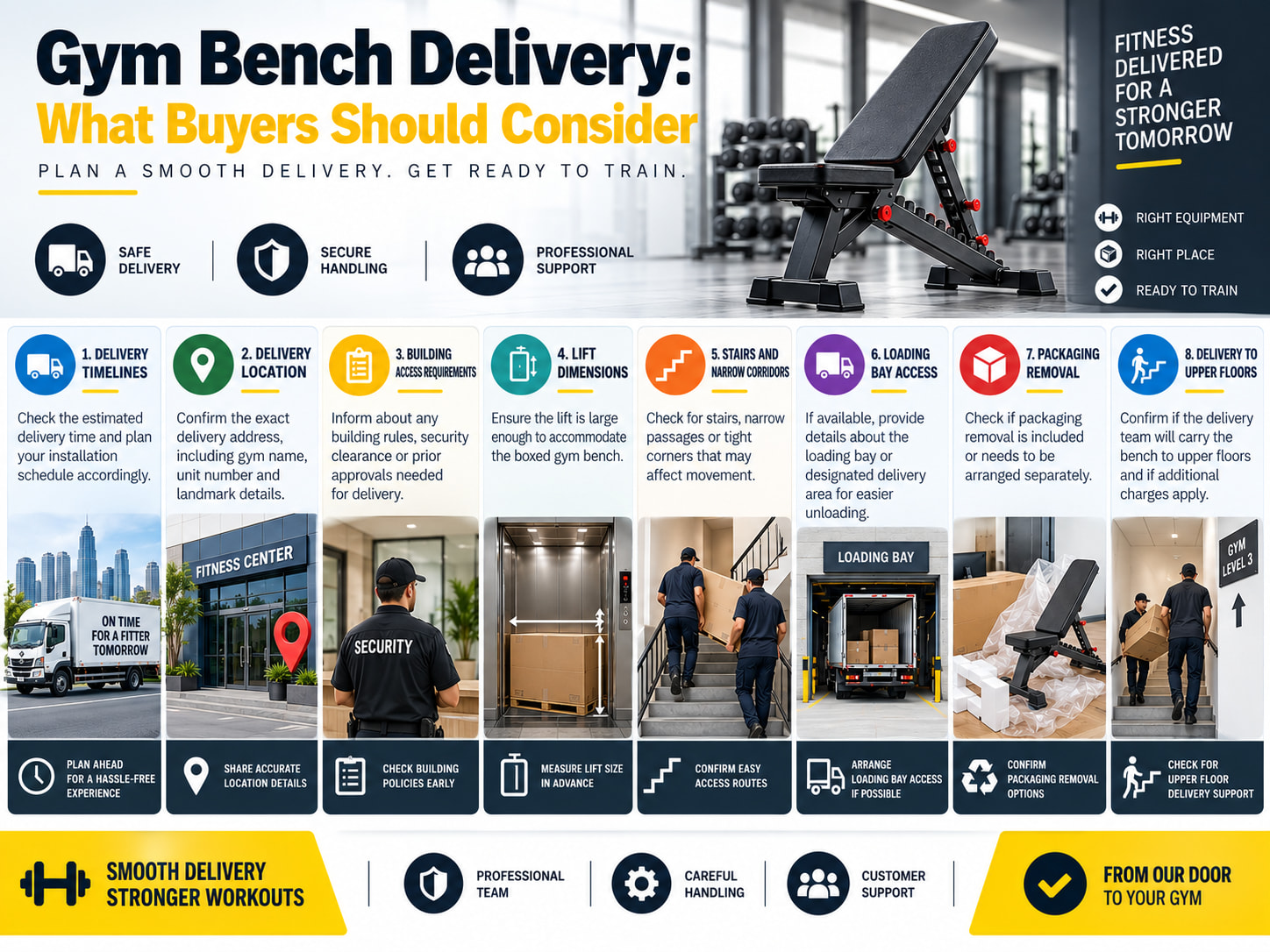
Gym Bench Delivery: What Buyers Should Consider
Buying gym equipment isn't only about selecting the product. The delivery factor needs to be considered as well. Before ordering a bench, check whether the supplier delivers to your location and whether the quoted delivery service includes carrying the equipment into the gym.
This becomes important for commercial projects. A gym may be located inside a shopping centre, hotel, residential tower, office building, or another facility where delivery access is controlled. Check for:
Delivery timelines
Delivery location
Building access requirements
Lift dimensions
Stairs and narrow corridors
Loading bay access
Packaging removal
Delivery to upper floors
These details may seem irrelevant when you are placing an order, but they can become important on the installation day. For larger gym projects, it is better to discuss these requirements with the fitness equipment supplier before the equipment is dispatched.
Weight Bench Installation: What Buyers Should Know
Most standalone benches don't require complicated installation. However, some models may need basic assembly before they can be used. For adjustable benches, the right assembly is important because the adjustment mechanism needs to work smoothly.
Commercial gym projects may also involve multiple benches arriving alongside racks, machines, flooring, and other equipment. In that situation, professional installation can make the entire process much easier.
A fitness equipment supplier who offers installation support can ensure that equipment is assembled correctly and positioned according to the planned gym layout. It also saves gym owners from spending time assembling equipment themselves.
Weight Bench Availability in GCC
Product availability is a practical factor that is often overlooked. You may find the perfect bench online, only to discover that it isn't currently available in the GCC or that delivery will take much longer than expected.
For a commercial gym that is slated to open on a fixed date, this can create unnecessary problems. Before placing an order, check whether the model is available, whether replacement parts can be sourced, and what support is available post the purchase.
It is also worth asking whether the supplier carries different bench types and specifications. Having access to multiple options makes it easier to choose equipment that matches your needs instead of compromising because only one model is available.
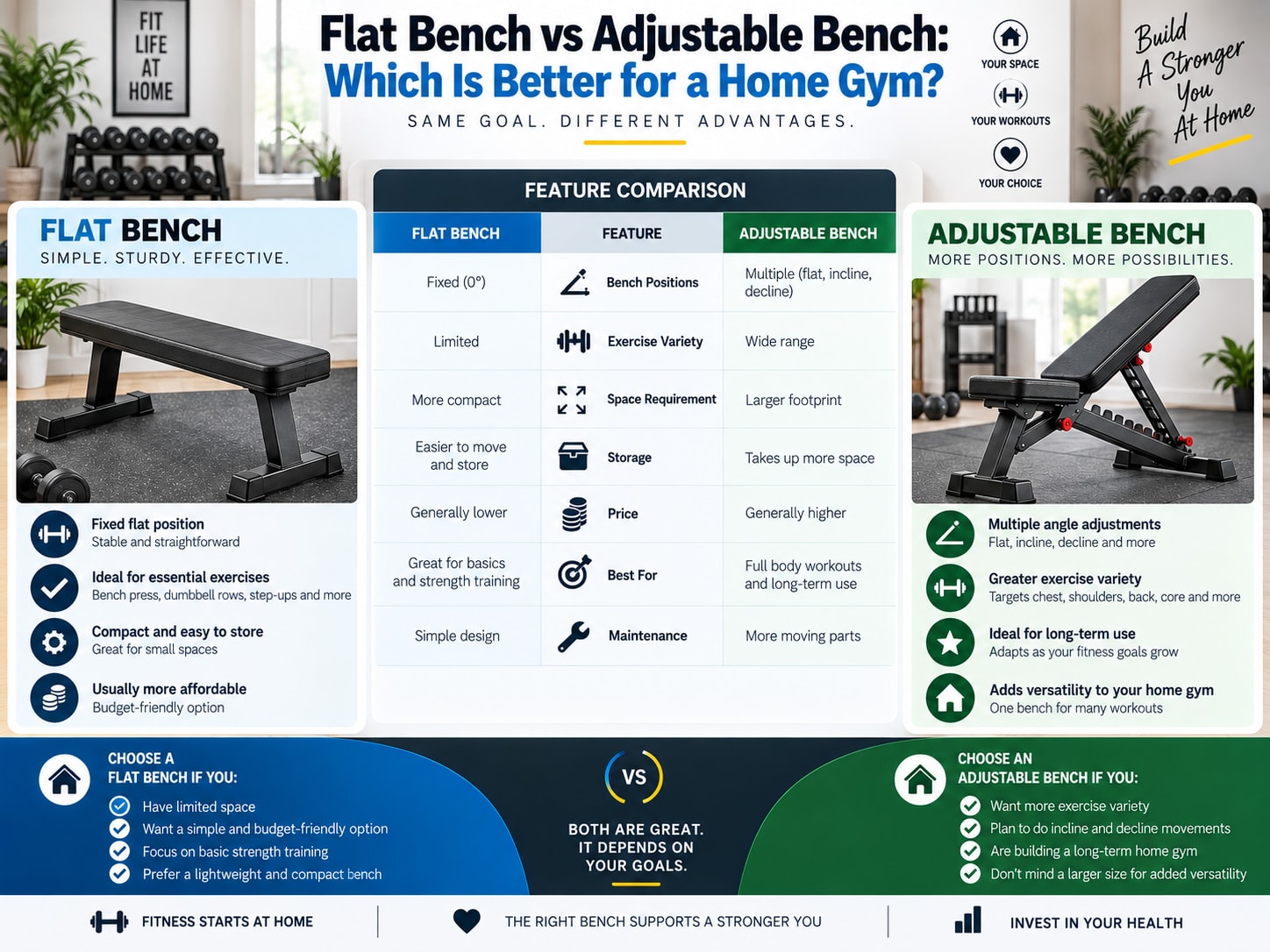
Flat Bench vs Adjustable Bench: Which Is Better for a Home Gym?
For a home gym, the decision usually comes down to how much variety you want. If your workouts mainly include flat presses, dumbbell exercises, rows, and basic strength movements, a flat bench can be a smart choice.
It is simple, compact, and easy to move. But if you have limited space and want one bench to support a wider range of exercises, an adjustable model may be worth the extra investment.
One adjustable bench can give you several training positions without requiring multiple benches. For someone building a small home gym, this versatility can be useful.
Flat Bench vs Adjustable Bench: Which Should Commercial Gyms Choose?
Commercial gyms have slightly different priorities. Factors like durability, user capacity, reliability, service support, and equipment availability become important. If the gym has enough space and a broad range of members, having a combination of flat and adjustable benches can work very well.
For example, flat benches can be positioned around power racks and free-weight stations, while adjustable benches can be placed in areas dedicated to dumbbell training. If space is limited, adjustable benches may offer better value because of their wider exercise range.
However, it is advised not to sacrifice the build quality to get more functions. A basic, but solid flat bench can be a better long-term investment than a poorly built adjustable model with numerous adjustment positions.
Choosing Between a Flat Bench and Adjustable Bench
So, which bench is best for your gym in the GCC? If you want simplicity, stability, easy storage, and straightforward strength training, a flat bench is an excellent choice.
If you want more exercise options, multiple training angles, and greater versatility from one piece of equipment, an adjustable bench is likely to be the better option.
For many commercial gyms, the smartest approach is actually to use both. Flat benches provide a dependable foundation for heavy and basic strength exercises, while adjustable benches give more flexibility in their workouts.
The important thing is to choose commercial-quality equipment that matches your expected usage. Look at weight capacity, dimensions, adjustment positions, construction, upholstery, warranty, service support, delivery, installation, and spare parts before making the final decision.
Oman fitness enthusiasts, it’s time to upgrade your workout! Visit Lifetime Fitness Store for exciting offers, quality fitness equipment, great prices, and reliable service that keeps you moving stronger every day.
Flat Bench vs Adjustable Bench: What to Check Before Buying
Before placing your order, take a few minutes to check:
What type of workouts will the bench be used for?
How much floor space is available?
What is the bench's maximum weight capacity?
Does the adjustable model have secure locking positions?
Is the frame suitable for commercial use?
How durable is the upholstery?
Can the bench be moved easily?
Is local delivery available?
Does the supplier offer installation or assembly support?
Are spare parts available in the GCC?
What warranty and after-sales service are included?
Is the product currently in stock?
These questions can save you from randomly choosing a bench simply because it looks good or has a lower price.
Conclusion
A gym bench may not be the most complicated piece of fitness equipment, but it plays a vital role in a large number of workouts. The flat bench wins when simplicity and stability are treated as priority. The adjustable bench wins when versatility and exercise variety matter more.
For a small home gym, either option can work well depending on your training style. For a commercial gym, the right combination can create a more flexible free-weight area and give members more options during busy periods.
Most importantly, never look at buying the bench as an isolated purchase. Think about how it fits into your gym layout, how often it will be used, who will use it, and what kind of support you'll need after the sale.
A well-chosen bench should do its job quietly for a long period: stay stable, feel comfortable, handle the workload, and never get in the way of a good workout. That is ultimately what makes a good gym bench a worthwhile investment.
A flat bench has a fixed horizontal position, while an adjustable bench allows the backrest, and sometimes the seat, to move through different angles. This makes adjustable benches suitable for flat, incline and, on supported models, decline exercises.
A flat bench can be a good choice for smaller home gyms because of its simple design, stability and compact footprint. An adjustable bench is generally better for users who want greater exercise variety and multiple training angles from a single bench.
Both can be valuable in commercial gyms. Flat benches are useful for basic strength exercises and high-traffic training areas, while adjustable benches provide greater workout versatility. Many commercial facilities benefit from having a combination of both.
Check the bench's dimensions, weight capacity, frame construction, padding, stability and available adjustment positions. You should also consider your available floor space, storage needs, intended exercises, product availability, delivery access and assembly requirements.




 Get a weekly dose of latest stories
and useful tips directly in your inbox!
Get a weekly dose of latest stories
and useful tips directly in your inbox!


 0
0














































































 Price Match Guarantee
 Free Shipping
 Product Warranty
 After-Sale Support
 Have Coupon Code?
 You'll Save 0.00 On This Order
 Safe And Secure Payments. Easy Returns. 100% Genuine Products