Cable Machine Oman Buying Guide: How to Choose the Right Machine for Home & Commercial Gyms
Setting up an incredible gym is a dream that many fitness enthusiasts secretly nurture in their minds. Though the idea may sound fancy and simple after you develop a know-how about the technical details, choosing the right equipment would still remain a headache.
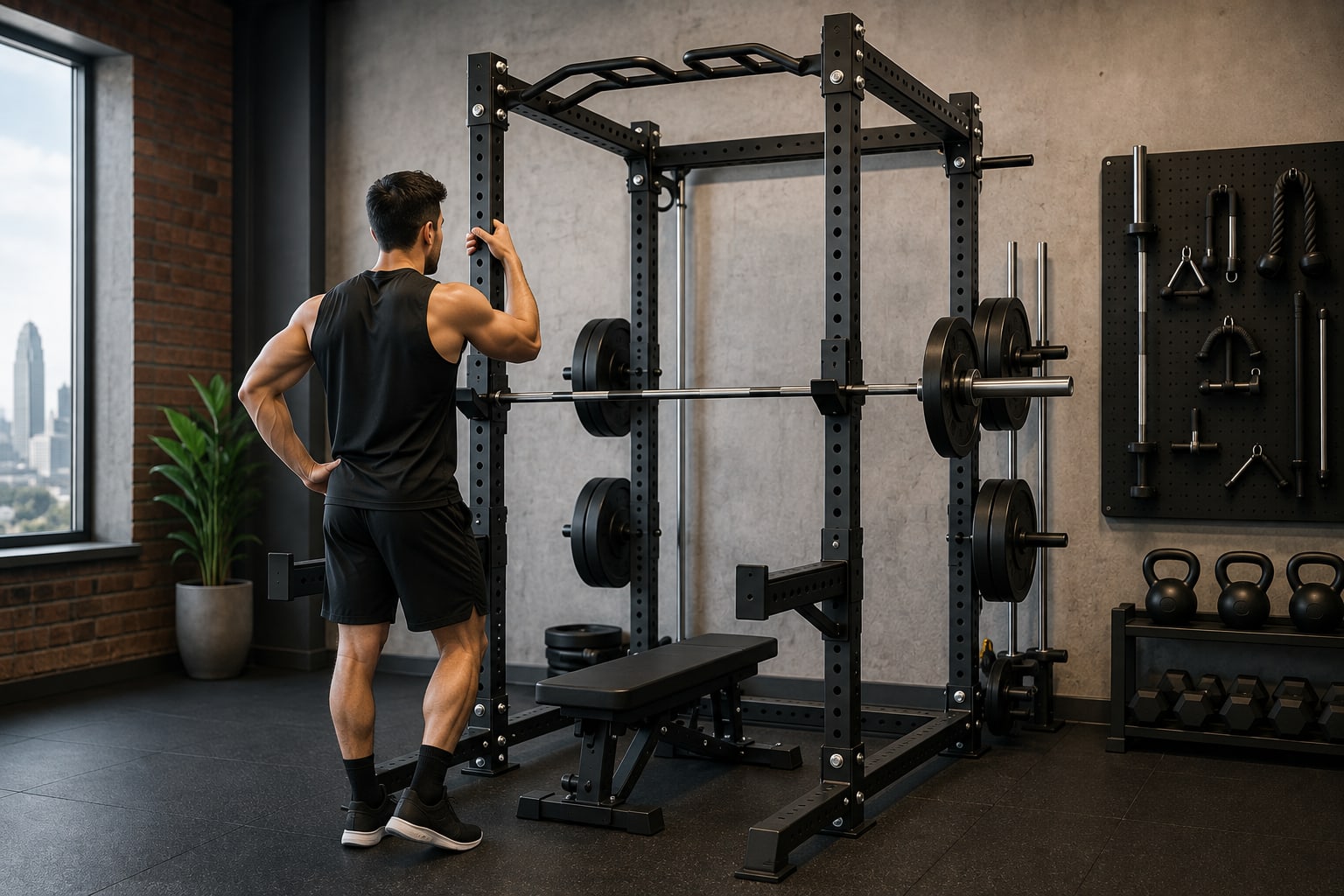
People often discuss the varied kinds of treadmills, benches, dumbbells, and racks that could enhance the workout sessions. However, little do they know that cable machines can be the most useful piece of equipment in a gym.
A good cable machine aids in strength training, muscle building, mobility work, and functional movements. This is why they are considered quite useful for both home gyms and commercial gyms. However, a lot of factors should be kept in mind before choosing the equipment.
According to experts, aspects like pulley travel, exercise variety, machine size, ceiling height, space, resistance, build quality, and delivery need utmost attention before zeroing in on the equipment. This blog delves deep into the requirements that really matter before making a purchase.
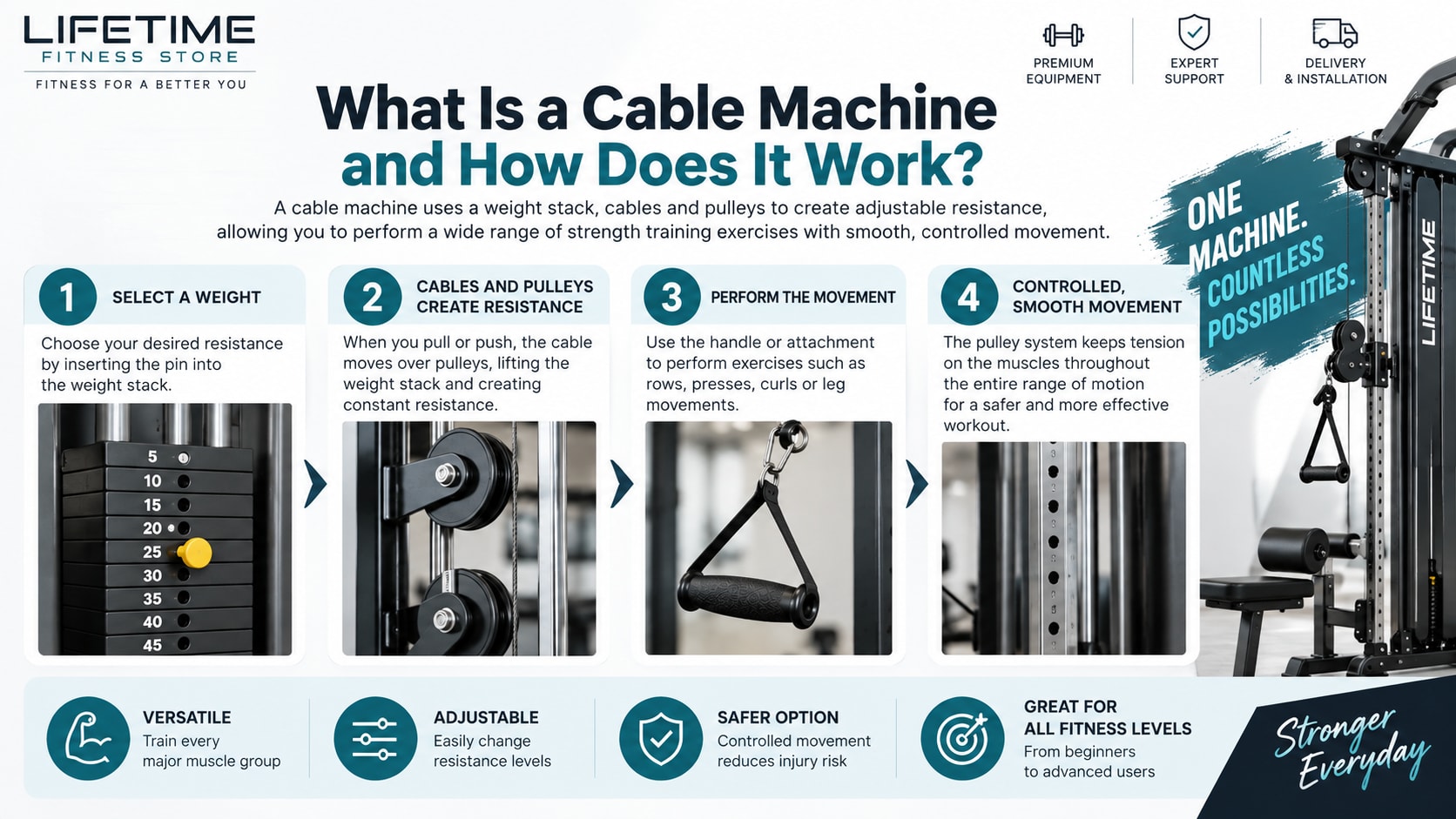
What Is a Cable Machine and How Does It Work?
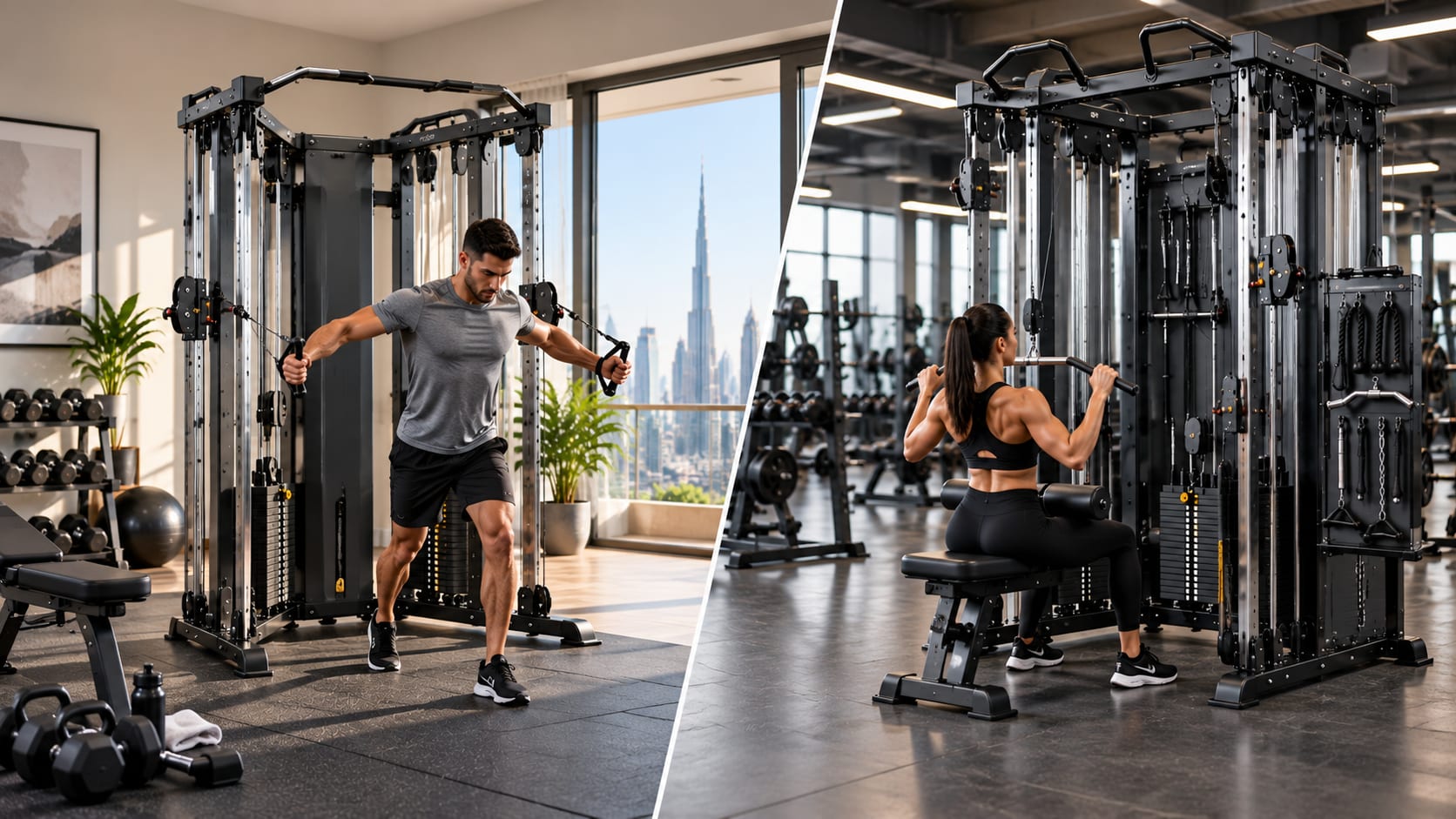
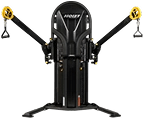
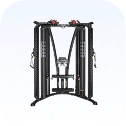
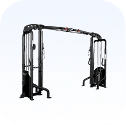
A cable machine uses cables, pulleys and resistance to provide a controlled way of exercising. Some cable machines are equipped with a single pulley, while functional trainers usually come with two adjustable pulley systems. The pulleys can be moved to different heights, allowing you to change the angle of the exercise.
This simple adjustment makes cable machines versatile. You may place the pulley low for biceps curls or standing rows, then move it to the middle for chest exercises, or raise it higher for triceps pushdowns.
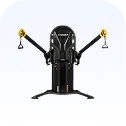
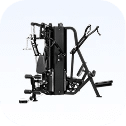
A functional trainer takes this idea further by providing two independent cable columns. This allows you to work both sides of the body together or train one side at a time.
Benefits of a Cable Machine for Your Home Gym
As far as a home gym is concerned, one of the biggest advantages a cable machine offers is variety. You don't need a separate machine to train every muscle. With the proper attachments and a good cable range, one machine is capable of covering exercises for your chest, back, shoulders, arms, legs and core. You can perform:
Cable chest press
Cable fly
Seated or standing rows
Triceps pushdowns
Biceps curls
Face pulls
Lateral raises
Cable squats
Cable lunges
Woodchops
Pallof presses
Cable crunches
For someone building a home gym in an apartment or a spare room, this versatility can make a huge difference. You get the benefit of building a workout around one well-designed cable station instead of filling your space with several machines.
Benefits of Cable Machines for Commercial Gyms
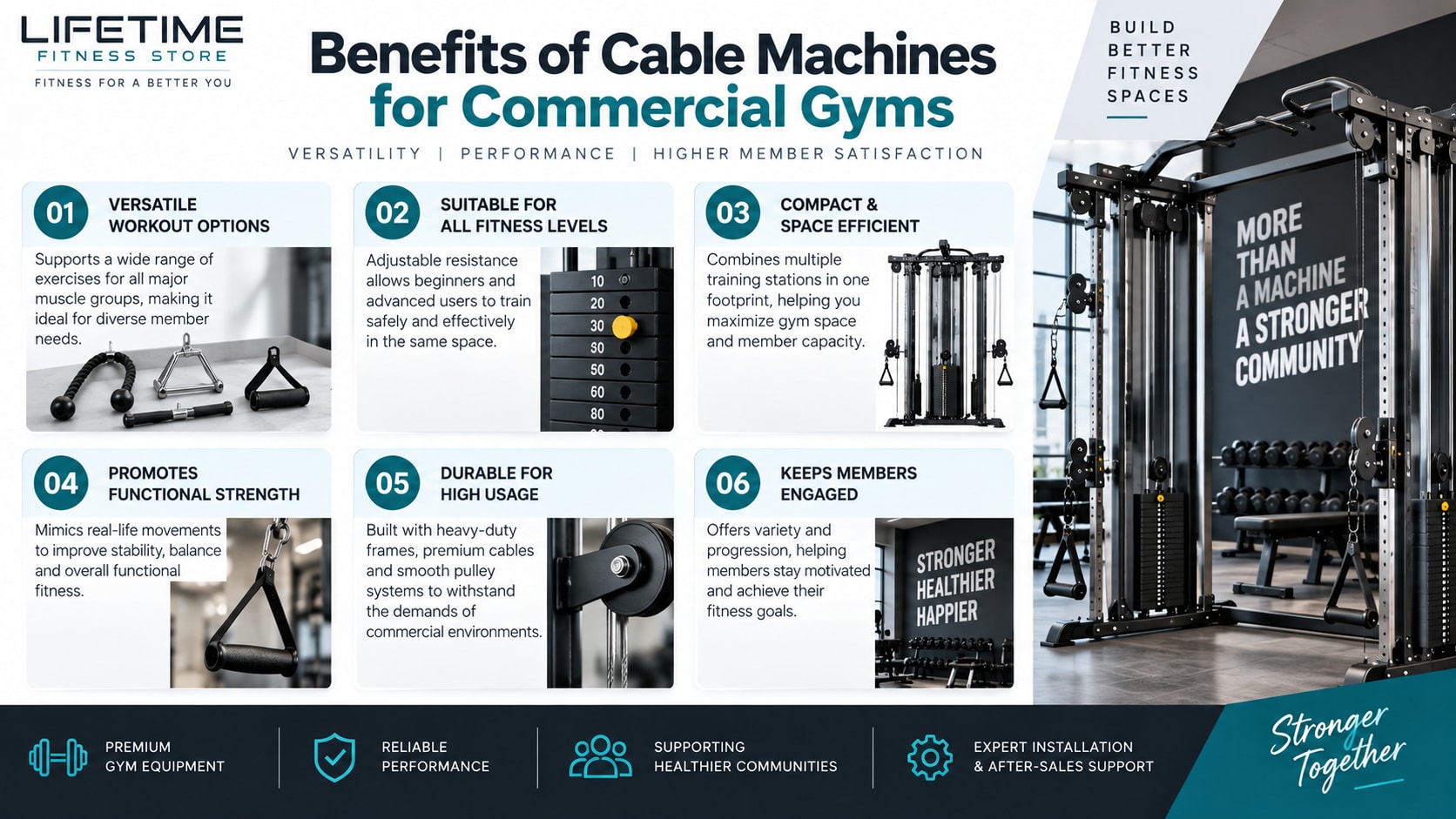
The requirements become slightly different for commercial gyms. As we all know, a cable machine in a commercial facility may be used by many people every day. It needs to handle frequent use without becoming noisy or difficult to operate.
This is where the aspect of build quality becomes important. Thoroughly check the frame, cable quality, pulley construction, guide rods, and warranty before the purchase. A machine that suits for occasional home use may not be the right choice for a commercial gym.
Similarly, one should have an idea about the number of people using the machine in commercial gyms. A dual adjustable pulley system becomes useful because two people may be able to train independently, depending on the machine design and gym layout.
Why Pulley Travel Matters When Choosing a Cable Machine
Pulley travel is one specification that many customers seem to overlook. It determines how far the cable can move during a workout session. The more the cable travels, the more freedom of movement it provides. This helps those exercises where you need to step away from the machine.
Picture yourself doing a cable chest press. If the cable is too short, your movement will be affected as you move your arms forward. The same issue occurs when you perform other exercises as well.
A machine with longer cable travel provides you more room to move naturally. Having said that, you should not simply go with the machine with the longest cable. Cable travel should be considered along with other features like the machine's pulley ratio, height adjustment and the exercise kind you plan to perform.
For basic bodybuilding exercises, you may not need a really long travel range. However, for functional training and athletic movements, it is really important.
Why Exercise Variety Matters When Choosing a Cable Machine
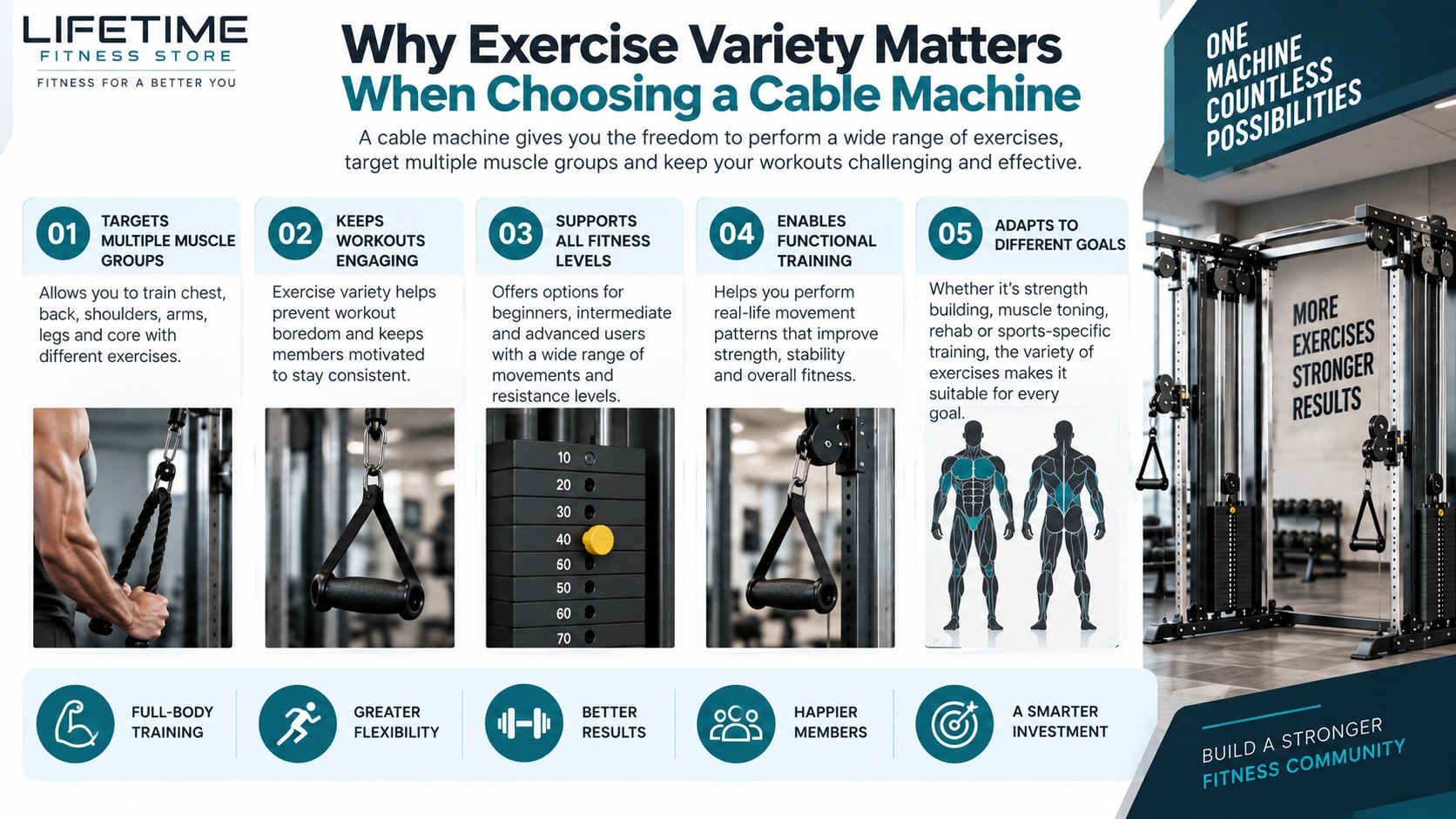
A cable machine becomes an essential equipment when you use it for different exercises. Before blindly buying, look beyond the number of attachments included in the box. Check how the pulleys move and whether the cable path allows you to perform the exercises you normally do.
A dual adjustable pulley system offers you more options than a fixed cable station. You may adjust the pulley height and change the attachment depending on the exercise. For example:
Upper body: Chest press, fly, rows, face pulls, lateral raises, curls, and pulldowns.
Lower body: Cable squats, pull-throughs, kickbacks, leg raises, lunges and hip exercises.
Core: Woodchops, cable crunches, and standing rotations.
Functional training: Rotational movements, unilateral exercises, and sport-specific movements.
Some machines also include pull-up bars, low rows, Smith machines or storage areas. These combination machines come across as attractive if you are trying to get more functionality from one footprint.
How Much Space Do You Need for a Cable Machine?
This is an area where many home gym buyers make terrible mistakes. They just measure the machine and stop there. For example, if the machine is 1.5 metres wide, that doesn't mean you only need exactly 1.5 metres of floor space.
Needless to say, you need additional space around it to use the cables. A person who is into cable exercise needs ample space to stand, step back, move sideways and use various attachments without hitting other equipment or a wall.
For a home gym, you need to measure the usable training area, not just the empty floor where the machine will be placed. Additionally, you need to think about nearby equipment, too. If your cable machine is next to a treadmill, dumbbell rack or wall, make sure the user can still move around the machine.
For a commercial gym, this becomes even more important. A crowded cable station becomes uncomfortable during busy hours in no time.
How Much Ceiling Height Do You Need for a Cable Machine?
Ceiling height is another important factor that should be seriously considered before making a purchase. It is known that many cable machines and functional trainers are usually tall. If the machine comes with a pull-up bar or overhead pulley position, it is natural that you are expected to make clearance above it.
Keep in mind to measure the room from the finished floor to the ceiling before ordering the equipment. Never go by just a product photo or assume that a machine will aptly fit in your space because the room is tall enough.
If you have a home gym in an apartment, basement or converted room, check the height first. Moreover, consider whether the machine needs to be tilted or assembled upright during installation.
Check Doorways, Lifts and Entry Space
This is actually something that usually doesn't appear in product specifications. The machine may fit inside your room, but still fail to get there because of obvious reasons. So, before placing an order, check:
Entrance width
Staircase width
Lift dimensions
Corridor space
Apartment door width
Turning space
Parking and unloading access
Big cable machines can sometimes be heavy. Some of the commercial functional trainers weigh several hundred kilograms. If you're ordering for an apartment or a commercial facility, discuss the access factor with the supplier before delivery. It is always better to fix a delivery problem before the machine arrives.
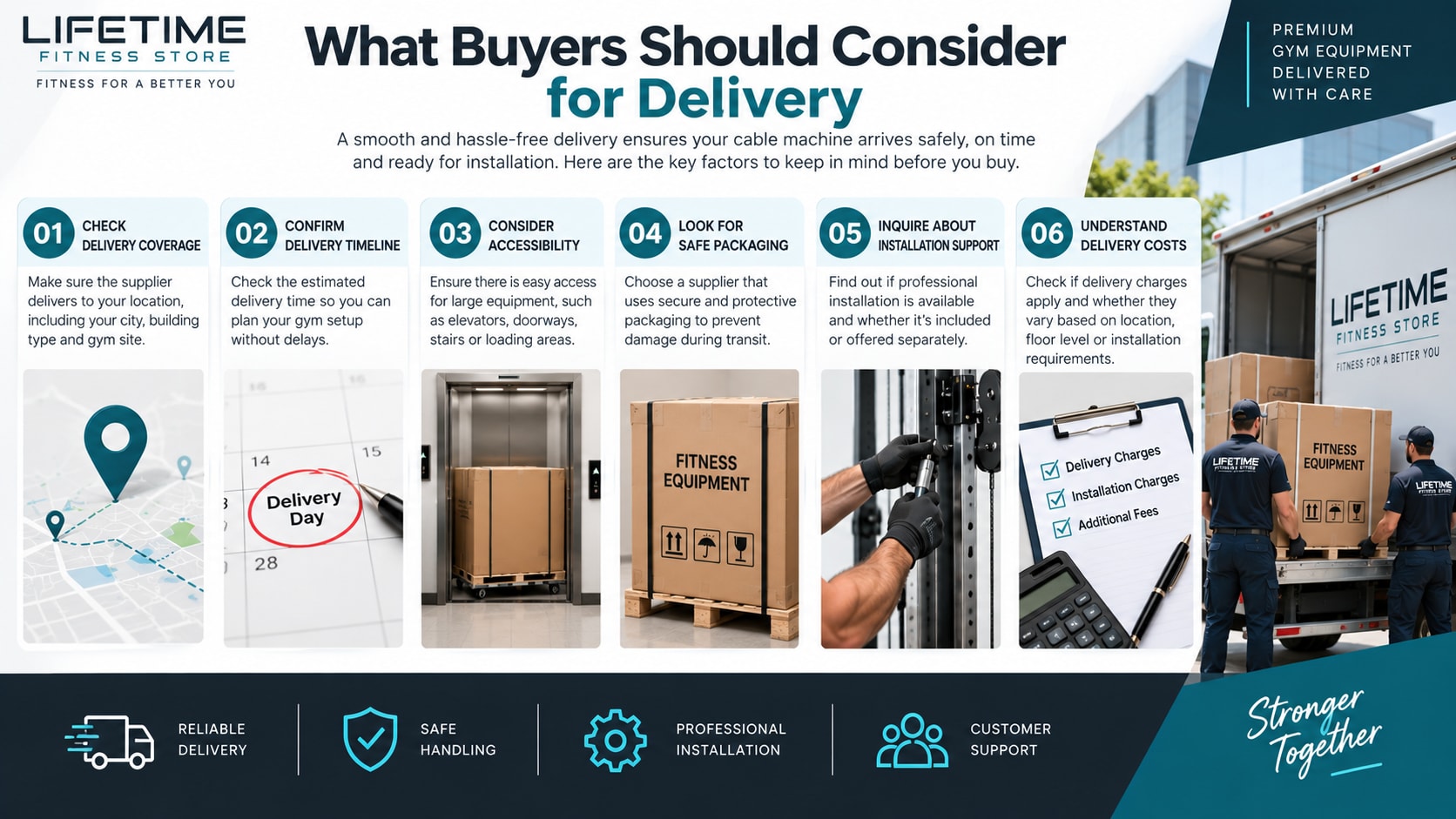
What Buyers Should Consider for Delivery
Delivery is an important part of any gym equipment purchase, especially for large cable machines. When it comes to delivery, ask the following questions to the seller to avoid last minute confusion.
Is delivery available to my emirate?
Is delivery free?
How many working days will it take?
Will the machine be delivered inside the building?
Is stair delivery available?
Is there an additional charge for difficult access?
Who is responsible for unloading?
Does delivery include installation?
Delivery policies vary between suppliers and equipment categories. Some fitness retailers advertise delivery across the country, while others have different timelines depending on the location. Ask for a clear delivery plan before making the purchase.
Cable Machine Installation: What You Need to Know
The moving parts ofcable machines like weight stacks, guide rods, pulleys and cables need to be assembled appropriately. A poor installation process may lead to unusual noise, uneven movement or difficulty in adjusting the machine.
To avoid unfortunate scenarios like this, professional installation is always advisable, especially for heavy commercial equipment. While some suppliers include expert installation with the purchase, others may charge separately or have specific conditions.
Before making the order, check for the services the installation team does.
Will they assemble the full machine?
Will they level it?
Will they let up the cables?
Will they check the pulleys?
Will they install attachments?
Will they position the machine?
Check Cable Machine Stock Availability Before You Buy
You may find the perfect cable machine online, but to your shock, it may not actually be available for immediate delivery. Product availability can change quickly. This is so common with imported fitness equipment because the stock may depend on factors like shipments and local warehouse availability.
If you are setting up a home gym, waiting a few weeks may not be a major concern. But for a commercial gym, delayed equipment may affect your planned schedules and renovation plans.
So, before placing an order, confirm whether the machine is:
In stock locally: Usually the simplest option for faster delivery.
Available on order: The supplier may need to bring it.
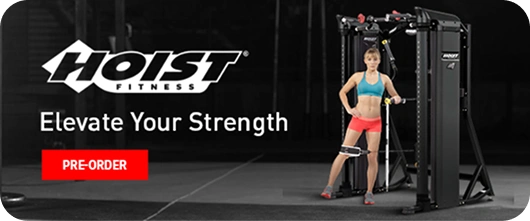
Pre-order: The product may not be ready for immediate shipment.
Also ask whether spare parts are easily available locally. A machine is easier to maintain when its common replacement parts can be sourced without waiting.
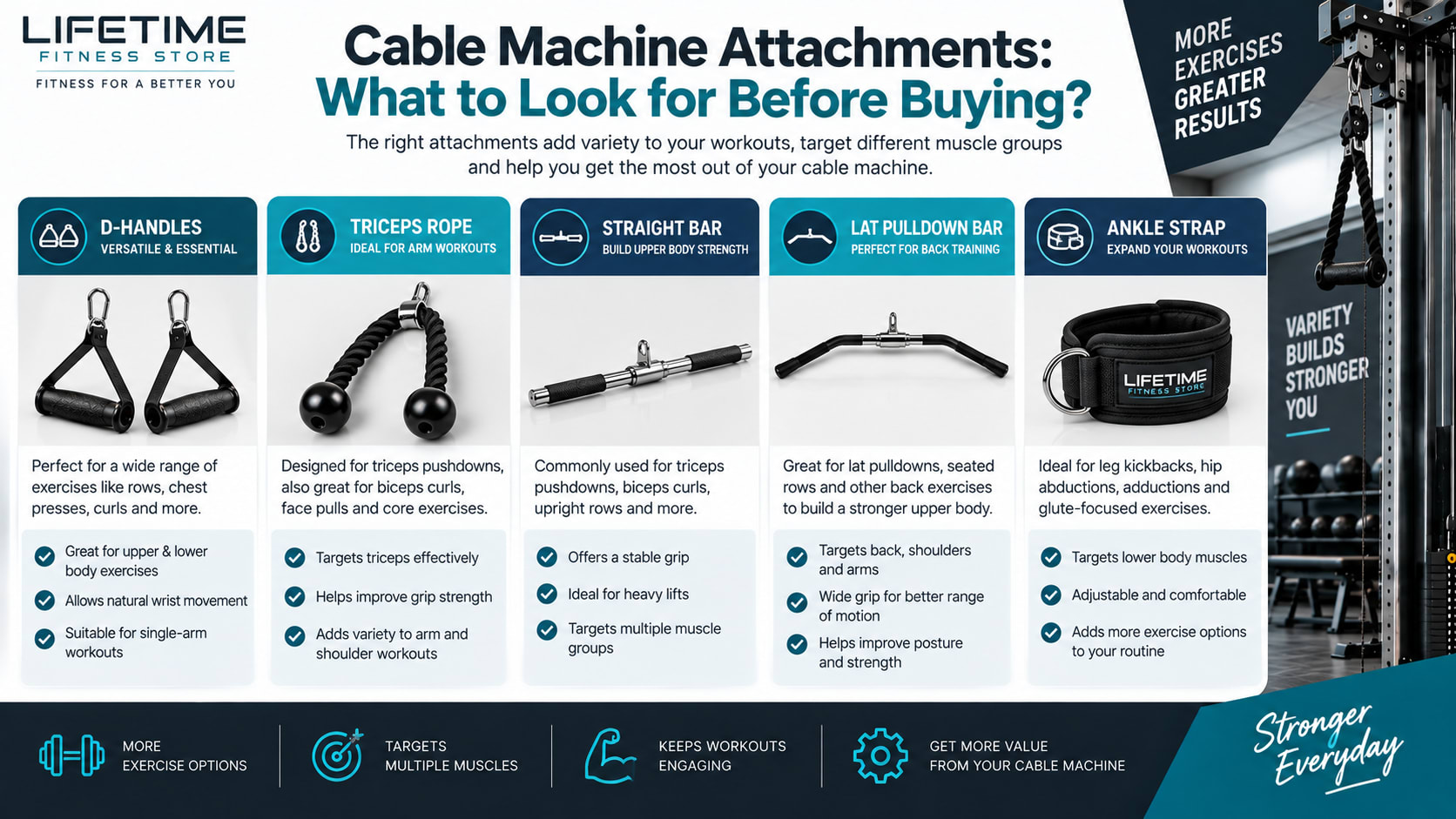
Cable Machine Attachments: What to Look for Before Buying?
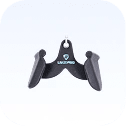
A cable machine is said to be technically flawless when it comes with the right attachments. Always make sure that a cable machine is equipped with options such as:
D-handles
Triceps rope
Straight bar
Lat pulldown bar
Ankle strap
Some machines include these along with them, while others sell them separately. If you're building a home gym, buying everything at once isn't necessary. Go for only those attachments you will use and add more later if your machine supports them.
For commercial gyms, having several attachments available can reduce downtime between exercises and make the station useful for personal training.
Why Build Quality Matters When Choosing a Cable Machine?
A good cable machine should feel smooth when you pull the handle. There shouldn't be excessive jerking or unnecessary noise. Pay attention to the pulley system. Quality bearings and well-designed pulleys make a visible difference in how the machine feels during repeated movements.
The cable, too, matters. Commercial machines are built to handle frequent use and may use stronger cables and robust pulley components.
If possible, try out the machine before making the purchase. This is why experts recommend a showroom visit over reading several product descriptions. Try pulling the cable, adjust the pulley, and check out different handles. Get to know how the weight stack moves. You will end up learning more quickly.
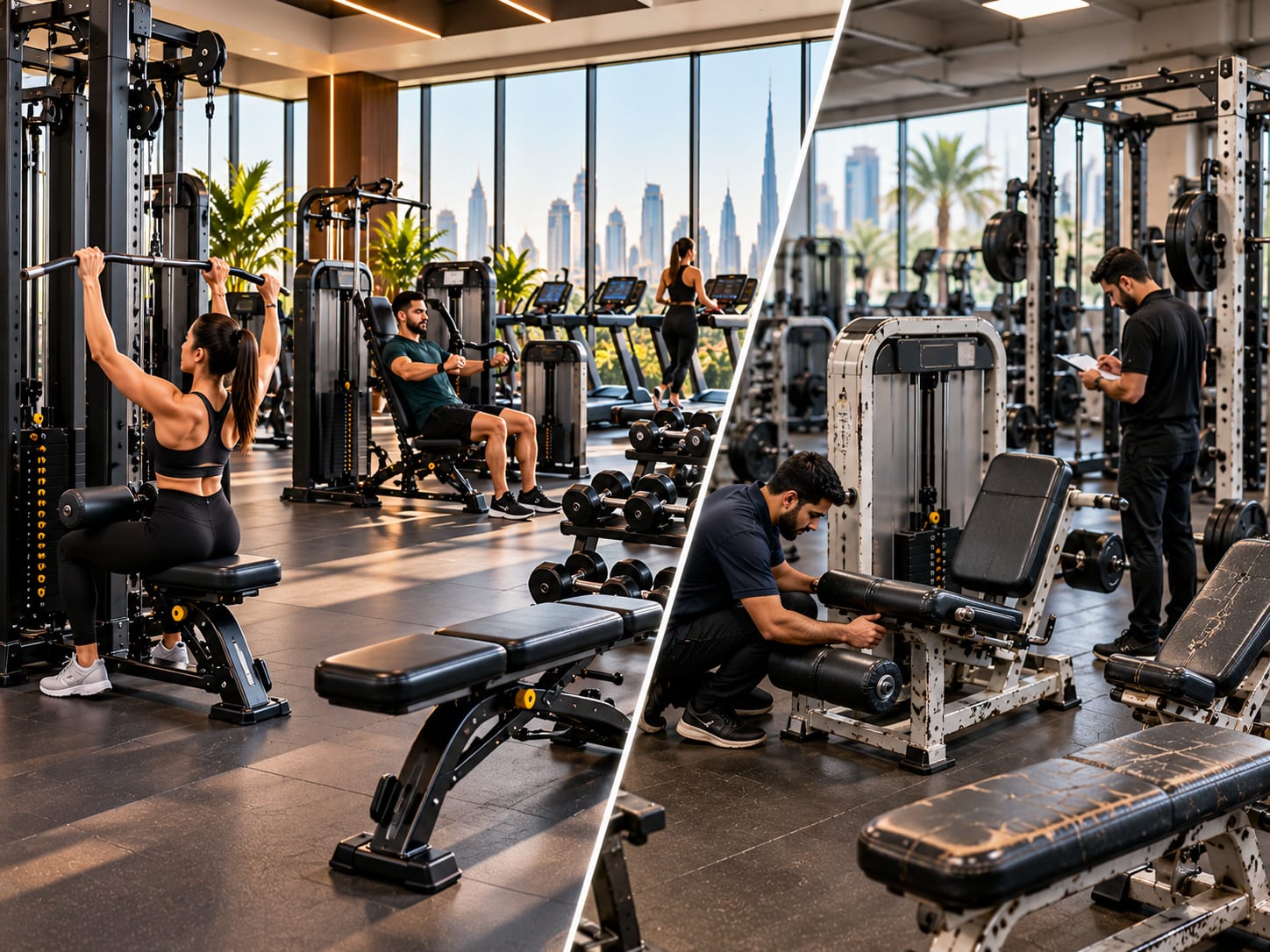
Home Cable Machine vs Commercial Cable Machine
A person who works out at home doesn't need a commercial machine. If you train three or four times a week and only a few people use the machine, go for a well-built home or light-commercial model.
On the other hand, commercial gyms have different requirements. They need machines that are able to handle frequent use, heavier loads and repeated adjustments throughout the day. Let’s summarize the differences in simple words.
Usage: It is low for home gyms and high for commercial gyms
Space: Limited for home gyms and planned around several users for commercial gyms
Weight stack: Moderate for home gyms and larger for commercial gyms
Build: Light commercial for home gyms and high grade for commercial gyms
Attachments: Personal preference, Wider selection useful
Cable travel: Exercise-based for home gyms and support varied users for commercial gyms
Warranty: It is extremely important for commercial gyms
Spare parts: Commercial gyms need them more
Installation: More recommended for commercial gyms
Fitness enthusiasts from Oman who are keen on building or upgrading home or commercial gyms may visit Lifetime Fitness Store, a trusted destination for quality gym equipment at attractive prices.
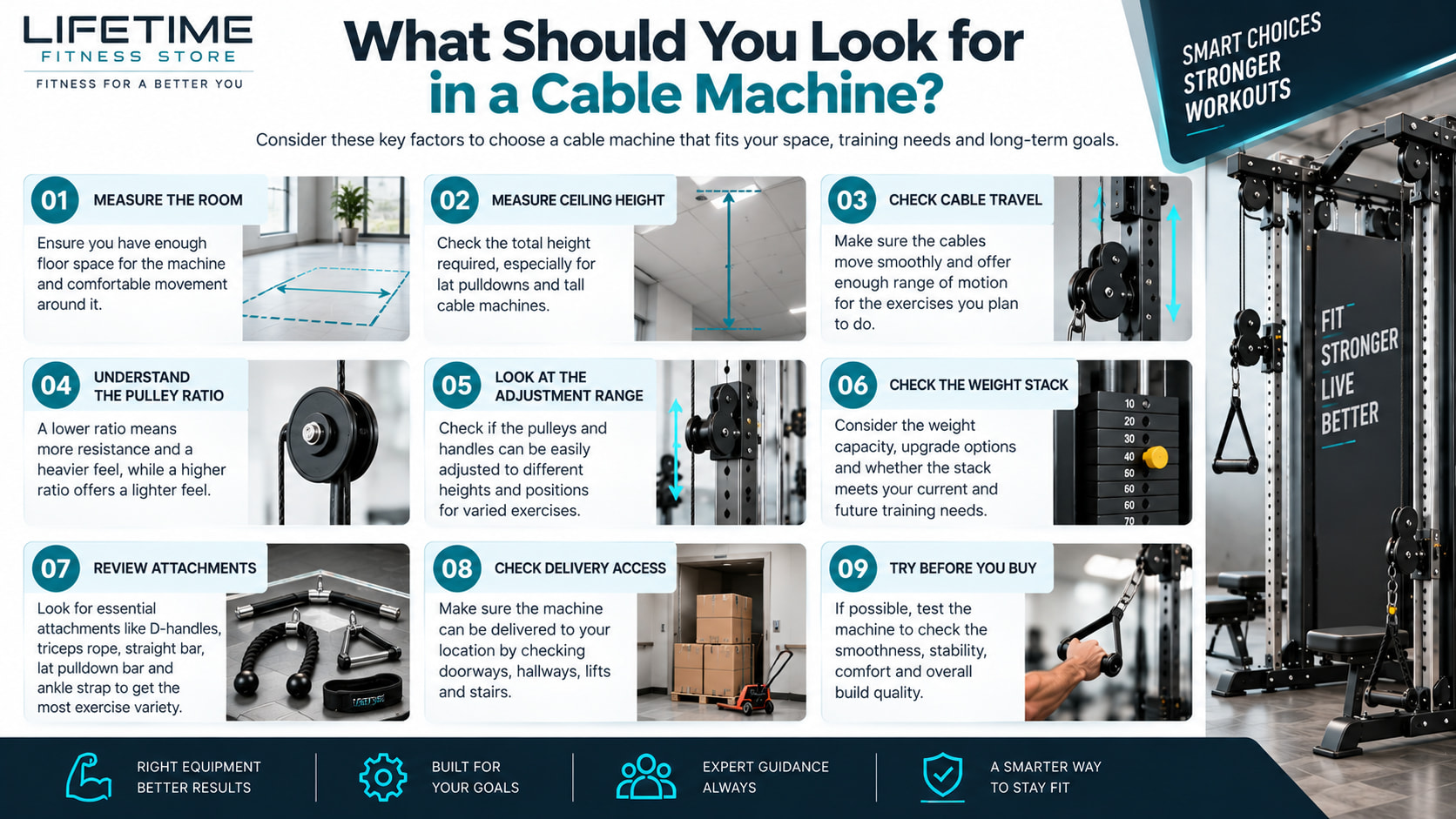
What Should You Look for in a Cable Machine?
Make a short checklist like the following one before you order.
Measure the room: Check width, depth and usable workout space.
Measure ceiling height: Check for overhead clearance.
Check cable travel: Ensure you can perform functional exercises comfortably.
Understand the pulley ratio: Know how the selected weight will actually feel.
Look at the adjustment range: More pulley positions generally give you more exercise options.
Check the weight stack: Choose resistance according to the people who will use the machine.
Review attachments: Make sure the important handles and bars are included.
Check delivery access: Measure doors, lifts, corridors and staircases.
Confirm installation: Find out whether professional installation is included.
Check for local support: Check warranty coverage, spare parts and servicing.
Confirm stock status: Ask whether the machine is physically available or needs to be ordered.
Try before you buy: The flexibility factor needs to be checked directly.
Conclusion
A cable machine can become the centre of a home or commercial strength-training setup, but choosing the right one takes more thought than simply comparing prices.
Start with your training needs. Look at the practical side: space, ceiling height, cable travel, pulley ratio and exercise variety. Consider important details such as delivery, installation, product availability, warranty and after-sales service.
For a home gym, the best cable machine is usually the one that gives you several exercise options without taking over the room. For a commercial gym, durability and smooth operation become more important because the machine will be used repeatedly throughout the day.
Take your measurements, make a list of the exercises you want to perform, and compare machines based on the complete package. This approach will make it easier to find a cable machine that fits both your gym space and your training goals.
Consider the machine's dimensions, ceiling height, cable travel, pulley ratio, adjustment range, weight stack, included attachments and overall build quality.
The pulley ratio affects how much resistance you feel and how far the cable travels. With a 1:1 ratio, the selected weight generally corresponds more directly to the resistance at the handle.
Yes. Commercial cable machines are generally designed to withstand frequent use by multiple users and may feature heavier-duty construction, larger weight stacks and more training stations. Home models often prioritize a smaller footprint, versatility and efficient use of available space.
Before purchasing, confirm product availability, delivery charges and timelines, installation services and whether additional fees apply. Measure doors, lifts, corridors and stairways, and make sure the final location has sufficient floor space and ceiling clearance for safe installation and exercise.




 Get a weekly dose of latest stories
and useful tips directly in your inbox!
Get a weekly dose of latest stories
and useful tips directly in your inbox!


 0
0






































 Price Match Guarantee
 Free Shipping
 Product Warranty
 After-Sale Support
 Have Coupon Code?
 You'll Save 0.00 On This Order
 Safe And Secure Payments. Easy Returns. 100% Genuine Products