


If you have ever visited a doctor, signed up for a fitness program, or used an online health calculator, chances are you have come across the term BMI. Short for Body Mass Index, BMI is one of the most widely used tools for assessing whether a person's weight falls within a healthy range relative to their height. Despite its popularity, BMI often sparks debate among healthcare professionals, fitness experts, and individuals trying to improve their health.
Many people assume that a BMI score can provide a complete picture of their health. While BMI can be a useful screening tool, it does not tell the entire story. Health is influenced by many factors including body composition, activity levels, nutrition, genetics, sleep quality, stress management, and overall lifestyle habits. A single number cannot fully capture all these elements. A healthy BMI is best supported through sustainable lifestyle habits, and having access to reliable cardio and strength-training equipment can make staying active easier and more convenient every day.
Understanding what BMI measures, what it does not measure, and how it should be used can help you make better decisions about your health and fitness journey. Rather than focusing solely on a BMI category, it is important to understand the broader context of your physical well-being.
This guide explores the basics of BMI, its advantages, limitations, and how it fits into a complete approach to health assessment.
What Is BMI?
Body Mass Index is a numerical value calculated using a person's height and weight. It is designed to estimate whether an individual's body weight falls within a healthy range. BMI provides a quick and simple method for categorizing weight status in adults. It is commonly used by healthcare organizations, insurance providers, fitness professionals, and researchers to identify potential weight-related health risks. The concept was originally developed as a population-level measurement tool rather than an individual health assessment. Over time, however, it became widely adopted as a general health indicator because of its simplicity and ease of use.
Today, BMI remains one of the most commonly used methods for screening weight-related health concerns around the world.
How Is BMI Calculated?
BMI is calculated by dividing body weight by height squared.
The formula is:
Weight (kg) ÷ Height² (m²)
For example, a person who weighs 70 kilograms and is 1.75 meters tall would have a BMI of approximately 22.9.Although the calculation itself is simple, the interpretation of the result requires a deeper understanding of what BMI can and cannot reveal about an individual's health.
Click here to calculate BMI: BMI Calculator
Standard BMI Categories
Adults are generally classified into the following categories:
• Underweight: Below 18.5
• Healthy Weight: 18.5 to 24.9
• Overweight: 25.0 to 29.9
• Obesity Class I: 30.0 to 34.9
• Obesity Class II: 35.0 to 39.9
• Obesity Class III: 40.0 and above
These categories help healthcare providers identify potential health risks associated with being significantly underweight or overweight. However, these classifications should always be viewed as starting points rather than final conclusions about health.
Why BMI Became So Popular
BMI became popular because it is simple, affordable, and easy to apply across large populations.
Unlike advanced body composition testing methods, BMI requires only two measurements:
• Height
• Weight
This simplicity makes BMI accessible to healthcare providers, schools, fitness centers, and public health organizations.
Some advantages of BMI include:
• Quick assessment
• Easy calculation
• No specialized equipment required
• Useful for large-scale health studies
• Helps identify population trends
Because of these benefits, BMI continues to be used as a valuable screening tool despite its limitations.
What BMI Can Tell You
Although BMI has shortcomings, it still provides useful information.
A BMI measurement can help identify whether an individual's weight falls outside the generally accepted healthy range. Research has shown that extremely high or low BMI values are often associated with increased health risks.
BMI may help indicate risk factors for:
• Heart disease
• Type 2 diabetes
• High blood pressure
• Stroke
• Sleep apnea
• Certain cancers
• Joint problems
• Metabolic disorders
In many cases, BMI serves as an early warning sign that further evaluation may be necessary.
What BMI Cannot Tell You
One of the biggest misconceptions about BMI is that it directly measures body fat. In reality, it does not.
BMI cannot distinguish between:
• Muscle mass
• Fat mass
• Bone density
• Water retention
• Body fat distribution
As a result, two people with identical BMI scores may have very different body compositions and health profiles. For example, an athlete with significant muscle mass may have a BMI that classifies them as overweight, even though they have very low body fat levels. Similarly, a person with a normal BMI may have excess body fat and insufficient muscle mass, increasing their health risks despite appearing healthy according to BMI standards.
Understanding the Difference Between BMI and Body Composition
One of the biggest reasons experts recommend looking beyond BMI is because it does not directly measure body composition. While the body mass index provides a general estimate of whether a person's weight falls within a healthy range, it does not reveal how much of that weight comes from muscle, fat, bone, or water.
Consider two individuals who both have a BMI of 27. According to standard BMI classifications, both would be considered overweight. However, one person may be a recreational athlete with significant muscle mass, while the other may have a sedentary lifestyle and a higher percentage of body fat. Although their BMI scores are identical, their overall health profiles may be dramatically different. This distinction is important because body composition often provides a more accurate picture of health than weight alone. A healthy body composition generally includes an appropriate balance of lean muscle mass and body fat. Maintaining this balance supports metabolism, physical performance, cardiovascular health, and long-term wellness.
For this reason, many healthcare providers use BMI as an initial screening tool before conducting further assessments. Body fat measurements, waist circumference, strength levels, and fitness assessments often provide additional insights that the body mass index cannot capture on its own.
How a BMI Calculator Can Help Track Health Trends
A BMI calculator is one of the most commonly used health tools available today. Whether found on healthcare websites, fitness apps, or medical portals, a BMI calculator allows users to quickly estimate their BMI by entering height and weight measurements.
The primary value of a BMI calculator lies in its ability to track long-term trends rather than serving as a final judgment about health. For example, someone beginning a fitness program may use a BMI calculator every few months to monitor changes in weight relative to height.
When used correctly, a BMI calculator can help individuals:
• Monitor weight-management progress
• Identify significant weight changes
• Establish baseline health measurements
• Support discussions with healthcare professionals
• Set realistic fitness goals
However, users should remember that a BMI calculator only provides a numerical estimate. The result should always be considered alongside other health indicators such as body fat percentage, muscle mass, activity levels, and overall fitness.
Common Misconceptions About BMI
Despite being widely used, BMI is often misunderstood.
One common misconception is that a normal BMI automatically means someone is healthy. In reality, health depends on numerous factors beyond body weight. A person can have a BMI within the recommended range but still experience issues such as high cholesterol, elevated blood pressure, poor cardiovascular fitness, or low muscle mass.
Another misconception is that individuals classified as overweight according to the body mass index are automatically unhealthy. This is not always true. Many physically active individuals have higher BMI values due to increased muscle mass rather than excess body fat.
Other common myths include:
• BMI directly measures body fat
• BMI can accurately predict disease
• A healthy BMI guarantees good health
• Athletes should rely solely on BMI
• BMI applies equally to all populations
Understanding these misconceptions helps people use BMI more effectively and avoid unnecessary concerns about a single measurement.
The Relationship Between BMI and Chronic Disease Risk
Although BMI is not a perfect health indicator, research consistently shows that extremely high BMI levels are associated with increased risk for various chronic diseases.
Individuals with obesity may face a greater likelihood of developing:
• Type 2 diabetes
• High blood pressure
• Coronary artery disease
• Stroke
• Sleep apnea
• Osteoarthritis
• Certain cancers
• Fatty liver disease
• Metabolic syndrome
Also read: Global Nutrition Report
However, it is important to recognize that risk is influenced by many variables. Genetics, lifestyle habits, nutrition, activity levels, smoking status, and stress management all contribute to overall health outcomes. Rather than viewing BMI as a diagnosis, it should be considered one factor among many that help identify potential health risks.
Why Fitness Matters More Than a Number
Research has increasingly shown that physical fitness may be a stronger predictor of health outcomes than BMI alone.
A physically active person with a moderately elevated BMI may often have better cardiovascular health than someone with a normal BMI who rarely exercises.
Regular exercise contributes to:
• Improved heart health
• Better blood sugar regulation
• Increased muscle mass
• Stronger bones
• Enhanced mobility
• Better mental health
• Reduced inflammation
• Improved metabolic function
This is why healthcare professionals encourage people to focus on healthy habits rather than obsessing over a specific BMI target. The goal should not simply be to lower your BMI. The goal should be to improve your overall health and quality of life.
Using BMI as Part of a Complete Wellness Strategy
The most effective health assessments combine multiple measurements rather than relying exclusively on a single number.
A comprehensive wellness strategy may include:
• Body Mass Index measurements
• Waist circumference tracking
• Body fat percentage analysis
• Blood pressure monitoring
• Cholesterol testing
• Blood sugar evaluation
• Strength assessments
• Cardiovascular fitness testing
• Sleep quality tracking
• Nutrition monitoring
When combined, these indicators provide a far more complete understanding of health than BMI alone.
For example, someone may see minimal changes on a BMI calculator while experiencing significant improvements in strength, endurance, muscle mass, and energy levels. These positive changes often represent meaningful health progress even when weight remains relatively stable.
How Lifestyle Choices Influence BMI
BMI is heavily influenced by daily habits and lifestyle decisions.
Factors that can affect BMI include:
• Physical activity levels
• Dietary habits
• Sleep quality
• Stress management
• Hydration
• Alcohol consumption
• Smoking habits
• Medical conditions
• Hormonal balance
Small improvements in these areas can lead to significant long-term benefits. Consistent exercise, balanced nutrition, and adequate recovery often contribute more to health outcomes than any short-term weight-loss strategy. Instead of pursuing rapid results, focus on sustainable lifestyle changes that can be maintained over time.
Why Long-Term Health Matters More Than BMI Categories
Many people become discouraged when they do not immediately move into a lower BMI category. However, health improvements often occur before significant weight changes become visible.
You may experience:
• Lower blood pressure
• Improved cardiovascular endurance
• Better sleep
• Increased strength
• Higher energy levels
• Improved mood
• Better blood sugar control
• Reduced stress levels
These improvements are meaningful indicators of progress and should not be overlooked simply because the body mass index has not changed dramatically. Long-term success comes from building habits that support overall wellness rather than chasing a specific number on a chart. Ultimately, the body mass index and any BMI calculator should be viewed as helpful tools rather than definitive measures of health. They provide useful information, but they represent only one part of a much larger picture. By combining BMI tracking with regular exercise, balanced nutrition, quality sleep, and ongoing health assessments, individuals can gain a far more accurate understanding of their health and make informed decisions that support long-term well-being.
Why Muscle Mass Matters
Muscle plays a critical role in overall health.
Individuals who engage in regular strength training often build lean muscle mass, which increases body weight without necessarily increasing body fat. Since muscle is denser than fat, physically active individuals may record higher BMI values despite having excellent cardiovascular health and low body fat percentages.
This is one reason why athletes frequently fall into overweight BMI categories despite being in exceptional physical condition.
Examples include:
• Bodybuilders
• Competitive athletes
• Powerlifters
• CrossFit participants
• Military personnel
In these cases, BMI alone may not accurately reflect health status.
The Importance of Body Fat Distribution
Where fat is stored on the body can significantly impact health. Research consistently shows that excess abdominal fat is associated with greater health risks than fat stored elsewhere.
A person with a normal BMI but excessive belly fat may face increased risks of:
• Cardiovascular disease
• Insulin resistance
• Type 2 diabetes
• Metabolic syndrome
• Chronic inflammation
This is why healthcare professionals often combine BMI measurements with waist circumference assessments.
BMI and Age
Age can influence how BMI should be interpreted. As people get older, muscle mass naturally declines while body fat tends to increase. This means two individuals with the same BMI may have very different body compositions depending on their age.
Older adults may benefit from additional assessments such as:
• Muscle mass analysis
• Functional fitness evaluations
• Mobility assessments
• Bone density testing
These provide a more complete picture of overall health than BMI alone.
BMI and Gender Differences
Men and women naturally store body fat differently. Women typically carry a higher percentage of body fat than men due to hormonal and physiological differences. However, BMI calculations do not account for these variations. As a result, BMI should always be interpreted alongside other health indicators rather than viewed as a standalone measurement.
Health Indicators Beyond BMI
To better understand your health, consider additional measurements and assessments.
Useful indicators include:
• Waist circumference
• Body fat percentage
• Blood pressure
• Resting heart rate|
• Cholesterol levels
• Blood sugar levels
• Physical fitness levels
• Strength measurements
• Endurance capacity
• Sleep quality
Together, these metrics provide a more accurate representation of overall health.
The Role of Exercise in Maintaining a Healthy BMI
Regular physical activity is one of the most effective ways to support healthy body composition and overall wellness.
Exercise helps by:
• Burning calories
• Building lean muscle
• Improving cardiovascular fitness
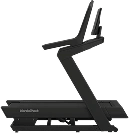
Note: Treadmills remain one of the most popular options for individuals looking to improve cardiovascular health and increase daily calorie expenditure
• Enhancing insulin sensitivity
• Supporting metabolic health
• Reducing stress
• Improving energy levels
The goal should not simply be achieving a certain BMI number. Instead, focus on developing sustainable habits that improve long-term health.
Nutrition and BMI
Diet plays a major role in body weight and body composition.
A balanced nutrition plan supports:
• Healthy weight management
• Muscle preservation
• Fat loss
• Energy production
• Recovery
• Hormonal balance
Rather than following extreme diets, focus on consuming nutrient-dense foods that provide long-lasting benefits.
These include:
• Lean proteins
• Fruits
• Vegetables
• Whole grains
• Healthy fats
• Adequate hydration
Combining proper nutrition with regular exercise is far more effective than focusing on BMI alone.
Fitness Equipment That Supports Healthy Weight Management
While BMI can provide a useful starting point, long-term health improvements come from consistent lifestyle habits. One of the most effective ways to maintain a healthy weight, improve cardiovascular fitness, and build lean muscle mass is through regular exercise supported by quality fitness equipment.
Exercise bikes offer low-impact cardio training that is suitable for users of all fitness levels. They help burn calories efficiently while reducing stress on the knees and joints. Elliptical cross trainers provide full-body cardiovascular workouts by engaging both upper and lower body muscles simultaneously, increasing overall energy expenditure.
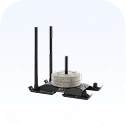
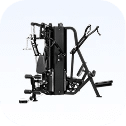
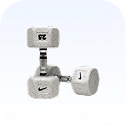
For strength development, functional trainers, power racks, adjustable dumbbells, kettlebells, and multi-gym systems help users build lean muscle mass. Increasing muscle mass supports metabolism and improves body composition, both of which play an important role in maintaining a healthy BMI over time.
Rowing machines are another excellent option because they combine cardiovascular conditioning with resistance training, helping users improve endurance and muscular strength within a single workout session.
Investing in reliable home fitness equipment can remove common barriers to exercise and make it easier to stay consistent. Consistency remains one of the most important factors in achieving sustainable improvements in body composition, overall fitness, and long-term health.
Should You Focus on BMI Alone?
The simple answer is no.
BMI should be viewed as one piece of a much larger health puzzle. A healthy lifestyle involves much more than maintaining a specific weight category. Factors such as physical activity, nutrition, strength, mobility, cardiovascular fitness, sleep quality, and mental well-being all contribute to overall health.
Instead of becoming overly focused on a single number, aim to improve the habits that support long-term wellness.
Ask yourself:
• Am I physically active?
• Am I building or maintaining muscle mass?
• Do I eat nutritious foods regularly?
• Do I sleep well?
• Is my cardiovascular fitness improving?
• Do I feel energetic throughout the day?
These questions often provide more meaningful insights than BMI alone.
How to Use BMI Wisely
BMI works best when used as an initial screening tool rather than a final judgment about health.
Use BMI to:
• Identify potential weight concerns
• Monitor long-term trends
• Support discussions with healthcare professionals
• Establish health goals
• Track lifestyle improvements
Avoid using BMI as the sole measure of success. Pair it with other assessments that provide deeper insights into body composition and overall wellness.
Conclusion
BMI remains one of the most widely recognized health measurements in the world because it offers a simple and accessible way to evaluate weight relative to height. However, while BMI can provide useful information about potential health risks, it should never be viewed as a complete assessment of an individual's health. Factors such as muscle mass, body fat distribution, physical fitness, nutrition, sleep quality, and overall lifestyle habits all contribute significantly to well-being. A person can have a healthy BMI and still face health challenges, while another individual may fall into an overweight category despite being physically fit and metabolically healthy. The most effective approach is to use BMI as one tool among many when evaluating your health. By focusing on regular exercise, balanced nutrition, strength development, cardiovascular fitness, and sustainable lifestyle habits, you can build a healthier body and improve long-term wellness far beyond what a single BMI number can reveal.
If you are looking to buy other fitness machines or accessories, look no further! Explore our range of fitness products like treadmills, elliptical cross trainers, exercise bikes, rowing machines, home gym, functional trainer, multi-station, power towers, smith machines, dumbbells, foosball tables, pool tables, and table tennis.


 0
0