Buy Gym Balls in UAE for Core Training, Balance and Home Workouts
Enhance your workout routine with gym balls from Lifetime Fitness Store. Whether you are setting up a home gym, equipping a commercial fitness facility or looking for versatile equipment for core training, gym balls offer a practical way to incorporate balance, stability and strength exercises into your fitness programme.
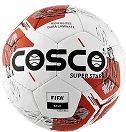
Also known as exercise balls, stability balls or fitness balls, gym balls are inflatable fitness accessories used for a variety of exercises. Depending on the size and design, they can support movements such as abdominal crunches, glute bridges, stability exercises, stretching and selected strength-training variations.
From beginners looking to improve their core strength to experienced fitness enthusiasts adding variety to their routines, the right gym ball can complement a wide range of workouts.
Explore the Gym Balls collection at Lifetime Fitness Store to find exercise balls for home workouts, personal training and commercial fitness environments across the UAE.
Shop Gym Balls Online in UAE
Gym balls are popular fitness accessories for core conditioning, balance training, flexibility exercises and general strength workouts. Their rounded surface creates an unstable training environment, encouraging users to control their posture and movement during suitable exercises.
Lifetime Fitness Store offers exercise ball options from established fitness brands, with different sizes and designs to suit a variety of training requirements.
The collection has included products such as:
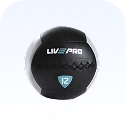
- Livepro Anti-Burst Core-Fit Exercise Ball
- Liveup Anti-Burst Gym Ball, 65 cm
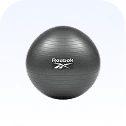
- Reebok Fitness Gymball
- Reebok Fitness Stability Gymball, 55 cm
- Adidas 55 cm Gymball
- Proform Balance Training Ball
Availability, pricing, sizes and specifications may change, so check the individual product listings before purchasing.
When selecting a gym ball, consider your height, intended exercises, available space, material quality and the manufacturer's recommended weight capacity. Choosing the correct size helps you maintain a suitable position during seated and floor-based exercises.
You can also explore the fitness accessories collection for additional equipment to complement your exercise routine.
Why Choose Gym Balls for Your Workout?
Gym balls offer a versatile way to introduce stability challenges and new movement variations into a fitness programme.
- Core training: Incorporate suitable exercises that engage the abdominal and trunk muscles.
- Balance development: Practise controlled movements that challenge stability and body awareness.
- Strength training: Use the ball for selected bodyweight and resistance exercises.
- Flexibility routines: Include suitable stretching and mobility movements.
- Workout variety: Introduce different exercises without requiring bulky equipment.
- Home gym convenience: Add a versatile fitness accessory to your home workout area.
- Functional training: Combine balance, coordination and controlled movement exercises.
- Exercise modifications: Adapt certain movements to suit your experience and training goals.
- Commercial fitness applications: Use suitable models in personal training studios and gym exercise areas.
The benefits depend on the exercises performed, your technique and the consistency of your training. A gym ball can complement a fitness programme but does not replace the need for appropriate resistance training, cardiovascular activity and recovery.
Types of Gym Balls Available
1. Anti-Burst Exercise Balls
Anti-burst exercise balls are designed with materials intended to release air gradually under certain puncture conditions rather than deflating suddenly. The exact behaviour depends on the manufacturer's design and specifications.
These balls can be useful for core workouts, stability exercises and selected stretching routines.
The Livepro Anti-Burst Core-Fit Exercise Ball and Liveup Anti-Burst Gym Ball have featured in the store's listings, subject to availability.
When selecting an anti-burst model, check its recommended inflation level, maximum load, dimensions and care instructions. Anti-burst construction does not make a ball puncture-proof or eliminate the risk of falling.
2. Stability Gym Balls
Stability balls are used for exercises that challenge balance and body control.
They can support suitable movements such as seated balance exercises, glute bridges, abdominal exercises and selected modifications of conventional strength-training movements.
The Reebok Fitness Gymball and Reebok Fitness Stability Gymball have appeared in the collection.
Choose a size that allows you to maintain a controlled position during your intended exercises, and use the ball on a stable, uncluttered surface.
3. Large Exercise Balls
Larger exercise balls are often used for seated exercises, stretching and a range of floor-based movements.
Common sizes include 55 cm, 65 cm and 75 cm, although the appropriate diameter depends on the user's height, leg length and intended application.
The store's listings have included different sizes of Livepro and Adidas gym balls, depending on the model.
Before purchasing, review the manufacturer's sizing recommendations rather than choosing a ball based on diameter alone.
4. Gym Balls for Home Workouts
A gym ball can be a useful addition to a home exercise area because it supports several types of controlled movement without requiring a large exercise machine.
Home users may prioritise the correct size, ease of inflation, storage space and suitability for their preferred exercises.
If space is limited, consider where you will inflate and store the ball and make sure there is sufficient room around it for safe movement.
5. Gym Balls for Commercial Fitness Facilities
Commercial gyms and personal training studios can incorporate exercise balls into suitable core, balance and mobility sessions.
When selecting equipment for a shared facility, consider durability, cleaning requirements, available sizes and the manufacturer's load rating.
Establish regular inspection procedures and remove any ball that shows damage, air leakage or changes in shape.
Benefits of Using Gym Balls
Supports Core Muscle Training
Many gym ball exercises require you to maintain a stable trunk while moving your arms, legs or hips.
Exercises such as ball crunches and controlled stability movements can engage the abdominal muscles and other muscles involved in trunk control.
Start with exercises appropriate for your ability and increase the difficulty gradually.
Helps Develop Balance and Coordination
The curved, unstable surface of a gym ball introduces a balance challenge during suitable exercises.
Maintaining a controlled position may require coordination between different muscle groups. Begin with simple movements before attempting exercises that demand greater balance.
Adds Variety to Strength Training
Gym balls can be incorporated into selected strength exercises to introduce different movement patterns.
Depending on your experience and the exercise, a ball may be used for glute bridges, supported movements or suitable modifications of conventional exercises.
Not every exercise is safer or more effective on an unstable surface. Use a stable bench or floor whenever it is more appropriate for the movement.
Supports Stretching and Mobility
A properly sized gym ball can be used during selected stretching and mobility routines.
For example, it may provide support during controlled trunk movements or certain stretches when the exercise is suitable for your mobility level.
Avoid forcing a stretch or using the ball in a position where you cannot maintain control.
Offers Versatility for Home Exercise
A single gym ball can be used for several different exercises, depending on its size and the manufacturer's instructions.
This versatility can make it a useful accessory for people who want to vary their home workouts without investing in a large range of equipment.
Complements Personal Training Programmes
Trainers may use gym balls to demonstrate exercise variations, teach controlled movement and introduce suitable balance challenges.
The exercise should be selected according to the user's ability, training objectives and comfort.
How to Choose the Right Gym Ball
Choosing the correct gym ball is important for comfort, stability and effective exercise technique.
- Consider your height: Use the manufacturer's size chart as your starting point.
- Identify your training goals: Decide whether you primarily need the ball for core training, balance, stretching or general exercise.
- Check the diameter: Common sizes include 55 cm, 65 cm and 75 cm, but availability varies by product.
- Review the material: Look for product specifications that explain the ball's construction and intended use.
- Check the load rating: Confirm the manufacturer's maximum permitted load and whether it includes dynamic exercise use.
- Consider anti-burst construction: Review the manufacturer's explanation of the product's anti-burst properties.
- Evaluate surface grip: Choose a ball that provides suitable contact and control during the exercises you plan to perform.
- Check inflation requirements: Follow the specified inflation method and recommended size.
- Consider available space: Make sure you have enough room to perform exercises without contacting walls or furniture.
- Review maintenance instructions: Check how to clean the ball and inspect it for wear.
- Compare product listings: Review specifications, prices, available sizes and stock status before purchasing.
The correct ball should allow you to maintain a controlled posture. For seated exercises, a useful starting point is to sit on the inflated ball with your feet flat on the floor and your knees approximately level with your hips or slightly lower, if the manufacturer's sizing guidance permits.
Gym Balls for Different Fitness Levels
Gym Balls for Beginners
Beginners can start with simple, controlled movements that allow them to become familiar with the ball.
Suitable starting options may include seated balance practice with stable support nearby, basic glute bridges or gentle mobility exercises.
Avoid standing on the ball or attempting advanced balance exercises. Focus on control and comfort before increasing the difficulty.
Gym Balls for Intermediate Users
Intermediate users may incorporate gym balls into core training, stretching routines and selected strength exercises.
Exercises might include controlled abdominal crunches, glute bridges or suitable variations of trunk-stability movements.
Choose exercises that allow you to maintain a stable position throughout each repetition.
Gym Balls for Advanced Fitness Enthusiasts
Experienced users may use gym balls for more demanding stability and core exercises when their technique and physical ability support the movement.
Advanced variations can increase the balance demands of a workout, but instability is not automatically beneficial for every exercise.
Prioritise controlled movement and avoid exercises that place you at unnecessary risk of falling.
Gym Balls for Home Gym Owners
For home gym owners, a gym ball offers a versatile accessory for suitable floor exercises and stretching.
Choose a ball that fits your body dimensions and training goals, and make sure you have enough clearance around it.
Store the ball away from sharp objects, excessive heat and surfaces that could damage its material.
Gym Balls for Commercial Gyms and Personal Trainers
Commercial facilities may use gym balls for selected core, balance and mobility exercises.
Consider offering different sizes to accommodate users of different heights, and provide guidance on selecting a suitable ball.
Inspect the equipment regularly and follow the manufacturer's recommendations for cleaning, inflation and replacement.
Exercises You Can Perform with a Gym Ball
The following exercises are examples of movements that may be performed with a suitable exercise ball. Choose variations that match your fitness level and the ball's specifications.
1. Stability Ball Crunches
Stability ball crunches are used to train the abdominal muscles.
- Sit on the ball and position yourself carefully so it supports your upper or middle back.
- Place your feet flat on a stable surface.
- Keep your neck comfortable and your movements controlled.
- Gently lift your upper body using your abdominal muscles.
- Return to the starting position without bouncing.
Use a stable floor and make sure the ball cannot roll into nearby furniture.
2. Gym Ball Glute Bridges
Glute bridges can be adapted to use a gym ball, depending on your ability and the specific variation.
- Lie on your back on a suitable exercise surface.
- Position your feet on the floor or on the ball, depending on the variation.
- Engage your trunk and lift your hips in a controlled movement.
- Pause briefly if comfortable.
- Lower your hips slowly.
A variation with your feet on the ball requires more balance than a conventional glute bridge. Begin with the simpler version if you are unfamiliar with the exercise.
3. Wall Squats with a Gym Ball
A gym ball may be used between the back and a wall during a suitable wall-squat variation.
- Position the ball between your back and a clear wall.
- Stand with your feet placed comfortably in front of you.
- Bend your knees while maintaining control of the ball.
- Lower yourself only as far as comfortable.
- Return to standing smoothly.
Do not use a damaged ball or perform the exercise on a slippery floor.
4. Seated Balance Exercises
Seated exercises can help you become familiar with the ball's movement and balance demands.
- Choose a ball of appropriate size.
- Sit in the centre of the ball with your feet flat on the floor.
- Maintain a comfortable upright posture.
- Keep your hands near a stable support if necessary.
- Practise small, controlled movements without bouncing.
Use a stable surface and stop if you feel unsteady.
5. Gym Ball Roll-Outs
Ball roll-outs are a more demanding core exercise that requires adequate trunk strength and movement control.
- Kneel on a suitable exercise mat.
- Place your forearms or hands on the ball, depending on the variation.
- Engage your core and roll the ball forward slowly.
- Extend only as far as you can maintain control.
- Return to the starting position without allowing your lower back to sag.
Start with a short range of motion and avoid this exercise if you cannot maintain a comfortable, controlled posture.
6. Supported Stretching
A gym ball can be used for certain supported stretching movements.
- Position the ball on a stable surface.
- Move into the stretch slowly.
- Use the ball only where it provides appropriate support.
- Maintain a comfortable range of motion.
- Return to your starting position carefully.
Avoid putting excessive pressure on joints or stretching into pain.
Tips for Using Gym Balls Safely
Correct inflation, a suitable surface and controlled movement are important when using exercise balls.
- Inflate the ball correctly: Follow the manufacturer's inflation instructions and recommended diameter.
- Check for damage: Inspect the surface for cuts, cracks, leaks or unusual deformation.
- Use a clear floor area: Keep the ball away from furniture, sharp objects and obstacles.
- Choose the right size: Make sure you can maintain an appropriate position during the intended exercise.
- Start with simple movements: Learn to control the ball before progressing to more challenging variations.
- Avoid bouncing excessively: Use deliberate movements rather than uncontrolled bouncing.
- Follow the load rating: Do not exceed the manufacturer's maximum permitted load.
- Avoid standing on the ball: Unless a specific product is expressly designed and approved for such use, do not stand or jump on it.
- Keep the ball clean: Use the recommended cleaning method and avoid chemicals that could damage the material.
- Replace damaged equipment: Stop using the ball if it loses air unexpectedly, becomes misshapen or shows structural damage.
People with balance difficulties, certain back or joint conditions, or concerns about exercising on an unstable surface should consider guidance from a qualified healthcare or fitness professional.
Gym Ball vs Exercise Mat: Which Should You Choose?
Gym balls and exercise mats serve different purposes and can work well together.
- Gym balls: Useful for selected stability exercises, core training, supported movements and certain stretches.
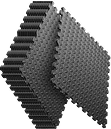
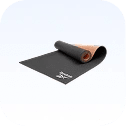
- Exercise mats: Provide a more stable surface for floor exercises, stretching, mobility routines and controlled bodyweight movements.
A gym ball introduces instability, while a mat provides cushioning and a more predictable surface. The right choice depends on the exercise you intend to perform.
Explore the Exercise Mats and Gym Mats collection for equipment suitable for floor-based workouts and stretching routines.
Build a Complete Home Workout Setup
Gym balls can complement other accessories to create a more varied exercise environment.
- Resistance Bands and Tubes: Add resistance to suitable strength and mobility exercises.
- Suspension Slings: Explore bodyweight training options for strength, stability and coordination.
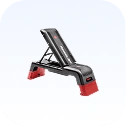
- Aerobic Steps: Introduce controlled step-ups and suitable cardio exercises.
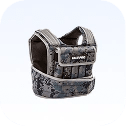
- Weighted Vests: Add external resistance to selected exercises when appropriate for your fitness level.
- Skipping Ropes: Incorporate skipping into suitable cardiovascular workouts.
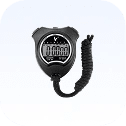
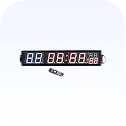
- Fitness Timers: Organise timed workout intervals and recovery periods.
- Bottles and Hydration Products: Keep water accessible during your exercise sessions.
Choose complementary accessories based on your training goals, available space and experience. Use each product according to its intended purpose and instructions.
Buy Gym Balls Online in UAE
Finding a suitable gym ball is convenient with Lifetime Fitness Store. Browse the available exercise balls, compare sizes and specifications, and select a model that meets your workout requirements.
Whether you need an exercise ball for core training, a stability ball for selected strength exercises or a versatile accessory for home workouts, review the product details before purchasing.
Compare the available diameters, construction, load ratings and intended uses. Check current prices, stock availability and delivery arrangements on the website before placing your order.
The right gym ball should suit your body dimensions, support your planned exercises and allow you to train with control.
Why Shop at Lifetime Fitness Store?
Lifetime Fitness Store supplies fitness equipment and workout accessories for home users, fitness enthusiasts, athletes and commercial facilities across the UAE.
When shopping for gym balls, you can explore:
- A dedicated category for exercise and stability balls.
- Products from established fitness equipment brands.
- Different ball sizes and designs, subject to availability.
- Accessories for core training, mobility and strength workouts.
- Online product listings with current prices and specifications.
- Additional equipment for home and commercial fitness setups.
- Customer support for product enquiries and equipment selection.
Visit the Lifetime Fitness Store homepage to explore more fitness equipment and accessories for your workout needs.
Frequently Asked Questions
Where can I buy gym balls in the UAE?
You can browse the Gym Balls category at Lifetime Fitness Store to compare available exercise balls, sizes, brands and prices.
What is a gym ball used for?
Gym balls are used for selected core exercises, stability training, balance practice, stretching and strength-training variations. The appropriate exercises depend on your ability and the ball's specifications.
What size gym ball should I buy?
Common sizes include 55 cm, 65 cm and 75 cm. The right size depends on your height, leg length and intended exercises. Follow the manufacturer's sizing chart and check your position when seated on the fully inflated ball.
What is an anti-burst gym ball?
An anti-burst gym ball is designed to release air more gradually under certain puncture conditions, depending on its construction. It is not puncture-proof, so proper inflation, inspection and use remain essential.
Are gym balls suitable for beginners?
Yes. Beginners can start with simple seated balance practice, supported movements and basic exercises. Avoid advanced stability exercises until you have developed adequate control.
Can gym balls help strengthen the core?
Gym balls can be used for exercises that engage the abdominal and trunk muscles. The effectiveness of a programme depends on exercise selection, technique and consistency.
Can I use a gym ball for stretching?
Yes, some gym balls can support suitable stretching and mobility exercises. Use controlled movements and avoid positions that compromise your balance or cause discomfort.
Are gym balls suitable for home gyms?
Yes. Gym balls can be a versatile addition to home workouts, provided you have sufficient space and select the correct size for your intended exercises.
How much weight can a gym ball support?
The permitted load varies by model. Check the manufacturer's specifications and distinguish between static load capacity and any restrictions on dynamic exercise use.
How do I inflate a gym ball correctly?
Use the recommended inflation method and follow the manufacturer's instructions for the correct diameter. Avoid overinflating the ball, as this can affect its shape and performance.
How do I maintain an exercise ball?
Inspect the ball for cuts, leaks and deformation before use. Clean it according to the manufacturer's instructions, keep it away from sharp objects and replace it if damaged.
Can I use a gym ball instead of a workout bench?
A gym ball may be used for certain supported exercises, but it is not a direct replacement for a stable workout bench in every situation. Use a bench whenever the exercise requires a firm, predictable support surface.
Does Lifetime Fitness Store deliver gym balls across the UAE?
Lifetime Fitness Store serves customers across the UAE. Check the current delivery policy and checkout information for applicable charges, delivery arrangements and estimated timelines.
How can I find offers on gym balls in the UAE?
Browse the Gym Balls category to compare current prices, available sizes and promotions. Stock levels and offers can change, so check the live product listings before purchasing.





 0

















 Price Match Guarantee
 Free Shipping
 Product Warranty
 After-Sale Support
 Have Coupon Code?
 You'll Save 0.00 On This Order
 Safe And Secure Payments. Easy Returns. 100% Genuine Products