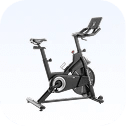




An upright exercise bike is one of the most effective pieces of cardio equipment for improving cardiovascular health, increasing endurance, burning calories, and strengthening the lower body. Its compact design and low-impact nature make it a popular choice for both home gyms and commercial fitness facilities. However, many people overlook one of the most important aspects of indoor cycling: maintaining proper posture. Simply adjusting the resistance or increasing workout duration is not enough to maximize results. Your body position on the bike directly affects comfort, pedaling efficiency, muscle engagement, breathing, and overall workout performance. Incorrect posture can lead to neck stiffness, lower back pain, knee discomfort, shoulder tension, and reduced workout efficiency. Learning how to sit correctly on an upright bike allows every pedal stroke to become smoother, safer, and more productive. Whether you are a beginner or an experienced cyclist, understanding proper riding posture is essential for achieving long-term fitness success.
Why Proper Posture Matters
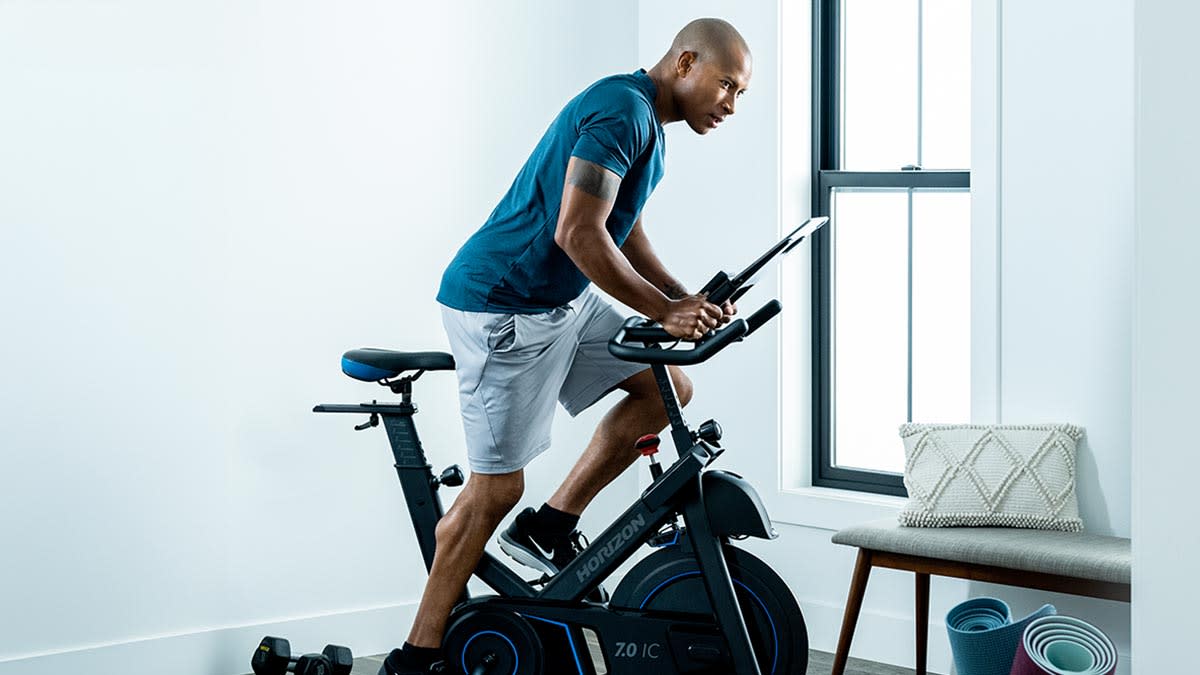
Many riders focus entirely on resistance levels and workout duration while paying little attention to how they sit on the bike. Proper posture forms the foundation of efficient cycling because it allows muscles to work together naturally while reducing unnecessary stress on the joints. A well-balanced riding position improves power transfer, supports better breathing, reduces fatigue, and minimizes the likelihood of discomfort during longer sessions. Good posture also encourages consistent cycling habits because comfortable workouts are easier to maintain over time.
Understanding the Design of an Upright Bike
Unlike recumbent bikes, upright bikes position the rider similarly to a traditional outdoor bicycle. The pedals remain directly beneath the body while the rider sits on a saddle without back support. This design naturally encourages greater core engagement while requiring riders to stabilize themselves throughout the workout. Because upright bikes rely more heavily on posture and body alignment, small adjustments can make a noticeable difference in overall riding comfort and performance.
Starting with the Correct Seat Height
Proper posture begins before the workout starts. Seat height is one of the most important adjustments because it determines how efficiently your legs move throughout each pedal rotation. A seat positioned too low causes excessive knee bending, while one positioned too high may force the hips to rock from side to side. Ideally, your knees should maintain a slight bend when the pedals reach their lowest position. This allows your muscles to remain engaged without placing unnecessary stress on the joints. Taking a few moments to adjust the saddle before each ride creates the foundation for better posture throughout the workout.
Finding the Right Saddle Position
The forward and backward position of the saddle also influences riding posture. Sitting too close to the handlebars places unnecessary pressure on the wrists and shoulders, while sitting too far back can reduce pedaling efficiency and make reaching the handlebars uncomfortable. A properly positioned saddle allows your body to remain balanced over the pedals while maintaining smooth, natural leg movement. Once the correct saddle position is established, maintaining good posture becomes significantly easier.
Also Read : How to Adjust Your Exercise Bike for Effective Ride
Positioning the Handlebars Correctly
Handlebars should support your upper body without forcing excessive forward reach or uncomfortable shoulder elevation. Riders should be able to maintain relaxed shoulders with slightly bent elbows rather than locking their arms. Handlebars positioned too low may encourage excessive rounding of the back, while handlebars that are too high can reduce cycling efficiency. Finding a comfortable handlebar height allows riders to maintain a neutral spine while supporting relaxed breathing throughout the workout.
Maintaining a Neutral Spine
One of the most important elements of proper cycling posture is maintaining a neutral spine. Rather than rounding the back or arching excessively, riders should aim to keep the natural curves of the spine intact. This balanced posture distributes body weight evenly while reducing stress on the lower back. Looking forward instead of downward also helps maintain proper spinal alignment. A neutral spine allows the core muscles to stabilize the body naturally without creating unnecessary tension.
Relaxing the Shoulders
Many riders unknowingly carry tension in their shoulders during exercise. This often occurs when gripping the handlebars too tightly or leaning excessively forward. Relaxed shoulders improve breathing efficiency while reducing neck stiffness during longer rides. The handlebars should provide balance rather than support your full body weight. Allowing the shoulders to remain relaxed throughout the workout contributes to smoother, more comfortable cycling.
Keeping the Elbows Slightly Bent
Locked elbows transfer road vibration outdoors and unnecessary pressure indoors directly into the shoulders and wrists. Although upright bikes remain stable, maintaining slightly bent elbows creates natural shock absorption while encouraging relaxed upper-body movement. This small adjustment helps reduce fatigue during longer rides while supporting better posture throughout the workout.
Engaging the Core Muscles
The core plays a much larger role in cycling than many people realize. Proper posture naturally activates the abdominal and lower back muscles, allowing them to stabilize the pelvis throughout each pedal stroke. Engaging the core reduces excessive upper-body movement while helping riders generate smoother pedaling mechanics. Rather than relying entirely on the handlebars for support, maintaining gentle core engagement improves both balance and cycling efficiency.
Positioning the Feet Correctly
Proper foot placement contributes significantly to maintaining good posture. Feet should remain centered on the pedals with even pressure distributed throughout each rotation. Ankles should remain relatively stable rather than pointing excessively upward or downward during pedaling. Proper footwear also supports better alignment while reducing unnecessary foot fatigue during longer sessions.
Breathing and Posture Work Together
Good posture directly affects breathing efficiency. A collapsed chest caused by rounded shoulders restricts lung expansion, making workouts feel more difficult than necessary. Maintaining an open chest while relaxing the shoulders allows deeper breathing that supplies working muscles with oxygen more efficiently. Controlled breathing also supports better endurance during longer cardio sessions.
Common Posture Mistakes
Many posture-related problems develop gradually because riders become accustomed to incorrect positions. Leaning too heavily on the handlebars, looking down continuously, rounding the back, locking the elbows, gripping the handlebars tightly, and allowing the knees to move excessively outward are among the most common mistakes. These habits reduce cycling efficiency while increasing the likelihood of discomfort over time. Regularly checking body position throughout each workout helps prevent these issues from becoming permanent habits.
Listening to Your Body
Every rider has unique body proportions, flexibility levels, and movement patterns. While general posture guidelines apply broadly, small adjustments may be necessary to accommodate individual comfort. Persistent discomfort in the knees, hips, back, shoulders, or wrists often indicates that bike adjustments or posture modifications are needed. Listening to these signals and making gradual improvements helps create a more enjoyable riding experience.
Building Long-Term Cycling Habits
Good posture is not simply about avoiding discomfort during a single workout. It supports long-term consistency by making indoor cycling more comfortable and enjoyable. Riders who maintain proper posture typically experience less fatigue, better muscle engagement, and greater confidence during exercise. Over weeks and months, these benefits contribute to improved cardiovascular health, stronger muscles, increased endurance, and more sustainable fitness habits.
An upright exercise bike is one of the most effective pieces of cardio equipment for improving cardiovascular health, increasing endurance, burning calories, and strengthening the lower body. Its compact design and low-impact nature make it a popular choice for both home gyms and commercial fitness facilities. However, many people overlook one of the most important aspects of indoor cycling: maintaining proper posture. Simply adjusting the resistance or increasing workout duration is not enough to maximize results. Your body position on the bike directly affects comfort, pedaling efficiency, muscle engagement, breathing, and overall workout performance. Incorrect posture can lead to neck stiffness, lower back pain, knee discomfort, shoulder tension, and reduced workout efficiency. Learning how to sit correctly on an upright bike allows every pedal stroke to become smoother, safer, and more productive. Whether you are a beginner or an experienced cyclist, understanding proper riding posture is essential for achieving long-term fitness success.
Why Proper Posture Matters
Many riders focus entirely on resistance levels and workout duration while paying little attention to how they sit on the bike. Proper posture forms the foundation of efficient cycling because it allows muscles to work together naturally while reducing unnecessary stress on the joints. A well-balanced riding position improves power transfer, supports better breathing, reduces fatigue, and minimizes the likelihood of discomfort during longer sessions. Good posture also encourages consistent cycling habits because comfortable workouts are easier to maintain over time.
Understanding the Design of an Upright Bike
Unlike recumbent bikes, upright bikes position the rider similarly to a traditional outdoor bicycle. The pedals remain directly beneath the body while the rider sits on a saddle without back support. This design naturally encourages greater core engagement while requiring riders to stabilize themselves throughout the workout. Because upright bikes rely more heavily on posture and body alignment, small adjustments can make a noticeable difference in overall riding comfort and performance.
Starting with the Correct Seat Height
Proper posture begins before the workout starts. Seat height is one of the most important adjustments because it determines how efficiently your legs move throughout each pedal rotation. A seat positioned too low causes excessive knee bending, while one positioned too high may force the hips to rock from side to side. Ideally, your knees should maintain a slight bend when the pedals reach their lowest position. This allows your muscles to remain engaged without placing unnecessary stress on the joints. Taking a few moments to adjust the saddle before each ride creates the foundation for better posture throughout the workout.
Finding the Right Saddle Position
The forward and backward position of the saddle also influences riding posture. Sitting too close to the handlebars places unnecessary pressure on the wrists and shoulders, while sitting too far back can reduce pedaling efficiency and make reaching the handlebars uncomfortable. A properly positioned saddle allows your body to remain balanced over the pedals while maintaining smooth, natural leg movement. Once the correct saddle position is established, maintaining good posture becomes significantly easier.
Positioning the Handlebars Correctly
Handlebars should support your upper body without forcing excessive forward reach or uncomfortable shoulder elevation. Riders should be able to maintain relaxed shoulders with slightly bent elbows rather than locking their arms. Handlebars positioned too low may encourage excessive rounding of the back, while handlebars that are too high can reduce cycling efficiency. Finding a comfortable handlebar height allows riders to maintain a neutral spine while supporting relaxed breathing throughout the workout.
Maintaining a Neutral Spine
One of the most important elements of proper cycling posture is maintaining a neutral spine. Rather than rounding the back or arching excessively, riders should aim to keep the natural curves of the spine intact. This balanced posture distributes body weight evenly while reducing stress on the lower back. Looking forward instead of downward also helps maintain proper spinal alignment. A neutral spine allows the core muscles to stabilize the body naturally without creating unnecessary tension.
Relaxing the Shoulders
Many riders unknowingly carry tension in their shoulders during exercise. This often occurs when gripping the handlebars too tightly or leaning excessively forward. Relaxed shoulders improve breathing efficiency while reducing neck stiffness during longer rides. The handlebars should provide balance rather than support your full body weight. Allowing the shoulders to remain relaxed throughout the workout contributes to smoother, more comfortable cycling.
Keeping the Elbows Slightly Bent
Locked elbows transfer road vibration outdoors and unnecessary pressure indoors directly into the shoulders and wrists. Although upright bikes remain stable, maintaining slightly bent elbows creates natural shock absorption while encouraging relaxed upper-body movement. This small adjustment helps reduce fatigue during longer rides while supporting better posture throughout the workout.
Engaging the Core Muscles
The core plays a much larger role in cycling than many people realize. Proper posture naturally activates the abdominal and lower back muscles, allowing them to stabilize the pelvis throughout each pedal stroke. Engaging the core reduces excessive upper-body movement while helping riders generate smoother pedaling mechanics. Rather than relying entirely on the handlebars for support, maintaining gentle core engagement improves both balance and cycling efficiency.
Positioning the Feet Correctly
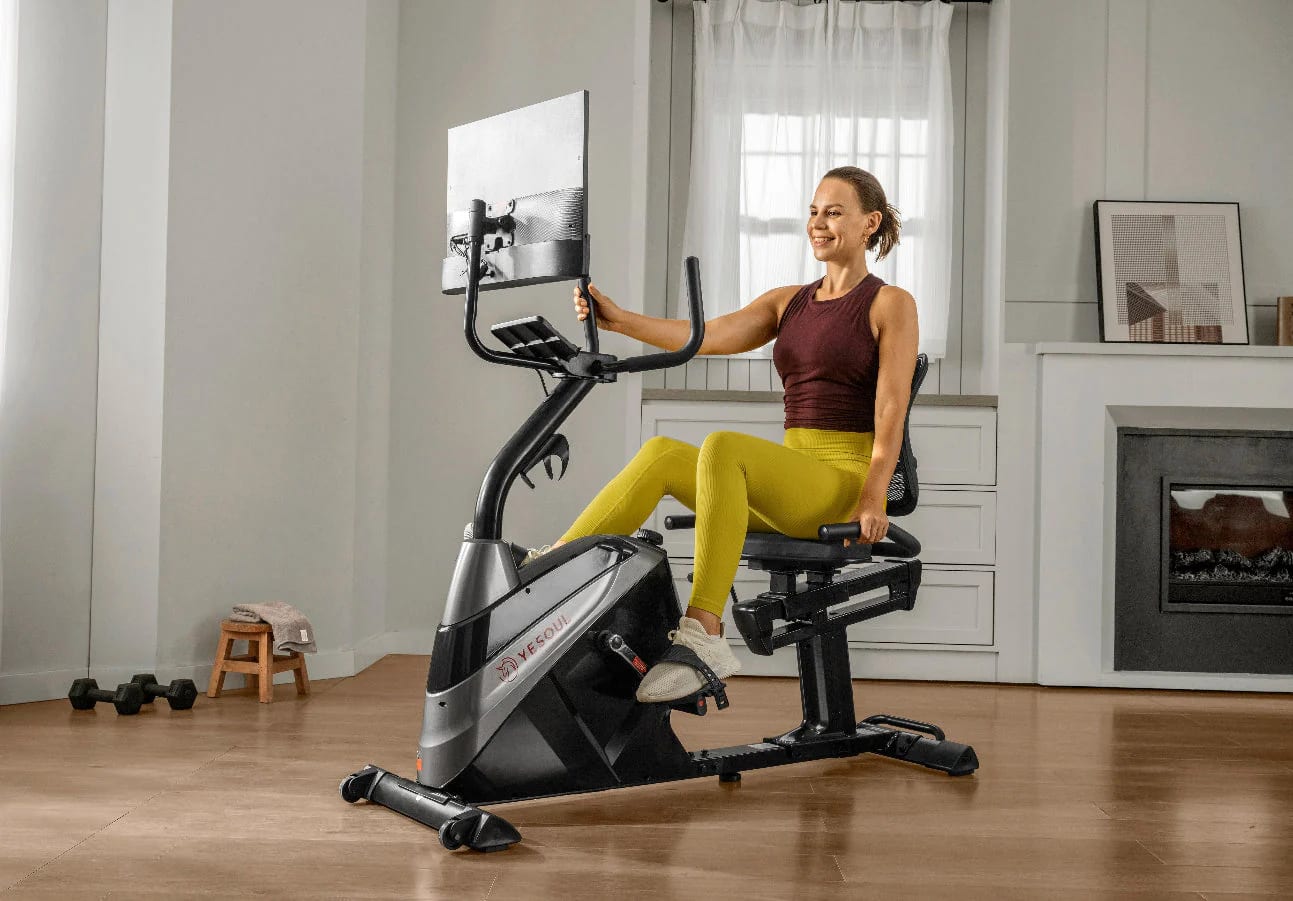
Proper foot placement contributes significantly to maintaining good posture. Feet should remain centered on the pedals with even pressure distributed throughout each rotation. Ankles should remain relatively stable rather than pointing excessively upward or downward during pedaling. Proper footwear also supports better alignment while reducing unnecessary foot fatigue during longer sessions.
Breathing and Posture Work Together
Good posture directly affects breathing efficiency. A collapsed chest caused by rounded shoulders restricts lung expansion, making workouts feel more difficult than necessary. Maintaining an open chest while relaxing the shoulders allows deeper breathing that supplies working muscles with oxygen more efficiently. Controlled breathing also supports better endurance during longer cardio sessions.
Common Posture Mistakes
Many posture-related problems develop gradually because riders become accustomed to incorrect positions. Leaning too heavily on the handlebars, looking down continuously, rounding the back, locking the elbows, gripping the handlebars tightly, and allowing the knees to move excessively outward are among the most common mistakes. These habits reduce cycling efficiency while increasing the likelihood of discomfort over time. Regularly checking body position throughout each workout helps prevent these issues from becoming permanent habits.
Listening to Your Body
Every rider has unique body proportions, flexibility levels, and movement patterns. While general posture guidelines apply broadly, small adjustments may be necessary to accommodate individual comfort. Persistent discomfort in the knees, hips, back, shoulders, or wrists often indicates that bike adjustments or posture modifications are needed. Listening to these signals and making gradual improvements helps create a more enjoyable riding experience.
Building Long-Term Cycling Habits
Good posture is not simply about avoiding discomfort during a single workout. It supports long-term consistency by making indoor cycling more comfortable and enjoyable. Riders who maintain proper posture typically experience less fatigue, better muscle engagement, and greater confidence during exercise. Over weeks and months, these benefits contribute to improved cardiovascular health, stronger muscles, increased endurance, and more sustainable fitness habits.
Conclusion
Learning how to maintain proper posture on an upright bike is one of the simplest yet most effective ways to improve workout quality. Correct seat adjustment, balanced body alignment, relaxed shoulders, engaged core muscles, and efficient pedaling mechanics all work together to create a safer and more productive cycling experience. Whether using an upright bike at home or in a commercial gym, paying attention to posture helps maximize every workout while reducing unnecessary strain on the body. With consistent practice and proper bike adjustment, riders can enjoy smoother, more comfortable, and more effective indoor cycling sessions for years to come.
Conclusion
Learning how to maintain proper posture on an upright bike is one of the simplest yet most effective ways to improve workout quality. Correct seat adjustment, balanced body alignment, relaxed shoulders, engaged core muscles, and efficient pedaling mechanics all work together to create a safer and more productive cycling experience. Whether using an upright bike at home or in a commercial gym, paying attention to posture helps maximize every workout while reducing unnecessary strain on the body. With consistent practice and proper bike adjustment, riders can enjoy smoother, more comfortable, and more effective indoor cycling sessions for years to come.
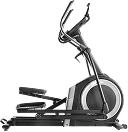
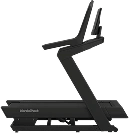
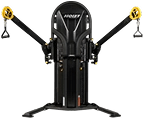
If you are looking to buy other fitness machines or accessories, look no further! Explore our range of fitness products like treadmills, elliptical cross trainers, exercise bikes, rowing machines, home gym, functional trainer, multi-station, power towers, smith machines, dumbbells, foosball tables, pool tables, and table tennis.


 0
0