



Walk into almost any CrossFit box or high performance training facility, and there is one piece of equipment you are almost guaranteed to find: the air bike. While it may appear similar to a traditional exercise bike at first glance, an air bike offers a completely different training experience. It combines upper body and lower body movement with unlimited resistance, creating one of the most demanding cardio workouts available. Whether used for short, explosive intervals or long endurance sessions, the air bike has earned a reputation as one of the toughest yet most effective conditioning machines in modern fitness.
Unlike conventional stationary bikes that rely on fixed resistance systems, an air bike uses a large fan to create resistance. The harder you push and pull the handles while pedaling, the greater the resistance becomes. There is no maximum resistance level to select because the machine responds directly to your effort. This means every workout automatically adapts to your fitness level. Beginners can pedal at a comfortable pace, while experienced athletes can push themselves to their absolute limits without changing any settings.
The popularity of air bikes extends far beyond CrossFit competitions. Athletes from many different sports use them to improve cardiovascular fitness, increase muscular endurance, support weight loss, and develop explosive power. They are equally effective for high intensity interval training, steady state cardio, recovery sessions, and metabolic conditioning. This versatility makes the air bike suitable for beginners, recreational exercisers, and elite athletes alike.
One of the biggest reasons the air bike has become a CrossFit favorite is its ability to challenge nearly every major muscle group simultaneously. Instead of focusing primarily on the legs like a traditional exercise bike, the air bike requires coordinated effort from the arms, shoulders, chest, back, core, and lower body throughout the workout. This full body involvement creates a higher cardiovascular demand while increasing calorie expenditure and improving overall conditioning.
Another advantage is simplicity. There are no complicated workout settings or advanced programming required to achieve an effective session. Your effort determines the intensity. Pedal and push harder, and the workout immediately becomes more challenging. Slow down, and the resistance decreases automatically, allowing you to recover without stopping completely.
In this guide, we will explain what an air bike is, how it works, why it has become a staple in CrossFit training, the muscles it targets, its cardiovascular and strength benefits, and how you can incorporate it into your own fitness routine regardless of your experience level.
Editorial Disclaimer
Lifetime Fitness Store does not provide medical or fitness advice. This article is intended for educational and informational purposes only. Always consult a qualified healthcare professional or certified fitness trainer before beginning a new exercise program, especially if you have an existing medical condition or injury.
What Is an Air Bike?
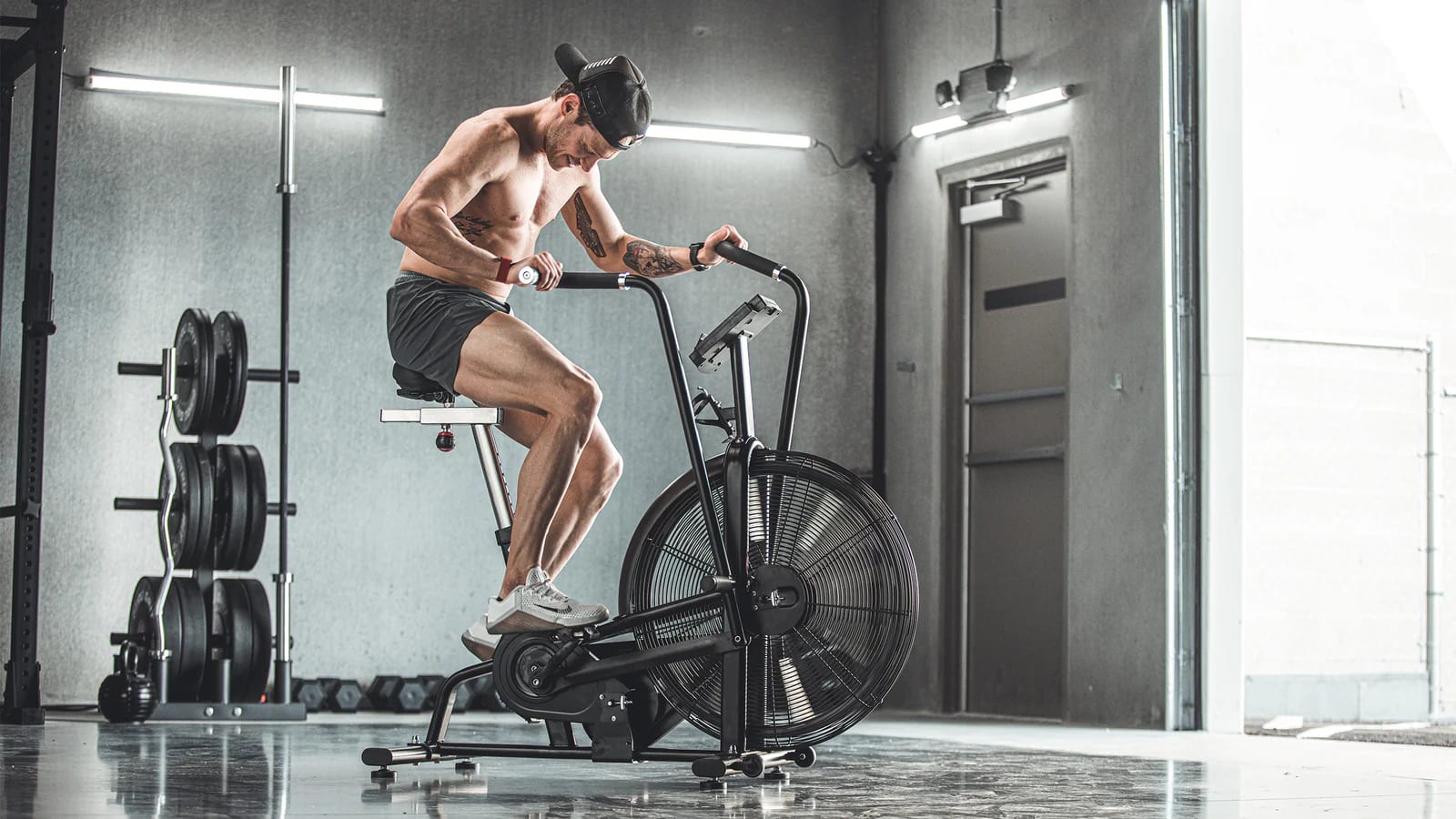
An air bike, often referred to as a fan bike, is a stationary exercise bike that uses air resistance instead of magnetic or friction based resistance systems. The defining feature of an air bike is its large fan wheel located at the front of the machine. As you pedal and move the handlebars, the fan rotates and generates resistance based entirely on the amount of force you produce.
Unlike traditional exercise bikes where resistance is manually adjusted using predetermined levels, an air bike increases resistance automatically as your effort increases. The faster and harder you pedal, the greater the airflow created by the fan, making the workout progressively more demanding. This unlimited resistance system allows users of every fitness level to challenge themselves without needing to change settings during the workout.
Another unique characteristic of an air bike is its moving handlebars. These handlebars are connected directly to the pedals, meaning your arms and legs work together throughout every movement. This synchronized action engages both the upper and lower body simultaneously, making the workout much more demanding than conventional cycling.
Modern air bikes are built with durable frames designed to withstand high intensity training. Many also include performance monitors that display workout data such as time, distance, calories, power output, heart rate, and interval settings, allowing users to track their progress over time.
How Does an Air Bike Work?
The operation of an air bike is surprisingly simple, yet incredibly effective. Every time you pedal and push or pull the handlebars, energy is transferred to the large fan positioned at the front of the bike. As the fan spins faster, it pushes more air, naturally creating greater resistance.
This means the resistance is entirely self regulated. There are no buttons or knobs to increase the difficulty during a workout. Instead, your own effort determines how challenging the session becomes. Light pedaling creates light resistance, while explosive sprints produce substantial resistance that challenges both your muscles and cardiovascular system.
Because both the handlebars and pedals move together, your upper and lower body remain active throughout the exercise. Your legs generate continuous power while your arms assist by pushing and pulling the handles in coordination with every pedal stroke. This creates a smooth, rhythmic movement pattern that distributes the workload across multiple muscle groups.
The self adjusting resistance also makes pacing easier. During high intensity intervals, resistance increases automatically as you accelerate. During recovery periods, slowing your pace immediately reduces resistance, allowing active recovery without interrupting the workout.
This simple but highly responsive design is one of the main reasons air bikes have become so popular in functional fitness and athletic training environments.
Why Is the Air Bike So Popular in CrossFit?
CrossFit workouts are designed to improve overall fitness by combining strength, endurance, power, speed, coordination, and cardiovascular conditioning. The air bike aligns perfectly with these training principles because it challenges multiple fitness components simultaneously.
One of the biggest reasons CrossFit athletes use air bikes is their ability to produce extremely high workout intensity in a short amount of time. Since resistance increases according to effort, athletes can perform maximum intensity intervals without needing to adjust the machine. This makes the air bike ideal for metabolic conditioning workouts where maintaining high output is the primary goal.
Another advantage is that the air bike trains both the upper and lower body at the same time. During many CrossFit workouts, athletes transition between rowing, weightlifting, gymnastics movements, and air bike intervals. The ability of the air bike to engage nearly every major muscle group makes it an excellent complement to these varied training sessions.
Air bikes are also highly scalable. Beginners can ride at a comfortable pace while experienced competitors can push themselves to elite levels of intensity using the very same machine. This adaptability makes the air bike suitable for group classes where participants have different fitness abilities.
Finally, air bikes are exceptionally durable. Their simple mechanical design allows them to withstand repeated high intensity workouts performed by multiple users throughout the day, making them a practical choice for busy CrossFit facilities.
Read More: How to Set Up Your Spin Bike Correctly
Which Muscles Does an Air Bike Work?
One of the biggest advantages of an air bike is its ability to engage nearly every major muscle group during a single workout. Unlike traditional stationary bikes that primarily focus on the legs, an air bike requires both your upper and lower body to work together continuously. Every push and pull of the handlebars is synchronized with the movement of the pedals, creating a coordinated full body exercise that challenges strength, endurance, and cardiovascular fitness simultaneously.
The lower body generates much of the power throughout the workout. Your quadriceps work hard during the downward phase of the pedal stroke, while your hamstrings assist as your legs return to the starting position. The glutes contribute significantly during higher intensity efforts, helping produce greater force, while the calves remain active by stabilizing the ankles and supporting smooth pedaling.
The upper body is equally involved. Your shoulders, chest, upper back, biceps, and triceps all participate as you push and pull the handlebars throughout the ride. At the same time, your core muscles remain engaged to stabilize your torso and maintain efficient body positioning. This combination of upper and lower body movement makes the air bike one of the few cardio machines capable of delivering a truly comprehensive workout.
Full Body Workout Benefits
The air bike is often described as one of the closest cardio machines to a complete full body workout because it requires coordinated movement from multiple muscle groups at the same time. Rather than isolating one area of the body, it encourages the upper body, lower body, and core to work together throughout every session.
This coordinated effort increases overall energy expenditure because more muscles require oxygen and fuel simultaneously. As a result, the cardiovascular system works harder to deliver blood throughout the body, making the workout both physically demanding and highly efficient.
The continuous involvement of multiple muscle groups also improves coordination and movement efficiency. Learning to synchronize the pushing and pulling action of the handlebars with the pedaling motion develops rhythm, balance, and body awareness. These improvements can carry over into other forms of exercise and everyday activities.
Another benefit of full body training is time efficiency. Since several muscle groups are working together during every workout, the air bike allows users to achieve both muscular endurance and cardiovascular conditioning within a relatively short period of time.
Cardiovascular Benefits of Air Bike Training
The air bike has earned a reputation as one of the most demanding cardiovascular training machines available. Because resistance increases automatically with effort, the cardiovascular system is continually challenged throughout the workout. The harder you work, the harder your heart and lungs must work to supply oxygen to your muscles.
Regular air bike training strengthens the heart by improving its ability to pump blood efficiently throughout the body. Over time, this leads to better circulation, improved endurance, and increased exercise capacity. Many people notice they can perform daily activities with less fatigue while recovering more quickly between workouts.
Another major advantage is the ability to perform different styles of cardiovascular training. Some users prefer steady endurance rides that improve aerobic fitness, while others choose high intensity intervals that challenge both aerobic and anaerobic energy systems. This versatility allows the air bike to support a wide variety of fitness goals.
Consistent cardiovascular exercise also contributes to healthier blood pressure, improved circulation, better oxygen delivery to the muscles, and enhanced overall heart health. These long term adaptations make the air bike valuable not only for athletic performance but also for general health and wellbeing.
Why CrossFit Athletes Love HIIT on an Air Bike
High Intensity Interval Training has become one of the defining features of CrossFit programming, and the air bike is perfectly suited for this style of exercise. Since resistance automatically increases according to effort, athletes can transition instantly between maximum intensity work and active recovery without making any manual adjustments.
During sprint intervals, the air bike responds immediately as athletes push harder. The increasing resistance forces both the upper and lower body to produce greater power while rapidly elevating the heart rate. This creates demanding workouts that improve cardiovascular fitness, muscular endurance, and mental toughness.
Recovery periods are equally effective because simply reducing your effort decreases resistance automatically. This allows active recovery without completely stopping the movement, helping prepare the body for the next interval while maintaining overall workout intensity.
CrossFit athletes also appreciate how easily the air bike integrates with other exercises. It is common to see workouts combining air bike intervals with rowing, kettlebell swings, burpees, box jumps, or weightlifting movements. The air bike provides an efficient conditioning challenge without requiring complicated setup or lengthy transitions.
Read: Abu Dhabi Inspires Initiatives
Can an Air Bike Help You Lose Weight?
An air bike can be an excellent tool for supporting weight management because it combines high calorie expenditure with full body muscle engagement. Since both the upper and lower body contribute to every movement, the workout requires a considerable amount of energy, particularly during higher intensity sessions.
The self regulating resistance system encourages users to work according to their own ability. Beginners can maintain moderate intensity rides while gradually improving their fitness, whereas experienced athletes can perform demanding interval sessions that significantly increase energy expenditure.
However, it is important to remember that no exercise machine alone guarantees weight loss. Sustainable results come from combining regular physical activity with balanced nutrition, proper recovery, and consistent healthy habits. The air bike supports this process by providing an enjoyable and highly adaptable form of cardiovascular exercise that many people find easier to maintain over the long term.
Its ability to accommodate short, effective workouts also makes it particularly attractive for busy individuals who want to maximize calorie expenditure within limited training time.
Building Endurance and Overall Conditioning
Endurance is one of the primary reasons athletes include air bike training in their routines. Because the machine challenges multiple muscle groups while simultaneously demanding significant cardiovascular effort, it develops both muscular and aerobic endurance during every workout.
Longer steady rides improve the body's ability to deliver oxygen efficiently to working muscles, allowing users to exercise for extended periods with less fatigue. High intensity interval sessions, on the other hand, increase the body's capacity to recover quickly between repeated bursts of intense effort.
These improvements extend beyond cycling. Better endurance often enhances performance in running, swimming, rowing, team sports, and strength training because the cardiovascular system becomes more efficient at supporting physical activity.
For CrossFit athletes, improved conditioning is particularly valuable because competitions often require sustained effort across multiple workout formats. The air bike helps prepare the body for these varied demands while improving work capacity and recovery ability.
Air Bike vs Spin Bike
Although both machines involve cycling, they provide very different training experiences. A spin bike focuses primarily on the lower body while allowing users to adjust resistance manually. It is excellent for endurance training, interval sessions, and improving cardiovascular fitness through traditional cycling movements.
An air bike, however, combines lower body pedaling with continuous upper body movement through its moving handlebars. This creates greater total body involvement and typically produces higher cardiovascular demand because more muscle groups are working simultaneously.
Another important difference is the resistance system. Spin bikes use manually adjustable resistance that remains constant until changed by the rider. Air bikes increase resistance automatically according to effort, meaning there is effectively no upper limit to workout intensity.
For people seeking realistic cycling training, a spin bike is often the better choice. For those looking for demanding full body conditioning and high intensity functional fitness, an air bike offers a more comprehensive workout.
Air Bike vs Rowing Machine
Air bikes and rowing machines are frequently compared because both engage multiple muscle groups while providing excellent cardiovascular exercise. However, their movement patterns differ significantly.
A rowing machine emphasizes a pulling movement that relies heavily on the back, legs, and core while requiring coordinated technique to perform efficiently. Air bikes use continuous pushing and pulling motions with the arms while the legs pedal throughout the workout, creating a more repetitive but highly demanding conditioning exercise.
Many athletes include both machines in their training because each develops cardiovascular fitness in slightly different ways. The air bike excels at short, explosive intervals and metabolic conditioning, while the rowing machine often emphasizes power production and movement coordination.
Rather than viewing one as superior to the other, they are best considered complementary tools that provide unique training benefits depending on your fitness goals.
Who Should Use an Air Bike?
One of the reasons the air bike has become so popular is its ability to accommodate people with different fitness goals and experience levels. Since the resistance automatically adjusts according to the effort you produce, there is no need to worry about selecting the correct resistance level before starting a workout. The bike naturally becomes more challenging as you work harder, making it suitable for everyone from complete beginners to elite athletes.
Beginners often appreciate the simplicity of the air bike because they can exercise at a comfortable pace while gradually building cardiovascular fitness and muscular endurance. As their confidence grows, they can naturally increase their effort without needing to learn complex workout settings or advanced training techniques.
Athletes regularly use air bikes to improve conditioning, stamina, and recovery between demanding training sessions. Because the machine challenges both the upper and lower body simultaneously, it develops work capacity that transfers well to many sports, including CrossFit, football, basketball, martial arts, rowing, and endurance events.
Individuals focused on weight management also benefit from air bike workouts because the full body movement increases energy expenditure while allowing workouts to be adjusted according to personal fitness levels. Busy professionals often prefer the air bike because even relatively short workouts can provide significant cardiovascular and muscular benefits.
Older adults and individuals returning to exercise after a long break may also find the air bike useful, provided they receive appropriate medical clearance. The self paced resistance allows them to progress gradually while remaining in complete control of workout intensity.
Common Mistakes to Avoid
Although the air bike is simple to use, several common mistakes can reduce workout effectiveness and increase unnecessary fatigue.
One of the biggest mistakes is relying only on the legs while neglecting the handlebars. Since the air bike is designed as a full body machine, using only your legs reduces the involvement of your upper body and limits the overall effectiveness of the workout. Actively pushing and pulling the handlebars allows more muscle groups to contribute, creating better conditioning and higher energy expenditure.
Another mistake is gripping the handlebars too tightly. Many beginners tense their shoulders and squeeze the handles excessively, leading to unnecessary fatigue in the arms and neck. Maintaining a relaxed grip while allowing the shoulders to stay loose helps improve comfort and overall efficiency.
Poor posture is another issue frequently seen during air bike workouts. Leaning excessively forward, rounding the back, or allowing the core to relax reduces power transfer and may contribute to discomfort during longer sessions. Keeping the chest open, core engaged, and spine in a neutral position supports better movement and improves breathing.
Some people also make the mistake of starting every workout at maximum intensity. Because the air bike responds directly to your effort, it is easy to exhaust yourself within the first few minutes. Building intensity gradually allows you to maintain better performance throughout the session while avoiding early fatigue.
Skipping the warm up and cool down is another habit that should be avoided. Preparing your muscles and cardiovascular system before demanding intervals helps improve performance, while cooling down afterward supports recovery and reduces post workout stiffness.
Finally, many riders become discouraged because the air bike feels difficult compared to other cardio machines. This is completely normal. Since the bike engages nearly the entire body, it naturally creates a higher cardiovascular demand. Improving your performance comes through consistency rather than trying to complete every workout at maximum effort.
Conclusion
The air bike has earned its reputation as a CrossFit favorite because it delivers an exceptionally effective combination of cardiovascular conditioning, muscular endurance, and full body engagement. Unlike traditional exercise bikes that primarily target the legs, the air bike requires coordinated effort from the upper body, lower body, and core, making every workout both physically demanding and highly efficient.
Its unique air resistance system is one of its greatest strengths. Because the resistance automatically increases with your effort, every workout adapts to your current fitness level. Whether you are completing a gentle recovery ride, a steady endurance session, or an all out sprint workout, the bike responds instantly, allowing you to challenge yourself without adjusting complicated settings.
Beyond CrossFit, the air bike has become a valuable training tool for athletes, fitness enthusiasts, and beginners alike. It supports cardiovascular health, improves muscular endurance, increases work capacity, and contributes to overall physical conditioning. The ability to perform both high intensity interval training and steady state cardio on the same machine makes it one of the most versatile pieces of fitness equipment available.
Most importantly, the air bike encourages continuous improvement. Every session provides an opportunity to build endurance, increase power, and develop greater resilience, regardless of your starting fitness level. By combining consistent training with proper recovery and healthy lifestyle habits, the air bike can become an important part of a balanced and sustainable fitness routine.
Whether your goal is improving athletic performance, increasing cardiovascular fitness, supporting weight management, or simply challenging yourself with a new style of training, the air bike offers a demanding yet rewarding workout that continues to push you as your fitness improves.
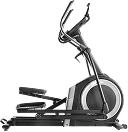
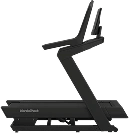
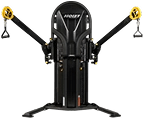
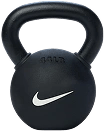
If you are looking to buy other fitness machines or accessories, look no further! Explore our range of fitness products like treadmills, elliptical cross trainers, exercise bikes, rowing machines, home gym, functional trainer, multi-station, power towers, smith machines, dumbbells, foosball tables, pool tables, and table tennis.


 0
0