



The treadmill has long been one of the most popular pieces of cardio equipment in gyms and fitness facilities. However, in recent years, a different type of treadmill has gained significant attention among athletes, personal trainers, sports performance centers, and fitness enthusiasts. Known as the curved treadmill, this innovative machine offers a unique running experience that differs considerably from traditional motorized treadmills.
At first glance, a curved treadmill immediately stands out because of its distinctive shape. Unlike conventional treadmills that use a flat running surface powered by a motor, curved treadmills feature a curved deck and operate entirely through user-generated movement. This design creates a workout experience that feels more natural while placing greater demands on the body.
As more fitness facilities invest in performance-focused training equipment, curved treadmills have become increasingly common in commercial gyms, athletic training centers, rehabilitation facilities, and even premium home gyms. Understanding how they work and what makes them different can help users determine whether this style of treadmill is suitable for their training goals.
Understanding the Basics of a Curved Treadmill
A curved treadmill is a non-motorized treadmill that relies entirely on the user's movement to power the running belt.Unlike traditional treadmills where the motor determines the speed of the belt, a curved treadmill responds directly to the user's effort. The faster a person moves, the faster the belt rotates. When the user slows down, the belt naturally slows as well.
This self-powered design creates a more interactive relationship between the runner and the machine. Instead of adapting to the treadmill's pace, the treadmill adapts to the runner. The curved shape of the deck plays a crucial role in this process. It helps users maintain momentum while encouraging a more natural running stride. Because there is no motor controlling movement, users remain fully responsible for generating speed and maintaining rhythm throughout the workout.
How Does a Curved Treadmill Work?
The operation of a curved treadmill is surprisingly simple. The running belt is mounted on a series of bearings and rollers that allow it to move freely when force is applied. As the user walks or runs, each foot strike propels the belt backward. The treadmill responds instantly to changes in pace because there is no motor delaying adjustments. Positioning on the running surface also influences speed.
When a user moves closer to the front of the curve, the belt accelerates. When they move slightly toward the center or rear portion of the running surface, the belt slows down. This natural speed control allows users to transition seamlessly between walking, jogging, sprinting, and recovery periods. The result is a highly responsive workout environment that closely follows the user's intentions and effort level.
Why Is the Curved Design Important?
The curved deck is not simply a visual feature. Its shape helps create the momentum required for self-powered operation. The curve encourages a more efficient foot strike and promotes a running pattern that differs from what many users experience on motorized treadmills.
Because runners must actively drive the belt with each stride, they often engage more muscle groups throughout the workout. This increased involvement can contribute to greater workout intensity and higher energy expenditure. The curved design also eliminates the need for an external power source, making the treadmill more energy-efficient while reducing mechanical complexity.
Also Read: What Really Makes a Treadmill Commercial-Grade?
Curved Treadmills vs Traditional Treadmills
Many people wonder whether curved treadmills are better than traditional motorized models. The answer depends largely on the user's goals. Traditional treadmills excel in convenience and accessibility. Users can select a specific speed and maintain that pace throughout the workout. This makes them ideal for steady-state cardio, walking programs, rehabilitation exercises, and endurance training.
Curved treadmills, however, place more responsibility on the user. Every movement requires effort because the machine is entirely self-powered. This often results in a more demanding workout that challenges both cardiovascular fitness and muscular endurance. Neither option is universally superior. Each serves different training objectives and appeals to different types of users.
Benefits of Using a Curved Treadmill
Increased Calorie Expenditure
Because the user must generate all belt movement, curved treadmills typically require more effort than motorized alternatives. The body works continuously to maintain speed, which often results in higher energy expenditure during workouts. Many athletes and trainers appreciate this additional challenge because it helps maximize workout efficiency.
Natural Running Mechanics
Many users feel that curved treadmills encourage a more natural running style. Without a motor pulling the belt beneath them, runners must actively propel themselves forward. This often promotes shorter ground contact times and improved running mechanics. The experience can feel more similar to outdoor running compared to traditional treadmill training.
Immediate Speed Adjustments
One of the most appreciated features of curved treadmills is their responsiveness. There is no need to press buttons or wait for speed adjustments. Users simply accelerate or decelerate naturally, and the treadmill responds immediately. This makes curved treadmills particularly effective for interval training and sprint workouts.
No Electricity Required
Because curved treadmills are entirely user-powered, they do not require electricity to operate. This reduces energy consumption and allows greater flexibility in equipment placement. Facilities may also benefit from lower operating costs over time.
Lower Maintenance Requirements
The absence of a motor eliminates one of the most complex components found in traditional treadmills. While curved treadmills still require routine maintenance, the simplified design often reduces the number of potential mechanical issues. For facilities focused on long-term durability, this can be a significant advantage.
Who Should Use a Curved Treadmill?
Curved treadmills are suitable for a wide range of users, but they are particularly popular among certain groups. Athletes often use curved treadmills for sprint training, conditioning, and performance development. The ability to accelerate instantly makes the equipment ideal for sports-specific training programs.
Personal trainers frequently incorporate curved treadmills into interval workouts because they allow rapid transitions between different intensity levels. Fitness enthusiasts who enjoy challenging cardio sessions may also appreciate the increased effort required compared to traditional treadmills. However, beginners should understand that curved treadmills generally feel more demanding than motorized alternatives. Some adjustment may be necessary when using one for the first time.
Common Uses in Commercial Facilities
Curved treadmills have become increasingly common in:
- Performance training centers
- Sports academies
- Functional fitness gyms
- Cross-training facilities
- Rehabilitation clinics
- Boutique fitness studios
- Strength and conditioning environments
Their versatility allows them to support everything from sprint training and endurance development to metabolic conditioning and high-intensity interval training.
Read: Abu Dhabi Inspires Initiatives
Are Curved Treadmills Good for Weight Loss?
Curved treadmills can be highly effective for individuals pursuing weight-loss goals. Because users generate all movement themselves, workouts often feel more demanding than comparable sessions on motorized treadmills. This increased effort may contribute to greater calorie expenditure during training.
Additionally, the ability to perform high-intensity intervals easily makes curved treadmills a valuable tool for individuals seeking efficient cardiovascular workouts. As with any fitness program, weight-loss results ultimately depend on overall activity levels, nutrition, and consistency.
Curved Treadmill Maintenance
Although curved treadmills require less maintenance than many motorized models, routine care remains important. Regular cleaning helps prevent dust and debris from accumulating around rollers and bearings. Periodic inspections ensure that the running belt remains in good condition and that moving components operate smoothly.
Facility owners should follow manufacturer recommendations regarding maintenance schedules and inspections. Consistent upkeep helps maximize equipment lifespan while maintaining performance and safety.
Leading Curved Treadmill Brands
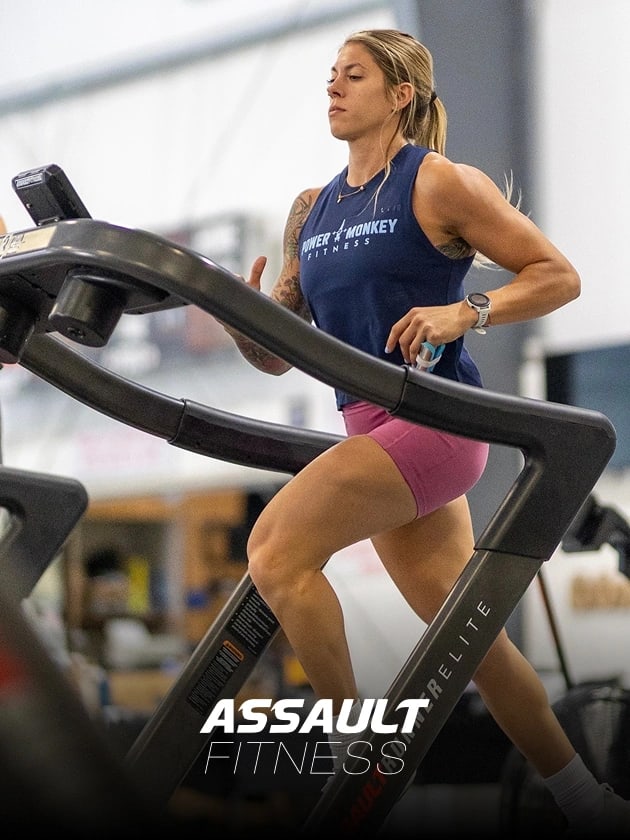
Assault Fitness
Assault Fitness is one of the most recognizable names in the curved treadmill category. The brand is particularly popular among functional fitness facilities, strength and conditioning centers, and high-performance training environments. Assault treadmills are known for durability, intense workout capability, and athlete-focused design.
SHUA Fitness
SHUA Fitness has established a strong reputation in commercial fitness equipment manufacturing. The brand offers curved treadmill solutions that emphasize performance, reliability, and commercial-grade construction. SHUA equipment is commonly found in professional fitness facilities and wellness centers.
TrueForm
TrueForm is often regarded as one of the pioneers of modern curved treadmill design. The brand focuses heavily on natural running mechanics and performance development. Many athletes, coaches, and sports performance professionals appreciate TrueForm treadmills for their ability to encourage efficient movement patterns.
DHZ Fitness
DHZ Fitness is widely recognized for producing durable commercial fitness equipment across multiple categories. Its curved treadmills are designed to support high-volume commercial environments while providing users with an effective self-powered training experience.
Which Curved Treadmill Brand Is Right for You?
The ideal brand depends on the needs of the facility and its users. Facilities focused on athletic performance may prioritize running mechanics and sprint capabilities. Others may focus on durability, commercial usage levels, maintenance requirements, or budget considerations.
Regardless of the brand selected, buyers should evaluate build quality, warranty coverage, maintenance support, user experience, and overall value before making a purchasing decision.
Why Athletes Prefer Curved Treadmills
One of the primary reasons curved treadmills have become so popular is their strong connection to athletic performance training. Unlike traditional treadmills that can sometimes encourage users to simply keep up with a moving belt, curved treadmills require athletes to actively generate every stride. This creates a training environment that feels more dynamic and sport-specific. Athletes are responsible for producing force, accelerating, decelerating, and maintaining momentum throughout the workout. These demands closely resemble what happens during actual sports competition.
Sports such as football, basketball, rugby, tennis, cricket, athletics, and combat sports require repeated bursts of acceleration and changes in pace. Curved treadmills allow coaches to replicate these conditions more effectively than many traditional cardio machines. The immediate speed adjustments also make sprint intervals more practical. Athletes can move from walking to sprinting within seconds without waiting for a motorized treadmill to increase speed. This responsiveness makes curved treadmills particularly valuable in high-performance environments.
How Curved Treadmills Improve Running Efficiency
Running efficiency refers to how effectively the body converts energy into forward movement. More efficient runners generally use less energy to maintain a given pace, allowing them to perform better over longer distances. Many coaches believe curved treadmills can help improve running efficiency because they encourage users to adopt a more active running pattern. Since the belt only moves when force is applied, runners must remain engaged throughout every stride.
The curved design often promotes a midfoot strike and a quicker cadence. Many users naturally shorten their stride and increase turnover, which can contribute to smoother movement patterns. While individual results vary, many athletes report that training on curved treadmills helps them become more aware of their running mechanics and movement efficiency.
Why Curved Treadmills Are Popular for HIIT Training
High-Intensity Interval Training, commonly known as HIIT, remains one of the most popular workout methods in modern fitness. The ability to alternate between periods of intense effort and recovery makes HIIT effective for improving cardiovascular fitness and increasing calorie expenditure. Curved treadmills are particularly well suited to this style of training. On a traditional treadmill, users often need to manually adjust speed settings during intervals. Even advanced machines require a few seconds to accelerate or decelerate.
A curved treadmill eliminates this delay entirely. The user simply increases effort to sprint and reduces effort to recover. The machine responds instantly. This seamless transition allows workouts to flow naturally while maintaining the intensity required for effective interval training. For trainers and coaches, this responsiveness provides greater flexibility when designing conditioning sessions.
The Role of Curved Treadmills in Functional Training
Functional training focuses on improving movement patterns that transfer to real-life activities and athletic performance. Because curved treadmills require users to actively generate movement, they fit naturally within many functional training programs. Unlike some cardio machines that guide movement patterns, curved treadmills demand active participation from the entire body.
The legs generate power, the core stabilizes the body, and the arms contribute to overall movement efficiency. This coordinated effort creates a more integrated workout experience. As a result, curved treadmills are often included alongside sled pushes, battle ropes, kettlebell exercises, and other functional training tools in performance-focused facilities.
Can Curved Treadmills Build Strength?
Although treadmills are primarily considered cardiovascular equipment, curved treadmills introduce an additional muscular component that many users notice immediately. Because there is no motor assisting movement, the lower body must work continuously to drive the belt. This increased demand often results in greater activation of the glutes, hamstrings, calves, and quadriceps compared to traditional treadmill training.
Incline training on a motorized treadmill can also challenge these muscles, but curved treadmills create resistance naturally through the movement process itself. While curved treadmills are not a replacement for strength training, they can contribute to muscular endurance and lower-body conditioning. This makes them particularly useful for athletes and individuals seeking more demanding cardio sessions.
Curved Treadmills and Commercial Gym Value
For gym owners, investing in curved treadmills is often about more than providing another cardio option. Modern fitness consumers increasingly seek unique training experiences. Many members are interested in equipment that supports athletic-style training, functional fitness, and performance development.
Adding curved treadmills can help facilities differentiate themselves from competitors while attracting members interested in advanced training methods. These machines also tend to generate curiosity among users. Members who have never experienced a curved treadmill often want to try it, creating opportunities for trainers to introduce new workout formats and coaching services. This combination of performance benefits and member engagement contributes to the growing popularity of curved treadmills in commercial facilities.
Curved Treadmills for Small Fitness Spaces
Another advantage of curved treadmills is their flexibility in smaller training environments. Because they do not require electrical connections, facility owners have greater freedom when planning equipment layouts. The absence of power requirements can simplify installation and allow treadmills to be positioned in areas where electrical access may be limited.
Many boutique fitness studios and personal training facilities appreciate this flexibility because it allows them to optimize floor space more effectively. Additionally, the self-powered design eliminates energy consumption, which can contribute to lower operating costs over the long term.
Common Misconceptions About Curved Treadmills
As curved treadmills become more popular, several misconceptions continue to circulate. One common belief is that curved treadmills are only for elite athletes. While athletes certainly benefit from them, the equipment can be used by individuals of many different fitness levels. Beginners simply need to start at a comfortable pace and gradually build confidence.
Another misconception is that curved treadmills are dangerous. In reality, most models are designed with safety in mind. Because users control their own speed, they can slow down naturally whenever necessary. Some people also assume that curved treadmills completely replace traditional treadmills. In practice, both types of equipment offer unique advantages. Many facilities successfully incorporate both into their cardio areas to serve different training needs.
Are Curved Treadmills Worth the Investment?
For many facilities and users, the answer is yes. Curved treadmills provide a unique combination of performance training, cardiovascular conditioning, running mechanics development, and workout intensity. Their self-powered operation reduces energy consumption while simplifying mechanical design.
Athletes appreciate the ability to perform explosive sprints and conditioning drills. Trainers value the flexibility and responsiveness they offer during coaching sessions. Facility owners benefit from their durability and ability to attract performance-oriented members. While they may not replace traditional treadmills entirely, curved treadmills can become valuable additions to a well-rounded fitness environment.
The Future of Curved Treadmill Training
The popularity of curved treadmills continues to grow as fitness facilities increasingly focus on performance training and functional movement. Athletes, coaches, and fitness enthusiasts are becoming more interested in equipment that promotes active engagement rather than passive exercise. Curved treadmills align perfectly with this trend by requiring users to generate movement through their own effort. As technology and design continue to evolve, manufacturers are likely to introduce new features that enhance user experience while maintaining the core benefits of self-powered operation.
Whether used in elite sports facilities, commercial gyms, personal training studios, or premium home gyms, curved treadmills have established themselves as more than a fitness trend. They represent a distinct approach to cardio training that emphasizes effort, performance, and natural movement. For individuals seeking a more challenging and engaging workout experience, curved treadmills offer a compelling alternative to traditional motorized equipment. Their ability to combine cardiovascular conditioning, athletic development, and functional movement training ensures they will remain an important part of the fitness industry for years to come.
Conclusion
Curved treadmills represent a unique approach to cardio training. By removing the motor and allowing users to control speed entirely through their own effort, these machines create a highly engaging and demanding workout experience.
Their ability to support natural running mechanics, instant speed changes, high-intensity training, and self-powered operation has made them increasingly popular among athletes, trainers, and fitness facilities worldwide.
Whether used for conditioning, sprint training, weight loss, or performance development, curved treadmills offer a distinctive alternative to traditional motorized equipment. As more facilities seek versatile and durable training solutions, curved treadmills continue to establish themselves as an important part of the modern fitness landscape.
If you are looking to buy other fitness machines or accessories, look no further! Explore our range of fitness products like treadmills, elliptical cross trainers, exercise bikes, rowing machines, home gym, functional trainer, multi-station, power towers, smith machines, dumbbells, foosball tables, pool tables, and table tennis.


 0
0