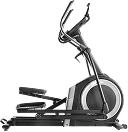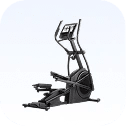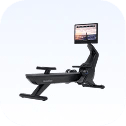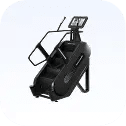




An elliptical trainer is one of the most valuable pieces of cardio equipment found in homes, gyms, hotels, wellness centers, and rehabilitation facilities. Known for delivering low-impact, full-body workouts, elliptical trainers help users improve cardiovascular fitness, burn calories, and maintain an active lifestyle without placing excessive stress on the joints.
Like any fitness equipment, however, an elliptical trainer requires regular maintenance to perform at its best. Many owners invest in quality machines but overlook the importance of ongoing care. Over time, dust accumulation, loose components, lack of cleaning, and neglected servicing can reduce performance and shorten the lifespan of the equipment. The good news is that maintaining an elliptical trainer does not have to be complicated. Simple maintenance habits performed consistently can help keep the machine operating smoothly while preventing many common issues before they become costly repairs.
Whether you own a home elliptical trainer or manage commercial fitness equipment, understanding proper maintenance practices can protect your investment and improve the overall workout experience.
Why Elliptical Maintenance Matters
Many users assume that because elliptical trainers have fewer visible moving parts than treadmills, they require little maintenance. This is a common misconception. Elliptical trainers contain numerous components that work together during every workout. Pedals, joints, resistance systems, bearings, rollers, electronics, and frame connections all experience wear over time. Without proper care, small issues can gradually develop into larger mechanical problems.
Regular maintenance helps:
- Improve machine performance
- Extend equipment lifespan
- Reduce repair costs
- Improve user safety
- Maintain workout comfort
- Prevent unexpected breakdowns
A few minutes of maintenance each week can save significant time and expense in the future.
Keep the Machine Clean After Every Workout
One of the simplest and most effective maintenance habits is regular cleaning. During exercise, sweat, dust, and moisture can accumulate on the machine's surfaces. Over time, these substances may contribute to corrosion, deterioration, and premature wear.
After each workout, wipe down:
- Handlebars
- Console surfaces
- Display screens
- Pedals
- Frame components
Using a soft cloth helps remove moisture before it has an opportunity to cause damage. Consistent cleaning not only protects the machine but also creates a more hygienic workout environment.
Remove Dust Regularly
Dust may seem harmless, but it can create problems over time. Dust particles often accumulate around moving parts, resistance systems, vents, and electronic components. When left unchecked, buildup can interfere with smooth operation and reduce efficiency. Inspect the machine regularly and remove visible dust using a microfiber cloth or gentle vacuum attachment.
Pay special attention to areas around:
- Pedal tracks
- Rollers
- Resistance mechanisms
- Console openings
Keeping the machine clean helps maintain reliable performance and reduces unnecessary wear.
Check Bolts and Fasteners
Elliptical trainers experience continuous movement during workouts. Over time, vibrations can cause bolts and fasteners to loosen. A loose connection may create noises, instability, or excessive movement.
Regularly inspect:
- Frame bolts
- Pedal connections
- Handlebar attachments
- Stabilizer components
Tighten any loose hardware according to the manufacturer's recommendations. This simple maintenance step can significantly improve machine stability and safety.
Inspect the Pedals
The pedals are among the most heavily used parts of an elliptical trainer. Every stride places stress on pedal components and connection points.
Inspect the pedals regularly for signs of:
- Excessive wear
- Cracks
- Loose movement
- Surface damage
Stable and properly functioning pedals contribute to a smoother workout experience and reduce unnecessary strain on other components. If abnormalities are detected, address them promptly before they worsen.
Also read: What Are the Best Elliptical Cross Trainers for Every Fitness Level?
Listen for Unusual Sounds
An elliptical trainer often provides early warning signs when maintenance is needed.
Unusual sounds may indicate:
- Loose hardware
- Worn bearings
- Misaligned components
- Insufficient lubrication
- Damaged rollers
Squeaking, clicking, grinding, or knocking sounds should never be ignored. Instead of waiting for a complete breakdown, investigate unusual noises as soon as they appear. Early intervention often prevents more expensive repairs later.
Lubricate Moving Parts When Required
Many elliptical trainers contain moving joints and pivot points that benefit from occasional lubrication.
Proper lubrication helps:
- Reduce friction
- Improve movement quality
- Minimize wear
- Eliminate squeaks
Always follow manufacturer recommendations regarding lubrication intervals and approved products. Using the wrong lubricant can sometimes cause more harm than good. The goal is to maintain smooth operation without introducing substances that may attract dirt or damage components.
Monitor Resistance Performance
The resistance system plays a major role in workout quality. If resistance levels feel inconsistent or fail to adjust properly, maintenance may be required.
Signs of resistance issues include:
- Sudden intensity changes
- Limited resistance adjustment
- Unresponsive controls
- Uneven workout difficulty
Regular testing helps identify potential problems before they affect the overall training experience. A properly functioning resistance system ensures workouts remain effective and predictable.
Protect the Console and Electronics
Modern elliptical trainers often include advanced displays and electronic features. These components require proper care to maintain reliability. Avoid spraying cleaning products directly onto screens or electronic panels.
Instead, apply cleaning solutions to a soft cloth before wiping surfaces.
Keep liquids away from:
- Displays
- Control buttons
- Charging ports
- Electrical connections
Protecting electronic systems helps preserve functionality and reduce the risk of costly repairs.
Check Power Connections
For electronically powered models, power connections should be inspected periodically.
Look for:
- Loose plugs
- Damaged cables
- Worn connectors
- Exposed wiring
Stable power delivery helps ensure consistent console operation and accurate performance tracking. Address electrical concerns immediately if abnormalities are observed.
Maintain Proper Placement
Where the machine is positioned can influence its lifespan. Place the elliptical trainer on a stable, level surface.
Avoid areas exposed to:
- Excessive humidity
- Direct sunlight
- Extreme temperatures
- Water exposure
Environmental factors can affect both mechanical and electronic components over time. A proper location helps protect the machine and support long-term performance.
Home Elliptical Maintenance Tips
Home elliptical trainers generally experience less daily usage than commercial machines. However, regular maintenance remains important.
Home users should focus on:
- Weekly cleaning
- Monthly hardware inspections
- Periodic lubrication
- Monitoring performance changes
Even moderate use can gradually create wear if maintenance is ignored. Developing a simple maintenance routine helps protect the investment while ensuring reliable workouts.
Commercial Elliptical Maintenance Tips
Commercial elliptical trainers operate under significantly higher workloads. Fitness facilities may see equipment used continuously throughout the day.
Because of this, commercial machines often require:
- Daily inspections
- Frequent cleaning
- Regular servicing
- Scheduled preventive maintenance
Gym owners should implement maintenance programs that address equipment before problems develop. Preventive care helps minimize downtime while improving member satisfaction.
Prevent Sweat Damage
Sweat is one of the most common causes of cosmetic and mechanical deterioration.
Salt and moisture can contribute to:
- Corrosion
- Surface damage
- Hardware degradation
Encourage users to wipe equipment after workouts. Fitness facilities often provide cleaning stations specifically for this purpose. Removing moisture promptly helps preserve appearance and performance.
Read: Abu Dhabi Inspires Initiatives
Watch for Frame Movement
An elliptical trainer should feel stable throughout the workout. If the machine rocks, shifts, or moves excessively, inspection is necessary.
Potential causes include:
- Uneven flooring
- Loose stabilizers
- Worn components
- Improper assembly
Correcting these issues improves safety and enhances workout quality.
Schedule Professional Servicing
Even with excellent daily maintenance, professional servicing remains valuable. Qualified technicians can identify issues that may not be visible during routine inspections.
Professional servicing may include:
- Component testing
- Mechanical adjustments
- Resistance system inspection
- Bearing evaluation
- Electrical diagnostics
Scheduled servicing helps maximize equipment lifespan and reliability.
Common Maintenance Mistakes to Avoid
Some maintenance habits can unintentionally create problems.
Avoid:
- Ignoring unusual noises
- Delaying repairs
- Using harsh cleaning chemicals
- Applying incorrect lubricants
- Overlooking loose hardware
- Skipping regular inspections
Preventing these mistakes often contributes more to equipment longevity than complex maintenance procedures.
How Maintenance Extends Equipment Lifespan
Every maintenance task contributes to the long-term health of the machine. Cleaning removes harmful contaminants. Inspections identify developing issues. Lubrication reduces wear. Hardware checks improve stability. Professional servicing addresses hidden concerns. Together, these actions help elliptical trainers deliver reliable performance for many years.
Create a Consistent Cleaning Routine
One of the most overlooked aspects of elliptical maintenance is consistency. Many owners clean the machine only when visible dirt appears, but by that point dust, sweat, and debris may already be affecting components. Developing a regular cleaning routine helps prevent buildup before it becomes a problem.
After each workout, take a few moments to wipe down the handlebars, console, pedals, and frame. Sweat contains salt and moisture that can gradually damage surfaces if left unattended. Regular cleaning not only keeps the machine looking new but also protects components from premature wear. For commercial facilities, cleaning should be performed multiple times throughout the day. Since dozens of users may interact with the equipment, maintaining cleanliness becomes even more important for both hygiene and equipment longevity.
Pay Attention to Moving Parts
An elliptical trainer relies on multiple moving components working together smoothly. Pedals, arms, rollers, joints, and pivot points constantly move during exercise. Over time, these parts naturally experience wear. Rather than waiting for a problem to appear, inspect moving parts regularly. Look for excessive movement, unusual vibrations, or visible signs of wear. Small issues are often easier and less expensive to fix than major mechanical failures.
If a pedal begins moving differently than usual or a handlebar develops slight looseness, addressing the issue early can prevent additional stress on surrounding components.
Keep Rollers and Tracks Clean
Many elliptical trainers use rollers and tracks to create smooth movement. Dust and debris can gradually accumulate in these areas. As buildup increases, movement may become less efficient and additional stress may be placed on the machine. Regularly inspect tracks and rollers for dirt, dust, and foreign objects. Cleaning these areas helps maintain smooth operation while reducing unnecessary wear. For users who exercise frequently, this simple maintenance habit can significantly improve long-term performance.
Monitor Workout Feel and Performance
Maintenance is not always about visible inspections. Sometimes the machine itself provides clues that something needs attention. Pay attention to how the elliptical feels during workouts. A machine that suddenly feels rougher, noisier, or less responsive may be indicating an underlying issue. Changes in stride smoothness, resistance consistency, or overall stability should not be ignored. Many mechanical problems begin subtly before becoming more obvious. Recognizing these early warning signs can help prevent larger repairs.
Prevent Rust and Corrosion
Moisture is one of the biggest threats to fitness equipment. Sweat, humidity, and accidental spills can gradually contribute to corrosion if not addressed promptly. This is particularly important in coastal regions and humid climates where moisture exposure is more common. Wiping down the machine after workouts helps reduce this risk significantly. Users should also avoid storing elliptical trainers in damp environments where moisture levels remain consistently high. Protecting the machine from corrosion helps preserve both appearance and structural integrity.
Why Maintenance Improves Workout Quality
Many people think maintenance only exists to prevent breakdowns. While preventing repairs is certainly important, proper maintenance also improves the workout experience itself. A clean and well-maintained elliptical provides smoother movement, quieter operation, more consistent resistance, and better overall comfort.
Users are more likely to enjoy their workouts when equipment functions properly. Comfortable workouts encourage consistency, and consistency is ultimately what leads to fitness progress. Maintenance therefore contributes not only to equipment health but also to user satisfaction and long-term exercise adherence.
Home Elliptical Trainers and Maintenance Requirements
Home elliptical trainers generally experience lower usage levels than commercial machines. A typical home user may exercise several times per week, meaning the machine has periods of rest between workouts. This reduced workload often translates into lower maintenance demands.
However, home equipment should not be ignored simply because it is used less frequently.
Home users should establish a basic maintenance schedule that includes:
- Cleaning after workouts
- Weekly dust removal
- Monthly hardware inspections
- Periodic lubrication when required
- Monitoring performance changes
These simple habits help ensure the machine remains reliable for years. Many home elliptical trainers last significantly longer when owners consistently perform small maintenance tasks rather than waiting for problems to develop.
Commercial Elliptical Trainers and Maintenance Requirements
Commercial elliptical trainers operate under much more demanding conditions.
A machine in a busy fitness facility may be used continuously throughout the day by individuals of different sizes, fitness levels, and training styles. This constant usage creates greater wear on mechanical components. As a result, commercial facilities should implement structured maintenance programs. Daily cleaning should become standard practice. Equipment inspections should occur regularly, and preventive servicing should be scheduled before major issues develop. Commercial operators who invest in preventive maintenance often experience fewer equipment failures, reduced downtime, and higher member satisfaction. For gyms, hotels, corporate wellness centers, and sports facilities, maintenance should be viewed as an essential operational responsibility rather than an optional task.
Establish a Maintenance Schedule
One of the easiest ways to improve equipment longevity is to create a maintenance schedule. Rather than relying on memory, establish specific intervals for inspections and cleaning.
For example:
Daily:
Clean surfaces and remove sweat.
Weekly:
Inspect pedals, handlebars, and visible hardware.
Monthly:
Check bolts, moving parts, and overall machine stability.
Quarterly:
Perform deeper inspections and evaluate overall performance.
Annually:
Schedule professional servicing if recommended.
A structured schedule helps ensure maintenance tasks are completed consistently and reduces the likelihood of important issues being overlooked.
Maintenance Protects Your Investment
Fitness equipment represents a significant investment whether purchased for personal or commercial use. Protecting that investment should be a priority. The cost of routine maintenance is typically much lower than the cost of replacing major components or purchasing new equipment. A few minutes spent cleaning, inspecting, and caring for the machine can add years to its lifespan. This makes maintenance one of the most cost-effective strategies available to equipment owners.
Final Thoughts
The best maintenance strategy for an elliptical trainer is not complicated. Consistent cleaning, regular inspections, prompt attention to unusual sounds, and periodic servicing can dramatically improve equipment performance and longevity.
Home users benefit from simple maintenance habits that keep machines running smoothly for years. Commercial facilities require more structured maintenance programs because of higher usage levels and increased wear.
Regardless of where the machine is used, maintenance should be viewed as an ongoing part of ownership rather than an occasional task. A well-maintained elliptical trainer delivers smoother workouts, improved reliability, greater user satisfaction, and a significantly longer lifespan.
By investing a small amount of time into regular maintenance, owners can continue enjoying safe, comfortable, and effective workouts while protecting their equipment for the long term.
Conclusion
Maintaining an elliptical trainer is one of the most effective ways to protect your investment and ensure consistent workout performance. Regular cleaning, hardware inspections, lubrication, and preventive servicing help reduce wear while improving safety and comfort.
Whether you own a home elliptical trainer or manage commercial fitness equipment, simple maintenance habits can significantly extend machine lifespan while minimizing repair costs. By addressing small issues early and following a proactive maintenance routine, you can keep your elliptical running smoothly and delivering effective workouts for years to come.
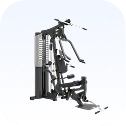
If you are looking to buy other fitness machines or accessories, look no further! Explore our range of fitness products like treadmills, elliptical cross trainers, exercise bikes, rowing machines, home gym, functional trainer, multi-station, power towers, smith machines, dumbbells, foosball tables, pool tables, and table tennis.


 0
0