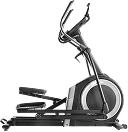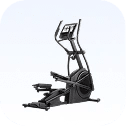




An elliptical trainer is one of the most valuable pieces of cardio equipment you can own. Whether it is used in a home gym, commercial fitness facility, hotel gym, wellness center, or corporate fitness space, an elliptical provides low-impact cardiovascular training that can support weight loss, endurance development, heart health, and overall fitness. However, like any machine with moving parts, an elliptical trainer requires regular maintenance to continue performing at its best.
Many people focus entirely on workouts and overlook equipment care until problems begin to appear. Squeaking noises, unstable movement, loose pedals, display issues, and resistance problems often develop gradually and could have been prevented through simple maintenance practices. Regular care not only keeps workouts smooth and enjoyable but also extends the lifespan of the equipment and reduces the likelihood of costly repairs.
The good news is that maintaining an elliptical trainer is neither complicated nor time-consuming. Small maintenance habits performed consistently can significantly improve reliability and performance over the long term.
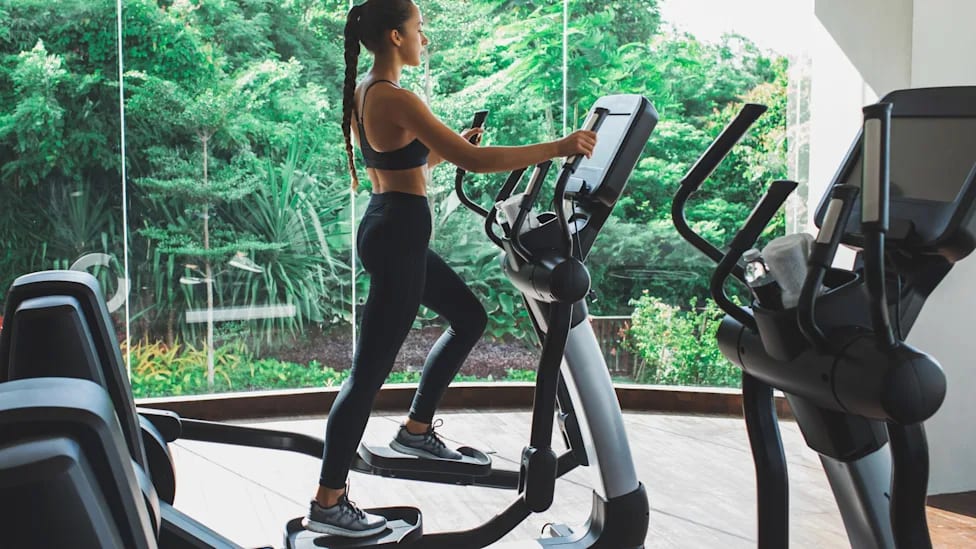
Why Elliptical Maintenance Matters
Every workout places stress on the components of an elliptical trainer. Pedals move repeatedly, joints rotate continuously, resistance systems operate under load, and electronic components remain active throughout the session. Over time, dust, sweat, and general wear can affect these systems. Proper maintenance helps prevent minor issues from becoming major problems. A machine that receives regular care typically performs more smoothly, operates more quietly, and lasts significantly longer than one that is neglected. Maintenance also improves user safety by ensuring that critical components remain secure and functional. For both home users and facility owners, maintenance should be viewed as an investment rather than an inconvenience.
Understanding How an Elliptical Works
Before discussing maintenance procedures, it helps to understand the basic structure of an elliptical trainer. Most elliptical machines consist of pedals, moving handlebars, a flywheel system, resistance mechanisms, rollers, bearings, electronic consoles, and structural frame components. These parts work together to create the smooth gliding motion that users experience during workouts. Because multiple systems interact continuously, even small maintenance issues can affect overall performance. A loose bolt, dirty track, or worn roller may seem insignificant initially but can eventually influence comfort and efficiency. Understanding how these components function helps users appreciate the importance of preventative maintenance.
Cleaning the Machine After Every Workout
One of the simplest maintenance practices is cleaning the elliptical after each use. Sweat contains moisture and salts that can gradually affect surfaces and components if left unattended. Wiping down the machine after workouts helps protect the frame, handlebars, console, and contact points from unnecessary wear. A soft cloth is usually sufficient for routine cleaning. Special attention should be given to frequently touched areas such as handlebars, resistance controls, and display panels. This simple habit takes only a few minutes but contributes significantly to long-term equipment preservation.
Preventing Dust Accumulation
Dust is one of the most common causes of performance issues in fitness equipment. Over time, dust can accumulate around moving parts, cooling vents, resistance systems, and electronic components. Excessive dust buildup may affect airflow, increase friction, and contribute to premature wear. Regularly cleaning the surrounding workout area helps minimize dust accumulation. Vacuuming around the machine and gently removing dust from accessible surfaces can improve both cleanliness and performance. Maintaining a clean environment supports the overall health of the equipment.
Also Read: Elliptical vs Treadmill: Which Cardio Machine Is Better for Your Fitness Goals?
Inspecting Bolts and Fasteners
Every workout generates movement and vibration throughout the machine. Although elliptical trainers are designed for repeated use, fasteners can gradually loosen over time. Periodic inspections help identify loose bolts, screws, and connections before they create larger problems. Checking hardware regularly ensures that structural components remain secure and stable. A machine that feels solid and stable not only performs better but also provides greater confidence during workouts.
Monitoring Pedal Condition
Pedals experience continuous use and should be inspected periodically. Users should look for signs of excessive wear, looseness, or unusual movement patterns. Pedals that feel unstable or make unusual noises may indicate the need for adjustment or maintenance. Maintaining pedal integrity helps preserve proper biomechanics and contributes to a more comfortable workout experience. Because every stride depends on pedal movement, this area deserves regular attention.
Keeping Moving Parts Operating Smoothly
Smooth movement is one of the defining characteristics of an elliptical trainer. If movement begins to feel rough, inconsistent, or noisy, it may indicate that certain components require inspection. Rollers, bearings, joints, and pivot points should be checked periodically to ensure they continue functioning correctly. Addressing minor issues early often prevents more significant problems from developing later. Users should pay attention to any changes in movement quality and investigate unusual sensations promptly.
Listening for Unusual Noises
An elliptical trainer typically operates quietly. New noises such as squeaks, clicks, grinding sounds, or rattling may indicate maintenance needs. These sounds often provide early warning signs of developing issues. Rather than ignoring unusual noises, users should identify the source and address the underlying cause. Early intervention frequently prevents additional wear and reduces repair costs. Paying attention to how the machine sounds can be just as important as observing how it feels.
Protecting the Console and Electronics
Modern elliptical trainers often include sophisticated electronic systems that track performance and control workout settings. These components should be treated carefully to ensure reliable operation. Avoid exposing consoles to excessive moisture and clean display surfaces gently using appropriate materials. Protecting electronic systems helps preserve functionality while reducing the likelihood of operational issues. Because consoles often serve as the primary interface between the user and the machine, maintaining their condition is especially important.
Why Proper Placement Matters
Equipment placement can influence both performance and longevity. An elliptical trainer should be positioned on a stable, level surface. Uneven flooring may create unnecessary stress on the frame and moving components. Adequate spacing around the machine also improves airflow and simplifies routine cleaning. Choosing an appropriate location contributes to smoother operation and better long-term performance.
Maintaining Resistance Performance
Resistance systems play a central role in workout effectiveness. Users should monitor resistance behavior and ensure that changes occur smoothly and consistently. Resistance levels that feel inconsistent or unresponsive may require inspection. Maintaining proper resistance functionality helps preserve workout quality while supporting progressive training. Reliable resistance adjustments ensure that users can continue challenging themselves as fitness improves.
Home Elliptical Trainers
Home elliptical trainers often receive moderate but consistent usage. Because they are frequently used by family members with different fitness levels, maintenance becomes important for preserving long-term reliability. Home users should establish simple maintenance routines that include cleaning, hardware inspections, dust removal, and performance monitoring. These practices require minimal time yet significantly improve equipment longevity. Because residential equipment often remains in service for many years, preventative maintenance can provide substantial long-term value.
Maintaining a Home Elliptical Efficiently
A practical maintenance schedule for home users might involve wiping down the machine after each workout, performing visual inspections weekly, and conducting more detailed checks monthly. This routine helps identify small issues before they develop into major concerns. Consistency is more important than complexity. Simple maintenance habits performed regularly often produce the best results.
Commercial Elliptical Trainers
Commercial elliptical trainers operate under much heavier workloads. In gyms, hotels, corporate wellness centers, and sports facilities, machines may be used continuously throughout the day by users of varying sizes and fitness levels. Because of this intensive usage, commercial equipment requires more frequent inspections and maintenance procedures. Facility operators should prioritize preventative care to maximize equipment availability and reduce unexpected downtime.
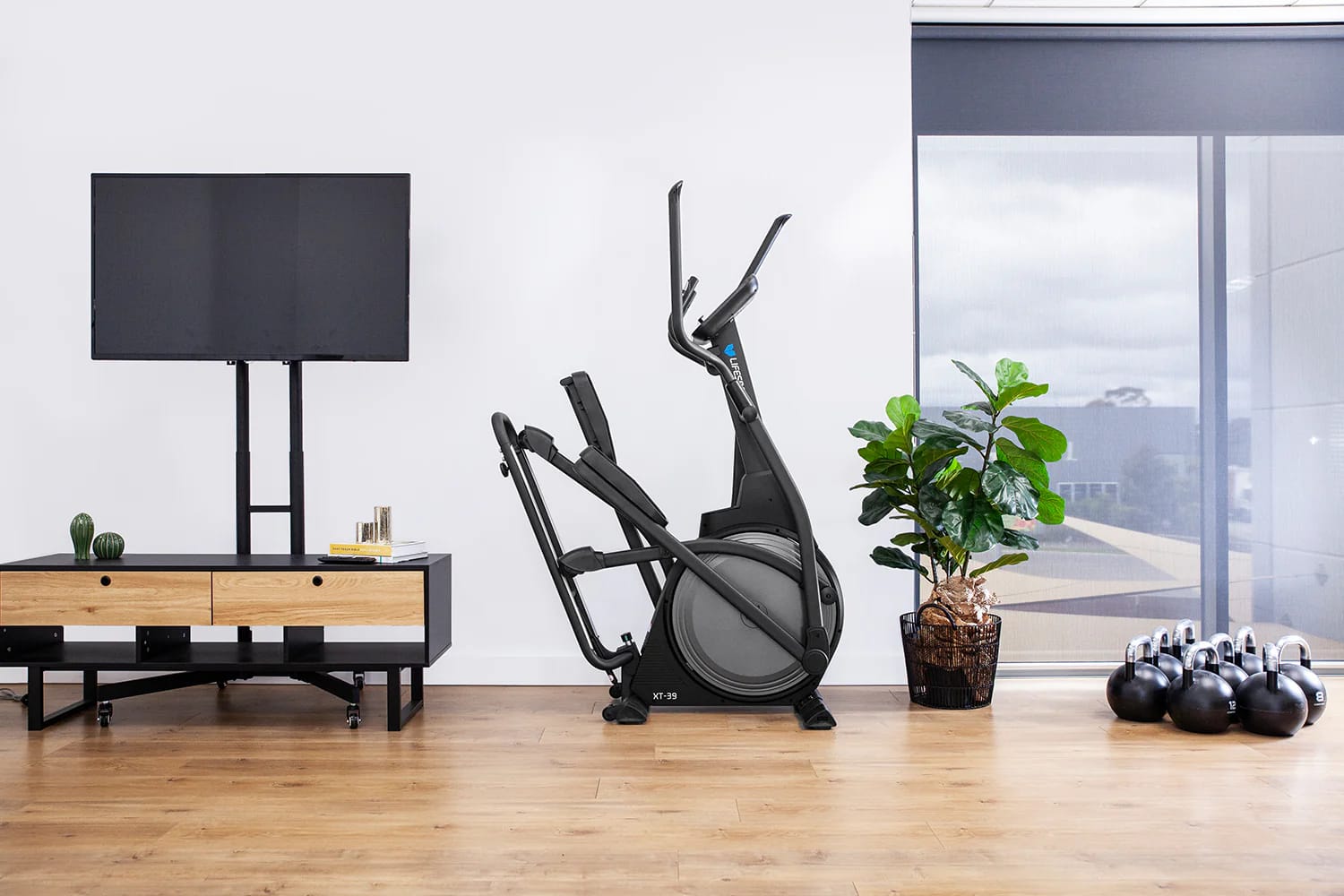
Maintaining Commercial Equipment
Commercial environments benefit from structured maintenance programs. Regular inspections, cleaning schedules, hardware checks, and performance evaluations help ensure that machines remain safe and reliable. A proactive maintenance approach often reduces repair costs while improving user satisfaction. For facilities managing multiple machines, maintenance consistency becomes especially important.
Why Preventative Maintenance Saves Money
Many equipment failures begin as minor issues. A small noise, slightly loose component, or minor performance change may seem insignificant initially. However, ignoring these warning signs often leads to larger and more expensive repairs. Preventative maintenance helps identify issues early, reducing the likelihood of extensive damage. Investing a small amount of time in regular care can often prevent substantial repair expenses later.
Creating a Maintenance Schedule
The most effective maintenance plans are simple and consistent. Rather than waiting for problems to appear, users should establish regular maintenance intervals. Daily cleaning, weekly inspections, monthly performance checks, and periodic professional servicing create a balanced maintenance strategy. Having a schedule removes uncertainty and ensures that important tasks are not overlooked. Consistency remains the key to long-term equipment reliability.
Extending Equipment Lifespan
A well-maintained elliptical trainer can remain reliable for many years. Proper cleaning, routine inspections, prompt issue resolution, and responsible usage all contribute to equipment longevity. Machines that receive consistent care typically deliver smoother performance, fewer interruptions, and greater overall value throughout their lifespan. For both homeowners and facility managers, extending equipment lifespan represents one of the greatest benefits of maintenance.
Why Regular Maintenance Improves Workout Quality
Many people only think about maintenance when something goes wrong. However, regular maintenance is one of the easiest ways to improve the overall workout experience. A clean and properly maintained elliptical trainer feels smoother, quieter, and more responsive during every session. Resistance changes occur more accurately, pedal movement feels more natural, and users can focus entirely on their workouts instead of being distracted by unusual sounds or mechanical issues. When equipment performs consistently, motivation often improves because every workout feels comfortable and reliable.
How Sweat Can Affect Your Elliptical Over Time
Sweat is a natural part of exercise, but it can gradually affect fitness equipment if not cleaned properly. Moisture can settle on handlebars, consoles, frame components, and moving parts. Over time, this may contribute to wear and reduce the appearance of the machine. Wiping down the elliptical after every workout helps preserve surfaces and keeps the equipment looking newer for longer. This simple habit takes only a few minutes but can significantly extend the machine's lifespan and maintain a cleaner workout environment.
Why Keeping the Rails Clean Is Important
Many elliptical trainers use rollers that travel along rails during workouts. Dust, dirt, pet hair, and debris can accumulate on these surfaces over time. When buildup occurs, movement may become less smooth and additional stress can be placed on the rollers. Cleaning the rails regularly helps maintain consistent motion and reduces unnecessary wear. A clean rail system allows the machine to operate efficiently while preserving the comfortable gliding motion that makes elliptical training so appealing.
Checking Moving Components Regularly
Every elliptical trainer contains multiple moving components that work together throughout each workout. These include pedals, arms, rollers, joints, and resistance mechanisms. Regular inspections help identify unusual wear before it develops into a larger issue. Users should pay attention to changes in movement quality, unexpected noises, or parts that appear loose. Catching these issues early often prevents more expensive repairs and helps maintain workout quality.
Read: Abu Dhabi Inspires Initiatives
Why Stability Should Never Be Ignored
A stable elliptical trainer provides a safer and more comfortable workout experience. If the machine begins to wobble or shift during use, users may lose confidence and alter their movement patterns. This can affect both comfort and performance. Regularly checking the machine's position and ensuring it remains level helps preserve stability. If the floor surface changes or the equipment is moved, stability should be reassessed to ensure the machine continues operating correctly.
Protecting the Resistance System
The resistance system is one of the most important parts of any elliptical trainer. It determines workout difficulty and allows users to progress as fitness improves. If resistance changes become inconsistent or unresponsive, workouts may feel less effective. Paying attention to resistance performance helps identify potential issues early. A properly functioning resistance system ensures that users can continue challenging themselves and making progress toward their fitness goals.
The Importance of Monitoring Workout Feel
One of the easiest ways to identify maintenance needs is simply paying attention during workouts. An elliptical trainer usually provides smooth and predictable movement. If the machine begins feeling different, such as becoming rougher, noisier, or less responsive, it may indicate that maintenance is needed. Users should trust these observations rather than assuming changes are normal. Early action often prevents larger mechanical issues from developing.
Why Cleaning the Console Matters
The console serves as the command center of the elliptical trainer. It displays workout information, allows resistance adjustments, and often tracks performance metrics. Because users frequently touch buttons and controls, dirt and sweat can accumulate over time. Keeping the console clean helps preserve responsiveness and improves visibility. A well-maintained console enhances the user experience and ensures accurate workout tracking.
Maintaining Comfortable Handlebar Movement
Handlebars play an important role in creating the full-body workout experience that elliptical trainers provide. Smooth handlebar movement contributes to overall comfort and workout efficiency. If handlebars begin feeling stiff, loose, or uneven, users may alter their movement patterns to compensate. Regular inspections help ensure that upper-body movement remains comfortable and natural throughout every workout session.
Why Preventative Maintenance Is Better Than Repairs
Many equipment owners wait until something breaks before taking action. While repairs may eventually solve the problem, preventative maintenance often prevents issues from occurring in the first place. Regular cleaning, inspections, and performance checks require far less time and money than major repairs. A preventative approach helps protect the investment while ensuring that the equipment remains available whenever needed.
Home Elliptical Maintenance Strategies
Home elliptical trainers often experience moderate but consistent usage. Because they may be used by multiple family members, maintenance should become part of the overall ownership routine. Home users benefit from developing simple habits such as cleaning after workouts, inspecting the machine weekly, and performing more detailed checks every month. These small efforts help preserve performance and reduce long-term ownership costs.
Why Home Users Should Create a Maintenance Routine
Many homeowners remember maintenance only when something feels wrong. Creating a structured routine helps eliminate this problem. A schedule might include wiping down the machine after each workout, checking for loose hardware weekly, and inspecting moving components monthly. Following a consistent routine makes maintenance easier and helps ensure that important tasks are not forgotten.
Commercial Elliptical Maintenance Requirements
Commercial environments place much greater demands on fitness equipment. Machines may be used continuously throughout the day by individuals with varying fitness levels, workout styles, and body sizes. This constant usage increases wear on components and makes regular maintenance even more important. Facility operators should perform inspections frequently and address issues immediately to maintain a safe and reliable workout environment.
Why Commercial Facilities Need Detailed Maintenance Programs
Unlike home users, commercial facilities often manage multiple pieces of equipment simultaneously. Without a structured maintenance plan, small issues can easily go unnoticed. Detailed maintenance programs help staff track inspections, cleaning schedules, and performance evaluations. This organized approach reduces equipment downtime and helps maintain a high-quality experience for members and guests.
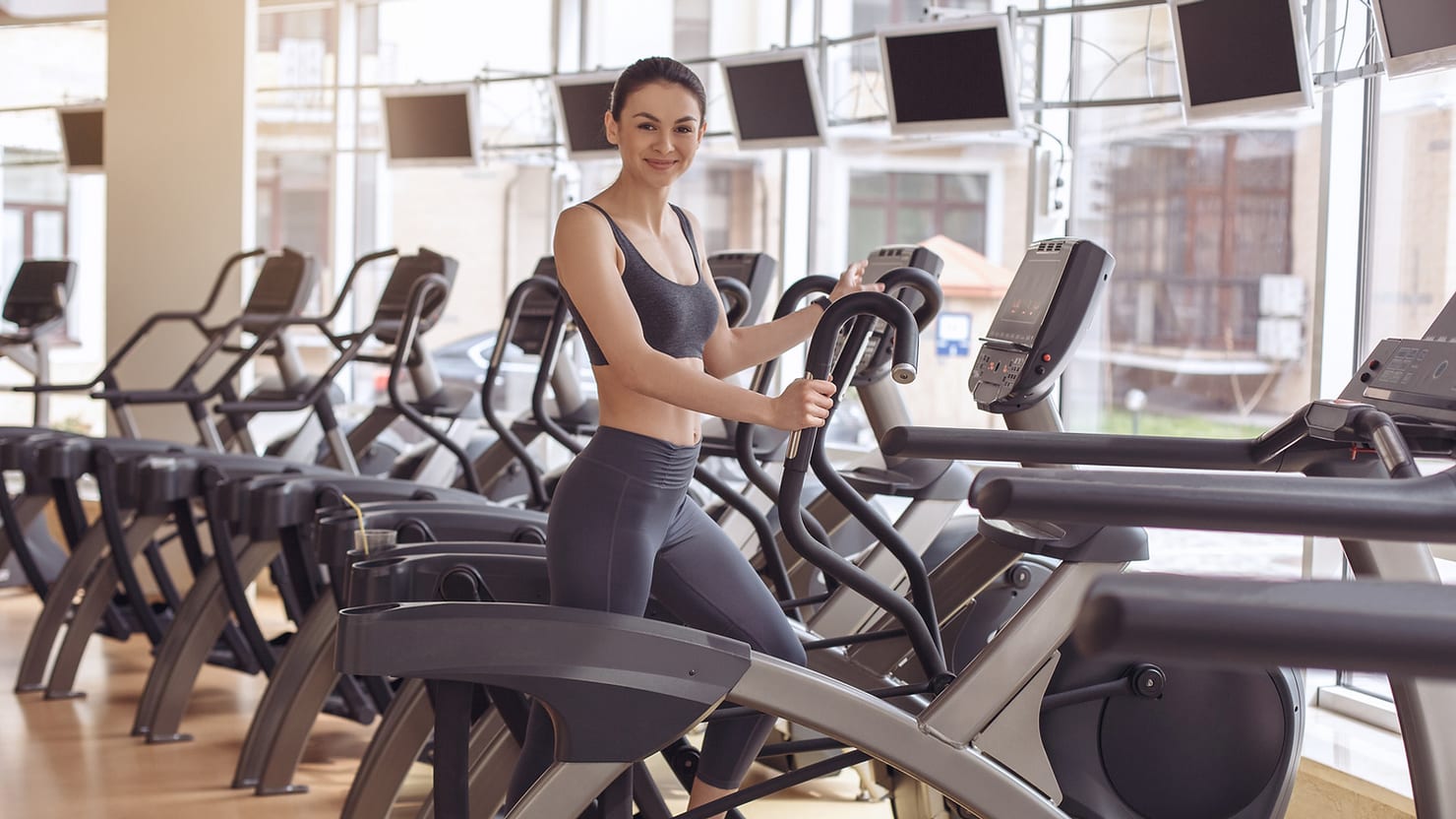
Managing High-Traffic Equipment Efficiently
High-traffic elliptical trainers require special attention because they accumulate wear more quickly than lightly used machines. Components experience more movement cycles, surfaces encounter more contact, and electronic systems operate for longer periods. Frequent inspections help ensure that these machines continue performing reliably despite intensive usage. Facilities that prioritize preventative maintenance often experience fewer disruptions and lower repair costs.
How Proper Storage Conditions Affect Equipment Life
Environmental conditions can influence equipment longevity. Excessive humidity, dust, direct sunlight, and temperature fluctuations may affect both electronic and mechanical components over time. Keeping an elliptical trainer in a clean, climate-controlled environment helps preserve its condition. While most modern machines are designed to be durable, protecting them from unnecessary environmental stress can significantly extend their lifespan.
Why User Education Matters
Maintenance is not solely the responsibility of owners and facility managers. Users also play a role in preserving equipment. Understanding proper usage techniques, respecting weight limits, cleaning surfaces after workouts, and reporting unusual issues all contribute to equipment longevity. Educated users help reduce unnecessary wear and support a safer workout environment for everyone.
The Connection Between Maintenance and Safety
Safety should always be a priority when using fitness equipment. Loose hardware, unstable components, and neglected maintenance issues can create risks for users. Regular inspections help identify potential safety concerns before they become serious. A properly maintained machine not only performs better but also provides greater confidence and peace of mind during workouts.
Why Small Maintenance Tasks Create Big Benefits
Many maintenance tasks seem insignificant when viewed individually. Wiping down surfaces, checking bolts, cleaning rails, and inspecting pedals may appear minor. However, their combined effect can be substantial. These simple actions help preserve performance, extend equipment lifespan, reduce repair costs, and improve workout quality. Over the years, small maintenance efforts often provide significant returns.
Long-Term Value Through Consistent Care
An elliptical trainer is a long-term fitness investment. Whether used for weight management, cardiovascular health, endurance training, or general wellness, it should continue delivering reliable performance for many years. Consistent maintenance protects this investment by minimizing wear and maximizing functionality. Users who care for their equipment regularly often enjoy smoother workouts, fewer interruptions, and greater overall satisfaction.
Making Maintenance Part of Your Fitness Routine
The easiest way to maintain an elliptical trainer is to treat maintenance as part of the workout process. Just as warming up and cooling down support physical performance, cleaning and inspecting the machine support equipment performance. Spending a few minutes after each workout on basic care can dramatically improve long-term reliability. When maintenance becomes a habit, it requires very little effort while providing substantial benefits over the life of the machine.
Conclusion
Maintaining an elliptical trainer does not require advanced technical expertise. Simple practices such as regular cleaning, dust prevention, hardware inspections, pedal monitoring, resistance checks, and prompt attention to unusual noises can dramatically improve equipment performance and longevity.
Whether used in a home gym or a commercial fitness facility, an elliptical trainer represents a valuable investment in health and wellness. Protecting that investment through consistent maintenance ensures smoother workouts, reduced repair costs, improved reliability, and years of dependable service. By making maintenance a regular part of equipment ownership, users can continue enjoying safe and effective workouts while maximizing the value of their elliptical trainer.
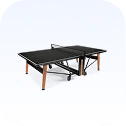
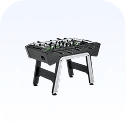
If you are looking to buy other fitness machines or accessories, look no further! Explore our range of fitness products like treadmills, elliptical cross trainers, exercise bikes, rowing machines, home gym, functional trainer, multi-station, power towers, smith machines, dumbbells, foosball tables, pool tables, and table tennis.


 0
0