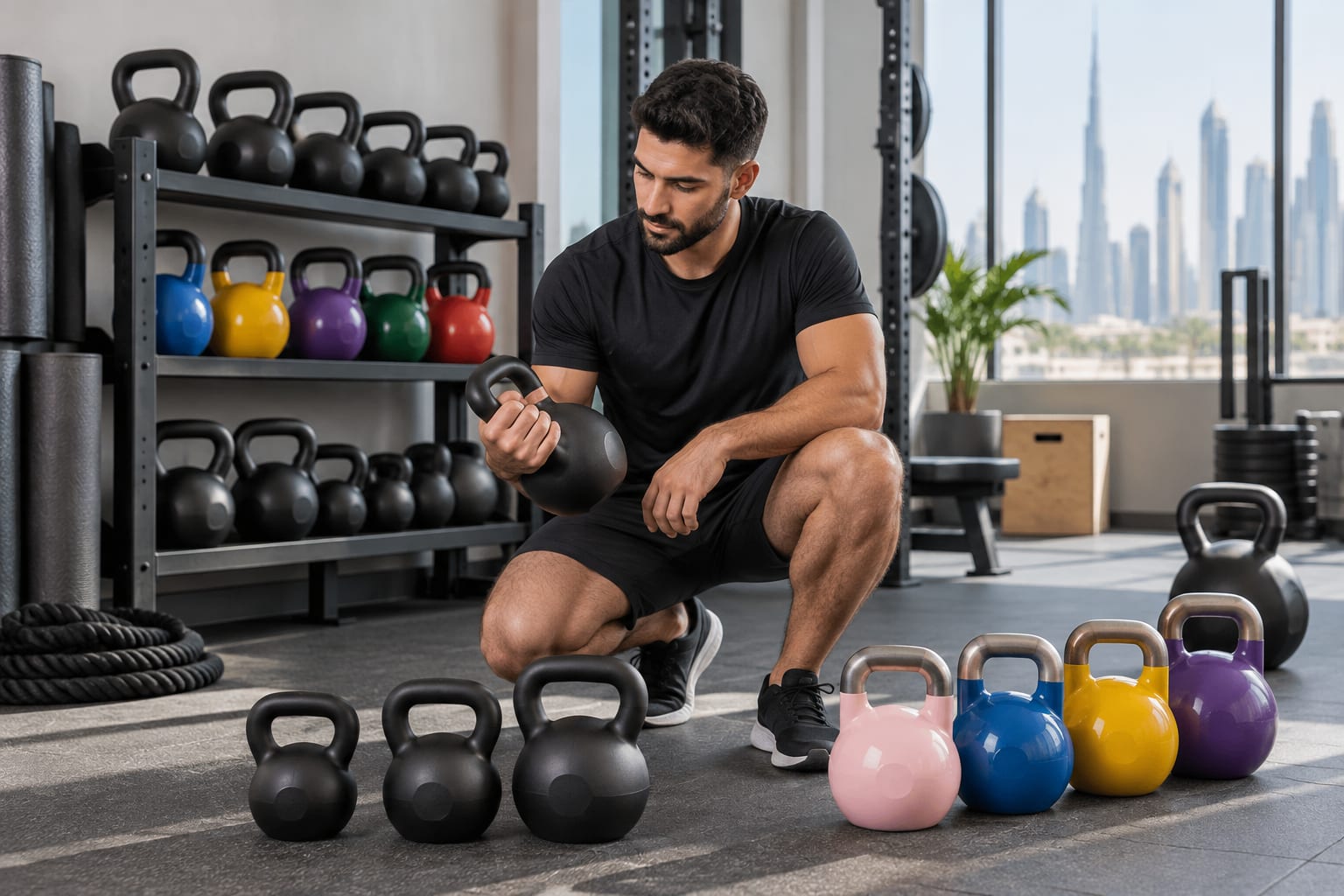
Kettlebells are one among the simple pieces of equipment one can add to their daily dose of workouts. Their biggest advantage is their small size and the variety of exercise options they offer. The equipment is mostly used for strength training and conditioning workouts. The challenge, however, is to choose the right kettlebell.
Like other equipment, kettlebells, too, are available in varied types, sizes, and handle shapes. The right choice for a person depends on whether he/she is setting up a home gym, a personal training studio or a commercial gym.
If you are planning to buy kettlebells, it is worth looking beyond just the weight aspect. Make sure the handle should feel comfortable, it should suit the exercises you intend to do, and you should have enough space to use and store it safely.
This blog touches upon some of the factors like starter weights, handle feel, sets, storage, space, delivery, installation and product availability that you need to consider before making a purchase.
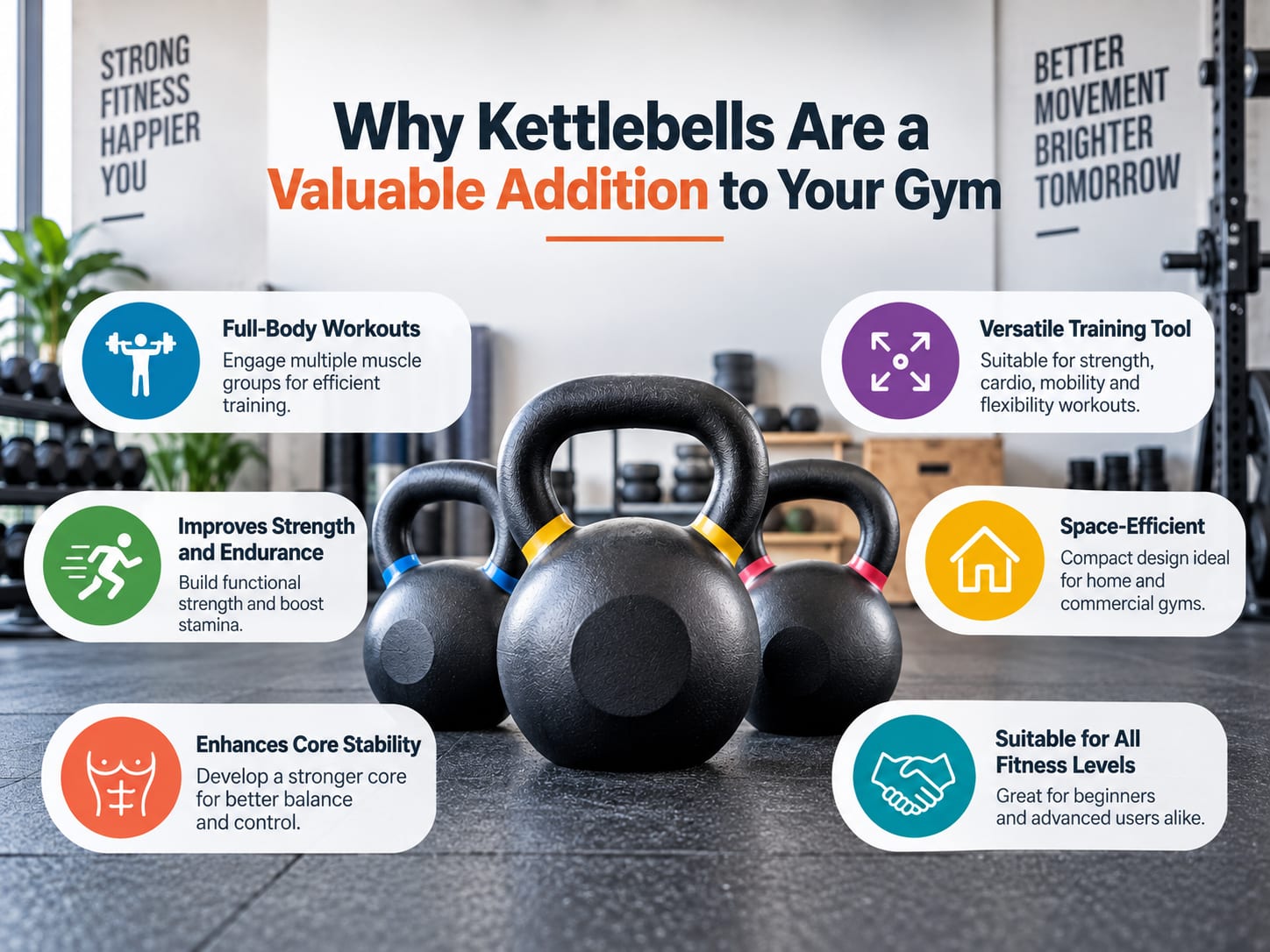
Why Kettlebells Are a Valuable Addition to Your Gym
Kettlebells are quite useful for any fitness freak because even one piece of equipment can be used for several exercises. You may use them for swings, squats, lunges, presses, rows, carries, deadlifts and a wide range of full-body movements. This is in addition to warm-ups, conditioning sessions and strength training.
As kettlebells require only small floor space unlike many large machines, this is one of the first choices of people, especially for home gyms and smaller training areas.
When it comes to commercial gyms, having a good selection of kettlebells allows people with different fitness levels to choose a suitable weight. Personal trainers also make use of them for individual and group sessions. The important part is choosing a range that matches the people who actually use your gym.
Cast Iron vs Competition Kettlebells: Key Differences Compared
One of the first things you notice while trying to choose kettlebells of your choice is the difference between traditional cast iron kettlebells and competition-style kettlebells.
Cast Iron Kettlebells
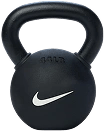
These are the familiar ones found in most of the gyms. They are available in a wider range of shapes and sizes depending on the manufacturer and weight. Their main advantage is versatility and they work well for strength training, swings, squats, carries and many other movements.
Their handles have a shape and thickness that feels natural for general fitness use. For a home gym or a general-purpose commercial gym, cast iron kettlebells are often a practical starting point.
Competition Kettlebells
Competition kettlebells are designed with a more standardised shape. The handle is more uniform, which can be useful for athletes who regularly practise kettlebell sport movements. They can be a good choice when consistent technique and handling are important.
When it comes to choosing between cast iron and competition kettlebells, the right option always depends on how you are planning to use the equipment.
You may go with cast iron if your purpose is general fitness and strength training. Competition kettlebells make sense if you are training people specifically for kettlebell sport.
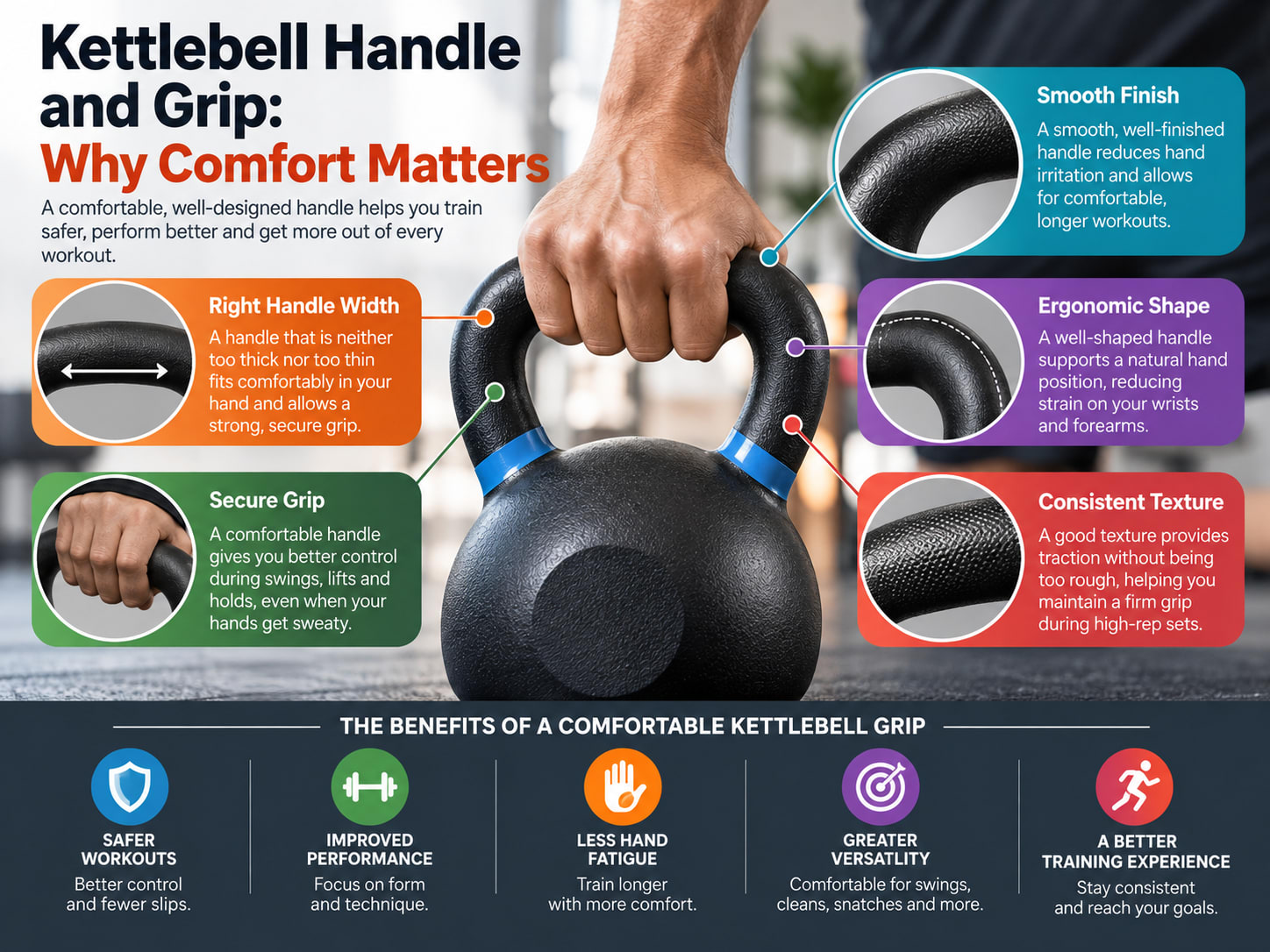
Kettlebell Handle and Grip: Why Comfort Matters
The handle is one of the most important parts of a kettlebell because you will be holding it during every exercise. Needless to say, a handle that feels too thick can become uncomfortable, especially during longer workouts. Similarly, a handle that is too thin may not feel secure for certain movements.
It is advisable to pay attention to the handle shape and aspects like diameter, surface finish and the amount of space between the handle and the body of the kettlebell. For exercises like swings, cleans and snatches, you may need a handle that allows your hand to move comfortably.
A smooth finish can make the kettlebell easier to handle, but extremely smooth surfaces may not feel ideal when your hands become sweaty. At the same time, a rough finish may create discomfort or irritation during high-repetition workouts.
If possible, try using the kettlebell before buying it. Hold it with one hand and two hands. Try the position you would use for a swing or squat. A few seconds of testing can tell you a lot about whether the handle feels right.
What Kettlebell Weight Should Beginners Start With?
There is no universal starter weight that works for everyone. Your choice should depend on your strength, training experience, the exercise you are performing and whether you are buying for yourself or for several users.
For beginners, it is better to start with a manageable weight and learn the correct movement before moving heavier. For example, a kettlebell that feels suitable for a goblet squat may not feel equally suitable for a high-repetition swing or overhead press.
This is why buying only one heavy kettlebell is not a good idea. A better approach for a home gym may be to have a couple of different weights that allow you to perform both lighter and heavier movements.
For a commercial gym, the range should be broader because people will have different levels of strength and experience. It is recommended to keep in mind the below questions. These thoughts will make the buying decision easier.
Who is going to use it?
What exercises will they perform?
Is it for strength, conditioning or both?
Will beginners and experienced users share the same equipment?
Do I have enough space for a full range of weights?
Individual Kettlebells vs Kettlebell Sets: Which Should You Buy?
This depends on your training needs and available space. Buying individual kettlebells can make sense if you already have some weights and only need to add one or two more.
For example, you may start with a lighter kettlebell and later add a heavier one as your strength improves. A kettlebell set is usually more useful when you are setting up a complete home gym or commercial training area. A range of weights gives users more flexibility and allows them to progress over time.
Sets can also make the gym look more organised when they are stored properly. Before buying a set, however, check the weight progression. There is little benefit in buying several kettlebells if the gaps between weights are too large or if some weights are unlikely to be used.
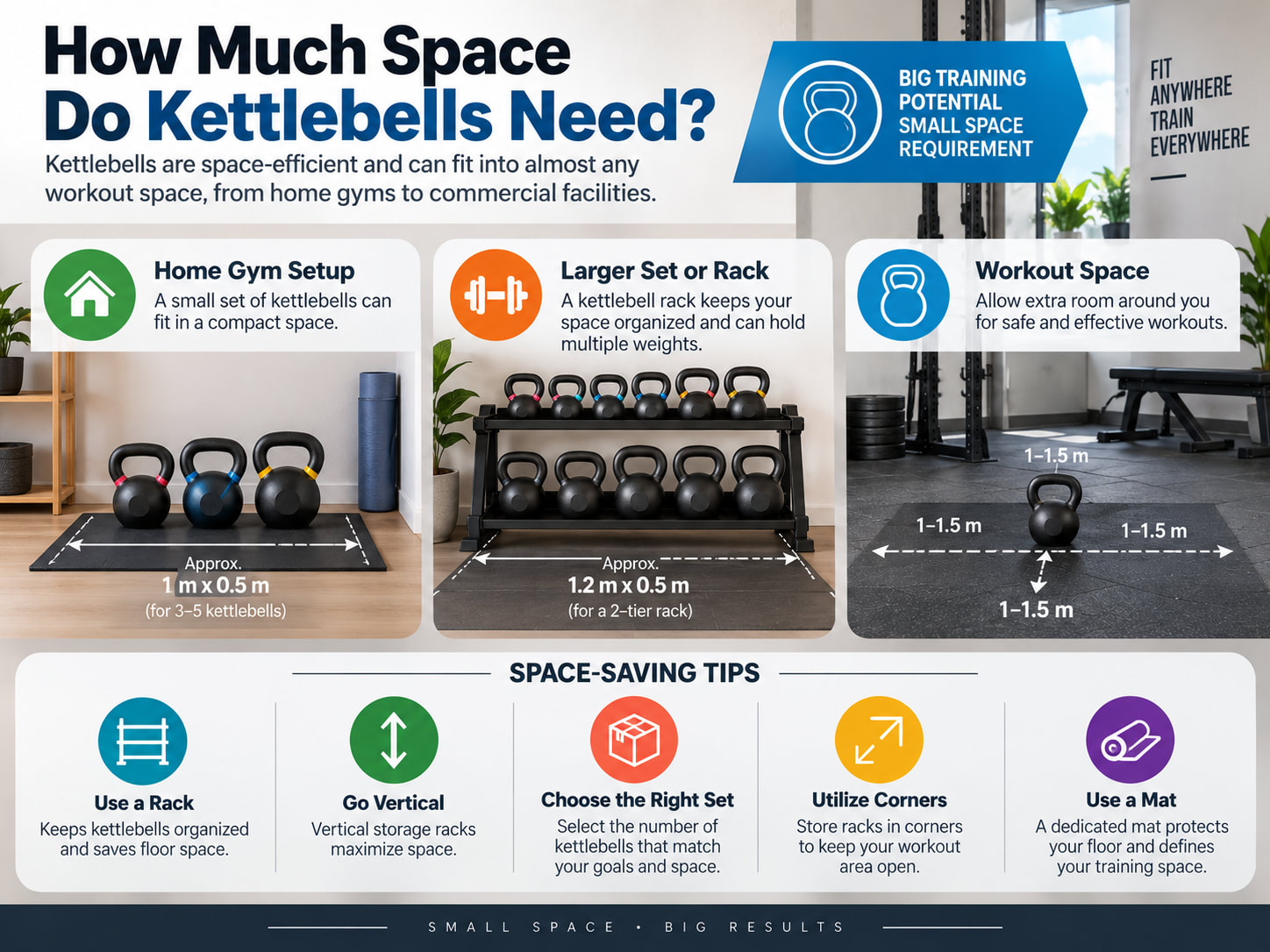
How Much Space Do Kettlebells Need?
Kettlebells do not require much storage space. Having said that, the bigger consideration is the space needed to use them safely.
A kettlebell swing, for example, needs more space than a simple curl or stationary exercise. You need enough space around the user so that the kettlebell can move freely without hitting equipment, walls or another person.
For a home gym, measure the workout area before buying a large set. Do not only measure the corner where you plan to store the kettlebells. Think about the actual training space.
For commercial gyms, kettlebells should ideally be placed in a dedicated free-weight or functional training area. This keeps them accessible without creating unnecessary obstacles around machines and walkways. A small rack or storage stand can also help keep the floor clear.
Kettlebell Storage Solutions: How to Keep Your Gym Organised
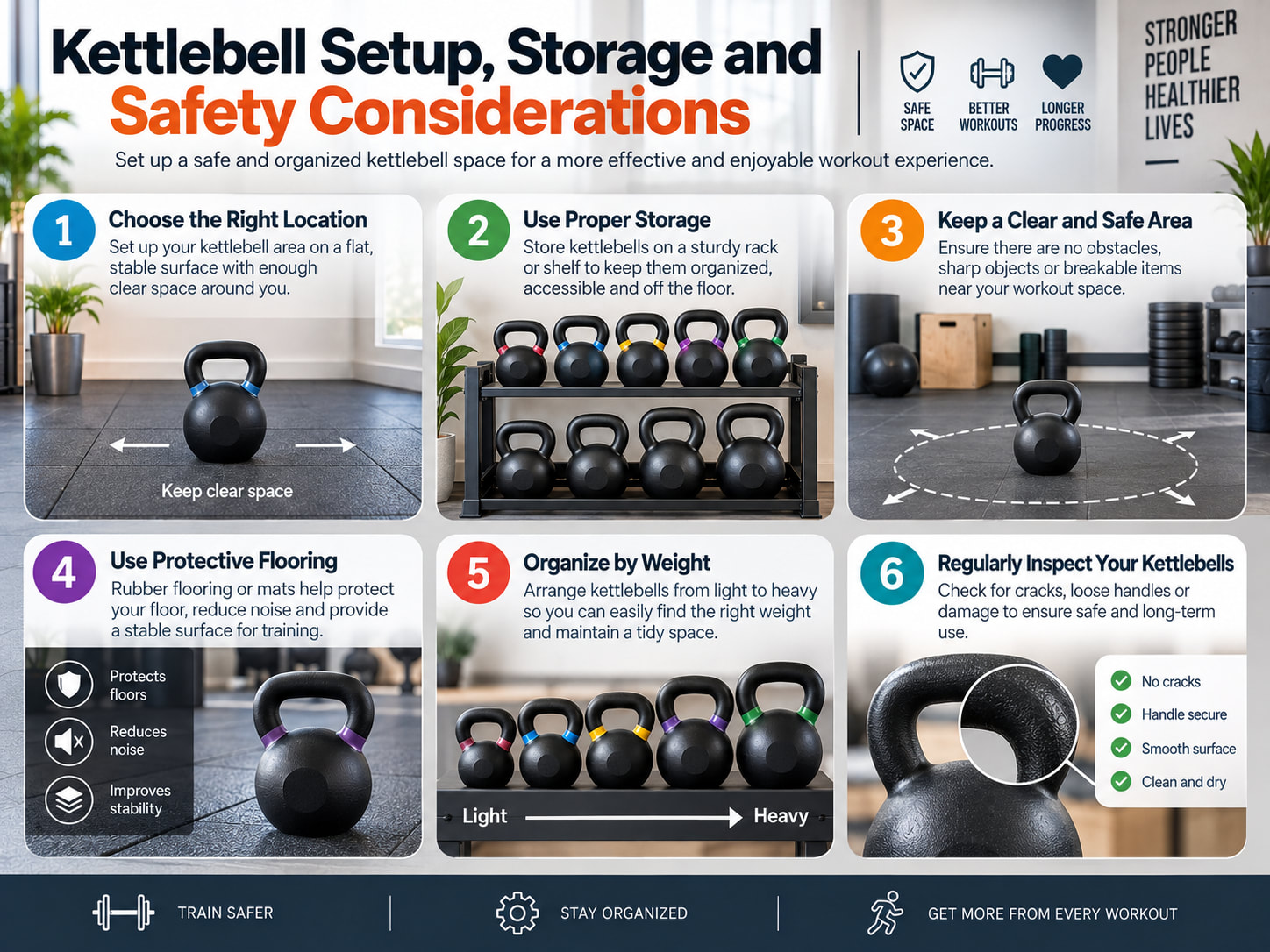
Once you have several kettlebells, leaving them on the floor can quickly make the training area look untidy. A proper storage solution makes it easier for users and trainers to find the weight they need. It can also reduce the chance of someone tripping over equipment.
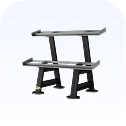
For a home gym, a compact kettlebell rack may be enough. But for commercial gyms, choose storage based on the number of kettlebells you have and how often they are used. A stronger, well-organised rack can make a noticeable difference in a busy training area.
Keep heavier kettlebells on a stable, suitable storage level and make sure the rack is placed where users can access it safely. Experts suggest that storage should be considered before making the purchase, not after the gym becomes crowded.
Kettlebell Delivery and Handling: What Buyers Should Know
Buying gym equipment involves more than selecting the product online or from a showroom. Delivery is an integral part of the planning process, especially when buying several kettlebells or a complete set.
Kettlebells are heavy, and a large order can add considerable weight to a delivery. Before placing an order, check whether the delivery service covers your location and whether there are any access requirements.
For home gyms, think about lifts, stairs, narrow entrances and the location where the equipment will be used. For commercial gyms, delivery planning becomes even more important. The equipment may need to reach a specific floor, training area or storage room.
If you are ordering a large quantity, it is useful to discuss delivery arrangements with the supplier well in advance.
Kettlebell Setup, Storage and Safety Considerations
Unlike treadmills, strength machines or cable machines, kettlebells do not normally require complicated installation. You simply need to unpack them, check for the quality and place them in a proper storage area.
However, the storage system you choose may require assembly or installation. If you are setting up a commercial gym with several pieces of equipment, it can be useful to plan kettlebell storage alongside the rest of the gym layout.
This becomes really important when space is limited. The planning should be in such a way that kettlebells become easy to access, easy to return and positioned without blocking other equipment.
How to Check Kettlebell Stock and Availability Before Buying?
Product availability is another factor worth checking before you finalise your kettlebell selection. You may have a particular weight, style or finish in mind, but availability can vary between suppliers and product ranges.
If you are setting up a complete gym, consistency is really important. You may want the kettlebells to have the same handle style and finish across the weight range.
For commercial gyms, check availability before designing the entire weight range around one product. If you need several weights or larger quantities, confirm what is currently available and how additional units can be sourced later.
How to Select Kettlebells for Home Workouts
Home gyms often have one major limitation: space. You may not have room for a large collection of weights, so each kettlebell should have a clear purpose.
Start by identifying the exercises you want to perform. If your prime focus is general strength and conditioning, a small selection of useful weights may be enough.
Think about storage at the same time. A compact rack or a designated storage area can keep your workout space clear. If more than one person is getting trained at home, choosing a wider range of weights may be useful than buying several kettlebells of the same weight.
Choosing the Best Kettlebells for a Commercial Gym
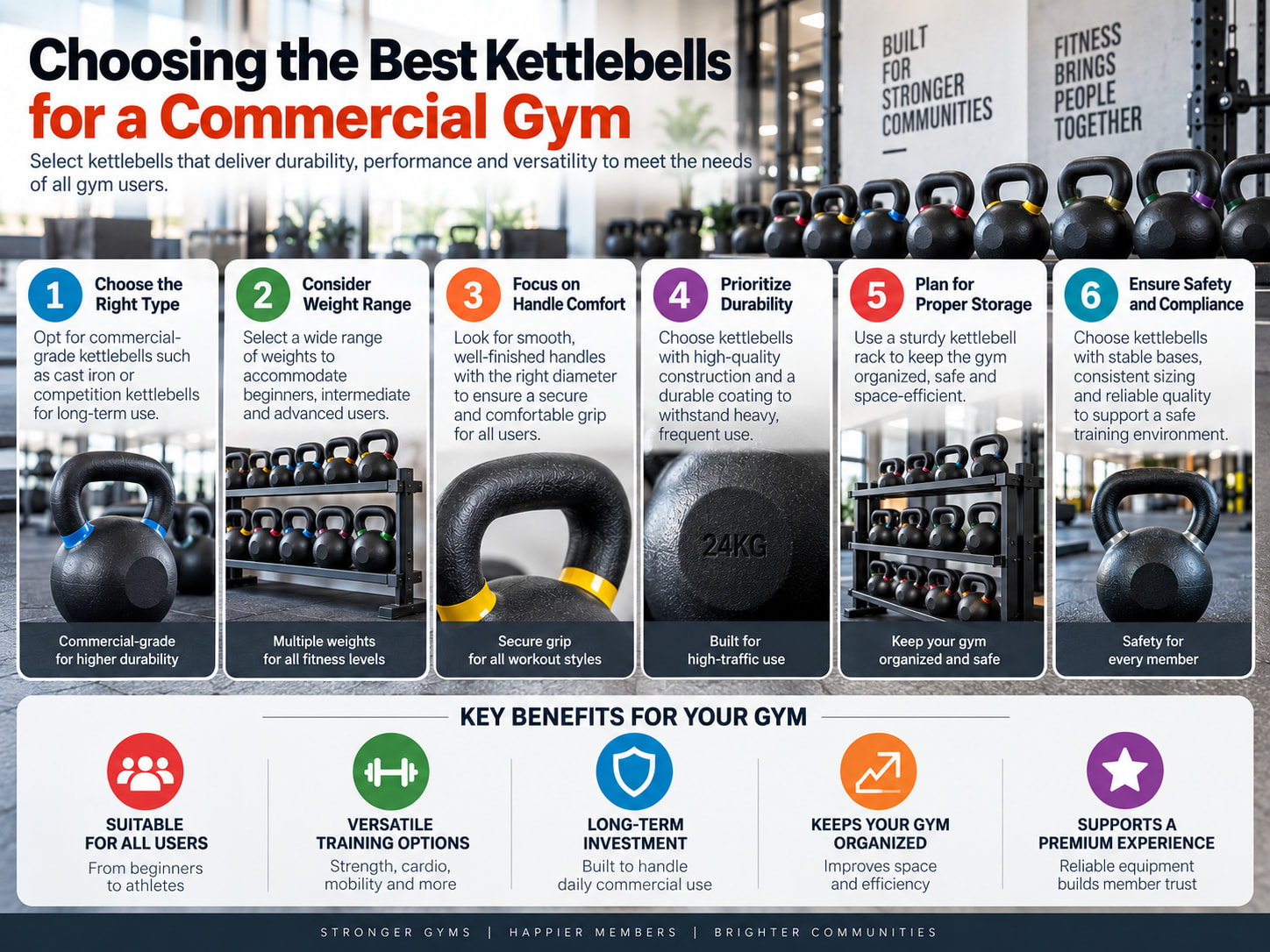
When it comes to commercial gyms, you need to think about durability, user variety and accessibility. As people in a private fitness centre will have different strength levels, a commercial kettlebell collection usually needs more weight options than a basic home setup.
The kettlebells should also be easy to identify and return to their storage area. You need to consider how much floor space is available and where the kettlebell section will be placed. A dedicated storage rack can help keep the area organised and make it easier for trainers and members to select equipment.
For a new gym, kettlebell selection should be part of the wider equipment plan. This helps you avoid buying too much equipment for the available space.
UAE fitness enthusiasts can visit Lifetime Fitness Store to find quality kettlebells and other gym equipment suited to their training goals, available space and budget, with a wide selection of superior-quality options for home and commercial gyms.
Kettlebell Buying Checklist: What to Consider Before You Buy
Before buying kettlebells, run through the following checklist:
Choose the type: Decide whether cast iron or competition-style kettlebells better suit your training.
Check the handle: Make sure the handle feels comfortable and gives you enough room for different exercises.
Select useful weights: Choose weights based on the users and exercises rather than buying the heaviest option available.
Plan storage: Make sure you have a safe and organised place to keep the kettlebells.
Measure your training area: Leave enough room for exercises such as swings and carries.
Check product availability: Confirm that the weights and styles you need are available, especially for larger gym projects.
Plan delivery: Consider access to your home, studio or commercial gym before ordering heavy equipment.
Think about future needs: Choose a range that can be expanded later if your gym grows.
Decide between individual weights and a set: A set gives you more variety, while individual kettlebells can be useful when adding to an existing collection.
Conclusion
Kettlebells are a simple, versatile and space-friendly equipment, but what finally matters is the right buying decision.
For most buyers, the best place to start is with the type of kettlebell, the feel of the handle and the weights that match the people using them. Consider whether you need individual kettlebells or a complete set, how much space you have, and how the equipment will be stored.
If you are setting up a commercial gym, look at delivery, installation requirements for storage, product availability and future expansion. For a home gym, you do not need a huge collection if you choose your weights carefully and use them for a range of exercises.
For a commercial gym, build a balanced range that works for beginners, regular members and experienced users. The right kettlebell is not necessarily the biggest, heaviest or most expensive one. It is the one that fits your training needs, feels comfortable to use and works well within your available space.
The right starting weight depends on your current strength, experience, exercise type and ability to maintain proper technique. Beginners should choose a manageable weight that allows controlled movements and good form before gradually progressing to heavier kettlebells.
Cast iron kettlebells typically increase in physical size as the weight increases, while competition kettlebells generally maintain a consistent external size across different weights. Competition models can provide a more consistent grip and movement pattern, while cast iron kettlebells are popular for general strength and home workouts.
Individual kettlebells can be practical when you only need a few specific weights or have limited space. A kettlebell set provides a wider range of weights and can be better suited to progressive training, multiple users and commercial gyms. Consider your budget, available space and training goals before choosing.
Consider the kettlebell type, weight range, handle diameter and comfort, construction, coating, available storage space and intended exercises. Buyers should also check product availability, delivery options, pricing and whether suitable racks or storage solutions are available.
Get a weekly dose of latest stories
and useful tips directly in your inbox!
Help Us Enhance Your Experience or Report a Website Problem!
We value your feedback! Let us know if there’s anything we can improve or if there’s a feature you’d love to see on our website.
Need Help? We're Here.
Our Fitness Experts Can Help With Products, Orders, Delivery And Installation





 Get a weekly dose of latest stories
and useful tips directly in your inbox!
Get a weekly dose of latest stories
and useful tips directly in your inbox!


 0
0






























 Price Match Guarantee
 Free Shipping
 Product Warranty
 After-Sale Support
 Have Coupon Code?
 You'll Save 0.00 On This Order
 Safe And Secure Payments. Easy Returns. 100% Genuine Products