


Bringing an elliptical trainer into your home is an exciting step toward creating a convenient and effective fitness space. Whether your goal is weight loss, endurance training, cardiovascular health, or maintaining an active lifestyle, having an elliptical trainer at home eliminates many of the barriers that prevent consistent exercise. However, before enjoying your first workout, proper assembly is essential.
Many people assume assembling an elliptical trainer is a complicated task reserved for technicians. While professional installation is always an option, understanding the assembly process helps homeowners ensure their equipment is set up correctly and safely. A properly assembled machine provides smoother movement, improved stability, better workout performance, and a longer equipment lifespan.
Why Proper Assembly Matters
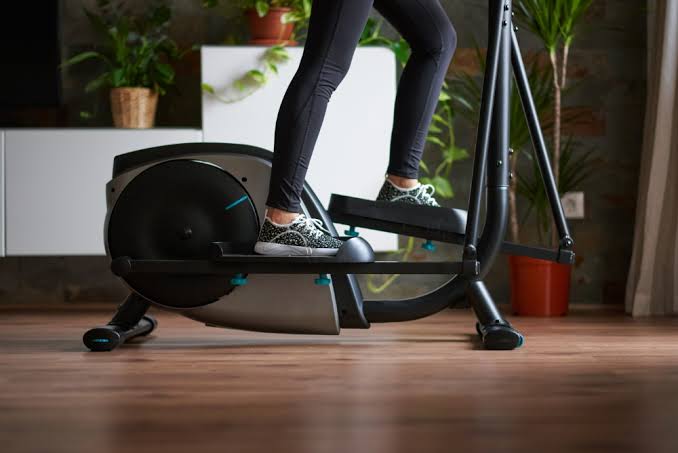
The performance of an elliptical trainer depends heavily on correct assembly. Even high-quality equipment can develop stability issues, unusual noises, or movement problems if components are installed incorrectly. Proper assembly ensures that all parts work together as intended and helps prevent unnecessary wear on the machine. Taking the time to assemble the trainer carefully creates a safer workout environment and reduces the likelihood of future maintenance issues.
Choosing the Right Location Before Assembly
Before opening the packaging, it is important to decide where the elliptical trainer will be placed. Because elliptical machines are large and heavy, moving them after assembly can be difficult. Select a location with enough space for safe operation and easy access. Leave adequate clearance around the machine so users can mount, dismount, and exercise comfortably. A flat and stable floor surface helps improve stability and ensures proper movement during workouts.
Unpacking the Equipment Carefully
The first step in assembly involves unpacking all components and organizing them properly. Most elliptical trainers arrive with multiple boxes or compartments containing frame sections, pedals, handlebars, consoles, hardware packs, and assembly tools. Carefully remove all packaging materials and inspect components for visible damage. Organizing parts before beginning makes the assembly process more efficient and reduces the likelihood of missing important pieces later.
Reading the Assembly Manual First
Many assembly mistakes occur because users skip the instruction manual. Every elliptical trainer has unique design features and assembly requirements. Reviewing the manual before beginning helps users understand the overall process and identify required tools, hardware, and assembly sequences. Spending a few minutes familiarizing yourself with the instructions can save significant time and frustration later.
Also Read: Elliptical vs Treadmill: Which Cardio Machine Is Better for Your Fitness Goals?
Preparing the Main Frame
The main frame serves as the foundation of the elliptical trainer. Most assembly processes begin by positioning the frame in its intended location. Because the frame supports all other components, it is important to ensure it sits level on the floor. Once positioned correctly, additional components can be attached according to the manufacturer's instructions. A stable foundation contributes significantly to overall workout quality and safety.
Installing the Stabilizers
Most elliptical trainers include front and rear stabilizers that improve balance and support. These components are typically attached to the main frame early in the assembly process. Proper installation helps prevent wobbling and creates a solid base for the machine. After attaching the stabilizers, check that all hardware is secure and that the machine rests evenly on the floor.
Attaching the Upright Support
The upright support connects the lower frame to the console and upper-body components. During installation, users should carefully align cables and connectors according to the instructions. Rushing this step can result in damaged wires or connection issues later. Proper alignment ensures that electronic components communicate correctly and that the console functions as intended.
Connecting the Console Cables
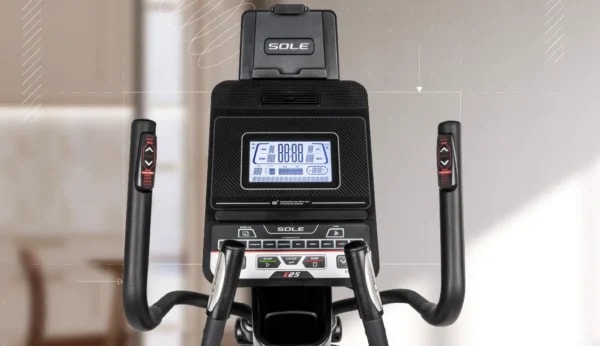
Modern elliptical trainers often include consoles that display workout data such as speed, distance, calories, heart rate, and resistance levels. Before mounting the console, users typically need to connect electronic cables routed through the frame. Care should be taken to avoid pinching or twisting wires during installation. Secure connections help ensure reliable console operation and accurate workout tracking.
Installing the Console
Once cables are connected, the console can usually be mounted onto the upright support. Proper installation ensures that the display remains stable and easy to view during workouts. After installation, users should verify that buttons, screens, and controls function correctly before continuing with the remaining assembly steps.
Attaching the Pedal Arms
Pedal arms are among the most important components of an elliptical trainer because they transfer user movement into the machine's motion system. These arms must be installed carefully and aligned properly. Incorrect installation can affect movement quality and create unnecessary stress on the machine. Once installed, users should verify that the arms move freely without obstruction.
Installing the Pedals
Pedals provide the platform on which users stand during workouts. Proper pedal installation helps ensure comfort, stability, and safety. Tightening hardware according to manufacturer specifications helps prevent movement issues while maintaining proper alignment. Secure pedals contribute to smoother workouts and reduce the likelihood of future adjustments.
Attaching the Moving Handlebars
One of the unique features of an elliptical trainer is its ability to engage both the upper and lower body. Moving handlebars play a major role in this process. During assembly, handlebars must be attached securely and aligned correctly. Proper installation helps ensure smooth movement and balanced upper-body engagement throughout workouts.
Installing Fixed Handlebars
Some elliptical trainers include fixed handlebars in addition to moving arms. These provide additional stability and often house heart-rate sensors. Proper installation ensures user comfort and reliable performance. Once installed, users should verify that all grips and contact points feel secure.
Checking All Hardware Connections
Before powering on the machine, it is important to review every bolt, screw, and fastener. Assembly hardware should be tightened according to the manufacturer's recommendations. Loose hardware can create stability issues and affect workout quality. Taking the time to perform a thorough inspection helps ensure safe operation.
Testing the Movement System
After assembly is complete, users should test the machine's movement without applying excessive force. Pedals, handlebars, and moving components should operate smoothly and quietly. Any unusual noises or resistance irregularities should be addressed before beginning regular use. Early testing helps identify assembly issues while they are still easy to correct.
Powering On the Machine
Once movement has been verified, the machine can be connected to power if required. The console should activate and display normal startup information. Users should test resistance controls, workout programs, and display functions to confirm proper operation. Ensuring all electronic systems work correctly helps prevent future frustrations.
Home Elliptical Setup Considerations
Home environments present unique challenges when assembling fitness equipment. Space limitations, flooring types, and room layouts should all be considered. Placing a protective mat beneath the elliptical can help reduce floor wear and improve stability. Proper positioning also allows for easier cleaning and maintenance. A thoughtful setup enhances both equipment performance and the overall workout experience.
Commercial Elliptical Installation Considerations
Installing a commercial elliptical trainer requires additional planning because these machines are typically larger, heavier, and designed for continuous use in gyms, hotels, corporate wellness centers, sports facilities, and fitness clubs. Before assembly begins, facility owners should ensure there is sufficient floor space, proper equipment spacing, and easy access for users moving around the gym floor. Commercial ellipticals should be positioned on stable surfaces and arranged to support smooth traffic flow throughout the facility. Because these machines experience significantly higher usage than home models, proper assembly is essential for maintaining stability, durability, and user safety. After installation, all components should be thoroughly tested, resistance systems verified, consoles checked, and movement patterns inspected to ensure the machine can handle heavy daily use. A correctly assembled commercial elliptical trainer provides a professional workout experience, reduces maintenance issues, improves member satisfaction, and helps maximize the long-term return on investment for the facility.
Why Professional Installation Can Be Helpful
While many homeowners successfully assemble elliptical trainers themselves, professional installation offers several advantages. Experienced technicians can often complete assembly more quickly while ensuring all components are installed correctly. Professional installation may be particularly valuable for larger or more complex models. Regardless of who performs the assembly, the goal remains the same: creating a safe and reliable machine that supports years of effective workouts.
Common Assembly Mistakes to Avoid
One common mistake is tightening bolts completely before all components are aligned. Another is skipping steps in the instruction manual. Some users also overlook cable routing, which can affect console functionality. Rushing through the assembly process increases the likelihood of errors. Taking a careful and methodical approach helps ensure successful setup and long-term equipment performance.
Post-Assembly Maintenance
Assembly is only the beginning of equipment ownership. Regular maintenance helps preserve performance and extend lifespan. Cleaning the machine, inspecting hardware, monitoring moving parts, and addressing unusual noises promptly all contribute to long-term reliability. Establishing maintenance habits early helps protect the investment and ensures consistent workout quality.
Preparing Your Home Gym Before Assembly
One of the most overlooked parts of assembling an elliptical trainer is preparing the workout space beforehand. Many people focus entirely on the machine itself and forget that the surrounding environment can affect both safety and performance. Before assembly begins, measure the available area carefully and compare it with the machine's dimensions. Remember that you need additional clearance around the elliptical for safe movement and maintenance access. A crowded workout space can make exercise uncomfortable and may limit the machine's range of motion. Creating a dedicated area for your elliptical trainer helps improve the overall workout experience and makes the equipment feel like a permanent part of your fitness routine.
Why Floor Protection Is Important
Elliptical trainers are heavy pieces of equipment that remain in the same location for long periods. Without proper floor protection, the machine may leave marks on certain flooring surfaces over time. Using a protective mat beneath the elliptical helps distribute weight more evenly and protects flooring from wear. A mat can also help reduce vibrations and create a more stable workout environment. This simple addition not only protects your home but also contributes to the longevity of the equipment itself.
Organizing Hardware Before You Begin
Assembly becomes much easier when all hardware is organized before starting. Most elliptical trainers include multiple bolts, washers, screws, and fasteners. Sorting these items according to the assembly manual helps prevent confusion during installation. Many users waste time searching for the correct hardware because they begin assembling immediately after opening the box. Taking a few minutes to organize everything beforehand often makes the entire process smoother and more efficient.
Why Patience Leads to Better Assembly Results
Many assembly problems occur because users rush through the process. Excitement to begin using the machine can lead people to skip instructions or overlook important details. Patience is one of the most valuable tools during assembly. Following each step carefully helps ensure that components fit correctly and function properly. A few extra minutes spent double-checking connections can prevent hours of troubleshooting later. Successful assembly is rarely about speed; it is about accuracy.
Understanding the Importance of Alignment
Proper alignment plays a major role in elliptical performance. Every moving component must work together smoothly to create the natural gliding motion users expect. If pedals, handlebars, or frame sections are not aligned correctly, movement quality may suffer. Users may notice uneven resistance, unusual noises, or discomfort during workouts. Careful alignment during assembly helps preserve the machine's intended biomechanics and contributes to a smoother overall exercise experience.
Why Tightening Sequence Matters
A common assembly mistake involves tightening bolts completely before all related components are installed. Many manufacturers recommend loosely attaching hardware initially and then performing final tightening after alignment has been confirmed. This approach allows components to settle into their correct positions before being secured permanently. Following the recommended tightening sequence helps improve stability and reduces the likelihood of assembly-related issues.
Inspecting Components During Assembly
Assembly provides an excellent opportunity to inspect components closely. Users should look for scratches, cracks, dents, or manufacturing defects before installation. Identifying issues early makes it easier to address them before the machine is fully assembled. While most elliptical trainers arrive in excellent condition, performing a careful inspection provides additional peace of mind and helps ensure long-term reliability.
Why Cable Connections Deserve Extra Attention
Modern elliptical trainers often include electronic systems that control resistance levels, display workout information, and track performance metrics. These features depend on secure cable connections. During assembly, users should handle cables carefully and avoid forcing connectors together. Damaged or improperly connected wires may cause display problems or prevent certain features from functioning correctly. Spending extra time on cable connections helps ensure reliable operation after assembly is complete.
Testing Stability Before the First Workout
Many people complete assembly and immediately begin exercising. However, stability testing should always occur first. Gently shifting weight on the pedals and handlebars helps identify any movement issues. The machine should feel solid and balanced throughout its range of motion. If instability is detected, hardware should be inspected and adjusted before use. A stable machine not only improves comfort but also enhances safety during workouts.
 Why Initial Testing Is Essential
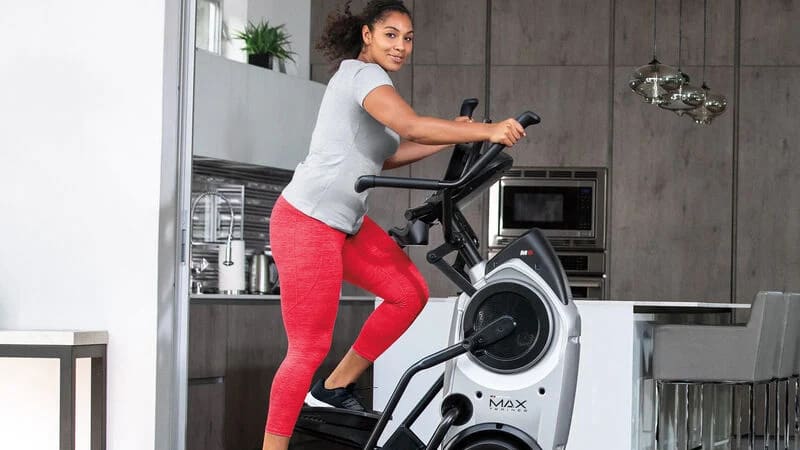
The first few minutes after assembly provide valuable information about machine performance. Users should test all movement patterns, resistance levels, and console functions before beginning regular workouts. This initial testing period allows small adjustments to be made while the assembly process is still fresh in memory. Addressing minor concerns immediately often prevents larger frustrations later.
Home Elliptical Placement Tips
The location of an elliptical trainer can influence both convenience and motivation. Some users prefer placing the machine near a television or entertainment system, while others choose quieter areas dedicated to exercise. Good ventilation is important because cardio workouts generate heat and increase body temperature. Positioning the machine in a comfortable environment encourages regular use and helps create a positive workout experience. The easier it is to access the equipment, the more likely it is to become part of a consistent fitness routine.
Creating a Dedicated Fitness Space
A dedicated fitness space can significantly improve exercise consistency. Even if the available area is relatively small, creating a designated workout zone helps establish a fitness-focused environment. Organizing accessories, maintaining cleanliness, and ensuring adequate lighting all contribute to a more inviting space. When the elliptical trainer becomes part of a dedicated fitness area, users often feel more motivated to exercise regularly.
Why Noise Testing Matters
Elliptical trainers are generally known for quiet operation. After assembly, users should listen carefully during initial testing. Minor noises may simply reflect new components settling into place, but persistent squeaks, clicks, or grinding sounds may indicate assembly issues. Identifying unusual noises early allows users to make corrections before the machine experiences additional wear. Quiet operation is often a sign that components have been assembled correctly.
Understanding Weight Distribution
Proper weight distribution affects machine stability and longevity. During assembly, users should ensure that the elliptical sits evenly on the floor without rocking or shifting. Uneven weight distribution may place unnecessary stress on frame components and moving parts. A level machine operates more smoothly and provides a more comfortable workout experience.
Why Professional Installation Remains Popular
Although many homeowners successfully assemble elliptical trainers themselves, professional installation continues to be a popular option. Experienced technicians are familiar with common assembly challenges and can often complete the process efficiently. Professional assembly may also provide additional reassurance that all components have been installed correctly. For larger or more complex models, professional installation can save time and reduce stress.
Preparing for Long-Term Ownership
Assembly should be viewed as the first step in a long-term relationship with the equipment. Proper setup creates the foundation for years of reliable performance. Once assembly is complete, users should familiarize themselves with maintenance recommendations, cleaning procedures, and inspection routines. Establishing these habits early helps preserve performance and protect the investment over time.
Why Proper Assembly Improves Workout Comfort
Comfort during exercise depends on more than just machine design. Proper assembly directly affects movement quality, stability, and ergonomics. A correctly assembled elliptical trainer allows users to move naturally and confidently. Pedals glide smoothly, handlebars move consistently, and resistance adjustments function properly. These factors combine to create a more enjoyable workout experience and encourage long-term use.
Avoiding Common First-Time User Mistakes
After assembly, many users immediately increase resistance levels or attempt intense workouts. While enthusiasm is positive, starting gradually helps users become familiar with the machine's movement patterns. The first few sessions should focus on comfort, posture, and proper technique. This approach allows the body to adapt while helping users identify any adjustments that may improve the setup.
Building Confidence Through Proper Setup
A well-assembled elliptical trainer inspires confidence. Users feel secure stepping onto the machine, adjusting settings, and beginning workouts. This confidence contributes to better exercise adherence because the equipment feels reliable and professional. When setup is performed carefully, the machine becomes a trusted fitness tool rather than a source of frustration.

The Long-Term Benefits of Correct Assembly
The effort invested during assembly continues paying dividends long after installation is complete. Properly assembled equipment typically experiences fewer performance issues, requires fewer adjustments, and provides a smoother workout experience. Users benefit from greater reliability, improved safety, and enhanced workout quality. Over the lifespan of the machine, these advantages can significantly increase overall satisfaction.
Turning Your Home Into a Fitness Destination
An elliptical trainer can transform an unused corner of a home into a productive fitness space. Proper assembly is the first step in making that transformation successful. By taking the time to set up the machine correctly, users create an environment that supports consistent exercise, improved health, and long-term fitness success. The result is more than just a piece of equipment; it is a convenient and reliable tool that helps bring fitness goals within reach every day.
Why Reading the User Manual After Assembly Is Important
Many people put the user manual aside once assembly is complete, but it remains one of the most valuable resources for long-term ownership. The manual contains important information about maintenance schedules, resistance systems, troubleshooting steps, and safety recommendations. Taking time to review these sections helps users understand how to get the best performance from their elliptical trainer. It can also prevent common mistakes that may affect the machine's longevity. Familiarity with the manual makes future maintenance and adjustments much easier.
Establishing a Maintenance Routine From Day One
The best time to begin caring for an elliptical trainer is immediately after assembly. Waiting until problems appear often leads to unnecessary wear and repair costs. Developing simple maintenance habits from the start helps preserve performance and reliability. Wiping down the machine after workouts, inspecting hardware periodically, and keeping the surrounding area clean all contribute to long-term equipment health. These habits require very little effort but provide significant benefits over the years.
Why Proper Usage Protects Your Investment
Even a perfectly assembled machine can experience unnecessary wear if used incorrectly. Users should always follow manufacturer guidelines regarding weight limits, resistance settings, and operating procedures. Smooth, controlled movement helps reduce stress on components and supports better workout quality. Encouraging all household members to use the equipment responsibly helps protect the investment and ensures that the machine continues performing reliably for everyone.
Creating Motivation Through a Well-Planned Setup
The appearance and accessibility of your elliptical trainer can influence how often it is used. A clean, organized, and inviting workout area encourages regular exercise. Consider placing the machine where it is easy to access and where workouts feel enjoyable. Some users position their elliptical near a television, while others prefer a quiet corner with natural light. Small details like proper lighting, ventilation, and organization can make a significant difference in motivation and consistency.
Why Your First Month Matters
The first month after assembly is often when users establish their long-term workout habits. A properly assembled and positioned elliptical trainer removes barriers to exercise and makes it easier to stay committed. During this period, users become familiar with the machine's features, resistance levels, and workout options. Building a routine early helps transform the elliptical from a new purchase into a regular part of daily life. Consistency during the first few weeks often sets the stage for long-term fitness success.
Making the Most of Your New Elliptical Trainer
An elliptical trainer is more than just a piece of cardio equipment. It is an investment in health, fitness, and convenience. Proper assembly ensures that the machine performs as intended and provides a safe, comfortable workout experience. By combining careful setup with regular maintenance and consistent use, homeowners can enjoy years of effective training. Whether the goal is weight management, endurance improvement, cardiovascular health, or simply staying active, a well-assembled elliptical trainer becomes a valuable tool that supports fitness goals every day.
Conclusion
Assembling an elliptical trainer at home may seem intimidating initially, but the process becomes manageable when approached step by step. Proper preparation, careful attention to instructions, and thorough testing help ensure a successful installation. A correctly assembled elliptical trainer provides smooth movement, reliable performance, and a safe workout environment. By taking the time to set up the machine properly, homeowners can enjoy years of effective cardio training and make the most of their investment in health and fitness.
If you are looking to buy other fitness machines or accessories, look no further! Explore our range of fitness products like treadmills, elliptical cross trainers, exercise bikes, rowing machines, home gym, functional trainer, multi-station, power towers, smith machines, dumbbells, foosball tables, pool tables, and table tennis.