



One of the aspects many tend to overlook when planning a home or commercial gym is gym flooring. People usually spend more time choosing treadmills, benches, racks and strength machines. However, little do they know that the floor underneath the equipment plays a vital role in several aspects.
An ideal gym floor ensures safety, comfort, noise control and equipment life. It is supposed to deal with much more than regular traffic. The right flooring can also make cleaning easier and reduce the noise that travels through the building during hectic workout sessions.
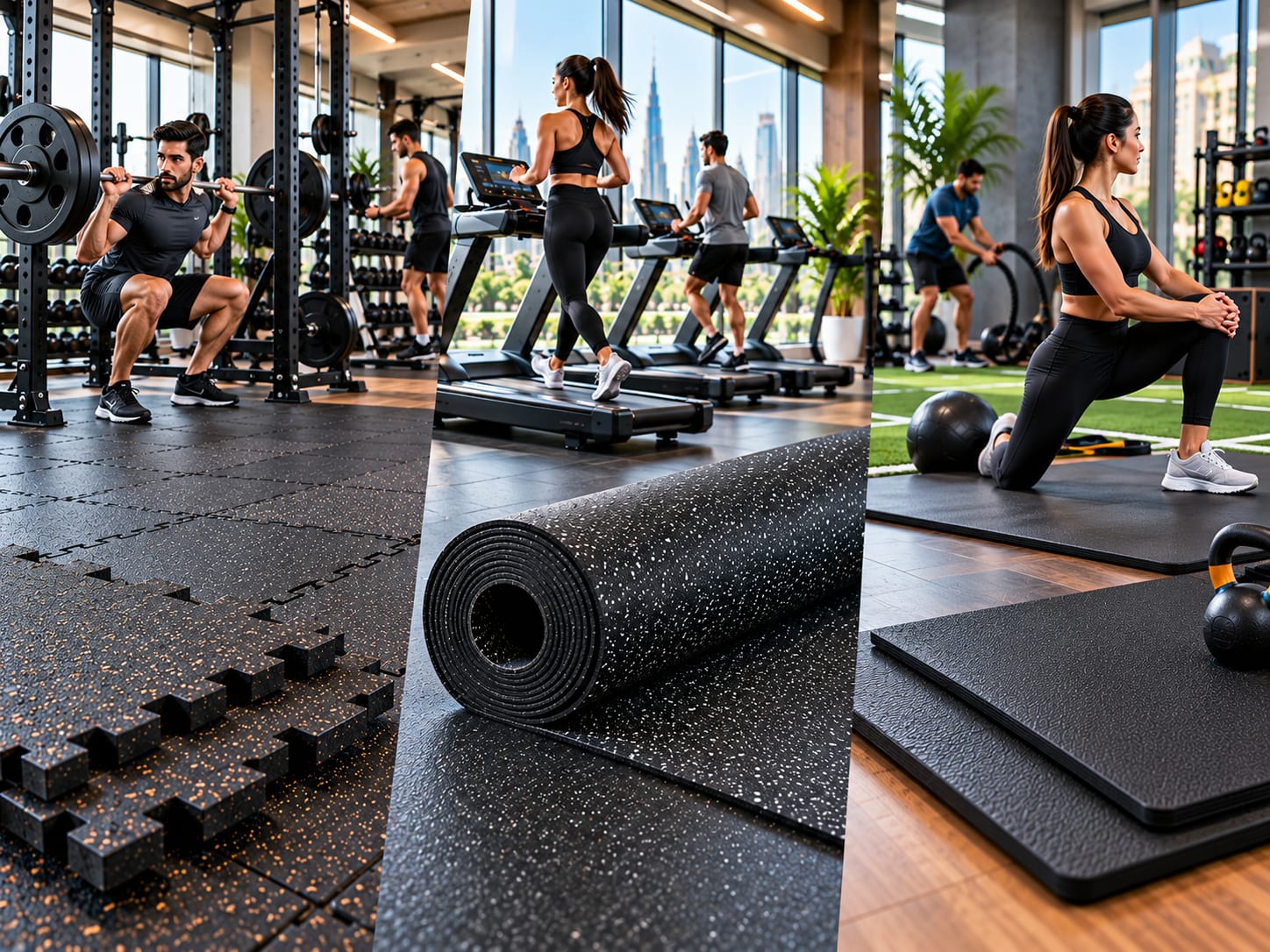
Rubber flooring is one of the most preferred choices for gyms because it is strong, practical and available in different formats. The popular options include interlocking rubber tiles, rubber rolls and equipment mats.
The question is how to decide which one is right for your gym. Its answer depends on how the available space will be used. It’s a known fact that a small home gym does not need the same flooring as a busy commercial gym.
This blog delineates the major differences between rubber tiles, rolls and equipment mats, including thickness, noise control, load handling, cleaning and installation.
How Important is the Flooring Aspect in a Gym?
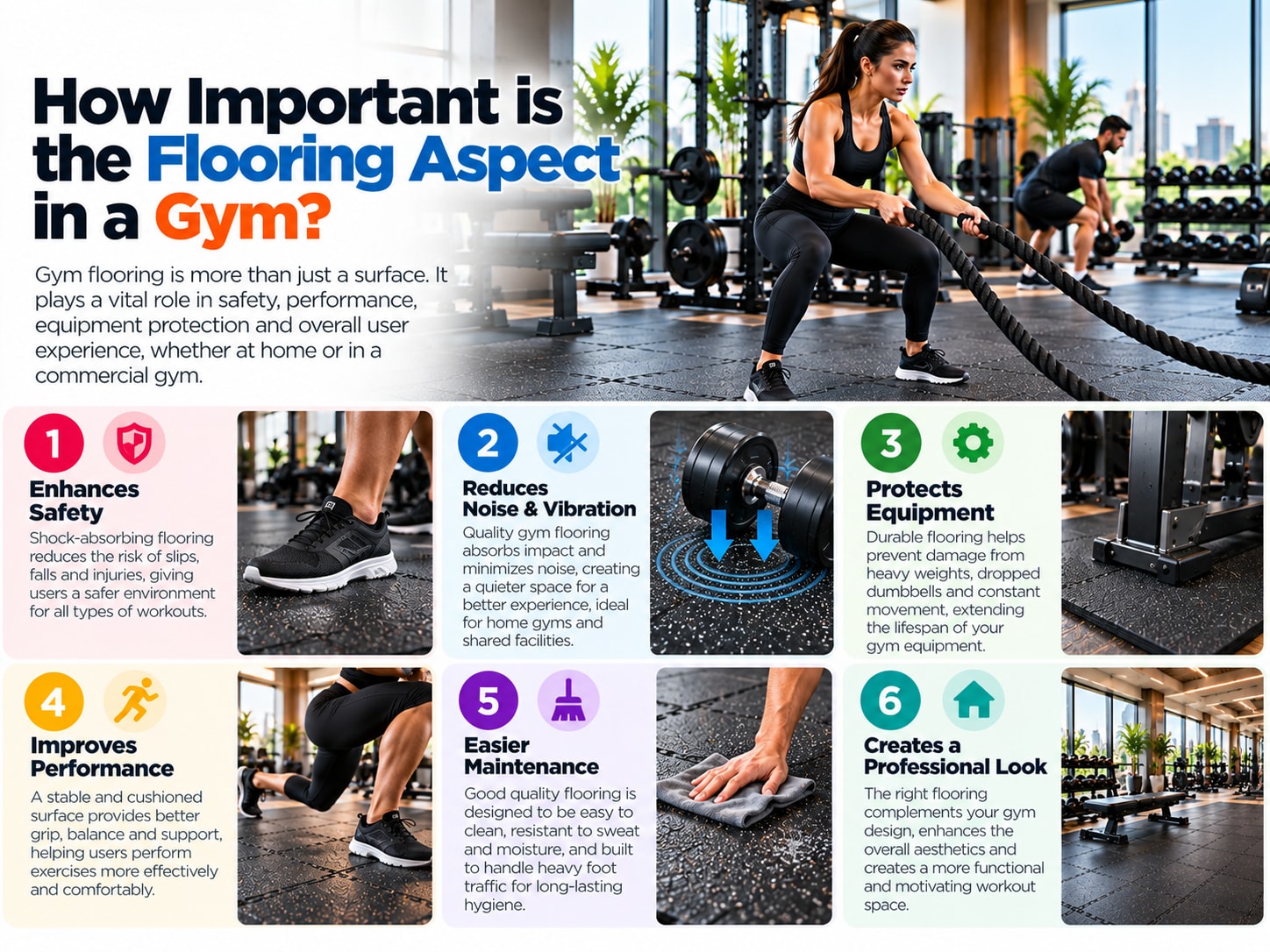
Contrary to the assumption, a proper gym flooring not only protects the floor underneath, but aids in other aspects as well. Heavy equipment is likely to leave marks or damage tiles, concrete and other finished surfaces. Dropping weights, needless to say, can cause even more damage.
A good flooring provides a comfortable surface for training. Exercises such as lunges, stretching, bodyweight movements and functional training are easier on a suitable rubber surface than on hard concrete.
Flooring also reduces noise and vibration. This matters especially in apartments, residential buildings, hotels, offices and gyms located above other businesses. Another benefit is the safety factor.
Rubber flooring offers better grip than many smooth floor finishes, especially when the surface is exposed to sweat or moisture. Finally, a good gym flooring makes the space look more professional. A well-finished floor can make even a small home gym feel organised.
Rubber Tiles, Rolls or Mats: What Is the Difference?
The three most common options have varied strengths. Interlocking rubber tiles are individual pieces that fit together like a puzzle. They come in handy when you want flexibility during installation or when only part of the floor needs protection.
Rubber rolls, on the other hand, come in long, wide sections. They create a more continuous surface with fewer joints and are often used for larger commercial gyms. Equipment mats are smaller, thicker pieces designed mainly to sit underneath individual machines or specific training areas.
It is impossible to choose one among them as the ‘best option’. The best choice depends on the equipment, floor area, type of training and expected load.
All You Need to Know About Interlocking Rubber Tiles
Interlocking tiles are a popular option for home gyms, studios and smaller training spaces. The tiles have edges that fit into one another. Depending on the product, they may be installed without permanent adhesive, although some installations may require additional fixing.
One of the biggest advantages is flexibility. If one tile becomes badly damaged, you can usually replace that section instead of changing the entire floor.
The Various Advantages of Rubber Tiles
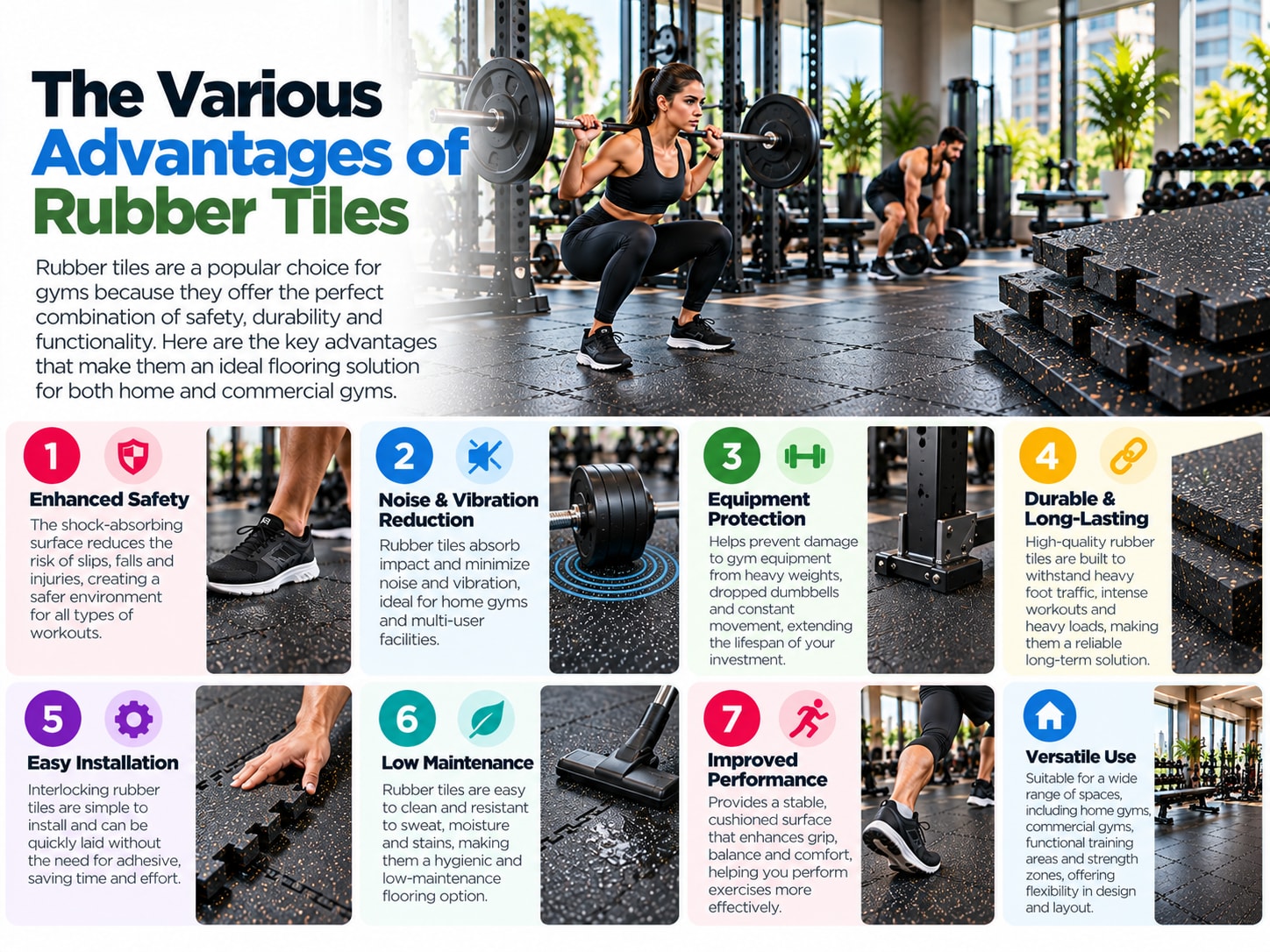
- Easy to install in smaller areas
- Individual tiles can be replaced
- Good protection for concrete and finished floors
- Available in different thicknesses
- Useful for home gyms and training studios
- Can be moved or reconfigured in some installations
- Good grip for general workouts
Tiles can also work well when you are setting up a gym gradually. You can start with the main training area and expand the flooring later.
Possible Disadvantages of Rubber Tiles
On the downside, the main issue with tiles is the joints. Even though interlocking tiles fit well, there are more seams compared with a continuous roll. Dirt, dust and moisture can collect around these areas if the floor is not cleaned properly.
Heavy equipment may also move slightly over time if the installation is not done correctly. For very large commercial gyms, rolls may provide a cleaner and more uniform finish.
All You Need to Know About Rubber Rolls
Rubber rolls are often preferred for larger gym spaces because they cover a wide area with fewer joints. They are available in different widths, lengths and thicknesses. Once installed correctly, they provide a continuous rubber surface that works well for high-use areas.
Commercial gyms, strength training areas, functional training zones and fitness studios can all benefit from rubber rolls.
The Various Advantages of Rubber Rolls
- Fewer seams
- Clean and professional appearance
- Good for large areas
- Strong protection against heavy equipment
- Easy to clean across large open spaces
- Suitable for busy commercial gyms
- Good option for functional and strength areas
The reduced number of joints can be useful in areas where people are moving equipment frequently.
Possible Disadvantages of Rubber Rolls
Unfortunately, rolls can be difficult to handle during installation. They are heavy and may require more than one person to position correctly.
Moreover, the floor underneath needs to be properly prepared. Uneven surfaces can affect the final appearance and performance. For a small home gym, buying and installing a full rubber roll may not always be the most practical choice.
All You Need to Know About Equipment Mats
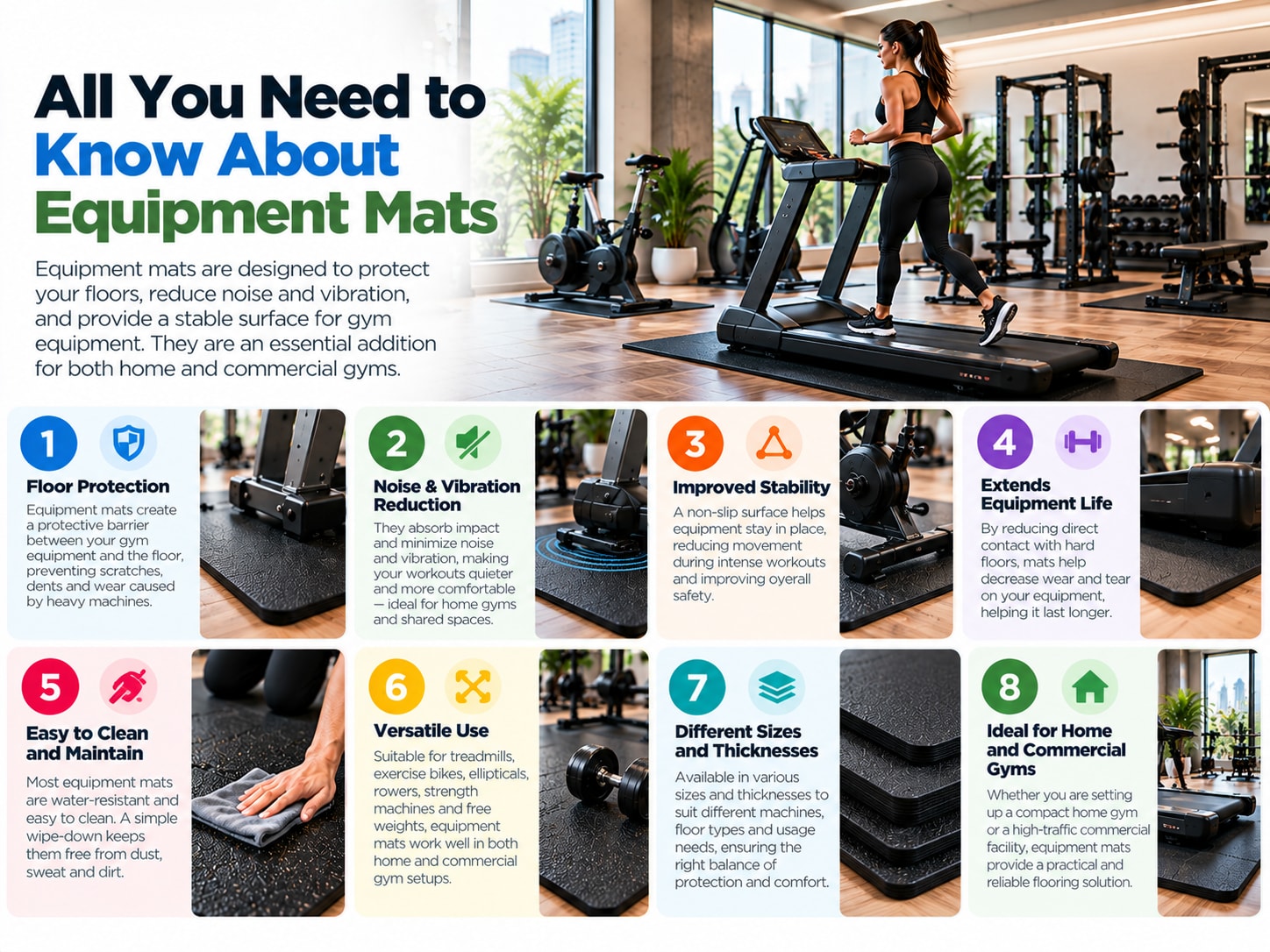
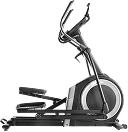
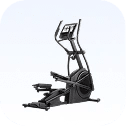
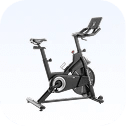
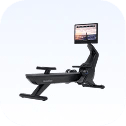
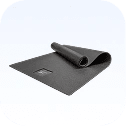
Equipment mats are different from full-floor gym flooring. They are designed to protect the floor under specific equipment such as treadmills, exercise bikes, ellipticals, rowing machines and strength equipment.
For example, a treadmill mat can help protect the floor from scratches, reduce some vibration and make cleaning around the machine easier. Equipment mats are a good option when you do not need to cover the entire room with rubber flooring.
The Various Advantages of Equipment Mats
- Lower cost than full-room flooring
- Easy to place under individual machines
- Protects floors from equipment movement
- Helps collect dust and sweat underneath machines
- Useful for home gyms
- Easy to replace or reposition
- Can be used along with other flooring
However, equipment mats should not be treated as a complete replacement for proper gym flooring in a heavy training area.
If you are doing Olympic lifting, heavy deadlifts or frequent weight drops, a dedicated heavy-duty rubber floor or lifting platform may be more appropriate.
How Much Flooring Thickness Do You Need?
Thickness is one of the most important factors when choosing gym flooring. However, thicker does not automatically mean better. The correct thickness depends on what will happen on the floor.
A light home workout area may need less protection than a commercial free-weight area where heavy dumbbells and barbells are used every day. Common rubber flooring thicknesses can range from relatively thin options for general fitness areas to much thicker products designed for heavy-duty training.
Around 6 mm to 8 mm
This type of thickness can work well for light training areas and general fitness spaces. It may be suitable for the following equipment:
- Light cardio equipment
- Stretching areas
- Bodyweight exercises
- Light resistance training
- Low-impact workouts
It provides basic floor protection without adding too much height.
Around 10 mm to 12 mm
This is a useful middle ground for many home and commercial fitness areas. It can work well for:
- Treadmills
- Exercise bikes
- Ellipticals
- Benches
- Functional training
- General strength training
- Dumbbell areas
If the gym has a mixture of cardio and strength equipment, this thickness range can be a practical option depending on the product and floor underneath.
Around 15 mm to 20 mm
Thicker flooring is more suitable for areas exposed to heavier loads and more demanding workouts. It can be useful for the below options:
- Free weights
- Heavy dumbbells
- Strength training
- Functional training
- Commercial gyms
- Areas where weights may be placed down frequently
Anything Above 20 mm
Very thick rubber flooring or specialised platforms are generally more suitable for demanding lifting environments. If your gym includes heavy deadlifts, Olympic lifting or repeated weight drops, the flooring needs to be chosen based on the actual training style rather than thickness alone.
The surface below the rubber also matters. A thick rubber floor placed over a weak or uneven base cannot solve every flooring problem.
Choosing the Right Gym Flooring Thickness for Noise Control
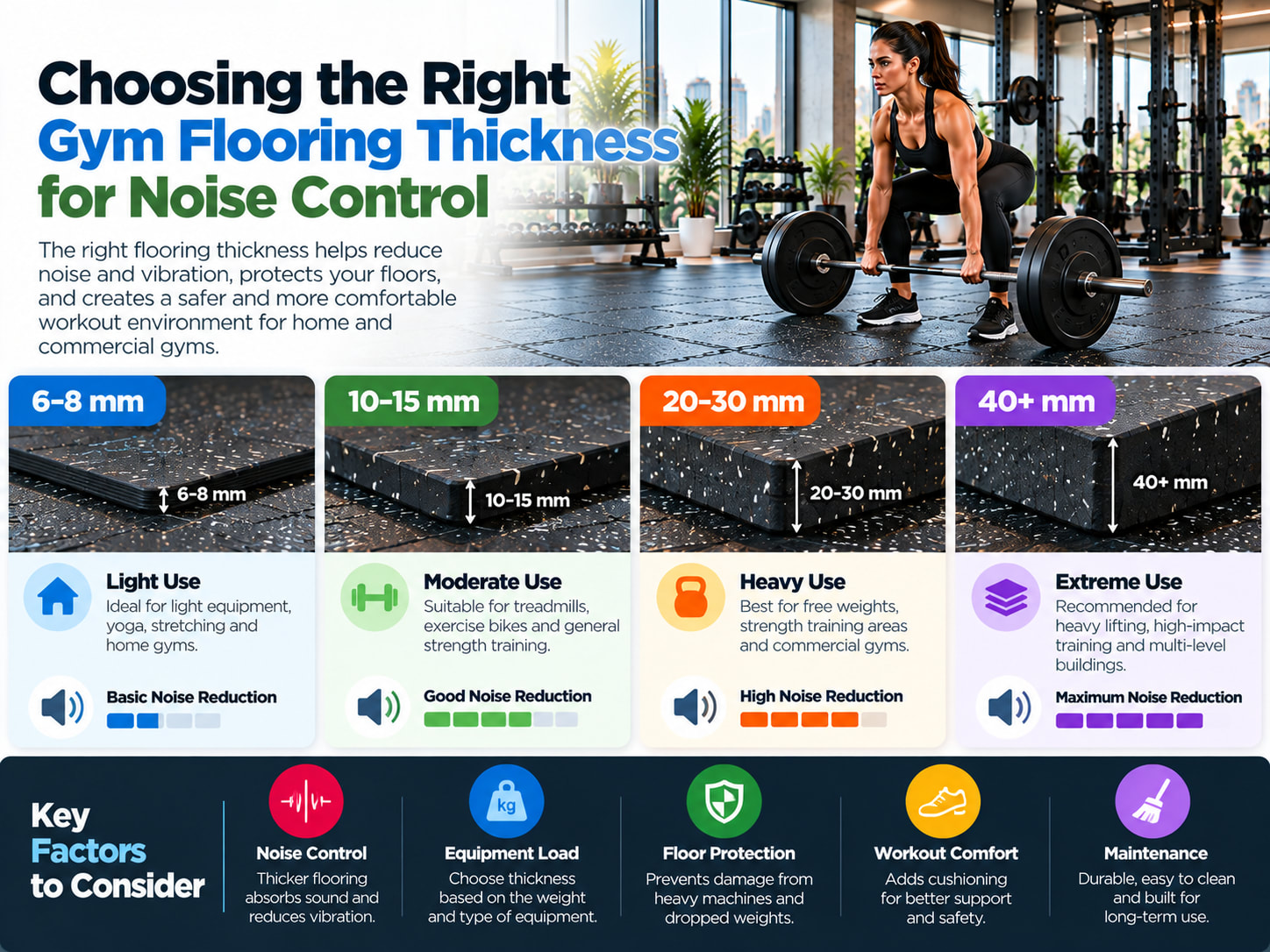
Noise is a major concern in many gyms. Weights hitting the floor can create impact noise. Cardio machines can also create vibration, especially treadmills and other motorised equipment.
Thicker rubber can help absorb some impact and reduce vibration, but flooring should not be treated as a complete soundproofing solution.
For example, dropping a heavy barbell can still create significant noise even on thick rubber. If your gym is in an apartment, office building or upper-floor location, consider the whole setup. You may need the following options:
- Suitable rubber flooring
- Extra-thick lifting mats
- A dedicated lifting platform
- Vibration control under certain machines
- Proper equipment placement
- Good maintenance of moving equipment
For residential gyms, reducing impact is important because vibrations can travel through the structure.
How Much Load Can Gym Flooring Handle?
Gym flooring should be selected according to the equipment and training style. A treadmill creates a different type of load from a power rack. A loaded barbell creates a different impact from a stationary weight machine.
For example, a selectorized strength machine may have a high total equipment weight, but remain in one fixed position. A free-weight area experiences more movement and impact. When comparing flooring, look beyond the thickness. Always consider the following aspects:
- Rubber density
- Product quality
- Installation method
- Subfloor condition
- Equipment weight
- Weight-drop frequency
- Type of training
- Expected daily usage
For heavy strength areas, a thicker and denser rubber product is generally a safer choice.
All You Need to Know About Cleaning and Maintenance
Gym flooring needs regular cleaning because sweat, dust and dirt can build up quickly. The good thing is that rubber flooring is relatively easy to maintain when cleaned properly. Start by removing loose dirt and dust. A vacuum, soft broom or suitable floor cleaning equipment can help.
Then use a mild cleaning solution that is recommended for the flooring. Avoid using harsh chemicals unless the flooring manufacturer specifically says they are safe. Do not leave large amounts of water sitting on the floor. This is important around seams and underneath equipment.
Cleaning Rubber Tiles: All You Need to Know
Tiles can be cleaned in the same way as most rubber flooring. The joints need a little extra attention because dirt can collect between pieces. One advantage is that damaged tiles can often be removed and replaced individually.
All You Need to Know About Cleaning Rubber Rolls
Roll flooring has fewer seams, which can make regular cleaning easier. This is useful in large commercial gyms where staff need to clean a large area every day.
Cleaning Equipment Mats: All You Need to Know
Equipment mats are easy to clean because they are smaller. They can also make it easier to clean around cardio machines. However, the area underneath the equipment should still be checked regularly.
What Flooring Should You Use in a Home Gym?
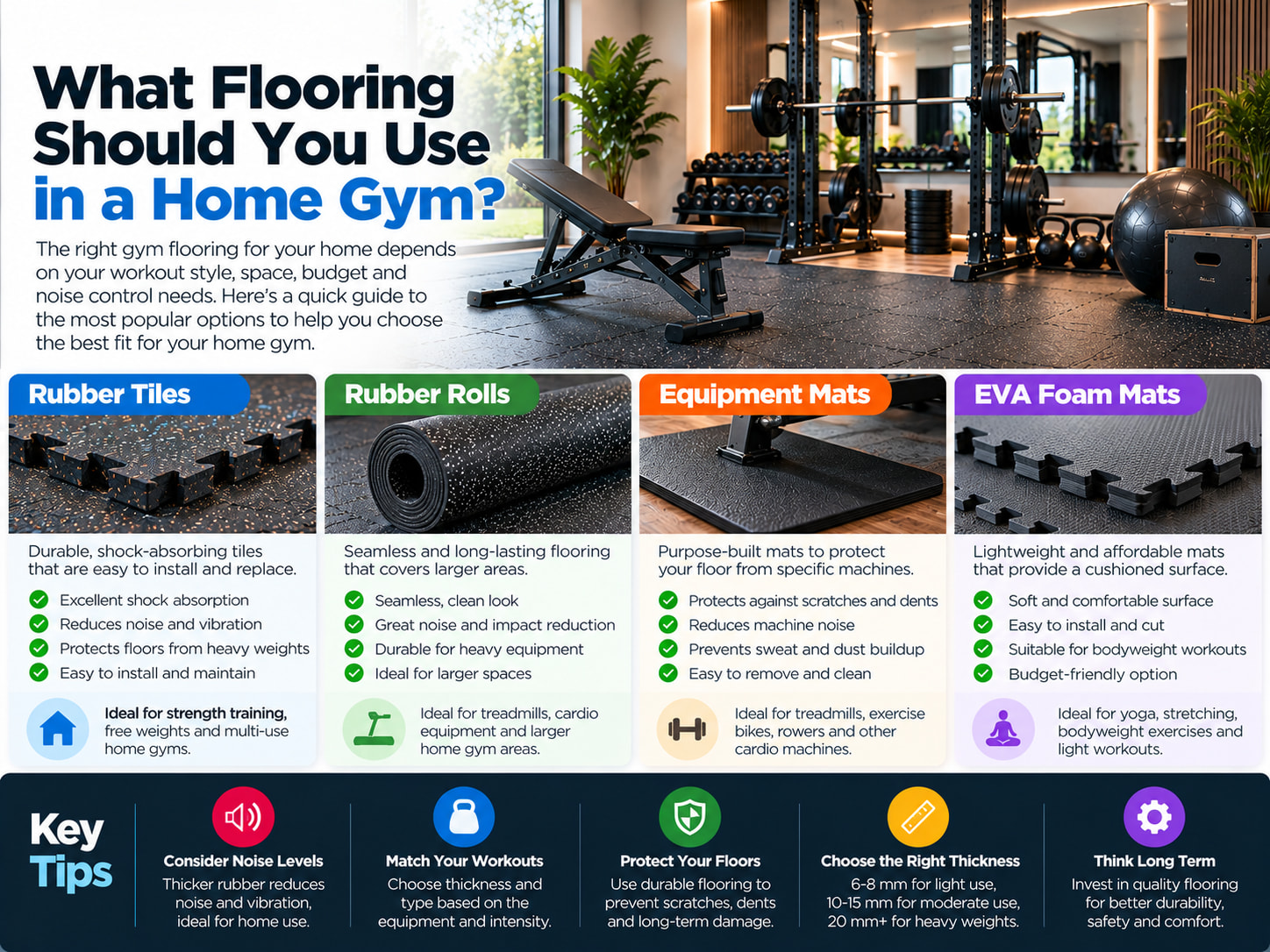
For a basic home gym, you do not need to cover every inch with the thickest rubber available. Start by looking at your equipment. If you have a treadmill, bike, elliptical and adjustable bench, equipment mats combined with suitable general flooring may be enough.
If your home gym includes dumbbells, a rack and regular strength training, thicker rubber tiles can be a better option. If you are doing heavy lifting, create a dedicated area with stronger flooring instead of trying to use one flooring solution for everything.
Additionally, this can also save money. For example, the cardio section may not need the same thickness as the free-weight area.
What Flooring Is Best for a Commercial Gym?
Commercial gyms have different requirements. The floor may be used by hundreds of people every week, so durability, cleaning and maintenance become more important.
Rubber rolls are often a practical choice for large open areas because they provide a consistent surface with fewer seams. Tiles can still be useful in specific zones where flexibility or easy replacement is important.
A commercial gym can also use different flooring in different sections. For example consider the following options:
- Cardio zone: Medium-duty rubber flooring or suitable equipment mats.
- Strength zone: Thicker rubber flooring.
- Free-weight zone: Heavy-duty rubber or specialised lifting flooring.
- Functional training zone: Durable rubber with enough thickness for repeated movement.
- Stretching area: Comfortable, easy-to-clean flooring suitable for floor exercises.
Keep in mind that using the same flooring everywhere is not always necessary.
Should You Put Rubber Flooring Under a Treadmill?
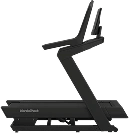
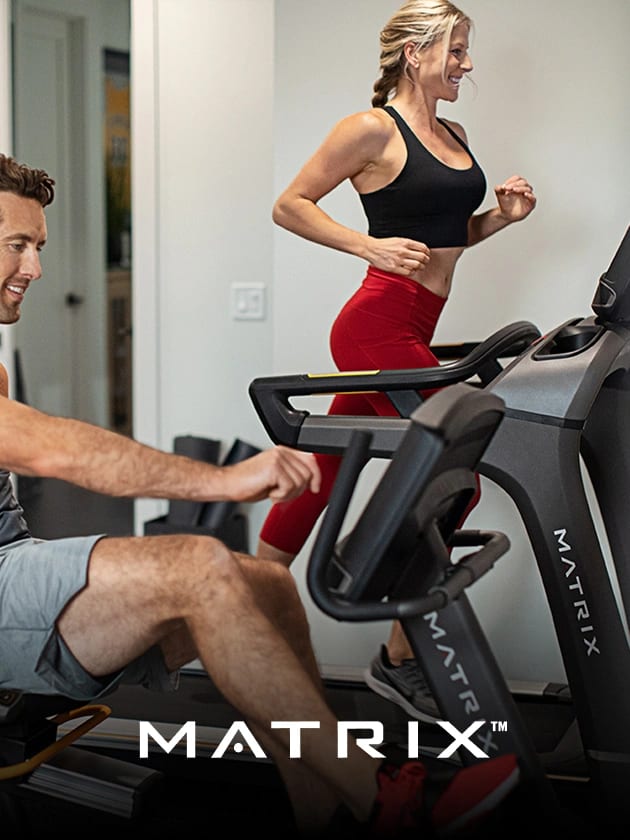
Yes, an equipment mat can be useful under a treadmill, especially when the treadmill is placed on a finished residential floor. A treadmill mat can help protect the surface from scratches and dirt. It can also reduce some vibration and make cleaning around the treadmill easier.
However, experts suggest that the mat should be correctly sized and placed on a suitable, level surface. Commercial treadmills can be heavy, so it is advised to check the flooring and mat specifications before installation.
Do You Need Thick Flooring Under a Power Rack?
If the rack is used for regular strength training, the flooring around it should be strong enough to handle the equipment and training activity. The rack itself may not create much impact, but the surrounding area can experience heavy dumbbell use, barbells and plates being placed on the floor.
According to fitness experts, if you are doing deadlifts or dropping weights, consider a thicker rubber area or dedicated lifting platform. It is also important to make sure the rack is properly installed and anchored when required.
Things You Should Know About Moisture and GCC Climate
For gyms in GCC, cleaning and maintenance deserve extra attention. Sweat, dust and regular cleaning can affect the floor over time. Air-conditioned gyms may also experience differences in temperature and humidity between indoor and outdoor environments.
This does not mean rubber flooring is unsuitable. It means the floor should be installed correctly and maintained regularly. For commercial gyms, the cleaning team should have a simple daily and weekly flooring routine. Also consider access during installation.
Large rubber rolls can be heavy and may need careful movement through lifts, doors and corridors. This is one reason to plan flooring before bringing large gym equipment into the space.
Common Flooring Mistakes to Avoid When Planning Your Gym
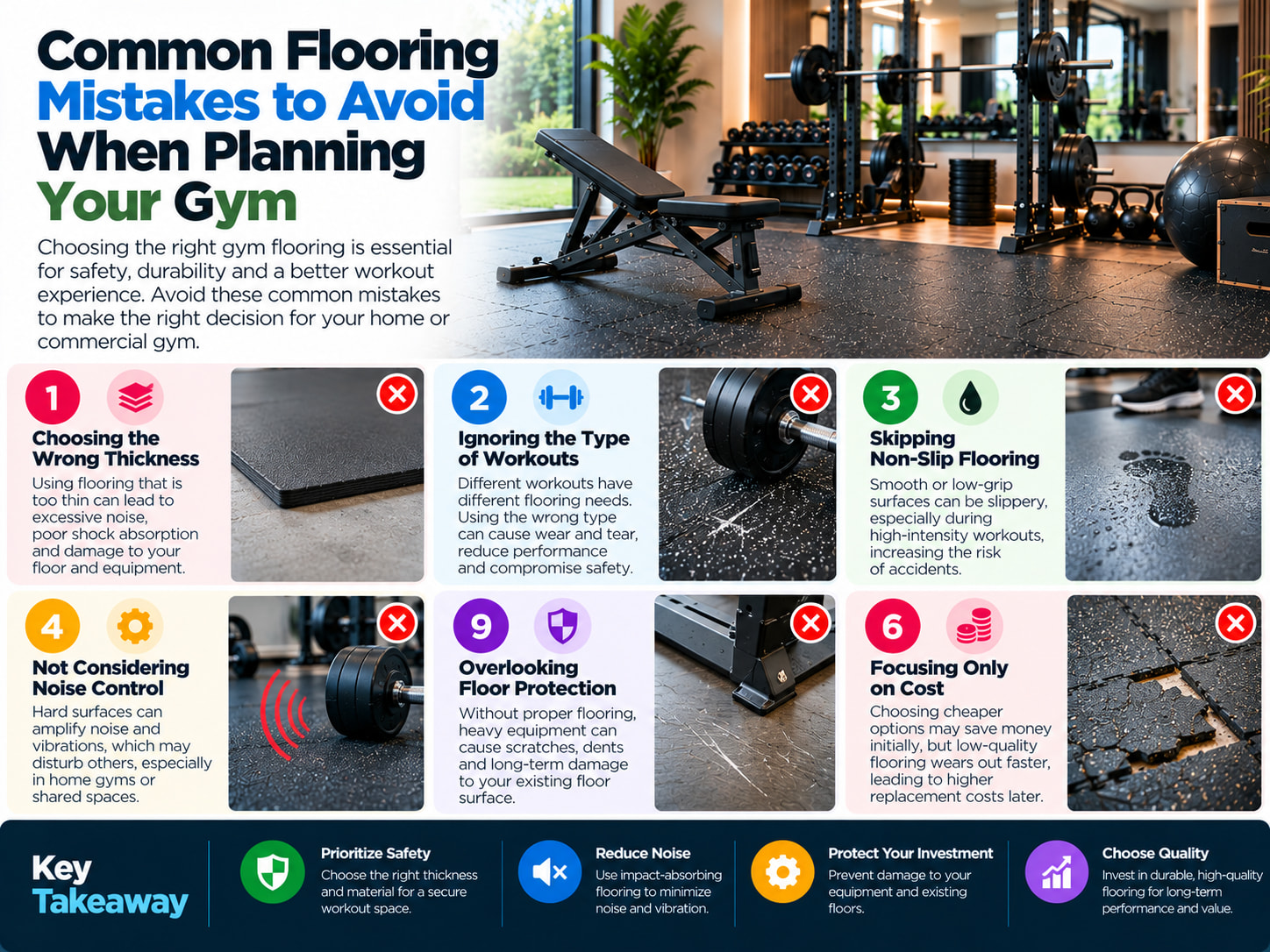
Choosing flooring only by price is one of the most common mistakes. A cheap product may look attractive at first, but it may not be suitable for the equipment or training style. Another mistake is choosing thickness without considering density and construction. A thicker product may not be the right product.
Some people also cover the entire gym with the same flooring without considering different training zones. There is also the issue of installation. Poorly fitted flooring can move, separate or create uneven areas. Finally, do not neglect maintenance. Even high-quality rubber flooring needs regular cleaning.
How to Choose the Right Gym Flooring?
Before buying, ask yourself the following questions:
- What type of gym are you creating?
- What equipment will be placed on the floor?
- Will weights be dropped?
- How much space needs protection?
- How important is noise control?
- How often will the floor be cleaned?
- Can the floor support the equipment?
- Will the gym expand later?
- How will the flooring be delivered and installed?
- What is the total cost?
Fitness enthusiasts in the UAE can rely on Lifetime Fitness Store for quality gym equipment, competitive offers, expert guidance, professional service, reliable delivery, and installation solutions for both home and commercial fitness needs.
Conclusion
There is no single type of gym flooring that works for every gym. Interlocking rubber tiles are flexible and practical for home gyms, smaller studios and areas where easy replacement matters.
Rubber rolls are a strong option for larger commercial spaces where a continuous, professional-looking surface is important. Equipment mats are useful when you mainly need to protect the floor underneath individual machines.
Thickness should be chosen according to the equipment and training style. Light cardio and general exercise may need less protection, while free weights and heavy lifting require more impact protection.
Noise, cleaning and installation are as important as thickness. A good gym floor should protect the surface underneath, support the equipment, provide good grip and make everyday maintenance easier.
For a new gym, it is often better to divide the space into zones and choose flooring based on what happens in each area. A cardio area, free-weight area and functional training zone do not always need exactly the same solution.
Most importantly, plan the flooring before the equipment arrives. Consider the room size, access route, equipment weight, installation method and future expansion.
The right flooring is not just something that sits underneath your gym equipment. It is part of the gym setup itself. Choosing it properly can make the space safer, quieter, easier to maintain and more comfortable to use for years.
 Get a weekly dose of latest stories
and useful tips directly in your inbox!
Get a weekly dose of latest stories
and useful tips directly in your inbox!


 0
0