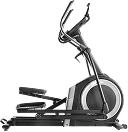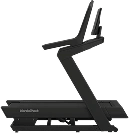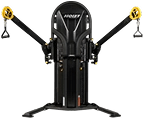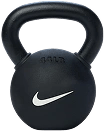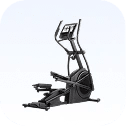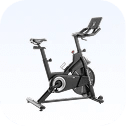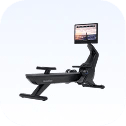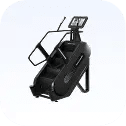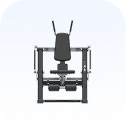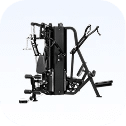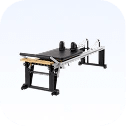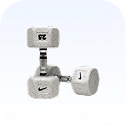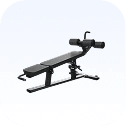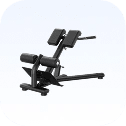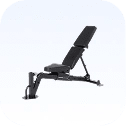




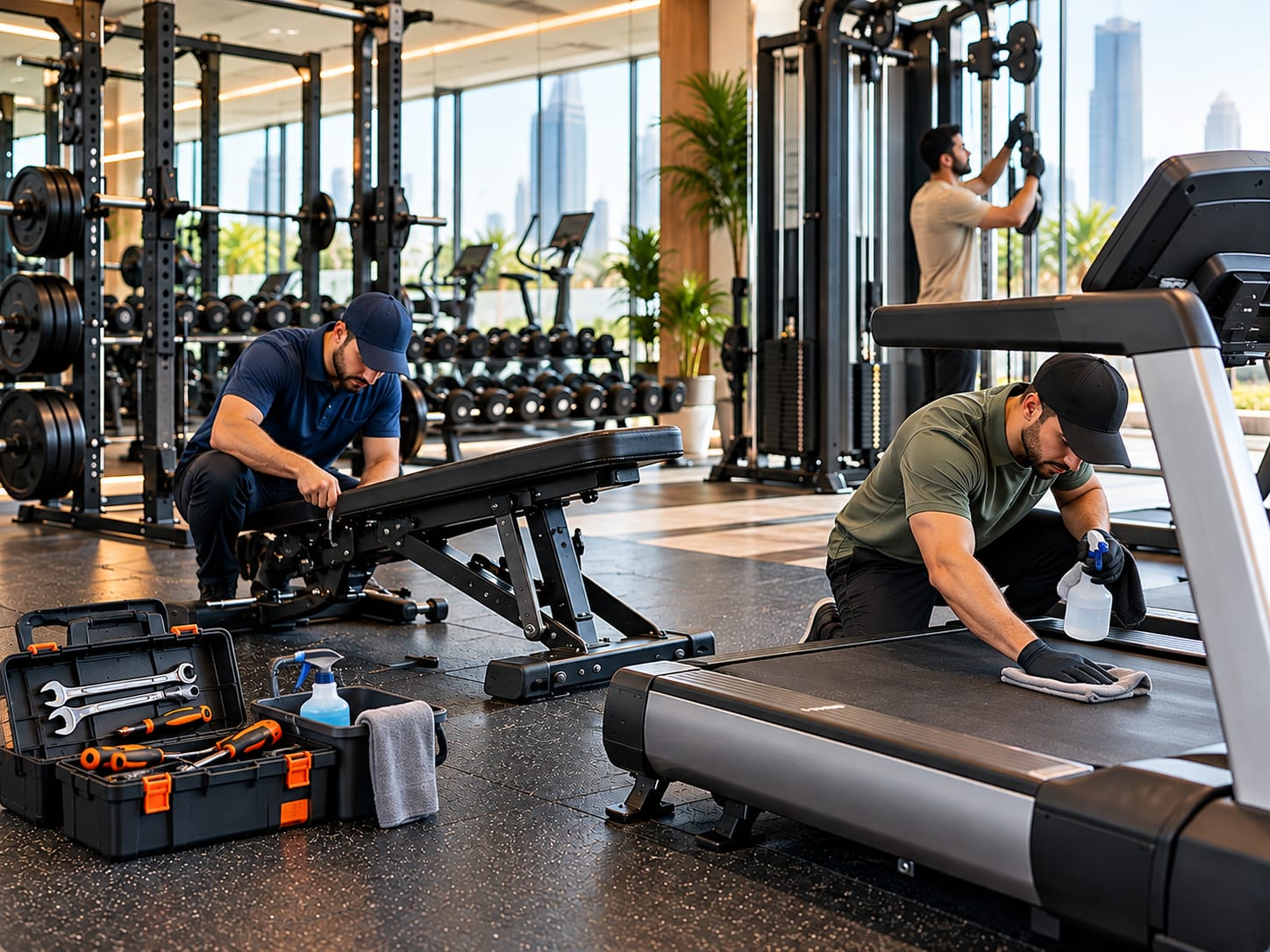
In every commercial gym, most of the equipment gets used hard over a time period. A treadmill may run for hours every day, a strength machine may be used by several members, and dumbbells and benches are moved constantly.
When it comes to GCC countries, the gyms face a few extra challenges as well, thanks to the climate. There are chances of dust entering moving parts and ventilation areas. The high temperature can affect equipment that is exposed during delivery or storage.
Needless to say, humidity can also become an issue, especially in coastal areas. The regular maintenance of equipment becomes very crucial, especially when you consider the aspect of heavy gym traffic. A good maintenance routine is the only way to deal with this.
A wholesome and effective maintenance can be done by dividing regular checks into daily, weekly and monthly tasks. The trivial issues can be found before they go on to become expensive repairs or safety concerns.
This gym equipment maintenance blog, which includes a few checklists, explains what to check, what to watch for and the dos and don'ts associated with relying on a professional service team.
Why Does Gym Equipment Maintenance Matter?
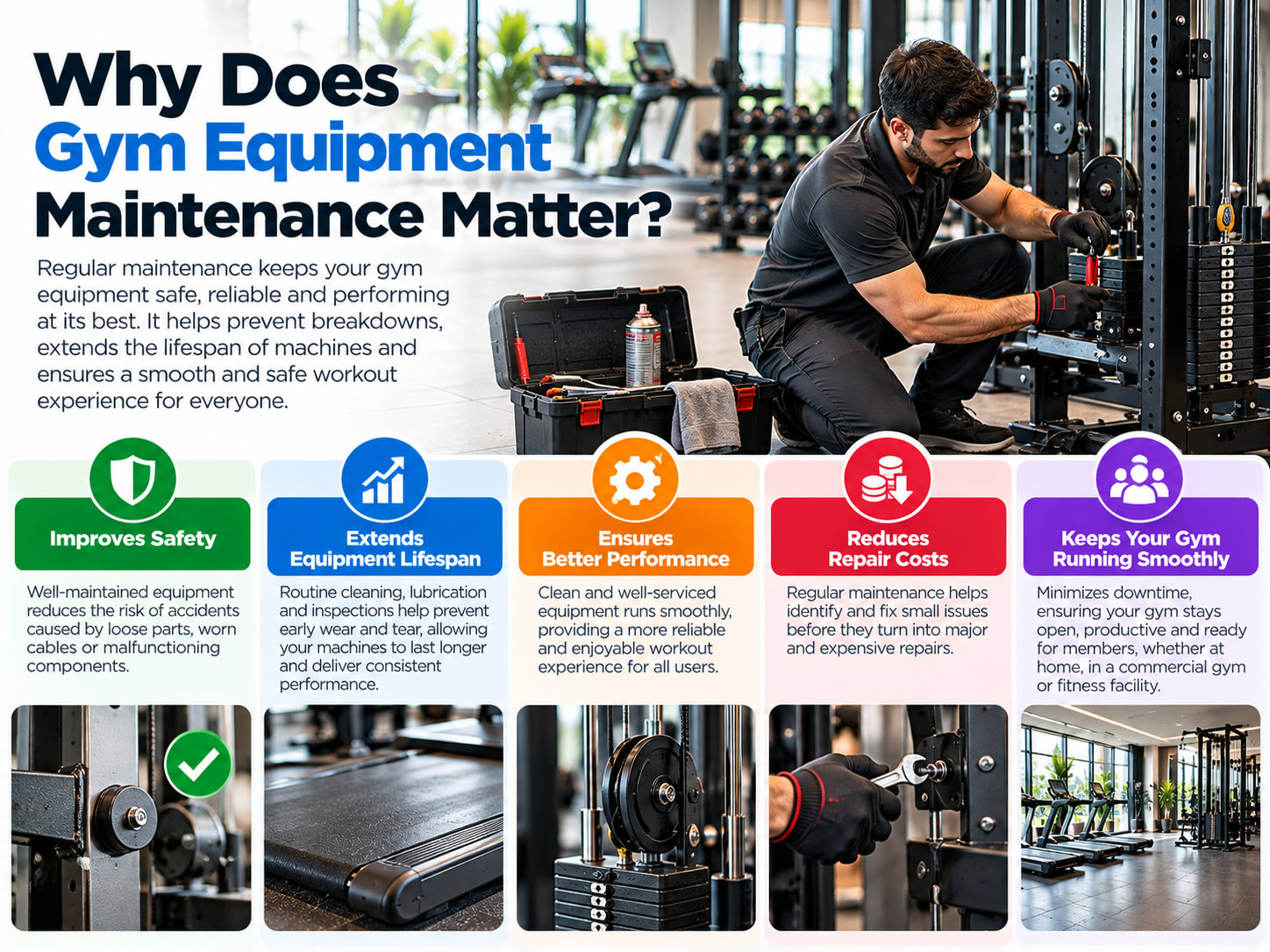
Gym equipment is a huge long-term investment. Be it a commercial fitness centre, hotel gym, corporate gym, or home gym, regular maintenance helps protect your investment. Proper maintenance can help you with the following aspects:
- Keep equipment safe to use
- Reduce unexpected breakdowns
- Improve equipment performance
- Extend equipment life
- Reduce repair costs
- Keep the gym looking clean and professional
- Reduce member complaints
- Identify worn parts early
- Maintain a better training experience
Picture a treadmill with a noisy motor, a loose cable on a strength machine or a damaged bench. They may still appear usable. However, ignoring these signs can lead to bigger problems. The best approach is to not wait for equipment to falter before checking it.
Daily Gym Equipment Maintenance Checklist
The daily maintenance should focus on cleaning, basic safety and visible problems. It does not need to take hours. A trained gym staff member can inspect equipment while carrying out regular cleaning.
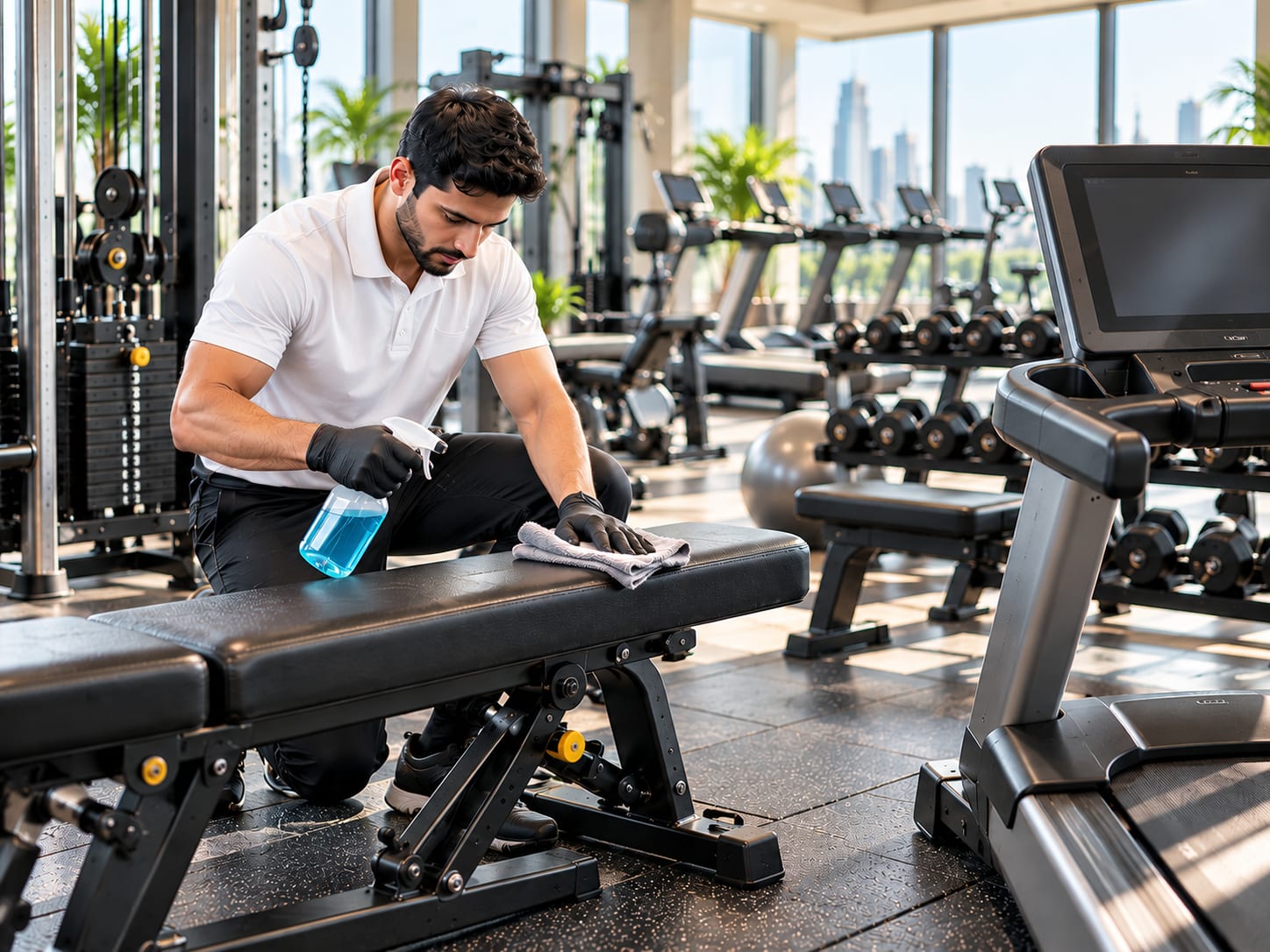
1. Wipe Down High-Touch Areas
Members in the gym touch handles, seats, adjustment points, screens and grips throughout the day. These areas should be cleaned regularly using products suitable for the equipment surface. Pay particular attention to the following factors:
- Treadmill handrails
- Cardio machine handles
- Exercise bike handlebars
- Elliptical grips
- Strength machine handles
- Benches
- Adjustment levers
- Touchscreens and consoles
Refrain from spraying cleaning liquid directly onto electronic screens or control panels. Apply the appropriate cleaner to a cloth where required and follow the equipment manufacturer's instructions.
2. Check for Visible Damage
A quick inspection can identify problems before someone gets injured. Look for the below signs:
- Cracked plastic
- Loose bolts
- Torn upholstery
- Damaged cables
- Frayed belts
- Broken adjustment pins
- Loose handles
- Damaged pedals
- Worn grips
- Missing safety labels
If something looks unsafe or unusual, take the equipment out of use until it has been checked. A simple ‘Out of Order’ sign is better than allowing members to continue using faulty equipment.
3. Check Treadmills
Treadmills deserve daily attention in busy gyms. Look at the running belt and surrounding area for dust, dirt and anything that could affect smooth movement. Check for unusual sounds while the treadmill is running. Listen for the following signs:
- Squeaking
- Grinding
- Rattling
- Unusual motor noise
Also, check that the emergency stop or safety key is working correctly. The treadmill should run smoothly without sudden movement or unusual vibration.
4. Check Cardio Equipment
For ellipticals, bikes, rowers and other cardio equipment, look at the pedals, footplates, handles and adjustment points. Make sure moving parts are working normally. Ensure the following:
- Pedals are secure
- Seats lock properly
- Adjustment mechanisms work
- Handles are secure
- Foot straps are not damaged
- Consoles are functioning
- There are no unusual noises
A few minutes of thorough checking every day can help detect small issues early.
Dealing With GCC Dust That Affects Equipment Performance
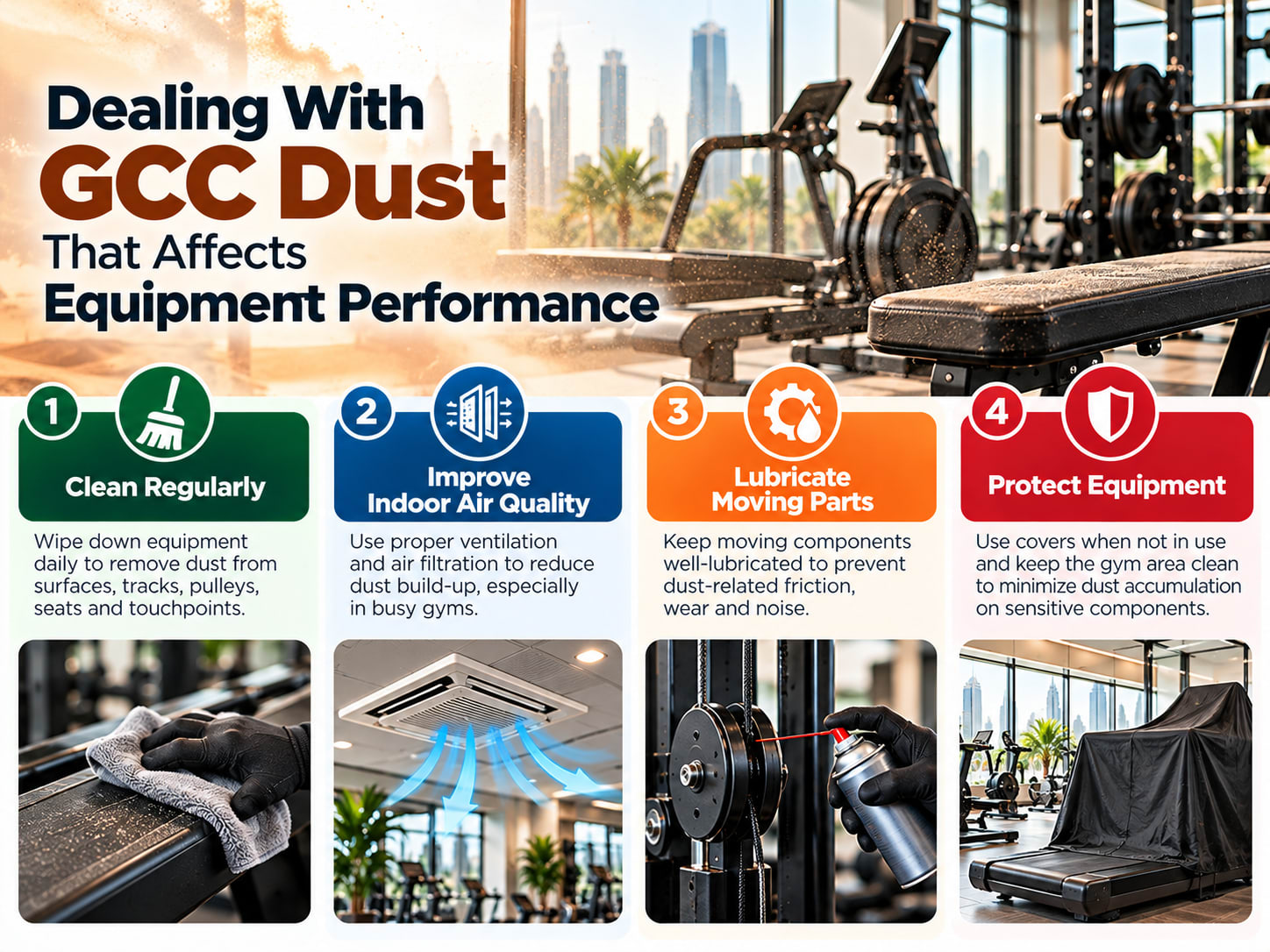
Dust is one of the biggest practical maintenance concerns for gyms in the GCC. Even indoor gyms can collect dust around equipment, especially near entrances, ventilation areas and equipment that has fans or moving air around it. Dust can collect around the following areas:
- Treadmill motors
- Air vents
- Cooling fans
- Console areas
- Power sockets
- Moving mechanisms
- Strength machine joints
If dust is allowed to settle on equipment, it can affect performance and leads to overheating in some machines. Do not simply wipe the visible surface and assume the machine is clean.
Internal cleaning should be done according to the manufacturer's service instructions. Opening electrical equipment without the right knowledge can create a huge safety risk.
Gym Equipment Maintenance: Weekly Checklist
Weekly maintenance should be more detailed than the daily routine. This is the time to inspect equipment properly rather than just cleaning the surfaces.
1. Inspect Bolts and Fasteners
Gym equipment experiences constant movement. Bolts and fasteners can loosen over time, particularly on benches, racks and machines that are used heavily. Check important connection points for looseness.
Do not randomly tighten every bolt as hard as possible. Over-tightening can damage components or threads. Use the correct tools and follow the manufacturer's instructions.
2. Inspect Cables
Cable-based strength equipment needs regular inspection. Look for signs such as the following:
- Fraying
- Broken strands
- Kinks
- Rust
- Uneven movement
- Loose connections
- Damage around cable ends
A damaged cable should not be ignored. Cables are load-bearing components, and failure during use can result in injury. If you see significant wear, stop using the machine and arrange a professional inspection.
3. Check Upholstery
Benches and machine seats go through a lot of abuse. Inspect upholstery for the below mentioned parts:
- Tears
- Cracks
- Loose stitching
- Damaged seams
- Exposed foam
- Loose seat pads
Small tears can become much larger when equipment is used every day. Cleaning products should also be suitable for the upholstery material.
4. Inspect Adjustment Mechanisms
Check seat adjustment systems, backrest positions, safety catches and locking pins. Make sure they lock securely into place. This is important on adjustable benches and strength machines. Someone in the gym should never have to guess whether an adjustment point is properly locked or not.
5. Weekly Treadmill Checks
Treadmills need more than a simple wipe-down. Inspect the running belt and deck for signs of wear. Check the belt for the following:
- Moves smoothly
- Tracks correctly
- Shows visible damage
- Slips during use
- Makes unusual sounds
Also, inspect the area around the treadmill for dust. Follow the manufacturer's instructions regarding belt lubrication. Not every treadmill uses the same maintenance method, and applying the wrong lubricant can create problems. The treadmill's power cable should also be checked for visible damage.
Gym Equipment Maintenance: Monthly Checklist
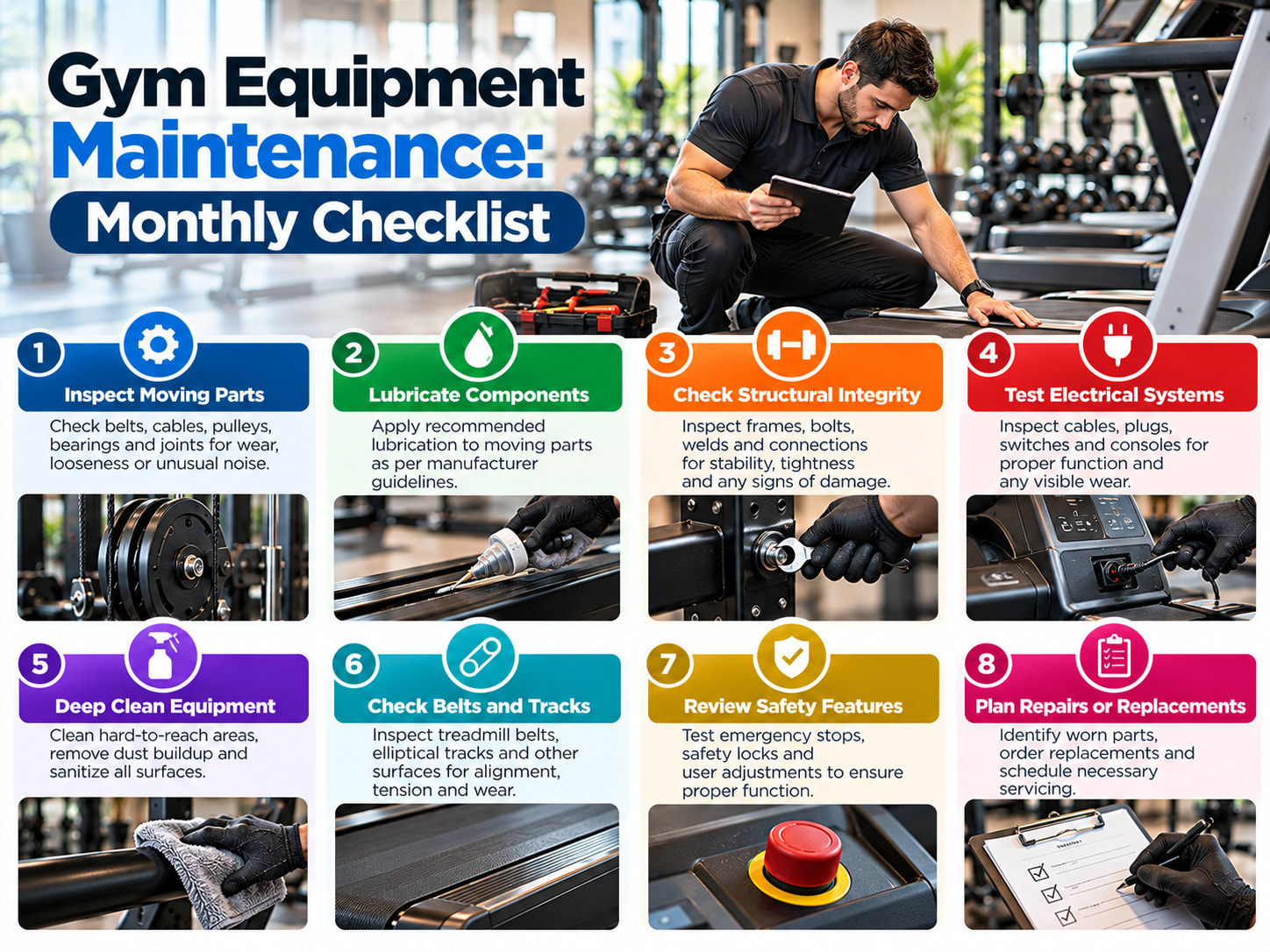
Monthly maintenance should go deeper. For commercial gyms, the exact schedule may need to be more frequent depending on equipment usage.
1. Inspect Moving Parts
Check moving joints, pivots and adjustment mechanisms. Look for unusual movement, excessive play or noise. Some equipment may require lubrication at specific points. However, do not lubricate every moving part automatically.
Some components are designed to operate with specific bearings or materials, and the wrong lubricant can attract dust or damage components. Always follow the manufacturer's service instructions.
2. Check Machine Alignment
Equipment should remain stable and properly aligned. Look at:
- Cable travel
- Weight-stack movement
- Seat position
- Guide rods
- Belts
- Pedals
- Moving arms
If something looks uneven or feels different from normal, do a thorough inspection.
3. Inspect Power Cords and Plugs
Electrical safety is particularly important in a commercial gym. Look for:
- Damaged cables
- Loose plugs
- Burn marks
- Broken connectors
- Overheated sockets
- Exposed wires
Never use damaged electrical equipment. It should be isolated and checked by an appropriately qualified professional.
4. Clean Around Equipment
Monthly cleaning should include areas that are often missed. Move equipment where practical and safe and clean underneath and behind it. Dust can collect under treadmills, bikes, benches and strength machines.
However, heavy commercial equipment should not be moved casually. Follow proper procedures and use suitable equipment if relocation is necessary.
Gym Equipment Maintenance Amid Heat and Humidity in the GCC
The GCC climate makes environmental conditions an important part of equipment maintenance. Most modern gyms here are air-conditioned, but equipment can still be affected by temperature and humidity depending on the building and location.
Equipment should ideally be installed in a suitable indoor environment with proper ventilation and climate control. Avoid placing sensitive electrical equipment in areas exposed to extreme heat or direct sunlight.
Humidity can also contribute to corrosion on metal components if the environment is not properly controlled. Coastal areas may require extra attention because moisture and salt in the environment can contribute to corrosion. Regular inspection can help identify early signs of rust.
Cleaning Gym Equipment in the Appropriate Manner
Cleaning is not only about mere appearance. Sweat and moisture can affect upholstery, metal surfaces and other components if they are left for long periods. A basic cleaning routine should include:
- Remove Dust: Use a suitable dry cloth, soft brush or vacuum where appropriate. Avoid pushing dust into openings or ventilation areas.
- Clean Surfaces: Use an equipment-safe cleaning product. Do not assume household cleaning chemicals are safe for gym equipment.
- Dry Surfaces: Do not leave excessive moisture on equipment. Pay particular attention to metal areas and seams.
- Inspect While Cleaning: Cleaning is also a good opportunity to spot problems. If you notice a loose bolt, damaged cable or unusual wear, report it immediately.
Gym Flooring Cleaning and Maintenance: Best Practices
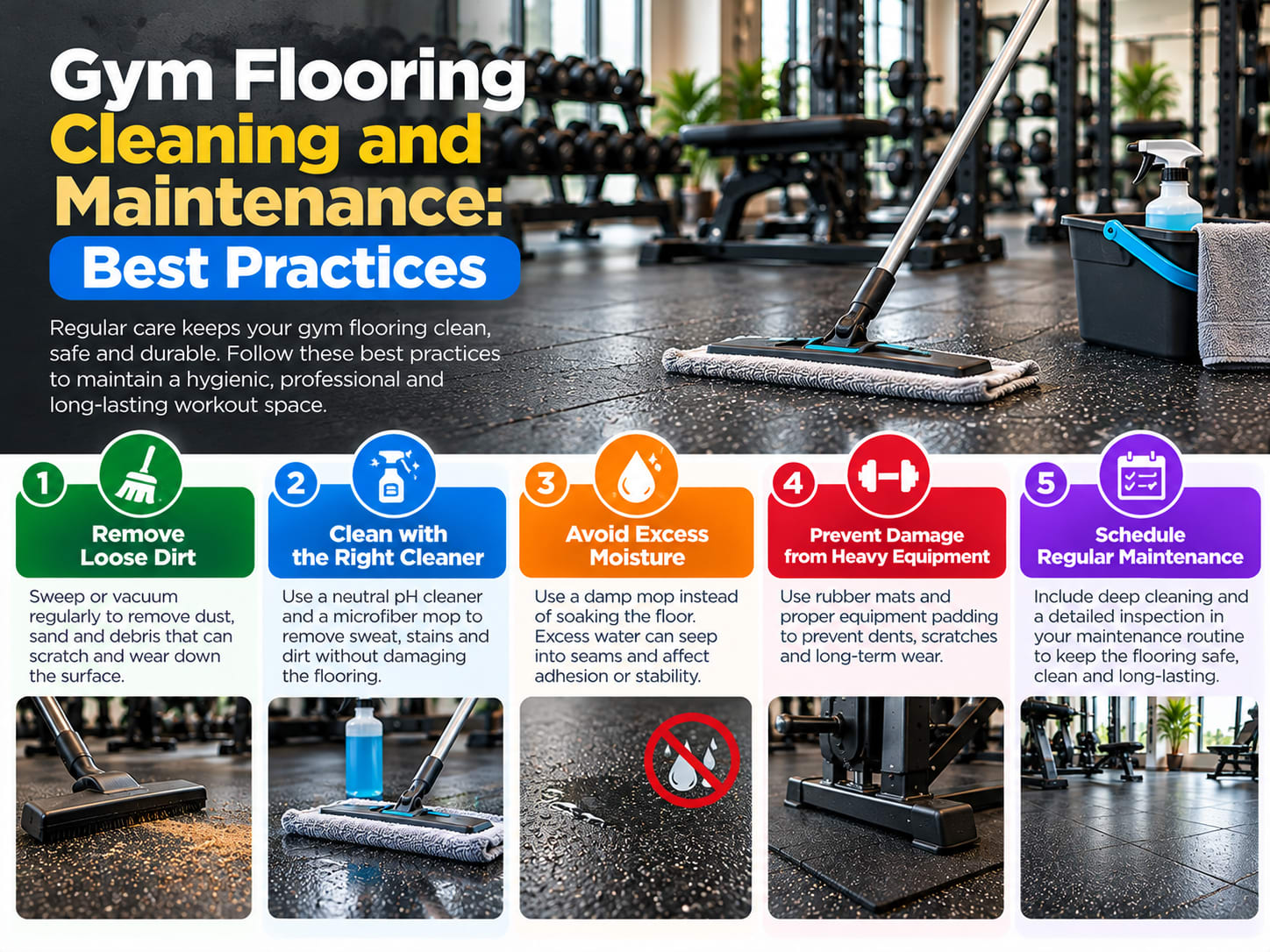
Always remember that the equipment is not the only thing that needs maintenance. Gym flooring should also be checked regularly. Look for the following factors:
- Lifted edges
- Gaps
- Damaged tiles
- Cracks
- Excessive wear
- Moisture underneath equipment
- Loose mats
Damaged flooring can create a trip hazard. Rubber flooring can also collect dust and sweat, so regular cleaning is important. Pay particular attention to free-weight areas because repeated impact can damage flooring over time.
Weight Training Equipment Maintenance: Inspection & Safety Checklist
Free weights and strength equipment need their own checks. Check out the following factors.
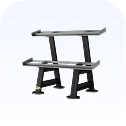
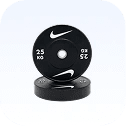
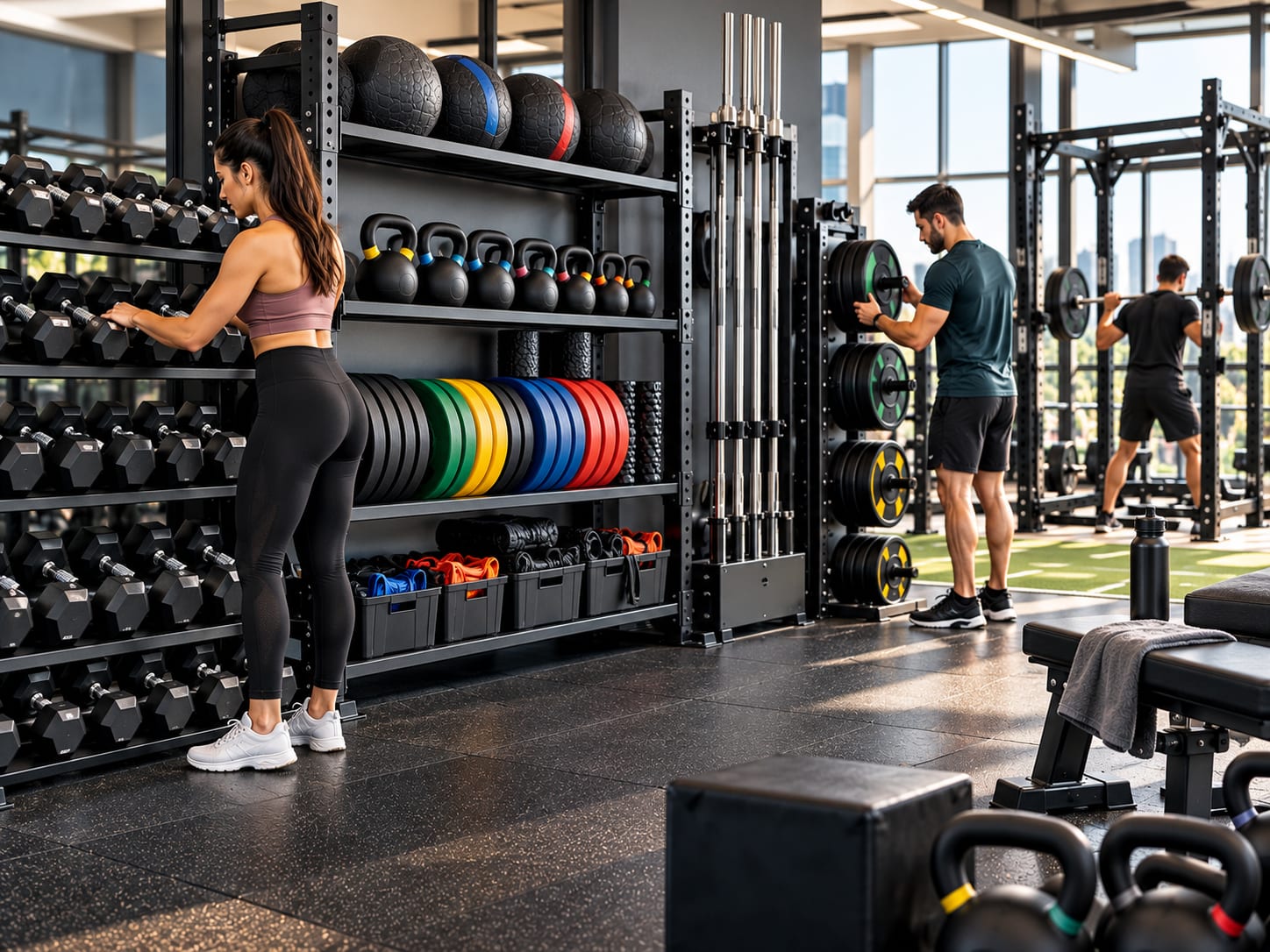
- Weight Plates: Check for cracks, damaged edges and excessive wear.
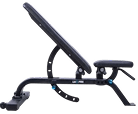
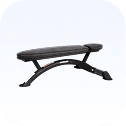
- Benches: Check frame stability, adjustment points, bolts and upholstery.
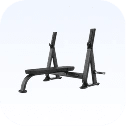
- Power Racks: Inspect bolts, J-hooks, safety arms and other attachments. Make sure adjustable parts lock securely.
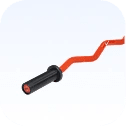
- Barbells: Inspect the shaft, sleeves and collars. Look for rust, unusual movement or visible damage.
- Dumbbells: Check handles, heads and connections for damage. Look for cracks or loose components.
Gym Maintenance: Things You Should Repair Immediately
Some problems should never be postponed. Take equipment out of service if you find the below symptoms:
- Severely damaged cables
- Broken safety components
- Exposed electrical wires
- Cracked structural parts
- Unstable benches
- Broken locking mechanisms
- Serious treadmill belt problems
- Damaged weight plates
- Loose structural connections
- Burning smells or electrical overheating
A machine that is ‘mostly working’ is not necessarily safe. If a safety-critical component is damaged, stop using the equipment immediately until it has been properly inspected.
Common Signs That Equipment Needs Professional Service
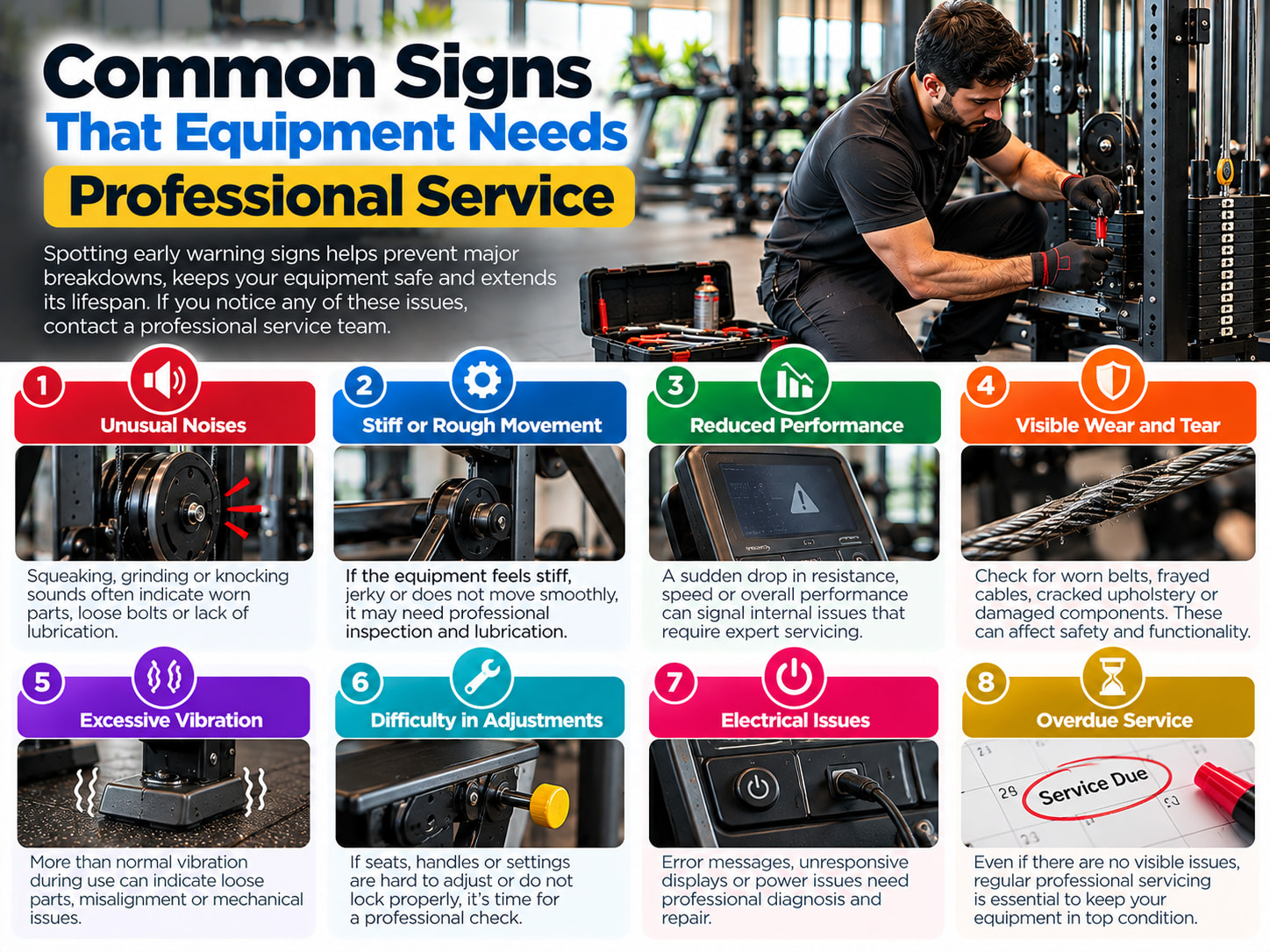
Not every problem is easy to identify. Call a professional service team if equipment starts showing repeated or unusual problems such as the following:
- Strange Noises: Grinding, clicking or repeated knocking can indicate a mechanical problem.
- Unusual Vibration: This may indicate alignment, belt, bearing or other equipment issues.
- Reduced Performance: A treadmill that struggles to maintain speed or a machine with inconsistent resistance should be inspected.
- Cable Problems: Any significant cable wear should be professionally assessed.
- Electrical Issues: Power problems, burning smells, repeated shutdowns or damaged wiring require professional attention.
- Repeated Breakdowns: If the same machine keeps failing after minor repairs, it may need a more detailed inspection.
Keep a Gym Equipment Maintenance Log
One simple way to improve maintenance is to keep a record. The log does not need to be complicated. For each machine, record the following points:
- Equipment name
- Model
- Serial number
- Installation date
- Last inspection
- Problems found
- Repairs completed
- Parts replaced
- Next service date
This helps gym managers understand which equipment needs attention. It can also make it easier for a service team to diagnose recurring problems. For large gyms, placing an equipment ID number on each machine can make the process even easier.
Preventive Maintenance vs Emergency Repairs
Waiting for a machine to break is an expensive approach. Preventive maintenance focuses on finding problems at an early stage. For example, replacing a worn cable before it fails is much better than dealing with a broken cable during a busy gym session.
The same applies to treadmill belts, upholstery, bearings, adjustment pins and other wear components. Preventive maintenance can also help reduce unexpected downtime. For commercial gyms, this matters because every machine that is out of service can affect the member experience.
When Should You Schedule Professional Maintenance?
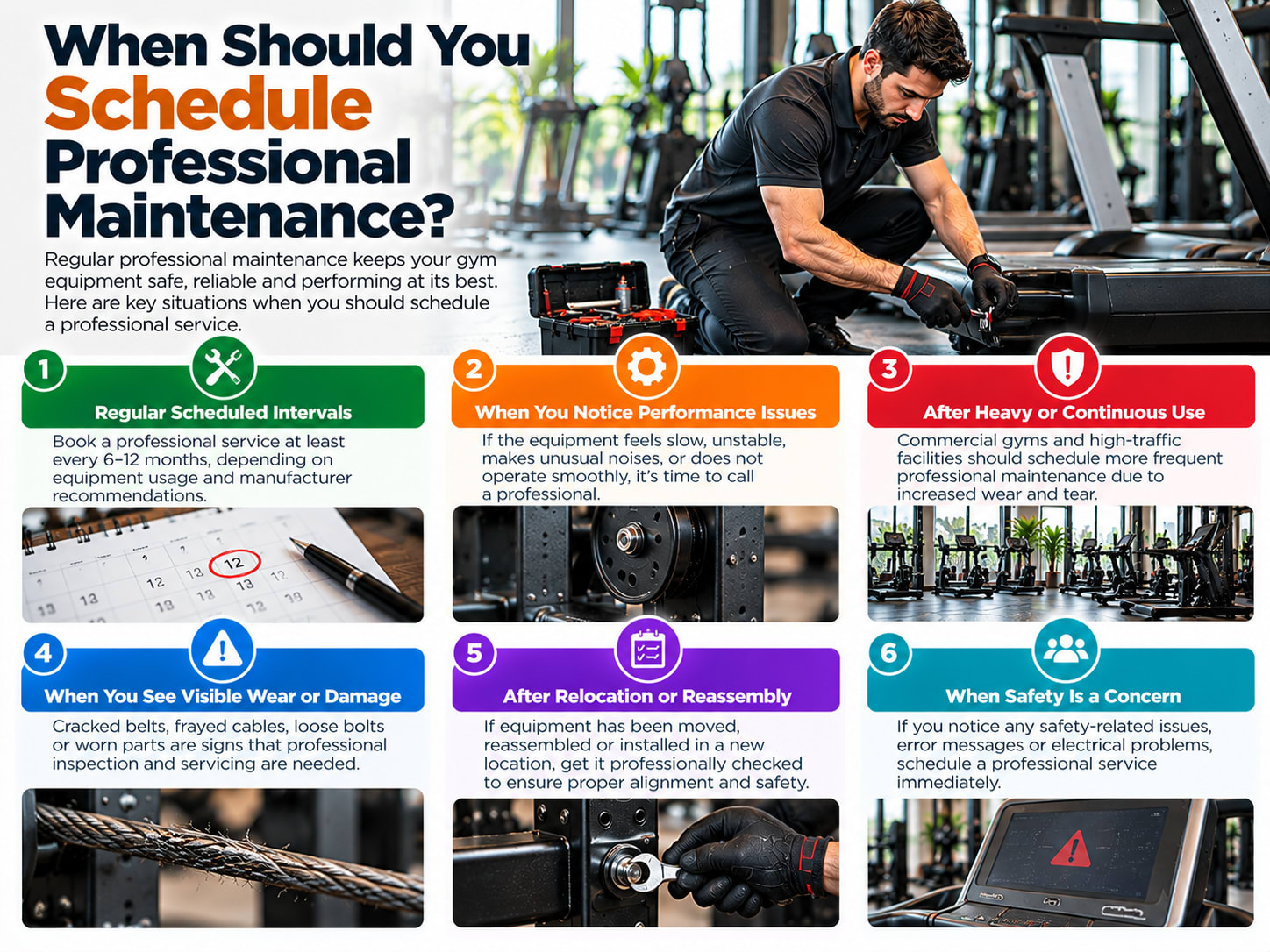
A professional inspection should be part of the maintenance plan, especially for commercial gyms. The frequency depends on:
- Equipment type
- Daily usage
- Manufacturer recommendations
- Age of equipment
- Gym size
- Environmental conditions
- Previous repair history
High-use equipment may require more frequent professional attention. A service team can inspect components that are difficult for regular gym staff to assess and can identify wear before it becomes a bigger issue.
Professional service can also include repairs, parts replacement, lubrication where required, equipment adjustment and performance checks.
Meanwhile, UAE fitness enthusiasts can visit Lifetime Fitness Store for premium-quality gym equipment, trusted brands, competitive offers, expert guidance, reliable delivery, professional installation, and dedicated after-sales service for all their home and commercial fitness needs.
Conclusion
Gym equipment maintenance does not need to be complicated. The most important thing is consistency. A few minutes of daily cleaning and inspection can help identify problems before they become serious.
Weekly checks can focus on cables, bolts, upholstery and adjustment points, while monthly maintenance can take a closer look at moving parts, electrical components, alignment and areas that are difficult to reach.
For gyms in the GCC, dust, heat, humidity and heavy traffic make regular maintenance even more important. Equipment should be kept in a suitable indoor environment, cleaned properly and checked according to its usage.
Remember that different equipment needs different care. A treadmill has different maintenance requirements from a power rack or cable machine. Most importantly, never ignore a safety-related problem.
If a cable is badly worn, a bench is unstable, an electrical cable is damaged or a machine behaves differently from normal, take it out of service and arrange a proper inspection.
A good maintenance program protects more than the equipment. It protects your members, your investment and the reputation of your gym. The best gym maintenance plan is simple: clean it, check it, record it and repair problems before they become bigger problems.
 Get a weekly dose of latest stories
and useful tips directly in your inbox!
Get a weekly dose of latest stories
and useful tips directly in your inbox!


 0
0