



Exercise bikes have become one of the most practical additions to modern home gyms. They provide a low-impact cardiovascular workout, require minimal learning, and are suitable for users of almost every fitness level. However, choosing the right exercise bike can be challenging, especially when deciding between a folding bike and an upright bike. Although both offer effective indoor cycling workouts, they are designed for different lifestyles, available space, and fitness goals. Folding bikes focus on convenience and compact storage, while upright bikes emphasize stability, comfort, and long-term workout performance. Understanding the differences between these two options allows homeowners to invest in equipment that complements both their living space and fitness routine. Whether you are setting up your first home gym or upgrading your current equipment, comparing folding and upright bikes can help you make a more informed purchasing decision.
Understanding Home Exercise Bikes
Home exercise bikes have evolved significantly over the past decade. Modern designs combine ergonomic comfort, adjustable resistance, digital tracking features, and compact construction to make indoor cycling accessible to more people than ever before. While some homeowners prioritize performance, others focus on saving space or maintaining flexibility within multi-purpose living areas. This has led to the growing popularity of folding exercise bikes alongside traditional upright bikes. Both options deliver cardiovascular benefits, but their overall user experience differs considerably.
What Is a Folding Exercise Bike?
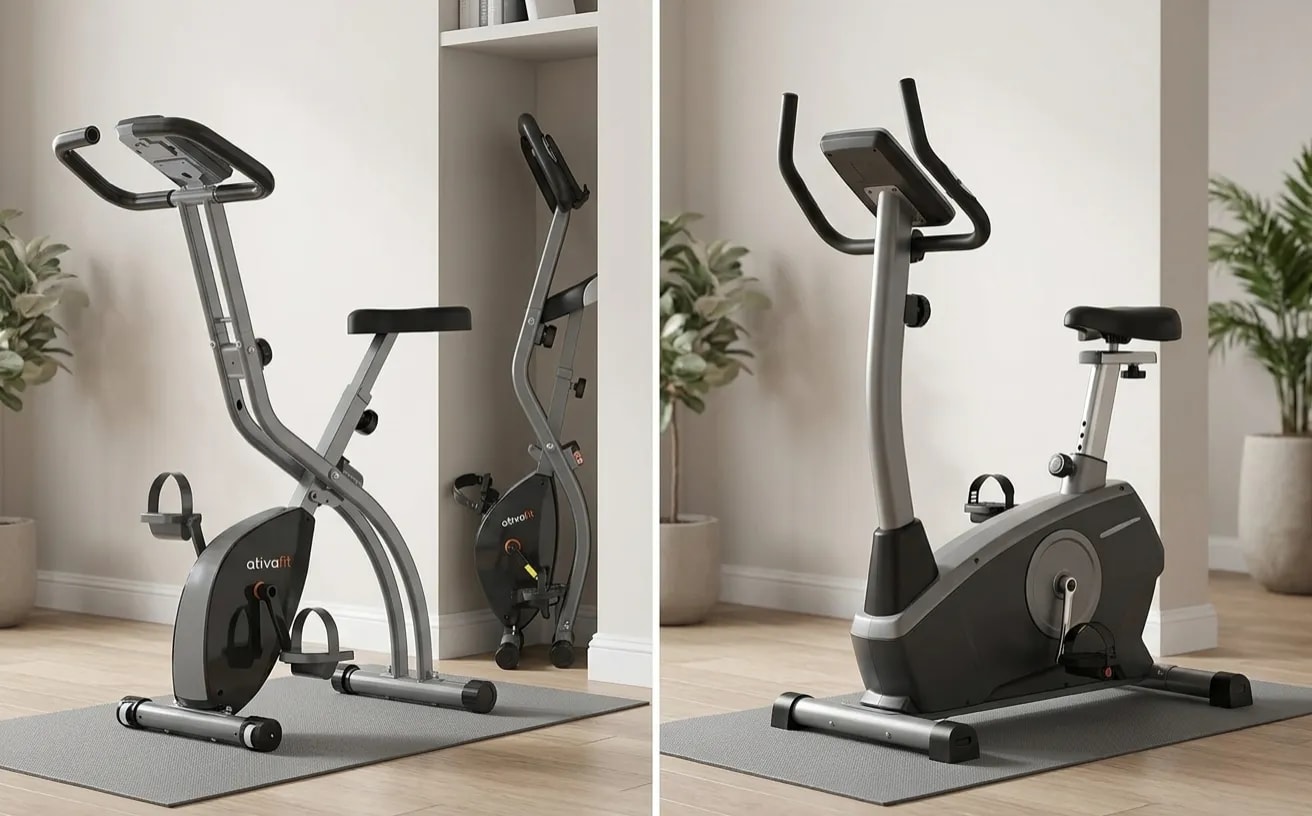
A folding exercise bike is designed to provide effective cardiovascular exercise while occupying minimal space when not in use. These bikes feature frames that fold inward after workouts, allowing users to store them inside closets, under staircases, or against walls. Folding bikes are especially attractive to apartment residents, homeowners with limited space, and individuals who prefer equipment that can be easily moved between rooms. Despite their compact design, many folding bikes include adjustable resistance, digital displays, heart-rate sensors, and comfortable seating that support everyday cardio workouts.
What Is an Upright Exercise Bike?
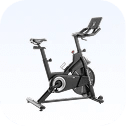
An upright exercise bike closely resembles a traditional outdoor bicycle. Riders maintain an upright seated position while pedaling above centrally positioned pedals. Upright bikes typically feature larger frames, stronger construction, wider adjustment ranges, and more advanced resistance systems than folding models. They are designed for users seeking greater stability, smoother performance, and more challenging cardiovascular workouts. Upright bikes are common in both home gyms and commercial fitness facilities because they accommodate a wide range of fitness levels while supporting consistent long-term use.
Also Read : How to Adjust Your Exercise Bike for Effective Ride
The Biggest Difference Between Folding and Upright Bikes
The most obvious difference lies in their overall design philosophy. Folding bikes prioritize portability and space efficiency, while upright bikes focus on workout performance and structural stability. This distinction influences nearly every aspect of the riding experience, including comfort, resistance, durability, adjustability, and workout intensity. Choosing between them depends largely on whether available space or long-term performance represents your highest priority.
Space Requirements
Space is often the deciding factor for many home gym buyers. Folding bikes are specifically engineered for compact living environments where equipment cannot remain permanently assembled. After each workout, the frame folds quickly into a smaller footprint that is easier to store. Upright bikes require dedicated floor space because they remain fully assembled at all times. While they occupy more room, many homeowners appreciate having equipment permanently available without needing to unfold and reposition it before every workout.
Stability During Workouts
Workout stability significantly influences rider confidence and overall exercise quality. Upright bikes generally provide greater stability because of their larger frames, heavier construction, and wider bases. They remain firmly positioned during longer rides and higher resistance levels. Folding bikes have improved considerably in recent years, but their lightweight construction may produce slightly more movement during vigorous workouts. For moderate cardio sessions, this difference is often minimal, but individuals performing frequent high-intensity training may prefer the added stability of an upright bike.
Comfort Comparison
Comfort is another important consideration when comparing these bikes. Upright bikes typically feature larger saddles, more ergonomic handlebars, and broader adjustment ranges that allow users to customize riding position according to body size and preference. Folding bikes also prioritize comfort but often use more compact seating systems to maintain their space-saving design. For shorter daily workouts, many users find folding bikes perfectly comfortable, while individuals planning extended cycling sessions may appreciate the additional ergonomic support offered by upright models.
Workout Performance
Both folding and upright bikes improve cardiovascular fitness, support calorie burning, and strengthen the lower body. However, upright bikes often provide smoother resistance transitions, greater maximum resistance levels, and more advanced workout programs. These features allow riders to perform interval training, endurance sessions, and progressive workouts with greater precision. Folding bikes generally focus on moderate-intensity cardiovascular exercise that fits comfortably into everyday fitness routines.
Resistance Systems
Modern folding and upright bikes frequently use magnetic resistance systems because they provide quiet operation and minimal maintenance. Upright bikes often include higher resistance ranges that accommodate advanced users seeking more challenging workouts. Folding bikes usually provide sufficient resistance for general fitness, daily activity, and moderate cardio sessions. The appropriate choice depends largely on the rider's long-term fitness objectives.
Which Bike Is Better for Beginners?
Beginners can achieve excellent results using either bike style. Folding bikes often appeal to first-time users because they are affordable, compact, and unintimidating. Upright bikes provide a more traditional cycling experience and greater opportunities for progression as fitness improves. Individuals planning to exercise several times each week for many years may appreciate the additional durability and adjustability of an upright bike, while casual users often find folding bikes fully capable of meeting their needs.
Maintenance Requirements
Both bike types require relatively little maintenance compared with many other fitness machines. Regular cleaning, occasional bolt inspections, and proper storage help preserve long-term performance. Folding bikes require slightly more attention to hinge mechanisms to ensure smooth folding operation over time. Upright bikes feature fewer moving frame components, making their structural maintenance somewhat simpler. Following manufacturer recommendations helps maximize equipment lifespan regardless of the chosen model.
Home Gym Flexibility
Modern homes frequently require spaces to serve multiple purposes. A spare bedroom may function as both a home office and workout area, while living rooms may temporarily become exercise spaces during certain times of the day. Folding bikes excel in these environments because they can be stored quickly after each workout. Upright bikes, while requiring dedicated space, create a permanent workout station that encourages spontaneous exercise and consistent daily use.
Long-Term Value
Value should be evaluated based on how well the equipment supports long-term fitness habits rather than purchase price alone. Folding bikes deliver outstanding value for individuals prioritizing convenience, storage, and moderate daily exercise. Upright bikes often justify their larger footprint through enhanced durability, smoother performance, and greater training versatility. Selecting equipment that aligns with your lifestyle increases the likelihood of regular use, ultimately providing better long-term return on investment.
Who Should Choose a Folding Exercise Bike?
A folding exercise bike is an excellent solution for people who want to stay active without dedicating an entire room to fitness equipment. Modern homes, apartments, and shared living spaces often have limited floor space, making compact equipment increasingly attractive. A folding bike provides the flexibility to enjoy daily cardio workouts while allowing the room to return to its original purpose once the session is complete.
This type of bike is particularly suitable for beginners, students, apartment residents, remote workers, and individuals who exercise for general health rather than competitive performance. It also works well for people who prefer short daily workouts instead of long endurance rides. Because folding bikes are lightweight and easy to move, they can be positioned in different areas of the home depending on personal preference.
For individuals who prioritize convenience and flexibility above all else, a folding bike offers an excellent balance between functionality and space efficiency.
Who Should Choose an Upright Exercise Bike?
An upright exercise bike is better suited for users who view indoor cycling as a long-term fitness investment. Unlike folding models, upright bikes are designed to remain permanently assembled, making them readily available whenever motivation strikes. This accessibility often encourages greater workout consistency because users can simply step onto the bike without any setup time.
Individuals who exercise several times each week generally appreciate the stronger frame, smoother resistance system, and wider adjustment options provided by upright bikes. They are particularly beneficial for intermediate and advanced users who want progressive workouts that become more challenging as fitness improves.
Families also benefit from upright bikes because multiple household members can quickly adjust the seat and handlebars to accommodate different heights and riding preferences.
Comparing Build Quality
Build quality often determines how enjoyable an exercise bike feels over many years of ownership. Upright bikes typically feature heavier steel frames, larger stabilizers, and stronger internal components capable of handling more frequent usage. This additional structural support contributes to smoother pedaling and greater confidence during challenging workouts.
Folding bikes, while well engineered, must balance durability with portability. Their frames include folding mechanisms that allow compact storage, making them lighter and easier to transport. Although today's folding bikes are remarkably stable for everyday exercise, they are generally designed for moderate fitness routines rather than extremely intense daily training. Choosing between them depends less on which bike is stronger and more on how frequently and intensely the equipment will be used.
Noise Levels During Workouts
One of the reasons indoor cycling continues growing in popularity is its quiet operation. Modern magnetic resistance systems produce very little noise, allowing users to exercise early in the morning or late at night without disturbing family members or neighbors. Both folding bikes and upright bikes can operate quietly when properly maintained. However, premium upright bikes often deliver exceptionally smooth and silent pedaling because of their heavier flywheels and more sophisticated resistance systems. Folding bikes remain impressively quiet as well, making them excellent choices for apartment living and shared spaces. For people working from home or exercising while others sleep, either bike can provide a peaceful workout experience.
Workout Variety
A successful fitness routine often depends on workout variety. Repeating the same session every day can reduce motivation over time. Upright bikes frequently include a larger selection of workout programs that simulate hill climbs, interval training, endurance rides, recovery sessions, and heart-rate-based workouts. These programs help users continue progressing without needing external guidance. Folding bikes generally provide simpler workout options focused on everyday cardiovascular exercise. While they may include adjustable resistance and basic training modes, they prioritize ease of use over advanced performance features. Users seeking long-term workout diversity often appreciate the broader training capabilities of upright bikes.
Which Bike Is Better for Families?
Many households purchase fitness equipment intended for multiple users rather than a single individual. In these situations, adjustability becomes especially important.
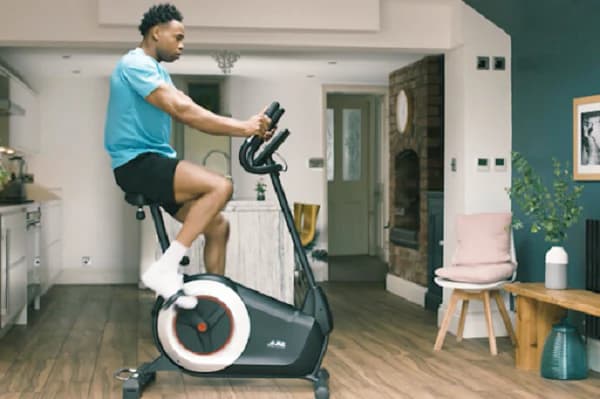
Upright bikes usually accommodate a broader range of rider heights because they provide greater seat adjustment and more ergonomic handlebar positioning. Their sturdy construction also allows frequent adjustment without affecting long-term durability.
Folding bikes can certainly be shared among family members, but repeated folding, unfolding, and adjustment may require slightly more effort. Families planning daily multi-user workouts often appreciate the convenience of leaving an upright bike permanently assembled.
Cost Considerations
Budget naturally influences every purchasing decision. Folding bikes are often positioned as affordable entry-level cardio equipment, making them attractive for first-time buyers or individuals exploring home fitness for the first time.
Upright bikes generally cover a wider price range, from entry-level models to premium commercial-quality machines featuring advanced displays, connectivity, and sophisticated resistance systems.
Rather than focusing solely on purchase price, buyers should consider long-term value. Equipment that encourages regular use often provides significantly greater value than lower-priced alternatives that remain unused.
Technology and Smart Features
Technology continues transforming indoor fitness equipment into highly interactive training platforms.
Many upright bikes now include:
- Bluetooth connectivity
- Virtual training programs
- Touchscreen displays
- Heart-rate monitoring
- Performance tracking
- Workout apps
Some folding bikes also include digital consoles with workout metrics and Bluetooth compatibility, although their technology packages are often simpler to maintain affordability.
Technology should complement good equipment design rather than replace it. Comfortable riding position, smooth pedaling, and reliable construction remain the foundation of every satisfying workout.
Maintenance and Longevity
Proper maintenance helps maximize the lifespan of any exercise bike. Simple habits include regularly wiping away sweat after workouts, checking adjustment knobs, tightening bolts when necessary, and inspecting moving parts for wear. Folding bikes benefit from occasional inspection of their folding joints to ensure smooth operation and structural integrity. Upright bikes typically require fewer frame-related maintenance checks because they remain permanently assembled. Their heavier construction also contributes to long-term durability under frequent usage. Following manufacturer recommendations ensures both bike styles continue delivering smooth, reliable performance for many years.
Choosing Based on Your Lifestyle
Your daily routine should strongly influence your equipment choice. Someone living in a studio apartment may prioritize compact storage above all else. A busy parent may appreciate equipment that can be folded away once children begin using the room. A dedicated fitness enthusiast may prefer leaving an upright bike permanently available for early morning workouts before work. Neither bike is universally better because every household functions differently. The most successful home gym is one built around your lifestyle rather than simply selecting the most advanced equipment available.
Why Consistency Matters More Than Equipment
Although selecting the right bike is important, long-term fitness success depends far more on consistency than equipment specifications. A folding bike used five times each week will almost always produce better results than an expensive upright bike that rarely gets used. Similarly, an upright bike that motivates daily exercise provides greater value than a folding bike stored permanently inside a closet. The best equipment is ultimately the equipment that becomes part of your routine.
Final Thoughts
Folding bikes and upright bikes both provide excellent opportunities to improve cardiovascular fitness, burn calories, and maintain an active lifestyle without leaving home. Folding bikes excel in portability, compact storage, and convenience, making them ideal for apartments and multi-purpose rooms. Upright bikes deliver greater stability, smoother performance, wider adjustment options, and enhanced long-term training potential for individuals seeking more challenging workouts. By carefully considering your available space, workout frequency, fitness goals, and lifestyle, you can confidently choose the bike that will support years of consistent, enjoyable indoor cycling and become a valuable part of your home gym.
Conclusion
Choosing between a folding bike and an upright bike depends on balancing available space, workout goals, comfort preferences, and long-term fitness plans. Folding bikes provide exceptional convenience for smaller homes while delivering effective cardiovascular workouts that fit comfortably into busy lifestyles. Upright bikes offer superior stability, broader adjustment options, and greater performance potential for users seeking consistent progression and more demanding training sessions. Both options can become valuable additions to a home gym when selected according to individual needs. By carefully considering your available space, fitness objectives, and preferred workout style, you can confidently choose the exercise bike that will support your health and wellness journey for years to come.
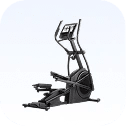
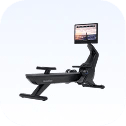
If you are looking to buy other fitness machines or accessories, look no further! Explore our range of fitness products like treadmills, elliptical cross trainers, exercise bikes, rowing machines, home gym, functional trainer, multi-station, power towers, smith machines, dumbbells, foosball tables, pool tables, and table tennis.


 0
0