Top Products
VIEW ALL RESULTS
 Delivery To Guest, Columbus

Starting a workout routine in a gym can be intimidating for first-time visitors. However, we want to ensure that beginners feel prepared and confident in using gym equipment. This article provides a comprehensive overview of the different types of equipment that are typically found at a local fitness centre, along with information that will make your gym experience easier and more enjoyable.
It's important to keep in mind that regardless of the reason for starting a workout routine - whether it be for weight loss, toning, or overall health - taking the step to visit the gym is a positive decision. The focus should be on your own goals and program, and not on others around you.
Going to the gym for the first time can be nerve-wracking, especially if you are feeling intimidated or confused by the various gym equipment. However, there is no need to worry.
If you are unsure about how to use the different fitness machines, consider taking an introductory class with one of the trainers at the gym. These classes are designed to provide an overview of all the gym equipment and help you determine which machines will be most beneficial for your fitness program.
Alternatively, you can also schedule a session with a personal trainer. A personal trainer will take the time to listen to your fitness goals and help you create a customised exercise plan to help you reach those goals. They will also demonstrate the proper techniques for using each gym machine, ensuring that you avoid any potential injuries.
Aside from understanding the various gym equipment, it is also crucial to familiarise yourself with proper gym etiquette. To help you get started, here are a few tips and guidelines to keep in mind:
As previously mentioned, when entering a gym, you will likely be faced with a variety of fitness equipment, including weight machines, strength training equipment, and other workout tools. Some of the most common pieces include a rowing machine, a weight machine, a dumbbell rack, and other strength training equipment. Understanding these basic gym tools will help you feel more comfortable and confident as you embark on your fitness journey.
The treadmill is a versatile piece of equipment that allows you to engage in a long run or walk in a controlled and contained environment. To use it, simply step onto the moving belt and begin your workout. The belt's resistance helps provide a challenging and effective workout. Some treadmills offer additional features such as internet connectivity, allowing you to participate in virtual running or walking events with others from around the world. They also offer the ability to customize your workout program to meet your specific fitness goals. Additionally, for your safety, most treadmills come equipped with safety features to minimize the risk of injury during your workout.
The squat rack is a popular piece of gym equipment for weight training enthusiasts. It is essentially a bench press without the bench and is often positioned in front of a mirror to allow for proper form monitoring during the exercise. The squat rack allows you to perform squats, a form of strength training that targets the lower back, hamstrings, and thigh muscles. The process involves moving under the barbell, standing up, performing a squat, and then returning the barbell to the rack once you have risen back up. Squat lifting is an effective way to build power in the lower body and is a common exercise in weight training routines.
The rowing machine is an excellent piece of gym equipment that is specifically designed to imitate the action of rowing a boat. This type of workout is beneficial for engaging multiple muscle groups in your body, including the biceps, wrist, oblique muscles, and others. Using a rowing machine is also an effective way to target and strengthen the latissimus dorsi muscles, which are located along the sides of the back.
It is only a glimpse into the vast variety of fitness equipment that one may encounter when visiting a gym for exercise. Let's take a look at some of the other equipment that you may come across.
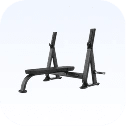
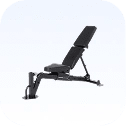
The bench press is a staple piece of fitness equipment that can be found in both gyms and home workout setups. It is an effective tool for strength training and building muscle in the chest, triceps, and other upper body muscles. To use the bench press effectively, it's important to maintain proper form by keeping your feet firmly planted on the ground while performing the exercise.
Free weights refer to any type of weight that is not fixed to a specific exercise machine. This can include barbells, dumbbells, medicine balls, sandbags, and other types of weights that you can move and use in any way you choose. These weights provide a great deal of flexibility for strength training, as you can target specific muscle groups and adjust the weight to your individual needs and preferences.
Free weights and weight machines differ in the manner in which they provide resistance during exercises. Weight machines usually offer resistance in a vertical direction, while free weights enable you to move in various directions and the resistance is derived from the weight itself. Free weight training has a lower chance of leading to muscle imbalances and reducing the risk of injury as compared to a weight machine workout.
Dumbbells and barbells are both free-weight equipment. The defining difference is their size. Dumbbells are designed for single-handed use and have a short bar connecting the weights, while barbells are much longer, usually ranging from four to seven feet, and are used for exercises such as bench presses or squats.
Dumbbells come in a range of weights, from lighter weights such as five pounds to heavier weights such as 50 pounds or more. They are versatile and can be used for various exercises to target different muscle groups, including the biceps. For beginners, it is important to start with a weight that can be lifted for 15 repetitions without feeling exhausted. This will ensure a good workout while also reducing the risk of injury.
Set the height of your seat so the grip is at chest level, then lean back against the seat to maintain proper posture. Hold the handles without locking your elbows, and then push the bars out fully until they are extended. As you progress, increase the weight of the weights and aim for 12-15 repetitions in each set.
Grasp the handles with your arms and sit down with your chest lifted and your back straight. As you pull the handles towards your torso, make sure to squeeze your shoulder blades together. This should create a stretching sensation in your lat muscles. Maintain proper posture throughout the movement and then return to the starting position.
Start by sitting on the leg press seat and adjusting the weight to the desired amount you want to lift. Ensure that your legs are positioned evenly on the pressing platform. Before starting, make sure to disengage the safety levers on either side of the seat. Begin pressing the weight while keeping your knees slightly bent, and make sure to breathe properly throughout the exercise. Aim to perform at least 12-15 repetitions before concluding the set.
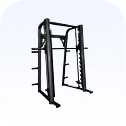
The Smith machine is a versatile weight training tool that allows you to perform a variety of exercises that involve weights. It is a type of assisted weightlifting equipment that can help you lift heavier weights while minimizing the risk of injury, provided that you maintain proper form and posture. The Smith machine features a stationary steel barbell that is firmly attached to the machine.
An efficient cardio workout machine that provides a gradual, yet substantial amount of calorie burn can be achieved by using a stationary machine that involves gripping the handlebars and carefully placing your feet on each of the pedals. It is important to maintain proper posture by keeping your back straight and performing the exercise by alternating movements between your legs and arms while maintaining balance.
To properly position your body for this exercise, align yourself so that the grip handles are located between your ears and shoulders. Grasp the handles and press them upward with straight arms until your upper arms are vertical and your elbows are slightly bent. Return the handles back to the starting position between your shoulders and ears, and repeat the motion.
Having an understanding of the purpose of each piece of gym equipment, here are some tips to enhance your workout and prevent injury while using any machine in the gym.
Before using gym equipment, it is important to ensure it is adjusted to your body size and specifications. This may involve adjusting the seat height, the weight stack, or the attachment on cable machines. If you are unsure of how to properly adjust the equipment or if it is set up correctly for you, do not hesitate to ask a gym staff member for assistance.
It is advisable, to begin with, a lower weight when utilizing a new piece of gym equipment for the first time. This will allow you to familiarize yourself with the machine, and the movement involved, and ensure that your posture and form are correct. As you become more comfortable with the equipment and have a better understanding of the different weights available, you can gradually increase the weight and choose a heavier load that will push you to your limits on the final two reps of each set.
A common error that beginners make is to concentrate only on a specific part of their body. To enhance your overall physical fitness and minimize the possibility of muscle imbalances and injury, it is advisable to adopt a comprehensive full-body training approach. This could include either performing full-body exercises or dividing your training sessions to target different muscle groups on alternate days. By following this approach, you can work towards achieving balanced strength and reduce your risk of injury.
If you are using one of our Sweat programs for gym training, there are accompanying videos that demonstrate the proper form for each exercise. Programs such as PWR, FIERCE, BUILD, High-Intensity Strength with Kayla, High-Intensity Strength with Cass and Strength & Resistance provide a beginner week and a comprehensive guide to help you get started with weightlifting at the gym. Additionally, most gym equipment comes with a diagram that displays how to use the machine and the muscles that will be targeted, so you can take a look at this before starting your workout.
Before beginning your workout, it is important to understand the correct technique for using any equipment you choose, whether it is a resistance band, weight machine, rowing machine, or any other type of equipment. A trainer can go over the different pieces of equipment with you to ensure you know how to use them properly.
If you have not been to the gym in some time or are completely new to the experience, it is advisable to speak with your doctor first to ensure it will be safe for you to start working out.
Once you have received the green light from your doctor, you can start your workout with confidence and have fun. It is normal to feel intimidated, especially if you are new to the gym. However, it is important to remember that you are there for yourself and to reach your personal goals, so there is no need to feel pressure to impress anyone but yourself.
Don't be intimidated by gym equipment, as you will find that it is not as scary as you may think. Once you start using it, you will realize how enjoyable it can be. If you are new to gym workouts or need support, consider joining the Sweat Community, which is a supportive group of like-minded women who share workout tips and motivate each other to achieve their fitness goals.
It is important to remember that with practice comes confidence, and the more you use gym equipment, the more comfortable you will feel. If you have been considering trying out gym machines, don't wait until "one day." Instead, make today the day you start your journey. Have confidence in yourself and know that you are capable of reaching your fitness goals.
If you are looking to buy other fitness machines or accessories, look no further! Explore our range of fitness products like treadmills, elliptical cross trainers, exercise bikes, rowing machines, home gym, functional trainer, multi-station, power towers, smith machines, dumbbells, foosball tables, pool tables, and table tennis.
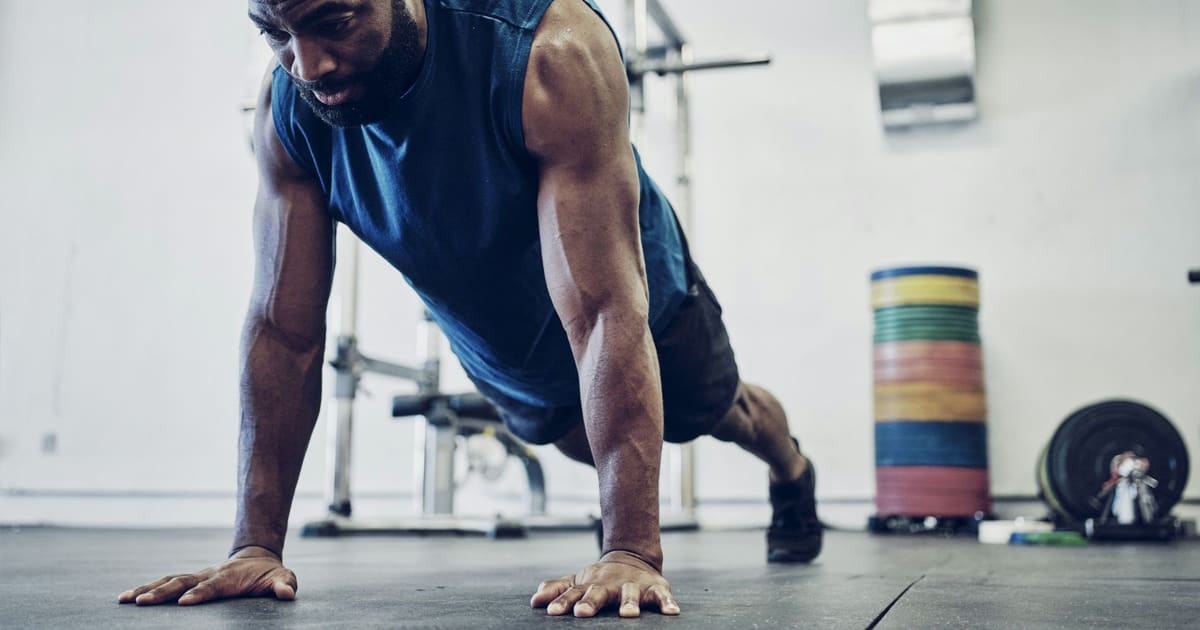
Aging is a natural part of life, and with it comes a host of physical and cognitive changes. However, one common misconception that often accompanies aging is that exercise is no longer necessary or even safe. This couldn't be further from the truth.
Exercise is perhaps even more critical for older adults to maintain physical and mental well-being. In this comprehensive article, we'll delve into the myths about exercise and aging, dispelling these misconceptions one by one, and uncover the profound benefits that regular physical activity can bring to seniors.
One of the most pervasive myths is that it's too late to start exercising in your older years. However, research consistently shows that it's never too late to reap the rewards of physical activity. Even individuals who have been sedentary for most of their lives can experience significant improvements in health and quality of life by initiating an exercise regimen.
Regular physical activity is a key factor in reducing the risk of chronic diseases, including heart disease, type 2 diabetes, and various types of cancer. Exercise strengthens the heart, improves circulation, and lowers blood pressure and triglyceride levels, all of which are crucial in preventing these conditions. It also helps manage blood sugar and insulin levels, reducing the risk of metabolic syndrome and type 2 diabetes
Exercise is essential for maintaining strong bones and muscles. As we age, we tend to lose muscle mass, strength, and function, which can increase the risk of injury. Regular physical activity, particularly resistance training, can help reduce muscle loss and maintain strength. Additionally, exercise can significantly improve bone density, reducing the risk of osteoporosis later in life. This is particularly important for older adults, who are at a higher risk of fractures.
Exercise is essential for maintaining strong bones and muscles. As we age, we tend to lose muscle mass, strength, and function, which can increase the risk of injury. Regular physical activity, particularly resistance training, can help reduce muscle loss and maintain strength. Additionally, exercise can significantly improve bone density, reducing the risk of osteoporosis later in life. This is particularly important for older adults, who are at a higher risk of fractures
Concerns about injuries often deter older adults from exercising. While it's true that the risk of injury may increase with age, the benefits of exercise far outweigh the potential risks, especially when proper precautions are taken.
To minimize the risk of injury:
Joint pain is a common complaint among seniors, often leading to the misconception that exercise will exacerbate the problem. In reality, regular, moderate exercise can help alleviate joint pain by strengthening the muscles surrounding the affected joints and improving joint flexibility.
Low-impact exercises such as swimming, cycling, and tai chi can be particularly beneficial for individuals with joint pain. It's essential to consult with a healthcare provider or a physical therapist to develop an exercise plan tailored to your specific needs and limitations.
Maintaining a healthy weight is essential, but exercise offers numerous benefits beyond weight management. Even if you're at a healthy weight, regular physical activity can help preserve muscle mass, improve balance and coordination, and reduce the risk of chronic diseases like diabetes and heart disease. Exercise also plays a crucial role in maintaining overall mobility and independence as you age.
While rest and relaxation are vital components of a healthy lifestyle, an overly sedentary lifestyle can lead to muscle atrophy, decreased bone density, and a decline in overall fitness. Engaging in regular physical activity doesn't mean you have to engage in intense workouts; even light to moderate exercise, such as gardening, leisurely walks, or gentle stretching, can contribute significantly to your overall well-being.
A common misconception is that you need to be strong to start exercising. On the contrary, exercise is a potent tool for building strength, especially for older adults. Many exercises can be adapted to various fitness levels, and even the smallest improvements in strength can lead to substantial gains in daily functioning.
Resistance training, using body weight or light weights, can be particularly effective in building muscle and increasing overall strength. Starting with a personalized exercise program that matches your current fitness level is essential to make steady and safe progress.
Indeed, high-intensity workouts may not be suitable for everyone, especially as they age. However, there's no one-size-fits-all approach to exercise, and moderate-intensity activities can offer remarkable benefits without the extreme demands of intense workouts.
For older adults, it's crucial to find exercise routines that align with their fitness level, health status, and personal preferences. Activities such as brisk walking, cycling, swimming, and dancing can provide excellent cardiovascular benefits without pushing the body to its limits.
Cognitive decline is a common concern as people age, but exercise can play a pivotal role in maintaining and even enhancing cognitive function. Numerous studies have shown that regular physical activity can improve memory, cognitive processing speed, and overall brain health.
Exercise increases blood flow to the brain, promotes the growth of new neurons, and supports the release of neurotrophic factors that enhance brain function. Engaging in activities that challenge your mind, such as learning a new language or playing musical instruments, in conjunction with physical activity, can further boost cognitive benefits.
Maintaining balance and flexibility is essential for preventing falls and injuries, especially for older adults. The misconception that these exercises are only for younger individuals is far from the truth. In fact, balance and flexibility exercises become increasingly important with age.
Yoga, tai chi, and Pilates are excellent choices for improving balance and flexibility while also promoting relaxation and stress reduction. These exercises can help prevent falls and enhance your overall mobility and quality of life.
Finding time for exercise can be challenging, especially for older adults with busy schedules. However, it's crucial to prioritise physical activity for the numerous health benefits it offers. Exercise doesn't have to consume a significant amount of time; even short, frequent bouts of activity throughout the day can add up.
Incorporate exercise into your daily routine by taking short walks, performing brief stretching sessions, or engaging in household chores that require movement. Gradually increasing your activity level over time can lead to significant improvements in your health and fitness.
Aging is a natural process, but it doesn't have to be a pathway to decline. Research has shown that exercise plays a crucial role in slowing down the aging process and promoting healthier aging trajectories. This blog explores the correlation between exercise and aging, highlighting the benefits of physical activity and how it can contribute to a healthier, more active later life.
Exercise is not just a fountain of youth; it's a vital component of a comprehensive program that can significantly slow down the aging process. Studies have demonstrated that even older adults can reap the benefits of exercise. For instance, the Dallas Bed Rest and Training Study found that men in their 50s responded nearly as well to exercise training as those in their 20s. This suggests that exercise can be beneficial at any age, though it's essential to take extra care, especially for senior citizens who are just starting.
A remarkable example comes from a Harvard study that showed significant improvements in 87- to 90-year-old nursing home patients who were put on a weight-lifting program. This study not only evaluated muscular function but also found that previously sedentary men who began exercising after the age of 45 enjoyed a 24% lower death rate than their classmates who remained inactive. The maximum benefits were linked to an amount of exercise equivalent to walking for about 45 minutes a day at about 17 minutes per mile. On average, sedentary people gained about 1.6 years of life expectancy from becoming active later in life.
Exercise has a profound impact on various health parameters associated with aging. It can decrease resting heart rate, slow the decrease in maximum heart rate, increase maximum pumping capacity, decrease heart muscle stiffness, reduce blood vessel stiffness, lower blood pressure, and increase the number of red blood cells. Exercise also helps in maintaining the strength of bones and muscles, increasing metabolic rate, decreasing body fat, and reducing blood sugar levels. Moreover, it can decrease insulin levels, increase HDL ("good") cholesterol, and slightly decrease sex hormone levels. In the nervous system, exercise can improve nerve conduction and reflexes, increase the quality of sleep, reduce the risk of depression, and decrease memory lapses.
A study using a harmonized dataset of eight ageing cohorts across the world identified three types of healthy aging trajectories: high stable, low stable, and fast decline. The study found that engagement in any level of physical activity was associated with decreased odds of being in the low stable or fast decline groups of healthy aging trajectories. This suggests that promoting an active lifestyle plays an important role in maintaining health and functioning in older age and can attenuate declines in health and functioning.
Exercise is a powerful tool in the fight against aging. It not only slows down the aging process but also promotes healthier aging trajectories. By incorporating physical activity into our daily routines, we can enjoy the benefits of a healthier, more active later life. However, it's important to remember that exercise is just one piece of the puzzle. A balanced lifestyle that includes proper nutrition, mental stimulation, social networks, and regular medical care is essential for a comprehensive approach to healthy aging.
The correlation between exercise and aging is a positive one. By staying active, we can not only slow down the aging process but also enhance our quality of life in the later years. So, let's embrace the wisdom of Cicero and continue to exercise, even as we age, to preserve something of our youthful vigor into old age.
Dispelling the myths about exercise and aging is essential for promoting a healthy and active lifestyle among older adults. Regular physical activity can provide a multitude of benefits, including improved cardiovascular health, enhanced muscle strength, better cognitive function, and a higher quality of life. It's never too late to start exercising and finding activities that align with your fitness level and preferences is key to reaping these rewards. Embracing a well-rounded approach to exercise, including cardiovascular workouts, strength training, flexibility exercises, and balance training, can help older adults maintain their independence, vitality, and overall well-being as they age.
If you are looking to buy other fitness machines or accessories, look no further! Explore our range of fitness products like treadmills, elliptical cross trainers, exercise bikes, rowing machines, home gym, functional trainer, multi-station, power towers, smith machines, dumbbells, foosball tables, pool tables, and table tennis.
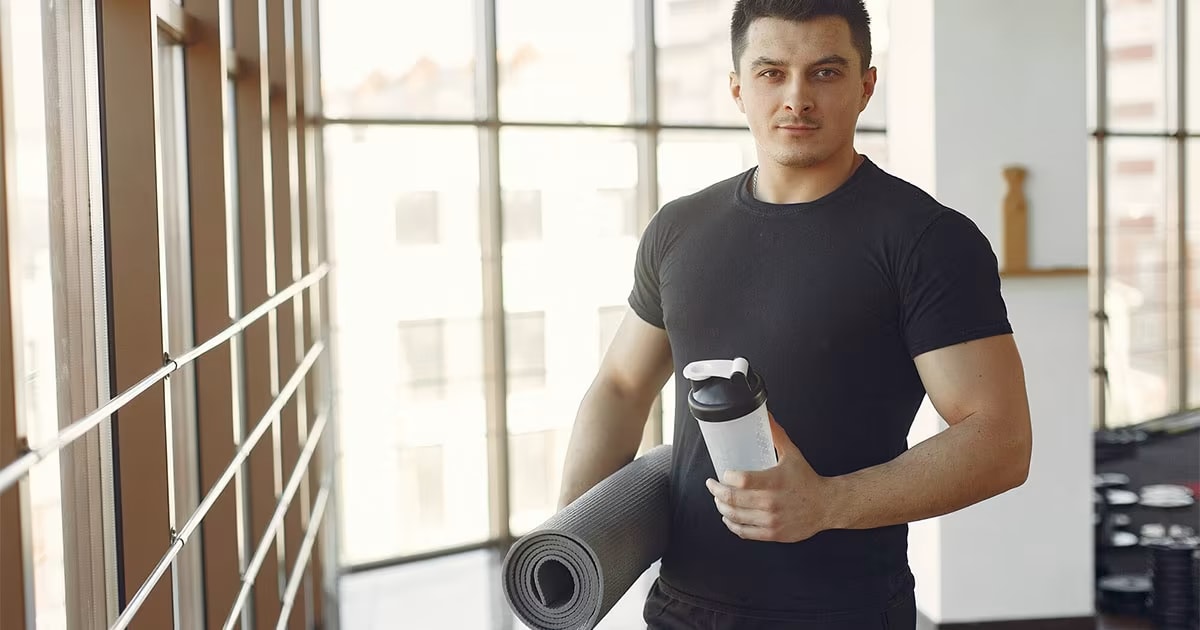
One of the most commonly cited benefits of exercising is its potential to "boost" metabolism. But what does this mean, and how does exercise actually affect your metabolic rate? Metabolism is the process by which our bodies convert what we eat and drink into energy. While this process is always happening even when we're resting or sleeping certain activities and lifestyle choices, such as exercise, can influence how quickly or efficiently we burn calories.
In this comprehensive guide, we will explore the relationship between exercise and metabolism, breaking down the science behind metabolic processes, the different types of exercise that can impact your metabolism, and how you can use this knowledge to optimize your fitness journey.
To understand how exercise can boost your metabolism, it's crucial to grasp the fundamentals of what metabolism is and how it functions within the body.
Metabolism refers to all the chemical reactions that occur within our cells to maintain life. These reactions can be broadly categorized into two types:
The energy produced during metabolism is measured in calories, and the rate at which we burn these calories is known as our ‘metabolic rate’.
Components of Metabolic Rate: Our total daily energy expenditure (TDEE) can be divided into three main components:
1. Basal Metabolic Rate (BMR): This is the amount of energy your body requires at rest to maintain essential functions, such as breathing, circulation, and cell production. BMR accounts for about 60-75% of your daily calorie expenditure.
2. Thermic Effect of Food (TEF): This is the energy your body needs to digest, absorb, and process the food you eat. TEF usually accounts for around 10% of daily calorie expenditure.
3. Physical Activity: This includes all movements, from fidgeting to exercising. Physical activity can vary widely among individuals and contributes significantly to your daily calorie burn.
Exercise affects metabolism primarily by influencing both the BMR and the calories burned during physical activity, thus increasing the overall TDEE.
How Exercise Boosts Metabolism
The connection between exercise and metabolism is complex, involving multiple mechanisms that work together to elevate energy expenditure both during and after exercise. Let’s examine how exercise can effectively boost your metabolism.
Burning Calories During Exercise:
When you exercise, your body requires more energy to fuel the movement of your muscles. This increased energy demand prompts your body to burn calories, which provides an immediate boost in calorie expenditure.
High-intensity exercise, in particular, can significantly increase your metabolic rate during the activity itself, as your muscles need a constant supply of energy to maintain the intensity.
Post-Exercise Oxygen Consumption (EPOC):
The effects of exercise on metabolism extend beyond the workout itself. After an intense workout, your body experiences a period of increased calorie burn known as Excess Post-Exercise Oxygen Consumption (EPOC), or the "afterburn effect." During EPOC, your body uses additional energy to restore itself to its resting state, including replenishing oxygen stores, clearing lactic acid, and repairing muscle tissue.
EPOC can last anywhere from a few hours to over a day, depending on the intensity and duration of the exercise. The higher the intensity, the longer EPOC will last, and the more calories you’ll burn in the recovery process.
Increasing Muscle Mass:
Muscle tissue is metabolically active, meaning it burns more calories at rest than fat tissue. Building lean muscle mass through strength training exercises like weightlifting, resistance training, or bodyweight exercises can increase your Basal Metabolic Rate (BMR). Studies have shown that for each pound of muscle gained, you can burn an additional 6-10 calories per day at rest. While this may seem modest, the cumulative effect over time can be significant, especially when combined with other forms of exercise that enhance calorie burn.
Hormonal Changes:
Exercise influences various hormones that play a role in regulating metabolism. For example:
The hormonal changes brought on by exercise can improve how your body metabolizes fat and carbohydrates, leading to better energy utilization and potentially reduced fat storage.
Brown Fat Activation:
Exercise may also increase the activity of **brown adipose tissue** or "brown fat." Unlike white fat, which stores energy, brown fat burns calories to produce heat. Studies suggest that exercise can stimulate brown fat activity, which could contribute to increased calorie expenditure and improved metabolic health.
Not all exercises affect metabolism in the same way. Different forms of exercise have unique impacts on metabolic rate, calorie burn, and muscle building.
Aerobic exercises, such as running, cycling, and swimming, primarily improve cardiovascular health and increase calorie burn during the activity itself. However, they also enhance aerobic capacity, which enables the body to burn more fat for fuel during low- and moderate-intensity exercises. While cardio exercises may not have as pronounced an effect on BMR as strength training, they contribute to overall calorie expenditure, and they can boost post-exercise calorie burn if performed at higher intensities.
High-intensity interval Training (HIIT) involves short bursts of intense activity followed by brief rest periods. This type of workout is especially effective for boosting metabolism because it creates a significant afterburn effect (EPOC), which can last for up to 24-48 hours after the workout. HIIT also promotes the release of fat-burning hormones, improves insulin sensitivity, and can stimulate muscle growth, making it one of the most efficient exercise types for increasing metabolic rate and burning fat.
Strength training exercises, such as lifting weights, using resistance bands, or performing bodyweight exercises, are essential for building lean muscle mass. As mentioned, more muscle mass equates to a higher BMR, which means you’ll burn more calories even at rest. Regular strength training can also improve bone density, joint stability, and functional strength, all of which support a healthy, active lifestyle that keeps your metabolism humming as you age.
While flexibility and balance exercises (e.g., yoga, Pilates) may not directly boost metabolism to the same extent as cardio or strength training, they contribute to overall physical health, which indirectly affects metabolism. Improved flexibility and balance can lead to better posture, injury prevention, and stress reduction—factors that support an active lifestyle and help maintain metabolic health.
Your metabolism is responsible for converting the food you eat into the energy your body needs to function. While genetics, age, and hormones all play a role, your daily activity levels have a significant impact on how efficiently your metabolism works. One of the most effective ways to support a healthy metabolic rate is through regular exercise that combines cardiovascular training, strength training, and consistent movement throughout the day.
Strength training is particularly important because muscle tissue burns more calories than fat tissue, even when your body is at rest. The more lean muscle mass you build, the more energy your body requires to maintain it. This means your metabolism can remain elevated long after your workout is complete. Functional trainers, multi-gym machines, dumbbells, kettlebells, and power racks are excellent tools for performing resistance exercises that help build and preserve muscle mass.
Cardiovascular exercise also plays a major role in metabolic health. Activities such as walking, jogging, cycling, rowing, and elliptical training increase calorie expenditure and improve cardiovascular fitness. Equipment like treadmills, exercise bikes, rowing machines, and elliptical cross trainers make it easier to maintain a consistent cardio routine regardless of weather conditions or schedule constraints. High-intensity interval training (HIIT) performed on these machines can further increase calorie burn and create an "afterburn effect," where your body continues to burn calories even after the workout ends.
As we age, our BMR naturally declines, primarily due to a loss of muscle mass and a decrease in physical activity levels. This can make it harder to maintain or lose weight as we get older. However, regular exercise can counteract many of these age-related metabolic changes:
Now that we’ve explored the science behind how exercise boosts metabolism, let’s look at practical strategies you can implement to maximize these benefits.
Combine Cardio and Strength Training:
Combining aerobic exercise with strength training is one of the most effective ways to boost metabolism. Aim to include both types of exercise in your weekly routine to maximize calorie burn, improve cardiovascular health, and build lean muscle.
Incorporate HIIT Workouts:
Adding HIIT workouts to your exercise routine can further enhance calorie burn and boost your metabolic rate. Start with short intervals of intense exercise, such as 30 seconds of sprinting followed by 30 seconds of rest, and gradually increase the duration as your fitness improves.
Also read: Effective ways to increase everyday Metabolism
Prioritize Progressive Overload:
When strength training, use the principle of progressive overload gradually increasing the weight, reps, or intensity over time. This stimulates muscle growth, which in turn increases your BMR and enhances calorie burn.
Stay Active Throughout the Day:
In addition to your regular workouts, try to incorporate more movement throughout the day. Simple actions like taking the stairs, walking during breaks, or even standing while working can contribute to an active lifestyle and help maintain a higher calorie expenditure.
Focus on Recovery:
Adequate recovery is crucial for muscle repair and growth, which supports a higher metabolic rate. Ensure that you’re getting enough rest, sleep, and proper nutrition to aid recovery after workouts.
Exercise offers a powerful tool for boosting metabolism and supporting long-term health. Through mechanisms like calorie burning, EPOC, muscle growth, and hormonal changes, exercise helps increase energy expenditure and optimize metabolic function. By combining different types of exercise and adopting an active lifestyle, you can enjoy a faster metabolism, improved energy levels, and enhanced overall well-being.
Remember that while exercise is a key component, other factors like diet, sleep, and stress management also play crucial roles in maintaining a healthy metabolism. Embrace a holistic approach to health, and your body will thank you with a more efficient metabolism and a healthier, happier life.
Mastering your metabolism is not about finding a quick fix or relying on temporary diet trends. It is about creating sustainable lifestyle habits that support your body's natural ability to produce and use energy efficiently. Regular strength training, cardiovascular exercise, balanced nutrition, proper hydration, quality sleep, and stress management all work together to improve metabolic health. By combining these habits with reliable fitness equipment that encourages consistent movement, you can create a strong foundation for long-term wellness. A healthy metabolism not only supports weight management but also improves energy levels, physical performance, recovery, and overall quality of life, helping you feel stronger, healthier, and more active every day.
If you are looking to buy other fitness machines or accessories, look no further! Explore our range of fitness products like treadmills, elliptical cross trainers, exercise bikes, rowing machines, home gym, functional trainer, multi-station, power towers, smith machines, dumbbells, foosball tables, pool tables, and table tennis.
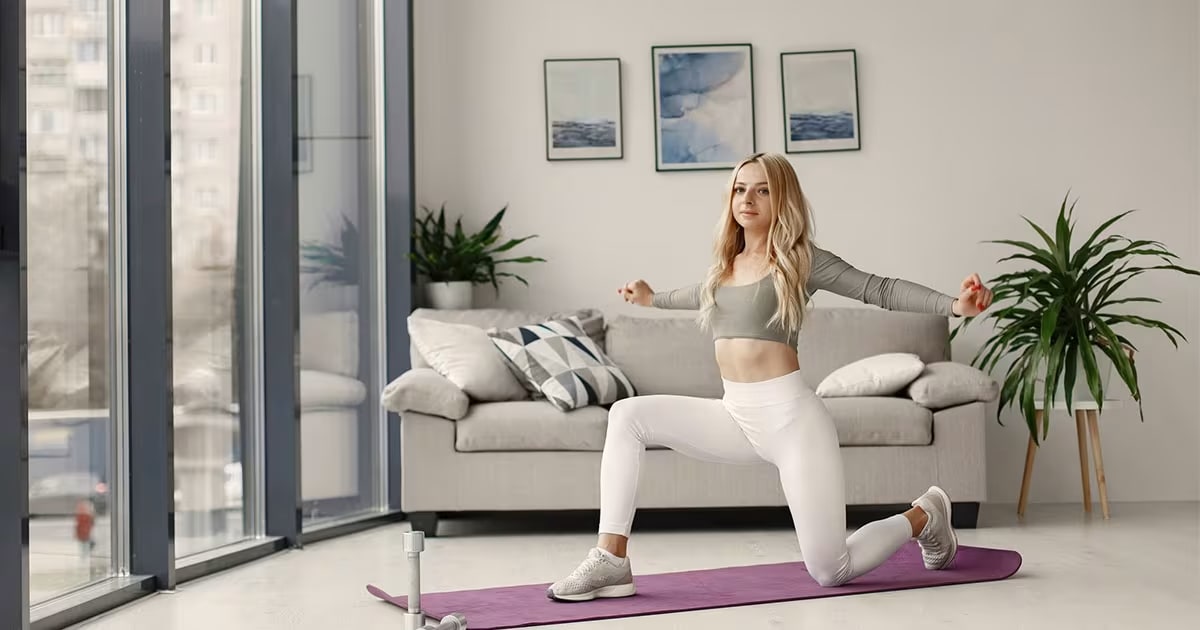
The heart, an extraordinary organ tirelessly pumping blood throughout our bodies, is undeniably the cornerstone of our well-being. Its health directly influences our quality of life and longevity. In an era where sedentary lifestyles and modern conveniences have taken centre stage, the importance of exercise for maintaining a healthy heart cannot be overstated.
Engaging in regular physical activity is a proactive and empowering step towards ensuring cardiovascular fitness and reducing the risk of heart disease. This comprehensive guide will explore the vital role of exercise in heart health, highlight the science behind cardiovascular fitness, and provide a detailed overview of various exercises that promote a strong and resilient heart.
Cardiovascular health refers to the optimal functioning of the heart and blood vessels, which work together to circulate oxygen-rich blood throughout the body. A healthy heart efficiently delivers nutrients and oxygen to cells, removes waste products, and maintains blood pressure within a normal range.
The absence of cardiovascular fitness can lead to a range of heart-related conditions, including coronary artery disease, heart attacks, and stroke. Incorporating exercise into your routine plays a pivotal role in maintaining and enhancing your heart's health.
Exercise profoundly impacts cardiovascular health through various physiological mechanisms:
A balanced and comprehensive exercise routine is key to maintaining cardiovascular health. Incorporate these types of exercises into your fitness regimen to promote a strong and resilient heart:
Designing a heart-healthy exercise routine involves careful planning and consideration. Follow these steps to create a well-rounded regimen that supports cardiovascular fitness:
Exercise is a powerful prescription for maintaining a healthy heart and reducing the risk of heart disease. By understanding the science behind cardiovascular fitness and incorporating a variety of exercises into your routine, you can enhance your heart health, improve blood circulation, manage blood pressure, and boost overall well-being.
Remember that a heart-healthy exercise routine should be personalized, safe, and aligned with your fitness level and goals. Prioritize consistency, listen to your body, and celebrate your progress along the way. With dedication and a heart-healthy exercise regimen, you can embark on a lifelong journey towards optimal cardiovascular health and a vibrant, active life.
Heart disease remains one of the leading health concerns worldwide, but the good news is that regular exercise is one of the most effective ways to protect your heart. Your heart is a muscle, and just like any other muscle in the body, it becomes stronger and more efficient when exercised consistently. A healthy heart pumps blood more effectively, delivers oxygen to muscles efficiently, helps regulate blood pressure, and supports overall energy levels throughout the day. Whether you're just beginning your fitness journey or looking to improve your current routine, incorporating heart-friendly exercises can significantly improve your quality of life.
The best part is that you do not need to be a professional athlete to enjoy the benefits. Simple, consistent movement can make a remarkable difference to your cardiovascular health.
Physical activity improves circulation, strengthens the heart muscle, and helps reduce several risk factors associated with cardiovascular disease.
Regular exercise can help:
• Lower blood pressure
• Improve blood circulation
• Reduce bad cholesterol levels
• Increase good cholesterol levels
• Support healthy weight management
• Improve blood sugar control
• Reduce stress and anxiety
• Increase energy levels
• Enhance sleep quality
• Strengthen overall cardiovascular function
Even moderate exercise performed consistently can significantly reduce the risk of heart-related complications later in life. Let us see differents sets of training:
Walking is often underestimated, but it is one of the most effective forms of cardiovascular exercise. A brisk walk increases heart rate, improves circulation, and burns calories without placing excessive stress on the joints. It is suitable for people of all fitness levels and can easily become part of a daily routine.
To maximize benefits:
• Aim for 30-45 minutes daily
• Maintain a brisk pace
• Swing your arms naturally
• Walk on varied terrain when possible
• Gradually increase intensity over time
Consistent walking can improve endurance, lower blood pressure, and support overall cardiovascular wellness.
Cycling is another excellent exercise that strengthens the heart while being gentle on the knees and joints.|Whether performed outdoors or on an exercise bike, cycling challenges the cardiovascular system while building muscular endurance in the legs and lower body.
Benefits include:
• Improved heart efficiency
• Increased calorie expenditure
• Enhanced stamina
• Better lower-body strength
• Reduced cardiovascular disease risk
Cycling is particularly beneficial for individuals looking for a low-impact alternative to running.
Running and jogging are among the most effective cardiovascular activities available. These exercises elevate heart rate significantly and improve oxygen utilization throughout the body. Over time, the heart becomes stronger and can pump more blood with each beat.
Advantages include:
• Improved cardiovascular endurance
• Better lung capacity
• Increased calorie burn
• Stronger heart muscle
• Enhanced athletic performance
Beginners should start slowly and gradually increase distance and intensity to avoid injury.
Swimming combines cardiovascular conditioning with full-body muscle engagement. Water provides natural resistance while minimizing stress on joints and connective tissues. This makes swimming an excellent option for people recovering from injuries or seeking a low-impact workout.
Swimming helps:
• Improve circulation
• Increase lung capacity
• Strengthen the heart muscle
• Enhance endurance
• Support weight management
Just 30 minutes of swimming several times per week can contribute significantly to long-term heart health.
Many people associate heart health only with cardio, but strength training also plays an important role. Building lean muscle mass helps improve metabolic efficiency, supports healthy body composition, and can contribute to lower blood pressure and improved cholesterol levels.
Effective strength exercises include:
• Squats
• Lunges
• Deadlifts
• Chest presses
• Rows
• Shoulder presses
• Functional training movements
Aim for at least two to three strength-training sessions per week for balanced cardiovascular and muscular health.
HIIT involves alternating short periods of intense activity with recovery periods. This style of training can improve cardiovascular fitness in less time compared to traditional steady-state cardio.
Benefits include:
• Increased calorie burn
• Improved cardiovascular capacity
• Better metabolic health
• Enhanced endurance
• Efficient workouts for busy schedules
HIIT should be introduced gradually, particularly for beginners or those with existing health conditions.
Creating a heart-healthy lifestyle becomes easier when you have access to the right fitness equipment. Modern home fitness equipment allows you to perform effective cardiovascular workouts regardless of weather conditions or busy schedules.
Treadmills are among the most versatile options for heart-focused training. They support everything from light walking to advanced interval workouts, making them suitable for beginners and experienced users alike. Exercise bikes provide low-impact cardiovascular training that helps improve endurance while minimizing stress on joints.
Elliptical cross trainers offer a full-body cardio experience by engaging both the upper and lower body simultaneously, increasing overall calorie expenditure and cardiovascular demand. Rowing machines are another excellent choice because they combine strength and cardio training in one efficient workout, challenging multiple muscle groups while elevating heart rate.
For individuals looking to build overall fitness, functional trainers, dumbbells, kettlebells, and multi-gym systems can complement cardiovascular training by improving muscular strength, which indirectly supports better heart health and metabolic function.
Investing in quality fitness equipment helps remove common barriers to exercise and encourages long-term consistency, which is ultimately the most important factor in maintaining a strong and healthy heart.
While flexibility exercises may not directly strengthen the heart, they support overall movement quality and recovery. Activities such as yoga and stretching can help reduce stress, improve circulation, and support healthy blood pressure levels.
Additional benefits include:
• Better mobility
• Reduced muscle tension
• Improved recovery
• Enhanced relaxation
• Lower stress levels
Since chronic stress can negatively impact heart health, recovery-focused activities are valuable additions to any fitness routine.
As your cardiovascular health improves, you may notice:
• Less breathlessness during activities
• Faster recovery after exercise
• Increased energy levels
• Better stamina throughout the day
• Improved workout performance
• Lower resting heart rate
• Better sleep quality
These improvements often occur gradually but can have a significant impact on overall health and wellbeing.
Your heart works tirelessly every second of every day, and regular exercise is one of the best ways to support its long-term health. Activities such as walking, cycling, swimming, running, strength training, and interval workouts can strengthen the heart, improve circulation, enhance endurance, and reduce the risk of cardiovascular disease. The key is consistency rather than perfection. Small daily efforts can create substantial improvements over time. By combining regular exercise, healthy lifestyle habits, and the right fitness equipment, you can build a stronger cardiovascular system, increase your energy levels, and enjoy a healthier, more active life for years to come.
If you are looking to buy other fitness machines or accessories, look no further! Explore our range of fitness products like treadmills, elliptical cross trainers, exercise bikes, rowing machines, home gym, functional trainer, multi-station, power towers, smith machines, dumbbells, foosball tables, pool tables, and table tennis.
Buying a home treadmill can be one of the best investments you make for your health and fitness. Whether your goal is weight loss, improved cardiovascular fitness, better endurance, increased daily activity, or simply creating a convenient workout space at home, a treadmill offers one of the most versatile exercise solutions available.
However, choosing the right treadmill is not always straightforward. A quick search reveals hundreds of models with different specifications, technologies, price points, and features. For first-time buyers, the sheer number of options can feel overwhelming. Many people focus solely on price, while others get distracted by flashy technology without considering the features that truly affect performance, comfort, durability, and long-term satisfaction.
The reality is that not all treadmills are created equal. The right treadmill for one person may not be the best choice for another. Factors such as fitness goals, body weight, available space, workout intensity, and training frequency all play an important role in determining which machine will provide the best experience.
Understanding the features that genuinely matter can help you make a smarter purchase decision and ensure that your treadmill continues to serve your fitness needs for years to come. This guide explores the most important treadmill features, explains why they matter, and helps you identify the best machine for your goals.
A treadmill remains one of the most popular pieces of fitness equipment worldwide because it offers unmatched convenience and versatility.
Unlike outdoor running or walking, treadmill workouts are not affected by:
•Weather conditions
•Extreme temperatures
•Rain
•Traffic
•Safety concerns
•Limited daylight hours
A home treadmill allows users to maintain consistent exercise habits regardless of external circumstances.
Additional benefits include:
•Convenient home workouts
•Customizable workout intensity
•Suitable for beginners and advanced users
•Effective calorie burning
•Improved cardiovascular health
•Support for weight management
•Year-round accessibility
The key is choosing a treadmill that matches your specific needs.
Before comparing treadmill specifications, consider how you plan to use the machine.
Ask yourself:
•Will I primarily walk?
•Will I jog regularly?
•Will I run frequently?
•Will multiple family members use it?
•Am I training for races?
•Do I want incline workouts?
•How often will I exercise?
Your answers will help determine which features deserve the highest priority.
Someone walking three times per week will require different specifications than someone running daily marathon training sessions.
Click here view: Healthy lifestyle awareness UAE
The motor is one of the most important components of any treadmill.
Motor power directly affects:
•Performance
•Smoothness
•Durability
•Noise levels
•Workout capacity
Motor strength is typically measured in continuous horsepower (CHP).
For walking:•2.0 CHP minimum
For jogging: •2.5 CHP to 3.0 CHP
For running: •3.0 CHP to 4.0 CHP or higher
For heavy daily usage: •4.0 CHP and above
A stronger motor generally provides smoother performance and better long-term durability.
Many buyers mistakenly focus on peak horsepower ratings.Continuous horsepower is more important because it measures the motor's ability to sustain power during extended workouts.
Benefits of higher CHP ratings include:
•Smoother operation
•Reduced motor strain
•Longer lifespan
•Better performance at higher speeds
•Improved incline functionality
When comparing treadmills, always prioritize CHP ratings over peak power claims.
The running deck significantly impacts workout comfort and safety.A deck that is too short or narrow can make running feel restrictive.
For walking: Minimum 20" x 50"
For jogging: 20" x 55"
For running: 22" x 60"
Taller users generally benefit from longer running surfaces due to longer stride lengths. Adequate deck space allows more natural movement and improves confidence during workouts.
One of the biggest advantages of treadmill running compared to outdoor running is reduced joint impact. Quality cushioning systems help absorb shock and reduce stress on:
•Knees
•Ankles
•Hips
•Lower back
Benefits include:
•Greater workout comfort
•Reduced fatigue
•Lower injury risk
•Improved workout consistency
For individuals with joint concerns, cushioning should be a top priority.
Different users require different speed capabilities. Walking users may only need moderate speed ranges, while runners often require much higher maximum speeds.
Typical speed ranges include:
•Walking: 1 to 6 mph
•Jogging: 4 to 8 mph
•Running: 6 to 12 mph
•Advanced training: 12 mph and above
Choose a treadmill that allows room for future fitness improvements.
Also read: Are You Buying the Right Treadmill? Here is How to Decide!
Incline training is one of the most valuable treadmill features available.
Increasing incline:
•Raises workout intensity
•Increases calorie burn
•Targets additional muscle groups
•Improves cardiovascular conditioning
•Simulates outdoor terrain
•0% to 10%
•0% to 15%
•0% to 20%
Some premium treadmills also offer decline functionality for even greater training variety.
Walking or running uphill requires greater muscular effort.
Incline workouts can effectively target:
•Glutes
•Hamstrings
•Calves
•Core muscles
Benefits include:
•Higher calorie expenditure
•Improved endurance
•Enhanced cardiovascular fitness
•Reduced boredom
For many users, incline training becomes one of the most valuable treadmill functions.
A treadmill should feel stable during every workout.
Signs of a quality frame include:
•Minimal vibration
•Smooth operation
•Solid construction
•Consistent performance
Frame quality becomes especially important for:
•Heavier users
•Frequent runners
•High-speed workouts
A stable treadmill creates a safer and more enjoyable exercise experience.
Weight capacity often reflects overall machine durability.
Higher weight capacities usually indicate:
•Stronger frames
•More robust motors
•Improved construction quality
Experts often recommend choosing a treadmill with a weight capacity significantly above your current body weight.
This helps ensure:
•Better performance
•Reduced wear
•Longer lifespan
Modern treadmills offer a wide range of technology features.
Common display metrics include:
•Speed
•Distance
•Time
•Calories burned
•Heart rate
•Incline level
Advanced displays may also include:
•Interactive workouts
•Entertainment apps
•Training programs
•Performance tracking
The best console depends on your preferences and fitness goals.
Technology continues transforming the treadmill experience.
Popular features include:
•Bluetooth connectivity
•Wi-Fi access
•Fitness app integration
•Virtual training programs
•Touchscreen displays
•Workout tracking
Smart features can improve engagement and motivation, particularly for users who enjoy structured training programs.
Heart rate tracking provides valuable workout insights.
Benefits include:
•Improved training accuracy
•Better calorie tracking
•Enhanced cardiovascular conditioning
•Safer exercise intensity management
Heart rate monitoring options include:
•Grip sensors
•Wireless chest straps
•Bluetooth connectivity
Many serious exercisers prefer chest-strap compatibility for greater accuracy.
Workout variety can significantly improve long-term consistency.
Built-in programs often include:
•Fat-burning workouts
•Hill training
•Interval training
•Heart rate programs
•Endurance sessions
These programs help reduce workout monotony while supporting different fitness goals.
Space availability often influences treadmill selection.
Advantages:
•Space-saving design
•Convenient storage
•Ideal for apartments
Advantages:
•Greater stability
•Often more durable
•Better suited for serious runners
The best option depends on available space and intended usage.
Noise is often overlooked during treadmill shopping.
Factors affecting noise include:
•Motor quality
•Deck construction
•Cushioning systems
•Frame stability
A quieter treadmill is particularly important for:
•Apartment living
•Shared spaces
•Early morning workouts
Safety should never be overlooked.
Important features include:
•Emergency stop key
•Side rails
•Stable frame
•Non-slip surfaces
•Child safety functions
These features provide additional confidence during workouts.
Many buyers regret their treadmill purchase because they focus on the wrong factors.
Common mistakes include:
•Buying solely based on price
•Ignoring motor power
•Choosing insufficient deck size
•Overlooking weight capacity
•Ignoring warranty coverage
•Purchasing unnecessary technology
•Not considering future fitness goals
Avoiding these mistakes can save money and improve satisfaction.
Prioritize:
•Comfort
•Cushioning
•Quiet operation
•Compact design
Prioritize:
•Incline functionality
•Workout programs
•Heart rate tracking
Prioritize:
•Powerful motor
•Large running deck
•High stability
•Advanced cushioning
Prioritize:
•Durability
•Multiple user profiles
•Higher weight capacity
Matching features to goals improves long-term success.
A treadmill is a long-term investment.
Durable machines offer:
•Lower maintenance costs
•Better reliability
•Longer lifespan
•Improved performance
High-quality construction often provides greater value than purchasing a cheaper machine that requires frequent repairs.
A strong warranty often reflects manufacturer confidence.
Key warranty areas include:
•Frame coverage
•Motor coverage
•Parts coverage
•Labor coverage
Always review warranty terms before making a purchase.
When shopping for a treadmill, one of the most important decisions you will make is choosing the type of treadmill that best matches your fitness goals, workout frequency, available space, and budget. While many buyers focus on features such as motor power, incline levels, or display technology, understanding the differences between home treadmills, commercial treadmills, and curved treadmills can help you make a much more informed investment. Each category is designed with specific users and training styles in mind, offering unique advantages that cater to different fitness needs.
Home treadmills are the most common type of treadmill found in residential settings. These machines are specifically designed for personal use and are ideal for individuals or families looking to exercise conveniently from home. Home treadmills typically prioritize comfort, space efficiency, ease of use, and affordability while still offering a wide range of workout options.
One of the biggest advantages of home treadmills is convenience. Having a treadmill at home eliminates many of the barriers that prevent people from exercising consistently. Weather conditions, travel time, crowded gyms, and busy schedules become less of an obstacle when your workout equipment is only a few steps away. This convenience often leads to greater consistency, which is one of the most important factors for achieving long-term fitness success.
Modern home treadmills are available in a variety of configurations to suit different fitness levels. Entry-level models are often suitable for walking and light jogging, while premium residential treadmills offer powerful motors, advanced cushioning systems, high-speed capabilities, and interactive training programs that rival those found in commercial fitness facilities.
Many home treadmills also feature folding designs that help save space when not in use. This makes them particularly attractive for apartment dwellers or homeowners with limited workout space. Despite their compact designs, many premium home treadmills still provide spacious running surfaces, incline training capabilities, and smart connectivity features that support a wide variety of workout styles.
Home treadmills are ideal for:
•Daily walking
•Weight-loss programs
•General fitness improvement
•Cardiovascular training
•Indoor jogging
•Family use
•Convenient home workouts
For most users, a high-quality home treadmill provides everything needed to support long-term health and fitness goals while maintaining the convenience of exercising at home.
Commercial treadmills are built for a completely different level of usage. These machines are engineered to withstand heavy daily use in gyms, fitness centers, hotels, sports clubs, corporate wellness facilities, and rehabilitation centers. As a result, commercial treadmills are significantly more durable, powerful, and robust than most residential models.
One of the defining characteristics of a commercial treadmill is its construction quality. Commercial machines typically feature heavy-duty steel frames, larger rollers, stronger motors, industrial-grade components, and reinforced running decks designed to withstand continuous operation throughout the day. These treadmills are built to handle multiple users, varying fitness levels, and extended workout sessions without compromising performance.
Motor performance is another area where commercial treadmills excel. Many commercial units feature powerful motors that maintain smooth operation even under demanding conditions. This is particularly important for runners who train at higher speeds or users who regularly perform incline workouts.
Commercial treadmills often provide larger running surfaces, allowing users to move more naturally during high-speed running sessions. The extra space creates a safer and more comfortable workout experience, especially for taller individuals or serious runners with longer strides.
Advanced technology is another major advantage of commercial treadmills. Many premium models include large touchscreen displays, virtual training programs, internet connectivity, entertainment systems, workout tracking, and sophisticated performance analytics. These features help create a more engaging and motivating exercise environment.
Commercial treadmills are particularly well suited for:
•Fitness centers
•Sports clubs
•Hotels
•Corporate gyms
•Rehabilitation facilities
•High-volume usage
•Serious runners
•Professional athletes
Although commercial treadmills typically require a larger investment than residential models, their durability, performance, and longevity often justify the cost for facilities and individuals seeking professional-grade equipment.
Curved treadmills represent one of the most innovative developments in treadmill technology. Unlike traditional motorized treadmills, curved treadmills operate entirely through user-generated movement. The running surface features a distinctive curved design that allows the user to control speed naturally through their own effort.
Because there is no motor driving the belt, the user becomes the engine. The faster you move, the faster the belt moves. When you slow down, the treadmill immediately responds by reducing speed. This creates a highly responsive and natural running experience that closely mimics outdoor running mechanics.
One of the biggest advantages of curved treadmills is their ability to increase workout intensity. Research and user experience suggest that curved treadmills often require greater energy expenditure compared to traditional motorized treadmills. Because users must generate their own momentum, workouts frequently demand more muscular effort and cardiovascular output.
Curved treadmills are especially popular among athletes, functional fitness enthusiasts, and individuals participating in high-intensity interval training. They are commonly used in:
•CrossFit facilities
•Performance training centers
•Athletic training programs
•Sports conditioning facilities
•Functional fitness gyms
The design of a curved treadmill encourages proper running mechanics and often promotes a more natural midfoot strike pattern. Many users find that this helps improve running technique while simultaneously increasing workout intensity.
Another major advantage is durability. Since curved treadmills do not rely on motors, they typically have fewer moving parts that can wear out over time. This often results in lower maintenance requirements and longer equipment lifespan.
Curved treadmills are particularly effective for:
•Sprint training
•Interval workouts
•Athletic conditioning
•Performance enhancement
•Explosive power development
•High-intensity cardiovascular training
However, curved treadmills may not be ideal for everyone. Beginners, older adults, or individuals primarily interested in steady-state walking may find traditional motorized treadmills more comfortable and easier to use. Curved treadmills are generally best suited for users seeking challenging workouts and advanced training experiences.
Ultimately, each treadmill category serves a different purpose. Home treadmills offer convenience and versatility for everyday fitness, commercial treadmills provide unmatched durability and professional-grade performance, and curved treadmills deliver a unique, self-powered training experience favored by athletes and high-performance users. Understanding these differences allows buyers to choose a treadmill that aligns perfectly with their fitness goals, training preferences, and long-term exercise needs.
One of the most overlooked aspects of buying a treadmill is understanding the amount of space required not only for the machine itself but also for safe and comfortable usage. Many buyers focus on performance specifications and forget to measure their workout area properly.
A treadmill needs sufficient clearance around it for both safety and convenience. In addition to the machine's footprint, users should consider space for mounting, dismounting, maintenance, and airflow.
Before purchasing a treadmill, consider:
•Room dimensions
•Ceiling height
•Doorway access
•Storage requirements
•Workout comfort
•Nearby furniture
•Electrical outlet placement
Tall users should pay particular attention to ceiling clearance, especially if the treadmill includes high incline capabilities. Running on an inclined treadmill can significantly increase overall user height relative to the floor.
Choosing the correct location before delivery can help prevent installation challenges and improve the overall workout experience.
While motors receive significant attention, treadmill rollers play an equally important role in overall performance.
Rollers help move the running belt smoothly and efficiently. Larger rollers generally provide better belt movement, reduced strain on the motor, and longer component lifespan.
Benefits of larger rollers include:
•Smoother belt movement
•Reduced motor workload
•Improved durability
•Quieter operation
•Enhanced running comfort
Premium treadmills often feature larger front and rear rollers specifically designed to improve long-term performance.
The running belt is the surface you interact with during every workout.
High-quality treadmill belts provide:
•Better traction
•Improved comfort
•Reduced wear
•Enhanced durability
•Lower maintenance requirements
Factors to evaluate include:
•Belt thickness
•Multi-ply construction
•Shock absorption
•Surface grip
•Heat resistance
A premium running belt can significantly improve both comfort and machine longevity.
The treadmill deck sits beneath the running belt and plays a major role in workout feel.
A well-constructed deck contributes to:
•Impact reduction
•Running comfort
•Structural stability
•Noise reduction
•Long-term durability
Some premium treadmills feature reversible decks, which can extend equipment lifespan by allowing users to flip the deck surface after years of use.
For frequent runners, deck quality should be considered just as important as motor power.
Technology has transformed modern treadmills.
Smart treadmills can provide:
•Interactive coaching
•Virtual running routes
•Performance analytics
•Fitness app integration
•Goal tracking
•Personalized workout recommendations
For some users, smart features increase motivation and improve workout consistency.
However, buyers should consider whether they will actually use these functions before paying a premium for advanced technology.
Ask yourself:
•Do I enjoy guided workouts?
•Will I use fitness apps regularly?
•Do I prefer data tracking?
•Will multiple users benefit from smart profiles?
The answers can help determine whether smart technology is worth the investment.
Not every treadmill is built for running.
Walkers generally prioritize:
•Comfort
•Quiet operation
•Ease of use
•Compact design
•Lower speed requirements
Runners typically need:
•Stronger motors
•Longer running decks
•Greater stability
•Advanced cushioning
•Higher speed ranges
Buying a treadmill that matches your primary activity can improve satisfaction while preventing overspending on unnecessary features.
One of the biggest reasons people stop using fitness equipment is poor user experience.
A treadmill should feel inviting and enjoyable to use.
Features that improve user experience include:
•Easy controls
•Comfortable handrails
•Quick speed adjustments
•Simple navigation
•Clear displays
•Comfortable cushioning
•Smooth operation
When workouts feel enjoyable, users are more likely to remain consistent.
Consistency ultimately matters more than any individual treadmill specification.
Every treadmill requires some level of maintenance.
Routine maintenance helps ensure:
•Smooth performance
•Extended lifespan
•Reduced repairs
•Improved safety
Basic maintenance typically includes:
•Belt lubrication
•Deck cleaning
•Dust removal
•Belt alignment checks
•Fastener inspections
Some treadmills require less maintenance than others, making maintenance requirements an important consideration for busy households.
A treadmill is often a long-term investment.
Purchasing from a reputable fitness equipment brand can provide advantages such as:
•Better engineering
•Improved durability
•Reliable customer support
•Available spare parts
•Long-term service support
Established fitness brands often invest heavily in research, testing, and quality control, resulting in more reliable products.
Before making a purchase, consider:
•Customer reviews
•Brand history
•Service availability
•Parts accessibility
•Warranty reputation
These factors can significantly influence ownership satisfaction.
One mistake many buyers make is selecting a treadmill based solely on their current fitness level.
Instead, consider where your fitness may be six months, one year, or even several years from now.
Questions to ask include:
•Will I eventually start running?
•Will my workout frequency increase?
•Will multiple family members use it?
•Will I want advanced training programs later?
•Will I require higher incline levels?
Purchasing a treadmill that allows room for growth can help avoid the need for future upgrades.
The location where a treadmill is installed can affect its performance and lifespan.
Factors that influence treadmill durability include:
•Humidity
•Temperature fluctuations
•Dust levels
•Sunlight exposure
•Flooring type
To maximize equipment longevity:
•Keep the treadmill clean
•Avoid excessive moisture
•Use protective floor mats
•Maintain proper ventilation
•Follow manufacturer maintenance recommendations
These simple steps can help preserve performance for years.
One of the biggest advantages of owning a treadmill is its versatility. Unlike many pieces of fitness equipment that are designed for specific workout styles, a treadmill can adapt to a wide range of fitness goals. Whether you are trying to lose weight, improve endurance, train for a race, increase daily activity, or simply maintain general health, the right treadmill can support your progress.
For weight loss, treadmills provide a controlled environment for consistent calorie-burning workouts. Users can combine walking, jogging, incline training, and interval sessions to create highly effective fat-loss programs. Incline walking, in particular, has become increasingly popular because it significantly increases workout intensity while remaining accessible to many fitness levels.
For endurance athletes, treadmills allow structured training regardless of weather conditions. Marathon runners, distance runners, and recreational athletes frequently use treadmills to complete scheduled workouts without interruptions caused by rain, heat, cold temperatures, or poor air quality.
For beginners, treadmills offer a safe and manageable introduction to exercise. Users can gradually increase workout duration, speed, and intensity while monitoring their progress in a controlled environment.
Because of this versatility, treadmills remain one of the most effective long-term investments for home fitness.
Not all treadmill cushioning systems perform the same way.
Modern treadmill manufacturers use various shock absorption technologies to reduce impact stress and improve workout comfort.
Benefits of advanced shock absorption include:
•Reduced joint stress
•Improved running comfort
•Lower fatigue levels
•Enhanced workout duration
•Reduced injury risk
This feature becomes especially important for:
•Older adults
•Individuals recovering from injury
•Users with joint sensitivity
•Frequent runners
•High-mileage athletes
Some premium treadmills offer adjustable cushioning systems, allowing users to choose between softer and firmer running surfaces based on personal preference.
This flexibility creates a more customized workout experience.
Many buyers test treadmills at walking speeds but fail to evaluate stability during running.
A treadmill that feels stable during walking may behave differently when speeds increase.
At higher speeds, stability affects:
•Confidence
•Safety
•Running mechanics
•Workout enjoyment
•Performance
Signs of a stable treadmill include:
•Minimal shaking
•Solid frame construction
•Consistent belt movement
•Smooth transitions
•Secure footing
For serious runners, stability often becomes one of the most important purchase considerations.
Weight management is one of the most common reasons people purchase home treadmills.
The combination of convenience and versatility makes treadmills highly effective for supporting long-term body composition goals.
Benefits include:
•Consistent calorie expenditure
•Improved cardiovascular health
•Enhanced daily activity levels
•Greater workout flexibility
•Long-term exercise adherence
Unlike temporary fitness trends, walking and running remain foundational forms of physical activity that can be sustained for years.
The ability to exercise consistently often contributes more to weight management success than any single workout program.
Many people associate treadmills primarily with running.
However, walking remains one of the most effective forms of cardiovascular exercise available.
Benefits of treadmill walking include:
•Low-impact movement
•Improved heart health
•Better circulation
•Reduced stress
•Enhanced recovery
•Sustainable exercise habits
Incline walking can further increase intensity while remaining accessible to a wide range of fitness levels.
For many individuals, walking provides a realistic and sustainable approach to long-term health improvement.
The most effective fitness program is the one you actually follow.
Many individuals struggle to maintain consistent exercise habits because of external barriers such as:
•Weather
•Travel
•Work schedules
•Family commitments
•Gym access
A home treadmill removes many of these obstacles.
Benefits include:
•Immediate workout access
•Flexible scheduling
•Private exercise environment
•Reduced travel time
•Greater convenience
The easier it becomes to exercise, the more likely people are to maintain healthy habits over the long term.
While entry-level treadmills can support basic fitness goals, serious runners often require more advanced equipment.
Premium treadmills typically offer:
•Stronger motors
•Larger running surfaces
•Enhanced cushioning
•Superior stability
•Advanced performance tracking
•Greater durability
These features become increasingly important as training volume and intensity increase.
High-mileage runners place significant demands on their equipment, making durability and performance essential considerations.
Comfort can significantly impact workout quality.
Many premium treadmills include integrated cooling systems designed to improve the user experience.
Benefits include:
•Reduced overheating
•Improved comfort
•Extended workout duration
•Enhanced exercise enjoyment
Although cooling fans may seem like a minor feature, they can make a noticeable difference during longer training sessions.
Comfort often influences consistency more than many buyers realize.
One challenge many treadmill users face is boredom.
Modern treadmills increasingly address this issue through entertainment features such as:
•Touchscreen displays
•Streaming services
•Virtual training routes
•Interactive workouts
•Music integration
•Device connectivity
These features can make workouts more engaging and enjoyable.
For some users, entertainment options significantly improve workout adherence and long-term consistency.
One of the greatest strengths of treadmill training is accessibility.
Treadmills can be used by:
•Young adults
•Busy professionals
•Parents
•Older adults
•Athletes
•Beginners
Workout intensity can be adjusted according to individual fitness levels, making treadmills one of the most inclusive forms of exercise available.
This adaptability allows households with multiple users to benefit from a single machine.
Price is often one of the first factors buyers consider.However, focusing solely on initial cost can sometimes lead to poor purchasing decisions. A treadmill should be viewed as a long-term investment.
When evaluating value, consider:
•Expected lifespan
•Build quality
•Warranty coverage
•Maintenance requirements
•Feature set
•User experience
A treadmill that lasts ten years while supporting consistent exercise habits often provides far greater value than a cheaper model requiring replacement after a short period.
Cardiovascular health remains one of the most important aspects of overall wellness.
Regular treadmill workouts can help support:
•Heart health
•Blood pressure management
•Improved circulation
•Enhanced endurance
•Better oxygen utilization
Consistent cardiovascular exercise has been associated with numerous long-term health benefits and remains a cornerstone of healthy living.
Because treadmills provide convenient access to walking and running, they make cardiovascular exercise more accessible and sustainable.
Ultimately, the best treadmill is not necessarily the most expensive or the most technologically advanced.
The best treadmill is the one that fits seamlessly into your lifestyle.
Consider:
•Your available space
•Your fitness goals
•Your workout preferences
•Your budget
•Your household needs
A treadmill that aligns with these factors is far more likely to be used consistently and deliver meaningful results over time.
Making a thoughtful purchase decision ensures that your treadmill becomes a valuable partner in your fitness journey rather than an unused piece of equipment.
One of the most common questions among fitness enthusiasts is whether treadmill running is as effective as running outdoors. The truth is that both options offer unique benefits, and the right choice often depends on personal preferences, goals, and circumstances.
Outdoor running provides changing scenery, fresh air, and natural terrain variations that many people find motivating. It also requires the body to adapt to factors such as wind resistance, uneven surfaces, and elevation changes.
However, outdoor running also comes with challenges:
•Weather conditions
•Traffic
•Safety concerns
•Poor lighting
•Air pollution
•Uneven terrain
Treadmills eliminate many of these obstacles while providing a controlled and predictable environment.
Benefits of treadmill running include:
•Consistent workout conditions
•Controlled speed settings
•Adjustable incline levels
•Reduced joint impact
•Improved workout tracking
•Year-round accessibility
For many people, the best approach is incorporating both treadmill and outdoor running into their fitness routine.
Starting a fitness journey can feel intimidating, especially for individuals who have not exercised regularly in years.
A treadmill creates a controlled environment that allows beginners to focus on building consistency without worrying about external factors.
Benefits for beginners include:
•Adjustable speeds
•Easy progress tracking
•Controlled workout intensity
•Reduced environmental distractions
•Convenient scheduling
Many beginners feel more comfortable exercising at home where they can focus entirely on their workout without feeling self-conscious.
This increased comfort often improves exercise adherence and long-term success.
Interval training has become one of the most popular workout methods because it allows users to achieve significant fitness improvements in less time.
Interval workouts involve alternating periods of higher intensity effort with recovery periods.
Examples include:
•Fast walking followed by slower walking
•Running intervals
•Incline intervals
•Sprint sessions
•Hill repeats
Benefits of interval training include:
•Improved cardiovascular fitness
•Higher calorie expenditure
•Increased endurance
•Enhanced metabolic function
•Reduced workout boredom
Treadmills are particularly effective for interval training because speed and incline adjustments can be controlled with precision.
One of the biggest barriers to fitness is lack of time.
Busy professionals often struggle to fit exercise into demanding schedules.
A home treadmill provides a practical solution by eliminating travel time and allowing workouts to be performed whenever convenient.
Popular treadmill workouts for busy individuals include:
•20-minute brisk walks
•30-minute incline sessions
•Short interval workouts
•Morning cardio routines
•Evening stress-relief walks
Even relatively short treadmill sessions can contribute significantly to overall health when performed consistently.
While most people associate treadmill workouts with physical fitness, regular cardiovascular exercise can also support mental well-being.
Exercise may help:
•Reduce stress
•Improve mood
•Boost energy levels
•Support better sleep
•Enhance mental clarity
•Reduce feelings of anxiety
Walking or running on a treadmill can serve as a valuable opportunity to disconnect from daily stressors and focus on personal wellness.
Many users combine treadmill sessions with:
•Music
•Podcasts
•Audiobooks
•Meditation content
•Educational material
This transforms workouts into productive and enjoyable experiences.
As people age, maintaining physical activity becomes increasingly important.
Regular treadmill exercise can help older adults maintain:
•Cardiovascular fitness
•Joint mobility
•Muscular endurance
•Balance
•Independence
•Overall quality of life
Walking remains one of the safest and most accessible forms of exercise for older adults.
Many treadmills offer features specifically beneficial for aging populations:
•Low starting speeds
•Supportive handrails
•Cushioned decks
•Easy-to-read displays
•Simple controls
These features help create a comfortable and safe exercise environment.
Not all treadmills are built to the same standard.
Certain characteristics often indicate superior quality.
Look for:
•Heavy-duty frame construction
•Powerful continuous-duty motor
•Spacious running surface
•Advanced cushioning systems
•Strong warranty coverage
•Stable operation
•Premium components
•Reliable customer support
Quality equipment often delivers better performance, greater durability, and a more enjoyable workout experience.
Repeating the same workout every day can eventually lead to boredom and reduced motivation.
Treadmills offer numerous ways to create workout variety.
Examples include:
•Incline walking
•Steady-state jogging
•Hill intervals
•Sprint sessions
•Endurance runs
•Recovery walks
•Heart-rate training
Variety helps:
•Maintain motivation
•Reduce boredom
•Challenge different muscle groups
•Improve fitness adaptations
A treadmill that supports multiple workout styles can remain engaging for years.
Many treadmill purchases begin with excitement and motivation.
The challenge comes months later when the novelty wears off.
Strategies for maintaining consistency include:
•Setting realistic goals
•Tracking progress
•Scheduling workouts
•Using fitness apps
•Joining virtual challenges
•Creating workout playlists
•Following structured programs
Consistency often matters far more than workout intensity.
Small efforts repeated regularly can produce impressive long-term results.
Fitness technology continues evolving rapidly.
Modern treadmills are becoming increasingly sophisticated through advancements such as:
•Artificial intelligence coaching
•Adaptive workout programs
•Virtual reality environments
•Interactive training communities
•Real-time performance analytics
•Enhanced biometric tracking
These innovations are helping users stay motivated while creating more personalized workout experiences.As technology continues advancing, treadmills are likely to become even more effective tools for supporting health and fitness goals.
Many treadmill buyers focus heavily on speed capabilities while overlooking one of the most powerful features available: incline training.
Incline training can dramatically increase workout intensity without requiring users to run faster. By simply raising the treadmill deck, users challenge their cardiovascular system and lower-body muscles more effectively.
Benefits of incline training include:
•Higher calorie burn
•Improved cardiovascular endurance
•Greater glute activation
•Increased hamstring engagement
•Enhanced lower-body strength
•Reduced workout monotony
For individuals who prefer walking over running, incline training can be particularly valuable. A brisk walk on a steep incline may provide a workout intensity comparable to jogging while placing less stress on joints.
Many fitness professionals recommend incline walking as an effective strategy for:
•Fat loss
•Endurance development
•Cardiovascular improvement
•Active recovery sessions
When comparing treadmills, buyers should evaluate incline range alongside motor power and running surface dimensions.
One of the biggest challenges to maintaining a fitness routine is consistency throughout the year. External conditions frequently disrupt exercise plans.
Common obstacles include:
•Summer heat
•Winter cold
•Heavy rain
•Humidity
•Air pollution
•Limited daylight
A home treadmill eliminates these variables and allows users to exercise whenever it is convenient.
This consistency often leads to:
•Better fitness results
•Improved weight management
•Higher workout adherence
•Greater long-term success
Fitness progress is rarely determined by a single workout. Instead, it is the result of hundreds of workouts completed consistently over time. A treadmill makes those workouts easier to achieve.
Many homes include family members with different fitness goals and experience levels. A treadmill is one of the few fitness machines capable of accommodating a wide range of users.
Examples include:
•Beginners starting a walking routine
•Adults pursuing weight-loss goals
•Athletes performing endurance training
•Older adults maintaining mobility
•Teenagers improving fitness
Because speed and incline can be adjusted instantly, a single treadmill can serve multiple purposes within the same household.
Features that particularly benefit multi-user environments include:
•Multiple user profiles
•Quick adjustment controls
•Workout tracking
•Custom programs
•Easy-to-read displays
The versatility of treadmill training makes it a practical investment for families.
Fitness equipment should not only be effective but also comfortable.
Comfort significantly influences long-term exercise consistency.
Features that improve treadmill comfort include:
•Shock absorption
•Wide running surfaces
•Smooth belt operation
•Ergonomic handrails
•Quiet motors
•Cooling systems
Even small comfort improvements can make workouts feel more enjoyable.Over time, a comfortable treadmill often sees greater usage than a machine that feels awkward or uncomfortable.This increased usage ultimately leads to better results.
Treadmills are frequently used in rehabilitation environments because they allow controlled movement progression.
Healthcare professionals often incorporate treadmill walking into recovery programs designed to improve:
•Walking mechanics
•Balance
•Coordination
•Endurance
•Cardiovascular fitness
The ability to carefully regulate speed makes treadmills valuable tools for progressive rehabilitation.
While individuals should always follow professional guidance during recovery, the controlled nature of treadmill exercise makes it a popular option in rehabilitation settings worldwide.
One of the advantages of treadmill training is the ability to collect objective performance data.
Tracking metrics helps users monitor improvement over time.
Common measurements include:
•Distance covered
•Workout duration
•Average speed
•Calories burned
•Incline levels
•Heart rate
•Weekly activity volume
Monitoring progress can increase motivation and provide evidence that fitness levels are improving.Many users find that visible progress helps maintain commitment during periods when motivation fluctuates.
The rise of remote work has contributed to growing interest in walking desks and under-desk treadmills. These compact treadmills allow users to remain active while performing work-related tasks.
Potential benefits include:
•Reduced sedentary behavior
•Increased daily movement
•Improved calorie expenditure
•Enhanced energy levels
•Better workday activity balance
Although they are not designed for intense exercise, walking treadmills offer an innovative solution for individuals seeking greater daily movement. This trend reflects a growing awareness of the importance of physical activity throughout the day rather than relying solely on structured workouts.
Endurance development requires consistent cardiovascular training. Treadmills provide a reliable environment for gradually increasing workout volume and intensity.
Strategies for endurance improvement include:
•Long-duration walks
•Steady-state runs
•Progressive overload
•Interval sessions
•Incline training
Over time, these workouts help improve:
•Cardiovascular efficiency
•Oxygen utilization
•Muscular endurance
•Exercise capacity
Many runners use treadmills specifically because they allow highly controlled endurance training.
A quality treadmill can provide many years of reliable performance when properly maintained.
Best practices include:
•Cleaning regularly
•Lubricating the belt as recommended
•Checking belt alignment
•Inspecting moving parts
•Using a protective floor mat
•Keeping dust away from the motor area
Simple maintenance habits often prevent costly repairs and extend equipment lifespan significantly.
The true value of a treadmill extends beyond its specifications and features.
A treadmill represents:
•Convenient access to exercise
•Greater workout consistency
•Improved cardiovascular health
•Long-term fitness support
•A healthier lifestyle
When viewed as a long-term health investment rather than a short-term purchase, a high-quality treadmill can deliver exceptional value over many years. For many individuals, the ability to exercise whenever they choose ultimately becomes the feature that matters most.
Before purchasing a treadmill, review the following:
•Motor power matches your goals
•Running surface is large enough
•Weight capacity exceeds your requirements
•Incline range supports your training needs
•Cushioning system feels comfortable
•Technology features match your preferences
•Warranty coverage is adequate
•Space requirements have been measured
•Maintenance requirements are understood
•Brand support is available
Using this checklist can help ensure that your treadmill purchase delivers long-term value and satisfaction.
Choosing the right home treadmill involves far more than comparing prices or selecting the model with the largest screen. The best treadmill is the one that aligns with your fitness goals, workout preferences, available space, and long-term needs. Features such as motor power, running surface size, cushioning systems, incline functionality, stability, durability, and technology all play important roles in determining workout quality and overall satisfaction. By understanding what each feature contributes to performance and comfort, you can make a more informed buying decision and invest in a machine that supports your health journey for years to come. Whether your goal is walking for wellness, running for performance, or creating a complete home gym experience, choosing the right treadmill can become the foundation of a healthier, more active lifestyle.
If you are looking to buy other fitness machines or accessories, look no further! Explore our range of fitness products like treadmills, elliptical cross trainers, exercise bikes, rowing machines, home gym, functional trainer, multi-station, power towers, smith machines, dumbbells, foosball tables, pool tables, and table tennis.
Buying a treadmill is often one of the biggest investments people make when building a home gym. Most buyers spend hours comparing motor power, incline capabilities, running surface dimensions, smart technology features, and brand reputation. However, one crucial factor is frequently overlooked after the treadmill arrives: proper setup.Many people assume that once a treadmill is delivered and plugged in, the job is complete. In reality, where and how you position your treadmill can have a major impact on workout comfort, safety, motivation, equipment lifespan, and overall fitness results.
A poorly positioned treadmill can create unnecessary distractions, reduce workout enjoyment, increase maintenance requirements, and even contribute to safety concerns. On the other hand, a well-planned treadmill setup can transform your home gym into a comfortable, motivating, and highly effective workout space.Whether you are creating a dedicated fitness room, converting a spare bedroom into a gym, or simply placing a treadmill in a corner of your home, understanding proper setup principles can significantly improve your exercise experience.
This guide explores why treadmill setup matters, what factors should be considered, and how you can create an environment that encourages consistent workouts and long-term fitness success.
Many people become so focused on selecting the right treadmill that they fail to consider where it will actually be used.
Common questions buyers ask include:
•How powerful is the motor?
•What is the maximum speed?
•How much incline does it offer?
•Does it have a touchscreen?
•What workout programs are included?
Far fewer people ask:
•Where will the treadmill go?
•Will there be enough space?
•Is the flooring suitable?
•How much clearance is needed?
•Will ventilation be adequate?
These questions become extremely important once the treadmill arrives.
A great treadmill placed in the wrong environment may never reach its full potential.
The room you select can significantly influence your workout experience.
Ideally, a treadmill should be placed in an area that encourages regular use while minimizing distractions.
Consider factors such as:
•Privacy
•Ventilation
•Noise levels
•Lighting
•Accessibility
•Available space
A comfortable environment often makes it easier to maintain exercise consistency over time. Many successful home gym owners place their treadmill in a location that feels inviting rather than isolated.
One of the biggest setup mistakes is underestimating space requirements. A treadmill requires more room than its physical dimensions alone suggest.
Users need space for:
•Safe mounting
•Safe dismounting
•Comfortable movement
•Maintenance access
•Emergency situations
Recommended clearances include:
•Space behind the treadmill
•Space on each side
•Room above the treadmill
•Access to nearby outlets
Creating adequate space improves both safety and comfort.
Ceiling height is often forgotten during treadmill setup planning.
This becomes particularly important for:
•Tall users
•Runners
•Incline workouts
As incline increases, the user's position rises relative to the floor.Insufficient ceiling clearance can create discomfort and limit workout options.
Before installing a treadmill, measure:
•User height
•Treadmill deck height
•Maximum incline position
•Ceiling clearance
Proper planning prevents future frustrations.
The surface beneath your treadmill affects both performance and durability.
Suitable flooring options include:
•Rubber gym flooring
•Exercise mats
•Reinforced flooring
•Low-pile carpeting
Benefits of proper flooring include:
•Noise reduction
•Vibration control
•Floor protection
•Improved stability
Many treadmill owners invest in dedicated equipment mats to enhance protection and reduce wear.
Treadmill mats serve several important purposes.
Benefits include:
•Protecting flooring
•Reducing vibration
•Minimizing noise
•Preventing dust accumulation
•Improving equipment stability
A simple mat can significantly improve the overall setup and help preserve both the treadmill and surrounding flooring.
Exercise generates heat.
Without proper airflow, workouts can quickly become uncomfortable.
Good ventilation supports:
•Temperature regulation
•Comfort
•Performance
•Equipment longevity
Options include:
•Open windows
•Ceiling fans
•Portable fans
•Air conditioning
•Dedicated ventilation systems
Comfortable temperatures often encourage longer and more enjoyable workouts.
Lighting influences mood more than many people realize.
A well-lit workout area often feels:
•More inviting
•More energetic
•More spacious
•More motivating
Natural light is especially beneficial.
Benefits include:
•Improved mood
•Greater energy
•Enhanced workout enjoyment
•Reduced feelings of confinement
Whenever possible, position your treadmill near natural light sources.
Safety should always be a priority.
Incorrect positioning can create hazards such as:
•Restricted movement
•Obstructed exits
•Insufficient clearance
•Accidental collisions
Proper placement allows users to:
•Move freely
•Maintain balance
•Access emergency stop functions
•Perform workouts confidently
A safe setup encourages more consistent usage.
Also read: Want to Hit Your Fitness Goals Without a Gym? Here is How!
Treadmills require stable electrical power.
Important considerations include:
•Outlet proximity
•Voltage requirements
•Extension cord avoidance
•Surge protection
Using dedicated outlets when possible helps protect electronic components and maintain reliable performance.
Although modern treadmills are quieter than older models, they still produce noise.
Factors affecting noise include:
•Motor quality
•Running speed
•Flooring type
•Machine stability
Noise management becomes especially important for:
•Apartments
•Shared homes
•Multi-story properties
Strategic placement can significantly reduce disturbances.
Many successful home gyms benefit from clearly defined workout areas.
A dedicated fitness zone creates:
•Structure
•Focus
•Motivation
•Consistency
Even if space is limited, creating a designated exercise area can improve workout habits.
Simple additions include:
•Fitness equipment
•Storage solutions
•Mirrors
•Water stations
•Workout accessories
These elements contribute to a more professional and enjoyable workout environment.
Your workout environment influences behavior.
An organized, attractive exercise space often encourages greater consistency.
Benefits include:
•Improved motivation
•Reduced excuses
•Greater workout frequency
•Enhanced focus
Many people underestimate how much environment influences fitness success.
Small improvements can produce meaningful long-term benefits.
Convenience is one of the biggest advantages of owning a treadmill.
However, poor placement can reduce that convenience.
A treadmill should be:
•Easy to access
•Simple to use
•Quick to start
When equipment becomes inconvenient, workout frequency often declines.
Accessibility encourages regular exercise habits.
Equipment layout affects workflow.
Common additions include:
•Dumbbells
•Resistance bands
•Foam rollers
•Exercise mats
•Water bottles
•Towels
Keeping accessories organized improves convenience and reduces clutter.
An organized space often feels more inviting.
Many treadmill users enjoy entertainment during workouts.
Popular options include:
•Televisions
•Tablets
•Streaming services
•Music systems
•Audiobooks
•Podcasts
Proper screen positioning helps improve comfort and reduces neck strain.
Entertainment can make longer workouts more enjoyable.
Mirrors offer several advantages.
Benefits include:
•Improved form awareness
•Enhanced room appearance
•Greater visual space
•Increased motivation
Many commercial gyms use mirrors for these exact reasons.
Home gyms can benefit from the same approach.
Avoiding common mistakes can save time and frustration.
Frequent errors include:
•Insufficient space
•Poor ventilation
•Ignoring flooring
•Blocking access points
•Overcrowding equipment
•Inadequate lighting
Thoughtful planning helps prevent these issues.
Fitness goals often evolve.
When designing your treadmill area, consider future needs.
Ask yourself:
•Will I add more equipment?
•Will multiple users exercise here?
•Will training intensity increase?
•Will I upgrade equipment later?
Planning ahead reduces the need for major changes later.
Click here to know: Upcoming fitness events in Dubai
A well-designed treadmill setup provides benefits that extend beyond convenience.
Advantages include:
•Improved consistency
•Greater workout enjoyment
•Enhanced safety
•Better equipment longevity
•Higher motivation
•Reduced maintenance issues
These factors contribute to better long-term fitness outcomes.
Many people underestimate how much their workout environment influences exercise consistency. The design of a room can directly impact mood, motivation, focus, and overall workout enjoyment.
A thoughtfully designed treadmill area can make exercise feel less like an obligation and more like an enjoyable daily habit.
Consider adding:
•Motivational wall art
•Fitness achievement boards
•Organized storage systems
•Plants for a fresh atmosphere
•Natural lighting
•Comfortable temperature control
Creating an inviting fitness space can make it easier to maintain long-term exercise habits.
Exercise naturally increases body temperature.
When workout spaces become too hot, users often experience:
•Reduced endurance
•Increased fatigue
•Excessive sweating
•Lower workout quality
Maintaining a comfortable room temperature can significantly improve exercise performance.
Useful temperature-control strategies include:
•Air conditioning
•Portable cooling fans
•Ceiling fans
•Proper ventilation
•Open windows when possible
Comfortable workout conditions often encourage longer and more productive exercise sessions.
One of the biggest advantages of owning a treadmill is convenience.
However, convenience can be reduced if the treadmill is hidden away in an unused area of the home.
Many fitness experts recommend placing treadmills in visible, frequently accessed locations whenever possible.
Benefits include:
•More frequent use
•Fewer skipped workouts
•Greater daily movement
•Improved exercise habits
Simply seeing the treadmill regularly can serve as a reminder to stay active.
In households with multiple users, accessibility becomes even more important.
A treadmill that is difficult to access may discourage family members from using it.
When planning placement, consider:
•Walking paths
•Door access
•User traffic flow
•Workout scheduling
Easy accessibility allows everyone in the household to take advantage of the equipment.
Many people assume treadmills are only useful for dedicated workout sessions.
In reality, treadmills can also support increased daily activity levels.
Examples include:
•Morning walks
•Post-meal walks
•Recovery sessions
•Work breaks
•Light evening cardio
These shorter activity sessions can contribute significantly to overall health.
Benefits include:
•Increased calorie expenditure
•Improved circulation
•Reduced sedentary behavior
•Better energy levels
A well-positioned treadmill makes these activity opportunities more accessible.
As fitness equipment accumulates, clutter can quickly become a problem.
Organized storage helps maintain a professional and inviting workout environment.
Useful storage solutions include:
•Dumbbell racks
•Wall-mounted storage
•Resistance band holders
•Accessory shelves
•Storage cabinets
An organized gym space often improves motivation while reducing distractions.
Many home gym owners eventually expand beyond treadmill training.
Creating separate areas for cardio and strength training can improve workout flow.
Benefits include:
•Better organization
•Greater workout variety
•Improved exercise efficiency
•Enhanced user experience
Examples of strength equipment that pair well with treadmills include:
•Functional trainers
•Adjustable dumbbells
•Weight benches
•Multi-gym systems
•Kettlebells
This combination supports more comprehensive fitness development.
Recovery is a critical component of fitness success.
Many home gyms benefit from including a small recovery area near the treadmill.
Recovery tools may include:
•Foam rollers
•Stretching mats
•Massage devices
•Mobility equipment
Benefits include:
•Improved flexibility
•Reduced muscle tension
•Enhanced recovery
•Better workout readiness
A dedicated recovery space encourages users to prioritize mobility and injury prevention.
A visually appealing home gym often promotes greater consistency.
Simple improvements can make a significant difference:
•Coordinated color schemes
•Clean layouts
•Proper lighting
•Minimal clutter
•Modern equipment placement
The goal is to create a space where you genuinely enjoy spending time.
Fitness environments that feel welcoming often encourage more frequent use.
Workout flow refers to how easily users can move through their exercise routine.
A poorly arranged room may create:
•Crowded pathways
•Equipment interference
•Awkward transitions
Good workout flow allows users to move naturally between activities.
This is especially important for individuals combining:
•Cardio training
•Strength training
•Mobility work
•Recovery exercises
Planning layout carefully can improve overall workout efficiency.
Not everyone has a dedicated gym room.
Fortunately, many effective treadmill setups can be created in smaller spaces.
Strategies include:
•Using folding treadmills
•Choosing compact equipment
•Maximizing vertical storage
•Maintaining clear walkways
•Using multifunctional furniture
Even modest spaces can support highly effective home fitness environments.
For users with larger fitness spaces, additional considerations may include:
•Equipment zoning
•Entertainment systems
•Advanced lighting
•Mirrors
•Flooring upgrades
Dedicated gym rooms allow greater flexibility when creating a customized training environment.
Many users choose to design their space around the treadmill because it often serves as the primary cardio station.
Before discussing common treadmill setup mistakes, it's important to understand that not all treadmills are built the same way. The ideal setup for a compact folding treadmill may be very different from the setup requirements of a heavy-duty commercial model. Knowing which type of treadmill you own can help you avoid mistakes that affect performance, safety, and longevity.
Home treadmills are the most popular option for residential use. They are designed to balance performance, convenience, and space efficiency. Most home treadmills feature moderate-sized motors, comfortable cushioning systems, and user-friendly consoles.
Because these treadmills are commonly used in bedrooms, living rooms, and home gyms, owners often make the mistake of placing them in cramped spaces. A home treadmill should always have sufficient clearance around it for safety and ventilation. Leaving space around the motor compartment helps prevent overheating and allows for easier maintenance.
Home treadmills also benefit from being placed on a treadmill mat, which protects flooring, reduces vibration, and helps keep dust away from the motor.
Folding treadmills are ideal for people with limited space. These machines allow the running deck to be folded vertically when not in use, making them a popular choice for apartments and smaller homes.
One of the biggest setup mistakes with folding treadmills is failing to fully lock the deck into position during use. Users should always confirm that the folding mechanism is securely engaged before beginning a workout.
Another common mistake is placing the treadmill too close to walls or furniture. Even though folding treadmills save space when stored, they still require adequate operating space when unfolded.
Regular inspection of the hydraulic folding system and locking mechanisms is also important to ensure safe operation.
Commercial treadmills are built for gyms, fitness centers, hotels, and high-volume environments. They typically feature larger motors, heavier frames, larger running surfaces, and advanced electronics.
Many homeowners purchase commercial treadmills for their durability but underestimate the setup requirements. These machines are significantly heavier than standard home treadmills and often require reinforced flooring or dedicated gym spaces.
A common mistake is installing a commercial treadmill in a room without considering electrical requirements. Some high-end commercial models may require specific power outlets or dedicated circuits.
Because of their size and weight, commercial treadmills should be carefully positioned before assembly whenever possible.
Curved treadmills differ from traditional motorized treadmills because they are powered entirely by the user's movement. The curved running surface allows users to control speed naturally through their stride and body position.
One common setup mistake is placing a curved treadmill on an uneven surface. Because these treadmills rely entirely on user-generated movement, stability is critical for performance and safety.
Users should also allow additional clearance around curved treadmills, particularly behind the machine, as workout intensity can increase rapidly compared to traditional treadmills.
Regular inspections of bearings, slats, and frame alignment help ensure smooth operation.
Under-desk treadmills have become increasingly popular among remote workers and professionals looking to stay active throughout the day.
These compact treadmills are designed primarily for walking rather than running. While they require less space, they still need a stable and level surface.
A common mistake is placing them on thick carpets, which can affect stability and reduce airflow around the motor. Users should also ensure that power cords do not create tripping hazards around workstations.
Although smaller than traditional treadmills, under-desk models still require routine cleaning and maintenance to perform reliably.
The ideal treadmill setup depends largely on the type of machine you own. Home treadmills require good ventilation and adequate clearance. Folding treadmills need proper locking and storage space. Commercial treadmills demand stronger flooring and power considerations. Curved treadmills rely on stability and alignment, while under-desk treadmills require thoughtful placement within work environments.
Understanding your treadmill type is the first step toward avoiding setup mistakes that can affect performance, safety, and equipment lifespan. Once the machine is correctly positioned, maintained, and supported by the right environment, you can focus on getting the most from every workout.
Proper setup does more than improve workout comfort.
It can also help extend equipment longevity.
Benefits include:
•Reduced vibration
•Improved airflow
•Better maintenance access
•Lower component stress
These factors contribute to:
•Longer equipment lifespan
•Fewer repairs
•Consistent performance
A treadmill that is properly installed and maintained often provides years of reliable service.
The success of a treadmill purchase depends on more than the machine itself. Placement, room design, accessibility, organization, comfort, and long-term planning all influence how frequently the treadmill is used and how enjoyable workouts become. A thoughtfully designed treadmill setup creates an environment that encourages consistency, supports fitness goals, and maximizes the value of your investment. By considering factors such as space planning, equipment integration, recovery areas, storage solutions, and workout flow, homeowners can create a fitness space that supports healthier habits and long-term wellness for years to come.
Many people focus entirely on treadmill specifications while overlooking the environment in which the machine will actually be used. However, proper treadmill setup plays a major role in determining workout comfort, safety, motivation, and long-term consistency. Factors such as room selection, available space, flooring, ventilation, lighting, accessibility, and equipment organization all contribute to the overall exercise experience. A thoughtfully designed setup not only helps protect your treadmill but also creates an environment that encourages regular physical activity. Whether you are building a dedicated home gym or simply creating a fitness corner within your home, taking the time to plan your treadmill setup carefully can significantly improve both your workouts and your long-term fitness success.
If you are looking to buy other fitness machines or accessories, look no further! Explore our range of fitness products like treadmills, elliptical cross trainers, exercise bikes, rowing machines, home gym, functional trainer, multi-station, power towers, smith machines, dumbbells, foosball tables, pool tables, and table tennis.
Home fitness has experienced remarkable growth over the past decade, and one piece of equipment continues to stand out as a favorite among homeowners: the treadmill. Once considered a luxury purchase reserved for dedicated fitness enthusiasts, home treadmills have become increasingly common in households around the world. From busy professionals and parents to athletes and older adults, more people are choosing to bring their workouts home rather than relying solely on gyms or outdoor exercise.
The reasons behind this growing trend go far beyond convenience. Modern lifestyles have become increasingly demanding, leaving many individuals struggling to find time for consistent exercise. Long commutes, unpredictable schedules, family responsibilities, and changing weather conditions often make it difficult to maintain a regular fitness routine. Home treadmills provide a practical solution by making exercise more accessible, flexible, and convenient.
Technological advancements have also played a significant role. Today's treadmills offer interactive training programs, smart connectivity, virtual coaching, advanced cushioning systems, and performance tracking features that make workouts more engaging than ever before. Combined with growing awareness of the importance of health and fitness, these improvements have made treadmills a highly attractive investment.
But why exactly are more people investing in home treadmills? What benefits do they provide, and how do they fit into modern lifestyles? Understanding these factors can help determine whether a home treadmill is the right investment for your fitness journey.
The way people approach fitness has changed significantly in recent years.
Many individuals are seeking:
•Greater flexibility
•More convenience
•Reduced travel time
•Private workout environments
•Long-term fitness solutions
Rather than scheduling their day around gym visits, people increasingly prefer fitness equipment that allows them to exercise on their own terms. Home treadmills fit perfectly into this trend by providing immediate access to one of the most effective forms of cardiovascular exercise.
One of the primary reasons people invest in home treadmills is convenience. A treadmill eliminates many common obstacles that interfere with exercise routines.
These obstacles include:
•Traffic
•Gym travel time
•Weather conditions
•Crowded fitness centers
•Restricted operating hours
With a treadmill at home, workouts can happen whenever they fit into the day.
Examples include:
•Before work
•During lunch breaks
•After dinner
•Late evenings
•Weekend mornings
This flexibility makes it easier to maintain consistency over time.
Fitness success rarely comes from occasional workouts. Instead, long-term results are typically driven by consistency. A home treadmill supports consistency by making exercise easier to access.
Benefits include:
•Fewer missed workouts
•More frequent activity
•Greater schedule flexibility
•Reduced excuses
When exercise becomes more convenient, individuals are more likely to remain committed to their goals.
Modern schedules are often packed with responsibilities.
Many people struggle to find enough time for:
•Work
•Family commitments
•Household responsibilities
•Social activities
Adding a gym commute can make regular exercise even more difficult.
A home treadmill eliminates:
•Travel time
•Parking concerns
•Waiting for equipment
This allows users to spend more time exercising and less time getting to and from workouts.
Outdoor exercise can be highly enjoyable, but it is often affected by environmental conditions.
Common challenges include:
•Rain
•Extreme heat
•Cold temperatures
•Humidity
•Poor air quality
A home treadmill allows users to maintain consistent workouts regardless of weather. This is especially valuable in regions where outdoor conditions may frequently disrupt exercise plans.
Weight management remains one of the most common fitness goals.
Treadmills provide a highly effective platform for:
•Walking
•Jogging
•Running
•Incline training
•Interval workouts
These activities can contribute to increased calorie expenditure and improved overall fitness. The convenience of home access often helps individuals maintain regular exercise habits, which are essential for long-term weight management success.
Many treadmill owners primarily use their machines for walking rather than running.
Walking offers numerous benefits including:
•Improved cardiovascular health
•Increased daily movement
•Lower joint impact
•Better circulation
•Reduced stress
Walking is accessible to individuals of nearly all fitness levels, making treadmills suitable for a wide range of users.
Cardiovascular exercise plays a critical role in overall wellness.
Regular treadmill workouts may help support:
•Heart health
•Blood circulation
•Endurance
•Blood pressure management
•Cardiorespiratory fitness
Because treadmills provide convenient access to walking and running, they make cardiovascular exercise easier to incorporate into daily life.
Not everyone feels comfortable exercising in public.
Some individuals prefer:
•Private workouts
•Reduced distractions
•Greater focus
•Comfortable environments
A home treadmill provides complete privacy and allows users to exercise without feeling self-conscious. This can be especially beneficial for beginners who are just starting their fitness journey.
One reason treadmills remain so popular is their versatility.
A single treadmill can support goals such as:
•Weight loss
•Endurance training
•Heart health
•General fitness
•Athletic performance
•Daily activity
This flexibility makes treadmills suitable for a wide variety of users.
Unlike some specialized fitness equipment, treadmills can be adapted to different experience levels.
Suitable users include:
•Beginners
•Intermediate exercisers
•Advanced athletes
•Older adults
•Rehabilitation patients
Speed and incline adjustments allow users to customize workout intensity according to their individual needs.
Click here: WHO Health fact sheet
Modern treadmills offer significantly more than simple walking and running functionality.
Popular features now include:
•Touchscreen displays
•Virtual training routes
•Fitness app integration
•Workout tracking
•Streaming services
•Interactive coaching
These features help reduce boredom and improve workout engagement.
The growth of remote work has increased interest in home fitness equipment.
Remote workers often spend long periods sitting.
A home treadmill provides opportunities for:
•Morning workouts
•Midday activity breaks
•Walking sessions
•Stress relief
This can help combat sedentary behavior and promote healthier daily habits.
Many fitness purchases only benefit a single user.
A treadmill often serves multiple household members.
Examples include:
•Parents
•Teenagers
•Older adults
•Fitness enthusiasts
This shared value helps justify the investment for many families.
Exercise benefits extend beyond physical health.
Regular treadmill workouts may contribute to:
•Reduced stress
•Improved mood
•Better sleep
•Increased energy
•Enhanced mental clarity
Many users find treadmill sessions provide valuable time to focus on personal wellness and disconnect from daily pressures.
Many health experts emphasize the importance of increasing overall daily activity.
A treadmill makes it easier to:
•Walk more frequently
•Take active breaks
•Reduce sedentary time
•Increase step counts
Small increases in daily movement can produce meaningful long-term benefits.
Although treadmills require an upfront investment, many owners view them as a long-term health asset.
Benefits may include:
•Years of use
•Reduced gym dependence
•Improved fitness access
•Convenient exercise opportunities
When used consistently, a treadmill can provide significant value over its lifespan.
Maintaining physical activity becomes increasingly important with age.
Treadmills provide older adults with a controlled environment for:
•Walking
•Balance improvement
•Endurance development
•Cardiovascular conditioning
Many users appreciate the safety and convenience offered by indoor exercise.
Modern buyers can choose from several treadmill categories.
Designed for residential use and general fitness goals.
Built for heavy-duty performance and high-volume usage.
Self-powered treadmills commonly used for athletic conditioning.
Space-saving models designed for smaller homes.
Compact machines focused on low-impact activity.
Each category serves different user needs and fitness objectives.
Several trends continue driving treadmill demand.
These include:
•Health awareness
•Flexible lifestyles
•Remote work growth
•Technology improvements
•Home gym popularity
•Convenience-focused fitness
Together, these factors make treadmills one of the most attractive fitness investments available.
Many owners primarily use treadmills for walking and incline training.
Consistent home workouts can be highly effective when paired with proper programming.
Modern technology, workout variety, and entertainment options help maintain engagement.
Treadmills support numerous goals including endurance, cardiovascular health, mobility, and general wellness.
To get the most from your investment:
•Use it consistently
•Vary workout styles
•Track progress
•Perform maintenance
•Set realistic goals
•Create a dedicated workout space
These habits can help maximize both results and equipment lifespan.
Also read: How Do You Choose the Right Home Treadmill?
One of the biggest reasons more people are investing in home treadmills is their ability to support habit formation. Many fitness experts agree that achieving long-term health goals is less about motivation and more about creating sustainable routines.
A treadmill makes it easier to establish those routines because exercise becomes readily available.
Healthy habits supported by a home treadmill include:
•Morning walks
•Daily step goals
•Post-work exercise sessions
•Weekend endurance workouts
•Recovery walks
When exercise equipment is accessible, individuals are often more likely to remain consistent.
Over time, these small habits can produce significant improvements in overall health and fitness.
Many people initially view treadmills as expensive purchases.
However, it is important to consider the long-term financial picture.
A gym membership often involves:
•Monthly membership fees
•Registration fees
•Annual renewal costs
•Transportation expenses
•Parking fees
•Time costs
Over several years, these expenses can add up significantly.
A home treadmill represents a one-time investment that may provide years of use.
For families, the value can be even greater because multiple users can benefit from a single machine.
Many treadmill owners find that the convenience and accessibility justify the purchase over the long term.
Parents often face unique challenges when trying to maintain an exercise routine.
Common obstacles include:
•Childcare responsibilities
•Busy schedules
•Limited free time
•Family commitments
A treadmill provides flexibility that allows parents to exercise:
•Before children wake up
•During nap times
•After bedtime
•While supervising activities
This flexibility helps make fitness more manageable within a busy household.
For many parents, a home treadmill becomes one of the few realistic ways to maintain consistent physical activity.
Fitness needs change over time.
The same treadmill can support different goals throughout various stages of life.
Examples include:
•Weight-loss journeys
•General fitness improvement
•Race preparation
•Recovery periods
•Active aging
This adaptability contributes significantly to the long-term value of treadmill ownership.
Rather than serving a single purpose, a treadmill can evolve alongside changing fitness goals.
Not every workout needs to be intense.
Recovery plays a critical role in long-term fitness success.
Many individuals use treadmills for:
•Light walking sessions
•Recovery workouts
•Mobility-focused exercise
•Low-intensity cardio
These activities help maintain movement without placing excessive stress on the body.
Having a treadmill available at home makes active recovery significantly more convenient.
Runners often face challenges when relying solely on outdoor training.
Common issues include:
•Unpredictable weather
•Traffic
•Darkness
•Unsafe running conditions
•Limited route options
A treadmill provides a controlled environment for structured training.
Benefits include:
•Consistent pacing
•Precise incline adjustments
•Reliable conditions
•Performance tracking
Many runners use treadmills to supplement outdoor training and maintain consistency throughout the year.
Modern fitness technology has transformed the treadmill experience.
Users can now access:
•Virtual classes
•Guided runs
•Interval sessions
•Coaching programs
•Global running routes
These features create a more engaging workout experience.
The ability to access professional instruction from home adds substantial value for many users.
Goal setting is a powerful motivator.
Treadmills make it easy to track progress toward objectives such as:
•Daily step counts
•Distance targets
•Weekly mileage goals
•Calorie expenditure
•Endurance milestones
Visible progress often encourages continued effort and long-term commitment.
This ability to measure improvement is one reason treadmills remain so popular among fitness enthusiasts.
The fitness industry has experienced a significant shift toward home-based exercise.
Several factors contribute to this trend:
•Flexible schedules
•Advancements in technology
•Remote work lifestyles
•Desire for convenience
•Personalized workout environments
Home treadmills align perfectly with these evolving preferences.
They allow individuals to maintain fitness routines without depending on external facilities.
Exercise is often associated with physical health, but it can also support productivity.
Many users report benefits such as:
•Improved focus
•Greater energy
•Better mood
•Enhanced concentration
Starting the day with a treadmill workout can create positive momentum that carries into other areas of life.
For remote workers, treadmill sessions often serve as valuable breaks that help reduce mental fatigue.
One of the biggest reasons people continue investing in home treadmills is that they support long-term health goals rather than short-term fitness trends. While many workout programs gain popularity for a few months and then fade away, walking and running remain two of the most effective and sustainable forms of exercise available.
A treadmill provides a reliable platform for maintaining these activities throughout the year.
Long-term health benefits associated with regular treadmill use may include:
•Improved cardiovascular fitness
•Better endurance
•Enhanced mobility
•Healthier body composition
•Increased daily activity
•Greater energy levels
•Improved overall wellness
Unlike highly specialized fitness equipment that serves a narrow purpose, a treadmill can remain useful for years regardless of changing fitness goals. For example, an individual may initially purchase a treadmill for weight loss. Later, the same treadmill may be used for endurance training, active recovery, daily walking, or maintaining overall fitness. This adaptability contributes significantly to its long-term value.
The presence of fitness equipment within the home can influence behavior in subtle but powerful ways. When a treadmill is visible and easily accessible, it serves as a constant reminder of health and fitness goals.
Benefits include:
•Reduced procrastination
•Increased accountability
•Greater workout frequency
•Improved routine development
Many treadmill owners report that even short walking sessions become easier to initiate because the equipment is readily available. Instead of deciding whether to travel to a gym, users simply step onto the treadmill and begin moving. This reduction in decision-making can have a surprisingly positive impact on exercise consistency.
Some purchases lose value quickly after the initial excitement fades. A quality treadmill often does the opposite. As users develop stronger exercise habits, become more familiar with training methods, and integrate fitness into their lifestyle, the value of the equipment often increases.
A treadmill can support:
•Daily movement goals
•Seasonal fitness challenges
•Race preparation
•Family fitness routines
•Healthy aging initiatives
Its usefulness evolves alongside the user's needs.
Ultimately, the growing popularity of home treadmills comes down to one simple factor: they make exercise easier. When fitness becomes more convenient, more accessible, and more adaptable to real life, people are more likely to stay active. For this reason, home treadmills continue to be viewed not merely as exercise machines, but as long-term investments in health, wellness, and quality of life.
More consumers are beginning to view fitness equipment differently.
Instead of seeing treadmills as simple machines, many view them as tools that support:
•Health
•Wellness
•Longevity
•Quality of life
This perspective shifts the conversation from cost to value. Investing in equipment that encourages regular physical activity can contribute to healthier habits for years.
Fitness technology continues evolving rapidly.
Emerging innovations include:
•Artificial intelligence coaching
•Adaptive workout programming
•Virtual environments
•Advanced performance analytics
•Personalized fitness recommendations
Modern treadmills are increasingly becoming connected fitness platforms rather than simple cardio machines. These developments continue making treadmill ownership more attractive to a wider audience.
Several long-term trends suggest that treadmill popularity will continue growing.
These include:
•Increased health awareness
•Growing home gym adoption
•Flexible work arrangements
•Technology integration
•Convenience-focused lifestyles
As more people prioritize wellness while seeking flexible fitness solutions, treadmills are likely to remain one of the most sought-after pieces of home fitness equipment.
The growing interest in home treadmills is not simply a temporary trend. It reflects broader changes in how people approach health, fitness, and daily life. Individuals increasingly value convenience, flexibility, privacy, and long-term wellness, all of which align perfectly with treadmill ownership. Whether used for walking, jogging, running, recovery sessions, or structured training programs, a treadmill provides accessible exercise opportunities that fit into modern lifestyles. As fitness technology continues to improve and home gyms become more common, the home treadmill remains one of the most practical and valuable investments for supporting lifelong health and fitness.
The growing popularity of home treadmills reflects a broader shift toward convenience, flexibility, and long-term wellness. Modern lifestyles often make it difficult to maintain consistent fitness routines, and treadmills provide a practical solution by bringing effective cardiovascular exercise directly into the home. From supporting weight management and heart health to improving endurance, reducing stress, and encouraging daily movement, treadmills offer benefits that extend far beyond simple calorie burning. Their versatility makes them suitable for users of all ages and fitness levels, while advancements in technology continue to improve the workout experience. Whether used for walking, jogging, running, or interval training, a home treadmill can become a valuable tool for building healthier habits and achieving long-term fitness goals. For many individuals and families, investing in a home treadmill is not simply about purchasing exercise equipment—it is an investment in convenience, consistency, and overall well-being.
If you are looking to buy other fitness machines or accessories, look no further! Explore our range of fitness products like treadmills, elliptical cross trainers, exercise bikes, rowing machines, home gym, functional trainer, multi-station, power towers, smith machines, dumbbells, foosball tables, pool tables, and table tennis.
A home treadmill is one of the most popular and practical fitness investments you can make. Whether your goal is weight loss, improved cardiovascular health, marathon training, or simply staying active, a treadmill provides the convenience of exercising whenever it suits your schedule. Unlike outdoor workouts that depend on weather, traffic, or daylight hours, a treadmill offers consistency and accessibility all year round.
However, many treadmill owners focus entirely on workouts and overlook one critical factor that determines how long their machine will last: maintenance. Like any fitness equipment with moving parts, a treadmill experiences wear and tear every time it is used. Dust accumulates inside the motor compartment, sweat settles on surfaces, belts gradually lose lubrication, and components loosen due to constant vibration.
Without proper care, even a high-quality treadmill can begin developing problems such as belt slippage, excessive noise, overheating, inconsistent speeds, or costly motor issues. The good news is that most of these problems are preventable. A few minutes of maintenance each week can significantly extend the lifespan of your treadmill while ensuring a safer and smoother workout experience.
This guide covers everything you need to know about maintaining a home treadmill, from daily cleaning habits to long-term servicing strategies.
Many people assume that treadmill maintenance is only necessary when something goes wrong. In reality, maintenance is what prevents problems from occurring in the first place.
A treadmill consists of multiple components working together, including the running belt, deck, rollers, motor, electronics, incline system, and frame. Each component experiences stress during use. Dust, moisture, friction, and repeated impact gradually affect performance if they are not managed properly.
Regular maintenance provides several benefits:
Think of your treadmill like a car. You would not expect a car to run efficiently for years without oil changes and servicing. Similarly, a treadmill performs best when it receives routine care.
One of the easiest ways to maintain a treadmill is by following a schedule rather than waiting for visible problems to appear.
For light users who walk or jog a few times per week, basic cleaning after each workout and periodic inspections may be sufficient. Moderate users should inspect the treadmill monthly and lubricate the belt every few months. Households where multiple people use the treadmill daily may need more frequent cleaning, lubrication, and inspections. Consistency is more important than complexity. Small maintenance tasks performed regularly are far more effective than occasional deep cleaning sessions.
Cleaning is the simplest maintenance task yet one of the most neglected. Every workout produces sweat, dust, and moisture. Sweat contains salt and minerals that can gradually corrode metal components and affect sensitive electronics. If left unattended, moisture can damage buttons, displays, and heart-rate sensors.
After each workout, spend a few minutes wiping down the treadmill. Focus on the console, handrails, side rails, and running deck. Use a soft microfiber cloth to remove sweat and dirt without scratching surfaces. This daily habit offers several benefits. It keeps the treadmill looking new, prevents corrosion, improves hygiene, and reduces the chance of moisture-related damage. Over time, a clean treadmill will almost always outlast one that is routinely neglected.
The treadmill motor is often described as the heart of the machine. It powers the belt, controls speed changes, and enables smooth operation. Unfortunately, it is also one of the components most affected by dust. Dust particles naturally accumulate around and inside the treadmill. Over time, these particles can block ventilation pathways and reduce the motor's ability to cool itself. Excessive dust buildup often causes overheating, which increases wear and can shorten motor life significantly.
At least once a month, inspect the motor area if your manufacturer recommends it. Unplug the treadmill before removing any covers. Use a vacuum or soft brush to remove dust carefully. Never use water or liquid cleaners near the motor compartment. Electronics and moisture rarely mix well. A clean motor operates more efficiently, remains cooler during workouts, and typically lasts much longer than one exposed to excessive dust.
Also Read: Why Are More People Investing in Home Treadmills?
Among all treadmill maintenance tasks, belt lubrication is arguably the most important.
The running belt constantly moves across the deck during use. This movement creates friction. Without adequate lubrication, friction increases dramatically, forcing the motor to work harder to maintain speed.
When lubrication is neglected, several problems may occur:
Many treadmill owners don't realize that a lack of lubrication is often the root cause of motor problems. Signs that lubrication may be needed include rough belt movement, squeaking noises, increased motor heat, or a belt that feels less smooth than before. Always use the lubricant recommended by your treadmill manufacturer. Applying the wrong product can cause damage rather than protection. Regular lubrication reduces friction, improves performance, and helps both the belt and motor last significantly longer.
A treadmill belt should remain centered while operating. However, repeated use can gradually cause the belt to drift toward one side. This may seem like a minor issue initially, but misalignment can lead to uneven wear, increased noise, roller damage, and belt deterioration.
Common signs of misalignment include:
Most treadmills allow simple alignment adjustments using rear roller bolts. Consulting the owner's manual will help ensure adjustments are performed correctly. Regular inspections allow you to identify alignment issues before they become expensive repairs.
Proper belt tension is essential for treadmill performance. If the belt is too loose, it may slip during workouts, creating an inconsistent and potentially unsafe experience. On the other hand, a belt that is too tight increases friction and places unnecessary strain on the motor. A properly tensioned belt should move smoothly without slipping while maintaining efficient operation.
Signs of a loose belt include hesitation when stepping down or a feeling that the belt briefly stops during movement. Signs of excessive tension may include motor strain, increased noise, or unusually high operating temperatures. Checking belt tension periodically helps maintain both performance and equipment longevity.
The running deck absorbs the impact generated by every step you take. As a result, it naturally experiences wear over time. A worn deck increases friction between the deck and belt, which forces the motor to work harder and accelerates component wear.
Inspect the deck periodically for:
Early detection of deck wear can prevent more extensive damage to other components. Replacing a deck when necessary is often less expensive than repairing damage caused by prolonged neglect.
Walking and running create constant vibration throughout the treadmill frame. Over time, vibration can loosen bolts, screws, handrails, console mounts, and support brackets. Loose hardware not only affects stability but may also produce noise and compromise safety. Once a month, inspect visible hardware and tighten components when necessary. Following manufacturer guidelines ensures proper tightening without over-torquing parts. A stable treadmill provides a safer workout environment and often operates more quietly.
Modern treadmills contain sophisticated technology, including touchscreens, Bluetooth connectivity, workout tracking systems, and integrated entertainment features. While these features enhance the user experience, they also introduce additional maintenance considerations.
Electronics are particularly vulnerable to:
To protect electronic components:
Replacing electronic components can be expensive, making preventative care especially important.
Many treadmill issues are electrical rather than mechanical. A damaged power cord, unstable outlet, or overloaded circuit can cause inconsistent performance, unexpected shutdowns, or electronic malfunctions.
Regularly inspect:
Avoid using damaged cables or unreliable extension cords. Providing consistent power helps protect sensitive electronics and ensures reliable treadmill operation.
Where you place your treadmill has a surprisingly large impact on its lifespan.
The ideal environment is:
Avoid placing treadmills in:
Environmental factors such as humidity, dust, and heat can accelerate wear on both mechanical and electronic components.
A treadmill mat may seem like a simple accessory, but it provides multiple maintenance benefits.
A quality mat helps:
The mat also creates a barrier between the treadmill and floor debris, reducing the amount of dust and dirt that can accumulate underneath the machine.
Click to stay updated on : 2026 Dubai fitness challenge
Treadmills often provide warning signs before major problems develop.
Pay attention to sounds such as:
These noises may indicate lubrication issues, loose hardware, roller wear, alignment problems, or motor concerns. Ignoring unusual sounds rarely makes them disappear. Early diagnosis often prevents more serious repairs later.
Incline functionality adds workout variety and increases training intensity, but it also introduces additional moving parts. The incline motor and adjustment mechanisms should move smoothly and accurately.
Watch for:
Keeping incline components clean and inspecting them periodically helps ensure reliable operation.
Every treadmill is designed with a maximum user weight capacity.
Consistently exceeding this limit increases stress on:
Even when operating within capacity limits, selecting a treadmill with additional weight allowance often improves long-term durability. Following manufacturer recommendations helps maintain performance and reduce wear.
Even diligent treadmill owners can benefit from professional inspections.
A technician can evaluate:
Annual servicing often identifies potential issues before they become serious failures. This proactive approach can save money while maximizing equipment lifespan.
Understanding common problems helps you respond quickly when issues arise.
Usually caused by insufficient tension, lubrication issues, or component wear.
Often indicates excessive friction, motor overheating, or electrical concerns.
May result from loose hardware, dry belts, worn rollers, or alignment problems.
Can be caused by deck wear, belt damage, or alignment issues.
Typically related to sensors, electrical connections, or software problems.
Recognizing these symptoms early can prevent more extensive repairs.
While routine maintenance is essential, a few smart usage habits can significantly increase the lifespan of your treadmill. Many treadmill owners focus on cleaning and lubrication but overlook how their daily usage patterns affect long-term performance. In reality, the way you use your treadmill can have just as much impact as the maintenance you perform.
One of the most important habits is allowing the treadmill to warm up properly before intense workouts. When you immediately start sprinting at high speeds, the motor experiences a sudden surge in demand. Starting with a few minutes of walking or light jogging allows the belt, rollers, and motor to operate smoothly before higher workloads are introduced.
Similarly, ending workouts with a cool-down period is beneficial not only for your body but also for the machine. Gradually reducing speed instead of abruptly stopping allows the motor and moving components to transition smoothly and prevents unnecessary strain.
Another often-overlooked factor is footwear. Wearing proper athletic shoes helps absorb impact and reduces the stress transferred to the running deck and frame. Shoes with worn-out soles or debris trapped underneath can damage the belt surface over time. Before stepping onto the treadmill, check that your footwear is clean and free from small stones or dirt particles.
If multiple family members use the treadmill, encourage everyone to vary their workout intensity and incline settings occasionally. Constantly using the exact same speed and incline creates repetitive wear in specific areas of the deck and belt. By varying workout conditions, wear can be distributed more evenly across the machine.
Not all treadmills are designed the same way, which means maintenance requirements can vary depending on the type of machine you own. Understanding the specific needs of your treadmill can help prevent common issues, extend equipment lifespan, and ensure consistent performance.
Commercial treadmills are built to handle high-volume usage and are commonly found in gyms, hotels, and fitness centers. Because these machines often operate for several hours each day, they require more frequent inspections than standard home models. Regular cleaning around the motor compartment is essential to prevent dust buildup, while belt alignment and tension should be checked routinely due to the heavy workload. Commercial treadmills also benefit from periodic professional servicing to inspect rollers, electronics, and drive systems. Since these machines experience constant use, addressing minor issues early can prevent expensive repairs and downtime.
Curved treadmills differ from traditional motorized models because they rely entirely on user-generated movement. Since there is no motor to maintain, owners can focus more on the running surface, slats, bearings, and frame structure. Regular cleaning is particularly important because dirt and debris can affect the smooth rotation of the slats. Bearings should be inspected periodically to ensure the belt moves freely and efficiently. It is also important to place curved treadmills on a level surface, as uneven flooring can impact performance and increase wear on moving components. Proper maintenance helps preserve the natural running feel that makes curved treadmills popular among athletes.
Home treadmills typically experience less usage than commercial models but still require consistent care to remain reliable. The most important maintenance tasks include cleaning the machine after workouts, lubricating the running belt according to manufacturer recommendations, and checking belt alignment regularly. Dust accumulation around the motor area should be removed periodically, especially if the treadmill is located in a bedroom, garage, or home gym. Home treadmill owners should also inspect power cords, bolts, and folding mechanisms to ensure everything remains secure and functional. A few minutes of maintenance each month can significantly extend the life of a home treadmill and keep workouts running smoothly.
Regardless of the treadmill type, preventive maintenance is always easier and less expensive than major repairs. By following the recommended care routine for your specific machine, you can reduce wear and tear, improve safety, and enjoy dependable performance for years to come.
Every treadmill component has an expected lifespan. Understanding how these parts naturally wear can help you identify maintenance needs before performance declines. The running belt is one of the most heavily used components. Thousands of footsteps create constant friction between the belt and deck. Over time, the belt may become smoother, thinner, or less responsive. This wear is gradual and often difficult to notice until performance begins to suffer.
The deck experiences repeated impact forces and can develop worn areas where users most frequently run. If ignored, deck wear increases friction and accelerates belt deterioration. Rollers are responsible for keeping the belt moving smoothly. As they age, bearings may wear out, causing noise, vibration, or inconsistent belt movement. Roller problems are often mistaken for motor issues, making regular inspection particularly important.
Motors generally last longer than belts and decks, but excessive friction caused by poor maintenance can significantly shorten their lifespan. A motor that must constantly compensate for a dry belt or worn deck will experience higher operating temperatures and increased wear. Understanding these wear patterns allows treadmill owners to address issues early, often preventing more costly repairs later.
Many people carefully maintain the treadmill itself but overlook the surrounding environment. Proper airflow around the machine is essential for cooling both the motor and electronic components. Treadmills generate heat during operation, particularly during longer or higher-intensity workouts. If the machine is placed too close to walls, furniture, or storage items, airflow may become restricted. This can trap heat around the motor compartment and increase operating temperatures.
Whenever possible, leave adequate space around the treadmill. Good ventilation allows heat to dissipate more effectively and helps electronic components remain within safe operating ranges.
This is especially important in warmer climates where room temperatures are already elevated. Combining high ambient temperatures with poor ventilation can increase the likelihood of overheating.
One reason many treadmill owners neglect maintenance is that they assume it requires significant time and technical knowledge. In reality, the most effective maintenance routines are often the simplest. A practical approach is to divide maintenance into daily, weekly, monthly, and annual tasks.
Daily tasks might include wiping away sweat and ensuring the machine is clean after each workout. Weekly tasks can involve vacuuming around the treadmill and inspecting visible surfaces. Monthly maintenance may include checking belt alignment, tightening hardware, and inspecting the motor area for dust buildup. By spreading tasks throughout the month, maintenance becomes manageable and far less intimidating. This approach also reduces the likelihood of overlooking important inspections. Many treadmill owners find it helpful to create a maintenance checklist or calendar reminder. Treating maintenance like any other part of your fitness routine helps ensure consistency.
Perhaps the strongest argument for regular treadmill maintenance is financial. Preventive care almost always costs less than repairing major failures. For example, belt lubrication may take only a few minutes and require a relatively inexpensive lubricant. However, neglecting lubrication can increase friction enough to damage the motor, belt, and deck simultaneously. Repairing or replacing these components can be significantly more expensive. Similarly, tightening a loose bolt costs nothing, but ignoring vibration-related issues may eventually lead to structural damage. Cleaning dust from the motor compartment takes only a few minutes but can prevent overheating that might otherwise shorten motor life.
Many of the most expensive treadmill repairs begin as small issues that were ignored for too long. Regular inspections allow you to identify these problems while they are still easy and affordable to correct.
Maintaining a home treadmill does not require advanced technical expertise, specialized tools, or large amounts of time. Most maintenance tasks are simple, straightforward, and can be completed in just a few minutes. Yet these small efforts can make a remarkable difference in how long your treadmill lasts and how well it performs.
From cleaning sweat after workouts and lubricating the belt to monitoring alignment, protecting the motor, and scheduling occasional professional inspections, every maintenance task contributes to the overall health of the machine. Together, these habits reduce wear, improve safety, enhance workout quality, and protect your investment. A well-maintained treadmill not only performs better but also provides greater confidence during every workout. Instead of worrying about unexpected breakdowns, strange noises, or costly repairs, you can focus entirely on your fitness goals.
Whether you use your treadmill for casual walking, daily jogging, high-intensity running, or family workouts, consistent maintenance remains the key to long-term reliability. Invest a little time in caring for your treadmill today, and it will continue supporting your health and fitness journey for many years to come.
A home treadmill is an investment in your health and fitness. Like any valuable investment, it requires care and attention to deliver the best long-term results. The good news is that treadmill maintenance does not need to be complicated. Regular cleaning, proper lubrication, belt inspections, dust control, and periodic servicing can dramatically improve reliability and extend the lifespan of your machine.
Most maintenance tasks take only a few minutes, yet they can prevent costly repairs and years of frustration. Whether you own a compact walking treadmill, a folding model, a commercial-grade machine, or a high-performance running treadmill, consistent maintenance ensures it continues delivering smooth, safe, and effective workouts. The difference between a treadmill that lasts five years and one that lasts fifteen years often comes down to simple maintenance habits. Take care of your treadmill, and it will continue supporting your fitness journey for many years to come.
If you are looking to buy other fitness machines or accessories, look no further! Explore our range of fitness products like treadmills, elliptical cross trainers, exercise bikes, rowing machines, home gym, functional trainer, multi-station, power towers, smith machines, dumbbells, foosball tables, pool tables, and table tennis.
A home treadmill is one of the most valuable investments in any fitness space. Whether it is used for daily walks, marathon training, weight loss, or maintaining an active lifestyle, a treadmill provides unmatched convenience and consistency. However, there may come a time when the machine needs to be moved. You may be relocating to a new home, redesigning your gym, renovating a room, or simply storing the treadmill temporarily while creating additional space. Many homeowners underestimate the complexity of moving a treadmill. Unlike smaller fitness accessories, treadmills are large, heavy machines that combine electronics, motors, rollers, belts, and structural components into a single unit. A careless move can result in damaged flooring, cracked displays, bent frames, belt misalignment, or even serious personal injuries.
Storage can be equally challenging. A treadmill left in poor conditions for several months may develop rust, electronic issues, belt deterioration, and performance problems that only become apparent once it is used again.
The good news is that moving and storing a treadmill safely is not difficult when you understand the correct process. Proper planning, preparation, transportation, and storage techniques can protect your equipment and help ensure it continues performing reliably for years to come.
At first glance, a treadmill may seem like a piece of furniture that can simply be rolled into another room. In reality, it is a complex machine with sensitive components that must remain properly aligned. Most treadmills contain a powerful motor located at the front of the machine. This creates uneven weight distribution, making the treadmill significantly heavier at one end. Combined with the overall size of the equipment, this makes lifting and maneuvering more difficult than many people expect.
Additionally, treadmills contain delicate electronic systems including touchscreens, control boards, sensors, Bluetooth modules, and heart-rate monitoring technology. These components are designed to withstand exercise environments but may not tolerate impacts or careless handling during transportation.
Taking time to prepare for the move reduces the risk of damaging these systems and helps ensure the treadmill works properly after it reaches its destination.
Before moving any treadmill, the first step should always be reviewing the owner's manual. Every treadmill model is built differently. Some are specifically designed with folding mechanisms and transport wheels that simplify relocation. Others may require partial disassembly before they can be moved safely.
The manufacturer's instructions often include:
Ignoring these guidelines can place unnecessary stress on the frame and mechanical components. Spending a few minutes reviewing the manual can save hours of frustration later.
One mistake many people make is moving the treadmill exactly as it sits after months or years of use. Before transportation, the treadmill should be thoroughly cleaned.
Sweat, dust, and dirt naturally accumulate on fitness equipment over time. During a move, these particles can enter sensitive components, scratch surfaces, or create additional wear. Start by wiping down the console, handrails, side rails, and frame. Vacuum around and beneath the treadmill to remove dust and debris. If possible, inspect the motor compartment and clean away any accumulated dirt.
Cleaning also provides an excellent opportunity to identify existing maintenance issues. Loose hardware, worn belts, or damaged components are much easier to address before transportation than afterward.
Safety should always be the highest priority when moving fitness equipment. Before any movement begins, completely disconnect the treadmill from its power source. Remove the power cord, safety key, and any accessories attached to the machine.
Loose cables can become tangled, damaged, or create tripping hazards during transportation. Storing these items separately in a labeled bag helps prevent loss and simplifies setup later. If your treadmill includes removable tablet holders, accessory trays, or display attachments, consider removing them before the move to reduce the risk of damage.
Many modern home treadmills feature folding designs that reduce their footprint and make transportation easier. While folding mechanisms are convenient, they should never be rushed.
Carefully follow the manufacturer's instructions when raising the deck into its storage position. Once folded, verify that the locking mechanism is fully engaged. Never assume the deck is secure without checking it manually. A treadmill that unexpectedly unfolds during transportation can cause injury or damage to both the machine and surrounding property. Properly folded treadmills are easier to maneuver through hallways, doorways, elevators, and staircases, making the overall moving process significantly safer.
One of the simplest ways to avoid problems during a treadmill move is to plan your route in advance.
Measure:
Many treadmill owners discover obstacles only after lifting the machine, which creates unnecessary complications and increases the risk of accidents. By planning ahead, you can determine whether disassembly is required and ensure enough space exists throughout the route. This preparation also helps identify areas where additional assistance may be needed.
Even compact home treadmills can weigh more than many people realize. Premium home models and commercial-grade machines may weigh well over 150 kilograms. Attempting to move such equipment alone creates significant risks.
Common injuries include:
In addition to personal injury, solo moving attempts often result in damage to walls, floors, and the treadmill itself. For most treadmills, at least two adults should assist with transportation. Larger machines may require additional help or professional moving services.
Once the treadmill is ready to move, proper lifting technique becomes critical. Always bend at the knees rather than the waist. Keep your back straight and use your leg muscles to generate lifting force. Avoid twisting while carrying the machine, as this places unnecessary stress on the spine.
Communication between helpers is equally important. Everyone involved should understand the route, lifting points, and intended movements before lifting begins. Moving slowly and deliberately is far safer than attempting to rush.
In some situations, partial disassembly is the safest option.
Disassembly may be necessary when dealing with:
Many treadmills allow removal of components such as:
Removing these sections can reduce weight and improve maneuverability. Just remember to label all hardware carefully so reassembly is straightforward later.
If the treadmill is being moved between locations, securing it properly inside the vehicle is essential.
Treadmills should never be allowed to slide or shift during transportation.
Use:
The console area deserves particular attention because it contains some of the machine's most sensitive components. Protecting the treadmill during transport prevents impacts that could affect alignment, electronics, or structural integrity.
Storage conditions play a major role in determining how well a treadmill performs after months of inactivity.
The ideal storage environment is:
Many storage-related treadmill problems result from poor environmental conditions rather than mechanical failures. Choosing the right location can significantly extend equipment lifespan.
Moisture is one of the most damaging factors affecting stored treadmills. When humidity levels remain high for extended periods, metal components can begin developing rust. Even small amounts of corrosion can affect roller assemblies, bolts, and support structures.
Humidity can also affect electronic systems. Condensation forming inside control boards or display components may create operational problems when the treadmill is powered on again. The running belt is not immune either. Excess moisture can affect belt materials and contribute to premature wear. If you live in a humid climate, a dehumidifier can provide valuable protection during long-term storage.
One of the most challenging situations homeowners face is moving a treadmill up or down a staircase. Unlike flat surfaces where transport wheels can be used, stairs require lifting, balance, coordination, and careful planning. The combination of weight, size, and awkward dimensions makes stair transportation significantly more difficult than moving the treadmill across a room.
Before attempting to move a treadmill on stairs, evaluate whether the machine should be partially disassembled. Removing the console, handrails, or support uprights can reduce weight and improve maneuverability. Even a small reduction in weight can make a noticeable difference when navigating narrow staircases. Always have at least two strong adults assisting with the move. One person should remain on the higher end of the treadmill while the other supports the lower end. Communication is critical throughout the process. Every step should be coordinated, and movements should be slow and controlled.
If the staircase is particularly narrow, steep, or includes tight turns, hiring professional movers may be the safest option. The cost of professional assistance is often far less than the potential expense of repairing a damaged treadmill, replacing damaged walls, or recovering from an injury. When the treadmill reaches its new location, inspect it carefully before use. Stair transportation places additional stress on the frame and moving components, making a post-move inspection especially important.
Also Read: How Can You Prevent Common Treadmill Problems Before They Start?
Choosing the right storage location can significantly impact the condition of your treadmill over time. While many homeowners simply place the machine wherever space is available, not all storage environments offer the same level of protection.
Indoor storage is generally considered the best option for treadmills. Spare bedrooms, dedicated home gyms, and climate-controlled storage rooms provide stable temperatures, lower humidity levels, and reduced exposure to dust and pests. Because indoor spaces typically experience fewer environmental fluctuations, the motor, electronics, running belt, and frame remain in better condition during long periods of inactivity.
If indoor storage is available, it should almost always be the first choice.
Garages are popular because they offer plenty of space, but they also expose treadmills to greater environmental stress. Dust accumulation is usually higher, temperatures fluctuate more dramatically, and humidity levels can vary depending on the season. If you must store a treadmill in a garage, use a quality cover, keep the area clean, and monitor humidity whenever possible. Raising the treadmill slightly off the floor can also provide protection against unexpected moisture or minor flooding.
Basements offer relatively stable temperatures and protection from direct sunlight, which can be beneficial for long-term storage. However, moisture remains a common concern. Before storing a treadmill in a basement, check for signs of leaks, excessive humidity, or poor ventilation. A dry, well-maintained basement can be an excellent storage location, but a damp basement can quickly create corrosion and electronic issues. The best storage environment is one that remains clean, dry, and temperature-controlled throughout the year.
Many treadmill owners debate whether moving the machine themselves is worth the effort. While DIY transportation may seem like the cheaper option, there are situations where professional assistance makes much more sense.
Professional movers have experience handling heavy fitness equipment and often use specialized tools such as:
This equipment reduces the likelihood of damage and makes the moving process safer.
Hiring professionals is particularly beneficial if:
Professional movers also understand how to secure equipment properly inside moving vehicles, reducing the risk of damage during transit. While there is an additional cost involved, many homeowners find that the convenience, safety, and reduced stress make professional moving services worthwhile.
Proper maintenance can help prevent many of the issues that arise during moving, storage, and everyday use. However, maintenance requirements often vary depending on the type of treadmill you own. Understanding these differences can help keep your equipment performing at its best for years to come.
Commercial treadmills are designed to withstand heavy daily use in gyms, hotels, and fitness centers. Because they operate for longer hours and support multiple users, they require more frequent inspections. Belt alignment, belt tension, and roller condition should be checked regularly to prevent excessive wear. The motor compartment should also be cleaned periodically to remove dust and debris that can affect cooling and performance. Professional servicing every few months can help identify minor issues before they become costly repairs.
Curved treadmills do not use a motor and rely entirely on the user's movement to power the running surface. While this eliminates motor maintenance, other components still require attention. The slats, bearings, and frame should be cleaned regularly to ensure smooth movement. Dirt and dust can interfere with the rolling mechanism and reduce performance over time. It is also important to keep the treadmill on a level surface and inspect the bearings periodically to ensure consistent operation.
Home treadmills generally experience less usage than commercial models, but routine maintenance is still essential. Regularly wiping down the machine after workouts helps prevent sweat and dust buildup. The running belt should be lubricated according to the manufacturer's recommendations, and belt alignment should be checked monthly. Owners should also inspect power cords, bolts, and folding mechanisms to ensure everything remains secure and functional. Consistent maintenance can significantly extend the lifespan of a home treadmill while ensuring smooth and safe workouts.
Regardless of the treadmill type, a proactive maintenance routine is one of the best ways to avoid breakdowns, reduce repair costs, and keep the machine performing like new.
If your treadmill will remain unused for several months, creating a simple storage checklist can help ensure nothing is overlooked.
Before storage:
During storage:
After storage:
Following a structured checklist helps ensure the treadmill remains in excellent condition regardless of how long it remains unused.
Once the treadmill has reached its new location, many owners are eager to jump back into their workouts. However, taking a few extra minutes to inspect and test the machine can prevent future problems. Begin by checking all hardware and ensuring that bolts, screws, and brackets are securely fastened. Transportation vibrations can sometimes loosen components, even when the treadmill was properly secured.
Next, inspect the running belt. Make sure it remains centered and moves smoothly without rubbing against the side rails. If the belt appears misaligned, adjust it according to the manufacturer's recommendations before use.
Power on the treadmill and test every function:
Start with a slow walking session rather than an intense workout. This allows you to identify unusual noises, vibrations, or performance issues under light load conditions. If everything operates normally, gradually increase speed and incline levels to verify full functionality. A thorough inspection after moving ensures that your treadmill remains safe, reliable, and ready for regular use.
A quality treadmill can provide years of dependable performance when treated properly. Whether you are moving it across your home, transporting it to a new property, or storing it for an extended period, the way you handle the machine directly influences its lifespan. Taking time to prepare the treadmill, protect sensitive components, choose the right storage environment, and perform inspections before reuse helps preserve both performance and value. These steps may seem minor in the moment, but they can prevent expensive repairs and unnecessary frustration later.
A treadmill is more than just a piece of equipment. It is an investment in your health, fitness, and long-term well-being. By moving and storing it correctly, you ensure that investment continues delivering results for many years to come.
Click to : Check out Goverment guidelines Home Safety
Extreme temperatures can affect treadmill performance in surprising ways. High temperatures may damage display screens, weaken plastics, and stress electronic components. Prolonged heat exposure can also accelerate material degradation. Cold temperatures create different challenges. Lubricants may thicken, and condensation can form when equipment moves between environments with different temperatures.
For best results, store treadmills in spaces where temperatures remain relatively stable throughout the year. Indoor rooms are generally far better storage environments than outdoor sheds or uninsulated garages.
The treadmill console often contains some of the most expensive components on the entire machine. Touchscreens, sensors, control boards, and connectivity features can be vulnerable to impacts, dust, and pressure.
Before storing the treadmill:
Many console repairs are costly and avoidable. A little protection during storage can prevent significant expenses later.
Many treadmill owners unintentionally create problems during storage.
Some of the most common mistakes include:
These mistakes may seem minor initially but often contribute to long-term deterioration.
After storage, resist the temptation to immediately begin running.
Instead, perform a complete inspection.
Check:
Listen carefully for unusual noises during operation and start with a short walking session before returning to regular workouts. This allows you to identify any issues safely before placing the machine under heavier loads.
While most people focus on the treadmill itself during a move, having the right accessories can make the entire process safer, easier, and more efficient. Investing in a few inexpensive tools can help protect both the machine and your home from unnecessary damage.
One of the most useful accessories is a heavy-duty treadmill cover. A quality cover protects the machine from dust, moisture, pet hair, and accidental scratches during storage. If the treadmill will be stored in a garage, basement, or storage room, a cover becomes even more important. It acts as the first line of defense against environmental factors that could affect performance over time.
Furniture sliders are another valuable tool, particularly when moving a treadmill across hardwood, tile, or laminate flooring. These sliders reduce friction between the treadmill and the floor, helping prevent scratches and making movement significantly easier. Instead of dragging the machine directly across the floor, sliders distribute weight more evenly and reduce the risk of damage.
Moving blankets provide additional protection during transportation. Wrapping the console, handrails, and frame with thick moving blankets helps prevent scratches, dents, and impact damage. This is especially important when transporting the treadmill in a truck alongside other household items.
Ratchet straps can also be extremely useful. Once the treadmill is loaded into a moving vehicle, straps help keep it secure throughout the journey. A treadmill that shifts during transport can suffer alignment issues, damaged electronics, or structural stress.
Finally, a treadmill mat should not be overlooked. While many people associate treadmill mats with everyday use, they are equally valuable after relocation. A mat helps protect flooring, reduces vibration, minimizes noise, and creates a cleaner environment around the machine. After moving into a new home, placing the treadmill on a dedicated mat can immediately help preserve both the equipment and the flooring underneath.
Moving and storing a home treadmill safely is about more than simply finding a new location for the machine. Proper preparation, careful handling, and suitable storage conditions all play an important role in protecting your investment.
From cleaning the treadmill before transportation to controlling humidity during storage and performing inspections before reuse, every step contributes to the long-term health of the equipment. While these precautions may require a little extra time, they are far easier and less expensive than dealing with damaged electronics, worn belts, or major repairs later.
Whether you are moving your treadmill across the room, across town, or placing it into long-term storage, taking the right approach ensures it will remain ready to support your fitness goals whenever you need it again.
If you are looking to buy other fitness machines or accessories, look no further! Explore our range of fitness products like treadmills, elliptical cross trainers, exercise bikes, rowing machines, home gym, functional trainer, multi-station, power towers, smith machines, dumbbells, foosball tables, pool tables, and table tennis.
A treadmill is often seen as a simple machine for walking or running, but it can actually be one of the most versatile pieces of fitness equipment in your home. With the right workout structure, a treadmill can help improve cardiovascular fitness, burn calories, increase endurance, strengthen lower-body muscles, and even support weight-loss goals without requiring you to step outside.
One of the biggest advantages of treadmill training is convenience. There is no need to worry about weather conditions, traffic, uneven surfaces, or crowded running tracks. Everything you need for an effective workout is available right in your home gym. The challenge for many treadmill owners is that they end up doing the same routine every day. Walking at the same pace for thirty minutes may provide some benefits, but it can eventually become repetitive and limit progress. By introducing different workout styles, you can keep training engaging while continuing to challenge your body.
Here are some of the most effective treadmill workouts you can do without leaving home.
Many people underestimate the effectiveness of incline walking. While running often receives most of the attention, walking on an incline can significantly increase calorie burn while placing less stress on the joints.
When the incline increases, your body is forced to work harder to move uphill. This activates the glutes, hamstrings, calves, and core more intensely than walking on a flat surface. Your heart rate also rises, helping you burn more calories without needing to run.
A simple incline workout might start with five minutes of flat walking as a warm-up. Gradually increase the incline every few minutes while maintaining a brisk pace. After reaching a challenging incline level, maintain it for ten to fifteen minutes before gradually reducing the incline during your cooldown.
This type of workout is ideal for beginners, people returning to exercise after a break, or anyone looking for a lower-impact alternative to running. It can also be highly effective for weight management when performed consistently.
For individuals who are new to treadmill training, jumping directly into continuous running can feel intimidating. A walk-to-jog workout provides a gradual transition that helps build endurance and confidence. The concept is simple. Alternate between periods of walking and jogging throughout the workout. For example, you might walk for three minutes, jog for one minute, and repeat the cycle several times. This approach allows the cardiovascular system to adapt gradually while reducing the risk of overtraining or injury. As fitness improves, jogging intervals can become longer while walking intervals become shorter.
Over time, many people naturally progress from interval-based training to continuous jogging without realizing how much their endurance has improved. The beauty of this workout lies in its accessibility. Almost anyone can begin at a comfortable pace and gradually increase intensity as fitness levels improve.
When time is limited but results are important, HIIT training can be one of the most effective treadmill workouts available.
HIIT involves alternating between short periods of high-intensity effort and recovery periods. During the work intervals, the goal is to push close to maximum effort. During recovery periods, the pace is reduced to allow partial recovery before the next interval begins.
A typical session might include:
The intensity of HIIT creates a significant cardiovascular challenge and can help increase calorie expenditure in a relatively short period. One reason HIIT remains popular is that workouts are rarely boring. The frequent changes in pace keep both the body and mind engaged throughout the session. However, beginners should approach HIIT carefully and ensure they have developed a basic fitness foundation before attempting higher-intensity intervals.
Not every treadmill workout needs to involve speed or intensity. Some of the most valuable sessions focus on building endurance and stamina. An endurance workout typically involves maintaining a steady pace for an extended period. The goal is not to sprint or push to exhaustion but rather to develop the ability to sustain effort over time.
These workouts improve cardiovascular efficiency, strengthen mental resilience, and help prepare the body for longer periods of physical activity. A typical endurance session might last between thirty and sixty minutes depending on experience level. The pace should feel challenging yet sustainable, allowing conversation but requiring steady effort. Many runners use endurance sessions as the foundation of their training programs because they help develop aerobic capacity and improve overall conditioning.
If your treadmill includes incline functionality, a hill-climbing workout can be one of the most effective ways to increase intensity without dramatically increasing speed. Hill training simulates uphill running and walking conditions that would normally be difficult to replicate indoors. As the incline increases, the workload on the lower body rises significantly.
The glutes, calves, quadriceps, and hamstrings must generate greater force with each step. At the same time, the cardiovascular system works harder to supply oxygen to the working muscles. A hill-climbing workout typically involves gradually increasing incline levels every few minutes before reaching a peak and then descending back down. This style of training can help improve lower-body strength, endurance, and calorie expenditure while reducing the impact associated with high-speed running.
One of the easiest ways to avoid workout plateaus is through progressive speed training. Rather than maintaining a constant pace, this workout gradually increases speed throughout the session. The body is continually challenged as the workout progresses, encouraging both physical and mental adaptation.
For example, you might begin with a comfortable walking pace before transitioning to a light jog. Every few minutes, increase speed slightly until reaching a challenging effort level near the end of the workout. This gradual progression teaches pacing, improves cardiovascular fitness, and helps develop confidence at faster speeds.Many treadmill users find this workout particularly motivating because it creates a sense of achievement as each stage is completed.
Also Read: Why Are More People Investing in Home Treadmills?
Not every workout should push your body to its limits. Recovery sessions play an important role in long-term fitness progress by allowing the body to recover while still remaining active.
A treadmill recovery walk involves low-intensity movement performed at a comfortable pace. The goal is not calorie burn or performance improvement but rather increased circulation and gentle activity.
Recovery walks can help:
These sessions are especially valuable after strength training, long runs, or intense interval workouts. Many people underestimate the importance of recovery training, but it often contributes significantly to long-term success.
Regardless of the workout style you choose, a few simple strategies can help maximize results. Focus on maintaining proper posture throughout the session. Avoid leaning heavily on the handrails unless necessary. Keep your shoulders relaxed and your gaze forward.
Hydration is equally important, particularly during longer workouts. Keeping a water bottle nearby allows you to stay comfortable without interrupting your session. Using workout programs built into modern treadmills can also add variety. Many machines offer automatic incline changes, interval settings, and goal-based programs that make training more engaging. Most importantly, consistency matters more than perfection. A simple treadmill workout performed regularly often produces better results than an advanced program followed only occasionally.
Over the past few years, one treadmill workout has gained enormous popularity among fitness enthusiasts and beginners alike: the 12-3-30 workout. The concept is simple. Set the treadmill to a 12% incline, walk at 3 miles per hour, and continue for 30 minutes. While it may sound easy on paper, the workout quickly becomes challenging due to the steep incline. The increased gradient forces the body to work harder, particularly through the glutes, hamstrings, calves, and core muscles.
One reason this workout has become so popular is that it delivers a high-intensity cardiovascular challenge without requiring running. Many people who experience discomfort while jogging find incline walking more manageable while still achieving an elevated heart rate. The workout is also highly adaptable. Beginners can start with a lower incline or shorter duration and gradually progress toward the full 12-3-30 format. More advanced users can increase duration or add weighted vests for additional challenge.
For individuals focused on calorie burning, cardiovascular health, and lower-body conditioning, incline walking workouts like this can be a valuable addition to a weekly routine.
One challenge of indoor treadmill training is the lack of changing scenery. Running outdoors naturally provides visual stimulation through different routes, landscapes, and environments. Spending long periods on a treadmill can sometimes feel repetitive in comparison. A simple solution is to create a virtual outdoor experience.
Many modern treadmills include built-in scenic routes, while streaming services offer videos that simulate outdoor walks, mountain trails, city streets, or coastal runs. Matching your pace to these visual experiences can make workouts feel far more engaging. For example, you might spend twenty minutes walking through a virtual forest trail before transitioning into a coastal running route. The changing scenery helps reduce boredom and can make longer workouts feel significantly shorter.
This approach is especially useful for individuals training during extreme weather conditions when outdoor exercise is not practical.
One of the most effective ways to maximize home workouts is by combining treadmill cardio with bodyweight strength exercises. Instead of spending an entire session exclusively walking or running, alternate treadmill intervals with short strength-training segments.
A simple example could involve:
This combination challenges both the cardiovascular and muscular systems, creating a more complete workout. The frequent transitions between cardio and strength exercises also keep the session mentally engaging. Many people find that workouts feel shorter because they are constantly changing activities. For home gym users with limited equipment, this style of training provides an efficient way to improve overall fitness.
Most people think of treadmills primarily as cardio machines, but incline training can provide meaningful muscular benefits as well. As incline levels increase, the muscles of the lower body must generate greater force with each step. This places additional emphasis on the glutes, hamstrings, quadriceps, and calves.
Walking on a steep incline for twenty to thirty minutes can create a noticeable muscular challenge, particularly for individuals who are accustomed to flat-surface training. Unlike traditional strength exercises, incline walking allows these muscles to work continuously over an extended period. This combination of resistance and endurance can help improve both muscular stamina and cardiovascular fitness simultaneously. For individuals looking to strengthen their lower body without high-impact running, incline workouts can be an excellent option.
Click here to view: National Sports Strategy 2031
One of the biggest advantages of owning a treadmill is the ability to complete long-distance sessions regardless of external conditions. Rain, extreme heat, traffic, poor air quality, and limited daylight can all interfere with outdoor training plans. A treadmill eliminates these obstacles and allows for uninterrupted endurance workouts.
Long-distance treadmill sessions are particularly beneficial for individuals training for events such as:
The key is maintaining a sustainable pace for an extended period. These sessions help improve aerobic capacity, cardiovascular efficiency, and mental resilience. To keep longer workouts interesting, consider varying incline levels, changing speed periodically, or listening to podcasts and audiobooks. Long-distance treadmill training may not always feel exciting, but it remains one of the most effective methods for building endurance.
Not all treadmills are designed for the same purpose. The type of treadmill you use can influence the kinds of workouts you perform and the results you achieve. Understanding the strengths of different treadmill categories can help you choose workouts that maximize performance, comfort, and effectiveness.
Home treadmills are the most common choice for residential fitness spaces. They are designed to accommodate walking, jogging, and moderate running while offering features such as incline adjustments, cushioning systems, and built-in workout programs.
Because of their versatility, home treadmills can support a wide variety of workouts.
Best workouts for home treadmills:
These workouts help improve cardiovascular fitness, support weight management, and build exercise consistency without requiring advanced equipment.
Folding treadmills are ideal for people with limited space. While they may have slightly smaller running surfaces than larger models, many still provide enough functionality for effective cardio training.
Since folding treadmills are often used in apartments and compact home gyms, workouts that focus on convenience and efficiency tend to work best.
Best workouts for folding treadmills:
These workouts help users stay active while making efficient use of available space.
Commercial treadmills are built for heavy-duty use and are commonly found in gyms, hotels, and fitness centers. They feature larger motors, wider running surfaces, higher weight capacities, and greater durability.
Because they are designed for intense and prolonged use, commercial treadmills are ideal for more demanding workouts.
Best workouts for commercial treadmills:
The powerful motors and robust construction allow users to perform intense workouts with confidence and stability.
Curved treadmills are self-powered machines that rely entirely on the user's movement. Unlike motorized treadmills, they require the user to generate every stride, making workouts more demanding and engaging.
These treadmills are particularly popular among athletes and individuals seeking high-performance conditioning.
Best workouts for curved treadmills:
Because the user controls the pace naturally, curved treadmills can deliver highly effective cardiovascular and performance-focused training.
Under-desk treadmills are designed primarily for walking while working. They help users remain active during the day without interrupting productivity.
Although they are not intended for running, they can significantly contribute to daily movement and calorie expenditure.
Best workouts for under-desk treadmills:
These workouts are ideal for reducing sedentary behavior and increasing overall activity levels throughout the day.
Incline trainers are specialized treadmills capable of reaching much steeper incline levels than standard treadmills. Some models can simulate hiking and mountain climbing conditions.
The increased incline dramatically raises workout intensity while emphasizing lower-body muscles.
Best workouts for incline trainers:
These workouts challenge the cardiovascular system while strengthening the legs and improving endurance.
One of the most common reasons people stop using their treadmill is boredom rather than physical difficulty. Fortunately, a few simple strategies can make treadmill training far more enjoyable. Creating workout goals is often helpful. Rather than simply walking for thirty minutes, set specific objectives such as reaching a distance target, climbing a certain number of incline levels, or completing a structured interval session.
Entertainment can also play a major role. Many treadmill users watch television shows, movies, sporting events, or educational content during workouts. Some save their favorite programs exclusively for treadmill sessions, creating additional motivation to exercise. Music remains one of the most effective performance enhancers as well. Upbeat playlists can improve energy levels and help maintain pace during challenging segments. Changing workout styles regularly is equally important. Rotating between endurance sessions, incline workouts, interval training, and recovery walks prevents monotony and keeps the body adapting to new challenges.
To achieve the best results, treadmill workouts should not all look the same. A balanced weekly plan provides variety while allowing adequate recovery.
For example:
Monday: Incline walking workout
Tuesday: Walk-to-jog intervals
Wednesday: Recovery walk
Thursday: HIIT treadmill session
Friday: Progressive speed workout
Saturday: Long endurance session
Sunday: Light recovery walk or rest
This type of schedule challenges different energy systems while reducing the risk of overuse injuries and mental burnout. The exact structure can be adjusted based on individual goals, but incorporating multiple workout styles generally produces better long-term results than repeating the same routine every day.
Home treadmill workouts have become increasingly popular because they solve many of the barriers that prevent consistent exercise. There is no commute to a gym. There is no dependence on weather conditions. Workouts can be completed early in the morning, during lunch breaks, or late in the evening.
This convenience makes consistency easier, and consistency is ultimately what drives results. Modern treadmills also offer advanced features such as touchscreen displays, virtual training programs, heart-rate monitoring, and automatic incline adjustments. These features transform treadmill sessions from simple walks into engaging fitness experiences. For busy professionals, parents, and individuals with demanding schedules, the ability to complete effective workouts without leaving home is often the difference between exercising regularly and not exercising at all.
When used creatively, a treadmill becomes much more than a cardio machine. It becomes a versatile training tool capable of supporting nearly every fitness goal, all from the comfort of home.
A treadmill is far more than a machine for walking in place. With the right approach, it can support a wide variety of fitness goals, from weight loss and fat burning to endurance building and cardiovascular improvement.Whether you prefer incline walks, interval training, endurance sessions, hill climbs, or recovery walks, the treadmill provides a safe and convenient way to train without leaving home. By varying your workouts and challenging your body in different ways, you can keep exercise enjoyable while continuing to make progress.
The best treadmill workout is not necessarily the most intense one. It is the workout that fits your goals, matches your fitness level, and keeps you coming back consistently. When used creatively, a home treadmill can deliver years of effective, convenient, and rewarding workouts right from the comfort of your own home.
If you are looking to buy other fitness machines or accessories, look no further! Explore our range of fitness products like treadmills, elliptical cross trainers, exercise bikes, rowing machines, home gym, functional trainer, multi-station, power towers, smith machines, dumbbells, foosball tables, pool tables, and table tennis.

 Setup Your Space
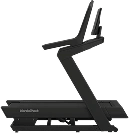 Cardio
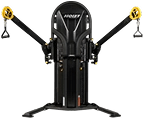 Strength
 Weights
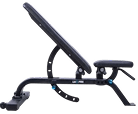 Benches
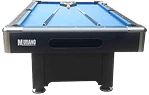 Game tables
 Boxing
 Yoga
Yoga
 Sports
 Massagers
 Balance Training
 Accessories
 Flooring



 Treadmills
 Elliptical Cross Trainers
 Exercise Bikes
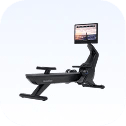 Rowing Machines
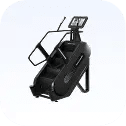 Climbmill & Steppers
 Interactive Trainers
 Athletics
 Padel Tennis
 Handball
 Cricket
 Football
 Badminton
 Chess
Chess
 Swimming
 Tennis
 Rugby
Rugby
 Agility Training
 Netball
 Volleyball
 Kids Games
 Throwball
 Basketball
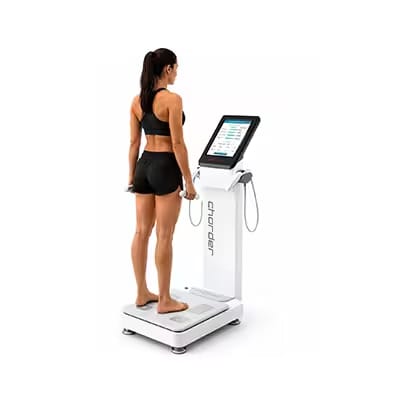 Body Composition Analyzers
 Bottles & Hydration
 Training & Gym Gloves
 Battle Ropes
 Wellness Support
 Resistance Bands & Tubes
 Ankle and Wrist Weights
 Exercise Mats and Gym Mats
 Fitness Belts
 CrossFit Training Turf
 Sweatbands
 Sit Up Bars
 Skipping Ropes
 Push Up Bars
 Pedometers
 Suspension Slings
 Hula Hoops
 Stopwatch
 Pull Up Bars
 Timer
Timer
 Aerobic Steps
 Weighted Vests
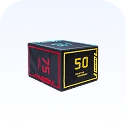 Plyo Box
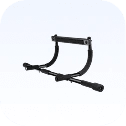 Door Gyms
 Gym Balls
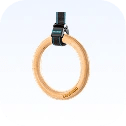 Gym Rings
 Fitness Tires
 Hand Grips
 Body Strengthener
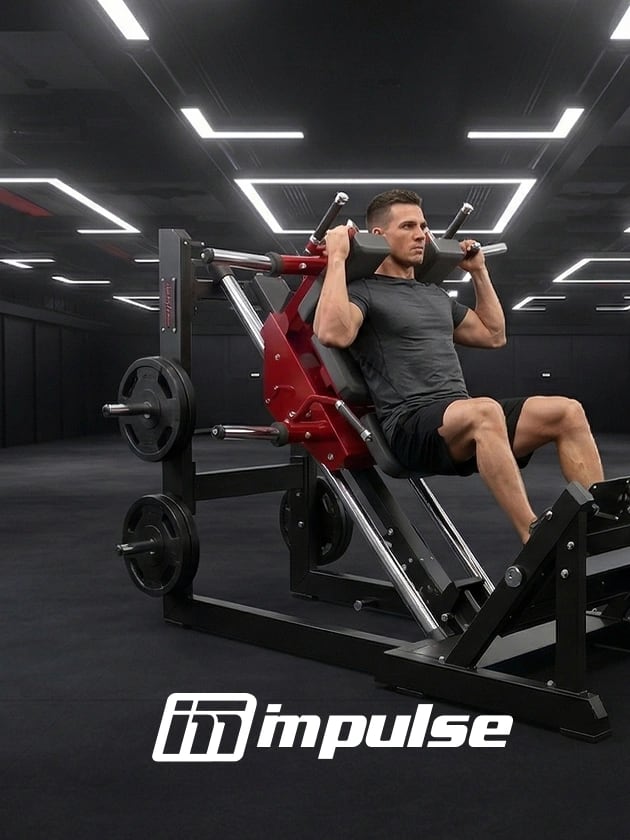

















 0
0