




We all know that choosing the right weight plates can make a huge difference to our workout patterns and gyms. Both bumper plates and iron plates bring in the required resistance to a barbell, although the two are designed for different training environments and lifting styles.
For someone who is keen to set up a home gym, the decision of picking between a bumper plate or an iron plate depends on a few factors like noise, floor protection and available space. On the other hand, for a commercial gym, durability, member usage, storage, lifting style and long-term value matter more.
Interestingly, you can’t unanimously say one of them is the best. It all depends on your training style, how much space you have and how much you are ready to spend.
In this blog, we are making an extensive comparison of bumper plates and iron plates based on features like noise, floor protection, durability, thickness, lifting style, budget, delivery, installation, product availability and space.
What Are Bumper Plates and How Do They Work?

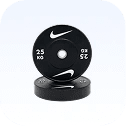
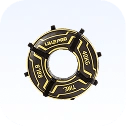
Bumper plates are weight plates made from dense rubber or a similar resilient material. Unlike traditional iron plates, they are designed to withstand being dropped from a height during exercises such as deadlifts, cleans and snatches.
One of their biggest advantages is that the plates have a similar outside diameter across different weights. This gives the bar a consistent height when lifting from the floor.
They are commonly used for Olympic weightlifting, functional training, crossfit-style workouts and gyms where dropping a loaded barbell is part of training. They are popular in home gyms, too, because rubber construction reduces the impact and noise created when weights contact the floor.
What Are Iron Plates and How Do They Work?

Iron plates are traditional weight plates made of cast iron or similar metal construction. They are generally thinner than bumper plates and considered as a standard choice in strength-training gyms for a long time.
Iron plates are suitable for exercises like bench press, squats, overhead press, and many bodybuilding exercises where the bar is controlled throughout the movement. As iron plates are relatively thin, you can load more weight onto a bar without running out of sleeve space. This becomes useful for experienced lifters and commercial gyms where heavier loads are common.
Bumper Plates vs Iron Plates: Key Differences Compared
The actual performance of a plate depends on its material, manufacturing quality, design and intended use. However, check out some of the general characteristics below.
- Noise: Bumper plates have comparatively low noise, iron plates are louder when dropped
- Floor protection: Bumper plates are safe when dropped, iron plates need more protection
- Thickness: Bumper plates are generally thicker than iron plates
- Olympic lifting: Bumper plates are excellent when compared to iron plates
- Strength training: Both the types are outstanding choices
- Space: Bumper plates require more storage space
- Heavy loading: Bumper plates take more bar space
- Home gym: Bumper plates are apt, while iron plates need proper flooring
- Commercial gym: Bumper plates are apt for functional areas and iron plates for strength areas
- Initial cost: Bumper plates are generally costlier while iron plates are budget-friendly
Bumper Plates vs Iron Plates: Noise Levels Compared
Noise is one of the first things many consider while choosing between the two plates. Bumper plates have a clear upper hand when it comes to reducing noise. Their rubber construction absorbs more of the impact when a loaded bar touches the floor. This does not mean they are completely silent, but the difference can be significant when compared with dropping iron plates onto a hard surface.
Iron plates produce a sharp metallic sound when they are dropped. Even when used carefully, loading and unloading iron plates create more noise than rubber-coated or bumper alternatives.
For a commercial gym with a dedicated lifting area, this may not be a major concern. However, for a home gym, especially in an apartment where other people are nearby, bumper plates can be the more comfortable choice.
Which Protects Gym Floors Better: Bumper or Iron Plates?

Floor protection is another important consideration to look for, particularly when setting up a home gym on tiled, concrete or finished flooring. Bumper plates are designed to handle being dropped and spread the impact over a larger surface area. This makes them better suited to exercises where the barbell may be released after the lift.
Iron plates leave an impact when dropped directly onto hard flooring. The plate may survive, but the floor can be damaged over time. Repeated impact can also create vibration and noise. This does not mean bumper plates eliminate the need for proper gym flooring.
A quality rubber gym floor or lifting platform is still recommended, especially for commercial gyms and heavy lifting areas. For home gyms, combining bumper plates with suitable protective flooring can provide a safer setup for both the equipment and the floor.
How Durable Are Bumper Plates Compared With Iron Plates?
Both bumper and iron plates can last for several years when they are appropriate for the type of training being performed. It all depends on how they handle the impact.
Bumper plates are designed for repeated dropping, making them useful for Olympic lifts and functional training. However, poorly manufactured bumper plates may not perform like higher-quality commercial-grade plates.
Iron plates can also be extremely durable. They come across as effective for controlled strength training where the bar is not regularly dropped. Iron can develop rust if exposed to moisture and not maintained properly. This is worth considering in environments where humidity, sweat and storage conditions can affect equipment.
For repeated drops, bumper plates generally make more sense, while good-quality iron plates can provide excellent long-term value when it comes to controlled strength training.
Weight Plate Thickness: Bumper vs Iron Plates Compared
Thickness is a factor that you should not overlook. Bumper plates are thicker because of their rubber construction. As you add more plates to the bar, they take up considerable sleeve space. This becomes noticeable when you are lifting heavier weights.
Iron plates are generally thinner. This allows more weight to be loaded onto the bar while using less sleeve space. For example, a lifter progressing toward heavy squats or deadlifts may appreciate the compact loading offered by iron plates.
Bumper plates, on the other hand, offer a consistent diameter and are particularly useful for lifts that start from the floor. Hence, if sleeve capacity is a priority, iron plates may have an advantage. If consistent plate diameter and safe dropping are important for you, bumper plates may be the better choice.
Bumper vs Iron Plates: Best Choice for Different Lifting Styles

Your lifting style should probably be one of the biggest factors in your decision.
Choose bumper plates if you perform activities like:
- Olympic lifts
- Clean and jerk
- Snatch
- Power cleans
- High-repetition deadlifts
- Functional training
- Cross-training workouts
- Exercises where dropping the bar is expected
Iron plates are a strong choice if you perform activities like:
- Bench press
- Squats
- Overhead press
- Bodybuilding
- Traditional strength training
- Controlled deadlifts
- General resistance training
Many gyms make use of the advantages of both plates. A commercial gym can use bumper plates in its functional or Olympic lifting area and iron plates in its strength-training area. This provides members with equipment suited to different training styles.
Weight Plate Prices: Bumper vs Iron Plates Compared
The aspect of price, needless to say, is important when building a gym. Iron plates are economically viable when compared with similar weight capacities. Their simple construction makes them a practical choice for people who want to build a basic strength-training setup without spending much on plates.
Bumper plates generally cost more because of their material, construction and intended use. That said, looking only at the purchase price can be misleading. If you are performing Olympic lifts, regularly dropping the bar and training on a hard floor, buying inexpensive iron plates may mean you also need to invest more in flooring and may have greater concerns about noise and impact.
For a basic home strength gym, iron plates can offer excellent value. For a functional, Olympic lifting or multi-purpose gym, the additional cost of bumper plates can be justified by their versatility.
Which Takes Up More Space: Bumper Plates or Iron Plates?
Space is another important factor in home gyms. Bumper plates are generally thicker than iron plates, so a full bumper-plate collection can take up more storage space.
You should consider not only the floor area required for the plates, but also where you will store them when they are not being used. Plate trees, horizontal storage racks and wall-mounted storage can help keep the gym organised.
Iron plates have an advantage when storage space is limited because their thinner profile allows more weight to be stored in a smaller area. There is also the question of training space.
If you plan to perform Olympic lifts or deadlifts, you need enough open floor area around the bar. Buying the right plates will not compensate for a gym that is too cramped for safe movement.
Before purchasing it is recommended to measure:
- Available floor area
- Ceiling height
- Barbell length
- Plate-storage area
- Clearance around the lifting zone
- Access route for equipment delivery
Weight Plate Delivery: What Buyers Should Consider

Weight plates may look simple, but moving a complete set can be demanding because of the total weight involved. When buying plates, check how delivery is handled before placing an order. Think of questions like::
- Is delivery available to your area?
- Is delivery to the building entrance or to the actual gym location?
- Is there lift access?
- Are there stairs?
- Is the equipment going into a villa, an apartment, a hotel or a commercial gym?
- Can large orders be delivered together with other gym equipment?
For commercial gym projects, coordinating plate delivery with the rest of the equipment can make the setup process much easier. A professional fitness equipment supplier can also help plan delivery according to the gym layout and installation schedule.
Weight Plate Installation and Setup: What Buyers Should Know
Bumper and iron plates themselves generally do not require technical installation. However, the complete setup around them may. For example, a new gym may require:
- Plate storage racks
- Squat racks
- Power racks
- Benches
- Lifting platforms
- Flooring
- Functional training equipment
This is where professional installation and gym setup support can become valuable. The correct positioning of racks, benches and storage equipment helps create a safer and practical training environment. For a commercial gym, the layout should also consider member traffic, equipment spacing and the areas where heavy lifting will take place.
Buying Weight Plates: Stock and Availability Considerations
Product availability can influence your choice just as much as other specifications. Not every supplier will carry the same combination of bumper plates, iron plates, Olympic bars, storage racks and flooring. Before choosing a particular plate, check whether the required weights are available as a complete set. For example, you may need:
- 1.25 kg plates
- 2.5 kg plates
- 5 kg plates
- 10 kg plates
- 15 kg plates
- 20 kg plates
- 25 kg plates
The exact sizes available will depend on the product range. For commercial gyms, consistency is extremely important. Buying matching sets makes the gym look more professional and makes equipment management easier.
It is also worth checking for warranty, spare-part support where relevant, after-sales service and future availability before making a larger purchase.
Bumper Plates or Iron Plates: Which Is Right for Your Gym?

Well, the answer depends on your priorities.
Choose bumper plates if:
- You perform Olympic lifts.
- You regularly drop the bar.
- Noise is a concern.
- Floor protection matters.
- You want one plate type for functional and strength training.
- You are building a dedicated lifting area.
Choose iron plates if:
- Your budget is tighter.
- You mainly perform traditional strength exercises.
- You want to load more weight into limited bar-sleeve space.
- Storage space is limited.
- You prefer a thinner plate design.
- Dropping weights is not part of your normal training.
Consider using both if:
You are setting up a commercial gym with different training zones. For example, bumper plates can be placed in the functional or Olympic lifting area, while iron plates can be used around traditional strength equipment.
The residents of the UAE may visit Lifetime Fitness Store, where premium quality meets affordable prices, to discover top-tier fitness gear and an unmatched shopping experience.
Conclusion
Bumper plates and iron plates both have a place in a well-designed gym. Bumper plates are useful when noise, impact, floor protection and Olympic-style lifting are important. Iron plates remain a practical and cost-effective option for conventional strength training, especially when space and budget are important considerations.
The decision should go beyond the price of the plates themselves. Consider your flooring, available space, storage, lifting style, expected usage, delivery requirements and the equipment you plan to add later.
If you are setting up a home gym, start with the type of training you actually expect to do. If you are planning a commercial fitness centre, consider the needs of different users and whether separate training zones would make sense.
The right plates are not necessarily the most expensive ones. They are the ones that suit the way your gym will actually be used.


 Get a weekly dose of latest stories
and useful tips directly in your inbox!
Get a weekly dose of latest stories
and useful tips directly in your inbox!


 0
0