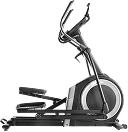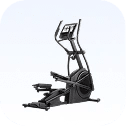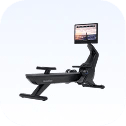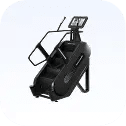




Commercial ellipticals are among the most frequently used pieces of cardio equipment in fitness centers, health clubs, hotels, corporate gyms, rehabilitation facilities, and sports performance centers. Their low-impact design, full-body workout capabilities, and accessibility for users of all fitness levels make them a popular choice in high-traffic environments. However, the same heavy usage that makes commercial ellipticals valuable also places significant stress on their components over time. Without proper maintenance, even the highest-quality elliptical can experience reduced performance, increased downtime, and costly repairs.
A well-maintained commercial elliptical not only lasts longer but also provides a smoother and safer workout experience for members. Proper maintenance helps preserve the machine's mechanical systems, electronic components, structural integrity, and overall functionality. For facility owners and managers, investing time and effort into preventive maintenance can reduce operating costs, improve member satisfaction, and maximize the return on investment from fitness equipment. Understanding the best maintenance practices for commercial ellipticals is essential for keeping equipment operating efficiently and reliably for years to come.
Why Maintenance Matters for Commercial Ellipticals
Commercial ellipticals are designed to handle far more usage than residential machines. In many facilities, a single elliptical may be used by dozens of people every day. This continuous operation creates wear on moving parts, bearings, pedals, drive systems, resistance mechanisms, and electronic components. While commercial equipment is engineered for durability, no machine is immune to wear and tear.
Maintenance plays a crucial role in preventing small issues from developing into major problems. Regular inspections and servicing help identify signs of wear before they lead to equipment failure. A proactive maintenance strategy also reduces unexpected downtime, allowing facilities to maintain equipment availability and provide a better experience for members. In competitive fitness markets, equipment reliability can significantly influence member satisfaction and retention.
Understanding the Impact of High-Traffic Usage
Unlike home fitness equipment, commercial ellipticals often operate continuously throughout the day. Peak usage periods in gyms can place considerable stress on machines as members move from one workout to the next with little downtime between sessions. Over time, this constant activity can affect mechanical components, electronics, and structural elements.
High-traffic facilities must recognize that heavy usage accelerates wear patterns. Components that may last several years in a residential environment may require more frequent inspection or replacement in commercial settings. Understanding how usage affects equipment performance helps facility managers develop realistic maintenance schedules that align with operational demands.
Daily Cleaning Is the Foundation of Equipment Care
One of the simplest yet most effective maintenance practices is daily cleaning. Commercial ellipticals are exposed to sweat, dust, oils, and environmental contaminants throughout the day. If left unattended, these substances can accumulate on surfaces and eventually affect equipment performance.
Sweat is particularly problematic because it contains salts and minerals that may contribute to corrosion over time. Areas such as handlebars, consoles, pedals, and adjustment controls are especially vulnerable. Cleaning these surfaces regularly helps preserve equipment appearance while protecting critical components from unnecessary wear.
A clean machine not only performs better but also creates a more professional impression for members. Fitness equipment that appears well-maintained reflects positively on the overall quality of the facility.
The Importance of Keeping Electronics Clean
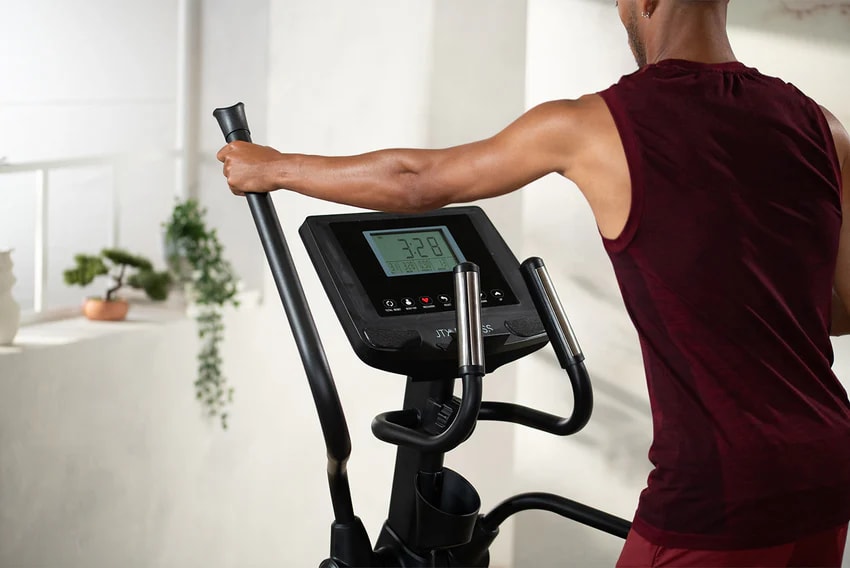
Modern commercial ellipticals rely heavily on electronic systems to deliver workout tracking, resistance control, connectivity, and interactive features. These systems require special attention during maintenance.
Dust and debris can accumulate around displays, control panels, ventilation openings, and internal electronics. Over time, this buildup may contribute to overheating or interfere with system performance. Keeping electronic components clean helps ensure consistent operation and extends the lifespan of sensitive technology.
Because electronics are often among the most expensive components to repair or replace, preventive care can result in substantial long-term savings.
Monitoring Mechanical Components
The smooth and natural motion of an elliptical depends on numerous moving parts working together efficiently. Bearings, rollers, pedal arms, drive systems, and joints all experience continuous movement during operation.
Routine inspections help identify early signs of wear such as unusual noises, excessive movement, vibration, or resistance inconsistencies. Addressing these issues promptly can prevent more serious mechanical failures from occurring.
Commercial facility operators should pay close attention to how machines feel during use. Changes in movement quality often serve as early indicators that maintenance is required.
Why Unusual Noises Should Never Be Ignored
Commercial ellipticals are designed to operate smoothly and quietly. When unusual sounds begin to develop, they often indicate underlying mechanical issues.
Squeaking, grinding, clicking, or rattling sounds may signal problems such as worn bearings, loose hardware, misaligned components, or insufficient lubrication. Ignoring these warning signs can lead to accelerated wear and more extensive repairs.
Responding quickly to unusual noises helps maintain equipment performance while reducing the likelihood of unexpected breakdowns.
Lubrication and Component Longevity
Many moving parts within a commercial elliptical depend on proper lubrication to function efficiently. Friction generated by continuous movement can gradually wear down components if lubrication levels are inadequate.
Following manufacturer recommendations for lubrication intervals is essential. Proper lubrication helps reduce friction, minimize wear, improve movement quality, and extend component lifespan. It also contributes to quieter operation and improved user comfort.
Because lubrication requirements vary between models, facility managers should consult manufacturer guidelines rather than relying on generic maintenance practices.
Inspecting Pedals and Foot Platforms
Pedals are among the most heavily used parts of any elliptical trainer. Every workout places stress on foot platforms, pedal arms, and related components. Regular inspections should focus on identifying signs of wear, structural damage, or instability. Pedals should remain secure and provide consistent support throughout the full range of motion. Any indication of looseness or excessive movement should be addressed immediately. Maintaining pedal integrity is essential not only for equipment longevity but also for user safety.
Resistance System Performance
The resistance system is responsible for controlling workout intensity. Whether the machine uses electromagnetic, eddy current, or other resistance technologies, consistent performance is critical to user satisfaction.
Over time, resistance systems may require calibration, adjustment, or servicing to maintain accuracy. Users should experience smooth transitions between resistance levels without sudden changes or irregular behavior.
Maintaining resistance system performance helps ensure that workouts remain effective and predictable for all users.
Read: Abu Dhabi Inspires Initiatives
Frame Inspections and Structural Integrity
The frame serves as the foundation of the elliptical trainer. While commercial frames are built to withstand significant stress, regular inspections remain important. Facility operators should monitor for signs of structural fatigue, loose fasteners, corrosion, or frame instability. Even minor structural issues can affect machine performance and user confidence if left unresolved. A stable frame contributes to smoother operation, improved comfort, and enhanced durability over the long term.
Why Placement Influences Maintenance Requirements
Equipment placement can have a surprising impact on maintenance needs. Commercial ellipticals positioned in areas with poor ventilation, excessive humidity, or high dust levels may experience accelerated wear. Proper placement helps protect equipment from environmental factors that can affect performance. Adequate airflow supports cooling systems, while controlled humidity levels reduce corrosion risks. Facilities should consider environmental conditions when designing cardio zones and equipment layouts.
Software Updates and Technology Maintenance
Many modern commercial ellipticals include advanced software platforms that support connectivity, workout tracking, entertainment features, and user profiles. Like other forms of technology, these systems benefit from periodic updates. Software updates may improve performance, introduce new features, enhance security, and address technical issues. Keeping software current helps ensure that members continue to receive the best possible user experience while maximizing the value of equipment technology investments.
Staff Training and Preventive Maintenance
A successful maintenance program depends not only on equipment quality but also on staff awareness. Employees who interact with equipment daily are often the first to notice changes in performance. Training staff to recognize warning signs such as unusual noises, display issues, resistance inconsistencies, or structural concerns can significantly improve maintenance effectiveness. Early reporting allows technicians to address issues before they become major problems. Preventive maintenance is most successful when it becomes part of the facility's operational culture.
Balancing Maintenance Costs and Equipment Lifespan
Some facility owners view maintenance as an operational expense that should be minimized. However, preventive maintenance is often far less costly than emergency repairs or premature equipment replacement. Regular servicing helps maximize equipment lifespan while reducing the frequency of major component failures. Over time, this approach often results in lower total ownership costs and greater return on investment. Facilities that prioritize maintenance typically achieve better equipment performance and longer service life than those that rely solely on reactive repairs.
Building a Long-Term Maintenance Strategy
Effective maintenance requires more than occasional inspections. The most successful facilities develop structured maintenance strategies that include regular cleaning, scheduled servicing, performance monitoring, and detailed record keeping. A long-term approach allows facility operators to anticipate maintenance needs, budget for repairs, and extend equipment lifespan. It also helps ensure that members consistently have access to reliable, high-performing equipment. Maintenance should be viewed as an ongoing investment in both equipment and member experience.
Also Read: Elliptical vs Treadmill: Which Cardio Machine Is Better for Your Fitness Goals?
Creating a Maintenance Culture Within Your Facility
One of the most overlooked aspects of equipment care is the development of a maintenance-focused culture within the facility. Even the best maintenance schedules can become ineffective if staff members fail to recognize their importance. Successful fitness facilities often treat maintenance as a core operational priority rather than an occasional task. When employees understand how equipment reliability affects member satisfaction, safety, and facility reputation, they are more likely to participate actively in maintenance efforts. Staff should be encouraged to report unusual equipment behavior immediately rather than waiting for a visible breakdown to occur. A culture of proactive maintenance helps ensure that small issues are addressed before they become expensive repairs. Over time, this approach contributes to smoother facility operations and a more professional workout environment.
Understanding Member Behavior and Equipment Wear
Different members use equipment in different ways. Some individuals use ellipticals for light warm-up sessions, while others perform high-intensity interval training that places significantly greater stress on the machine.
Understanding member behavior can help facility managers identify usage patterns that may influence maintenance needs. Machines located in high-visibility cardio zones often experience heavier usage than equipment placed in secondary workout areas.
By monitoring usage trends, facilities can adjust maintenance schedules to match actual demand. This helps ensure that heavily used machines receive appropriate attention while minimizing unnecessary servicing.
Why Regular Equipment Audits Are Important
Periodic equipment audits provide valuable insights into the overall condition of commercial ellipticals.
An audit may include:
•Performance evaluations
•Visual inspections
•Component assessments
•Maintenance history reviews
These evaluations help facility managers identify recurring issues, monitor equipment aging, and prioritize future maintenance efforts. Regular audits also support budgeting decisions by providing a clearer understanding of equipment condition and replacement timelines.
Protecting Bearings and Moving Parts
Bearings play a critical role in the smooth operation of commercial ellipticals. They help support moving components while reducing friction throughout the machine. Because bearings experience continuous movement, they are subject to wear over time. Excessive dust, insufficient lubrication, and prolonged usage can accelerate deterioration.
Protecting bearings through proper cleaning and maintenance helps preserve:
•Smooth motion
•Quiet operation
•Mechanical efficiency
•Equipment longevity
Addressing bearing-related issues early can prevent more extensive damage to surrounding components.
Managing Sweat Exposure in Commercial Gyms
Commercial fitness environments expose equipment to substantial amounts of sweat every day.
Sweat can affect:
•Metal surfaces
•Electronics
•Fasteners
•Moving parts
If not removed regularly, sweat residue may contribute to corrosion and premature wear. Facilities that prioritize equipment cleaning often experience fewer corrosion-related issues and maintain a more professional appearance. Consistent cleaning also supports hygiene standards that members increasingly expect from modern fitness facilities.
Why Ventilation Matters for Equipment Health
Ventilation is commonly associated with user comfort, but it also plays an important role in equipment preservation.
Poor airflow can contribute to:
•Heat buildup
•Electronic stress
•Component wear
•Moisture retention
Commercial ellipticals generate heat during operation, particularly when used continuously throughout the day. Maintaining adequate airflow helps support cooling systems while reducing environmental stress on internal components.
Reducing Downtime Through Preventive Maintenance
Equipment downtime can negatively impact both member experience and facility operations.
When a popular elliptical becomes unavailable, members may:
•Experience frustration
•Alter workout routines
•Perceive reduced facility quality
Preventive maintenance helps minimize downtime by identifying potential problems before equipment failure occurs. This proactive approach improves equipment availability and contributes to greater member satisfaction.
Why Maintenance Records Matter
Detailed maintenance records provide valuable information about equipment performance and service history.
Tracking maintenance activities helps facilities:
•Monitor recurring issues
•Identify aging components
•Evaluate service effectiveness
•Plan future repairs
Accurate documentation supports better decision-making and can improve communication between facility staff and service technicians. Maintenance records also help establish accountability within facility operations.
Seasonal Maintenance Considerations
Environmental conditions can influence equipment performance throughout the year.
Seasonal factors may include:
•Humidity fluctuations
•Temperature changes
•Dust levels
•Increased facility traffic
Facilities should evaluate whether seasonal adjustments to maintenance schedules are necessary. For example, higher humidity levels may increase the importance of corrosion prevention, while peak membership periods may require more frequent inspections.
Why Calibration Is Important
Many commercial ellipticals rely on sensors and electronic systems to monitor workout metrics.
Over time, calibration may become necessary to ensure accurate readings.
Proper calibration helps maintain:
•Resistance accuracy
•Performance tracking
•Workout consistency
•User confidence
Members increasingly rely on workout data to monitor progress and achieve fitness goals. Accurate information contributes to a better overall exercise experience.
Supporting Equipment Performance Through Proper Usage
While commercial ellipticals are built for heavy usage, encouraging proper equipment use can help reduce unnecessary wear.
Facilities often benefit from:
•User education
•Clear instructions
•Visible equipment guidelines
Members who understand how to use equipment correctly are less likely to contribute to preventable maintenance issues. Supporting proper usage helps protect equipment while enhancing user safety.
Extending Equipment Lifespan Through Early Intervention
One of the greatest advantages of preventive maintenance is the ability to address minor issues before they become major problems.
Examples include:
•Loose fasteners
•Minor alignment issues
•Early bearing wear
•Resistance inconsistencies
Resolving these concerns promptly often prevents more extensive damage from developing. Early intervention is frequently one of the most cost-effective maintenance strategies available.
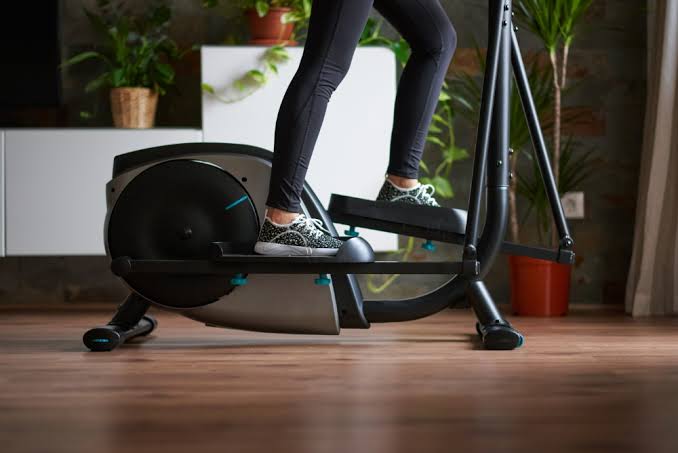
Different from Home Elliptical Trainers
Home elliptical trainers are designed to provide an effective and convenient cardiovascular workout within the comfort of your own home. Unlike commercial models built for continuous daily use, home ellipticals are engineered to support regular residential workouts while offering a balance of performance, comfort, and affordability. These machines are ideal for individuals looking to improve cardiovascular fitness, burn calories, increase daily activity, or maintain a consistent exercise routine without visiting a gym. Modern home ellipticals often include adjustable resistance levels, built-in workout programs, heart-rate monitoring, and ergonomic designs that support smooth, low-impact movement. Their joint-friendly motion makes them suitable for users of various fitness levels, while their compact footprint allows them to fit comfortably into home gyms, spare rooms, or living spaces. For homeowners seeking a reliable and versatile cardio solution, a home elliptical can be a valuable investment in long-term health and fitness.
Why Professional Servicing Remains Important
While daily cleaning and routine inspections can be handled internally, professional servicing remains an essential part of long-term equipment care.
Certified technicians can:
•Perform detailed inspections
•Diagnose hidden issues
•Conduct advanced repairs
•Verify equipment safety
Professional servicing helps ensure that equipment continues operating according to manufacturer specifications. For high-traffic facilities, periodic professional evaluations are often a worthwhile investment.
Maintaining Member Confidence
Members notice equipment condition.
Clean, quiet, and properly functioning ellipticals contribute to:
•Positive facility impressions
•Increased trust
•Greater workout enjoyment
Conversely, poorly maintained equipment may create concerns about overall facility standards. Maintaining equipment at a high level helps reinforce member confidence and supports long-term retention efforts.
Planning for Equipment Replacement
Even with excellent maintenance, all fitness equipment eventually reaches the end of its service life.
Maintenance programs should therefore include long-term replacement planning.
Factors to consider include:
•Equipment age
•Usage volume
•Repair frequency
•Technological relevance
Planning ahead allows facilities to budget effectively while avoiding sudden replacement expenses. A structured replacement strategy helps maintain consistent equipment quality across the facility.
The Relationship Between Maintenance and Facility Reputation
Equipment condition influences how members perceive a fitness facility.
Well-maintained ellipticals help create impressions of:
•Professionalism
•Reliability
•Attention to detail
•Quality service
These perceptions contribute to overall brand reputation.
In competitive fitness markets, reputation can play a major role in attracting and retaining members.
Future Trends in Equipment Maintenance
Technology is beginning to transform maintenance practices within the fitness industry.
Emerging innovations include:
•Predictive maintenance systems
•Remote diagnostics
•Automated performance monitoring
•Connected equipment reporting
These technologies allow facilities to identify potential issues earlier and improve maintenance efficiency.
As commercial fitness equipment becomes increasingly connected, maintenance strategies are likely to become more data-driven and proactive.
Long-Term Benefits of Consistent Maintenance
The benefits of regular maintenance extend far beyond equipment preservation.
Facilities that prioritize maintenance often experience:
•Lower repair costs
•Improved member satisfaction
•Reduced downtime
•Longer equipment lifespan
•Better operational efficiency
These advantages contribute directly to both member experience and business performance.
Over time, consistent maintenance becomes one of the most valuable investments a facility can make.
Final Thoughts
Maintaining commercial ellipticals requires a commitment to proactive care, consistent monitoring, and long-term planning. High-traffic fitness environments place significant demands on cardio equipment, making preventive maintenance essential for preserving performance and reliability. Through regular inspections, cleaning, lubrication, professional servicing, and strategic planning, facilities can maximize equipment lifespan while providing members with a superior workout experience. In today's competitive fitness industry, effective maintenance is not merely about protecting machines—it is about supporting member satisfaction, operational excellence, and sustainable business growth.
Conclusion
Commercial ellipticals represent a significant investment for any fitness facility, and protecting that investment requires a proactive approach to maintenance. Regular cleaning, mechanical inspections, lubrication, software updates, structural evaluations, and staff training all contribute to equipment reliability and longevity. By identifying issues early and following preventive maintenance practices, facility owners can reduce downtime, improve member satisfaction, and maximize the lifespan of their equipment. In high-traffic environments where performance and reliability are essential, effective maintenance is not simply a recommendation—it is a critical component of long-term operational success.
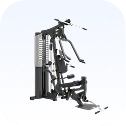
If you are looking to buy other fitness machines or accessories, look no further! Explore our range of fitness products like treadmills, elliptical cross trainers, exercise bikes, rowing machines, home gym, functional trainer, multi-station, power towers, smith machines, dumbbells, foosball tables, pool tables, and table tennis.


 0
0