




Bahrain
Bahrain

Buying guide

See More Blogs
Row Smarter: 7 Factors to Pick the Best Rowing Machine in Bahrain

Row Smarter: 7 Factors to Pick the Best Rowing Machine in Bahrain

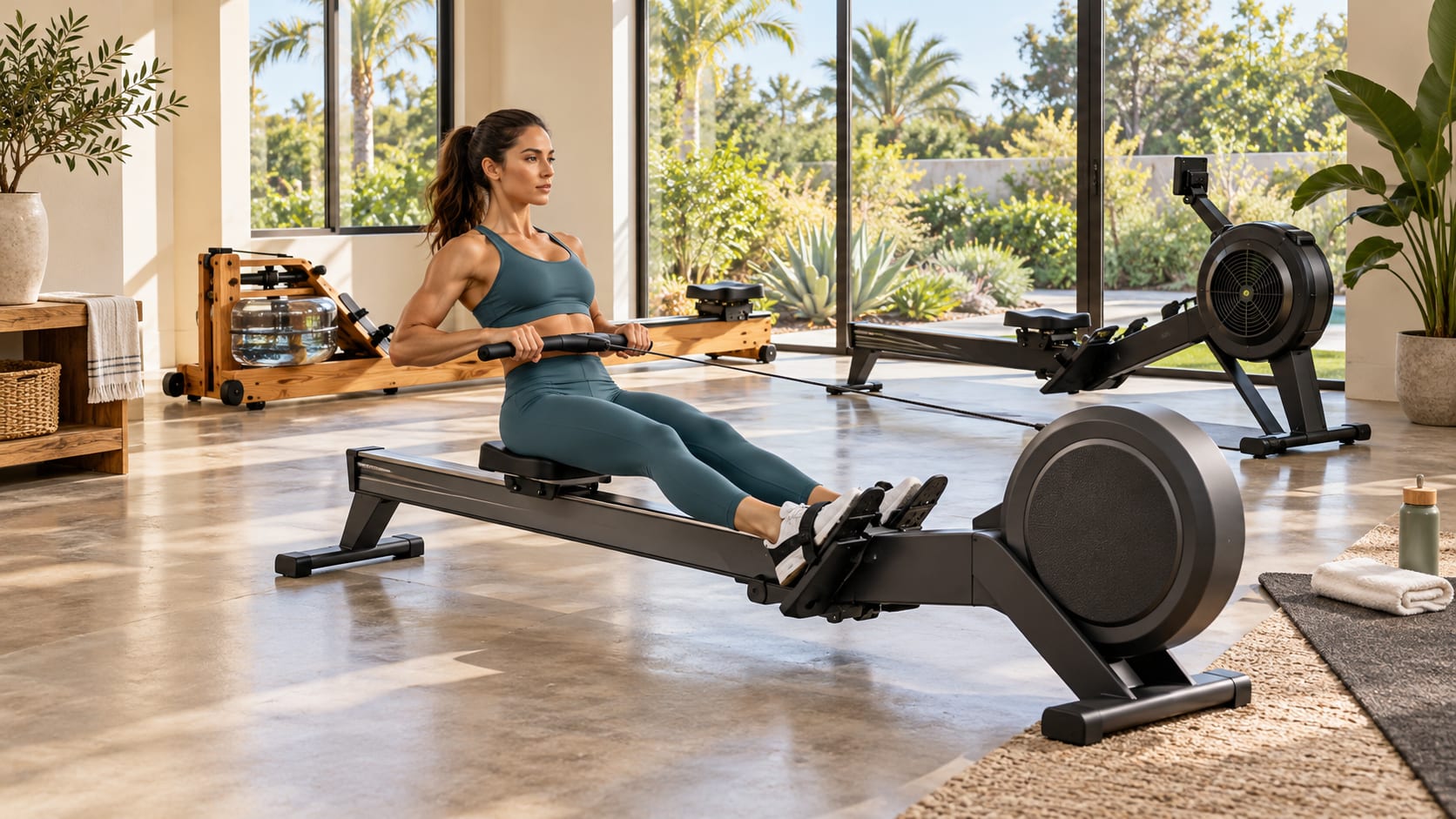
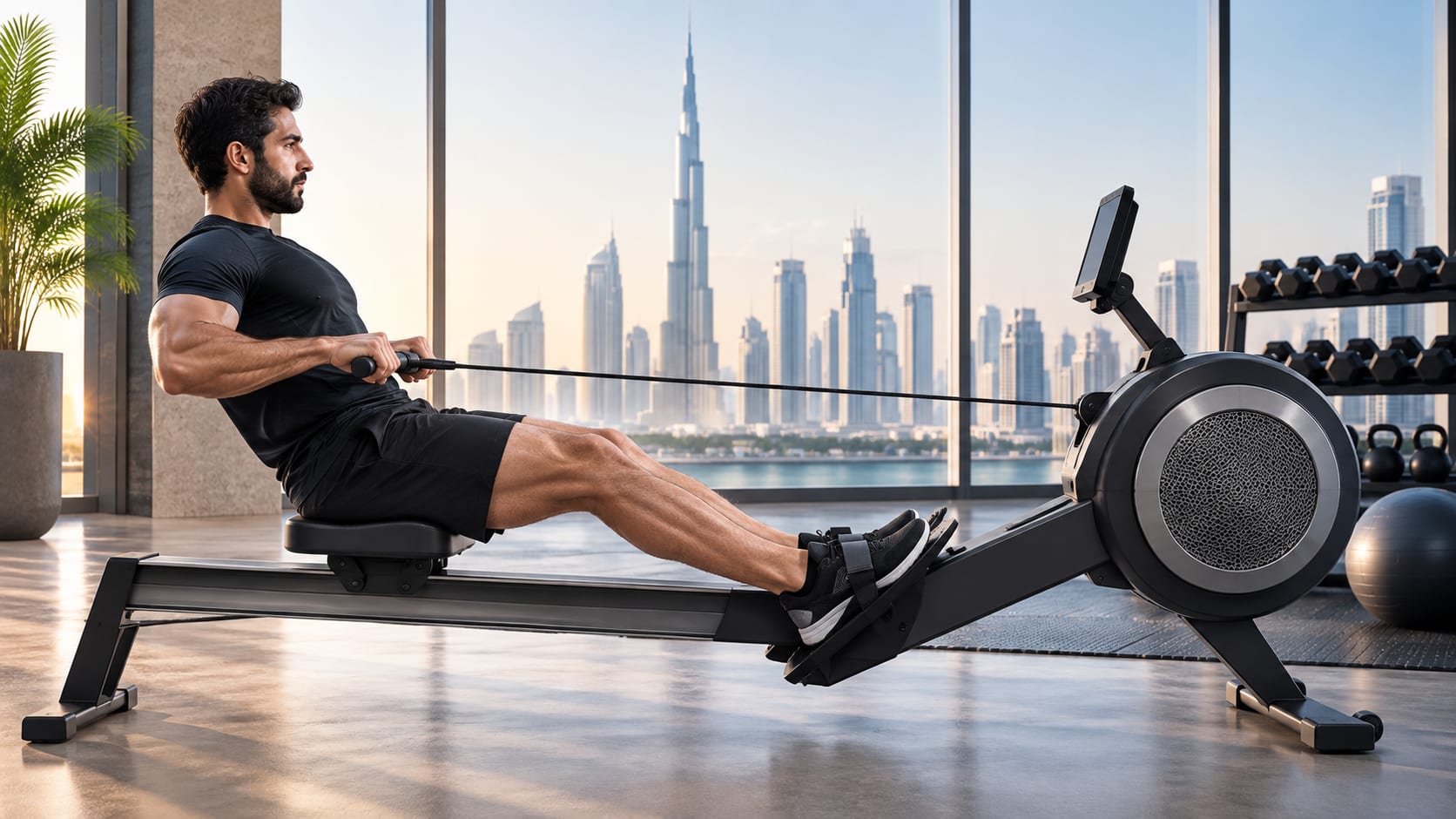
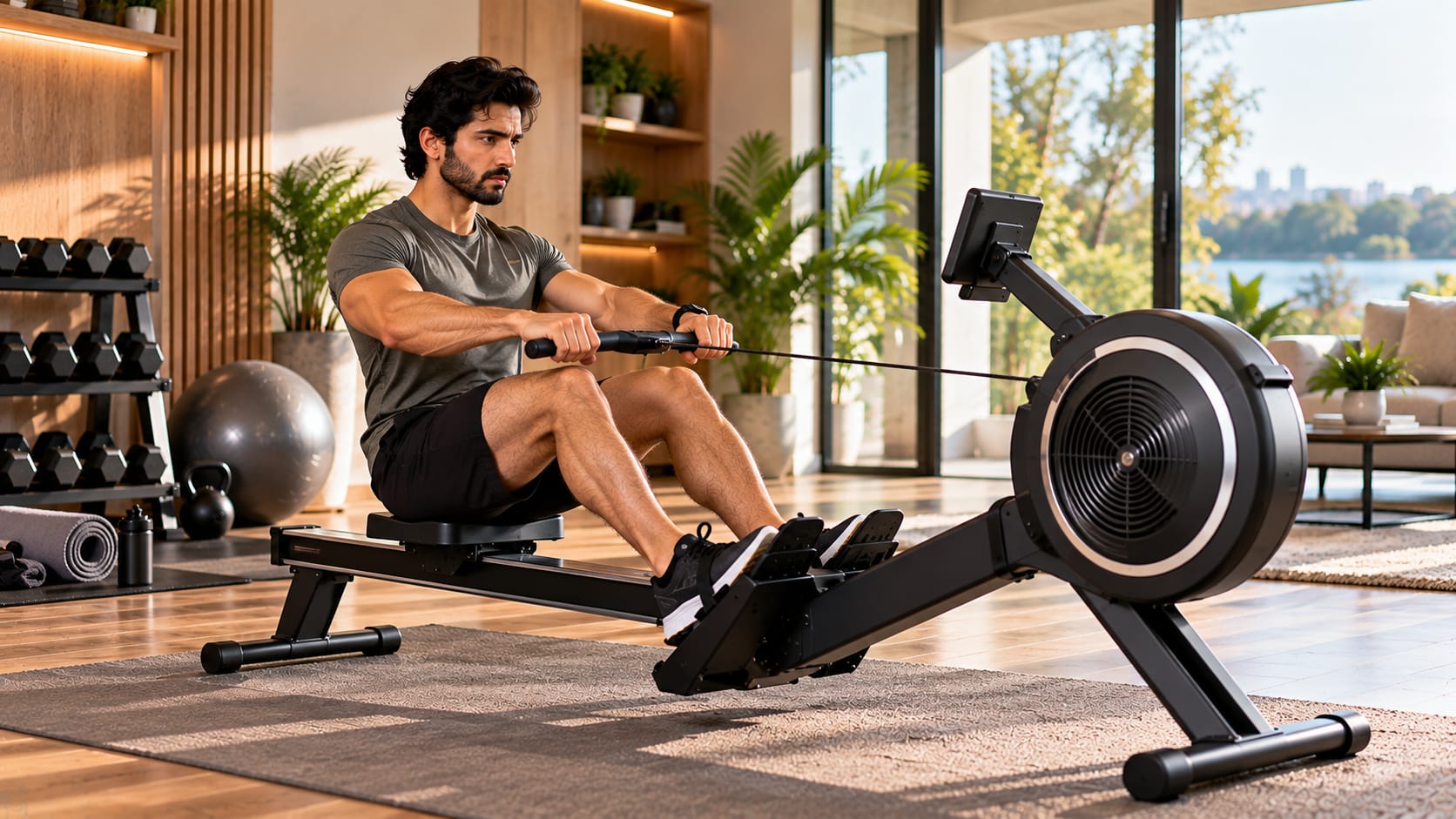
A rowing machine is a piece of exercise equipment that simulates the act of rowing a boat. It typically consists of a sliding seat, a set of handlebars, and a flywheel that provides resistance. The user sits on the sliding seat and uses their legs, back, and arms to pull on the handlebars, causing the seat to slide back and forth. The flywheel provides resistance, making the rowing motion more challenging.

Rowing machine is an core workout equipment used in commercial fitness spaces and widely preferred home gym equipment. However, everything can go wrong with the wrong choice of rowing machine. 

Rowing machines can be a great addition to a home gym or fitness routine. They provide a good impact cardio workout that can help improve endurance, strength, and flexibility. The favourable part of the equipment is that people with joint issues can also consider rowing machines, while such an equipment with intense cardio level is never considered for joint points, the rowing machine stands as a unique prospect.  The Mechanism of  rowing motion places is architected in a way that it places less stress on the knees and ankles compared to activities like running, delivering high impact with minimal effort.

Read: How Rowing Machine helps senior citizens improving heart health

If you are looking to buy a rowing machine OMAN, here's a detailed guide to lean !
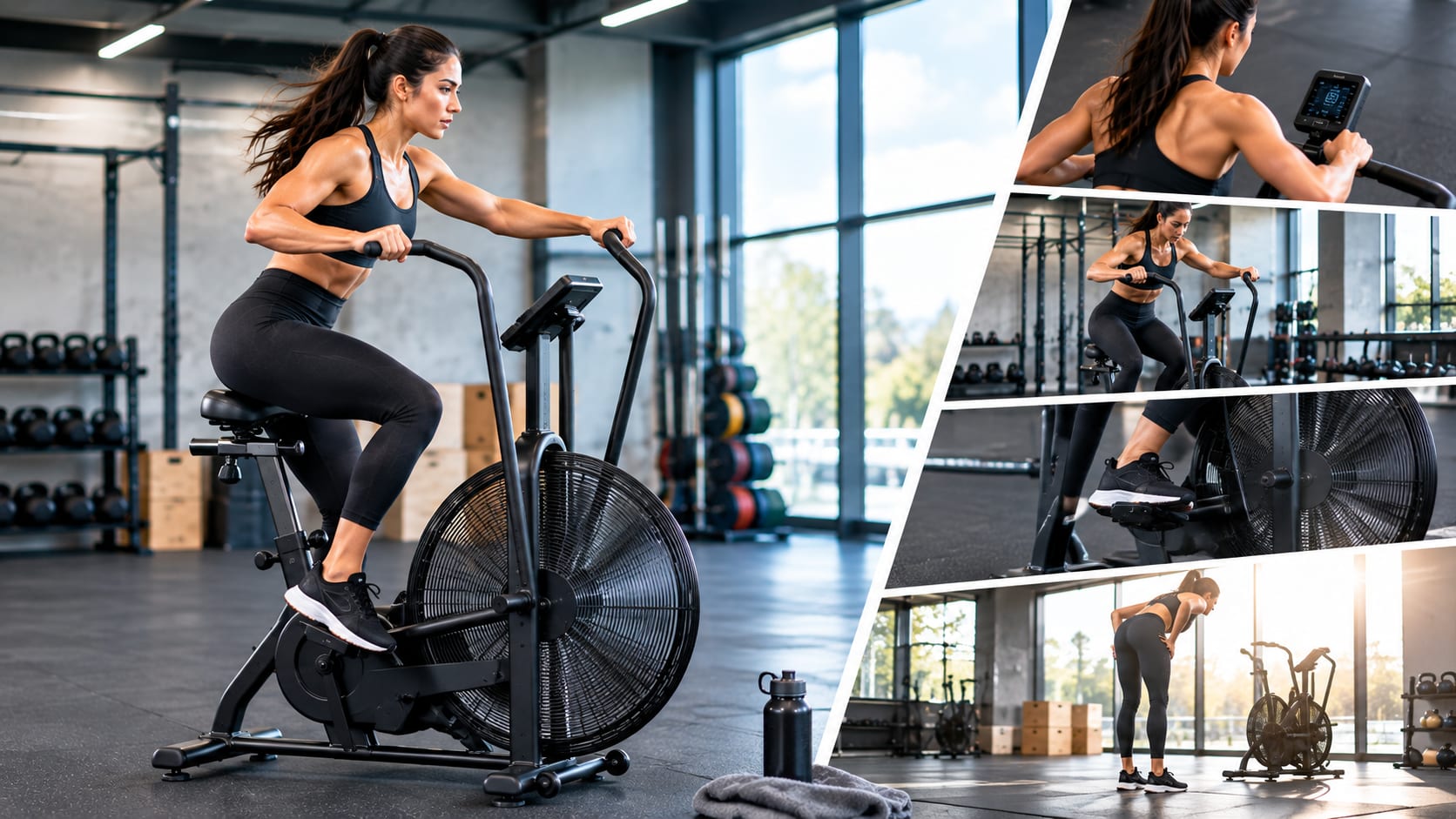
What Should You Look For In A Rowing Machine? 

When shopping for a rowing machine, there are a few key factors to consider:

  • Resistance type: Rowing machines can use different types of resistance. This includes air, water, magnetic, and hydraulic resistance. Each type has its pros and cons, so it's important to consider which one will best meet your needs..
  • Size and storage: Consider the size of the rowing machine and whether it will fit in the space you have available for it. If you have limited space, use foldable model rowing machines.
  • Comfort: Look for a rowing machine with a comfortable seat and handle. Find a machine that is comfortable to use, especially if you plan on using it frequently.
  • Quality: Look for a rowing machine that is made with high-quality materials and is built to last. You want a machine that is sturdy and can withstand regular use.
  • Warranty: Consider the warranty offered by the manufacturer. A longer warranty can provide peace of mind and protection in case something goes wrong with the machine.

Step by step guide When shopping for a rowing machine:

  • Determine your budget: Rowing machines can range in price from under 204 BHD and above. Decide how much you are willing to spend on a rowing machine and use that as a starting point for your search.
  • Consider your needs: Think about your goals and what you expect to get from using a rowing machine. Do you want a machine that provides a high level of resistance? These factors can help you narrow down your options.
  • Research different brands and models: Look for rowing machines from reputable brands and compare different models. Find the one that offers the features you want at a price you're willing to pay.
  • Read customer reviews: Customer reviews can be a valuable resource when shopping for a rowing machine. Look for reviews from people who have used the machine for an extended period. Consider both positive and negative reviews to get a well-rounded understanding of the machine's performance.
  • Consider the warranty: Look for a rowing machine that comes with a good warranty. A longer warranty can provide peace of mind and protection in case something goes wrong with the machine.
  • Test it out: If possible, try out the rowing machine in person before making a purchase. This can help you get a feel for the machine and ensure that it is comfortable and easy to use.
  • Buy from a reputable retailer: Look for a retailer with a good reputation and customer service record. This can provide peace of mind and make resolving any issues that may arise with the machine easier.

Rowing machine benefits:

Rowing machines offer several benefits for both physical and mental health. Some of the benefits of using a rowing machine include the following:

  • Cardio exercise: Rowing is a low-impact form of exercise. It can help improve cardio fitness and increase the strength of the heart and lungs.
  • Full-body workout: Rowing works multiple muscle groups at once, including the legs, arms, back, and core. This makes it a great option for a full-body workout.
  • Low impact: Unlike high-impact exercises like running or jumping, rowing is a low-impact exercise. Rowing puts less strain on the joints. This makes it a good option for people with joint issues or who are recovering from injuries.
  • Stress relief: Exercise has a positive impact on mental health too. Rowing is no exception. The rhythmic nature of rowing can be relaxing and help reduce stress and anxiety.
  • Weight loss: Rowing can be an effective tool for weight loss, as it burns calories and can help build muscle mass.
  • Convenience: Since one can use rowing machines at home or the gym, they are a good workout option. This makes it easier to fit exercise into a busy schedule.
  • Variety: Rowing machines come with a range of resistance levels and workout programs. Choosing accordingly can make workouts interesting and prevent boredom.

How much should you expect to pay for a rowing machine?

The rowing machine's price range might vary depending on the quality and features of the machine. Considering buying rowing machine Bahrain? Here are some general price ranges you might expect to see:

  • Entry-level rowing machines: These are the most affordable option, with prices starting at around 210 BHD. These machines may not have as many features as the expensive models, and may not be as durable. But they can still provide a good workout.
  • Mid-range rowing machines: These machines usually cost between 262 BHD–  385 BHD. They offer a good balance of features and quality. They may have more resistance levels, a larger variety of workout programs, and better build quality.
  • High-end rowing machines: These machines are the most expensive options. Their prices start at around 381 BHD  and can go up to 1,885 BHD. They use high-quality materials in the manufacture to offer a wider range of features. This includes connectivity to other devices or more advanced resistance systems.
  • Ultimately, the right rowing machine for you will depend on your budget and the features you need. Finding a machine that fits your needs and is within your price range is important.

How much space do you need for a rowing machine?

The amount of space you need for a rowing machine or gym accessories, will depend on the size of the machine and the layout of your home or gym. Most rowing machines are quite long, with a typical length of about 8 feet. In addition to the length, you'll also need to allow for enough space to fully extend your arms and legs while using the machine.

As a general rule, you should allow for at least a few feet of space on either side and at the back of the machine. This allows proper movement while rowing.

If you plan to use the machine in a small space, you may want to consider a foldable model. You can easily fold and store the machine when it's not in use. These models are typically smaller and more compact, making them a good option for limited space.

Key rowing machine features and essential specifications:

Here are some key features and essential specifications to consider when you are to buy a rowing machine Dubai:

  • Resistance type: Rowing machines can use different types of resistance. This covers air resistance, water resistance, magnetic resistance, and hydraulic resistance. Each type has its pros and cons, so it's important to consider which one will best meet your needs.
  • Resistance levels: Look for a rowing machine with a range of resistance levels. So, you can adjust the intensity of your workout as needed.
  • Seat comfort: A comfortable seat is important, especially if you plan on using the rowing machine for long periods. Look for a machine with a padded seat and smooth gliding action.
  • Handle design: The handle should be comfortable to grip and easy to hold onto for the duration of your workout. Look for a machine with an ergonomic handle design.
  • Display: A display screen can help track your progress and monitor your workout. Look for a machine with a clear, easy-to-read display.
  • Workout programs: Some rowing machines come with pre-designed workout programs to help make your workouts interesting and varied.
  • Build quality: Look for the quality of materials used to make the machine. Material quality decides the durability.
  • Warranty: Consider the warranty offered by the manufacturer. A longer warranty can provide peace of mind and protection in case something goes wrong with the machine.

Check Out: Men's 2000m Final - 2025 World Rowing Indoor Championships, presented by Concept2

Popular types of rowing machines:

Several types of rowing machines are available on the market, each with its unique features and benefits. Here are some popular types of rowing machines:

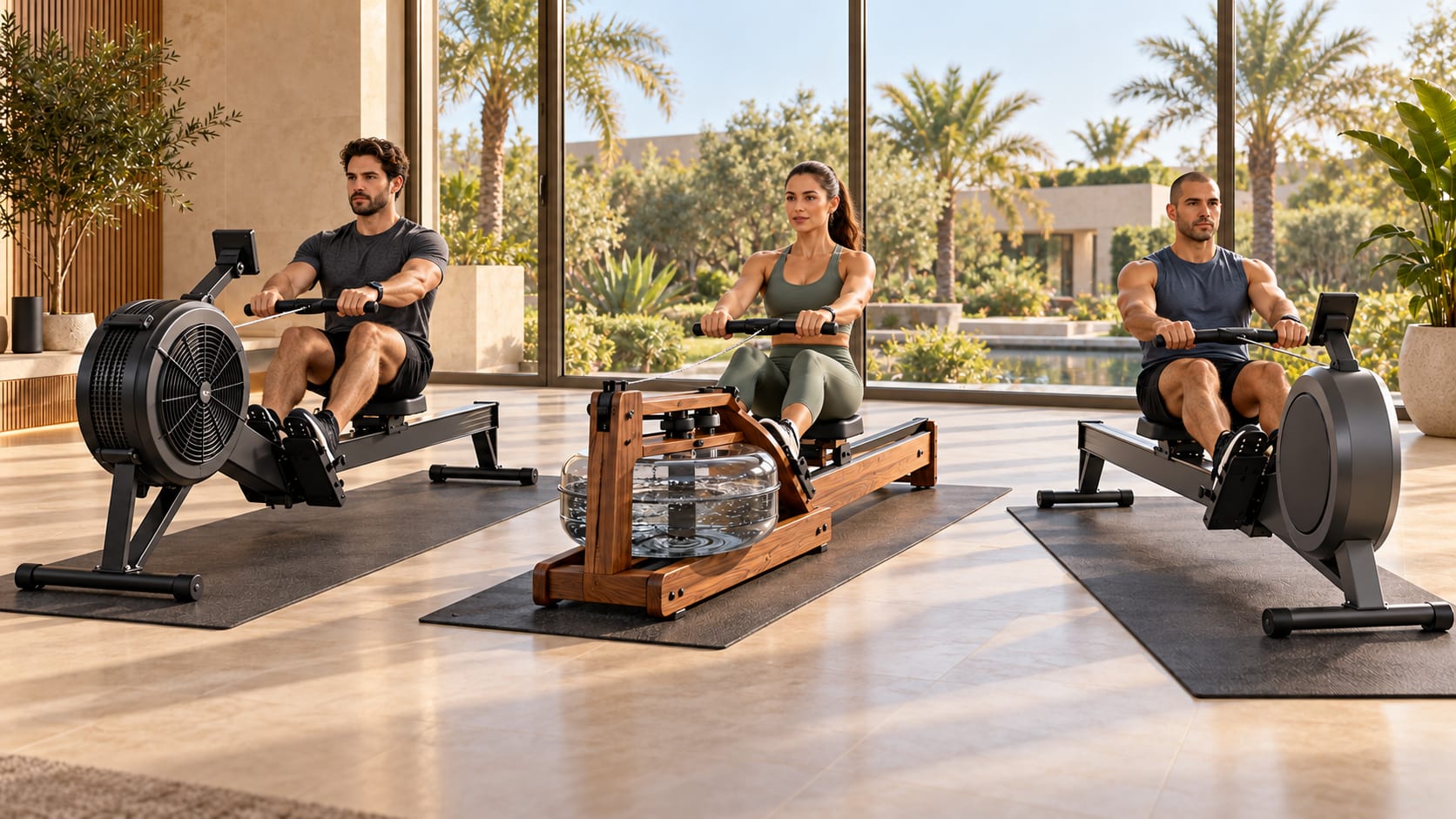
  • Air resistance rowing machines: These machines use a fan to create resistance. With the increasing resistance, the user rows harder. These machines tend to be noisy and may not be as smooth as other kinds of machines, but they can provide a challenging workout.
  • Water resistance rowing machines: These machines create resistance with a water flywheel, which increases as you row harder. These machines are quieter than air resistance models, offer a more realistic rowing experience, but often cost more.
  • Magnetic resistance rowing machines: These machines create resistance with magnets, which you can adjust using a dial or buttons. These machines are typically quieter than air or water resistance machines and can provide a smooth, quiet workout.
  • Hydraulic resistance rowing machines: These machines create resistance with hydraulic cylinders. You can adjust the resistance using a dial or buttons. These machines are typically more compact and portable than other types of machines, making them a good option for small spaces. However, they may not provide as much resistance as other types of machines.

Overall, the best type of rowing machine for you will depend on your personal preferences and needs. Consider the type of resistance, price, and other features to find the machine that is the best fit for you.

Click To view: Concept2 Rowerg with PM5 Monitor Starting from 508 BHD

How to use a rowing machine?

Using a rowing machine is a great way to get a full-body workout and improve cardio fitness. Here are the basic steps for using a rowing machine:

  • Adjust the seat and foot pedals: Start by adjusting the seat and foot pedals to a comfortable position. The seat should be at a level where your knees are slightly bent when your feet are on the pedals.
  • Grip the handle: Hold onto the handle with an overhand grip, keeping your hands about shoulder-width apart.
  • Start rowing: Begin by pushing off with your legs and pulling the handle towards your chest. As you do this, straighten your legs and lean back slightly. This is the "drive" phase of the stroke.
  • Finish the stroke: At the end of the stroke, allow the handle to return to its starting position and bend your knees as you lean forward. This is the "recovery" phase of the stroke.
  • Repeat: Continue alternating between the drive and recovery phases to complete a full stroke.

Maintain good form while using a rowing machine to avoid injury and get the most out of your workout. Be sure to keep your core engaged, maintain a straight back, and use your legs to initiate each stroke. Start with a lower resistance level and gradually increase it as you get more comfortable with the movement.


Best Treadmills for Home Use in Bahrain – 2025 Guide

Best Treadmills for Home Use in Bahrain – 2025 Guide

In a country known for its modern lifestyle and fast-paced routine, fitness has become a top priority — that’s where home treadmills come in as a game-changer. Whether you’re a busy professional working long hours, a parent balancing family responsibilities, or someone just beginning their fitness journey, investing in a treadmill allows you to maintain your health goals comfortably indoors. You can now walk, jog, or run in a climate-controlled environment, free from the distractions and unpredictability of outdoor conditions.

This 2025 guide dives deep into why treadmills are the ultimate fitness investment in Bahrain, followed by a handpicked list of the top 8 models suited for every type of user from casual walkers to serious runners.

Why Home Treadmills Make Sense in Bahrain

Climate-Proof Fitness
Bahrain’s hot and humid climate can make outdoor workouts inconsistent. With a treadmill at home, you can exercise in a cool, dust-free space all year round—no more weather interruptions.

Time Efficiency
Traffic in major cities like Dubai eats into valuable time. Home
treadmills eliminate the need to commute to gyms, freeing up more time for actual workouts.

Privacy & Control
Forget gym anxiety or long waits for equipment. At home, you train on your terms—wear what you want, listen to your music, and set your pace.

Family Wellness
Treadmills encourage a shared commitment to health. Spouses, parents, and kids can all benefit from one investment, promoting long-term wellness habits.

Top 6 Treadmills for Bahrain Homes in 2025

NordicTrack Commercial 1750
Price Range: 872 – 1,077 BHD
A top-tier treadmill with a 3.75 CHP motor, rotating touchscreen, and incline/decline settings. Quiet, powerful, and ideal for apartments.

ProForm Pro 2000
Price Range: 564 – 799 BHD
Combines performance and smart technology with excellent cushioning. Perfect for daily home workouts.

Sole Fitness F80
Price Range: 564 – 698 BHD
A sturdy, commercial-grade treadmill built for multi-user households.

Fuel Fitness FT98
Price Range: 441 – 564 BHD
Strong motor and spacious running deck with cooling fan and HR strap.

Nautilus T628
Price Range: 533 – 658 BHD
Ideal for regular runners with Bluetooth tracking and incline options.

ProForm Power 595i
Price Range: 390 – 472 BHD
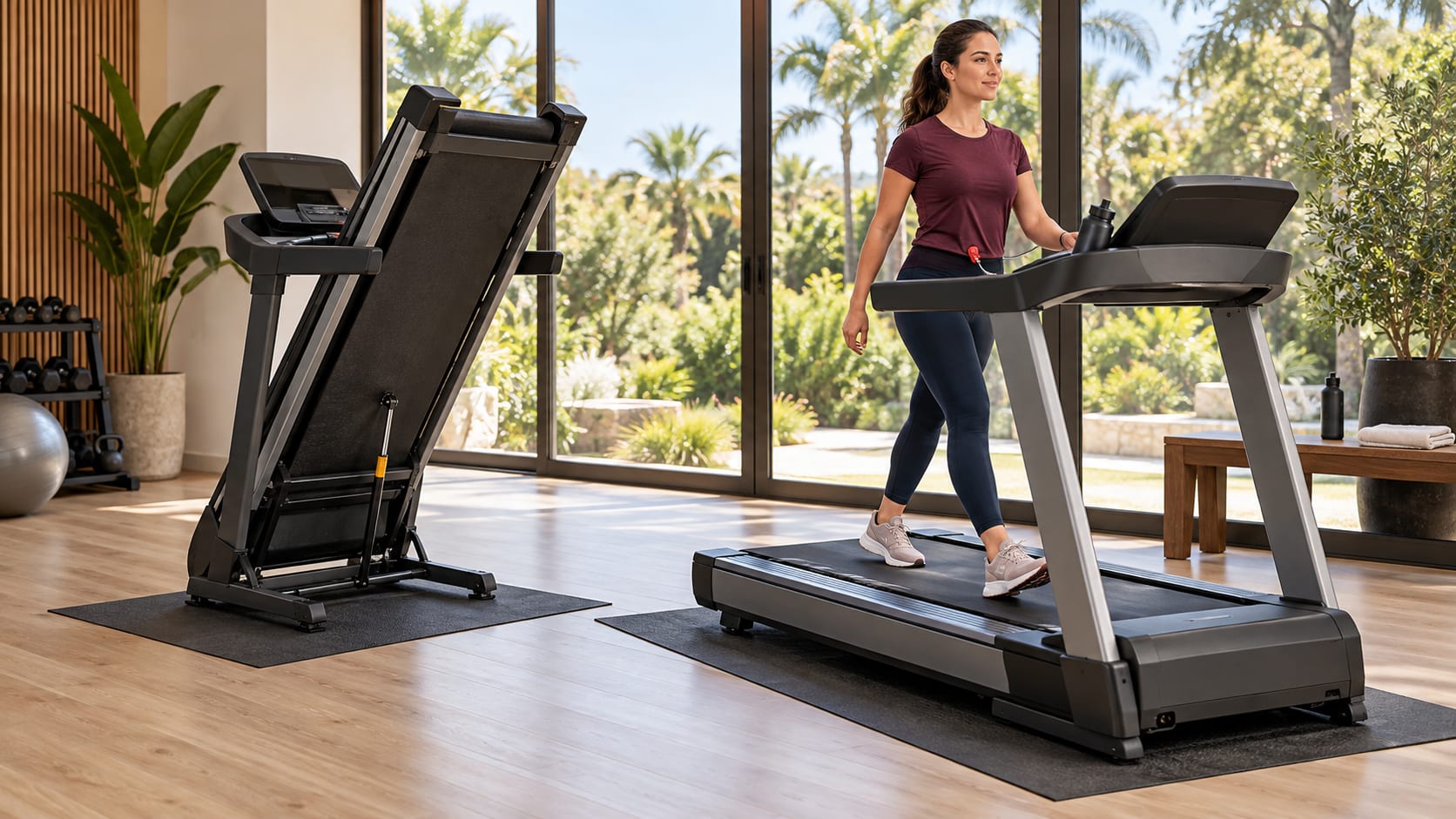
Compact and foldable treadmill designed for small spaces.

Key Buying Tips for Bahrain Treadmill Buyers

Motor Power: For walking, choose at least 2.5 CHP; for running, 3.0 CHP or higher.
Space: Measure your area and consider foldable options.
Heat & Humidity Resistance: Dust and heat affect electronics. Look for treadmills with sealed motor compartments and cooling systems. Keep units away from direct sunlight and near ventilation.
Control: Ideal for apartment living—choose quiet motors.
Maintenance: Pick models with auto-lubrication and local service support.

Final Thoughts

A treadmill in Bahrain isn’t just a fitness tool it’s a lifestyle upgrade. With year-round heat, investing in a home treadmill ensures comfort, convenience, and consistency in your fitness routine.

Best Treadmills for Small Apartments in Bahrain – 2025 Guide

Best Treadmills for Small Apartments in Bahrain – 2025 Guide

Living in Manama often means balancing modern comfort with limited apartment space. For fitness enthusiasts, finding time and room to exercise can be a challenge. That’s why home treadmills have become one of Bahrain’s most popular fitness solutions — they let you walk, jog, or run right in your living room without sacrificing comfort, space, or peace of mind for your neighbors.

Below, we compare the best treadmills for small apartments in Bahrain, featuring leading brands like NordicTrack, Sole Fitness, TRIMLIFE USA, Matrix, and Insight Fitness — all offering compact, quiet, and foldable designs built for apartment living.

 Explore our Collections

All Treadmills

Home‑Use Treadmills

Commercial Treadmills

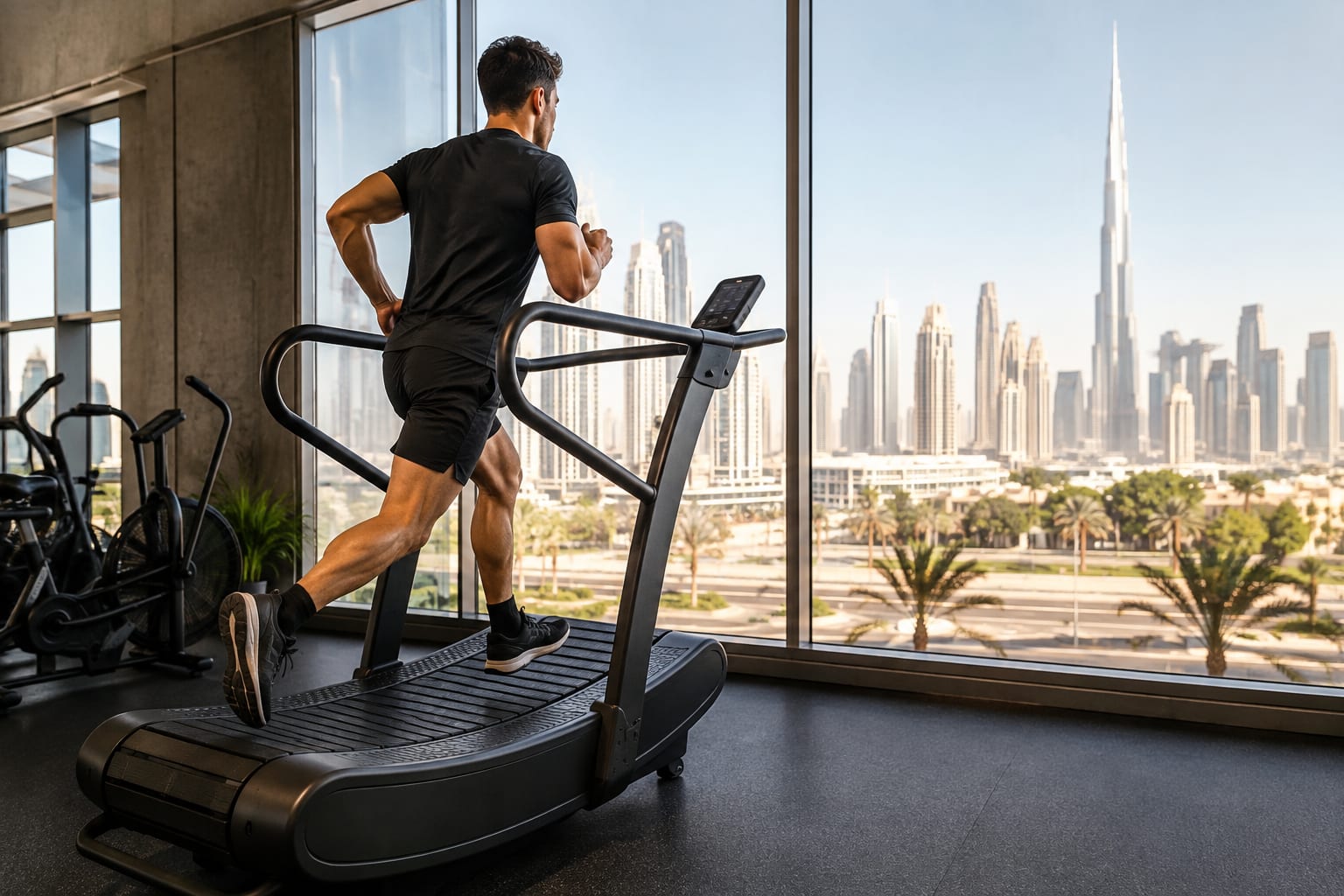
Curve Treadmills

Why the Right Treadmill Matters in Bahrain Apartments

From Juffair to Seef and Amwaj Islands, apartment living in Bahrain often means being mindful of space and noise. A treadmill designed for Bahraini apartments should be:

Compact and foldable to save space

Low noise and vibration

Powerful enough for consistent workouts

Backed by reliable warranty and local service support

Key Considerations Before You Buy

 
Footprint & Foldability

Choose treadmills with hydraulic or soft-drop folding systems that make storage effortless after each workout — ideal for apartments or small flats.

Noise & Cushioning

Look for shock-absorbing decks that reduce both impact and sound. This is essential for shared buildings or high-rise apartments where neighbors may be directly below.

 Motor Power

For walking and jogging, opt for at least 2.5 CHP. If you’re a runner, choose 3.0 CHP or higher to ensure smooth performance.

 Warranty & Support

Always confirm that the treadmill brand offers after-sales service or spare parts through official dealers in Bahrain.

 Features

Modern treadmills offer Bluetooth connectivity, incline/decline options, touchscreen displays, and fitness app integration — perfect for tracking performance and keeping workouts engaging.


Detailed Reviews

Insight Fitness Commercial CT3000B

Pros: Rugged frame, generous deck, strong incline.

Cons: Heavy, non‑folding, not ideal for very small flats.

Apartment Fit: Best if you have a dedicated gym area.

TRIMLIFE USA TL‑350 Semi Commercial

Pros: Semi‑commercial build, foldable, quieter motor.

Cons: Limited incline range.

Apartment Fit: Good choice for medium apartments.

TRIMLIFE USA TL‑150 Semi Commercial

Pros: Compact, affordable, great for walking/jogging.

Cons: Shorter belt and smaller motor, not ideal for heavy running.

Apartment Fit: Excellent for limited space and moderate workouts.

NordicTrack Commercial 1750 (2025 Model)

Pros: Folding SmartLift design, powerful motor, iFit touchscreen.

Cons: Requires moderate floor space; some motor noise.

Apartment Fit: Great all‑rounder for small to medium apartments.

NordicTrack Commercial 2450 (2025 Model)

Pros: Premium touchscreen, stronger motor, superb cushioning.

Cons: Large footprint, heavier build.

Apartment Fit: Works if you have more space available.

ProForm Trainer 12.0

Pros: Foldable, iFit-enabled, compact.

Cons: Moderate durability compared to commercial models.

Apartment Fit: Perfect balance of size and features for most Dubai flats.

Matrix TF30 with XR Console

Pros: Commercial-grade build, very stable, quiet.

Cons: Expensive, heavy, best for larger apartments.

Apartment Fit: Ideal for big flats or dedicated fitness rooms.

Comparison Table

ModelFoldableDeck SizeMotor PowerNoise LevelBest Fit in Bahrain Apartment
Insight Fitness CT3000BNo152 × 51 cmCommercialModerateMedium–Large Apartments
TRIMLIFE TL-350Yes145 × 50 cmSemi-Comm.Low–MediumSmall–Medium Apartments
TRIMLIFE TL-150Yes130 × 48 cmLight DutyLowSmall Apartments
NordicTrack 1750 (2025)Yes152 × 51 cm~3.8 CHPModerateSmall–Medium Apartments
NordicTrack 2450 (2025)Yes152 × 56 cm~4.0 CHPModerateMedium–Large Apartments
Sole Fitness F63Yes152 × 51 cm3.5 CHPLow–MediumSmall–Medium Apartments
Sole Fitness F80 ENTYes152 × 51 cm3.5–4.0 CHPLow–MediumSmall–Medium Apartments
Sole Fitness F85Yes155 × 55 cm4.0 CHPModerateMedium Apartments
Sole Fitness F89Yes155 × 55 cm4.0 CHPModerateMedium–Large Apartments
ProForm Trainer 12.0Yes152 × 51 cm3.0–3.5 CHPLow–MediumSmall–Medium Apartments
Matrix TF30 XRYes152 × 55 cmCommercialLow–MediumLarge Apartments

Buying Guide for Bahrain Apartments

Measure your available space — at least 220 × 90 cm is recommended.

Identify your goals — walking, jogging, or running.

Choose models with quiet motors and shock absorption for apartment comfort.

Verify service and warranty coverage in Bahrain before purchasing.

Pick foldable, compact treadmills to save valuable space.

Maintenance & Noise Tips

Use a rubber treadmill mat to reduce floor vibration.

Lubricate the running belt every few months.

Keep the treadmill level and stable to prevent uneven noise.

Use headphones or Bluetooth audio to keep workouts private and quiet.

Conclusion & Recommendations

For Bahrain apartments, the Sole Fitness F63 and F80 ENT are the best overall choices — quiet, foldable, and built for consistent home workouts.
If you want smart training features, the NordicTrack 1750 (2025 Model) and ProForm Trainer 12.0 offer interactive, connected experiences perfect for apartment living.
For larger flats or villas, Sole F85, F89, and Matrix TF30 XR provide commercial-level quality with premium comfort.


Buying an Elliptical: How to Make the Right Choice?

Buying an Elliptical: How to Make the Right Choice?

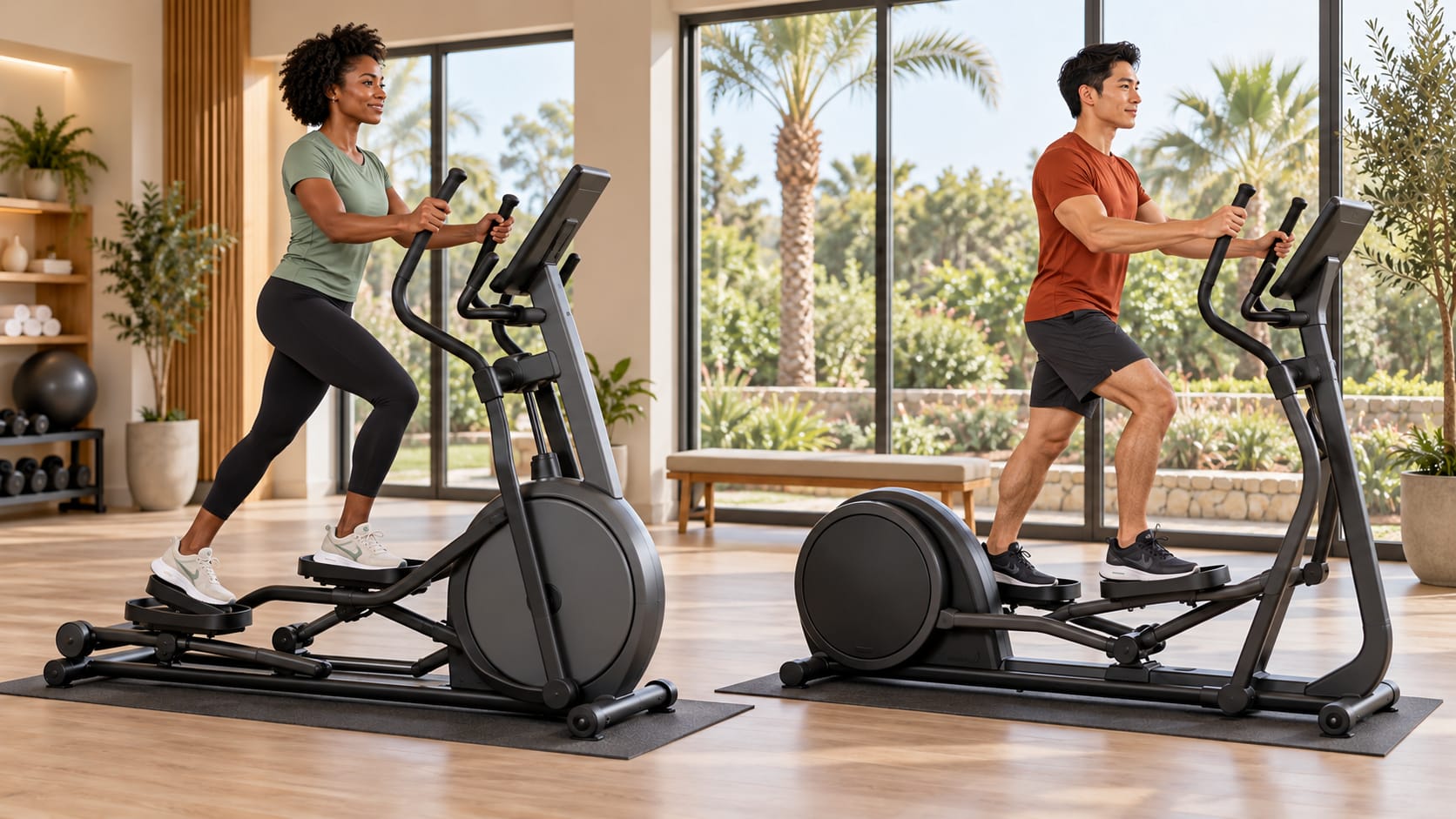
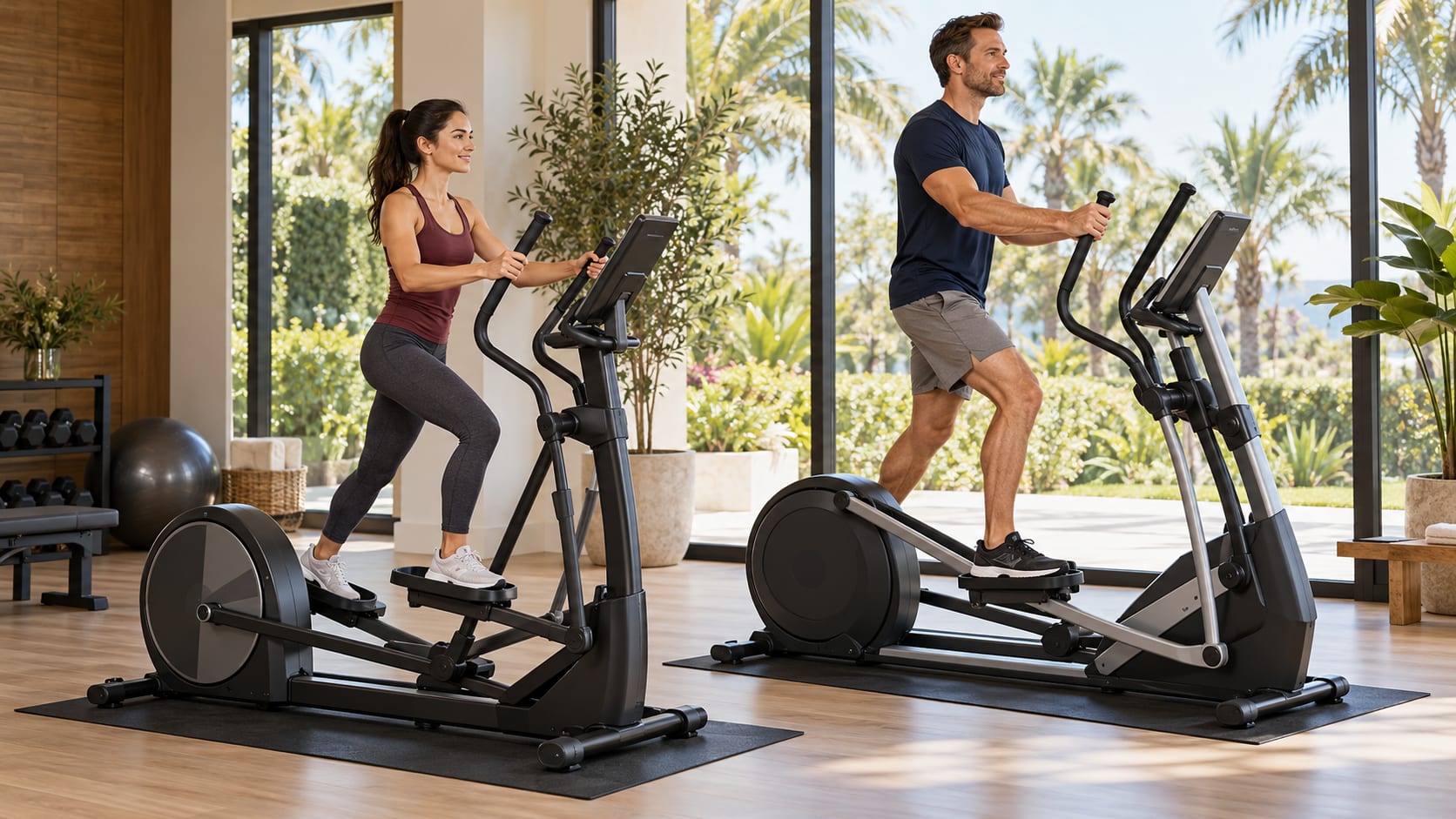
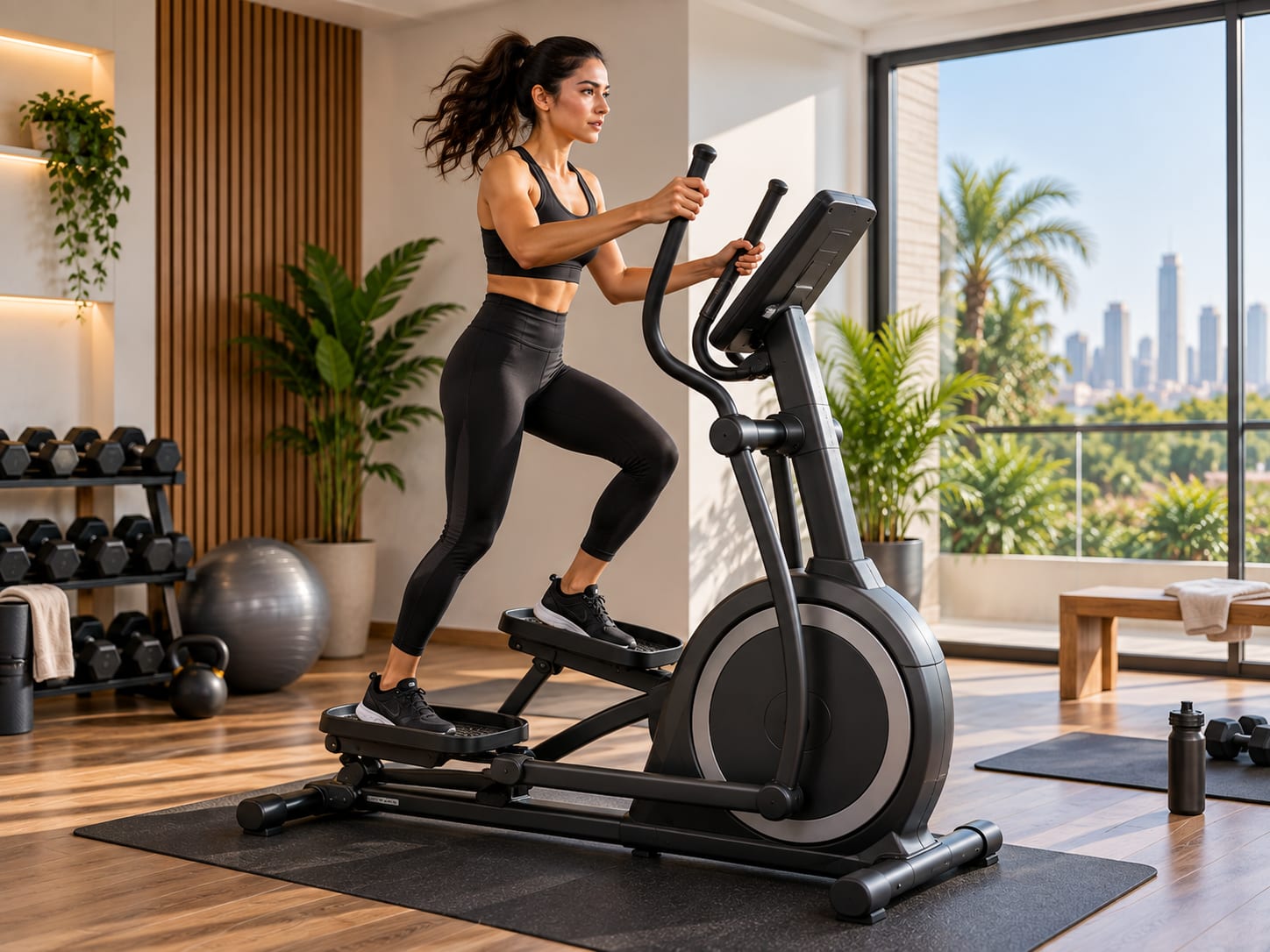
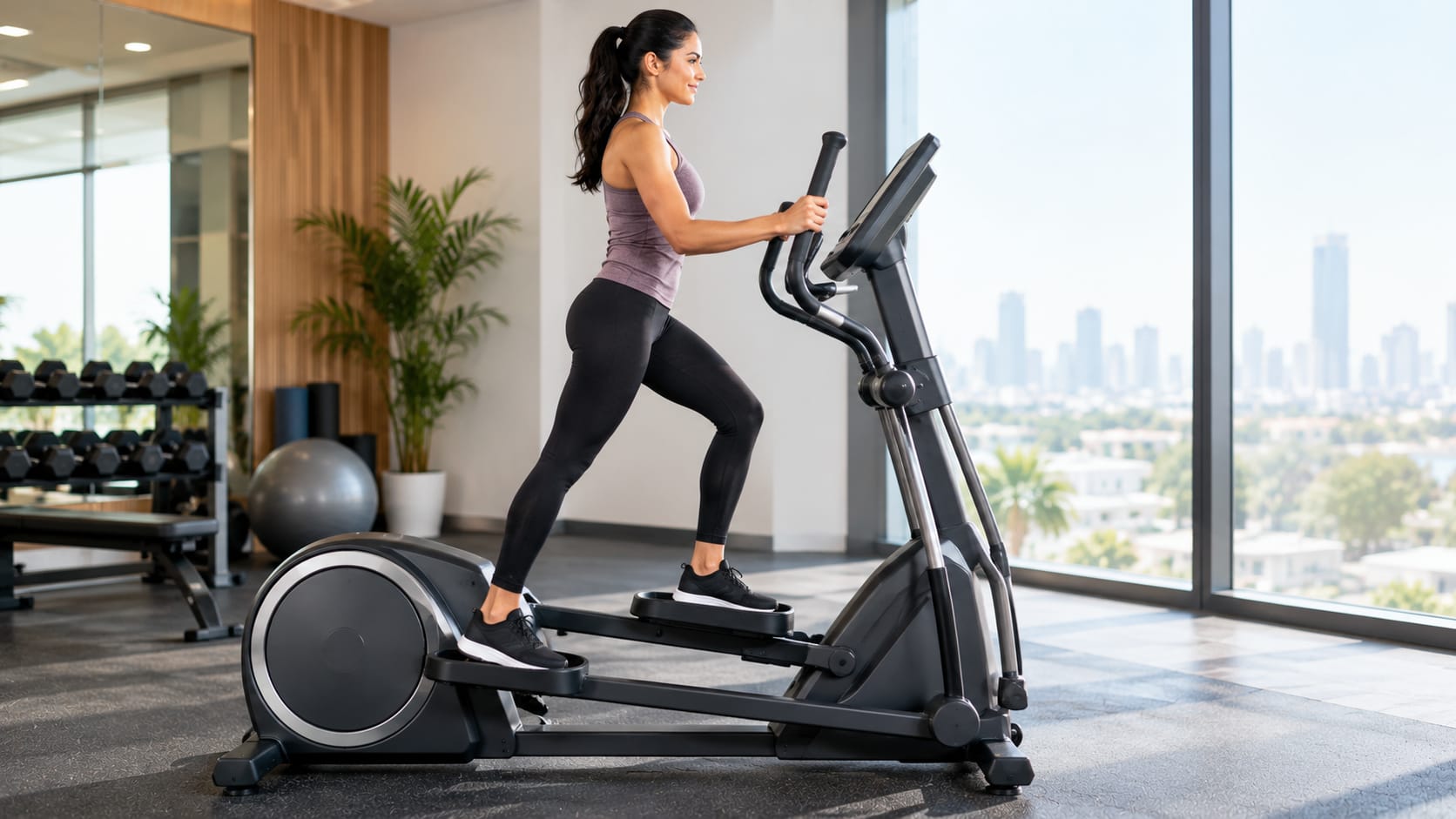
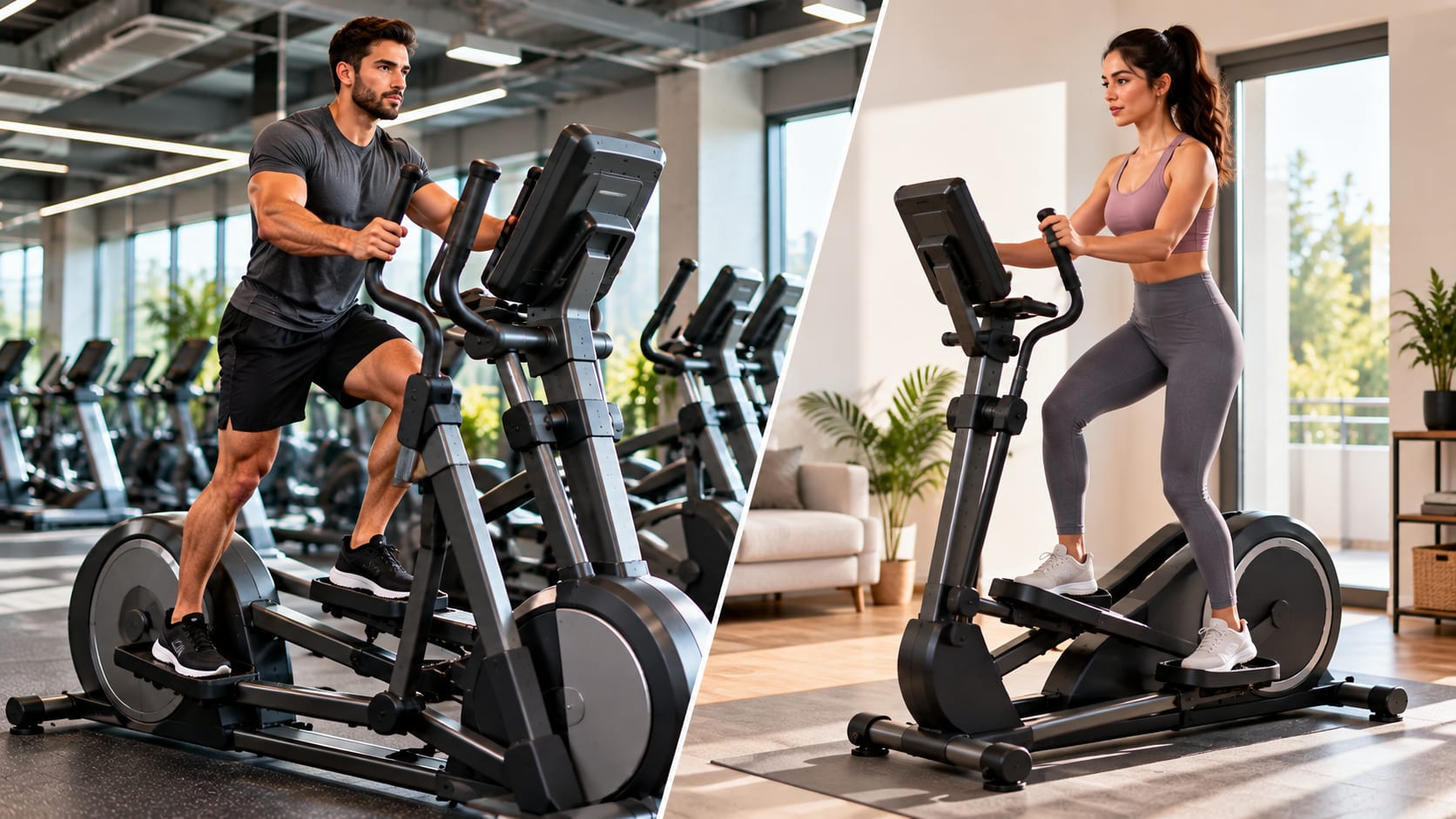
An elliptical cross trainer machine is a cardio equipment that simulates the natural movement of running or walking. It's an excellent low-impact option for those with joint pain or injuries and provides a full-body workout. 

However, with so many options on the market, it can be overwhelming to choose the right elliptical for your needs. In this article, we'll discuss some key factors to consider when buying an elliptical machine Dubai.

Factors to consider:

Planning to buy a cross trainer online or offline? Here are the factors to consider:

  • Stride Length

The stride length is the distance between the pedals of the elliptical. Choosing an elliptical with a stride length that feels comfortable for your body size and natural stride is essential. Most ellipticals have a stride length between 18-22 inches.

If you're taller or have a longer stride, look for an elliptical with a longer stride length. If you're shorter or have a shorter stride, look for an elliptical with a shorter length.

  • Resistance Levels

Resistance is what makes an elliptical workout challenging. The more resistance, the more complex the workout. Look for an elliptical with various resistance levels to accommodate your fitness level and ability to increase as you improve.

Some ellipticals have manual resistance, where you adjust the resistance by turning a knob, while others have electronic resistance, where you can adjust the resistance with the push of a button.

  • Built-in Programs

Many ellipticals come with built-in workout programs, such as hill climb, interval training, and weight loss programs. These programs can add variety to your workouts and help you achieve your fitness goals. If you're someone who likes structure in your workout, look for an elliptical with built-in programs.

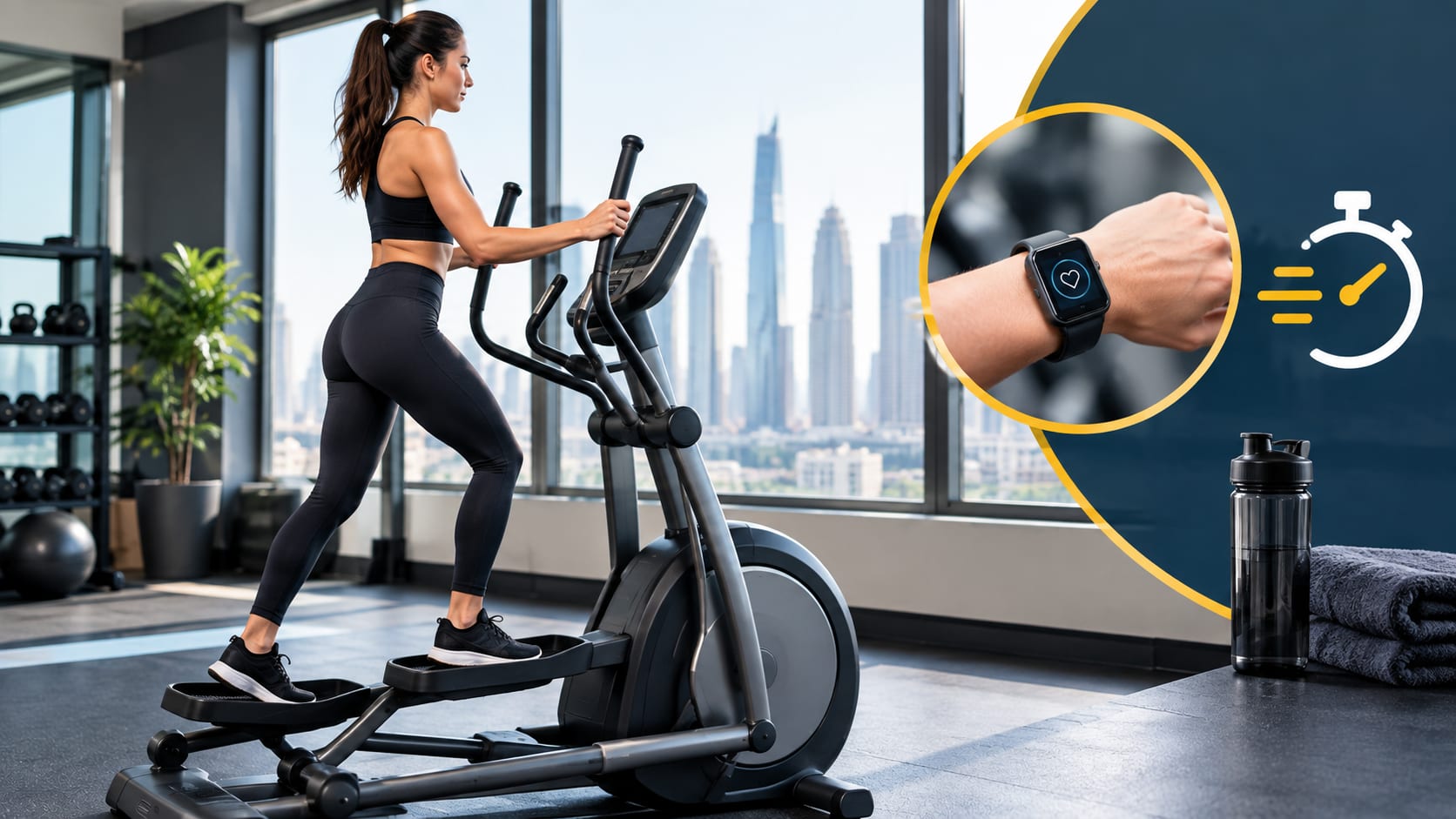
  • Heart Rate Monitor

A heart rate monitor allows you to track your heart rate during a workout and ensure that you are in your target heart rate zone. This is important for those who want to track their progress and ensure they get the most out of their workout. Some ellipticals come with a built-in heart rate monitor, while others require a separate chest strap.

  • Size and Weight Capacity

Make sure the elliptical will fit in the space you have available and can support your weight. Measure the space where you plan to put the elliptical, and check the dimensions of the elliptical before you buy. Also, check the weight capacity of the elliptical to make sure it can support your weight.

  • Price

Ellipticals can range in price from a few hundred to several thousand dollars. Determine your budget and look for a machine that fits within it and also meets your needs. Keep in mind that a more expensive elliptical may have more features, such as built-in programs, a heart rate monitor, or a longer stride length.

  • Brand Reputation and Warranty

Consider the reputation of the brand, read reviews from other customers and check the warranty offered with the elliptical. Researching a company's reputation will give you an idea of the quality of their products and also the level of customer service you can expect. Also, check the warranty offered with the elliptical. A longer warranty is usually a good indication of the quality of the product.

  • Noise Level

If you plan on using the elliptical in a shared space, pay attention to the noise level before making your purchase. Some ellipticals are louder than others, and you don't want to disturb others in your household or apartment complex.

  • Additional Features

Some ellipticals come with additional features like built-in speakers, USB charging ports, and Bluetooth connectivity. If you like to listen to music or watch TV while you work out, look for an elliptical with built-in speakers or Bluetooth connectivity. 

This will allow you to connect your phone or other device and play music or videos through the elliptical speakers. Additionally, USB charging ports can be a convenient feature to have, as they will allow you to charge your phone or another device while you work out.

  • Folding or Non-folding ellipticals

Consider the space you have available in your home and whether or not you need the elliptical to be foldable. Folding ellipticals are a great option for those who have limited space, as they can be easily stored away when not in use. However, non-folding ellipticals tend to be more stable and durable.

  • Quality of construction

Ellipticals can be made of different materials and the quality of construction. Look for ellipticals that are made of sturdy and durable materials, such as steel frames. Also, check for the quality of the pedals, handlebars and other parts, as they are the ones that are in constant use.

Why should you consider buying an elliptical machine?

There are several reasons why someone might consider buying an elliptical machine:

  • Low-Impact Exercise: One of the biggest benefits of using an elliptical machine is that it provides a low-impact workout.

Unlike running or jogging, which can be hard on the joints, an elliptical machine allows you to get a cardiovascular workout without putting stress on your knees, ankles, and hips.

  • Full-Body Workout: An elliptical machine provides a full-body workout, as it works out your lower body (legs, glutes, and calves) and upper body (arms, shoulders, and back) simultaneously. This can help to increase muscle tone and burn more calories in a shorter amount of time.
  • Variety of Workouts: Many elliptical machines come with built-in workout programs, such as hill climb, interval training, and weight loss programs, which can provide variety to your workouts and help you achieve your fitness goals.
  • Convenience: An elliptical machine can be a convenient option for those who want to work out at home. It doesn't take up a lot of space, and it can be used at any time without the need to go to a gym or wait for equipment to become available.
  • Heart Rate Monitoring: Some ellipticals come with built-in heart rate monitors, which can help you to track your heart rate during a workout and ensure that you are in your target heart rate zone.
  • Adjustability: Many ellipticals offer resistance and incline adjustments, allowing you to customise your workout to your fitness level and goals.
  • Durability: Ellipticals are built to last and withstand regular use, with some ellipticals having a weight capacity of over 300 lbs.

An elliptical machine is an excellent option for those looking for a low-impact, full-body workout with the convenience of working out at home. With a variety of workout programs, heart rate monitoring, and adjustability options, an elliptical machine can help you achieve your fitness goals and also be an investment for long-term use.

Who should use an elliptical machine?

An elliptical machine can be a great option for a variety of people, including:

  • People with joint pain or injuries: Because an elliptical machine provides a low-impact workout, it can be a great option for people with joint pain or injuries, such as knee or ankle pain.
  • People with limited space: An elliptical machine can be a great option for people with limited space, as it doesn't take up a lot of room and can be easily stored away when not in use.
  • People looking for a full-body workout: An elliptical machine provides a full-body workout, working out the lower body (legs, glutes, and calves) and upper body (arms, shoulders, and back) simultaneously.
  • People who want to work out at home: An elliptical machine can be a convenient option for those who want to work out at home without the need to go to a gym or wait for equipment to become available.
  • People looking for a cardio workout: An elliptical machine provides a cardiovascular workout and can help to increase cardiovascular fitness and endurance.
  • People looking for weight loss: An elliptical machine can be a great tool for weight loss, as it can help to burn calories and increase muscle tone.
  • Elderly People: Ellipticals are a great option for elderly people who want to maintain their cardiovascular fitness, as the low-impact nature of the workout is easy on the joints.
  • People recovering from injuries or surgeries: An elliptical machine can be a great option for people recovering from injuries or surgeries, as it provides a low-impact workout that can help to increase strength and mobility.

Who shouldn't use an elliptical machine?

Certain groups of people may not be suitable candidates for using an elliptical machine, including:

  • People with severe balance issues: An elliptical machine requires a certain level of balance and coordination. Those with severe balance issues may find it difficult to use an elliptical machine safely.
  • People with lower body injuries or surgeries: People who have recent lower body surgeries or injuries may not be able to use an elliptical machine. It's always best to consult with a medical professional before starting any exercise program.
  • Pregnant women: Pregnant women should consult with their doctor before using an elliptical machine.
  • People with knee or ankle pain: While an elliptical machine is a low-impact workout, it may not be suitable for people with knee or ankle pain, as it can aggravate the pain.
  • People with very limited mobility: An elliptical machine requires a certain level of mobility, so people with very limited mobility may not be able to use it effectively.
  • People who are very overweight: People who are very overweight may find an elliptical machine challenging to use, as it puts a lot of stress on the joints.
  • People who have certain medical conditions: People who have certain medical conditions, such as heart disease, high blood pressure, or diabetes, should consult with their doctor before using an elliptical machine.

It's always important to consult with a medical professional before starting any exercise program, especially if you have any pre-existing medical conditions or injuries.

What are the different types of elliptical machines?


  • Front-drive ellipticals: These ellipticals have the flywheel located at the front of the machine. The pedals are in front of the flywheel, and the user's feet are in front of the pedals. This type of elliptical tends to be more compact, making it a good choice for people with limited space.
  • Rear-drive ellipticals: These ellipticals have the flywheel located at the back of the machine. The pedals are behind the flywheel, and the user's feet are behind the pedals. This type of elliptical tends to be larger and more stable, making it a good choice for people who want a more stable workout.
  • Centre-drive ellipticals: These ellipticals have the flywheel located in the centre of the machine. The pedals are on either side of the flywheel, and the user's feet are in front of the pedals. This type of elliptical tends to be more stable and provides a more natural feel, making it a good choice for people who want a more natural workout.
  • Dual-action ellipticals: These ellipticals provide a full-body workout, as they have moving handles that work the upper body in addition to the lower body.
  • Folding ellipticals: These ellipticals can be folded up for easy storage, making them a good choice for people with limited space. They are also lightweight and easy to move around.
  • Standing ellipticals: These ellipticals are designed to mimic the motion of walking or running while standing up. They are taller than traditional ellipticals and are more suitable for taller people.
  • Recumbent ellipticals: These ellipticals have a seat and backrest, providing a more comfortable and relaxed workout experience. They are ideal for people with back or joint pain or for those who are recovering from injuries or surgeries.
  • Hybrid ellipticals: These ellipticals combine the features of a traditional elliptical with a stepper machine or a bike, providing a more intense and varied workout.
  • Smart ellipticals: These ellipticals are equipped with smart features such as Bluetooth connectivity, interactive training, and customised workout programs. They can be synced with fitness apps, and you can track your progress.

Ellipticals come in various types, each with unique features and designs. Consider your specific needs and preferences when choosing an elliptical machine. The varieties go from compact, stable, natural, full-body, foldable, standing, to recumbent, hybrid, and smart.


Home-Use Ellipticals

Home-use ellipticals are designed for convenience, comfort, and quiet operation, making them ideal for apartments, villas, or compact home gyms. They typically feature foldable or space-efficient designs, smooth magnetic resistance, and user-friendly consoles that make daily workouts simple and enjoyable. These machines focus on low noise, easy maintenance, and essential performance features—perfect for beginners, families, and fitness enthusiasts who want a reliable cardio option without taking up too much space.

Commercial-Use Ellipticals

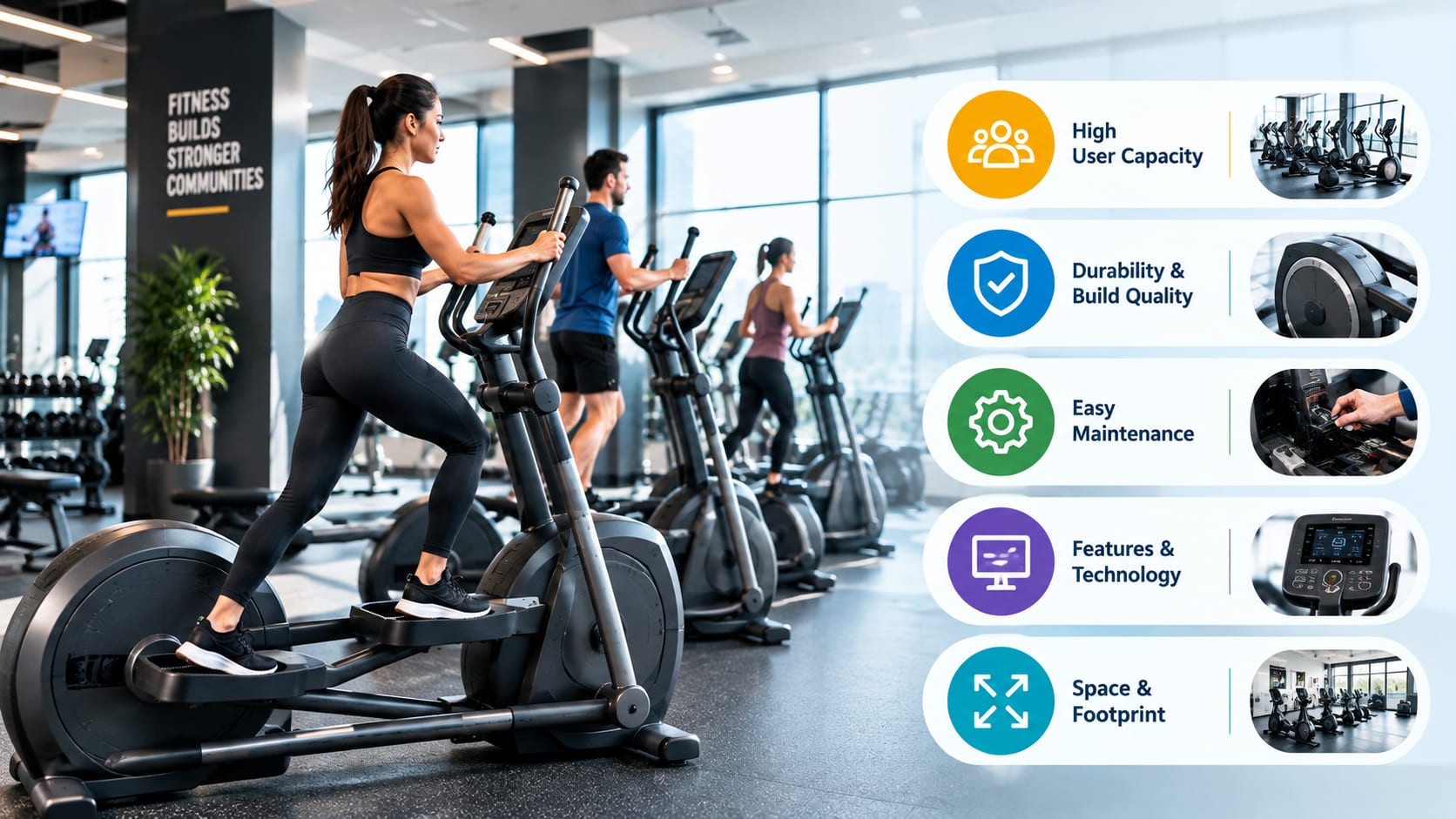
Commercial-use ellipticals are built to handle heavy daily traffic, offering superior durability, advanced resistance systems, and high-performance engineering. With larger frames, reinforced components, and premium stride ergonomics, they deliver smoother motion and long-term reliability in gyms, hotels, corporate wellness centres, and sports clubs. These machines often include advanced consoles, fitness tracking systems, and multiple training programs designed to support intense workouts, professional training, and marathon-level endurance sessions.

What size elliptical do I need?

The size of an elliptical machine you need will depend on several factors, including:

  • Space availability: Measure the space where you plan to put the elliptical and compare it to the dimensions of the elliptical you're considering. Make sure the elliptical will fit in the space you have available.
  • Stride length: Consider your natural stride length and choose an elliptical with a stride length that feels comfortable for your body size. Most ellipticals have a stride length between 18-22 inches. If you're taller or have a longer stride, look for an elliptical with a longer stride length. If you're shorter or have a shorter stride, look for an elliptical with a shorter stride length.
  • Weight capacity: Check the weight capacity of the elliptical to make sure it can support your weight.
  • User height: If you are taller than average, consider getting an elliptical with a longer stride length or a standing elliptical.
  • Storage: If you have limited storage space, consider getting a folding elliptical or one that can be easily stored away when not in use.
  • Intended use: If you are using the elliptical for commercial purposes, like in a gym or fitness centre, a larger and more sturdy elliptical might be needed.

When choosing the size of an elliptical machine, it's important to consider your space availability, stride length, weight capacity, user height, storage, and intended use. Considering these factors, you'll be able to choose the right size elliptical for your needs and achieve your fitness goals.

Does elliptical burn belly fat?

An elliptical machine can be an effective tool for burning belly fat. However, it's important to note that spot reduction is not possible. To burn belly fat, you need to burn calories overall and reduce your overall body fat.

To burn belly fat, you need to create a calorie deficit by burning more calories than you take in. An elliptical machine can be a great tool for burning calories, as it provides a low-impact, full-body workout that can help to increase your heart rate and burn calories.

In addition to cardio exercise, it's important to also include strength training to build muscle increase your metabolism and watch your diet. Eating a healthy, balanced diet that is low in processed foods and added sugars can help to reduce belly fat.

An elliptical machine can be an effective tool for burning calories and losing belly fat, but it should be combined with a healthy diet and strength training to achieve the best results.

In conclusion, an elliptical machine is a great cardio equipment that can provide a low-impact, full-body workout. When buying an elliptical, consider the stride length, resistance levels, built-in programs, heart rate monitor, size and weight capacity, price, brand reputation and warranty, noise level, additional features, folding or non-folding, and quality of construction. By taking the time to consider these factors, you'll be able to choose the right elliptical for your needs and achieve your fitness goals.

How Do You Create the Perfect CrossFit Gym at Home?

How Do You Create the Perfect CrossFit Gym at Home?

Whether you are an experienced bodybuilder who faithfully frequents the gym every day of the week or someone new to the realm of physical fitness, opting for a do-it-yourself CrossFit garage gym may prove to be the perfect solution for you. 

This comprehensive article aims to delve into the intricacies of CrossFit workouts. Shedding light on the myriad benefits they offer, exploring the equipment that can aid in these exercises, and imparting valuable guidance on establishing your own fully equipped gym within the confines of your garage, all from the comfort of your home.

What Is Crossfit?

CrossFit constitutes a series of high-intensity exercises, combining functional multi-joint movements meticulously designed to bolster endurance, enhance strength, and foster optimal body composition.

Engaging in CrossFit workouts entails elevating your heart rate and subjecting your muscles to rigorous intervals, with minimal respite between each session. 

Renowned for its efficacy in fortifying both physical power and overall fitness, this form of exercise has proven invaluable in the training regimens of military personnel, firefighters, and police officers alike.

Health Benefits of Crossfit:

CrossFit training encompasses a wide array of health benefits, targeting the ten key fitness domains to maximize exercise performance:

  • Cardiovascular and respiratory endurance: By engaging in high-intensity training, you effectively strengthen your heart and lungs, enhancing overall endurance.
  • Stamina: This refers to the ability to sustain prolonged physical or mental effort. CrossFit training improves stamina, as the demanding exercises necessitate physical exertion and mental focus to complete the workouts.
  • Strength: While any workout can improve overall strength, CrossFit offers unique advantages by targeting all muscle groups. Depending on the daily routine, your entire body is systematically worked and strengthened over multiple days of CrossFit exercise.
  • Flexibility: Achieving flexibility requires dedicated stretching before and after workouts. It is crucial not to succumb to the temptation of skipping warm-up and cool-down routines.
  • Power: Engaging in high-intensity workouts increases your power and enhances exercise performance. After several weeks of CrossFit, you may find that the workouts become more manageable due to heightened power.
  • Speed: CrossFit workouts often involve movements that demand speed. As you consistently participate in these exercises, you will likely notice improvements in speed and proficiency during the cardiovascular and speed-focused segments of the routine.
  • Coordination: While strength and speed often dominate workout discussions, coordination is equally vital. Some exercises require deliberate and controlled movements to enhance coordination, so remember not to rush. It constitutes an integral aspect of the routine.
  • Agility: This refers to the ability to move quickly and effortlessly. Improved agility during workouts facilitates mastering the movements and executing them correctly.
  • Balance: Similar to coordination, balance can be overlooked when pursuing exercise goals. While strength and speed are appealing, remember that balance holds equal importance. Cultivating balance contributes to overall physical well-being.
  • Accuracy: As a beginner, do not hesitate to slow down and modify movements to ensure correct execution. As you progress in CrossFit workouts, you may gradually eliminate modifications. However, bear in mind that accuracy is crucial in preventing injuries and maintaining long-term progress.

Main Elements of CrossFit Training:

CrossFit combines weightlifting, gymnastics, aerobic exercises, and callisthenics. It lasts 45 minutes to 1 hour, allowing individuals to move at their own pace without pressure. A typical session includes a warm-up, WOD (Workout Of The Day) prescribed by trainers, and Strength/Skill training to challenge the body and master skills like squats, jacks, jump rope, push-ups, lunges, and pull-ups.

Risks Involved:

While assessing the risks associated with CrossFit, it is worth noting that they are akin to those found in other exercise modalities and sports like powerlifting, gymnastics, or rugby. However, when determining the suitability of CrossFit as a workout regimen for oneself, it is vital to consider individual strength, physical health, and the potential risks involved, such as shoulder or spinal injuries.

For instance, individuals with sensitive knees might need to modify certain running or jumping movements commonly incorporated in CrossFit. Similarly, if one has a preexisting heart or lung condition, it is essential to consult with a healthcare professional to determine whether CrossFit is an appropriate exercise option.

Tips to Prevent Injuries:

To minimize the risk of injuries while working out, consider the following recommendations to ensure safe and effective exercise:

  • Personalize your workout: Remember that your workout progress should be tailored to your own goals and capabilities. Modify movements as necessary when participating in CrossFit exercises. For instance, if lung jumps leave you breathless, you can opt for lung steps or take a moment to pause and catch your breath during the workout.
  • Vary your routine: Introduce variety into your workout regimen to avoid overworking specific muscle groups. Instead of consecutively targeting the same muscle groups, alternate between lower-body and upper-body workouts to promote healthier and less fatigued muscles.
  • Pay attention to pain: Listen to your body and don't ignore pain signals. While strength training can be challenging, it should not cause pain. If you experience pain during an exercise, cease the movement immediately and seek assistance from a healthcare professional if the pain persists.
  • Don't hesitate to ask for help: Overcome the fear of seeking assistance. If you are unsure about how to perform a particular exercise, ask someone nearby for guidance. It is far better to seek help than to risk injury by attempting unfamiliar exercises without proper knowledge.
  • Stay hydrated and prioritise sleep: Fatigue and dehydration increase the likelihood of injuries. Maintain regular hydration throughout your workouts and ensure you get sufficient sleep each night. Adequate hydration and rest can also enhance your overall performance.
  • Allow time for recovery: Incorporate periods of rest into your exercise routine. Pushing your body to work out every day of the week can lead to burnout, exhaustion, and irritability. Allocate days of rest to enable your body to recover and heal.

By following these guidelines, you can help prevent injuries and maintain a safe and sustainable workout routine. 

Is It Necessary For Me To Join A Gym For Crossfit Training?

Are you inclined towards home workouts rather than gym visits? If so, it's worth noting that engaging in CrossFit doesn't necessarily require joining a gym. In fact, you can set up your own CrossFit space in your garage and forego the need for a traditional gym environment.

While establishing a DIY gym may require some initial effort and time, once it's set up, you can enjoy regular exercise sessions without having to leave the comfort of your home.

What are the Must-Have Crossfit Equipment?

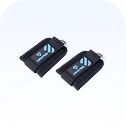
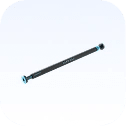
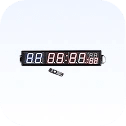
When it comes to CrossFit, there are a variety of useful items and accessories you may consider:

In addition to the aforementioned equipment, there are other accessories that can prove helpful:

  • CrossFit gloves
  • Pull assist band
  • Shaker bottle
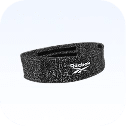
  • Workout headband
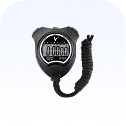
  • Fitness watch
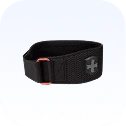
  • Weightlifting belt
  • Shin guards
  • Barbell pad

Weight loss with CrossFit: Is it possible?

Yes, CrossFit can aid in weight loss. However, it's important to note that weight loss primarily occurs when you consistently burn more calories through physical activity than you consume. CrossFit, known for its varied and intense nature, can help create a calorie deficit and contribute to weight loss.

A study published in the International Journal of Sports and Exercise Medicine examined 27 non-competitive CrossFit athletes who were randomly assigned to either follow a low-carb keto diet and engage in 6 weeks of CrossFit training or continue their regular diet while participating in 6 weeks of CrossFit training. The study found that individuals who combined CrossFit with a keto diet experienced significant reductions in weight, body fat percentage, and fat mass.

In summary, engaging in CrossFit, coupled with a balanced and calorie-conscious diet, can be an effective approach to achieving weight loss goals.

Can CrossFit Help Build Muscle?

A study published in the International Journal of Sports Physical Therapy compared the benefits of functional and traditional strength training and found that there were no significant differences in improvement between the two training protocols for men.

If your goal is to build muscle, it is irrelevant whether you engage in strength training with a barbell in a traditional gym or in a CrossFit box. Muscle growth can be achieved through both approaches.

Moreover, if you have concerns that the conditioning work in CrossFit might hinder your muscle gains, rest assured that it will not. Research conducted at the Department of Health Sciences at Mid Sweden University demonstrated that incorporating cardio into a leg-strengthening program actually led to an increase in muscle size instead of reducing it.

The CrossFit Dictionary:

CrossFit gyms are known for their welcoming atmosphere, but it's not uncommon to feel like the CrossFit community has its own unique language. With numerous acronyms and terminology, it can be challenging to keep up. However, fear not! We have compiled a list of common and popular CrossFit terms to help you navigate the conversations and feel like part of the community, regardless of your current appearance or fitness level.

After going through this guide, you'll never have to wonder about the meaning of a WOD again.

  • WOD: Short for "workout of the day." These daily workouts are posted on CrossFit.com and can be practised at CrossFit affiliate gyms. However, personal gyms may choose their own variations that align with their program. Ever wondered why WODs have women's names? According to the CrossFit Journal, anything that leaves you exhausted and coming back for more deserves a name.
  • EMOM: An interval workout where you perform a specific number of reps at the start of each minute for a designated duration. After completing the reps, you rest for the remaining time in the minute.
  • AMRAP: Stands for "as many rounds/reps as possible." It refers to a circuit of exercises that you aim to complete as many times as you can within a given time frame.
  • Metcon: Short for "metabolic conditioning." It typically involves AMRAP workouts or repeating two to three exercises for a specific duration. An example is the CrossFit workout called "Cindy," which consists of 5 pull-ups, 10 push-ups, and 15 squats repeated for 20 minutes.
  • Kipping: A pull-up variation that utilises momentum, allowing CrossFitters to perform more reps in less time.
  • RX: When a WOD is performed "RX," it is completed exactly as prescribed or written.
  • DOMS: Stands for "Delayed Onset Muscle Soreness." It's best to avoid this condition.
  • Rhabdo: Short for "Rhabdomyolysis," a condition where muscle cells rupture and release their contents into the bloodstream. It's crucial to avoid this condition at all costs.

CrossFit training at Home:

If joining a CrossFit gym doesn't seem like the right fit for you, don't worry, you can still train for CrossFit at home with minimal equipment. However, it's important to note that there are risks involved with this option. If you're new to the CrossFit training program, it's recommended to start at a gym or with a trainer to receive proper education and information.

Attending a CrossFit gym, even for a short period, provides an easier way to familiarize yourself with the program, its movements, and proper technique. It's crucial to remember that without proper form, some of the heavier CrossFit exercises can pose a risk of injury. Having someone knowledgeable present is always better to ensure safety and proper guidance.

Who can choose CrossFit training:

CrossFit is for everyone, despite their age or gender. From the elderly to athletes, CrossFit is for anyone who is ready to stay committed. Even if you are not a strong person, you can improve your health and strength with constant training.   

CrossFit offers a great opportunity to combine cardio and weight training in your workout routine. The best part is that you don't have to go to the gym to achieve this. You can easily set up a CrossFit gym right in your own garage! With a few pieces of equipment and necessary supplies, creating a DIY garage gym is entirely manageable. Hopefully, this guide will inspire you to embark on your CrossFit fitness journey!

Struggling to Pick Dumbbells? Here's Your Ultimate Buying Guide

Struggling to Pick Dumbbells? Here's Your Ultimate Buying Guide

Dumbbells are versatile fitness equipment used for strength training, consisting of a short bar with equal weight on both ends. Anyone who follows a fitness workout routine might have at least once thought of buying dumbbells initially. Dumbbells are, in fact, a great addition to any workout station, be it home or commercial. This weight training equipment is indeed an effective one for various workouts. They are compact and a safer weight option even when you train alone.

However, the dilemma arises when you pick the dumbbells for your workout. With many types of dumbbells available today, beginners need expert help to choose weights for their training. So, here are a few things one needs to take care of when going to buy dumbbells. 

Types of dumbbells you might or might not know:

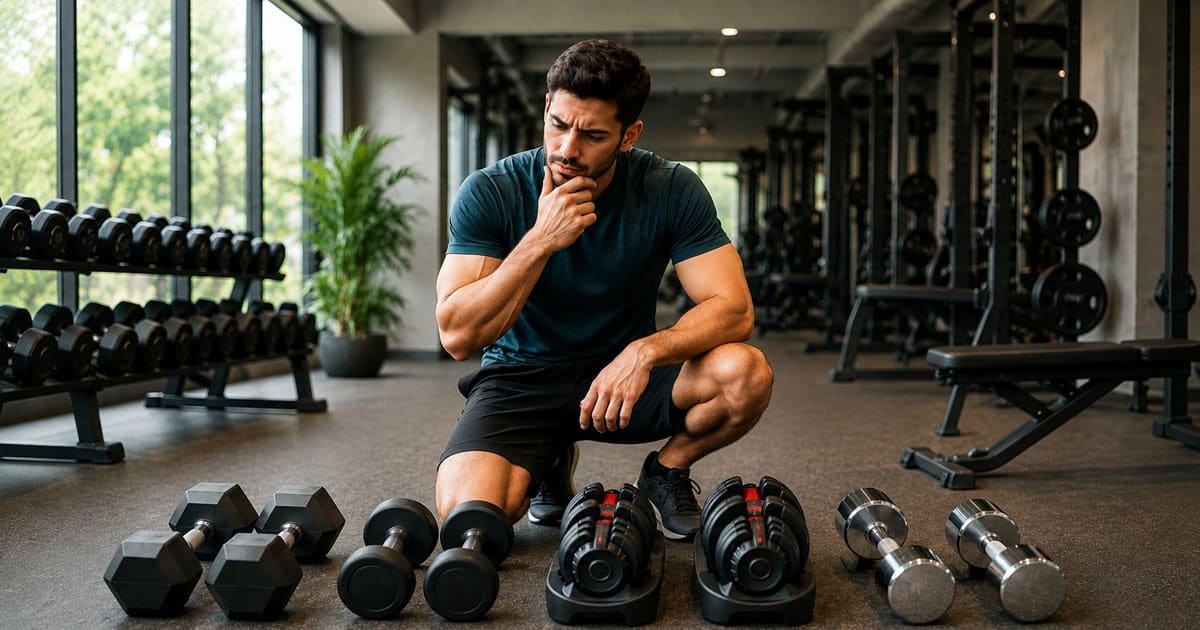
Precisely, there are three main types of dumbbells- loadable, fixed, and adjustable. Let’s get a bit more detailed into those.

Loadable Dumbbells:

Loadable dumbbells come with a small handle, two collars and separate plates. It looks like a tinier version of the Olympic bar with weight plates. People with less space in the home gym would love them as they are comfortable. However, most people don’t go for it as they require extra effort to remove the plates and collars. If you are not someone who keeps things organised, these loadable dumbbells can make your workout station a mess! Another important factor, when compared with other dumbbell options, is that loadable dumbbells can be a bit expensive too. 

Fixed Dumbbells:

Most fitness freaks and gym owners prefer these types for several reasons. Fixed dumbbells have excellent grip and are well-made. Unlike loadable ones, they won’t create clutter in the workout space. For these reasons, fixed dumbbells are the most common in every workout space. You might have seen them in your gym or any other gym you visit! Fixed dumbbells are easier to balance and are considered to be the best option for heavy weight lifting. They can be changed easily during workouts and sets.     

Adjustable Dumbbells:

Adjustable dumbbells have removable weight plates to increase or decrease the weight when required. It is the most economical choice for home gyms. Apart from weights, the length of the bars can also be adjusted.

However, you will need to put effort every time to tailor it according to your needs. Compact, easy to use, economical, and expandable are the notable advantages of adjustable dumbbells compared to other types of dumbbells. 

Hex Dumbbells

Hex dumbbells are fixed-weight dumbbells with six-sided heads designed to prevent rolling during workouts. They are usually made with a solid steel core and rubber or urethane coating for durability and floor protection. Their stable design makes them ideal for functional training, push-up variations, and strength exercises where you need the dumbbells to stay in place. These are one of the most popular choices for home gyms and commercial setups due to their reliability, safety, and long lifespan.

Chrome Dumbbells

Chrome dumbbells feature a sleek, polished steel finish and are known for their premium look and balanced feel. They typically come with smooth or lightly knurled handles that provide a more professional grip. These dumbbells are commonly used in personal training studios, premium home gyms, and physiotherapy spaces. While they are highly durable and elegant, they can be slippery when hands get sweaty and may require careful handling to protect floors.

Neoprene Dumbbells

Neoprene dumbbells are coated with a soft, rubber-like neoprene material that offers excellent grip and comfort. They usually come in lighter weights, making them perfect for beginners, aerobic workouts, rehabilitation exercises, and high-rep training. The coating provides a secure, non-slip hold, reduces noise, and protects flooring. They are often color-coded, making them easy to identify during fast-paced workouts.

Vinyl Dumbbells

Vinyl dumbbells consist of a cast iron or concrete core coated in smooth vinyl. They are an affordable and beginner-friendly option, ideal for light strength training, warm-ups, mobility routines, and full-body toning workouts. Vinyl dumbbells are easy to clean and maintain, and like neoprene versions, they are often available in bright colors. They are best suited for low to moderate-intensity workouts, as they usually do not come in heavier weight ranges.

Studio Dumbbells

Studio dumbbells are designed specifically for group fitness classes and circuit-style training. They typically feature a compact shape, easy-to-grip coating, and anti-roll design. These dumbbells are durable, comfortable to hold, and ideal for fast transitions between exercises. Although they are mainly used in lighter weight categories, they are perfect for HIIT, cardio + strength sessions, and home users who want versatile, easy-to-store dumbbells for everyday workouts.


Buying Dumbbells: Determining the Size!

Beginners should always buy dumbbells and weights in such a way that around 20 kg are available for the dumbbell bar. Because even as a beginner, you can do exercises where you can definitely put on more weight. If you can only train with dumbbells, you should also buy two weight plates of 10 and 20 kg.

Advanced strength athletes need more weight plates and, above all, more weights. However, since the capacity of the dumbbells for the discs is limited, it is impossible to put on any number of weights. Therefore, an advanced athlete should rather use heavier weights for the individual weight plates and avoid the weights of 1.25 and 2.5 kg.

When it comes to buying dumbbells, the size you should choose will depend on a few factors, including your fitness level, the specific exercises you plan to do, and your personal fitness goals. For beginners, a good starting weight is typically between five and ten pounds. This will allow you to perform a wide range of exercises with proper form and technique while still providing a good level of resistance.

As you become more experienced and your strength increases, you should increase the weight of your dumbbells gradually. A good rule of thumb is to choose a weight that allows you to perform eight to twelve repetitions of an exercise with good form but without straining or struggling. If you can easily do more than twelve repetitions, then the weight is too light, and you should increase it. On the other hand, if you can't do at least eight repetitions, then the weight is too heavy, and you should decrease it.

It's also important to consider the specific exercises you plan to do with your dumbbells. If you're doing upper body exercises, such as bicep curls or shoulder presses, then a lighter weight may be appropriate. For lower body exercises, such as lunges or squats, you may need a heavier weight. It's always a good idea to consult with a personal trainer or exercise professional to determine the best weight for your individual needs.

In general, it's best to start with a lower weight and gradually increase it as you become stronger and more experienced. This will help you avoid injury and ensure that you're getting the most out of your workouts.

Dumbbells Shape and Material

As I mentioned earlier, dumbbells typically consist of a short bar with weighted plates on each end. The shape and material of the bar and plates can vary depending on the type of dumbbell.

The most common type of dumbbell has a straight, cylindrical bar made of metal, such as steel or iron. The weight plates are also typically made of metal and are attached to the bar using collars that can be tightened to secure the plates in place.

Other types of dumbbells may have different-shaped bars, such as hexagonal bars, that prevent the dumbbell from rolling when it is placed on the ground. The weight plates on these dumbbells may also be made of different materials, such as rubber or plastic, to reduce noise and protect floors and equipment.

In general, the shape and material of the dumbbell will not have a significant impact on its effectiveness for strength training and weightlifting exercises. The most important factors to consider when choosing a dumbbell are the weight of the dumbbell and its overall quality and durability.

Different Types of Dumbbells; Which One to Choose?

The type of dumbbells that are right for you will depend on your fitness goals and the types of exercises you plan to do with them. If you're just starting out with strength training, you may want to choose a set of adjustable dumbbells, which allow you to adjust the weight of the dumbbells as you get stronger. This can be a more cost-effective option than purchasing multiple sets of fixed-weight dumbbells.

It's also important to consider the grip size and shape of the dumbbells, as well as the material they are made from. The grip should be comfortable and secure, and the material should be durable and able to withstand regular use.

In general, it's a good idea to consult with a fitness professional or personal trainer to determine the best type of dumbbell for your needs and fitness goals. They can provide guidance on the appropriate weight and type of dumbbells for your individual situation.

Accessories Need to Use Dumbbells

When it comes to using dumbbells, there are a few accessories that can be helpful to have on hand. These include a weight bench, a rack or stand to hold the dumbbells, and a workout mat. A weight bench is useful for exercises such as chest press and shoulder press, as it provides a stable surface to support your body and allows for a full range of motion. A rack or stand keeps your dumbbells organised and easily accessible. A workout mat can cushion your joints and protect your floor from damage. Additionally, consider purchasing a set of wrist weights or ankle weights to add resistance to your lower body workouts.

Things to Consider When Choosing Dumbbells

When choosing dumbbells, there are a few things to consider. First, think about the type of exercises you will be doing with the dumbbells. This will help you determine the appropriate weight range for your needs. Next, consider the size and shape of the dumbbells. Traditional dumbbells are typically long and cylindrical, but there are also shorter, hexagonal dumbbells that may be easier to grip and handle. Additionally, some dumbbells have adjustable weights that allow you to change the weight of the dumbbells as needed. This can be a convenient option if you are looking to use the dumbbells for a variety of exercises or if you are just starting and are trying to decide what weight is right for you. Finally, think about your budget and the overall durability of the dumbbells. Higher-quality dumbbells are more expensive, but they are a worthwhile investment if you plan on using them regularly.

Where Can I Buy Dumbbells?

You can buy dumbbells at a variety of places, including sporting goods stores, department stores, and online retailers. Some popular online retailers that sell dumbbells include Amazon, Walmart, and Dick's Sporting Goods. You can also check out speciality fitness stores in your area, as they may have a more comprehensive selection of dumbbells to choose from. When shopping for dumbbells, it's a good idea to compare prices and read customer reviews to help you find the best product for your needs and budget.

What to Look for When Buying Dumbbells Online?

When buying dumbbells online, there are a few tips to keep in mind to ensure you get the best product for your needs. First, make sure to read the product descriptions carefully and check the weight range and dimensions of the dumbbells to make sure they are suitable for your needs. It can also be helpful to read customer reviews to get an idea of the quality of the product and any potential issues to be aware of. Additionally, make sure to compare prices across different retailers to ensure you are getting the best deal. Finally, be sure to check the return and exchange policies of the retailer in case you need to return or exchange the dumbbells.

When buying dumbbells, there are a few tips to keep in mind to ensure you get the best product for your needs. First, consider the type of exercises you will be doing with the dumbbells and choose a weight range that is appropriate for those exercises. Second, think about the size and shape of the dumbbells and choose a design that is comfortable and easy to grip. Third, consider the overall durability of the dumbbells and choose a product that is made of high-quality materials and is built to last. Finally, compare prices and read customer reviews to help you find the best product for your budget and needs.

Dumbbell Shapes:

Dumbbells come in a variety of shapes and sizes to accommodate different hand sizes and grip styles. The most common shape for dumbbells is a long, cylindrical design with smooth, rounded edges. This type of dumbbell is comfortable to grip and is suitable for a wide range of exercises. Another common shape for dumbbells is a hexagonal design, which has flat sides and corners. This shape can be easier to grip and may be less likely to roll away if dropped. There are also dumbbells with contoured or ergonomic handles, which are designed to fit comfortably in hand and reduce strain on the wrists. Finally, some dumbbells have adjustable weights, which allow you to change the weight of the dumbbells as needed. This can be a convenient option if you want to use the dumbbells for a variety of exercises or if you are just starting out and are trying to decide what weight is right for you.

Benefits of Buying Dumbbells

Dumbbells are a popular type of free weight that can provide a number of benefits when it comes to strength training and toning your muscles. Some of the benefits of using dumbbells include the following:

  • Versatility: Dumbbells can be used for a wide variety of exercises, including bicep curls, tricep extensions, shoulder presses, chest flies, and lunges. This allows you to target different muscle groups and create a well-rounded workout routine.
  • Convenience: Dumbbells are relatively small and easy to store, so you can use them at home or take them to the gym. This makes them a convenient option for people who want to exercise on their schedule.
  • Customisation: With dumbbells, you have the ability to choose the weight that is right for you. This allows you to tailor your workouts to your individual strength levels and progress at your own pace.
  • Improved muscle strength and tone: By using dumbbells to perform resistance training exercises, you can increase your muscle strength and tone, which can improve your overall fitness level and help you achieve your fitness goals.

Overall, using dumbbells can be an effective way to enhance your workout routine and improve your physical fitness.     

Dumbbell Care Tips

There are a few simple steps you can take to care for your dumbbells and ensure they last for a long time. Here are some tips for caring for your dumbbells:

  • Store your dumbbells properly: When not in use, store your dumbbells in a rack or on a shelf to keep them organised and off the ground. This will prevent the dumbbells from getting damaged or causing an injury.
  • Keep your dumbbells clean: After using your dumbbells, wipe them down with a damp cloth to remove sweat and grime. This will help prevent rust and keep the dumbbells looking and feeling clean.
  • Inspect your dumbbells regularly: Check your dumbbells regularly for signs of wear and tear, such as cracks, chips, or loose weight plates. If you notice any damage, stop using the dumbbells and either repair or replace them as needed.
  • Handle your dumbbells carefully: When using them, be sure to grip them securely and handle them with care. Avoid dropping or throwing the dumbbells, as this can cause damage and potentially result in an injury.

By following these tips, you can help keep your dumbbells in good condition and ensure they continue to provide a safe and effective workout.

Dumbbell Storage Ideas:

There are a few different options for storing your dumbbells, depending on your space and needs. Here are some standard storage options for dumbbells:

  • Dumbbell rack: A dumbbell rack is a stand that holds multiple sets of dumbbells in a vertical or horizontal configuration. This is a convenient option if you have a lot of dumbbells and want to keep them organised and easily accessible.
  • Dumbbell tree: A dumbbell tree is similar to a dumbbell rack, but it has a smaller footprint and is typically used for storing a single set of dumbbells. This would be a great option for people with limited space.
  • Shelf or wall-mounted storage: If you have a shelf or wall space available, you can use it to store your dumbbells by placing them in a horizontal or vertical configuration. This is a simple and space-efficient way to keep your dumbbells organised.
  • Drawer or cabinet: If you have a drawer or cabinet in your home gym, you can use it to store your dumbbells. This is a good option if you want to keep your dumbbells out of sight when not in use.

Overall, the best storage option for your dumbbells will depend on your specific needs and the available space in your home gym.

Dumbbell Buying Guide: Key Takeaways

When buying dumbbells, there are a few key things to ensure you get the best product for your needs. Here are some key takeaways from this dumbbell-buying guide:

  • Consider the type of exercises you will be doing with the dumbbells, and choose a weight range that is appropriate for those exercises.
  • Think about the size and shape of the dumbbells and choose a design that is comfortable and easy to grip.
  • Consider the durability of the dumbbells and choose a product made of high-quality materials that are built to last.
  • Compare prices and read customer reviews to help you find the best product for your budget and needs.
  • Check the return and exchange policies of the retailer, in case, you need an exchange or return in the future.

Keeping these key points in mind, you can make an informed decision and choose the best dumbbells for your fitness goals and needs.

Beating the Obstacles

See More Blogs
Head Injuries in Fitness: Understanding, Prevention & Smart Gym Safety

Head Injuries in Fitness: Understanding, Prevention & Smart Gym Safety

Head Injuries in Fitness: Understanding, Prevention & Smart Gym Safety

Head injuries are one of the most critical yet overlooked risks in fitness, sports, and active lifestyles. Whether you’re a professional athlete, a gym enthusiast, or someone starting a home workout journey, protecting your head should always come first.

From a minor bump to a severe traumatic brain injury (TBI), the consequences can be life-altering. The human brain controls every aspect of your movement, memory, and coordination — and even a mild concussion can affect reaction time, balance, and focus during training. This blog explores what head injuries are, their causes, symptoms, prevention strategies, and the role of gym equipment and protective gear in keeping you safe.

 What Are Head Injuries?

head injury refers to any trauma that affects the scalp, skull, or brain. In the fitness environment, these injuries often happen because of accidental impactsfalls, or equipment misuse.
During strength training or contact sports, the brain can move suddenly inside the skull due to force, causing bruising, swelling, or tearing of nerve tissues.

In gyms, this can occur from dropping a dumbbell, slipping on a treadmill, losing control during a lift, or being struck during sports practice. Unlike muscle injuries, head trauma isn’t always visible — which makes awareness and prevention essential.


 Types of Head Injuries in Training Environments


1. Concussions

The most common form of head trauma in gyms and sports. A concussion occurs when a blow or jolt disrupts brain function. Symptoms include headaches, dizziness, confusion, and blurred vision. Even if you “feel fine,” repeated minor concussions can cause long-term effects like memory loss or concentration issues.

2. Contusions

A contusion is essentially a bruise on the brain caused by a direct impact — such as bumping your head on a barbell or machine frame. Mild contusions often heal with rest, but severe ones may lead to brain swelling or internal bleeding.

3. Skull Fractures

Severe impact injuries, like dropping heavy weights or falling, can cause fractures in the skull. These require immediate medical attention, especially if you notice bleeding, fluid discharge, or loss of consciousness.

4. Intracranial Hemorrhage

This occurs when blood vessels rupture inside or around the brain. It’s extremely dangerous and can lead to brain pressure, seizures, or coma if untreated.

5. Diffuse Axonal Injury (DAI)

This severe form of injury happens during rapid head motion — like high-speed cycling accidents or boxing impacts — and can cause long-term neurological damage.


 Common Causes in Gyms & Sports

• Improper Equipment Use

Incorrect lifting posture, unstable benches, and unlocked machine pins are major contributors. Even a slipped grip while performing overhead presses can cause serious trauma.

• Lack of Protective Gear

Many athletes underestimate the value of helmets or mouthguards. Sports like boxing, MMA, or cycling without proper head protection significantly increase concussion risks.

• Overcrowded Workout Spaces

Busy gyms often create chaotic environments. Accidental collisions, swinging barbells, or sudden movements in cramped zones can lead to head injuries.

• Neglected Maintenance

Loose cables, slippery flooring, or worn-out padding are silent hazards that must be addressed by gym owners and staff.


 Recognizing Symptoms
 

Mild Head Injury Symptoms
 

  • Headache or light pressure
  • Dizziness or confusion
  • Sensitivity to light or noise
  • Fatigue or blurred vision


Moderate to Severe Symptoms

  • Loss of consciousness
  • Nausea or vomiting
  • Seizures or clear fluid from nose/ears
  • Difficulty speaking or balancing
  • Uneven pupils or weakness on one side of the body


 Diagnosis & Treatment

If a head injury is suspected, seek medical attention immediately. Doctors often use neurological exams and imaging tests like CT scans or MRIs to determine the extent of damage.

Treatment for mild injuries typically involves rest, hydration, and avoiding strenuous activity until symptoms resolve.
 For moderate or severe injuries, hospitalization may be required. Treatment may include medication to control swelling, surgery to relieve pressure, and rehabilitation therapy.

Rehabilitation often includes balance training, memory exercises, and physical therapy to restore full brain-body coordination.


   Prevention: Protect Your Head While You Train Gym Safety Essentials
 

  • Always secure machine pins and locks before lifting.
  • Avoid rushing your workouts controlled movement reduces risk.
  • Maintain a clutter-free area and use rubber flooring mats to absorb shock.
  • Never perform overhead lifts without a spotter.


   Outdoor & Sports Safety
 

  • Wear MIPS-certified helmets for cycling, skating, or skiing.
  • Use mouthguards in contact sports to protect your jaw and minimize concussion risk.
  • Invest in padded headguards for boxing, MMA, or martial arts.


      Gym Design & Maintenance

  • Install anti-slip mats, clear walkways, and adequate lighting.
  • Regularly inspect cables, pulleys, and bolts on gym machines.
  • Offer safety workshops for trainers and members to encourage best practices.


 Equipment That Prevents Head Injuries

EquipmentFunctionIdeal Use
Helmets (MIPS-certified)Absorb shock & reduce brain rotationCycling, boxing
Head GuardsProtect skull & faceMMA, combat sports
MouthguardsReduce jaw impact & concussion riskBoxing, football
Rubber Flooring MatsCushion falls & prevent slipsWeight training zones
Adjustable Benches with LocksPrevent collapse or tippingStrength training
Padded Headrests & Neck BracesSupport posture during liftsLeg press, bench press


  Innovations in Head Injury Prevention

     The world of fitness safety is rapidly advancing:

  • Smart Helmets now feature built-in impact sensors that alert athletes and coaches when force thresholds are exceeded.
  • Wearable Airbags deploy during falls, cushioning the neck and head — especially for cyclists and skiers.
  • Advanced Materials like graphenecarbon fiber, and memory foam are being used in helmets and pads to improve comfort while maximizing protection.


Such innovations prove that prevention and performance can coexist, empowering athletes to train harder and smarter.

 Recovery & Mental Health After Head Injuries

Recovering from a head injury goes beyond physical healing. Mental health plays a major role in the recovery process.

During recovery:

  • Ease back into physical activity gradually under professional supervision.
  • Practice mindfulness and breathing techniques to reduce anxiety.
  • Follow a nutrient-rich diet with omega-3s, antioxidants, and lean protein to support brain repair.
  • Stay hydrated and maintain consistent sleep patterns.


Many individuals experience emotional effects such as irritability, depression, or memory lapses post-injury. Counseling and peer support groups can be extremely helpful during this stage.


Head Safety for Children in Fitness

Children’s developing brains are more vulnerable to trauma. Parents and coaches should:

  • Ensure kids use age-appropriate gym or sports equipment.
  • Supervise all workouts closely.
  • Teach safety habits like wearing helmets during biking, skating, or contact sports.
  • Encourage breaks and hydration to prevent fatigue-related mishaps.


 Legal & Advocacy Aspects

Head injury prevention is not just personal — it’s also an organizational responsibility.

  • Gym Owners: Must ensure safe infrastructure, regular inspections, and visible warning signs.
  • Trainers & Coaches: Should enforce concussion protocols and provide immediate care when needed.
  • Sports Federations: Have implemented stricter head injury policies, such as mandatory rest periods post-concussion and improved equipment standards.


These measures help build a culture of safety that protects both athletes and recreational fitness lovers.


What do I need to get fit? A checklist to help you!

What do I need to get fit? A checklist to help you!

What types of exercises should you do to develop a balanced exercise plan? There is no one-size-fits-all answer, as a well-rounded routine requires a mix of activities throughout the week. Comparing it to a diet, solely relying on one type of exercise is like having a diet composed solely of fruit - it may be beneficial to some extent but lacks the variety of nutrients found in other foods like fish, vegetables, nuts, and whole grains.

To create a balanced exercise plan, consider the recommendations provided by the Physical Activity Guidelines for Americans from the U.S. Department of Health and Human Services. They suggest the following types of exercises to include in your weekly routine:

  • 150 minutes of moderate aerobic exercise per week (e.g., 30 minutes on each of five days) or 75 minutes of vigorous aerobic activity (or a combination of both).
  • Two or more strength training sessions per week, with at least 48 hours between sessions to allow muscles adequate time to recover.
  • For older adults at risk for falls, incorporate balance exercises.

If the thought of fitting all of this into your schedule feels overwhelming, remember that workouts can be divided into shorter segments. For instance, three 10-minute walks throughout the day can help you achieve your daily goal of 30 minutes of aerobic exercise.

In addition to including these exercises, it's essential to start each workout with a simple warm-up to gently prepare your muscles and increase blood flow. This can be something like marching in place. At the end of your workout, take five to 10 minutes to gradually reduce the intensity of your activity during the cool-down phase, followed by stretching to prevent stiffness.

To get started on your balanced exercise program, read on to explore each component in more depth and discover a variety of activities and exercises to suit your preferences and needs.

Aerobic exercise:

Aerobic exercise, also known as cardio or endurance activities, is highly effective for calorie burning and reducing unwanted fat. It involves engaging in physical activities that increase the workload on your heart and lungs. Examples of such exercises include walking, biking, running, and swimming.

Participating in aerobic activities raises your heart rate and breathing rate temporarily, which facilitates the delivery of more oxygen to your muscles and improves cardiovascular endurance. These exercises are linked to a lower risk of various diseases and are associated with a longer lifespan.

How much should you do?

It is recommended to aim for a weekly total of at least two and a half hours of moderate aerobic activity or one hour and 15 minutes of vigorous aerobic activity. If you prefer a combination, ten minutes of vigorous activity is roughly equivalent to 20 minutes of moderate activity. To achieve even greater health benefits, especially for weight loss, you can raise your weekly goal to five hours of moderate activity or two and a half hours of vigorous activity. It's important to note that each exercise session should be at least 10 minutes in duration.

Let's start walking!

Walking is a safe and adaptable exercise suitable for individuals of all ages and fitness levels. It allows you to set a comfortable pace without putting excessive strain on your joints or elevating your heart rate to risky levels. To add a greater challenge, you can increase the duration, and distance, or tackle inclines to enhance your endurance. Additionally, incorporating resistance bands into your walk can help tone your muscles as you go.

To make the most of your walks, consider the following tips:

  • Choose a safe walking route: Opt for quiet streets with sidewalks, park trails, athletic tracks at local schools, or indoor shopping malls for a secure and enjoyable walking experience.
  • Invest in proper footwear: Find shoes with supportive yet flexible soles that provide cushioning for your feet. Prioritize comfort when selecting walking shoes and shop later in the day when your feet are at their largest size. Shoes with "breathable" uppers, like nylon mesh, can be beneficial.
  • Dress comfortably and safely: Wear lighter clothing than you would if you were standing still, and dress in layers to easily adjust to changes in temperature. For added visibility, especially during low-light conditions, consider wearing light-coloured clothes and a reflective vest to ensure drivers can see you.
  • Warm-up and cool-down: Always start your walk with a five-minute warm-up, beginning at a slower pace. At the end of your walk, gradually slow down to cool down, even if you don't feel sweaty.

Now, you're ready to embark on a rewarding walking routine that caters to your needs and sets the stage for improved fitness and well-being. Enjoy the journey!

Focus on proper technique during your walk to maximise its benefits:

  • Maintain a brisk, steady pace, but don't hesitate to slow down if you find yourself too breathless to hold a conversation.
  • Stand tall with your head held high and your chin level, looking 10 to 20 feet ahead of you.
  • Lift your chest and keep your shoulders relaxed, avoiding tension in the upper body.
  • Ensure that your toes are pointing straight ahead while walking.
  • Allow your arms to swing naturally at your sides. If you wish to increase your speed, bend your elbows at 90-degree angles and swing your hands from waist to chest height.
  • As you step, land on your heel first and then smoothly roll forward onto the ball of your foot, using your toes to push off.
  • Take comfortable strides, and if you want to go faster, focus on taking quicker steps rather than elongating your strides.

By practising these techniques, you can make your walking routine more effective and enjoyable while minimizing the risk of strain or discomfort.

Strength Training:

Strength or resistance training involves using equipment such as weight machines, free weights, or resistance bands to protect against bone loss and build muscle. It enhances the ratio of lean muscle mass to fat in your body and holds a significant place in your exercise regimen.

Strength training occurs when your muscles face a counterforce stronger than usual, like pushing against a wall or lifting a dumbbell. To make your muscles stronger, you gradually increase the weight or resistance. Besides toning your body, strength training provides functional strength for everyday activities like lifting groceries, climbing stairs, getting up from a chair, or catching a bus with ease.

Cardiovascular Training (Cardio)

Cardio exercises elevate your heart rate for an extended period, improving heart and lung health while burning calories.

Common Equipment: Treadmills, ellipticals, exercise bikes, rowers, stair climbers.

Benefits:

Supports heart health

Burns calories and improves fat loss

Enhances stamina and endurance

Reduces stress and boosts mood

Helps regulate blood pressure

Who It’s For: People wanting weight loss, endurance improvement, or a healthier heart.

CrossFit / HIIT (High-Intensity Functional Training)

CrossFit and HIIT involve short, intense workouts combining strength, cardio, and functional movements.

Common Equipment: Kettlebells, plyo boxes, slam balls, barbells, rowing machines.

Benefits:

Burns high calories in short time

Improves overall athletic performance

Boosts speed, power, and agility

Builds functional strength

Keeps workouts dynamic and exciting

Who It’s For: Those who enjoy fast-paced training, competitive workouts, or want full-body conditioning.

 Flexibility & Mobility Training

These exercises improve your range of motion, reduce stiffness, and support recovery.

Common Equipment: Yoga mats, foam rollers, mobility bands.

Benefits:

Enhances flexibility and posture

Reduces injury risk

Improves movement efficiency

Aids muscle recovery

Who It’s For: Everyone especially people who sit long hours or lift weights regularly.

Functional Training

Focuses on movements that mimic everyday activities to improve balance, stability, and real-world strength.

Common Equipment: Medicine balls, cable machines, suspension trainers, kettlebells.

Benefits:

Strengthens stabilizers

Improves coordination & movement patterns

Enhances athletic performance

Supports injury prevention

Who It’s For: Athletes, seniors, and anyone wanting practical strength for daily life.

Pilates

Pilates emphasizes core strength, alignment, and controlled movement.

Common Equipment: Pilates reformers, mats, resistance rings, small weights.

Benefits:

Strengthens your core

Improves posture & alignment

Enhances balance & flexibility

Supports rehabilitation

Who It’s For: Those seeking low-impact strength, rehabilitation, or posture correction.

Yoga

Yoga blends movement, stretching, breathing, and mindfulness.

Common Styles: Hatha, Vinyasa, Power Yoga, Yin, Ashtanga.

Benefits:

Reduces stress

Improves flexibility, balance & strength

Enhances mental clarity

Supports joint health

Who It’s For: Anyone wanting a low-impact, holistic mind–body workout.

How much should you do?

The Physical Activity Guidelines for Americans recommend engaging in strengthening exercises for all major muscle groups (legs, hips, back, chest, abdomen, shoulders, and arms) two or more times per week, with at least 48 hours between sessions. Performing one set per session is effective, but some research suggests that two or three sets may yield better results. Aim for eight to 12 repetitions (reps) of each exercise. Your body requires at least 48 hours of recovery time between strength training sessions to build more muscle and increase strength.

Getting Started:

Follow these tips for safe and effective strength training:

  • Prioritize form over, weight: Ensure proper alignment and perform each exercise smoothly. Incorrect forms can lead to injuries. Consider starting with no weight or very light weight to learn the routine. Focus on slow, controlled lifts and descents while targeting specific muscle groups. Hold your body in a specific position and consciously contract and release the targeted muscles to isolate them.
  • Pay attention to tempo: Maintain control and avoid relying on momentum to maximize strength gains. For instance, count to four while lifting a dumbbell, hold for two counts, and then count to four while lowering it back to the starting position.
  • Breathe properly: During strength exercises, remember to exhale as you lift, push, or pull, and inhale as you release. Counting your tempo aloud can help ensure you don't hold your breath during the exercises.
  • Challenge your muscles: Choose the right weight for each exercise. The weight should tire the targeted muscles by the last two reps while allowing you to maintain proper form. If you can't complete the minimum number of reps, opt for a lighter weight. When it starts feeling easy, increase the challenge by adding weight (around 1 to 2 pounds for arms and 2 to 5 pounds for legs) or using a stronger resistance band. Alternatively, perform an additional set of reps (up to three sets) or increase the frequency of your strength training sessions per week. Always prioritize good form and ensure the targeted muscles feel tired by the last two reps.

Allow Muscles Time to Recover:

Strenuous strength training leads to tiny tears in muscle tissue, which is essential for muscle growth. To facilitate recovery, always allow a minimum of 48 hours between sessions. For example, if you perform a full-body strength workout on Monday, wait until at least Wednesday before repeating it. During the days between strength training sessions, you can engage in aerobic exercises. For partial-body strength sessions, consider doing upper-body exercises on Monday, lower-body exercises on Tuesday, and so on, while incorporating aerobic exercise on as many days as possible.

Balance Exercises:

As we age, our sense of balance often declines, increasing the risk of falls and potential injuries. Medical conditions like neuropathy, medication side effects, uncorrected vision issues, or reduced flexibility can further compromise balance. Tai chi, yoga, and Pilates are excellent balance-enhancing activities, and strength training exercises that target core muscles in the abdomen and back can also help improve balance.

How much should you do?

For older adults at risk of falling, the guidelines recommend 30 minutes of balance training and muscle-strengthening exercises three times a week, along with at least 30 minutes of walking activities twice a week or more.

Flexibility Exercises:

Flexibility exercises, including stretching and yoga, can counteract muscle shortening and tightening that often occurs with age and inactivity. Stretching elastic fibres surrounding muscles and tendons helps improve muscle range of motion and can enhance athletic performance and functional abilities for daily tasks.

It is now recommended to perform flexibility exercises after a warm-up, such as an easy walk or sport-specific routine, to increase blood flow and oxygen to the muscles. Avoid prolonged stretching before exercise, as it may decrease muscle contractile force.

How much should you do?

The Physical Activity Guidelines for Americans do not provide specific recommendations for incorporating flexibility exercises. However, the American College of Sports Medicine suggests that older adults engage in flexibility exercises on the same days as aerobic or strength activities, or at least twice a week.

Getting Started with Stretching:

When starting a stretching routine, consider these safety tips:

  • Check with your doctor: If you have joint disease, arthritis, or have undergone joint replacement, consult your doctor before starting stretching exercises.
  • Warm up: Always warm up for five to 10 minutes before stretching, or incorporate stretching into your cool-down routine after exercising.
  • Stretch all muscle groups: Similar to strength training, ensure that your stretching routine targets all major muscle groups.
  • Avoid bouncing: Never bounce while stretching, as it can trigger a contracting reflex that tightens the muscle instead of loosening it.
  • Feel mild tension only: Stretch your muscles until you feel mild tension, but never push to the point of pain.
  • Breathe: Breathe comfortably through your nose while stretching.
  • Hold and repeat: Hold each stretch for 10 to 30 seconds and repeat two to six times, totalling one minute for each stretch.

Getting fit is not about following any single type of exercise or diet. You need to understand your body, its needs, and many other things. We’ve tried including all possible information in the above guide. Hope this guide helps you develop a plan to keep you fit and healthy!

Cardio

See More Blogs
Wondering How Exercise Affects Weight Loss? Here’s What You Need to Know!

Wondering How Exercise Affects Weight Loss? Here’s What You Need to Know!

In today's fast-paced world, marked by sedentary lifestyles and convenience-centric choices, effective weight loss strategies are a need-of-the-hour. Amidst the plethora of advice and trends, one tried-and-true method stands as a beacon of hope: exercise. 

Welcome to our comprehensive guide, where we delve deep into the symbiotic relationship between exercise and weight loss. Let's embark on a journey to unearth how exercise can be your ultimate tool for shedding those extra pounds and unveiling a healthier, happier you.

The Science Behind Exercise and Weight Loss

Before delving into the role of exercise in weight loss, it's essential to grasp the fundamental principles of how our bodies store and burn energy. Weight loss occurs when there is a sustained negative energy balance meaning you burn more calories than you consume. This deficit prompts the body to tap into its stored fat reserves for energy, leading to a reduction in body weight.

Exercise contributes to this energy deficit by increasing your total daily energy expenditure (TDEE). TDEE comprises three main components:

  • Basal metabolic rate (BMR)
  • Thermic effect of food (TEF)
  • Physical activity level (PAL).

Exercise primarily influences the PAL component. It encompasses all physical activities, from structured workouts to daily movements like walking and standing.

  • Metabolism and Exercise: Your metabolism is central to the weight loss equation. Exercise plays a pivotal role in stimulating your metabolism, enhancing your body's ability to burn calories not just during your workout but even at rest. Activities like brisk walking on a treadmill and intense sessions on an exercise bike significantly increase heart rate and oxygen consumption, catalysing calorie expenditure.
  • Lean Muscle Mass Matters: Introducing strength training to your fitness routine can be a game-changer for weight loss. Beyond calorie burn, resistance exercises like rowing and elliptical cross-training promote the development of lean muscle mass. Muscle tissues are metabolically active. Hence, the more muscle you have, the more calories your body burns, even during periods of inactivity.

Types of Exercise for Weight Loss

When it comes to exercise for weight loss, there is no one-size-fits-all approach. Different types of exercise have varying effects on energy expenditure, muscle mass preservation, and metabolic rate. Here are some effective types of exercise to consider:

  • Cardiovascular Exercise: Cardiovascular exercises, such as running, cycling, swimming, and aerobics, elevate your heart rate and burn calories. They are effective for creating an energy deficit and improving cardiovascular fitness. However, relying solely on cardio may lead to muscle loss if not combined with strength training.
  • Strength Training: Strength training, or resistance training, involves lifting weights or using resistance bands to build and maintain muscle mass. Muscle tissue burns more calories at rest than fat tissue, contributing to a higher resting metabolic rate. Incorporating strength training into your routine can help preserve lean muscle mass while promoting fat loss.
  • High-Intensity Interval Training (HIIT): HIIT involves alternating between high-intensity bursts of exercise and periods of rest or lower-intensity activity. This approach can lead to increased calorie burn during and after the workout, known as the afterburn effect or excess post-exercise oxygen consumption (EPOC).
  • Functional Training: Functional exercises mimic real-life movements and engage multiple muscle groups simultaneously. Activities like kettlebell swings, bodyweight squats, and burpees challenge your body in dynamic ways, enhancing overall strength, coordination, and calorie burn.
  • Mind-Body Activities: Activities like yoga, Pilates, and tai chi not only improve flexibility and balance but also contribute to stress reduction. Managing stress is essential for weight loss, as high stress levels can lead to overeating and hinder fat loss.

Creating an Effective Workout Routine

Designing a workout routine that aligns with your weight loss goals and lifestyle is essential for long-term success. Here's a step-by-step guide to creating an effective exercise plan:

  • Set Clear Goals: Define your weight loss goals and identify specific outcomes you want to achieve. Whether it's losing a certain number of pounds, improving fitness levels, or enhancing muscle tone, having clear goals will guide your exercise choices.
  • Choose the Right Mix: Incorporate a balanced mix of cardiovascular exercises, strength training, and flexibility/mind-body activities into your routine. This combination maximizes calorie burn, muscle preservation, and overall well-being.
  • Plan Frequency and Duration: Aim for at least 150 minutes of moderate-intensity aerobic activity or 75 minutes of vigorous-intensity aerobic activity per week, spread across several days. Include 2-3 days of strength training to target major muscle groups.
  • Progressive Overload: Gradually increase the intensity, duration, or resistance of your workouts over time. This principle of progressive overload ensures that your body continues to adapt and improve.
  • Listen to Your Body: Pay attention to how your body responds to exercise. While pushing yourself is important, avoid overtraining or ignoring signs of fatigue or injury.
  • Rest and Recovery: Adequate rest is essential for muscle recovery, hormonal balance, and overall well-being. Include rest days in your routine and prioritize sleep for optimal results.

Common Misconceptions About Exercise and Weight Loss

There are several misconceptions surrounding exercise and weight loss that can hinder progress or lead to frustration. Let's debunk some of these myths:

  • Spot Reduction: It's a common belief that targeting specific areas through exercise (e.g., doing endless crunches for a flat stomach) will lead to spot reduction of fat. In reality, fat loss occurs throughout the body, and targeted exercises only strengthen and tone underlying muscles.
  • Cardio vs. Strength Training: Both cardio and strength training contribute to weight loss. While cardio burns more calories during the activity, strength training preserves muscle mass and boosts metabolism, aiding long-term fat loss.
  • More is Better: Excessive exercise without adequate recovery can lead to burnout, injury, and hormonal imbalances. Quality and consistency of workouts are more important than sheer volume.
  • Compensation: Some individuals overestimate the calories burned during exercise and compensate by eating more than necessary. Be mindful of your dietary choices and avoid using exercise as an excuse to indulge excessively.
  • Quick Fixes: Relying solely on exercise without addressing dietary habits and lifestyle factors is unlikely to lead to sustainable weight loss. A holistic approach that includes nutrition, exercise, sleep, and stress management is key.

Crafting Your Ideal Workout Routine

  • Embracing Diversity: When crafting an effective exercise routine, variety emerges as a potent weapon. Blending cardiovascular workouts such as climbing and stepping with strength-focused regimens adds an element of surprise for your body, preventing plateaus and optimising calorie burn.
  • Enter High-Intensity Interval Training (HIIT): Within the realm of effective workout methodologies, HIIT deserves special mention. This approach involves alternating between intense bursts of activity and short periods of rest. Apart from its time-saving aspect, HIIT maximises the after-burn effect, ensuring that your body continues to torch calories long after you've completed your workout session.
  • Consistency is Key: To set the wheels of weight loss in motion, consistency is paramount. Strive for at least 150 minutes of moderate aerobic activity or 75 minutes of vigorous activity each week, complemented by muscle-strengthening exercises on a minimum of two days.

The Synergy of Mindful Eating and Exercise

  • The Balancing Act: While exercise is undeniably potent, its effects can be amplified when coupled with a balanced diet. Providing your body with the right nutrients ensures that your workout efforts aren't negated by unhealthy food choices.
  • Fueling Pre and Post-Workout: Elevate your exercise routine by paying attention to pre and post-workout nutrition. Consuming a combination of carbohydrates and protein before a workout energises your session. Post-workout, focus on replenishing glycogen stores and facilitating muscle recovery with a protein-rich snack.

Overcoming the Hurdles: Navigating Challenges on Your Journey

  • Stoking the Motivational Fire: Maintaining motivation throughout your weight loss journey can be a daunting task. However, setting achievable goals, tracking your progress, and celebrating milestones can help sustain your enthusiasm. Consider treating yourself to a well-deserved reward, such as a stylish fitness outfit or a weekend getaway.
  • Seamless Integration into a Busy Lifestyle: We understand that life can be hectic, which is why seamlessly integrating workouts into your daily routine is essential. With home workout equipment like a treadmill or an exercise bike, you can effortlessly sneak in quick, effective exercise sessions, even on the busiest of days.

The Holistic Approach: Exercise as a Catalyst for a Healthier You

  • Beyond the Numbers: Exercise brings numerous health benefits, including reduced stress, improved mood, increased energy, and better overall well-being.
  • Fostering a Supportive Community: Starting a weight loss journey is easier and more successful with a supportive community. Joining fitness classes or groups can provide the camaraderie and accountability needed for sustained progress. Explore our community forums or partake in classes at our UAE store to find your tribe.

Practical Tips for Success

Starting exercise to lose weight can be challenging. But, with the right strategies, you can set yourself up for success:

  • Start Slowly: If you're new to exercise, begin with manageable workouts and gradually increase intensity and duration. This approach minimizes the risk of injury and burnout.
  • Find Activities You Enjoy: Choose exercises you genuinely enjoy, whether it's dancing, hiking, or playing a sport. Enjoyment increases the likelihood of sticking to your routine.
  • Stay Consistent: Consistency is key to seeing results. Create a schedule that works for you and prioritize your workouts as you would any other appointment.
  • Mix It Up: Avoid monotony by incorporating a variety of exercises into your routine. Trying new activities keeps your workouts fresh and engages different muscle groups.
  • Fuel Your Body: Proper nutrition is essential for supporting your workouts and aiding recovery. Consume a balanced diet rich in whole foods to fuel your weight loss efforts.
  • Set Realistic Expectations: Remember that weight loss is a gradual process. Set achievable goals and celebrate each milestone along the way.
  • Stay Hydrated: Drinking water before, during, and after exercise helps optimize performance and supports overall health.

Embarking on Your Transformation

Incorporating exercise into your weight loss journey could be the transformative key you've been seeking. Armed with determination, a well-rounded exercise routine, and a nurturing environment, you're on the path to unlocking the healthier, happier version of yourself that's been patiently waiting to emerge.

Remember, before commencing any new exercise regimen, it's advisable to consult with a qualified healthcare professional, particularly if you have underlying medical conditions.

Exercise is a vital component of a successful weight loss journey, contributing to an energy deficit, increased metabolism, and improved overall health. By understanding the science of weight loss, choosing the right types of exercise, creating an effective workout routine, dispelling common misconceptions, and implementing practical tips, you can harness the power of exercise to achieve your weight loss goals.

Remember that sustainable weight loss requires a comprehensive approach that integrates exercise with balanced nutrition, rest, and mindful lifestyle choices. With dedication, consistency, and a well-designed exercise plan, you can embark on a transformative path toward a healthier and happier you.

For an extensive selection of premium gym equipment, including top-tier treadmills, elliptical cross trainers, exercise bikes, rowing machines, climb mills, and steppers, go through our website. Here's to your exhilarating journey toward a healthier and more vibrant life.

We value your feedback! Let us know if there’s anything we can improve or if there’s a feature you’d love to see on our website.
Coming Soon!
Bot

Ask a Fitness Guru

Gear advice, order updates, support
or a quick callback - one tap away

Categories

Brand

Cart

0%
Free delivery
You will save 0.00 on this order
Authorized
Retailer
Secure
Payment
Manufacturer
Warranty
Customer
Support
Free Shipping &
Installation
After-sale
support
Sub Total:0.00
Discount:0.00
Shipping fee:0.00
Vat:0.00

Total:0.00