 Delivery To Guest, Columbus
In a world dominated by intense workout programs, advanced gym equipment, high-speed fitness trends, and social media fitness challenges, walking is often overlooked as a serious form of exercise. Many people assume that workouts only matter if they involve heavy sweating, intense cardio sessions, or exhausting gym routines. However, the truth is much simpler and far more sustainable. Walking remains one of the most effective, accessible, and life-changing forms of exercise available today.
Walking is something most people can do naturally, yet very few realize its true power. It does not require advanced fitness knowledge, expensive memberships, or complicated routines. Walking is simple, sustainable, low-impact, and highly beneficial for both physical and mental wellness. Whether someone is just beginning their fitness journey or looking for a realistic way to stay active long-term, walking offers remarkable benefits that support overall health and quality of life.
Modern lifestyles have become increasingly sedentary. Long office hours, remote work setups, excessive screen time, stressful routines, poor posture, and limited movement have drastically reduced daily physical activity levels. Many individuals spend most of their day sitting, moving only when absolutely necessary. This lack of movement contributes to fatigue, weight gain, poor cardiovascular health, tight muscles, low energy levels, stress, and declining mental wellness.
At Lifetimefitnessstore, fitness is not only about extreme workouts or advanced athletic performance. Sustainable health often begins with simple movement patterns that people can maintain consistently over long periods. Walking is one of the most powerful examples of that philosophy.
Unlike complicated exercise programs that may feel overwhelming or difficult to maintain, walking integrates naturally into everyday life. A morning walk, an evening walk after dinner, or even short walking breaks during work hours can significantly improve physical and emotional well-being over time.
Walking also works beautifully alongside modern fitness equipment such as treadmills, incline trainers, recovery systems, and smart cardio solutions that help individuals stay active regardless of weather conditions, schedules, or external limitations.
The truth is that walking is not just “better than nothing.” Walking is a legitimate and highly effective form of exercise capable of improving heart health, supporting weight management, reducing stress, improving sleep quality, strengthening muscles, increasing endurance, and enhancing overall lifestyle quality.
Many people underestimate walking because it feels simple. However, simplicity is exactly what makes walking so powerful.
Unlike intense workouts that may feel physically exhausting or intimidating, walking is approachable and sustainable. Most people can walk regardless of age, fitness level, or previous exercise experience.
Walking provides movement without placing excessive strain on the body. This makes it especially beneficial for:
Walking also allows people to stay active consistently without experiencing extreme fatigue or prolonged recovery periods.
Consistency is one of the biggest factors behind long-term fitness success, and walking supports consistency better than almost any other form of exercise.
One of the biggest benefits of walking is its positive effect on cardiovascular health.
The heart is a muscle, and like every muscle, it becomes stronger when exercised regularly. Walking helps improve circulation while increasing the efficiency of the cardiovascular system.
Consistent walking supports:
Even moderate walking sessions performed regularly can reduce the risk of cardiovascular diseases significantly.
Brisk walking increases heart rate safely while improving oxygen delivery throughout the body. Over time, this strengthens both the heart and lungs, improving overall stamina and energy levels.
Many people believe cardio must involve running or high-intensity intervals, but walking can still create highly effective cardiovascular improvements when performed consistently.
At Lifetimefitnesstore, treadmills continue becoming one of the most valuable wellness investments because they allow individuals to maintain regular walking routines regardless of weather conditions or busy schedules.
Modern treadmills now include:
These features make walking more comfortable, measurable, and engaging.
Walking can play a highly important role in weight management and fat loss.
Although walking may not burn calories as aggressively as high-intensity workouts, its biggest advantage is sustainability. Many people struggle to maintain extreme workout routines consistently, while walking can become a realistic daily habit.
Walking supports weight management by:
Walking also helps regulate blood sugar levels, which supports healthier energy management throughout the day.
Incline walking on treadmills can further increase calorie burn while improving lower-body endurance.
Many individuals now combine:
with healthier eating habits to create sustainable long-term fat loss routines.
One of walking’s most underrated benefits is its effect on mental wellness.
Modern lifestyles create high levels of:
Walking helps calm the nervous system while improving emotional balance.
During walking, the body releases endorphins, often called “feel-good hormones,” which naturally improve mood and reduce stress levels.
Walking outdoors provides additional mental benefits because nature exposure helps reduce cortisol levels and improve relaxation.
Many people report improvements in:
after incorporating regular walking into their routines.
Walking creates space for reflection, mindfulness, and mental recovery away from screens and constant distractions.
Unlike high-impact exercises that place heavy stress on joints, walking is considered low-impact and joint-friendly.
Walking helps lubricate joints while improving circulation around surrounding muscles and connective tissues.
Regular walking can reduce:
Walking also strengthens stabilizing muscles around the knees, hips, and ankles, improving long-term movement quality and balance.
This is one reason walking is often recommended for individuals dealing with:
Although walking itself is simple, proper equipment still plays an important role in comfort, safety, and long-term consistency.
Supportive walking shoes are essential because they help:
For indoor walking routines, treadmills provide highly controlled environments that improve consistency and safety.
Premium treadmills available at Lifetimefitnessstore are designed to support comfortable walking experiences through:
These features help users maintain walking routines more effectively while protecting joints and improving overall workout comfort.
Research consistently shows that regular walking contributes to longer and healthier lives.
Walking supports longevity because it positively affects nearly every major health system in the body.
Benefits linked to long-term walking habits include:
Walking also helps people remain physically independent for longer as they age.
Maintaining mobility is one of the most important aspects of healthy aging, and walking supports that naturally.
Sleep quality affects nearly every aspect of health, including:
Walking helps improve sleep by:
Even moderate daily walking can help individuals fall asleep faster and experience deeper sleep.
Walking outdoors during daylight hours can further improve sleep quality by helping regulate the body’s internal clock.
Many people assume exercise drains energy, but walking often has the opposite effect.
Regular walking improves:
which helps increase daily energy levels naturally.
People who walk consistently often report feeling:
throughout the day.
Both treadmill walking and outdoor walking offer excellent benefits.
Outdoor walking provides:
Treadmill walking offers:
Many people combine both approaches depending on schedules and personal preferences.
At Lifetimefitnessstore, premium treadmills help individuals maintain consistent walking habits regardless of weather conditions, time limitations, or environmental challenges.
Walking helps reduce stress in several ways.
The rhythmic nature of walking creates calming effects on the nervous system while reducing mental overload.
Walking also creates temporary separation from:
This mental reset often improves emotional balance and productivity afterward.
Even short walks during stressful days can create noticeable improvements in mood and relaxation.
One of the best things about walking is that beginners can start immediately without advanced preparation.
Walking routines can begin with:
This makes walking highly approachable for individuals who:
Over time, walking routines can gradually become longer, faster, or more challenging through incline walking and interval walking.
Many fitness programs fail because they become too extreme or difficult to maintain.
Walking succeeds because it feels manageable and sustainable.
People are far more likely to continue habits that:
Walking integrates naturally into life while still creating meaningful health improvements over time.
Home fitness continues growing because people prioritize:
Walking treadmills and compact cardio equipment help individuals stay active without requiring large workout spaces or complicated routines.
Modern home fitness systems now support:
making walking more accessible than ever.
Walking is not just exercise. It is a long-term wellness habit.
Unlike temporary fitness trends, walking supports:
Walking becomes even more powerful because it adapts easily to different lifestyles and fitness levels.
Walking remains one of the most underrated yet powerful forms of exercise available today. Its simplicity often causes people to overlook its true value, but walking provides remarkable benefits for physical health, mental wellness, mobility, recovery, and long-term quality of life.
From improving cardiovascular health and supporting weight management to reducing stress and improving sleep, walking positively impacts nearly every aspect of wellness.
When combined with premium fitness equipment such as treadmills, recovery tools, and smart cardio systems, walking becomes even more effective and sustainable for modern lifestyles.
At Lifetimefitnessstore, healthier living begins with realistic, sustainable movement solutions that support long-term wellness. Whether through treadmills, walking-friendly cardio systems, recovery products, or complete home gym setups, walking remains one of the most accessible and life-changing steps toward better health.
Sometimes, the most powerful fitness transformation begins with something as simple as taking the next step forward.
If you are looking to buy other fitness machines or accessories, look no further! Explore our range of fitness products like treadmills, elliptical cross trainers, exercise bikes, rowing machines, home gym, functional trainer, multi-station, power towers, smith machines, dumbbells, foosball tables, pool tables, and table tennis.

 Setup Your Space
 Cardio
 Strength
 Weights
 Benches
 Game tables
 Boxing
 Yoga
Yoga
 Sports
 Massagers
 Balance Training
 Accessories
 Flooring









 Treadmills
 Elliptical Cross Trainers
 Exercise Bikes
 Rowing Machines
 Climbmill & Steppers
 Interactive Trainers
 Athletics
Squash
Athletics
Squash
 Handball
 Padel Tennis
 Cricket
 Football
 Badminton
 Chess
Chess
 Swimming
 Tennis
 Rugby
Rugby
 Agility Training
 Netball
 Volleyball
 Kids Games
 Throwball
 Basketball
 Bottles & Hydration
 Training & Gym Gloves
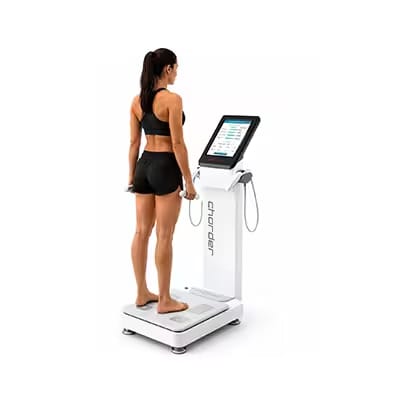 Body Composition Analyzers
 Battle Ropes
 Wellness Support
 Resistance Bands & Tubes
 Ankle and Wrist Weights
 Fitness Belts
 Exercise Mats and Gym Mats
 CrossFit Training Turf
 Sweatbands
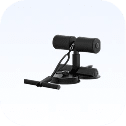 Sit Up Bars
 Skipping Ropes
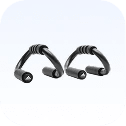 Push Up Bars
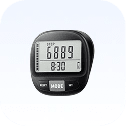 Pedometers
 Suspension Slings
 Hula Hoops
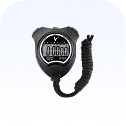 Stopwatch
 Pull Up Bars
 Timer
Timer
 Aerobic Steps
 Weighted Vests
 Plyo Box
 Door Gyms
 Gym Balls
 Gym Rings
 Fitness Tires
 Hand Grips
 Body Strengthener



















 0
0