




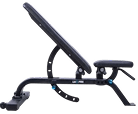


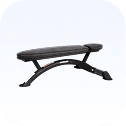
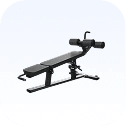
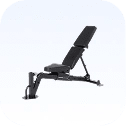




















A fixed flat bench is one of the most essential pieces of equipment for any home gym. Whether you’re building strength, improving stability, or expanding your dumbbell training routine, a flat bench offers a reliable foundation for numerous exercises. It’s simple, solid, and built purely for performance — with no hinges or moving parts to worry about.
In many homes where schedules are busy and temperatures can be high outdoors, a flat bench becomes a practical anchor for indoor workouts. It fits easily into apartments, villas, and dedicated gym rooms while giving you the stability needed for safe, consistent training in Saudi Arabia
Below is everything to consider before purchasing a fixed flat bench.
A flat bench focuses on one main benefit: unmatched stability. This makes it ideal for beginners, strength-focused lifters, and anyone who wants predictable form support without adjusting angles. The consistent design allows smooth performance for presses, rows, step-ups, core movements, and more.
The correct height ensures proper foot placement, power transfer, and safe pressing form.
Ideal height range: 42–47 cm
Your feet should stay flat on the floor without strain.
Shorter users may prefer the lower end of the range, while taller users benefit from the upper end.
A bench that’s too high or too low affects your pressing mechanics and overall stability.
Quality padding helps maintain good posture and control during lifts.
Look for:
High-density foam
A firm but comfortable surface
Width that supports the upper back and shoulders
Sweat-resistant, durable upholstery
Poor padding reduces force transfer and may create discomfort during heavy or longer sets.
The frame determines longevity and stability.
Choose benches with:
Heavy-duty steel
Strong welded joints
Wide, stable foot base
Zero wobble when pressed or pushed
This is especially important for homes with mixed flooring types like tiles, mats, or rubberized gym areas in Saudi Arabia
A good bench should support your back fully and leave room for dumbbell movement.
Typical measurements:
Length: 120–130 cm
Width: 25–30 cm
Height: 42–47 cm
Ensure the area around the bench has space for presses, rows, and step-ups, especially in compact home gyms.
Because many homes have smooth tile floors, non-slip feet are important.
Look for:
Rubber end caps
Broad leg bases
Non-marking material
This avoids sliding and protects floors during intense sets.
Even if you’re not lifting heavy yet, choose a bench built for long-term growth. A strong steel frame with high load capacity ensures safety and reliability as your training advances.
Most flat benches don’t fold, but features that help mobility include:
Rear wheels
Front lift handles
Lightweight yet stable frames
This is especially convenient if you rearrange your home gym or share the space with other equipment in Saudi Arabia
Keep your feet firmly planted.
Retract the shoulder blades for stability.
Ensure the bench sits on a level surface.
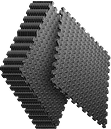
Use a floor mat for extra grip.
Periodically check screws and frame stability.
Avoid benches with torn or worn-out upholstery.
Keep the bench in a cool, dry room for upholstery protection.
Avoid placing it under direct sunlight through large windows.
Use an exercise mat underneath to reduce noise and protect flooring.
Pair with dumbbells or a rack for a complete setup.
Leave space around the bench for full exercise range.
A flat bench is ideal for:
Beginners starting strength training
Athletes who want pure stability
Home gym owners with limited space
Dumbbell-focused routines
Powerlifting-style bench press training
It’s simple, durable, and one of the most efficient long-term additions to any fitness setup.
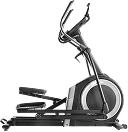
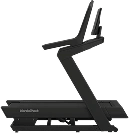
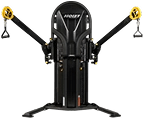
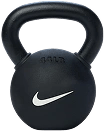
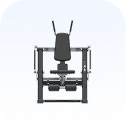
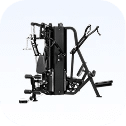
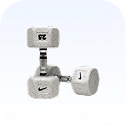
If you are looking to buy other fitness machines or accessories, look no further! Explore our range of fitness products like elliptical cross trainers, exercise bikes, rowing machines, home gym, functional trainer, multi-station, power towers, smith machines, dumbbells, foosball tables, pool tables, and table tennis.