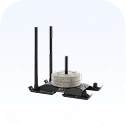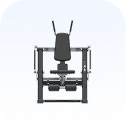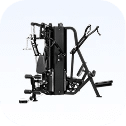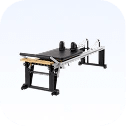




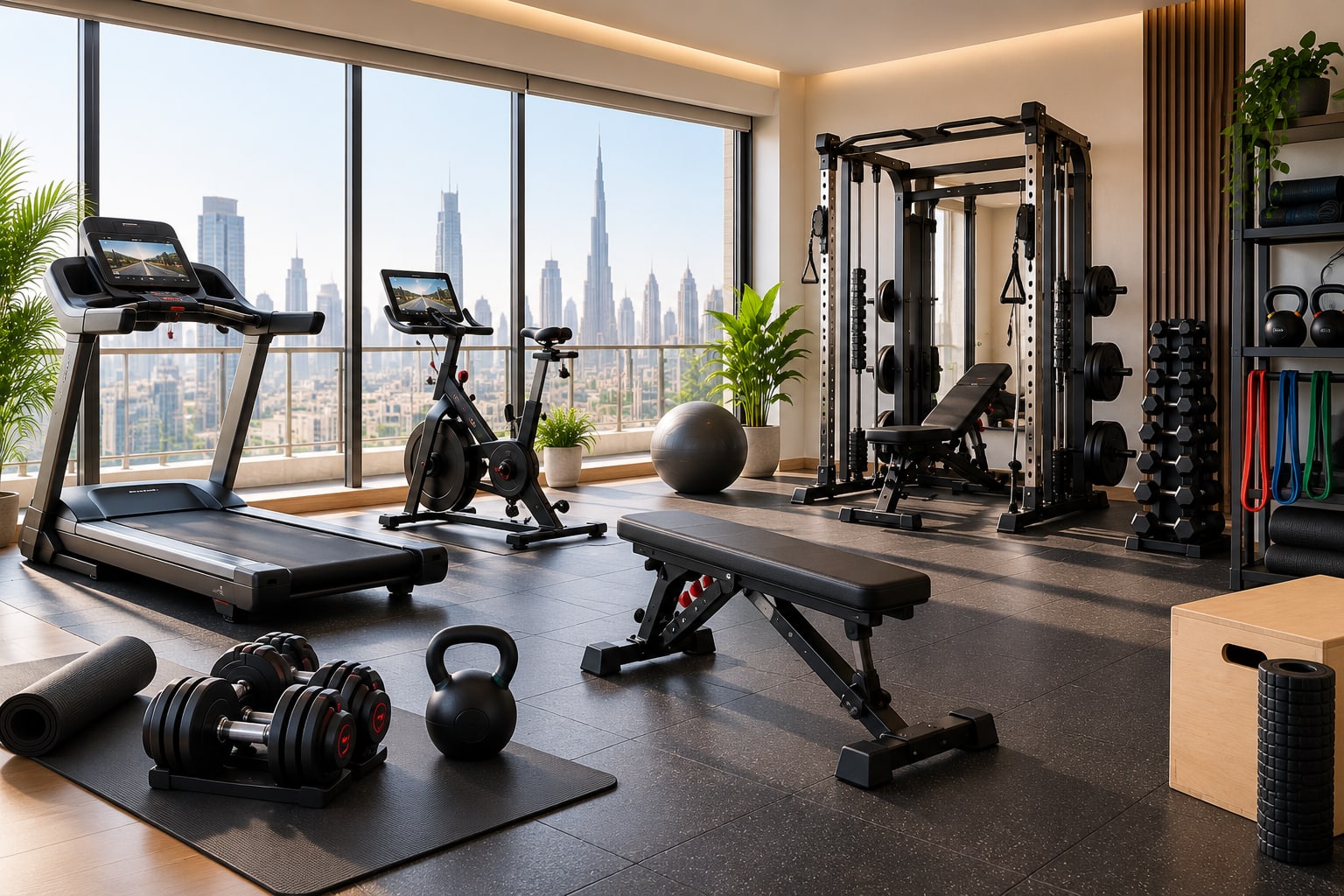
If setting up an effective home gym is your dream, it’s high time you went to any extent to make it come true. If you are a resident of Saudi Arabia, don’t postpone or shelve the plan because you think it requires a huge amount of money to pursue your dream. With the right set of equipment and meticulous planning, you can create a fascinating workout space in a bedroom, garage or spare room.
To begin with, you need to have clarity on what your requirements are from the home gym. Make a list of the activities you intend to do and plan accordingly. Are you into strength training? Do you want a mix of cardio and weights? Or are you looking for a wholesome setup that can support your training for a long period?
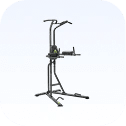
Your answers for these questions will decide how much you need to spend. A simple home gym can have a few essential items, while an advanced setup may include machines like treadmill and functional trainer, power rack, adjustable bench, dumbbells and other equipment.
In this blog, we provide a detailed insight into the home gym setup costs in Saudi Arabia, space requirements, delivery, installation and product availability.
How Much Does a Home Gym Cost in Saudi Arabia?
A small setup may require around SAR 2,000 to 5,000, while an advanced setup needs around SAR 7,000 to 15,000. If you are looking for a premium home gym, you may have to shell out around SAR 20,000 to 40,000 or more.
The right budget depends on the type of equipment you choose. Check out a sample guide:
- Starter: You may have to spend SAR 2,000 to 5,000 for basic workouts
- Mid-range: Be ready to spend SAR 7,000 to 15,000 for regular home training
- Premium: Keep a budget of SAR 20,000 to 40,000 and more for an advance setup
Keep in mind that these figures are planning budgets, and not fixed prices. Ultimately, a home gym can cost more or less depending on the products you choose.
Starter Home Gym Setup: SAR 2,000 to 5,000
This is a good option if you are beginning your fitness journey or have space constraints. You do not need a treadmill, power rack and other machines to get started. A simple strength-focused package could include:
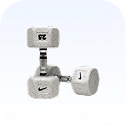
- Adjustable dumbbells
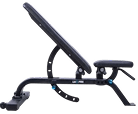
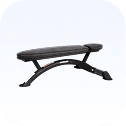
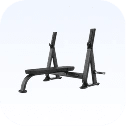
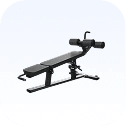
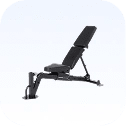
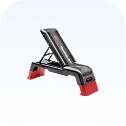
- Adjustable or flat bench
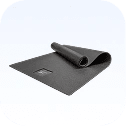
- Exercise mat
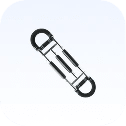
- Resistance bands
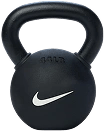
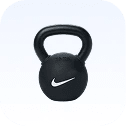
- Kettlebell
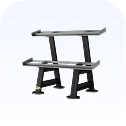
- Small storage solution
The idea is to choose equipment that can be used for various exercises. For example, adjustable dumbbells can be used for presses, rows, squats, lunges, curls and other movements. An adjustable bench can add even more options.
Who Should Consider a Starter Home Gym Setup?
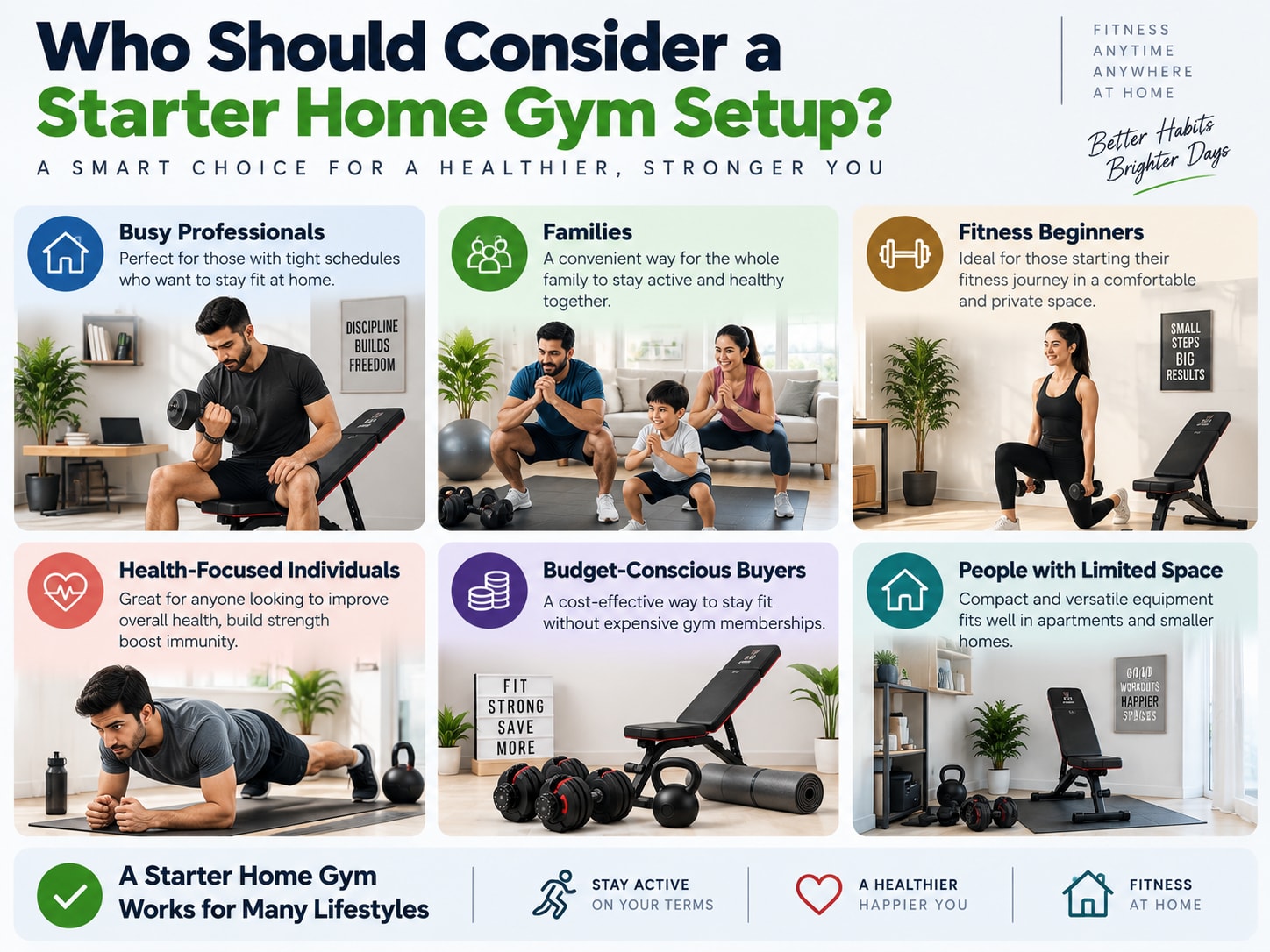
A starter setup works well for:
- Beginners
- Apartment residents
- People with limited space
- People who prefer strength training
- People who want to exercise a few times a week
You can fit this type of gym into around 30 to 60 sq. ft., depending on the equipment and how much open workout space you need. A small spare room or a bedroom corner can work.
Mid-Range Home Gym Setup: SAR 7,000 to 15,000
If you train regularly and need a better setup, a mid-range home gym makes more sense. This is where you can combine cardio and strength equipment. A package of this setup could include:
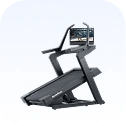
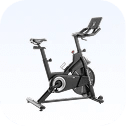
- Treadmill or exercise bike
- Adjustable bench
- Adjustable dumbbells
- Kettlebells
- Resistance accessories
- Storage rack
- Exercise mat
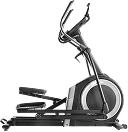
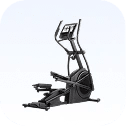
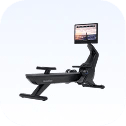
You could also replace the treadmill with an elliptical, rowing machine or another form of cardio equipment. Adjustable benches are available from several brands in the SAR 1,000 to 3,000 range.
This shows why a mid-range setup can move beyond SAR 10,000 when branded cardio and strength equipment are combined.
Who Should Consider a Mid-Range Home Gym Setup?
A mid-range gym is suitable for people who:
- Works out regularly
- Wants cardio and strength equipment
- Has a dedicated room
- Wants better equipment without going fully premium
- Plans to use the gym for several years
You may need around 60 to 100 sq. ft. for a comfortable setup, depending on the equipment. Do not ignore the space around the machines. A treadmill, for example, needs more than just the floor area covered by the machine.
Premium Home Gym Setup: SAR 20,000 to 40,000+
This is designed for people who want a complete training environment at home. The equipment can include:
- Premium treadmill
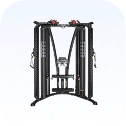
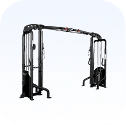
- Functional trainer
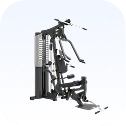
- Power rack or Smith machine
- Adjustable bench
- Adjustable dumbbells
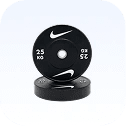
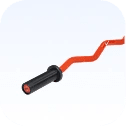
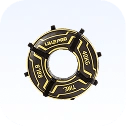
- Weight plates and Olympic bar
- Kettlebells
- Storage racks
- Premium gym flooring
- Additional cardio equipment
You may also build a setup around a single high-quality multi-functional machine rather than buying several separate machines.
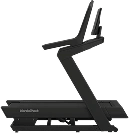
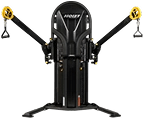
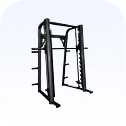
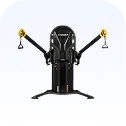
For example, a Smith machine or functional trainer can provide several training options without requiring a room full of individual machines. Needless to say, premium cardio is quite expensive and takes up a large part of the budget.
Who Should Consider a Premium Home Gym Setup?
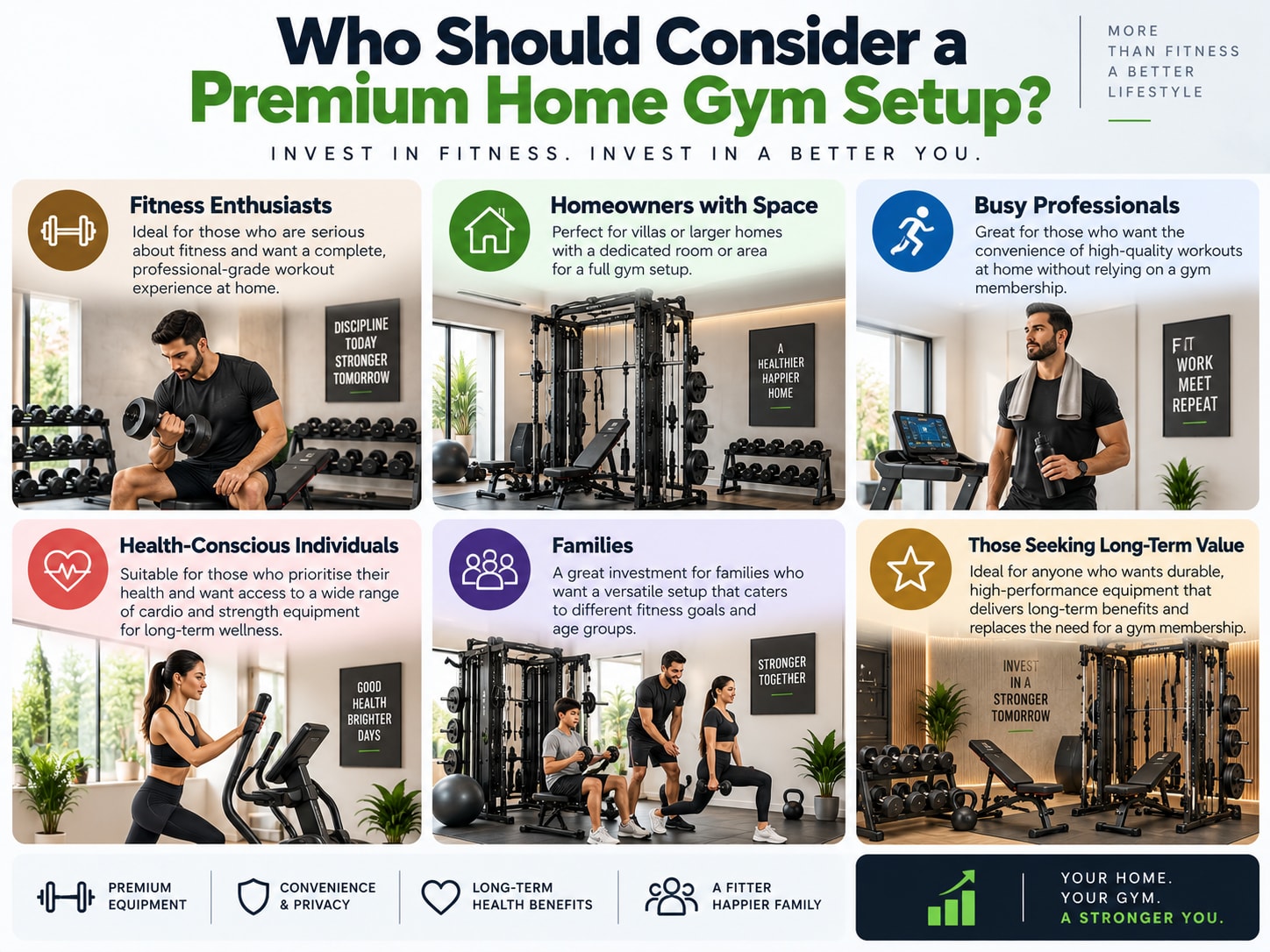
This type of gym is suitable for:
- Serious home users
- Experienced strength trainers
- Large villas
- Dedicated home gyms
- Families sharing one gym
- People who want a long-term setup
For a premium home gym, approximately 100 to 200+ sq. ft. can provide more freedom, although the exact space depends on the machines chosen.
How to Choose the Right Home Gym Equipment?
The biggest mistake many people make is buying equipment based only on impressive looks. The ideal thing to do is to start with your workout routine.
If you are into cardio, you may not need a large strength setup immediately. Consider the following:
- Treadmill
- Exercise bike
- Elliptical
- Rowing machine
If you are into strength training, consider the following:
- Adjustable dumbbells
- Adjustable bench
- Kettlebells
- Power rack
- Barbell and weight plates
If you want a full-body setup, a combination of cardio, adjustable bench, dumbbells and functional equipment may provide a good balance.
How to Plan Your Home Gym Space Before Buying Equipment?
Measure your room first before ordering equipment. Though this sounds obvious, it is one of the many things people tend to overlook. You need to have an idea about:
- Room length
- Room width
- Ceiling height
- Door width
- Window locations
- Power socket locations
- Storage areas
After this, measure the equipment. You need enough space to use the equipment. For instance, a treadmill needs space around it. A bench needs space for the user and weights.
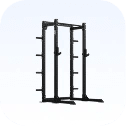
A power rack needs room for the barbell. A functional trainer may need additional space for cable movement. This understanding helps when you have limited space.
How to Build a Home Gym in a Small Apartment?
If you live in an apartment, always start small. You could create an effective setup with:
- Adjustable dumbbells
- Foldable bench
- Kettlebell
- Exercise mat
- Resistance bands
This may fit into a small area and can be stored when not in use. In the case of a small apartment, ensure you consider your neighbours. Activities like running, jumping and dropping weights can create noise and vibration. It is advisable to go for suitable flooring and avoid dropping weights as much as possible.
How to Build a Home Gym in a Villa or Dedicated Fitness Room?
If you have a spare room or villa space, you have the luxury of multiple choices. A larger room allows you to combine cardio and strength equipment. A possible setup could be:
Cardio zone
- Treadmill
- Exercise bike or elliptical
Strength zone
- Power rack or Smith machine
- Adjustable bench
- Olympic barbell
- Weight plates
Free-weight zone
- Adjustable or fixed dumbbells
- Kettlebells
Functional zone
- Functional trainer
- Open floor space
This type of setup works particularly well when several family members use the same gym.
Build a Home Gym with Adjustable Dumbbells, Bench and Kettlebells
After a few months into your training, you can decide whether you really need a treadmill, rack or functional trainer. This approach has two advantages. First, it helps you keep the cost under control. Second, it prevents your home gym from becoming crowded with equipment you seldom use.
Home Gym Equipment Delivery Costs: What to Include in Your Budget?
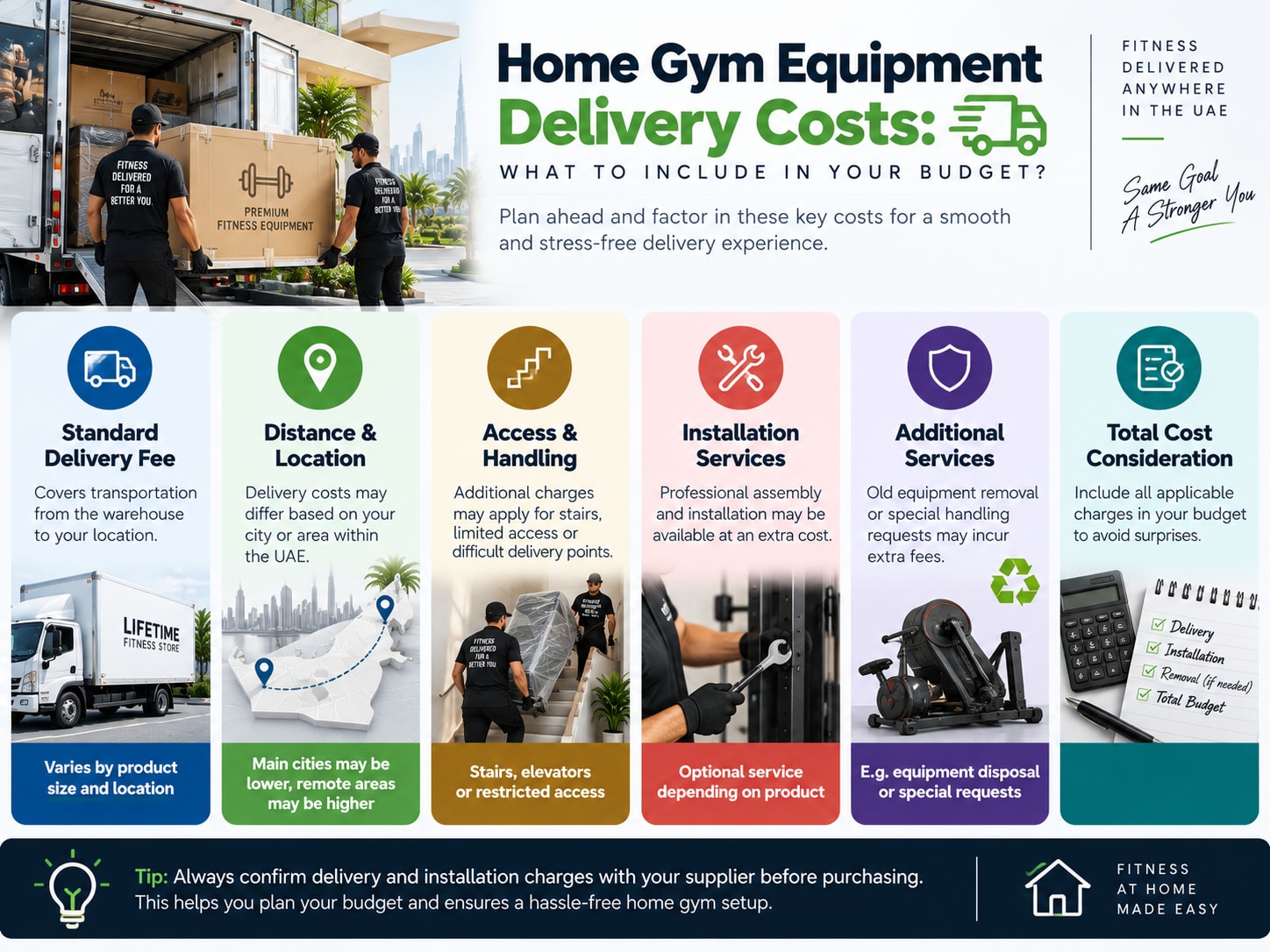
When planning a home gym, always remember that buying the equipment is just one part of the big process. It is a known fact that large machines are difficult to move. So, before ordering a treadmill, functional trainer, Smith machine or other large equipment, check for the following things:
- Main entrance
- Lift size
- Staircase
- Apartment corridor
- Door width
- Delivery access
- Final room location
If you live in an apartment, check whether your building has any rules with regard to moving large equipment. Such information can be helpful when planning a complete home gym rather than buying individual products without considering how they will reach the room.
Home Gym Equipment Installation: What Buyers Should Know?
Some equipment requires very little setup. Dumbbells, kettlebells, resistance bands and mats belong to this category. However, larger equipment is different. Treadmills, functional trainers, Smith machines and other machines need assembly and installation.
If professional installation is available, it makes the process easier and helps ensure that the equipment is properly assembled.
When comparing suppliers, check whether installation is included in the quoted price or charged separately. This is important because two products with similar selling prices can have different overall costs once delivery, assembly and installation are considered.
Home Gym Equipment Stock and Availability
Another point to check is whether the equipment you want is actually available. This matters if you are building a complete setup around matching products. You may find a particular treadmill or bench online, plan your entire room around it and then discover that the model is out of stock.
The availability factor can actually vary. For example, some products may be marked for express delivery while others may be shown as out of stock or available through a notification system. So, before making a complete gym plan, check the following:
- Current stock
- Expected delivery time
- Available colours or versions
- Accessories
- Warranty
- Spare parts
- Installation
- After-sales service
Home Gym Flooring: Why Floor Protection Matters
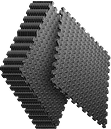
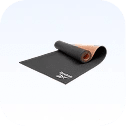
Gym flooring is often overlooked when planning a home gym. Hard flooring can be fine for some equipment, but free weights need more care. Rubber flooring or suitable exercise mats help protect the floor and provide a better surface for training. Flooring also makes the room feel like a proper gym.
For a small setup, you may only need a dedicated mat or small rubber area. For a large strength-training room, full-floor coverage may make more sense. The choice depends on the equipment and the type of training you plan to do.
How Much Space Do Different Home Gyms Need?
Given below is a simple way to evaluate your space. Remember that these are approximate ranges. Always check the actual dimensions and required clearance for the equipment you choose.
- 30 to 50 sq. ft: Best for adjustable dumbbells, kettlebell, mat, resistance bands and good for basic strength and fitness training.
- 50 to 100 sq. ft: Can accommodate adjustable bench, dumbbells, kettlebells, compact cardio equipment and suitable for a small, but more complete home gym.
- 100 to 200 sq. ft: Can accommodate treadmill, bench, dumbbells, kettlebells, rack or functional equipment and suitable for a dedicated home gym room.
- 200 or more sq. ft: Provides room for cardio machines, power rack, functional trainer, free weights, bench, storage, and open workout area.
Lifetime Fitness Store offers home gym setup solutions in Saudi Arabia, including equipment recommendations, delivery and installation support. Its current home gym service is designed around different budgets and available spaces, including apartment and villa setups.
Home Gym Equipment Buying Mistakes to Avoid
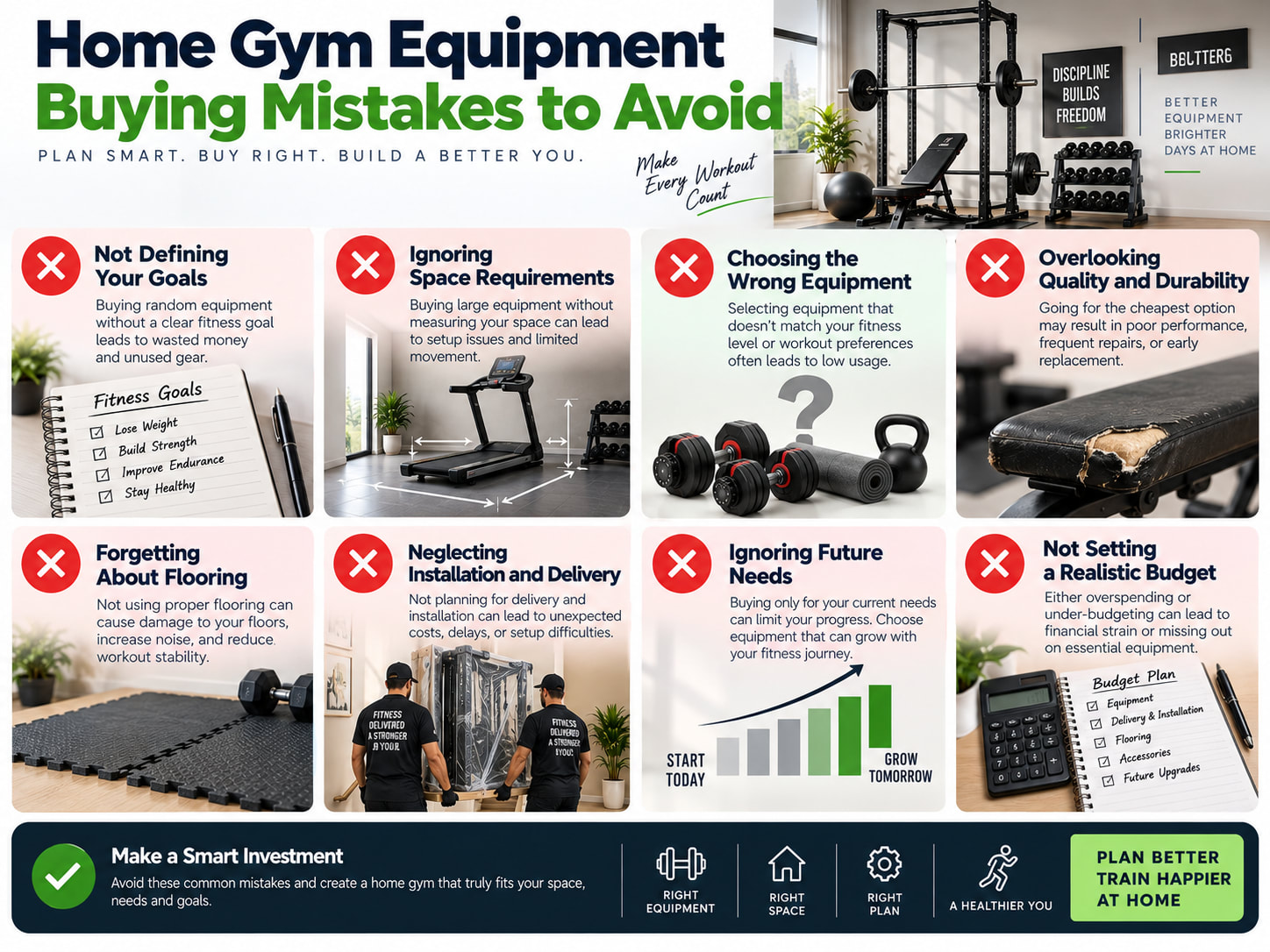
- Buying too much equipment: A room crowded with machines does not make a better gym. Buy only those equipment that matches your workout.
- Ignoring room measurements: Always measure before making a purchase.
- Forgetting storage: Dumbbells, kettlebells, bands and accessories need safe storage.
- Considering only product price: Look at delivery, installation, flooring, and accessories, too.
- Choosing equipment without checking availability: Make sure the product you need is available and ask about expected delivery before planning your setup around it.
Planning a Home Gym: Budget, Equipment and Space Checklist
If you are unsure where to start, follow the below mentioned process.
- Decide your budget: Choose whether you are looking at a starter, mid-range or premium setup.
- Measure your space: Record the room dimensions and ceiling height.
- Decide your training style: Choose between cardio, strength or a combination.
- Select essential equipment: Buy the pieces you will use most.
- Plan storage: Decide where dumbbells, kettlebells and accessories will go.
- Check delivery: Make sure the equipment can reach your home.
- Check installation: Ask whether professional installation is included.
- Confirm availability: Check stock and expected delivery dates before placing the order.
- Add equipment later: Once you know what you use most, expand the gym.
Conclusion
Setting up a home gym does not have to be complicated. Start with your budget, space and workout goals. Once these three aspects are taken care of, choosing equipment becomes easier.
For a starter gym, adjustable dumbbells, a bench and a few compact accessories may be enough. A mid-range setup can add cardio equipment and better storage. A premium gym can include a treadmill, functional trainer, rack, free weights and other machines.
Always check equipment dimensions before ordering. Consider aspects like storage, noise and product availability seriously. Check the terms and conditions for delivery and installation. Look at warranty and after-sales support rather than focusing only on the initial price.
The best home gym is not necessarily the biggest one or the most expensive one. It is the setup that gives you the equipment you need, fits comfortably into your home and makes it easy to stay consistent with your workouts.
 Get a weekly dose of latest stories
and useful tips directly in your inbox!
Get a weekly dose of latest stories
and useful tips directly in your inbox!


 0
0