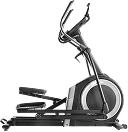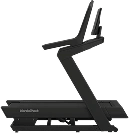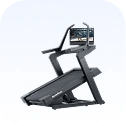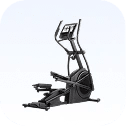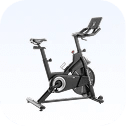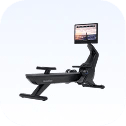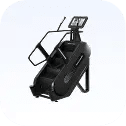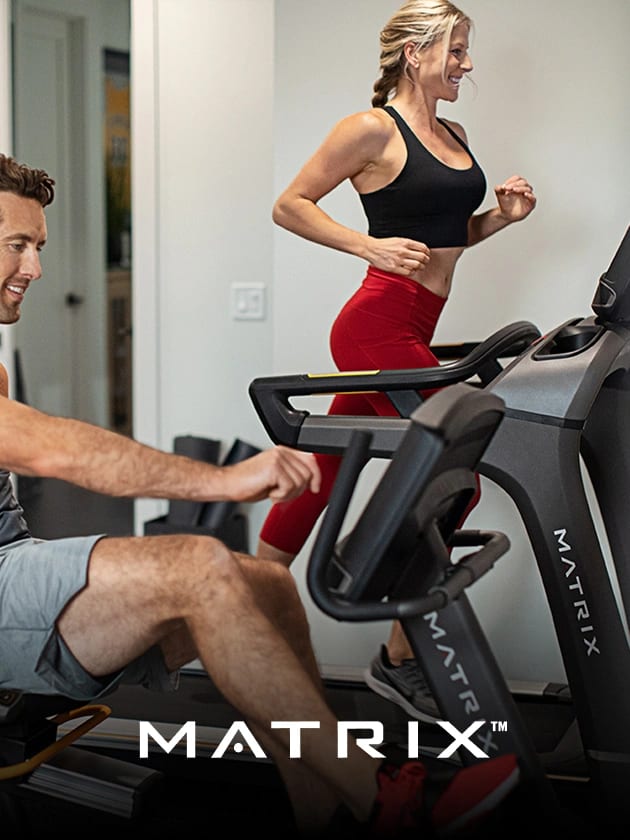




Cardio equipment is one of the most heavily used assets in any fitness facility. From treadmills and exercise bikes to ellipticals and rowing machines, these machines often operate for several hours every day, serving dozens or even hundreds of members each week. Because cardio equipment experiences continuous use, wear and tear are inevitable. However, unexpected breakdowns can lead to expensive repairs, member dissatisfaction, equipment downtime, and lost revenue. For gym owners and facility managers, preventing costly cardio equipment breakdowns is not simply about maintenance. It is about protecting investments, ensuring member safety, and delivering a consistently high-quality fitness experience. By implementing preventive maintenance strategies and creating a proactive equipment management plan, gyms can significantly reduce repair costs while extending the lifespan of their cardio machines.
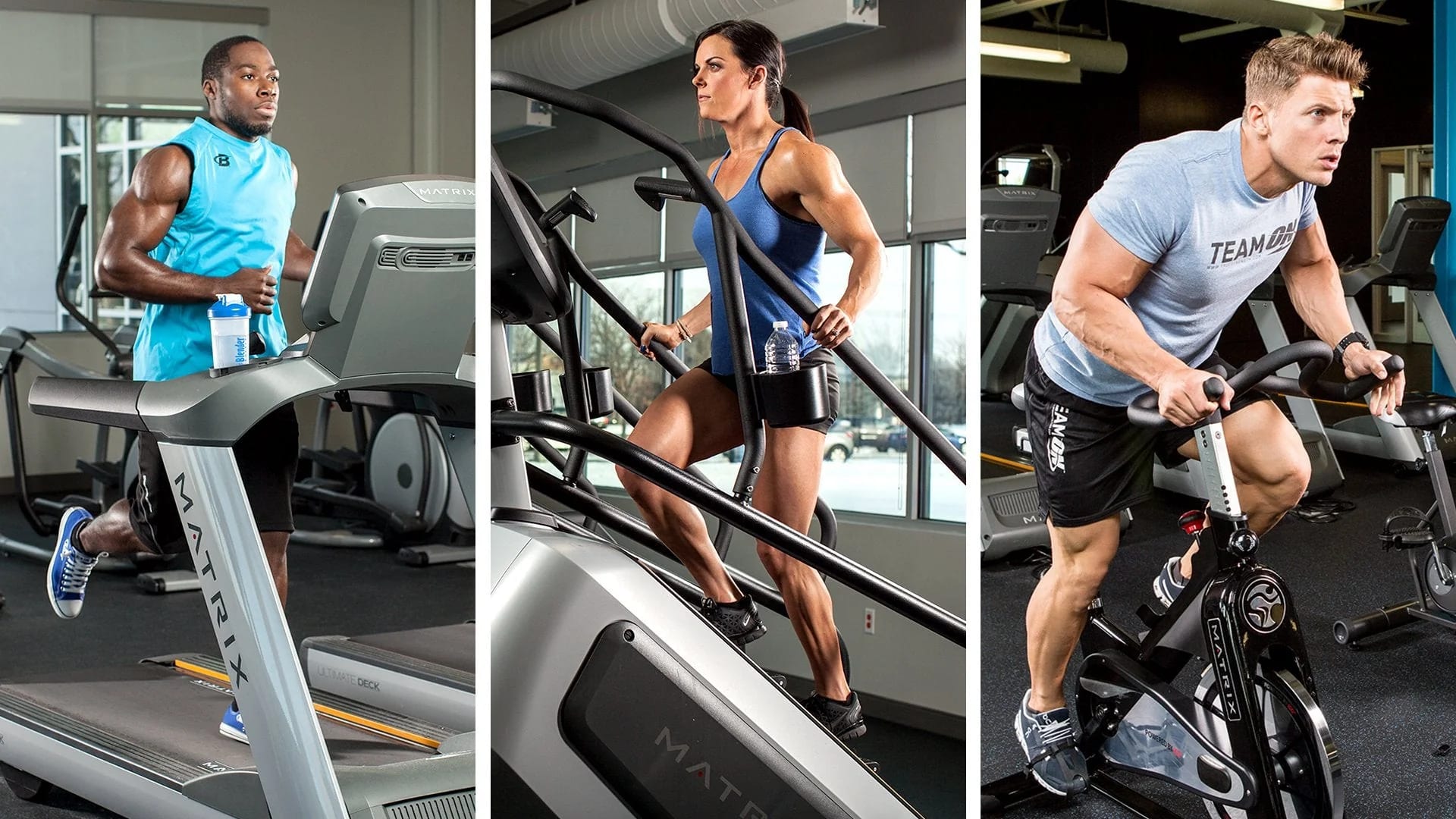
Why Cardio Equipment Breakdowns Are Expensive
When a cardio machine breaks down unexpectedly, the financial impact often extends beyond the repair bill itself. Equipment downtime can frustrate members, especially during peak hours when available machines are already limited. Repeated equipment failures may negatively affect member retention and online reviews. In some cases, delayed repairs can cause minor issues to develop into major component failures, increasing replacement costs. For facilities operating multiple machines, a single breakdown can disrupt workout flow and reduce overall member satisfaction. Preventing these issues through regular maintenance is often far more cost-effective than dealing with emergency repairs.
Understanding the Most Common Causes of Equipment Failure
Most cardio equipment breakdowns do not occur without warning. Small issues often develop gradually before becoming major problems. Common causes include dust accumulation, insufficient lubrication, worn belts, loose hardware, neglected inspections, electrical issues, and excessive usage without proper servicing. Environmental conditions such as humidity, temperature fluctuations, and poor ventilation can also contribute to equipment wear. Understanding these common causes allows gym operators to identify potential problems early and take corrective action before significant damage occurs.
The Importance of Preventive Maintenance
Preventive maintenance is one of the most effective ways to reduce equipment breakdowns. Rather than waiting for machines to fail, preventive maintenance focuses on routine inspections and servicing designed to keep equipment operating efficiently. Regular maintenance helps identify worn components, loose connections, and developing issues before they affect performance. This proactive approach minimizes downtime, improves reliability, and often reduces long-term ownership costs. Facilities that prioritize preventive maintenance typically experience fewer unexpected repairs and longer equipment lifespans.
Also Read: Elliptical vs Treadmill: Which Cardio Machine Is Better for Your Fitness Goals?
Creating a Maintenance Schedule
A structured maintenance schedule ensures that no machine is overlooked. Cardio equipment should be inspected and serviced according to manufacturer recommendations and facility usage levels. High-traffic gyms may require more frequent maintenance than smaller facilities with lighter equipment usage. Establishing daily, weekly, monthly, and quarterly maintenance routines creates accountability while ensuring that maintenance tasks are completed consistently. A documented schedule also makes it easier to track service history and identify recurring issues.
Daily Cleaning Practices Matter
One of the simplest yet most effective maintenance practices is regular cleaning. Sweat, dust, and debris can accumulate on cardio equipment and interfere with moving parts, electronics, and ventilation systems. Daily cleaning helps maintain equipment appearance while reducing unnecessary wear. Staff should routinely wipe down touchpoints, inspect visible components, and ensure that machines remain free from dust and debris. Consistent cleaning not only improves machine performance but also contributes to a more professional and hygienic gym environment.
Why Staff Training Is Essential
Even the best maintenance plan can fail if staff members are not properly trained. Employees should understand how cardio equipment operates, recognize signs of potential issues, and follow established maintenance procedures. Staff training enables team members to identify unusual noises, movement irregularities, warning messages, or performance changes before they develop into serious problems. A knowledgeable team can often prevent minor issues from escalating into costly repairs.
Monitoring Equipment Usage
Tracking equipment usage provides valuable insight into wear patterns and maintenance needs. Machines that receive significantly more use than others may require more frequent inspections and servicing. Usage data can help facility managers rotate equipment availability, balance member traffic, and schedule maintenance more effectively. Understanding which machines experience the highest demand also supports future equipment purchasing decisions.
Why Lubrication Should Never Be Overlooked
Proper lubrication is critical for many types of cardio equipment. Moving components rely on lubrication to reduce friction and maintain smooth operation. Insufficient lubrication can accelerate wear, increase strain on mechanical systems, and reduce overall equipment efficiency. Following manufacturer recommendations for lubrication intervals helps preserve performance while minimizing the risk of premature component failure. Regular lubrication is a simple maintenance task that can significantly extend equipment lifespan.
Inspecting Electrical Components Regularly
Modern cardio equipment relies heavily on electronic systems. Touchscreens, resistance controls, motors, sensors, and connectivity features all depend on reliable electrical performance. Routine inspections should include power connections, wiring integrity, and system diagnostics. Identifying electrical issues early can prevent unexpected failures and reduce the likelihood of expensive electronic repairs. Proper surge protection and stable power sources further contribute to equipment reliability.
Read: Abu Dhabi Inspires Initiatives
The Role of Professional Servicing
While facility staff can handle many routine maintenance tasks, professional servicing remains an important part of equipment management. Certified technicians possess the expertise and tools required to perform advanced diagnostics, component replacements, software updates, and calibration procedures. Professional inspections often identify hidden issues that may not be visible during routine maintenance. Scheduling regular service visits helps ensure that machines continue operating according to manufacturer specifications.
Addressing Minor Issues Immediately
One of the most common maintenance mistakes is delaying repairs. Small issues often appear insignificant initially but can quickly develop into more serious problems if ignored. A loose bolt, worn belt, or unusual noise may seem minor, but continued operation can increase stress on other components. Addressing issues immediately reduces repair complexity and minimizes the risk of unexpected downtime.
Maintaining Proper Ventilation Around Equipment
Cardio equipment generates heat during operation, particularly machines with motors and electronic components. Poor ventilation can contribute to overheating and reduced component lifespan. Facilities should ensure adequate spacing between machines and maintain proper airflow throughout the cardio area. Clean ventilation systems and uncluttered equipment placement help improve cooling efficiency while supporting reliable performance.
Managing Member Usage Responsibly
Member behavior can significantly influence equipment longevity. Posting clear usage guidelines and encouraging proper machine operation can reduce unnecessary wear and damage. Staff should also intervene when equipment is used improperly or in ways that exceed manufacturer recommendations. Educating members on safe equipment use contributes to both equipment protection and user safety.
Why Equipment Quality Matters
The quality of cardio equipment itself plays a major role in maintenance requirements and reliability. Commercial-grade machines are specifically engineered to withstand frequent use and often feature more durable components than residential models. While premium equipment may require a higher initial investment, it frequently delivers lower long-term maintenance costs and improved reliability. Selecting equipment appropriate for facility usage levels helps reduce future breakdown risks.
Keeping Maintenance Records
Detailed maintenance records provide valuable information about equipment performance over time. Service logs help track inspections, repairs, component replacements, and technician visits. These records make it easier to identify recurring issues, evaluate maintenance effectiveness, and plan future equipment upgrades. Organized documentation also supports warranty claims and manufacturer service requirements when applicable.
Planning for Equipment Replacement
Even with excellent maintenance, all cardio equipment eventually reaches the end of its service life. Facility managers should monitor equipment age, repair frequency, and maintenance costs to determine when replacement becomes more cost-effective than continued repairs. Proactive replacement planning helps avoid unexpected disruptions while ensuring that members continue enjoying reliable equipment.
Creating a Culture of Equipment Care
The most successful facilities often foster a culture of equipment care among both staff and members. When everyone understands the importance of maintenance, cleanliness, and proper usage, equipment tends to remain in better condition. Encouraging accountability and emphasizing preventive care creates an environment where maintenance becomes an ongoing priority rather than an occasional task.
Why Regular Equipment Audits Are Important
Equipment audits provide a comprehensive overview of the condition of every machine in the facility. Rather than focusing only on machines that show obvious signs of wear, audits evaluate all equipment systematically. During an audit, gym managers can assess frame stability, console functionality, moving parts, resistance systems, and overall performance. This process helps identify equipment that may require preventive servicing before problems become visible to members. Regular audits also support budgeting decisions by highlighting machines that may need upgrades or replacement in the near future. Facilities that perform scheduled audits are often better prepared to manage maintenance costs and avoid unexpected breakdowns.
The Impact of Peak Usage Hours on Equipment Lifespan
Cardio equipment often experiences the highest levels of usage during specific periods of the day. Morning and evening rush hours can place significant strain on treadmills, ellipticals, and bikes as machines operate continuously for extended periods. Understanding peak traffic patterns allows facility managers to schedule inspections and maintenance more effectively. It can also support strategic equipment rotation, ensuring that wear is distributed more evenly across multiple machines. Managing peak-hour usage proactively helps extend equipment lifespan while maintaining a positive member experience.
Why Software Updates Should Not Be Ignored
Modern cardio equipment includes increasingly sophisticated technology. Touchscreen displays, virtual workout programs, connectivity features, performance tracking, and cloud-based systems rely on software to function correctly. Manufacturers frequently release software updates to improve functionality, enhance security, fix bugs, and optimize performance. Ignoring these updates can lead to system instability, reduced functionality, and compatibility issues. Including software maintenance as part of a broader equipment management strategy helps ensure that machines continue operating efficiently while providing members with the latest available features.
Managing Environmental Conditions Inside the Facility
The physical environment in which cardio equipment operates can significantly influence its lifespan. Excessive humidity may contribute to corrosion, while high temperatures can increase stress on electronic components and motors. Dust accumulation from poor ventilation can clog cooling systems and interfere with moving parts. Maintaining a clean, climate-controlled environment helps protect equipment and supports more reliable operation. Facility managers should regularly evaluate air circulation, temperature control, and cleanliness standards to minimize environmental risks that could accelerate wear.
How Preventive Maintenance Improves Member Satisfaction
Members often judge the quality of a fitness facility by the condition of its equipment. Broken machines, recurring maintenance issues, and out-of-service signs can negatively impact the overall member experience. In contrast, well-maintained equipment creates a sense of professionalism and reliability. When members consistently find cardio machines operating smoothly, they are more likely to remain satisfied with their membership and recommend the facility to others. Preventive maintenance therefore contributes not only to equipment longevity but also to customer retention and business growth.
Commercial and Home Ellipticals Built for Long-Term Reliability
Whether serving hundreds of gym members each day or supporting personal workouts at home, ellipticals represent a valuable investment that benefits from proper maintenance and quality construction. Commercial ellipticals are engineered with reinforced frames, heavy-duty drive systems, advanced resistance mechanisms, and durable components capable of handling continuous usage in busy fitness facilities. Home ellipticals focus on providing reliable performance for residential users while maintaining a smaller footprint and user-friendly design. Choosing high-quality commercial and home ellipticals from trusted manufacturers can reduce maintenance requirements, improve workout comfort, and deliver dependable performance for years. Regular cleaning, inspections, and servicing further help protect these investments while maximizing equipment lifespan.
Why Gym Staff Should Report Problems Immediately
Many costly repairs begin as small issues that go unnoticed or unreported. Staff members interact with equipment daily and are often the first to observe unusual sounds, display errors, loose components, or changes in machine performance. Encouraging immediate reporting creates opportunities for early intervention before minor concerns become major repairs. Establishing a simple reporting process ensures that maintenance issues are documented, evaluated, and resolved efficiently. This proactive communication culture helps prevent unnecessary downtime and contributes to better overall equipment management.
The Benefits of Using Genuine Replacement Parts
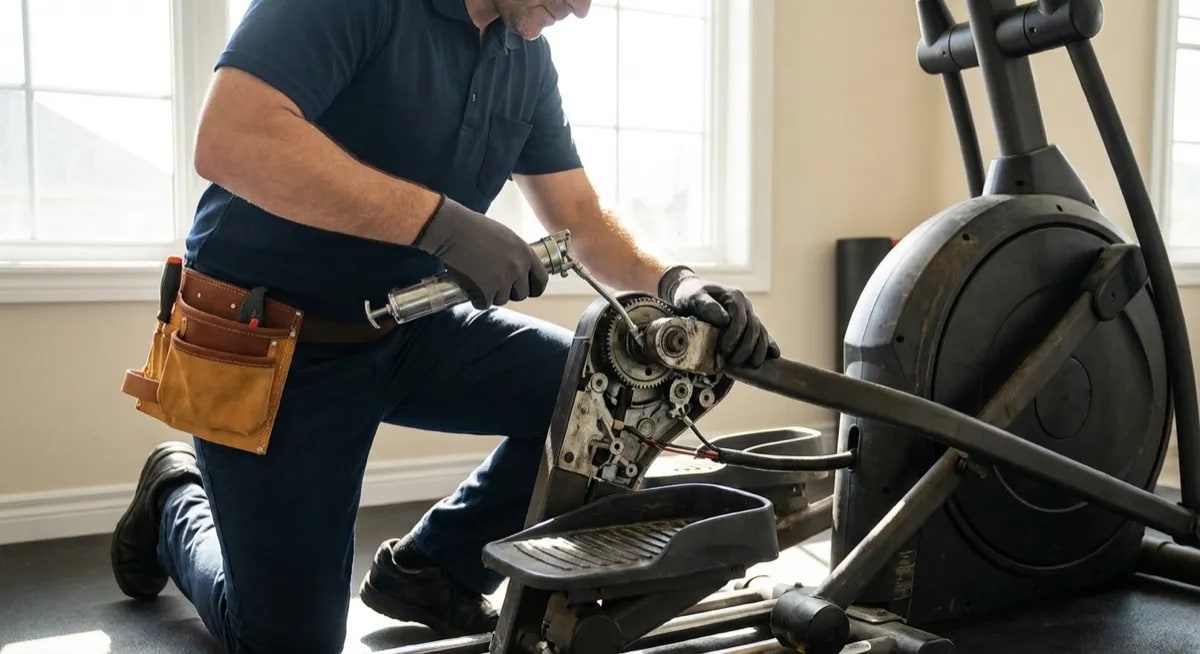
When repairs become necessary, the quality of replacement components matters significantly. Genuine manufacturer-approved parts are designed specifically for the equipment and typically meet the same standards as the original components. While lower-cost alternatives may appear attractive initially, they can sometimes compromise performance, reliability, or compatibility. Using genuine replacement parts helps maintain equipment integrity while reducing the risk of recurring issues. For facilities seeking long-term reliability, investing in quality replacement components is often the most cost-effective approach.
Why Documentation Supports Better Maintenance Decisions
Detailed maintenance documentation provides valuable insights into equipment performance and repair history. Service records can reveal patterns such as recurring component failures, increased repair frequency, or machines that consistently require more attention than others. This information supports informed decision-making regarding maintenance schedules, equipment replacement, and future purchasing strategies. Accurate documentation also simplifies warranty claims and technician consultations, making it easier to diagnose issues and implement effective solutions.
Preparing for Unexpected Equipment Issues
Even with the best maintenance practices, unexpected issues can occasionally occur. Facilities should develop contingency plans that allow them to respond quickly when equipment becomes unavailable. Maintaining relationships with service providers, stocking commonly needed replacement parts, and having clear repair procedures in place can minimize disruption. Preparedness helps reduce downtime while ensuring that members continue to enjoy a positive workout experience despite occasional maintenance challenges.
Why Equipment Placement Affects Durability
The location of cardio equipment within a facility can influence maintenance requirements and overall longevity. Machines positioned too closely together may experience restricted airflow, while equipment placed near windows can be exposed to direct sunlight and temperature fluctuations. Proper spacing improves ventilation, simplifies cleaning, and allows technicians easier access during servicing. Thoughtful equipment placement contributes to both operational efficiency and long-term equipment health.
The Cost of Delayed Maintenance
Delaying maintenance may appear to save money in the short term, but it often leads to significantly higher costs over time. Components that could have been repaired or replaced inexpensively may cause additional damage when left unaddressed. Delayed maintenance can also increase machine downtime, reduce member satisfaction, and accelerate overall equipment deterioration. A proactive maintenance strategy helps control costs by resolving issues before they become major financial burdens.
Building a Long-Term Equipment Management Strategy
Successful gyms view equipment management as an ongoing process rather than a reactive response to breakdowns. A comprehensive strategy includes preventive maintenance, staff education, professional servicing, equipment audits, environmental management, and long-term replacement planning. This holistic approach improves reliability, reduces repair costs, and supports a superior member experience. By treating cardio equipment as a critical business asset, facility operators can maximize return on investment while creating a safer and more dependable fitness environment.
Final Thoughts
Cardio equipment breakdowns are not only expensive but also disruptive to gym operations and member satisfaction. Fortunately, most failures can be prevented through consistent maintenance, proactive inspections, proper staff training, and timely repairs. Investing in preventive care protects valuable equipment, extends machine lifespan, and reduces the likelihood of unexpected downtime. Whether managing treadmills, exercise bikes, commercial ellipticals, or home ellipticals, facilities that prioritize maintenance often enjoy lower operating costs and stronger member retention. A commitment to equipment care ultimately supports both business success and the long-term fitness goals of every member who relies on the facility.
Conclusion
Preventing costly cardio equipment breakdowns requires a proactive and systematic approach. Through preventive maintenance, routine inspections, staff training, professional servicing, and responsible equipment management, gyms can significantly reduce downtime and repair expenses. Regular cleaning, lubrication, usage monitoring, and prompt attention to minor issues all contribute to improved equipment reliability and longer service life. Whether managing treadmills, bikes, rowers, commercial ellipticals, or home ellipticals, consistent maintenance practices protect investments while ensuring a better experience for members. By prioritizing equipment care today, fitness facilities can avoid expensive disruptions and maintain high-performing cardio areas for years to come.
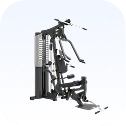
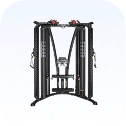
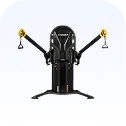
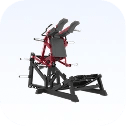
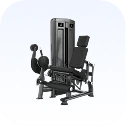
If you are looking to buy other fitness machines or accessories, look no further! Explore our range of fitness products like treadmills, elliptical cross trainers, exercise bikes, rowing machines, home gym, functional trainer, multi-station, power towers, smith machines, dumbbells, foosball tables, pool tables, and table tennis.


 0
0