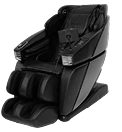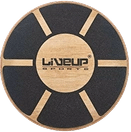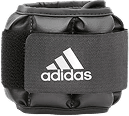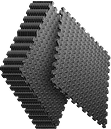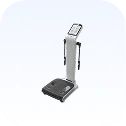




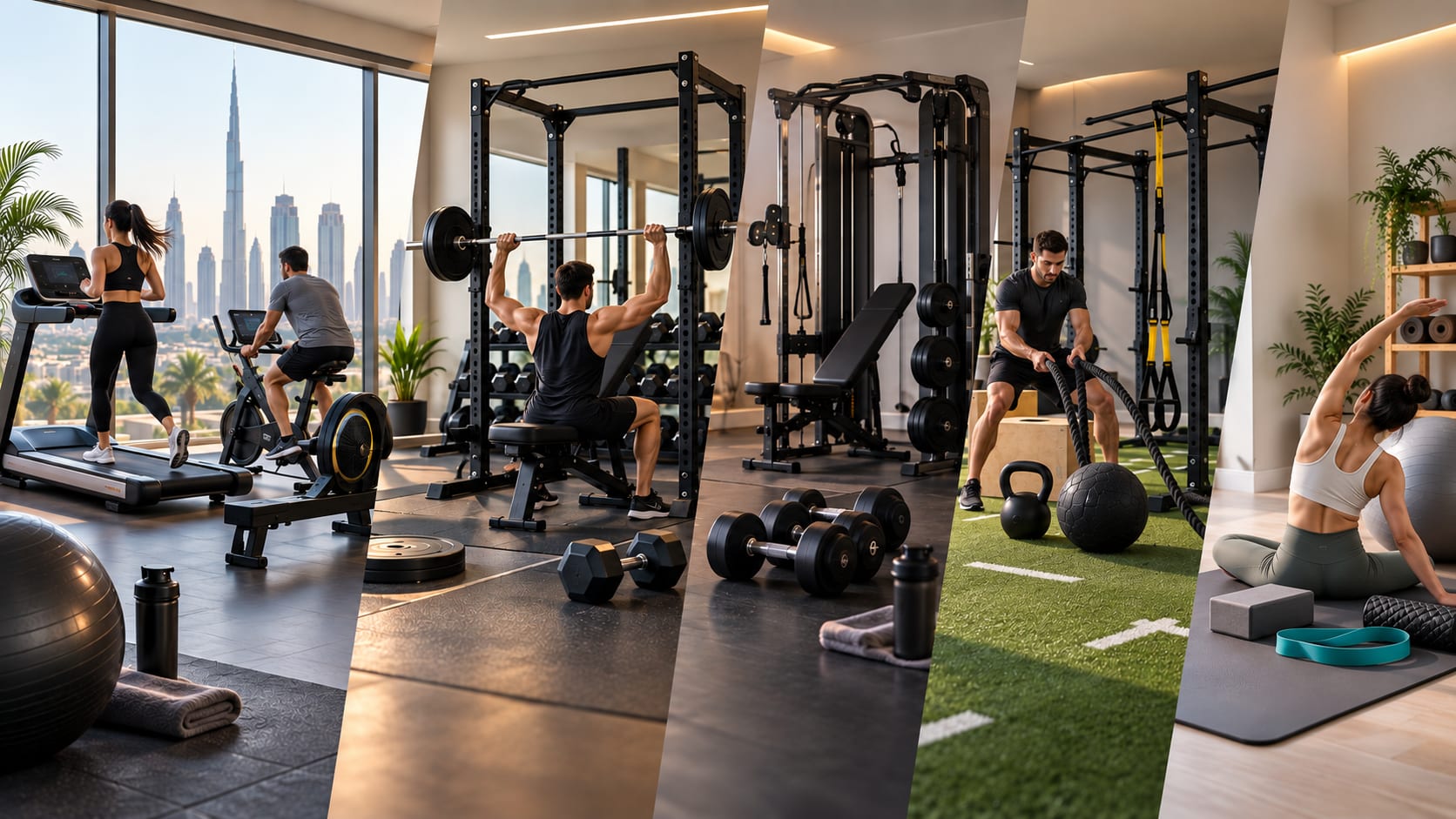
An effective home gym is not about accumulating fancy machines in your apartment or villa. What matters is choosing the right equipment that caters to your varied needs and fitness goals. Several factors should be considered while purchasing equipment for your dream home gym.
A person who is keen on losing body fat may require a set of equipment that is different from someone who is focused on building strength. Similarly, someone who is interested in hardcore bodybuilding may need resistance machines, while someone who is into functional fitness may prefer free weights, cables and open floor space.
This is why you need to have a fair understanding about your priorities and requirements. A good home gym should enable you to train regularly and have equipment you enjoy working out with, and enough space to move safely.
This blog intends to delineate various home gym equipment options that are meant for fat loss, strength, bodybuilding, mobility and functional fitness.
It All Begins With Your Fitness Goals
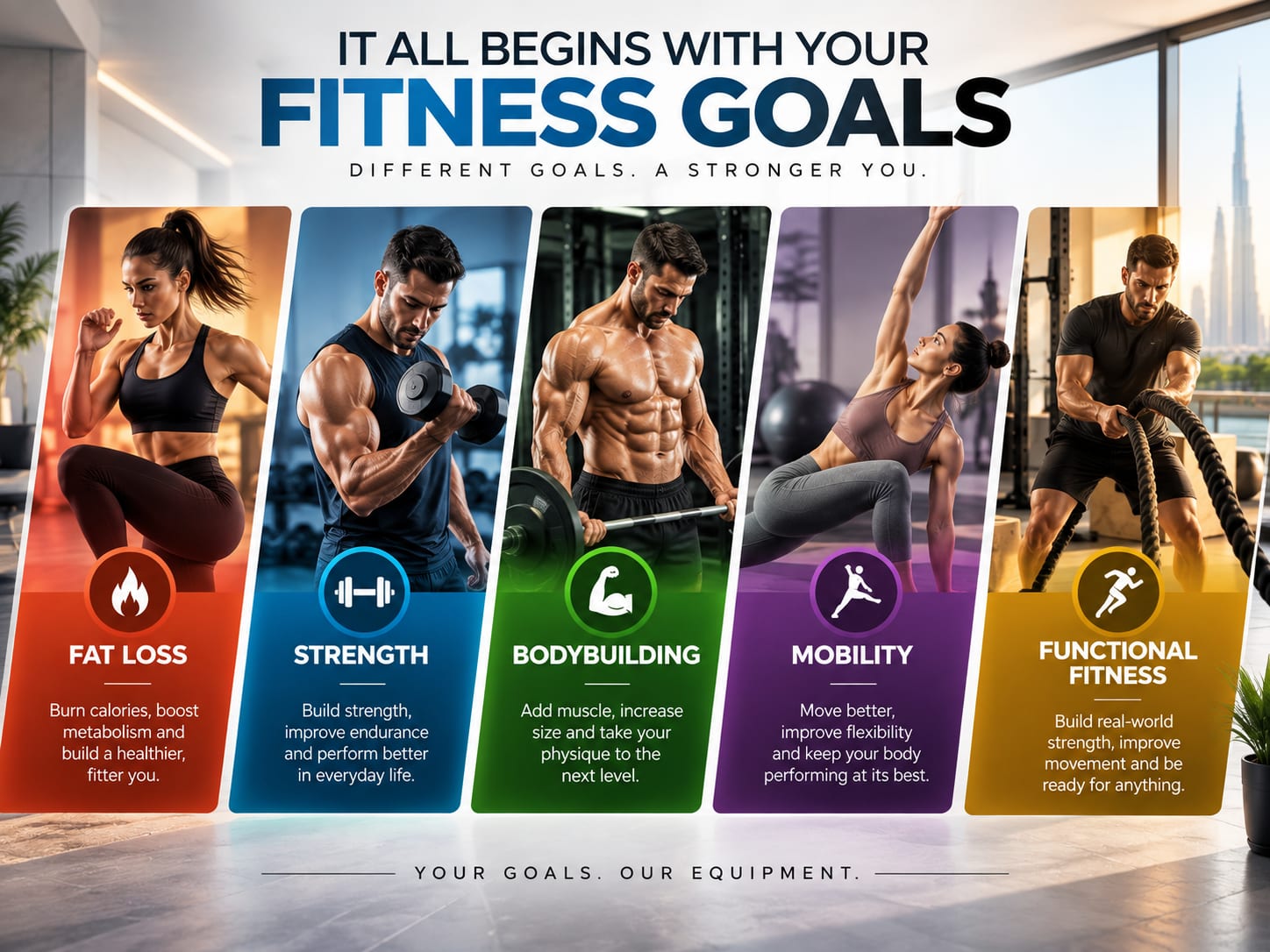
First things first. Analyze what exactly you need to achieve from a home gym. The answer to this question will help you decide where to spend your hard-earned money. Choosing equipment based on your priorities is likely to solve unnecessary extravagance. The below list may come in handy for those who want to build an effective home gym.
- Fat loss: Cardio equipment and full-body training tools
- Strength: Power rack, bench, barbell and weight plates
- Bodybuilding: Dumbbells, benches, machines and cable equipment
- Mobility: Mats, resistance bands and open floor space
- Functional fitness: Kettlebells, cable machines, dumbbells and functional training equipment
There are cases where people want to lose fat while gaining strength. Experts suggest having a mixed home gym for such scenarios as it works better than a setup designed around just one type of training.
Home Gym Equipment for Fat Loss
Though fat loss is often associated with cardio machines, you do not have to rely only on them. A fascinating gym aimed at fat loss can combine cardio, resistance training and space for movement as well.
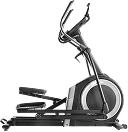
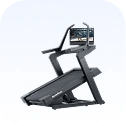
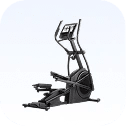
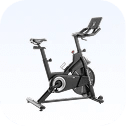
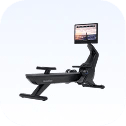
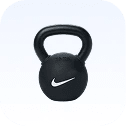
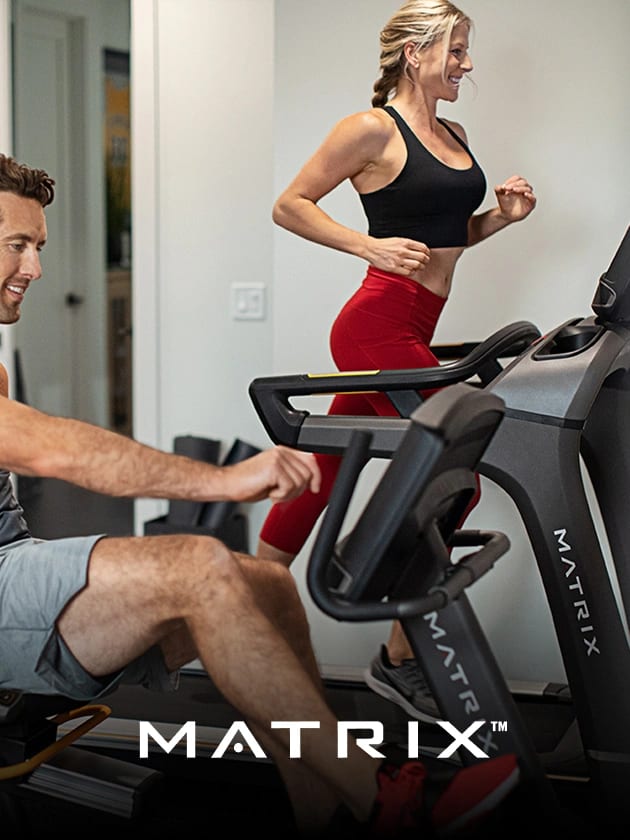
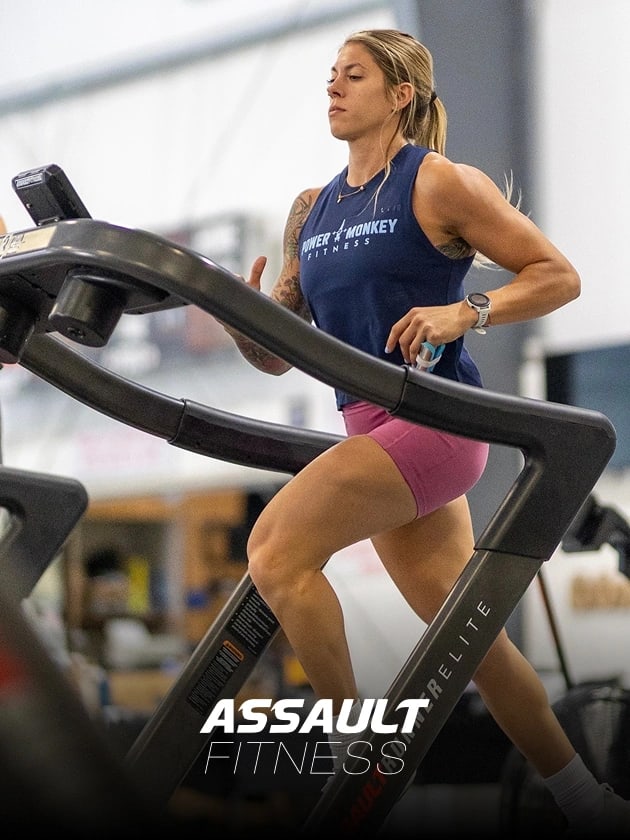
Some of the equipment that can help attain fat loss includes treadmill, exercise bike, elliptical trainers, rowing machines, adjustable dumbbells, kettlebells, and functional trainers.
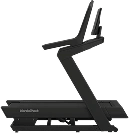
A treadmill comes across as an impactful machine if you really enjoy activities like walking or running. An exercise bike can be a good option if you are on the lookout for a compact machine. You can depend on dumbbells and kettlebells for full-body workouts.
Home Gym Equipment for Strength Training
If your primary goal is getting stronger, make sure your home gym has a good resistance-training setup. A strength-focused home gym can be built with equipment such as:
- Power rack
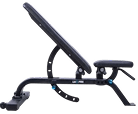
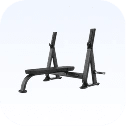
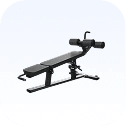
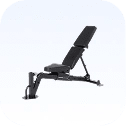
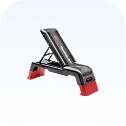
- Adjustable bench
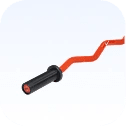
- Olympic barbell
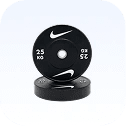
- Weight plates
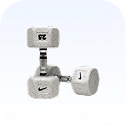
- Dumbbells
- Weight storage
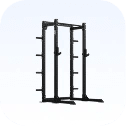
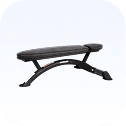
A power rack can become the integral part of the setup. It can be used for squats, bench presses, overhead presses and other barbell movements, depending on the model. An adjustable bench, too, offers several exercise options.
If you have a limited space, you may consider the combination of power rack, adjustable bench, barbell and plates. You may add dumbbells or a cable machine later. This setup helps cover plenty of strength exercises without taking up a large space or an entire room.
Why a Power Rack Can Be Useful at Home
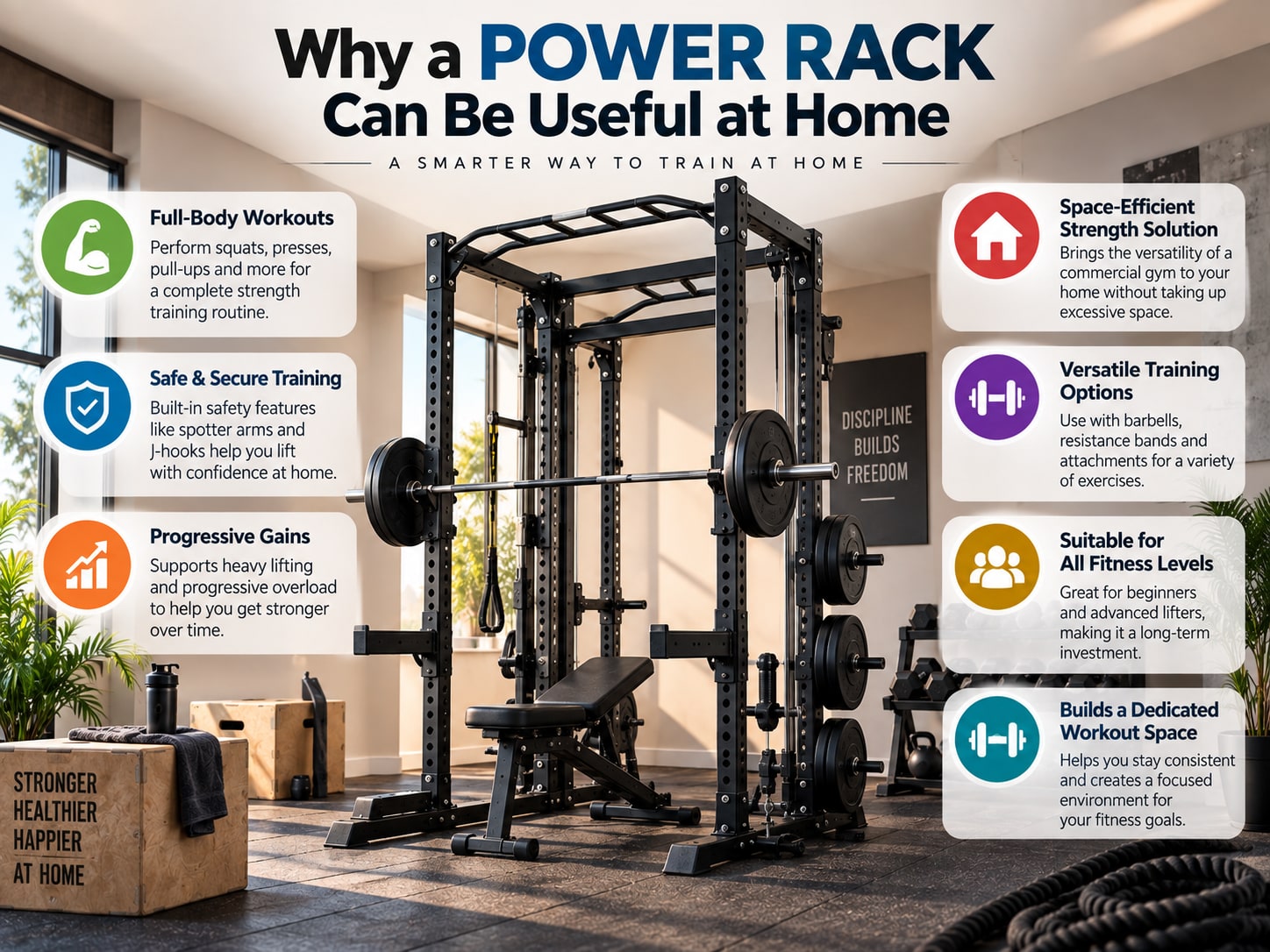
A power rack is useful for those who consider strength training as their priority. Many racks come with adjustable safety bars or straps. There are models that support attachments like pull-up bars, dip handles and cable systems, too.
When choosing a rack, always check for factors like:
- Dimensions
- Weight capacity
- Upright size
- Safety system
- Adjustment points
- Attachment options
- Anchoring requirements
Additionally, ensure to measure your ceiling height before buying a tall rack. A rack may seem perfectly fit on the floor, but still be unsuitable if the ceiling is low.
Home Gym Equipment for Bodybuilding
For a wholesome bodybuilding purpose, one needs different equipment as the focus is on training individual muscle groups. So, a bodybuilding-focused home gym may include:
- Adjustable bench
- Dumbbells
- Barbell
- Weight plates
- Cable machine
- Functional trainer
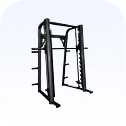
- Smith machine
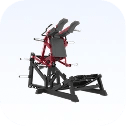
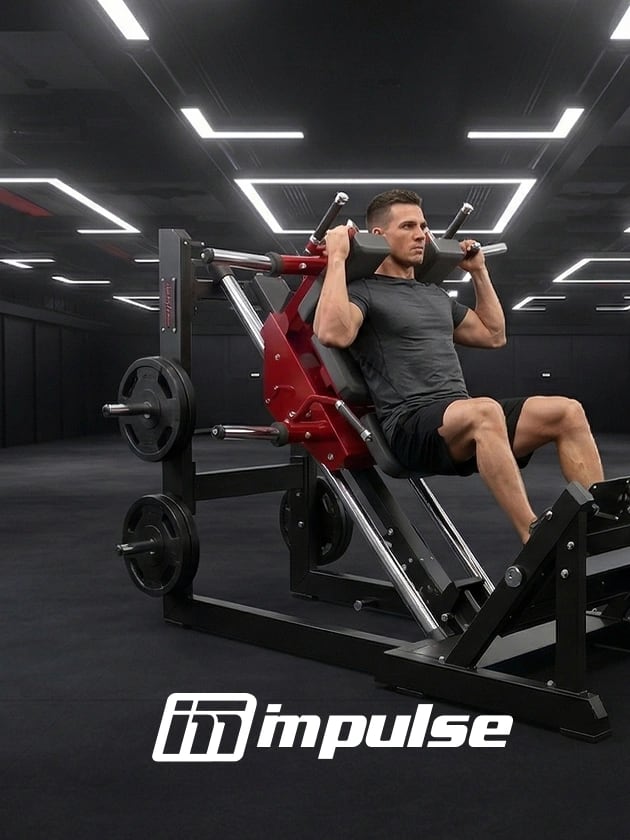
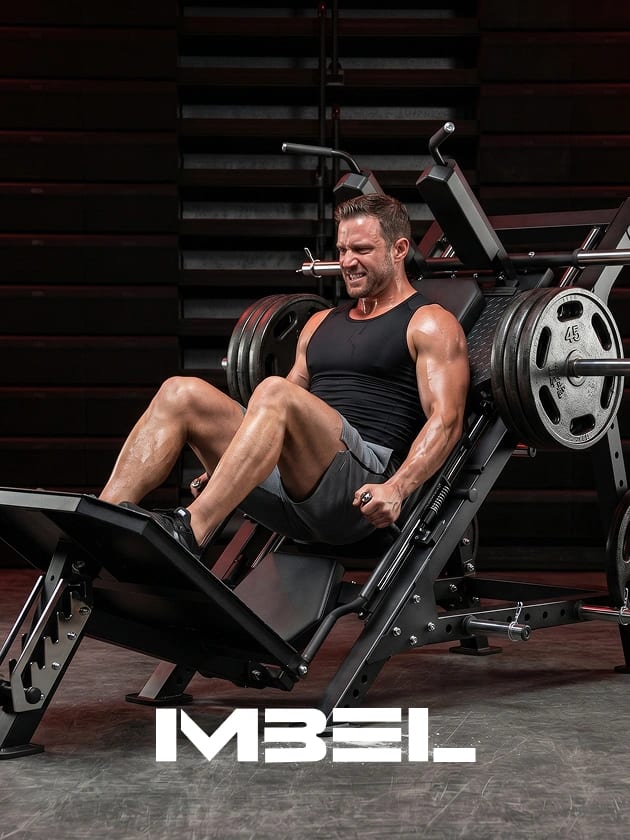
- Leg press
- Chest press
- Lat pulldown
- Seated row
If you have space constraints, go for a functional trainer or cable machine that can provide many exercise options, instead of the above mentioned choices. You may opt for dumbbells, too, as they allow you to train different muscle groups effortlessly.
Why Cable Equipment Works Well for Bodybuilding
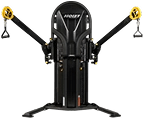
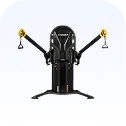
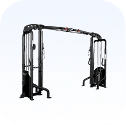
The popularity of cable machines is attributed to their capacity in allowing us to perform numerous exercises from one station. You may train your chest, back, shoulders, arms, legs, and core, depending on the machine.
They are usually useful for exercises where you need a controlled movement. When choosing a cable machine, consider aspects like pulley travel, adjustment points, and available attachments.
It is advised to check the machine's dimensions as well before ordering. A large functional trainer needs adequate space around it to perform exercises comfortably.
Home Gym Equipment for Mobility
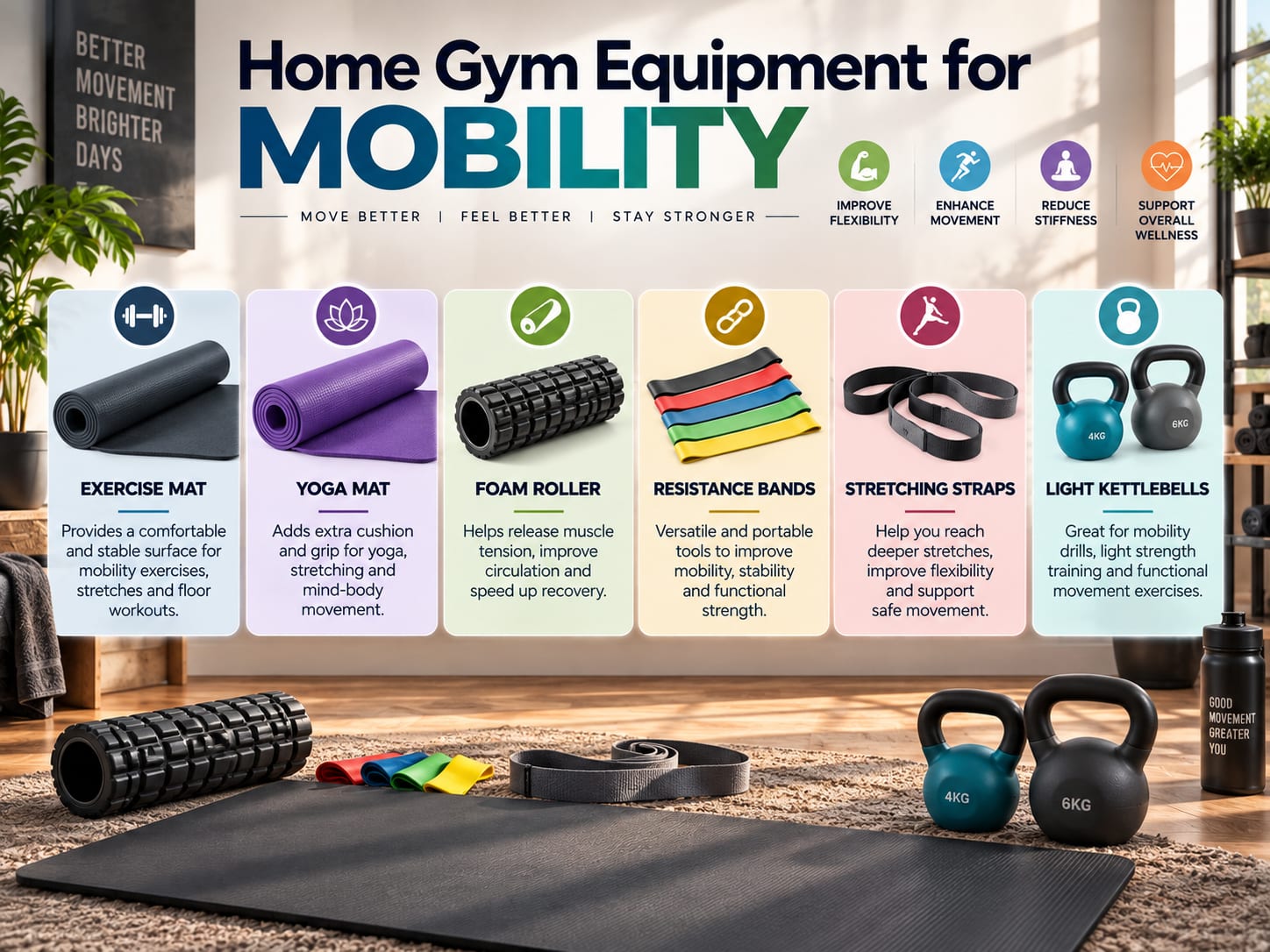
This is one aspect people tend to forget when they plan a home gym. You may have expensive machines and heavy weights, but a little space to stretch. That is why experts always suggest keeping a part of your room open. A mobility area may include:
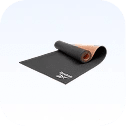
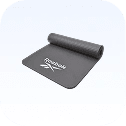
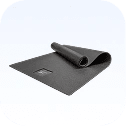
- Exercise mat
- Yoga mat
- Foam roller
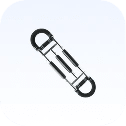
- Resistance bands
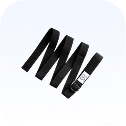
- Stretching straps
- Light kettlebells
People don’t realize that you do not need a big equipment list. The important point is to have enough open space to move comfortably. A small corner of your room can become your stretching area.
Why Open Space Matters in a Home Gym
Home gyms can become crowded when people try to utilize every available corner. Always leave enough open space for activities like:
- Warm-ups
- Stretching
- Mobility exercises
- Bodyweight movements
- Kettlebell exercises
- Functional training
When planning for a home gym, think simultaneously about floor space as part of your plan. Needless to say, you cannot perform exercises flawlessly if every part of the floor is occupied by machines.
Home Gym Equipment for Functional Fitness
Functional fitness is all about focusing on movements that involve more than one muscle group and often use free weights or cable resistance. A functional fitness home gym could include:
- Functional trainer
- Adjustable dumbbells
- Kettlebells
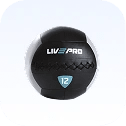
- Medicine balls
- Resistance bands
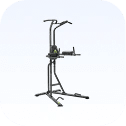
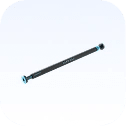
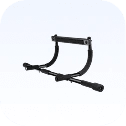
- Pull-up bar
- Adjustable bench
- Exercise mat
- Open training area
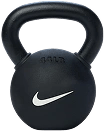
A functional trainer is quite useful because the cable positions can be adjusted for different exercises. Kettlebells are another addition you may consider. You may use them for swings, squats, and presses.
Creating Separate Equipment Paths for a Productive Home Gym
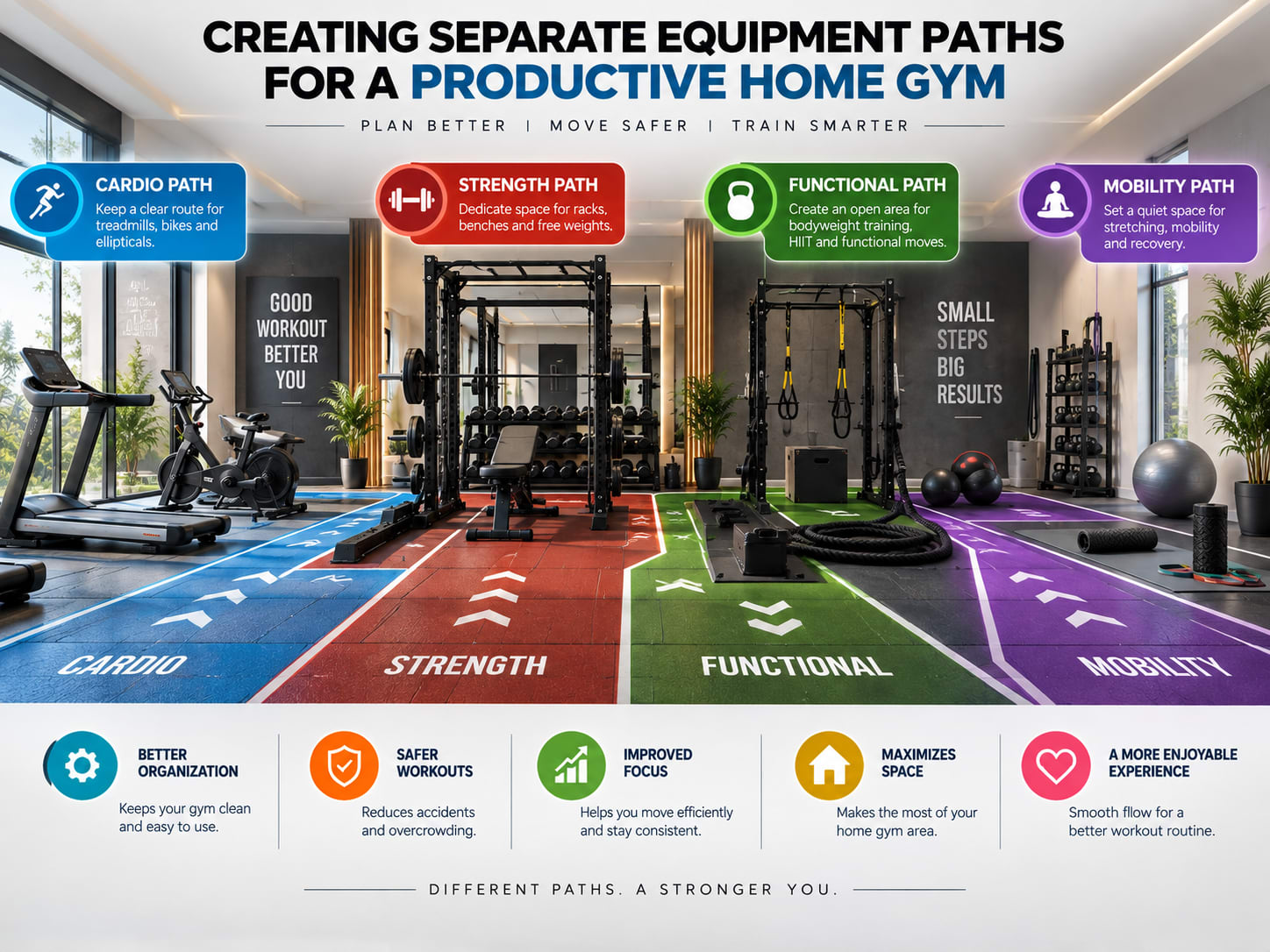
A smart way to plan your home gym is to create different equipment paths based on your fitness goals. You may combine these separate paths if you suffer from limited space.
- Fat Loss Path: Treadmill, bike, open workout area, dumbbells. This provides you cardio and resistance options.
- Strength Path: Power rack, bench, barbell, plates, dumbbell storage. This helps keep your strength equipment together.
- Bodybuilding Path: Functional trainer, adjustable bench, dumbbells, machines. This setup provides more options for individual muscle groups.
- Mobility Path: Open floor, mat, bands, foam roller. Keep this area free from heavy equipment.
- Functional Fitness Path: Functional trainer, kettlebells, dumbbells, open floor. This path gives you space for movement-based exercises.
How Much Space Do You Need for a Home Gym?
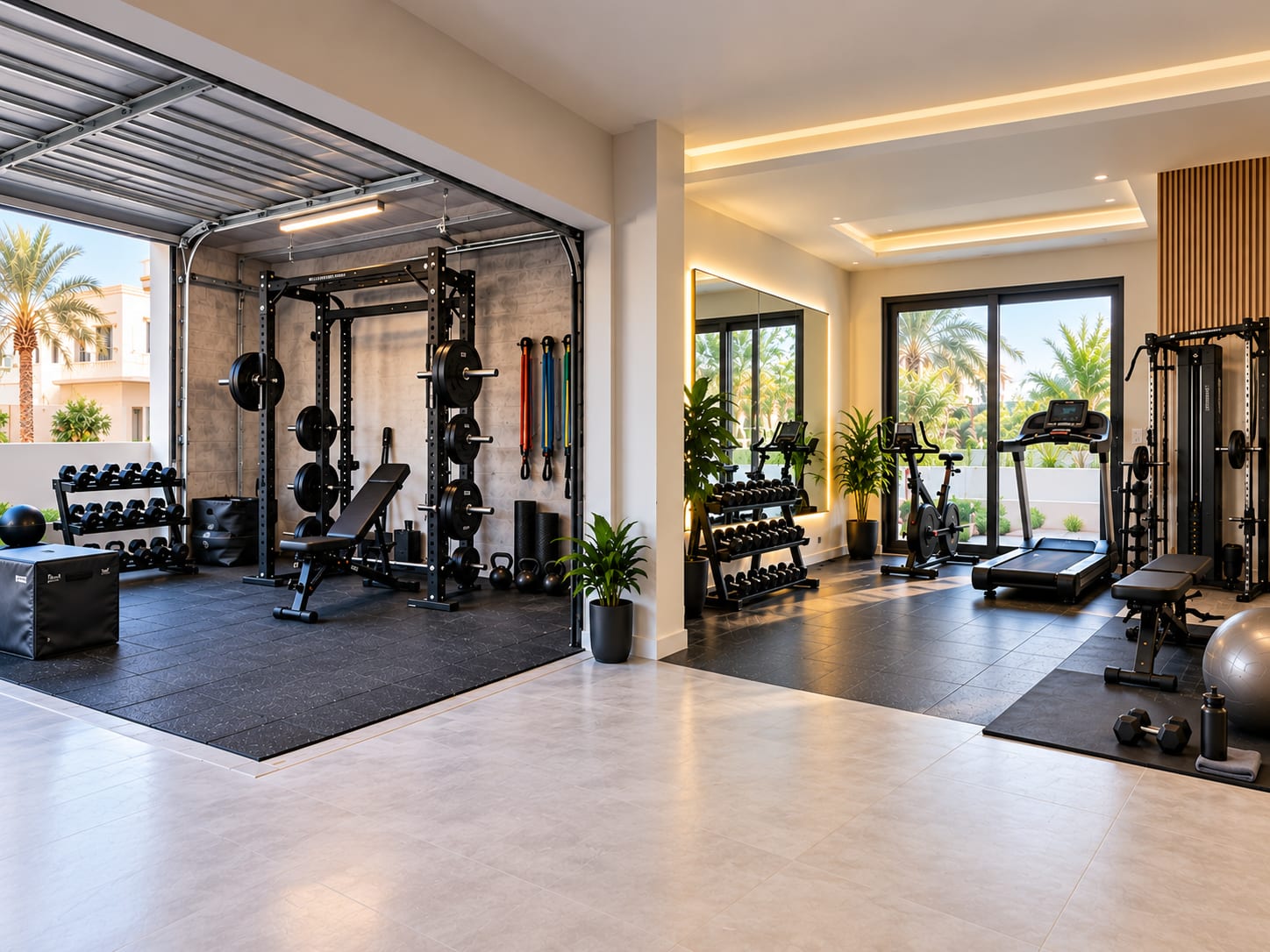
There isn’t a specific space that is considered apt for a home gym. A small room can work if you have compact equipment. Similarly, a garage or big villa room can accommodate larger machines. It is better to measure the following things before purchasing equipment:
- Room length
- Room width
- Ceiling height
- Door width
- Window positions
- Power socket locations
Following this, measure the equipment and the space needed to use the machine. For example, a treadmill takes up a certain space, but you also need enough room around it for safe use. This applies to cable machines, power racks and benches, too.
Practical Tips for Small Home Gym Setup
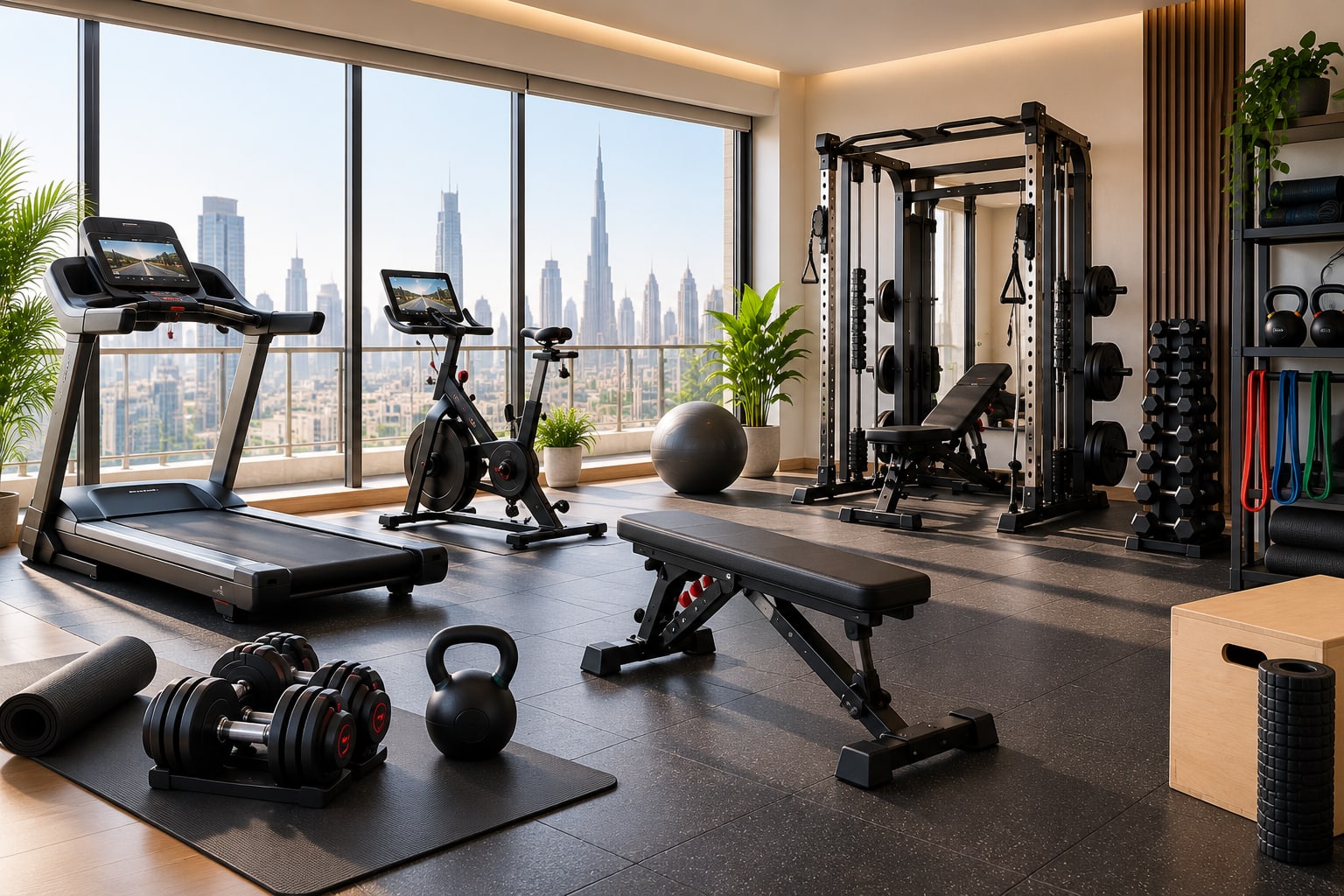
If you live in an apartment or a small home, you need to choose equipment carefully. You should be aware of the fact that adjustable dumbbells can replace many pairs of fixed dumbbells.
The advantage of a foldable treadmill is that it helps you save space when it is not in use. A compact functional trainer can provide several cable exercises without requiring multiple machines. A small setup could include adjustable dumbbells, adjustable bench, treadmill, and resistance bands.
This combination can provide benefits of cardio and strength training without filling the room.
Practical Tips for Larger Villa or Garage Gym Setup
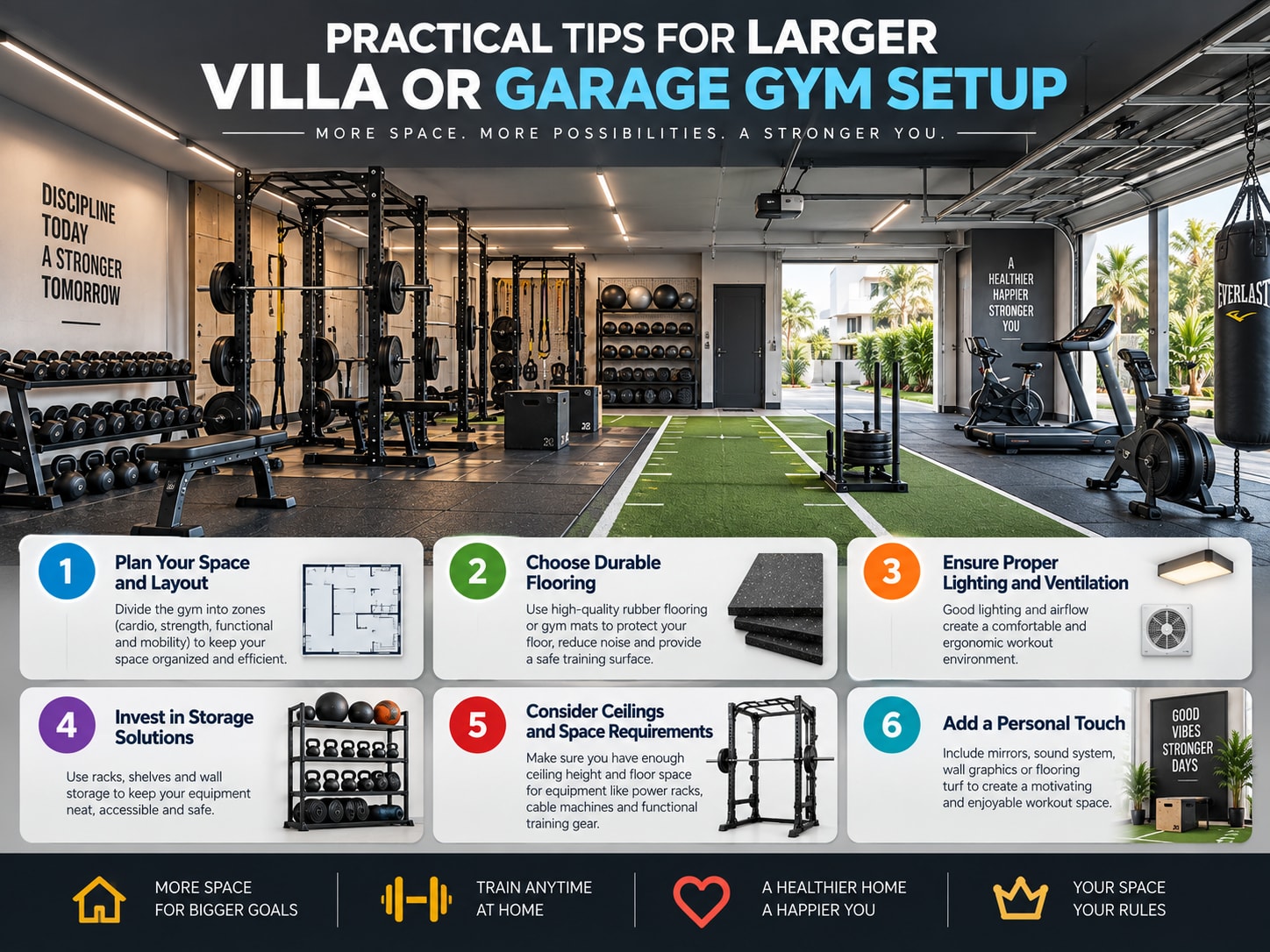
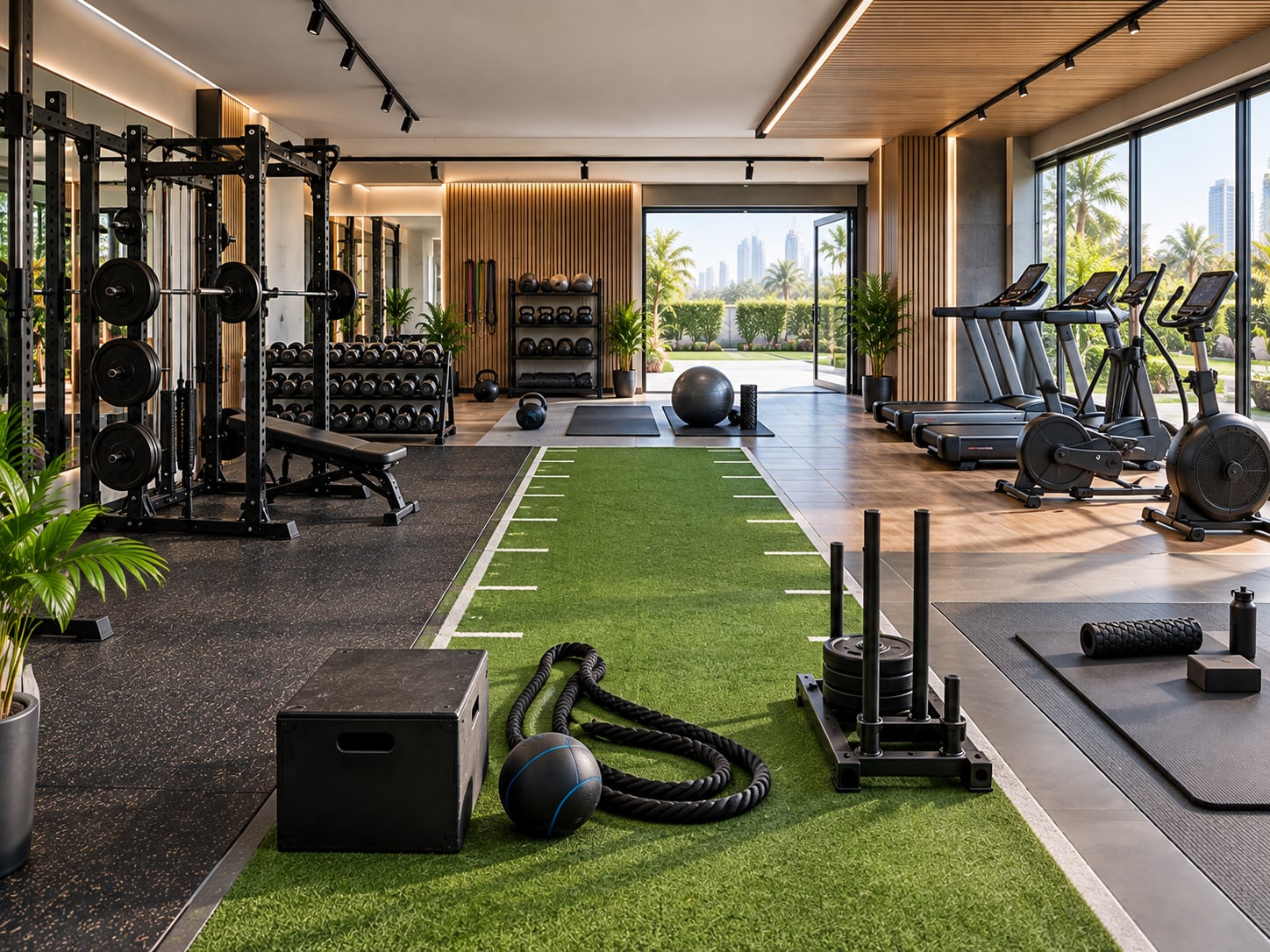
If you have a garage or a dedicated villa room, you have multiple choices to work on your equipment selection. A larger gym could include separate zones for:
- Cardio: Treadmill and elliptical
- Strength: Power rack, bench, barbell and plates
- Bodybuilding: Cable machine and dumbbells
- Functional fitness: Kettlebells and open floor
- Mobility: Mat and stretching area
Flooring is of Utmost Priority for a Home Gym
This factor should be seriously considered before bringing equipment into a room. For strength training, rubber gym flooring is considered beneficial. It provides a suitable surface for weights and helps protect the floor from normal gym use.
If you are setting up a garage gym, make sure you pay extra attention to the concrete floor. Different areas may require different flooring. For example:
- Rubber flooring for free weights
- Suitable flooring beneath cardio machines
- Exercise mats for mobility work
The exact flooring choice depends on the equipment and type of training you perform.
All About Storage in a Home Gym
The aspect of storage gains prominence when your equipment collection grows eventually. Dumbbells, kettlebells, weight plates and accessories take over the floor in no time. Consider using:
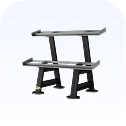
- Dumbbell racks
- Weight plate trees
- Barbell storage
- Kettlebell racks
- Wall storage
- Shelves
Always place storage close to the equipment where the items are used. For example, it is ideal to keep weight plates near the power rack and dumbbells near the bench or training area.
Don't Buy Everything at Once for a Home Gym
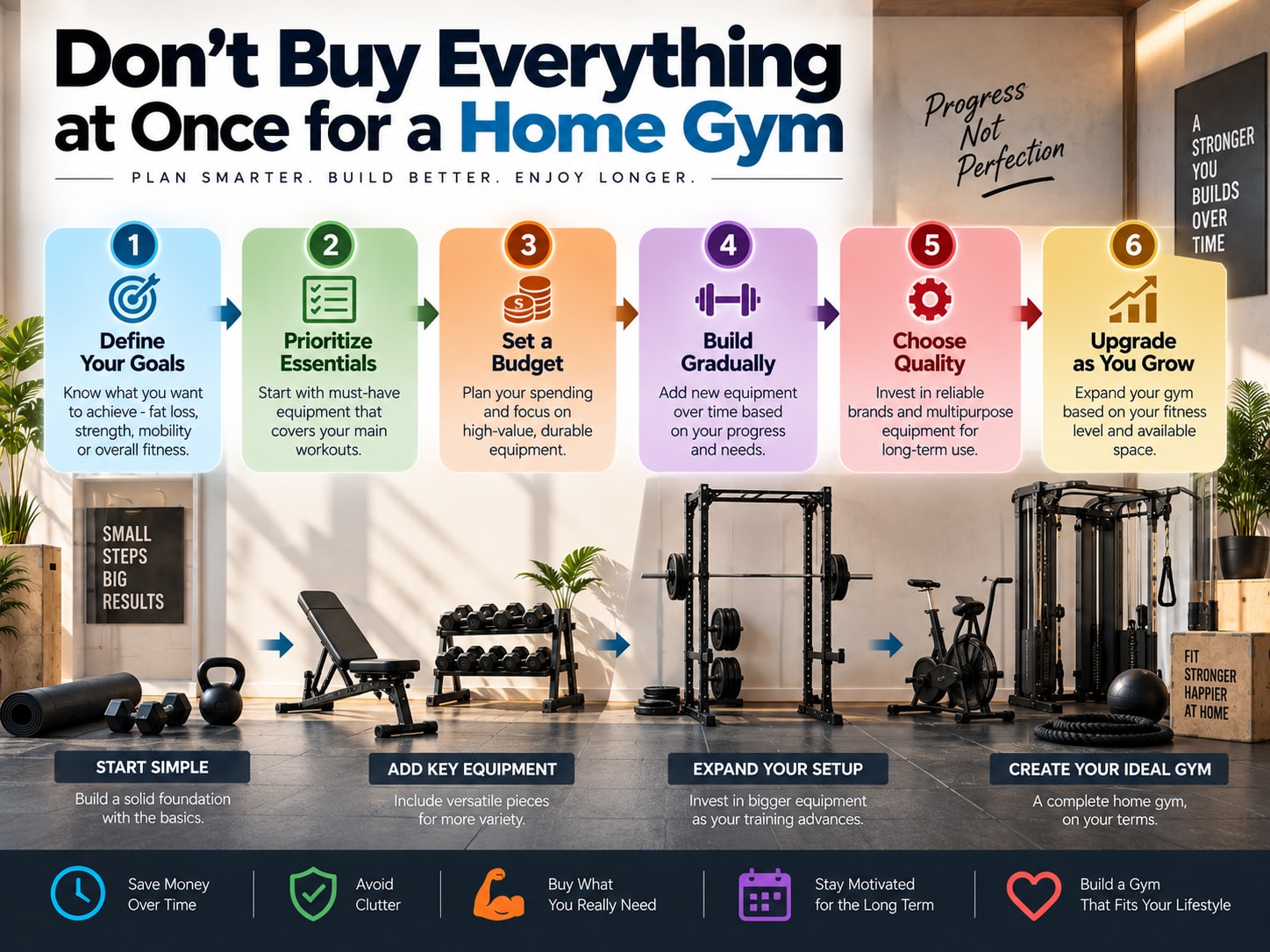
A common mistake people make is setting up the complete gym in one go. Focus on equipment that matches your goals.
- For fat loss: Start with a treadmill or bike and add dumbbells.
- For strength: Start with a power rack, bench, barbell and plates.
- For bodybuilding: Start with dumbbells, a bench and a cable machine.
- For mobility: Start with a mat, bands and open floor space.
- For functional fitness: Start with dumbbells, kettlebells and a functional trainer.
Later, you can add more equipment once you understand your priorities and needs better.
What If You Have More Than One Fitness Goal?
This is quite a common scenario that many people face. You may want to lose fat, build muscle and become stronger at the same time. In that case, you have to choose equipment that can serve multiple purposes. For example, a treadmill, power rack, adjustable bench and adjustable dumbbells can support both cardio and strength training.
Adding resistance bands and a mat gives you more options for mobility and functional workouts. If you have additional space, a functional trainer can expand the setup further.
Saudi Arabia fitness enthusiasts looking to get more value from every purchase can visit Lifetime Fitness Store for a wide range of quality fitness equipment, competitive prices, trusted brands, and solutions for both home and commercial gyms.
A Simple Home Gym Plan by Fitness Goals
- Fat Loss: Treadmill, bike, elliptical, dumbbells
- Strength: Power rack, bench, barbell, plates
- Bodybuilding: Dumbbells, cable machine, bench, machines
- Mobility: Mat, bands, foam roller, open floor
- Functional Fitness: Functional trainer, kettlebells, dumbbells, open floor
These are mere starting points rather than fixed rules. Finally, your equipment should match your experience, space and training routine.
Conclusion
The best home gym is not the one with the most number of machines. It is the one that makes you want to train regularly.
Start by deciding what you want from your workout sessions. If fat loss is your priority, focus on cardio and full-body training. If strength is your primary goal, build around a power rack and free weights.
For bodybuilding, consider dumbbells, cable equipment and machines. If mobility matters the most to you, protect some open floor space. For functional fitness, combine free weights, cable resistance and movement-based exercises.
Consider your available space. Measure the room, ceiling and access points. Think about factors like flooring, ventilation, power and storage. Before buying large equipment, check delivery and installation requirements. It is better to plan these things before the equipment arrives.
Whether you are setting up a compact home gym, a dedicated villa fitness room or a large garage gym, consider your fitness goal first and add equipment as and when your requirements grow. A simple setup that you use consistently will always be more useful than a room full of equipment that you rarely use.
 Get a weekly dose of latest stories
and useful tips directly in your inbox!
Get a weekly dose of latest stories
and useful tips directly in your inbox!


 0
0