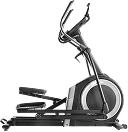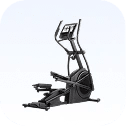




High-Intensity Interval Training, commonly known as HIIT, has become one of the most popular workout methods for individuals looking to improve cardiovascular fitness, burn calories efficiently, and maximize workout results in less time. While HIIT is often associated with sprinting, bodyweight circuits, and intense gym sessions, it can also be performed effectively on an elliptical trainer. In fact, the elliptical is one of the best machines for HIIT because it combines high-intensity cardiovascular training with low-impact movement, making it suitable for a wide range of fitness levels.
Unlike traditional steady-state cardio, HIIT alternates between short periods of intense effort and recovery intervals. This approach challenges the cardiovascular system, increases workout intensity, and helps keep exercise sessions engaging. The elliptical is particularly effective for HIIT because users can quickly adjust resistance levels, increase stride speed, and engage both the upper and lower body without placing excessive stress on the joints.
For individuals who prefer working out at home, elliptical HIIT workouts offer a practical solution for improving fitness without requiring large amounts of space or advanced equipment. Whether your goal is weight management, endurance development, improved cardiovascular health, or simply making the most of your workout time, elliptical HIIT training can be a valuable addition to your fitness routine.

Understanding HIIT Training
HIIT revolves around alternating between high-intensity effort and recovery periods. During intense intervals, the goal is to work at a level that significantly elevates heart rate and challenges endurance. Recovery periods allow the body to partially recover before the next interval begins.
This alternating pattern creates a dynamic workout experience that differs significantly from traditional steady-state cardio. Rather than maintaining the same pace throughout the session, users continually change intensity levels, keeping both the body and mind engaged. One of the reasons HIIT has gained popularity is its efficiency. Short workouts can deliver substantial cardiovascular benefits while helping individuals stay motivated through varied training structures.
Why the Elliptical Is Ideal for HIIT
The elliptical offers several advantages that make it particularly suitable for interval training. Unlike running on hard surfaces, elliptical workouts provide a low-impact experience that reduces stress on the knees, hips, and ankles. This allows users to perform intense intervals while minimizing impact-related discomfort.
The machine also engages both the upper and lower body simultaneously. As users push and pull the moving handlebars while driving through the pedals, multiple muscle groups contribute to each workout. This full-body involvement can increase overall workout intensity and calorie expenditure.
Another advantage is the ability to adjust resistance quickly. Increasing resistance levels during work intervals and lowering them during recovery periods allows users to create highly effective HIIT sessions tailored to their fitness level.
Benefits of Elliptical HIIT Workouts
Elliptical HIIT training provides numerous fitness benefits. The combination of intensity and recovery challenges the cardiovascular system while improving endurance and aerobic capacity. Because workouts involve repeated bursts of effort, users often find them more engaging than traditional cardio sessions.
HIIT workouts can also help individuals maximize their available exercise time. Rather than spending extended periods performing moderate-intensity cardio, users can complete highly effective sessions in a shorter timeframe.
The low-impact nature of the elliptical further increases accessibility, making HIIT suitable for a broader range of users, including beginners, older adults, and those seeking alternatives to high-impact activities.
Also Read: Elliptical vs Treadmill: Which Cardio Machine Is Better for Your Fitness Goals?
Preparing for an Elliptical HIIT Workout
Preparation plays an important role in workout effectiveness. Before beginning a HIIT session, users should spend several minutes gradually increasing intensity through a warm-up period. This allows muscles, joints, and the cardiovascular system to prepare for more demanding activity. A proper warm-up also helps improve movement quality and reduces the likelihood of discomfort during intense intervals. Starting gradually allows users to transition smoothly into higher-intensity efforts while maintaining proper form and technique. Hydration and appropriate footwear are also important considerations, especially during more challenging sessions.
Beginner Elliptical HIIT Workouts
For beginners, the goal should be learning how to alternate between effort levels while maintaining control and proper movement mechanics. New users often benefit from shorter work intervals combined with longer recovery periods. This approach allows the body to adapt gradually to interval training while building confidence on the machine. As fitness improves, users can gradually increase workout intensity and reduce recovery durations. The elliptical's adjustable resistance system makes it easy to customize workouts according to individual fitness levels, allowing beginners to progress at a comfortable pace.
Intermediate HIIT Training Strategies
As users become more comfortable with interval training, they can begin incorporating more challenging workout structures. Intermediate workouts often involve longer work intervals, increased resistance levels, or reduced recovery periods. At this stage, users typically develop greater cardiovascular capacity and improved recovery efficiency. This allows them to sustain higher effort levels while continuing to benefit from structured interval training. Variety becomes increasingly important during intermediate training. Adjusting resistance, cadence, and workout duration helps prevent boredom while promoting continued progress.
Advanced Elliptical HIIT Workouts
Advanced users often seek greater challenges through higher resistance settings, longer intervals, and more demanding recovery structures. These workouts can significantly elevate heart rate while testing both endurance and mental focus. Advanced sessions may incorporate varying interval lengths throughout the workout, creating unpredictable challenges that require constant adaptation. The ability to manipulate resistance and cadence allows experienced users to create highly demanding training sessions without leaving home. Because advanced HIIT workouts can be physically demanding, recovery becomes increasingly important to support long-term progress.
The Role of Resistance in HIIT Workouts
Resistance plays a crucial role in elliptical HIIT training. While speed increases intensity, resistance changes the workload placed on muscles throughout the movement. Higher resistance levels require greater force production, particularly from the legs and glutes. Lower resistance levels allow for faster movement and quicker cadence. Combining resistance changes with interval training creates a more varied workout experience and helps target different aspects of fitness. Users should experiment with resistance settings to identify levels that challenge them appropriately without compromising form.
Why Recovery Intervals Matter
Many people focus exclusively on the high-intensity portions of HIIT workouts while underestimating the importance of recovery periods. Recovery intervals serve several purposes. They allow heart rate to decrease partially, help maintain workout quality, and prepare the body for the next effort phase. Without adequate recovery, workout intensity may decline and overall effectiveness can suffer. Balancing work and recovery intervals is essential for creating sustainable HIIT workouts that support long-term progress.
Monitoring Workout Intensity
One of the keys to successful HIIT training is understanding workout intensity.
Users can monitor intensity through factors such as:
•Breathing rate
•Perceived exertion
•Heart rate
•Recovery speed
The goal is to work hard during effort intervals while allowing sufficient recovery before repeating the process. Over time, improvements in fitness often become evident through faster recovery and increased ability to sustain higher effort levels.
Read: Abu Dhabi Inspires Initiatives
Combining HIIT with Other Training Styles
While HIIT offers many benefits, it should not necessarily replace all forms of cardiovascular exercise.
Many successful fitness programs incorporate a variety of training methods, including:
•Steady-state cardio
•Strength training
•Mobility work
•Recovery sessions
This balanced approach helps support overall fitness while reducing the risk of overtraining.
Elliptical HIIT can serve as one component of a comprehensive fitness routine that addresses multiple aspects of health and performance.
Common Mistakes During Elliptical HIIT Training
One common mistake is starting too aggressively. Many users attempt to perform every interval at maximum effort, leading to early fatigue and reduced workout quality. Another mistake is neglecting recovery intervals. Recovery is a critical component of HIIT and should not be viewed as wasted time. Poor posture, excessive reliance on handlebars, and inconsistent resistance adjustments can also affect workout effectiveness. Focusing on proper form and structured progression helps maximize results while reducing unnecessary strain.
Why HIIT Is Popular for Home Fitness
The popularity of HIIT aligns closely with the growth of home fitness. Many people seek efficient workout solutions that fit into busy schedules. Elliptical HIIT sessions offer several advantages for home users. Workouts require minimal setup, can be completed in relatively short periods, and provide significant training variety. These characteristics make HIIT particularly appealing for individuals balancing fitness with work, family, and other responsibilities.
Recovery and Post-Workout Considerations
Recovery remains an important aspect of any training program. Following an elliptical HIIT session, users should spend several minutes gradually reducing intensity through a cool-down period. This allows heart rate to return toward resting levels while supporting overall recovery. Adequate hydration, nutrition, and sleep further contribute to long-term workout success. Recovery practices help ensure that the body can adapt positively to training and remain prepared for future sessions.
Building Consistency with Elliptical HIIT
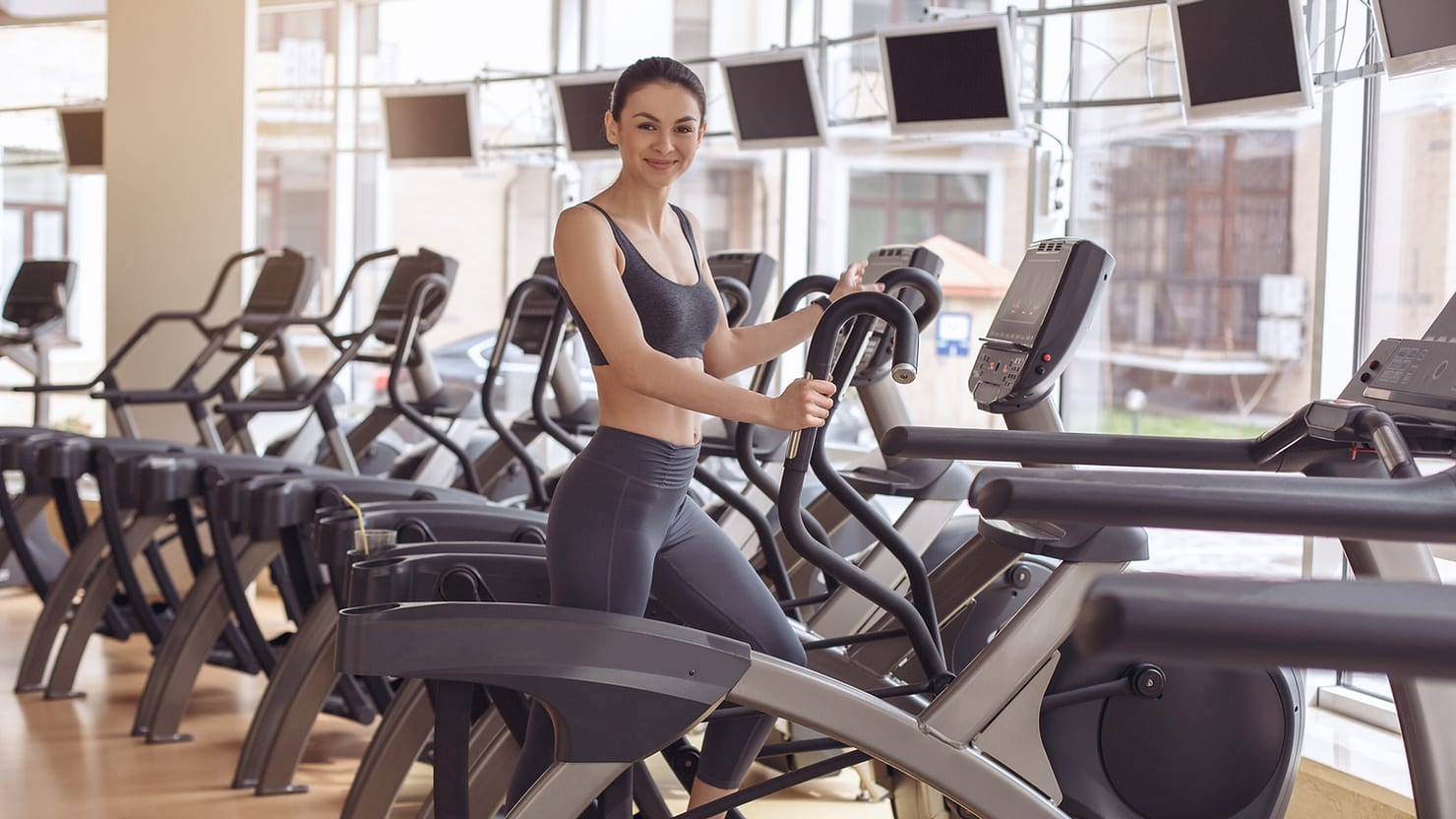
Consistency often matters more than workout complexity. While advanced interval structures can be effective, long-term results typically come from regular participation rather than occasional intense sessions. Creating a realistic schedule that aligns with personal goals and lifestyle increases the likelihood of maintaining consistent exercise habits. The convenience of home elliptical workouts makes it easier to integrate fitness into daily routines, supporting long-term adherence and progress.
How Elliptical HIIT Workouts Support Weight Management
One of the primary reasons people incorporate HIIT training into their fitness routines is its ability to increase workout intensity while keeping exercise sessions relatively time-efficient. Elliptical HIIT workouts can play a valuable role in supporting weight-management goals because they encourage the body to work harder during short intervals of increased effort. The combination of resistance, speed, and full-body movement helps create a demanding workout that engages multiple muscle groups simultaneously.
Unlike some forms of cardio that rely heavily on repetitive movement patterns, elliptical HIIT sessions constantly alternate between effort levels. This variation keeps workouts engaging and encourages users to challenge themselves throughout the session. Over time, consistent participation in these workouts can contribute to increased activity levels and support broader health and fitness objectives.
The convenience of performing HIIT workouts at home also makes it easier for individuals to maintain consistency, which remains one of the most important factors in achieving long-term fitness results.
Why Elliptical HIIT Is Easier on the Joints
Many individuals are interested in high-intensity workouts but worry about the impact that certain activities may place on their joints. Traditional sprinting and high-impact cardio can be challenging for some users, particularly those with previous injuries, joint sensitivity, or mobility limitations.
The elliptical offers a unique advantage because the feet remain in contact with the pedals throughout the workout. This smooth gliding motion minimizes impact while still allowing users to perform challenging intervals.
Because of this low-impact design, users can often perform intense cardiovascular workouts while experiencing less stress on:
•Knees
•Ankles
•Hips
•Lower back
This accessibility makes elliptical HIIT a practical option for a wider range of fitness enthusiasts.
The Importance of Proper Posture During HIIT Sessions
Workout intensity often causes people to focus exclusively on speed and resistance while neglecting posture.
Proper posture contributes to:
•Improved efficiency
•Better muscle engagement
•Reduced discomfort
•Enhanced workout quality
When using an elliptical, users should maintain an upright position with relaxed shoulders and controlled movement. Excessive leaning or relying heavily on the handlebars can reduce workout effectiveness and alter movement mechanics. Maintaining proper posture becomes particularly important during high-intensity intervals when fatigue begins to develop.
Using Incline Features for Greater Workout Variety
Some elliptical trainers include adjustable incline settings that allow users to alter movement patterns and target different muscle groups.
Incline adjustments can increase emphasis on:
•Glutes
•Hamstrings
•Lower-body endurance
Incorporating incline changes into HIIT workouts adds another layer of variety and challenge. Rather than relying solely on speed or resistance adjustments, users can manipulate incline levels to create more dynamic and engaging training sessions. This variety helps maintain motivation while introducing new training stimuli.
Mental Benefits of Elliptical HIIT Workouts
While most people focus on the physical benefits of exercise, HIIT training can also support mental well-being.
Regular exercise may contribute to:
•Stress management
•Improved mood
•Enhanced focus
•Greater confidence
•Increased energy levels
The structured nature of interval training often helps users remain mentally engaged throughout the workout. Because attention shifts frequently between work and recovery intervals, many individuals find HIIT sessions more stimulating than traditional steady-state cardio. Completing challenging intervals can also provide a sense of accomplishment that contributes to long-term motivation.
How HIIT Helps Prevent Workout Boredom
One of the most common challenges associated with cardio training is boredom. Long periods of steady-state exercise can sometimes feel repetitive, leading to reduced motivation and lower workout adherence. HIIT addresses this issue by introducing constant variation. The changing structure of interval workouts keeps users focused on the next effort phase rather than the overall workout duration. This psychological benefit often helps individuals remain consistent with their fitness routines over time.
Creating Progressive HIIT Workouts
Progression is essential for continued improvement.
As fitness levels increase, users can gradually adjust variables such as:
•Interval duration
•Resistance levels
•Workout frequency
•Recovery periods
These changes help ensure that workouts remain appropriately challenging. Without progression, the body adapts to existing demands and improvements may begin to slow. A structured progression strategy allows users to continue developing endurance and cardiovascular fitness while maintaining motivation.
Why Home Workouts Continue to Grow in Popularity
Home fitness has become increasingly popular because it offers flexibility and convenience.
Many individuals appreciate the ability to exercise:
•Before work
•During lunch breaks
•After dinner
•On weekends
The elliptical fits naturally into this lifestyle because it provides effective cardiovascular training without requiring extensive setup or specialized facilities. HIIT workouts further enhance this convenience by allowing users to complete productive training sessions in a relatively short amount of time. For busy individuals, this efficiency can be particularly valuable.
The Relationship Between HIIT and Endurance Development
Although HIIT is often associated with short bursts of effort, it can also contribute to improved endurance.
Repeated exposure to challenging intervals encourages the body to adapt to increasing cardiovascular demands.
Over time, users may notice improvements in:
•Exercise capacity
•Recovery efficiency
•Workout performance
•Overall stamina
These adaptations can benefit both athletic performance and everyday activities.
Combining HIIT with other forms of cardiovascular exercise often provides the most comprehensive approach to endurance development.
Why Consistency Outperforms Intensity Alone
Many people assume that extremely difficult workouts automatically produce better results. In reality, consistency is often more important than occasional high-intensity efforts. An elliptical HIIT program should be challenging enough to stimulate improvement while remaining sustainable over the long term. The best workout plan is one that can be followed consistently. Creating realistic expectations and maintaining a regular training schedule often produces better outcomes than pursuing maximum intensity during every session.
Understanding Recovery Between Workouts
Recovery extends beyond the rest periods that occur during individual workouts. The body also requires adequate recovery between training sessions.
Factors that support recovery include:
•Sleep
•Hydration
•Nutrition
•Stress management
Allowing sufficient recovery helps the body adapt positively to training demands while reducing the likelihood of excessive fatigue. Balancing challenging workouts with appropriate recovery supports long-term progress and overall well-being.
How Elliptical HIIT Fits Into a Balanced Fitness Routine
A well-rounded fitness program often includes multiple forms of exercise.
These may include:
•Cardiovascular training
•Strength training
•Mobility work
•Flexibility exercises
•Recovery sessions
Elliptical HIIT serves as an effective cardiovascular component within this broader framework.
Its versatility allows users to tailor workouts according to specific goals while complementing other forms of training.
This balanced approach supports comprehensive fitness development and long-term sustainability.
Staying Motivated With Home Elliptical Workouts
Motivation naturally fluctuates over time.
Maintaining enthusiasm for exercise often requires variety and clear goals.
Strategies for staying motivated include:
•Tracking progress
•Trying new interval formats
•Setting performance goals
•Following structured programs
•Listening to music or podcasts
The ability to customize elliptical HIIT workouts helps keep training fresh and engaging.
Small changes in workout structure can make a significant difference in long-term adherence.
Why Elliptical HIIT Is Suitable for Different Fitness Levels
One of the greatest strengths of elliptical HIIT training is its adaptability.
Beginners can start with shorter intervals and lower resistance levels, while experienced users can increase intensity through resistance adjustments, faster cadence, and more demanding interval structures.
This flexibility allows individuals to progress gradually while maintaining appropriate challenge levels.
As fitness improves, the same machine can continue supporting increasingly advanced workouts.
Long-Term Benefits of Elliptical HIIT Training
The value of elliptical HIIT extends beyond immediate workout sessions.
Regular participation can support:
•Cardiovascular health
•Endurance development
•Exercise consistency
•Improved movement habits
•Long-term wellness
Because the elliptical provides a low-impact yet highly effective training platform, many individuals find it easier to maintain regular exercise habits over extended periods.
These long-term habits often contribute more to overall health than any single workout method.
Final Thoughts
Elliptical HIIT workouts offer an excellent combination of efficiency, versatility, and accessibility for home fitness enthusiasts. By blending periods of intense effort with structured recovery, users can create engaging workouts that support cardiovascular fitness, endurance development, and overall wellness. The low-impact nature of the elliptical makes it suitable for a wide range of fitness levels, while adjustable resistance and workout variables allow for continuous progression. Whether you are looking to increase workout variety, improve consistency, or make the most of limited exercise time, elliptical HIIT training provides a practical and effective solution that can support long-term fitness success from the comfort of home.
Conclusion
Elliptical HIIT workouts provide an effective, efficient, and accessible way to improve cardiovascular fitness from the comfort of home. By alternating between periods of intense effort and structured recovery, users can challenge their cardiovascular system, increase workout variety, and make productive use of their available exercise time. The low-impact nature of the elliptical makes HIIT training suitable for a wide range of fitness levels while reducing stress on the joints. Whether you are a beginner looking to enhance your fitness routine or an experienced exerciser seeking new challenges, elliptical HIIT workouts offer a versatile training solution that supports long-term health, endurance, and overall wellness.
If you are looking to buy other fitness machines or accessories, look no further! Explore our range of fitness products like treadmills, elliptical cross trainers, exercise bikes, rowing machines, home gym, functional trainer, multi-station, power towers, smith machines, dumbbells, foosball tables, pool tables, and table tennis.


 0
0