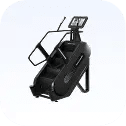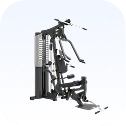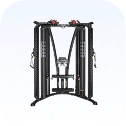




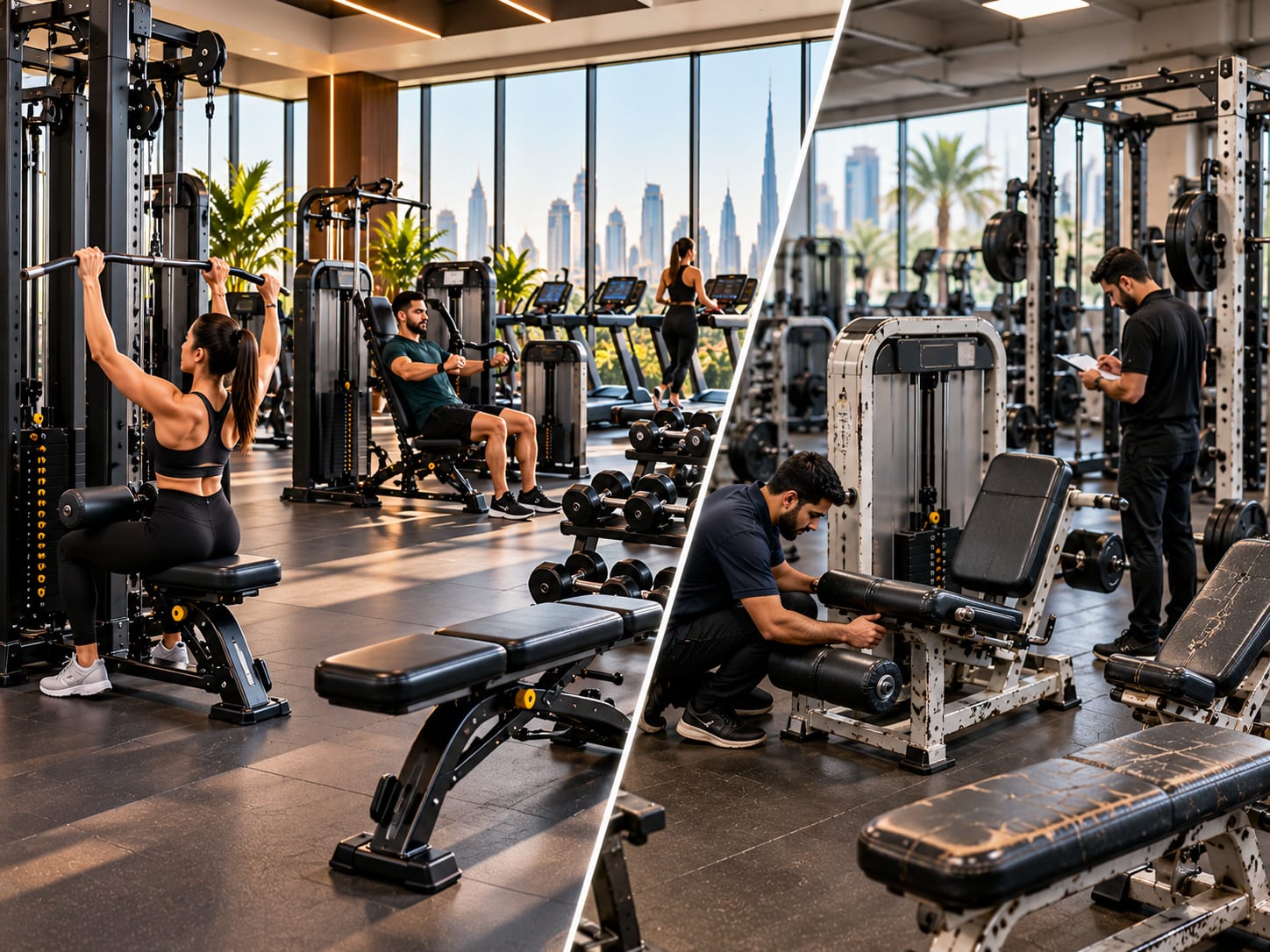
The biggest challenge while setting up a gym is the selection of equipment. If one decides to purchase completely new equipment, it avoids a lot of confusion, making the overall process easy. However, imagine a scenario when someone is confused between opting for a new or a refurbished equipment.
When it comes to the former, you choose the model you want, place the order and receive a brand new set of equipment that has not been used before. The case of the latter is different. It may have been used before, returned by a customer, or taken from a closed gym or replaced as part of an upgrade.
It then undergoes inspection, gets repaired or restored before being offered for sale again. For new gym owners working with a limited budget, refurbished equipment looks attractive because the initial price may be lower.
On the other hand, new equipment offers advantages like latest features, a full manufacturer warranty and a longer expected working life. So, the question is, which option is better? There is no universal answer for this.
The right choice depends on the type of equipment, its condition, expected usage, available budget, warranty, spare-parts support and the total cost over the years. This blog explains the differences between new and refurbished equipment, and the things you should check before making a purchase.
New Gym Equipment: Features Explained
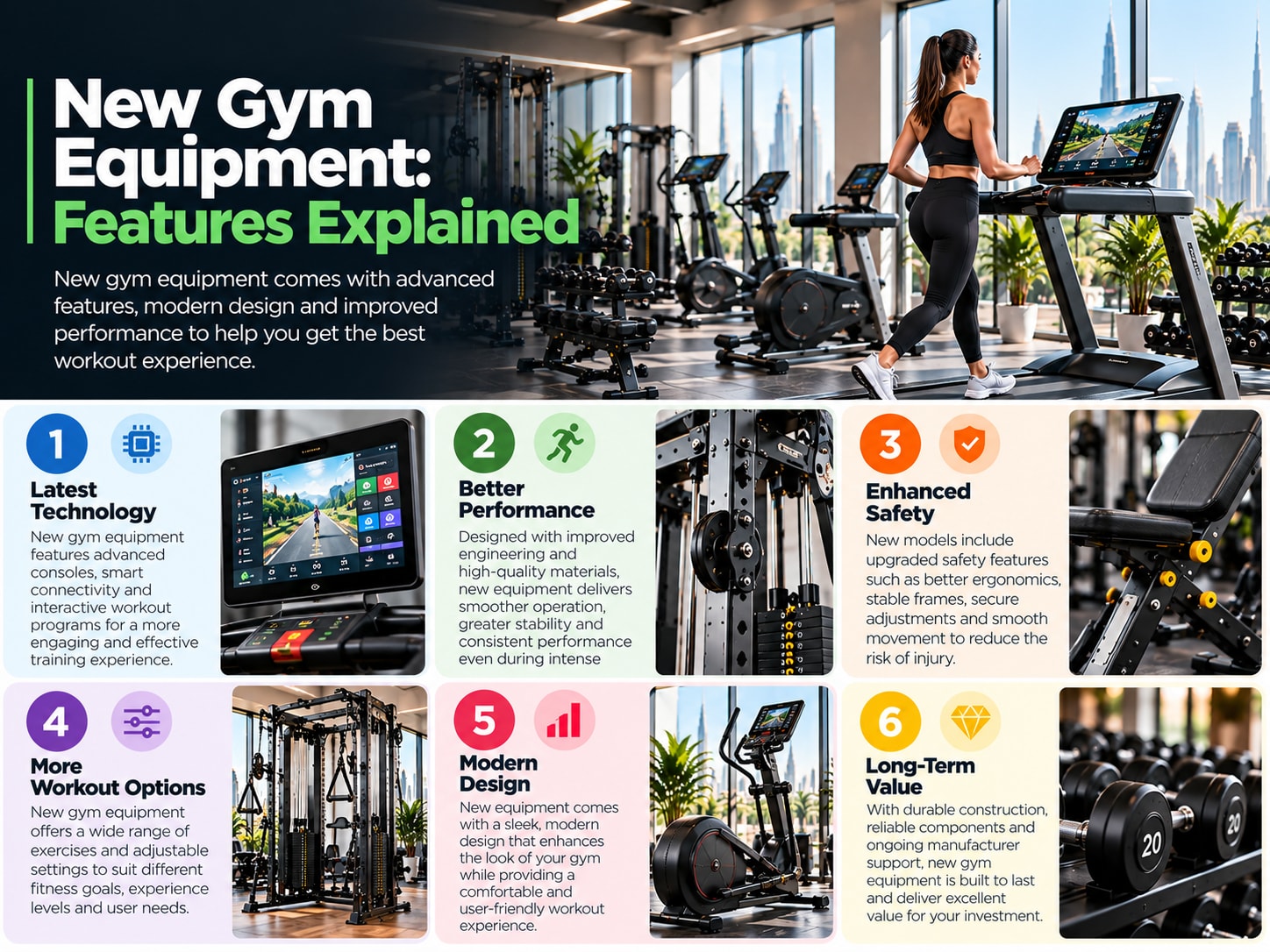
New gym equipment is equipment that has not previously been used by another customer. It comes directly from the manufacturer or an authorised dealer. Depending on the brand and model, new equipment may come with the following factors:
- Manufacturer warranty
- Installation support
- User manuals
- Original accessories
- Current specifications
- Access to replacement parts
- After-sales service
New equipment is the best option when you want the latest model. Go for it if you do not want to have the uncertainty that can sometimes come with used equipment.
Having said that, it does not always mean that new equipment is the right choice. You still need to check its size, features, capacity, warranty and suitability for your gym.
Refurbished Gym Equipment: Features Explained
Refurbished equipment are the ones that have been previously used, returned or have gone through repair or restoration.
The level of refurbishment can vary considerably. For example, one seller may simply clean the equipment and check that it works. Another may replace worn parts, repair mechanical components, repaint the frame, replace upholstery and test the machine before selling it.
This is one reason why you should never judge refurbished equipment only by the word "refurbished." You need to know what was actually done to it. Ask the seller for details about its previous use, inspection process and replaced parts.
New vs Refurbished: Quick Comparison
The below comparison is actually for a reference. The actual difference can vary from one machine to another.
- Purchase price: It is usually higher for new equipment when compared to refurbished ones
- Warranty: It is comprehensive in new equipment, while it depends on seller in the latter
- Lifespan: You get a long life in new equipment, as opposed to refurbished ones
- Latest features: New equipment has latest features, while refurbished ones have older model
- Wear and tear: It is minimal in new equipment when compared to refurbishment models
- Spare parts: Always easier to source for new equipment
- Appearance: New equipment will always have better finish
- Total cost: You need to pay a hefty sum upfront for new equipment, as opposed to the latter
Cost Factor: Look Beyond the Purchase Price
Price is the first reason many consider refurbished equipment over new ones. A refurbished treadmill, elliptical or strength machine may cost considerably less than the same type of new equipment.
This is useful when setting up a gym on a tight budget. However, the purchase price is only one part of the calculation. You need to consider a few more factors like delivery, installation, maintenance, repairs, replacement parts and downtime.
This may give you a better idea of the actual cost. Needless to say, a cheaper machine may not be good option if it requires frequent repairs.
On the other hand, a well-refurbished commercial machine from a reliable source may continue working for years and provide excellent value. The important thing is to compare the complete cost rather than simply choosing the lowest price.
Why is New Equipment Worth the Extra Cost?
New equipment make sense when you want the following things:
- A longer expected working life
- The latest model
- New technology
- Full manufacturer support
- A stronger warranty
- A consistent equipment package
- Lower uncertainty about previous use
For a new commercial gym, this can be useful. The equipment may be used by hundreds of members over time, so reliability becomes an important part of your investment.
Why Refurbished Equipment Can Make Sense?
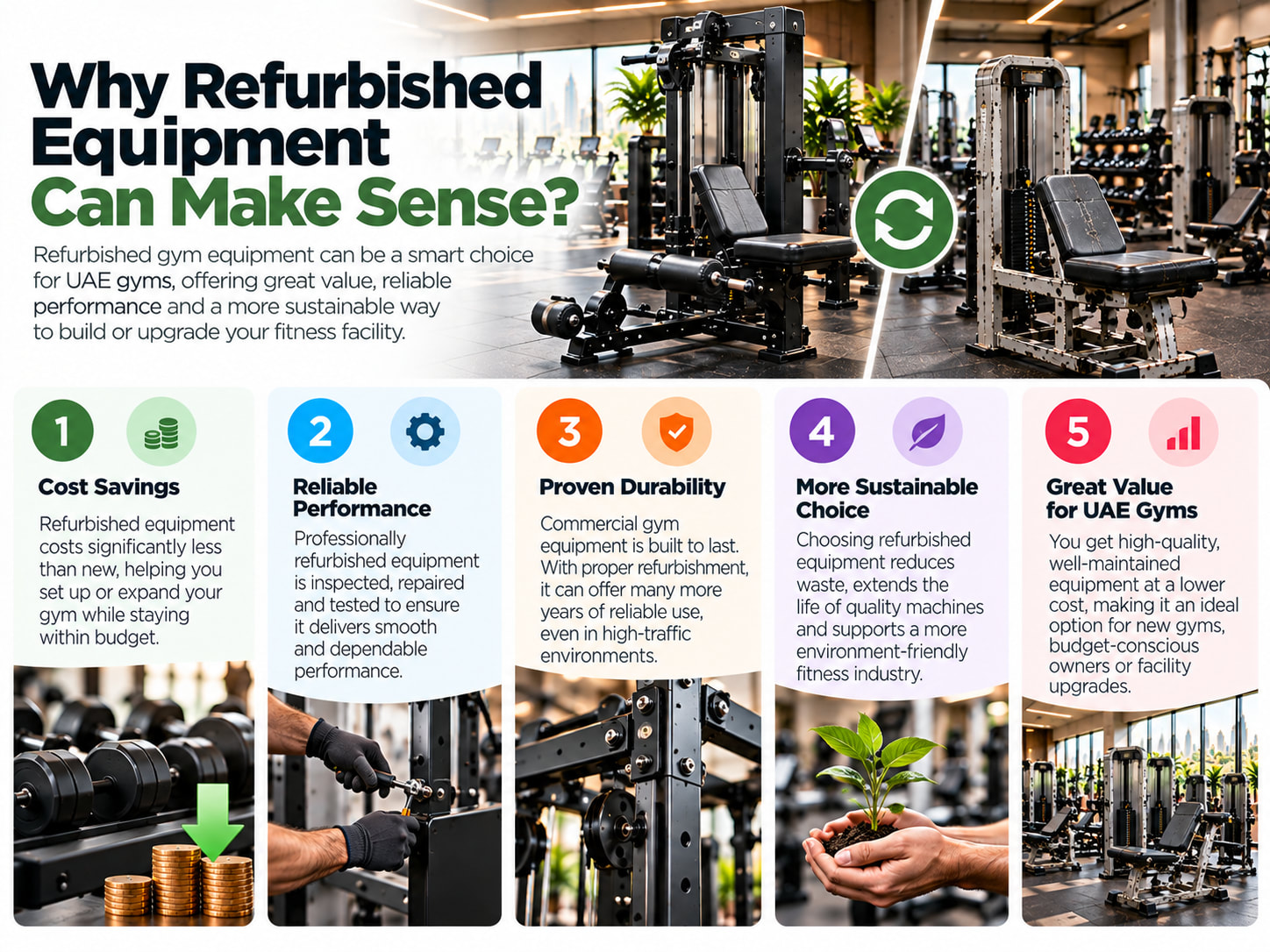
Refurbished equipment may be worth considering during the following scenarios:
- Your budget is limited
- You want commercial-grade equipment at a lower price
- The machine has a good reputation for durability
- The refurbishment work is clearly explained
- Spare parts are available
- The seller provides a reasonable warranty
- The equipment has been properly tested
For example, an older commercial strength machine may still be perfectly useful even if a newer version is available. A basic strength machine has fewer technology-related concerns than a touchscreen cardio machine. This is one reason refurbished strength equipment can sometimes be an attractive option.
Understanding the Condition Grading Factor
If you are buying refurbished equipment, it is advised to check the condition grade. Sellers may use the following common terms:
- Excellent
- Very good
- Good
- Lightly used
- Fully refurbished
- Professionally refurbished
- Reconditioned
There is no universal grading system that every seller follows. One company's ‘excellent’ condition may be different from another company's ‘excellent’ condition. So, experts suggest not to rely on the label alone. Always ask for a proper description. Find out the following:
- How old is the equipment?
- How heavily was it used?
- What parts were replaced?
- What parts were repaired?
- Was the machine tested?
- Is the upholstery original?
- Is the paint original?
- Are there scratches or dents?
- Does everything function as intended?
If possible, inspect the equipment before purchasing.
Cosmetic Condition vs Mechanical Condition
A machine can look older without having a serious mechanical problem. For example, a strength machine may have some scratches on the frame but still work perfectly. The opposite can also happen.
A machine can look very clean while having worn mechanical components. This is why cosmetic appearance should not be the only factor. For refurbished equipment, pay particular attention to the parts that affect operation and safety.
Check the Lifespan of Gym Equipment
Every piece of gym equipment has a useful working life, but there is no single number that applies to every machine. Its lifespan depends on the following factors:
- Brand
- Model
- Construction
- Frequency of use
- Maintenance
- Environment
- Previous usage
- Quality of repairs
- Availability of replacement parts
A commercial treadmill that has been heavily used for years may have experienced much more wear than a treadmill used occasionally in a home.
Similarly, a commercial strength machine may remain useful for a long time if its frame is strong and moving parts have been properly maintained.
When buying refurbished equipment, ask about its age and previous usage. If the seller cannot provide basic information about the machine's history, take extra care before purchasing.
Why Does Cardio Equipment Need Extra Attention?
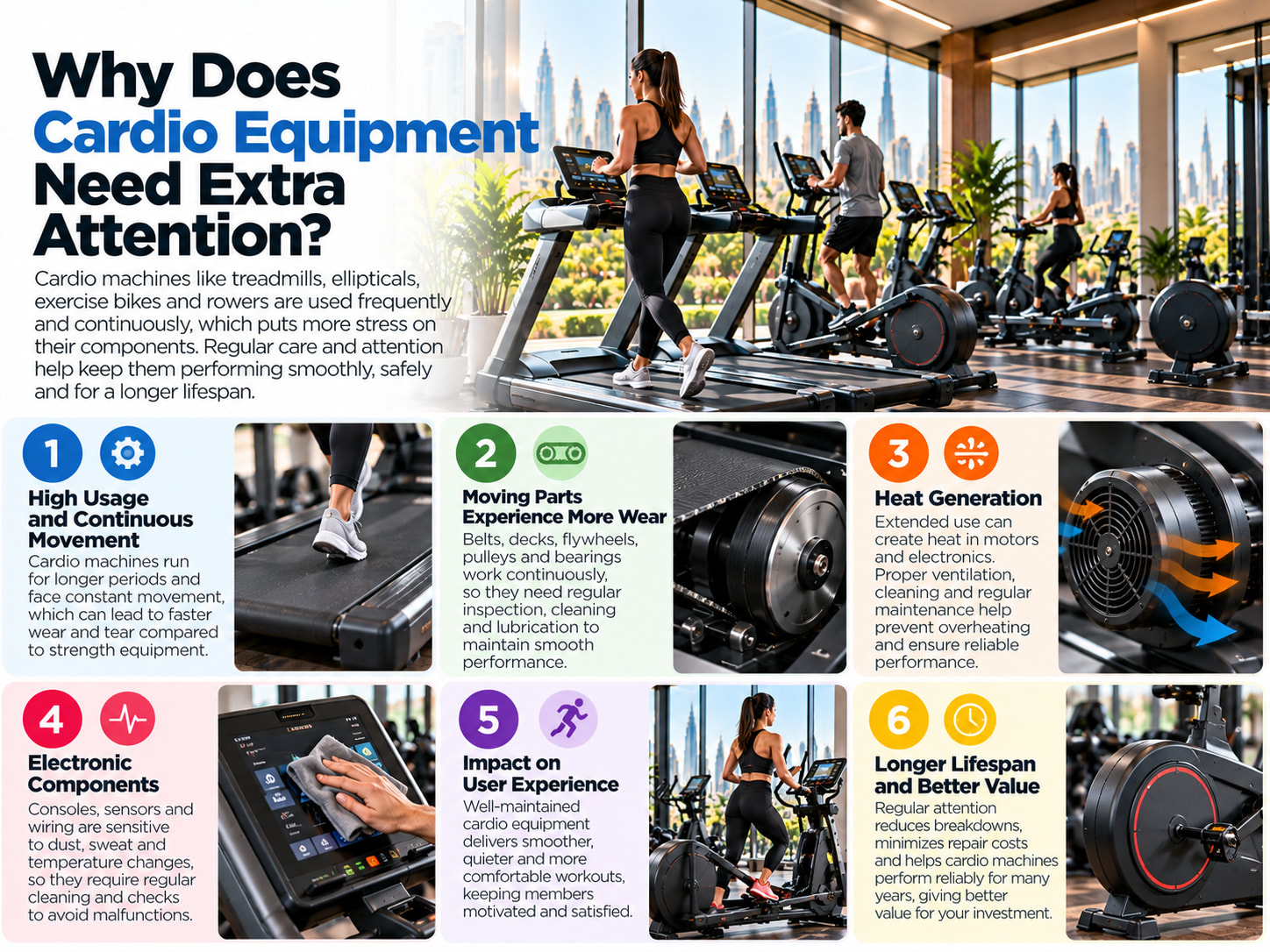
- Motor condition
- Running belt
- Deck
- Rollers
- Display
- Buttons
- Incline system
- Resistance system
- Power connection
- Emergency stop
- Moving joints
A treadmill may look excellent, but still require an expensive motor or belt replacement. Ask whether these parts have been inspected or replaced.
For electronic equipment, also check whether replacement consoles or control boards are still available. An older cardio machine may become difficult to repair if the manufacturer no longer supports its electronic components.
Pay Extra Attention to Strength Equipment
Strength equipment is often easier to evaluate because it may have fewer electronic components. When buying refurbished strength equipment, inspect the below things:
- Frame
- Welds
- Cables
- Pulleys
- Bearings
- Weight stacks
- Pins
- Handles
- Upholstery
- Adjustment points
Check that the machine moves smoothly and that all adjustments are working properly. For racks and benches, pay close attention to stability. Do not overlook small components. A worn cable or even a damaged adjustment pin may affect the safe operation of the equipment.
Safely Aspect Should Always Come First
Price should never be the first priority when safety is involved. Whether you buy new or refurbished equipment, make sure it is suitable for the intended use.
For refurbished equipment, ask whether it has been inspected and tested after refurbishment. Important areas include the following points:
- Structural condition
- Moving parts
- Cables
- Safety stops
- Adjustment mechanisms
- Electrical components
- Emergency systems
- Weight capacity
For commercial gyms, equipment can be used repeatedly by people with different levels of experience. A machine that is suitable for occasional home use may not be appropriate for heavy commercial use. Always check the manufacturer's specifications where available.
What are Some of the Warranty Questions to Ask?
Warranty is one of the most important differences to check. New equipment often comes with a manufacturer or dealer warranty, but the exact coverage can vary.
Refurbished equipment may have a shorter warranty or a warranty provided by the refurbishing company rather than the original manufacturer. Ask the following questions:
- How long is the warranty?
- What parts are covered?
- Is labour included?
- Is travel included for service calls?
- Are electronic components covered?
- Are cables and wear parts covered?
- What happens if the machine cannot be repaired?
- Who handles the warranty claim?
- Where is the service team located?
- Are spare parts available locally?
Never assume that ‘warranty included’ means everything is covered. Read the actual terms before the purchase.
Why Should Spare Parts Support be Prioritized?
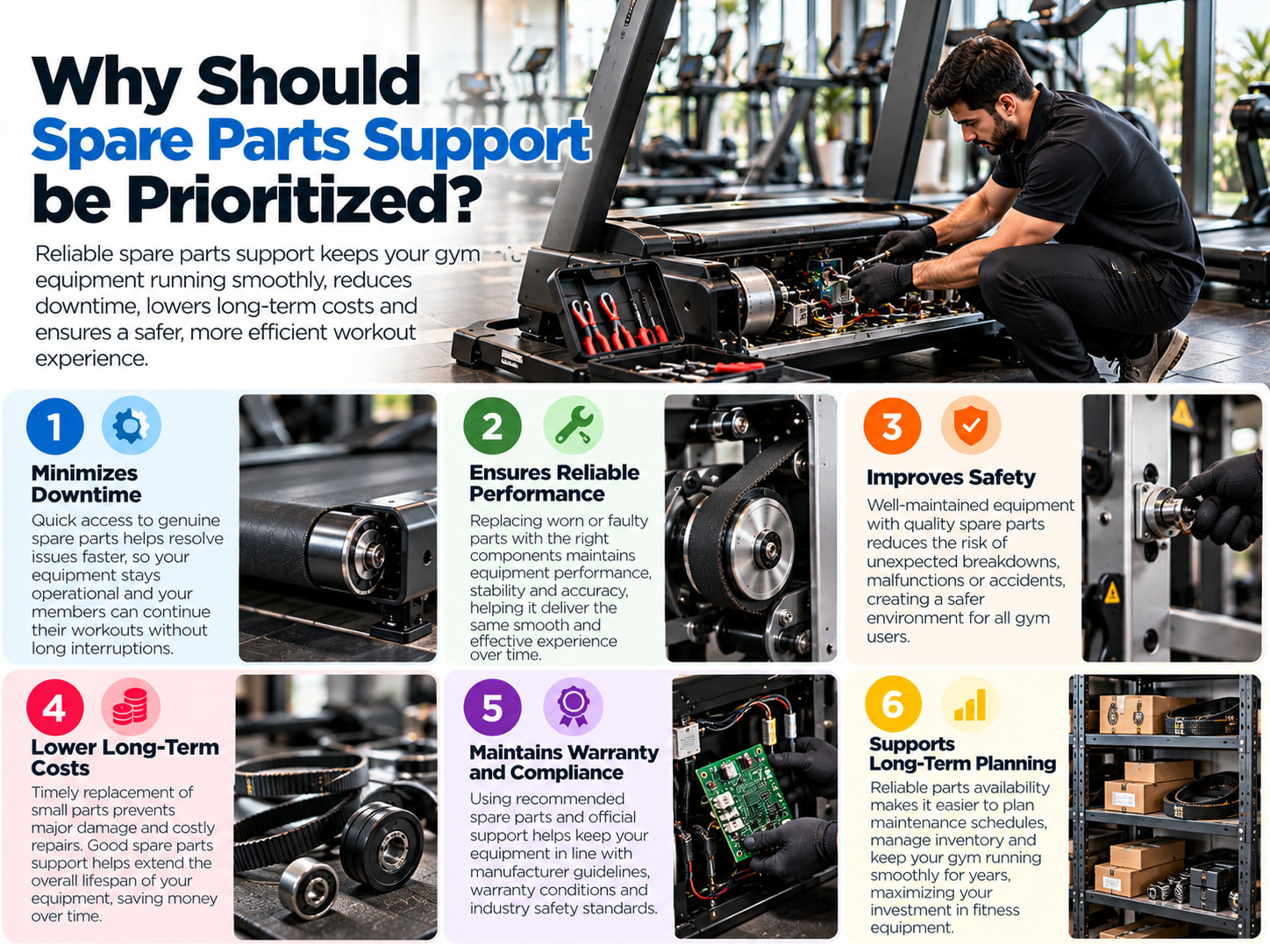
Spare-parts availability is important for refurbished equipment. A machine can be in excellent condition today, but parts will eventually wear out. Before purchasing, check whether common replacement parts are available. These may include:
- Belts
- Cables
- Rollers
- Bearings
- Pins
- Upholstery
- Handles
- Batteries
- Consoles
- Motor components
For older equipment, ask whether the manufacturer still supports the model. If parts are discontinued, even a minor repair can become difficult.
All About Equipment Maintenance Costs
Maintenance is part of the ownership cost. New equipment may have lower repair requirements during its early years, although regular preventive maintenance is still important. Refurbished equipment may need more attention depending on its age and previous usage.
This does not mean every refurbished machine will be expensive to maintain. A well-maintained older machine can perform very well. The key is to understand its condition before buying. Ask the seller for any available maintenance history.
What Should You Know About the Total Cost of Ownership?
Total cost of ownership is a better way to compare new and refurbished equipment. Imagine two treadmills. The new treadmill costs more upfront, but includes a longer warranty and has minimal expected repairs during the first few years.
The refurbished treadmill costs less, but needs a belt replacement after the first year. The refurbished option may still be cheaper overall, but you need to include the repair in your calculation. Think about the following aspects:
- Purchase price
- Delivery and installation
- Maintenance
- Repairs
- Spare parts
- Downtime
- Resale value
Note That Equipment Downtime Has a Cost
For a commercial gym, a broken machine is more than a repair bill. If a popular treadmill is unavailable for several days, members may have to wait for another machine.
If several strength machines are out of service, it can affect the training experience. This is why reliability and service response time matter.
When comparing new and refurbished equipment, check how quickly repairs can normally be handled. A slightly more expensive machine with reliable local service may be better value than a cheaper machine that takes weeks to repair.
Why Does Buying From a Reliable Supplier Matter?
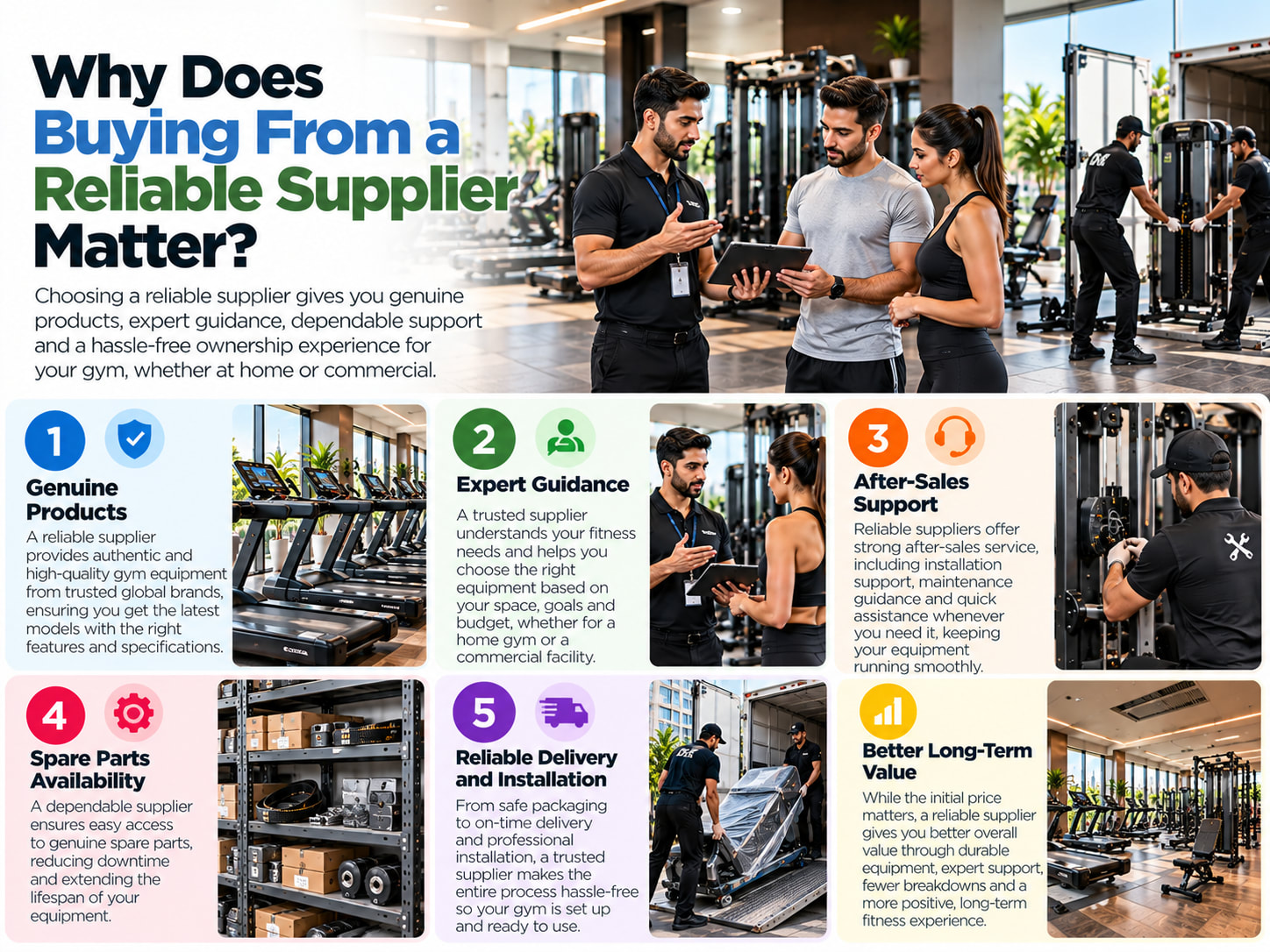
The supplier always matters almost as much as the equipment. A reliable supplier should be able to explain the below aspects:
- Equipment condition
- Refurbishment work
- Warranty
- Spare parts
- Installation
- Maintenance
- Service support
Be careful with equipment where the seller cannot answer basic questions. If possible, inspect refurbished equipment before making a major purchase. For larger commercial projects, ask for equipment specifications and service details in writing.
Should You Buy a Complete Refurbished Gym?
A complete refurbished equipment package can be attractive for a new gym. You may be able to get the following at a lower initial cost than buying everything new:
- Cardio equipment
- Strength machines
- Benches
- Racks
- Dumbbells
- Plates
However, you need to inspect every item individually. Do not assume that because one machine is in excellent condition, the entire package is equally good. Check the age, condition and support availability of each machine. Sometimes, it makes sense to buy a mixture of new and refurbished equipment.
A Mixed Approach Has Chances to Work Well
You do not have to choose one option for the entire gym. For example, you could buy new:
- Treadmills
- Ellipticals
- Functional trainers
And choose refurbished:
- Benches
- Dumbbells
- Weight plates
- Certain strength machines
This approach can help control the initial investment while putting new equipment where technology, warranty and reliability are more important. The right combination depends on your gym concept and budget.
New vs Refurbished for a Home Gym
The decision can be different for home users. A home gym usually has fewer users and lower daily equipment usage. A refurbished treadmill or strength machine may therefore provide good value if it is in good condition.
However, space factor is also important. Before buying a large used machine, make sure it fits comfortably in the available room and can be delivered through the entrance.
New vs Refurbished for a Commercial Gym
Commercial gyms have different requirements. Equipment may be used for many hours every day. For this reason, commercial-grade construction, service support and spare-parts availability are especially important.
A refurbished machine can still be suitable, but it should be carefully inspected. The seller should be able to explain its condition and refurbishment process.
Questions to Ask Before Buying Refurbished Equipment
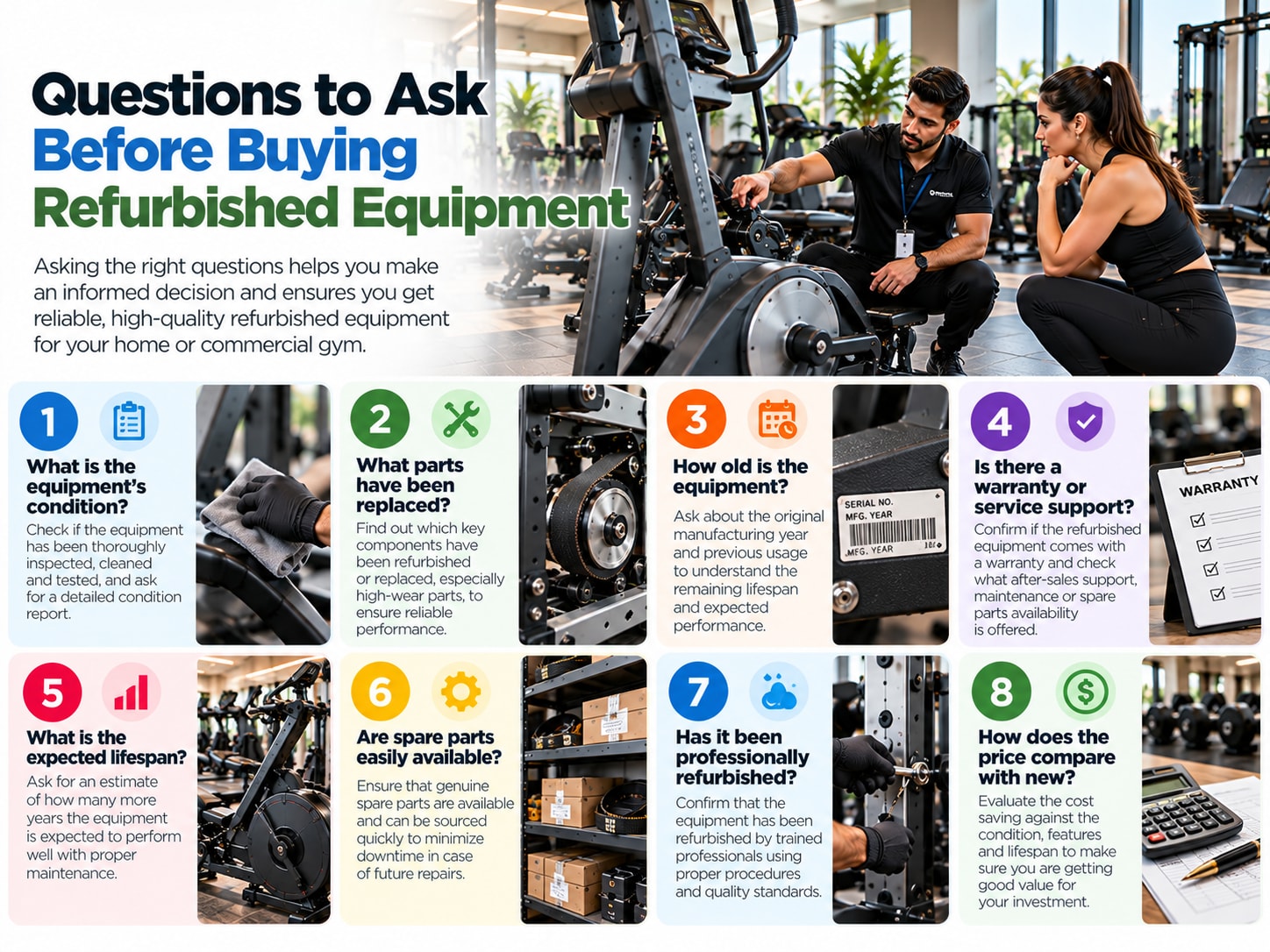
Before making a purchase, ask the following questions:
- How old is the equipment?
- Where was it previously used?
- How heavily was it used?
- What parts have been replaced?
- What parts were repaired?
- Has the equipment been fully tested?
- What is the warranty period?
- Are spare parts available?
- Is installation included?
- Is after-sales service available?
- Are there visible signs of wear?
- What is the expected remaining lifespan?
- Can I inspect the equipment?
- What happens if a major fault appears after delivery?
Clear answers to these questions can help you make a much safer purchase decision.
Check Out This Simple Buying Checklist
Before choosing new or refurbished equipment, compare the following basic points:
Condition
- New
- Refurbished
- Age
- Previous usage
- Condition grade
Cost
- Purchase price
- Delivery
- Installation
- Maintenance
- Repairs
- Spare parts
Lifespan
- Expected remaining life
- Equipment usage
- Manufacturer support
- Parts availability
Safety
- Frame condition
- Cables
- Moving parts
- Safety systems
- Weight capacity
Warranty
- Length
- Parts covered
- Labour covered
- Service response
Support
- Local service
- Spare parts
- Preventive maintenance
- Repair support
Qatar fitness enthusiasts can visit Lifetime Fitness Store for superior-quality gym equipment, advanced features, trusted brands, competitive offers, expert support, and reliable delivery for both home and commercial fitness needs.
Conclusion
Choosing between new and refurbished gym equipment does not have to come down to price alone. New equipment can provide peace of mind, newer features, longer expected life and stronger warranty support. It can be a good choice when reliability and long-term use are the main priorities.
Refurbished equipment can help reduce the initial investment and may offer excellent value when it comes from a reliable supplier and has been properly inspected and restored. The important thing is to know what exactly you are buying.
Check the equipment's age, condition, previous use, replacement parts, warranty and expected lifespan. For cardio equipment, pay particular attention to motors, belts, electronics and moving components. For strength equipment, inspect frames, cables, pulleys, adjustment points and upholstery.
It is advised to look at the total cost of ownership, not just the price on the quotation. A cheaper machine is not necessarily cheaper in the long run if it requires frequent repairs or spends too much time out of service.
At the same time, buying new does not automatically guarantee that a machine will be the best investment. For a commercial gym, a combination of new and refurbished equipment may sometimes provide the right balance between budget, reliability and equipment quality.
 Get a weekly dose of latest stories
and useful tips directly in your inbox!
Get a weekly dose of latest stories
and useful tips directly in your inbox!


 0
0