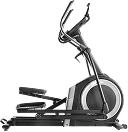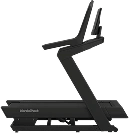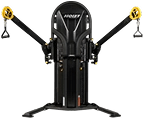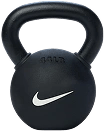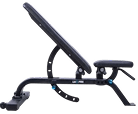




No matter how big a fitness freak you are, you may not want to workout in a gym where cleanliness has gone for a toss.The last thing you want to experience in a home gym or a commercial gym is an untidy ambience.
A neat and organized gym is not only comfortable to use, but looks professional and offers a wholesome experience for members. Be it any kind of gym, thorough cleaning of equipment should be part of your regular routine.
It is known that all gym equipment comes into contact with sweat, skin oils, dust and dirt every day. Equipment like treadmill handles, dumbbells, benches, machine grips and exercise mats can collect residue through regular use.
In busy gyms, these surfaces may be touched by several dozens of people daily. When it comes to GCC, cleaning requires a little more attention, thanks to the high temperature. With regard to the equipment in coastal areas, the less said, the better.
Cleaning gym equipment is not just about spraying disinfectant on every surface. There are too many practical factors to consider. For instance, using the wrong product or too much liquid can damage screens, upholstery, rubber grips and metal components.
The ideal approach is to use suitable cleaning products, follow the equipment manufacturer's instructions and create a routine that staff and gym members can follow easily.
This blog explains about the various ways to clean gym equipment safely, suggests which products to use, offers guidance on what to avoid and how to maintain a hygienic gym environment.
Why Is Proper Gym Equipment Cleaning Important?
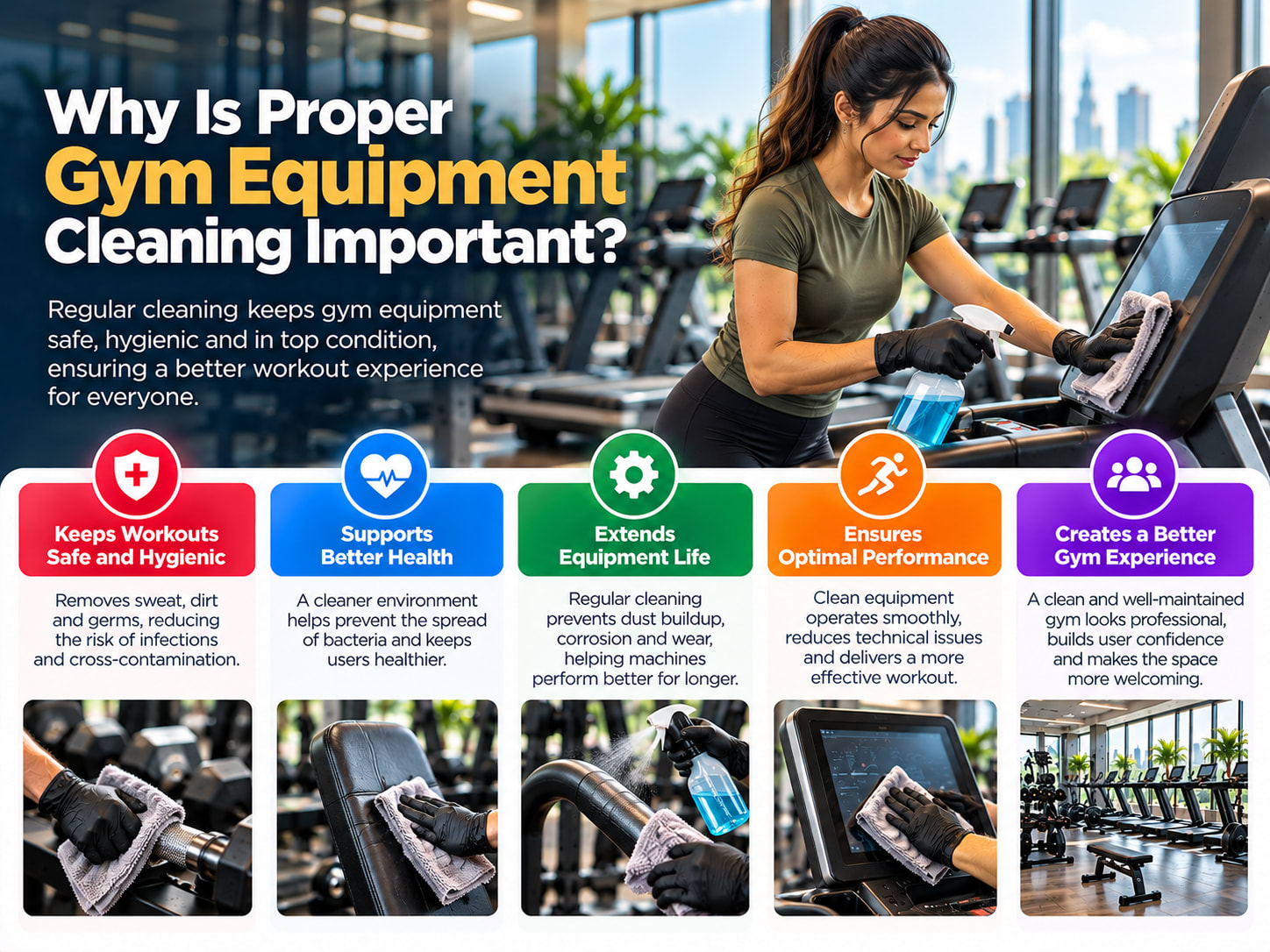
Cleaning gym equipment helps remove sweat, dust, dirt and other residue that builds up during exercise. Disinfecting suitable surfaces can also reduce the spread of germs between users when carried out correctly.
Needless to say, a clean environment improves the overall appearance of a gym. Members are likely to feel comfortable when the equipment looks well maintained and the shared facilities are clean.
Regular cleaning can also help protect your equipment. For example, sweat left on metal parts may contribute to corrosion, while dirt can build up around adjustment mechanisms and moving components. A good cleaning routine helps achieve the following:
- Keep frequently touched surfaces clean.
- Reduce the spread of germs between users.
- Protect screens, grips, seats and other equipment surfaces.
- Prevent sweat and dirt from building up.
- Maintain a professional gym environment.
- Identify visible damage during cleaning.
- Keep shared facilities more hygienic.
Cleaning vs Disinfecting: What Is the Difference?
Cleaning and disinfecting are related, but the processes are not the same. Cleaning removes visible dirt, sweat, dust and other residue from a surface. It involves a suitable cleaner, a cloth and water.
On the other hand, disinfecting uses a product designed to kill specific germs on a surface. The product must be suitable for that surface and used only according to specific instructions.
For example, wiping a treadmill handrail with an appropriate cleaner removes sweat and dirt. Using a compatible disinfectant according to its instructions can provide an additional level of hygiene.
A dirty surface may interfere with the effectiveness of some disinfectants. Where the product instructions require it, clean the surface before disinfecting. Disinfectants often need to remain wet for a specified contact time. Wiping them off immediately may prevent the product from working effectively.
For everyday gym cleaning, follow the equipment manufacturer's guidance and the cleaning product label rather than using the same procedure for every surface.
What Cleaning Products Are Safe for Gym Equipment?
There is no universal cleaning product that is suitable for every part of a gym machine. A product that works well on a metal handle may damage a touchscreen or dry out a padded seat. Before using a new cleaner, check the equipment manual and the product label.
1. Mild Cleaning Solutions
A mild, equipment-compatible cleaner is often suitable for removing everyday dirt and sweat. It can be used on hard surfaces, provided the manufacturer permits it. Avoid assuming that every household cleaner is safe for gym equipment. Strong chemicals can affect finishes, rubber, plastics and upholstery.
2. Equipment-Safe Disinfectants
Choose a disinfectant that is approved for the surface you intend to clean. For example, a product suitable for hard, non-porous surfaces may not be suitable for leather-like upholstery or electronic displays.
3. Soft Microfibre Cloths
Microfibre cloths are useful for removing dust, fingerprints and sweat from many surfaces. Use separate cloths for different cleaning tasks, such as equipment, floors and shared washroom areas. This helps prevent dirt from being transferred from one surface to another.
4. Suitable Floor Cleaners
Rubber gym flooring and exercise mats should be cleaned with products that are compatible with the material. Some chemicals can cause discolouration, leave a slippery residue or affect the rubber over time. Always check the flooring manufacturer's recommendations.
Products to Avoid in Gym Equipment Sanitization
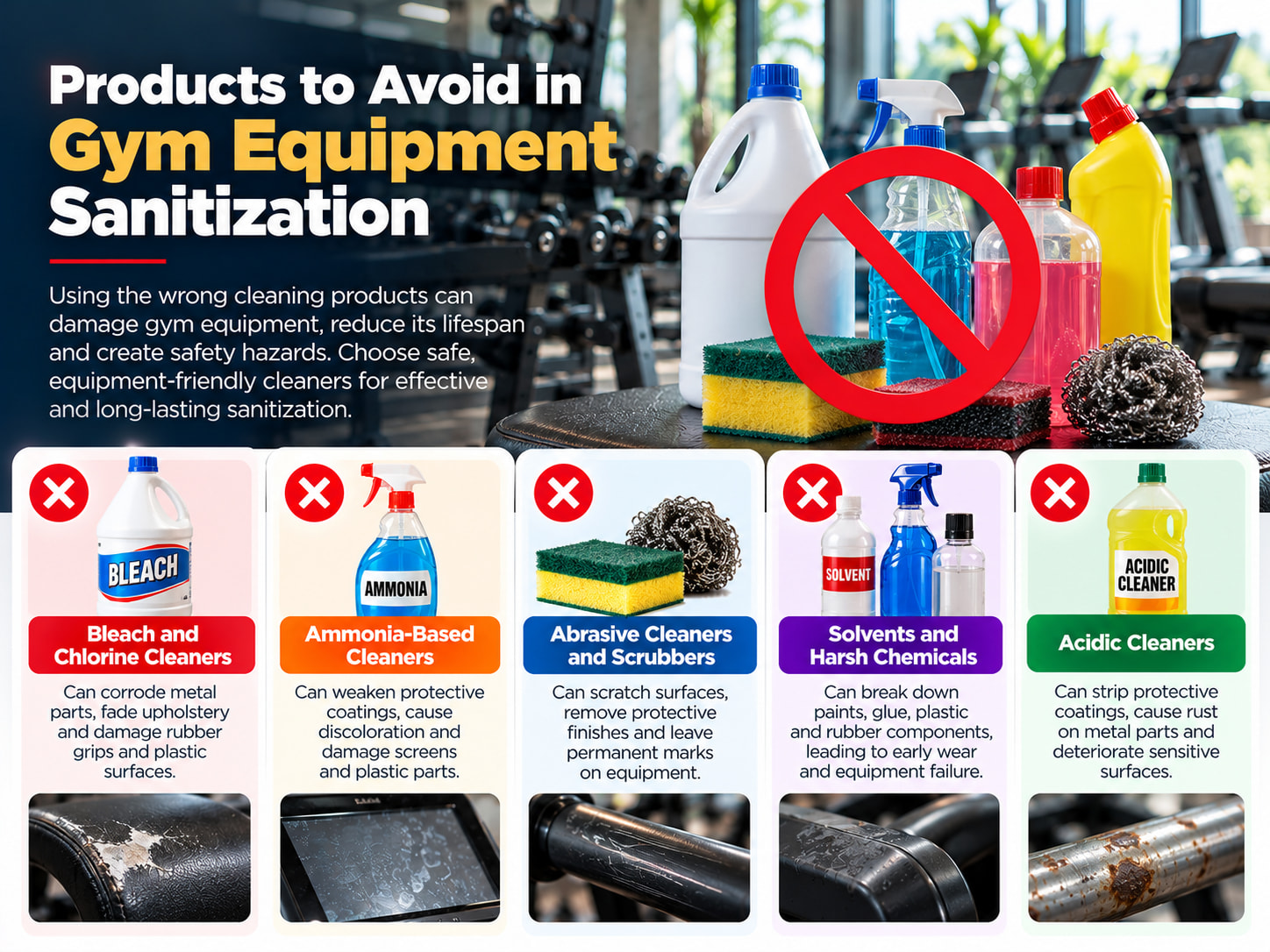
Be careful with the following products while cleaning gym equipment:
- Strong bleach solutions
- Harsh solvents
- Abrasive cleaners
- Unapproved alcohol-based products
- Household glass cleaners on electronic screens
- Products containing ingredients that can damage rubber or plastics.
- Excessively concentrated cleaning solutions
Some of these products may be suitable for specific surfaces in certain circumstances, but they should not be used on gym equipment without checking compatibility first. Never mix cleaning chemicals. Mixing products can produce dangerous fumes or other harmful reactions.
How to Clean Treadmills Safely: A Step-by-Step Guide
Treadmills are among the most frequently used machines in many gyms. Their handles, console screens, buttons and frames collect fingerprints, sweat and dust. Since they contain electrical components and moving parts, cleaning requires utmost care.
Step 1: Stop the Treadmill
Stop the machine before cleaning. Follow the manufacturer's instructions for switching it off and disconnecting power when required. Do not clean around moving parts while the treadmill is operating.
Step 2: Clean the Handrails
Wipe the handrails with a soft cloth and a compatible cleaning product. Pay attention to areas where users place their hands. Remove visible sweat and residue without soaking the surface.
Step 3: Clean the Console
Use a soft, slightly damp cloth or a screen-safe product approved by the manufacturer. Never spray liquid directly onto the display, buttons or console openings. Liquid can enter the equipment and damage electronic components.
Step 4: Wipe the Frame
Clean the outer frame and other approved surfaces. Remove dust and sweat, then dry the area if necessary.
Step 5: Check the Running Area
Remove loose dust and debris around the treadmill. Keep cleaning liquid away from the belt, motor and electrical components unless the manufacturer's instructions specifically allow its use. Do not apply disinfectant to the running belt unless the manufacturer confirms it is suitable.
How to Clean Touchscreens and Electronic Displays?
Modern treadmills, ellipticals, exercise bikes and other machines may have large touchscreens or digital consoles. These surfaces need special care because some cleaning chemicals can damage protective coatings. Use the following procedure for the same:
- Turn off the display or machine as directed by the manufacturer.
- Remove loose dust with a soft, lint-free cloth.
- Use a screen cleaner approved for that particular display, if needed.
- Apply the product to the cloth rather than spraying it directly onto the screen, unless the manufacturer explicitly instructs otherwise.
- Wipe gently without applying excessive pressure.
- Allow the surface to dry before switching the machine back on.
Avoid rough clothes, abrasive pads and excessive moisture. Do not allow liquid to enter buttons, seams, charging ports or ventilation openings.
For commercial gyms, staff should have a separate supply of screen-safe cloths and cleaning products. This makes it less likely that a general-purpose cleaner will be used on an expensive display.
How to Clean Gym Upholstery and Seats?
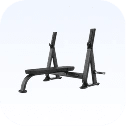
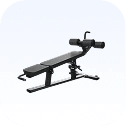
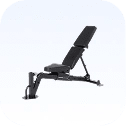
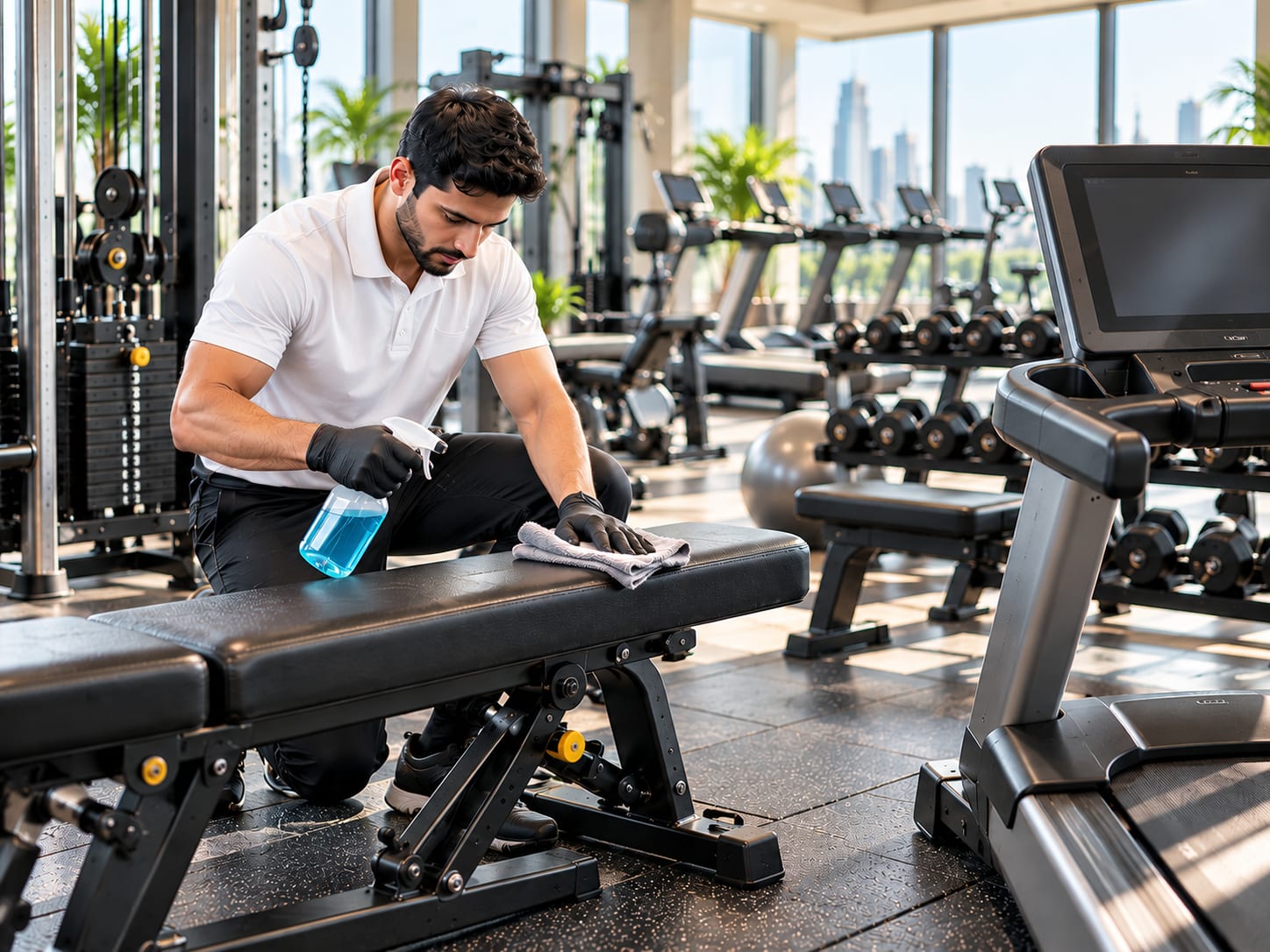
Gym benches and strength machine seats come into frequent contact with sweat and skin oils. Over time, these can leave marks, unpleasant smells and residue on the upholstery.
Start by removing dust and loose dirt with a soft cloth. Then wipe the surface using a compatible cleaner according to the equipment manufacturer's instructions. Pay attention to the following things:
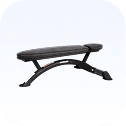
- Flat and incline benches.
- Strength machine seats.
- Backrests and pads.
- Leg pads.
- Arm supports.
- Upholstered adjustment areas.
It is advised not to soak the padding. Excess moisture can enter seams and may affect the material underneath. Avoid harsh chemicals that can dry out, crack or discolour the upholstery.
After cleaning, check for tears, loose stitching and exposed foam. Damaged upholstery is harder to clean properly and may need repair or replacement. For heavily used commercial equipment, wiping the seats after use and carrying out a thorough cleaning each day can help keep the surfaces in good condition.
All About Cleaning Metal Rails, Handles and Frames
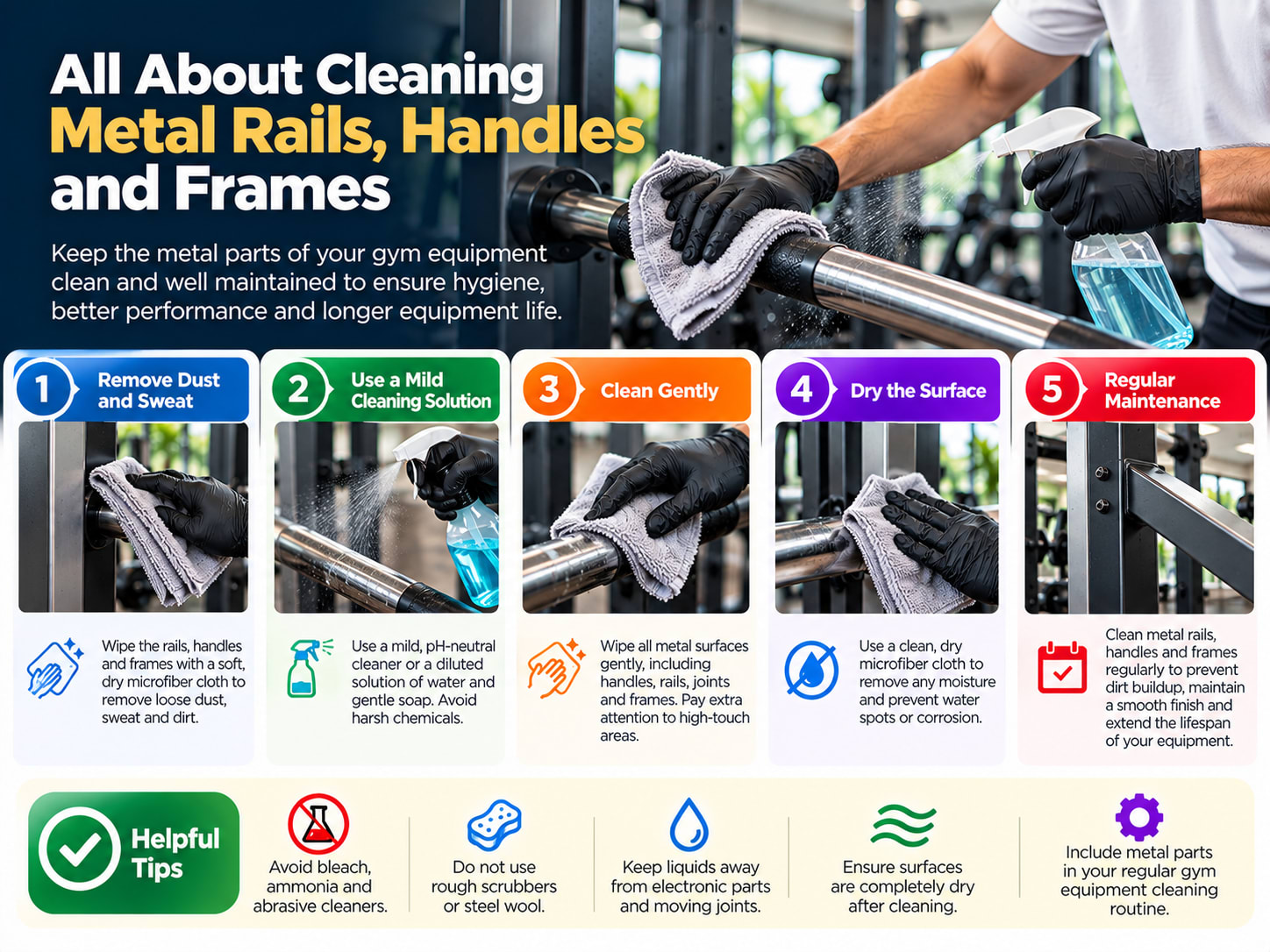
Metal parts are found throughout the gym, from cable machine frames to treadmill handrails and weight machine adjustment bars. These surfaces often collect sweat and fingerprints.
Always use a compatible cleaner and a soft cloth to remove the residue. Dry the surface where required, especially around joints, fasteners and areas where moisture could remain trapped.
Do not assume every metal part is made from stainless steel. Painted steel, coated metal and other finishes may react differently to cleaning chemicals. Look for early signs of corrosion, including discolouration, rough patches and visible rust.
If you find corrosion on a structural or load-bearing component, do an assessment rather than simply wiping it clean and continuing to use the equipment. Avoid spraying cleaning liquid into bearings, joints, cable paths or other moving parts. These areas may require specific maintenance procedures.
How to Clean Rubber Grips and Handles?
Rubber grips are common on dumbbells, cable attachments, cardio machines and strength equipment. They can become slippery or sticky when sweat and dirt build up.
Wipe the grips with a soft cloth and a compatible cleaner. If the surface has grooves or textured patterns, use a soft brush where the manufacturer permits it. Avoid abrasive tools that can damage the surface.
Do not leave cleaning solution on the grip if the product instructions require rinsing or wiping it off. Residue may affect the feel of the handle. After cleaning, check for cracks, loose coverings or areas where the grip is beginning to break down.
All About Cleaning Dumbbells, Barbells and Weight Plates
Free weights are shared by many gym members, so regular cleaning is non-negotiable.
Dumbbells
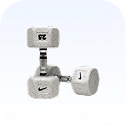
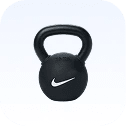
Wipe the handles and weight heads using a cleaner suitable for their materials. Pay extra attention to textured handles, where sweat and dirt can collect.
Barbells
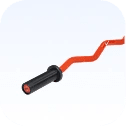
Clean the shaft and other accessible surfaces with an approved product. Dry the bar properly to help prevent corrosion. Avoid flooding the sleeves or bearing areas with liquid. Follow the manufacturer's maintenance instructions for cleaning and lubrication.
Weight Plates
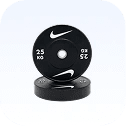
Wipe plates to remove sweat and dirt. Different materials, including rubber-coated plates and bare metal plates, may require different cleaning methods. Inspect the plates for cracks, damage and loose components while cleaning.
Weight Storage Racks
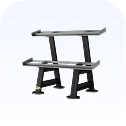
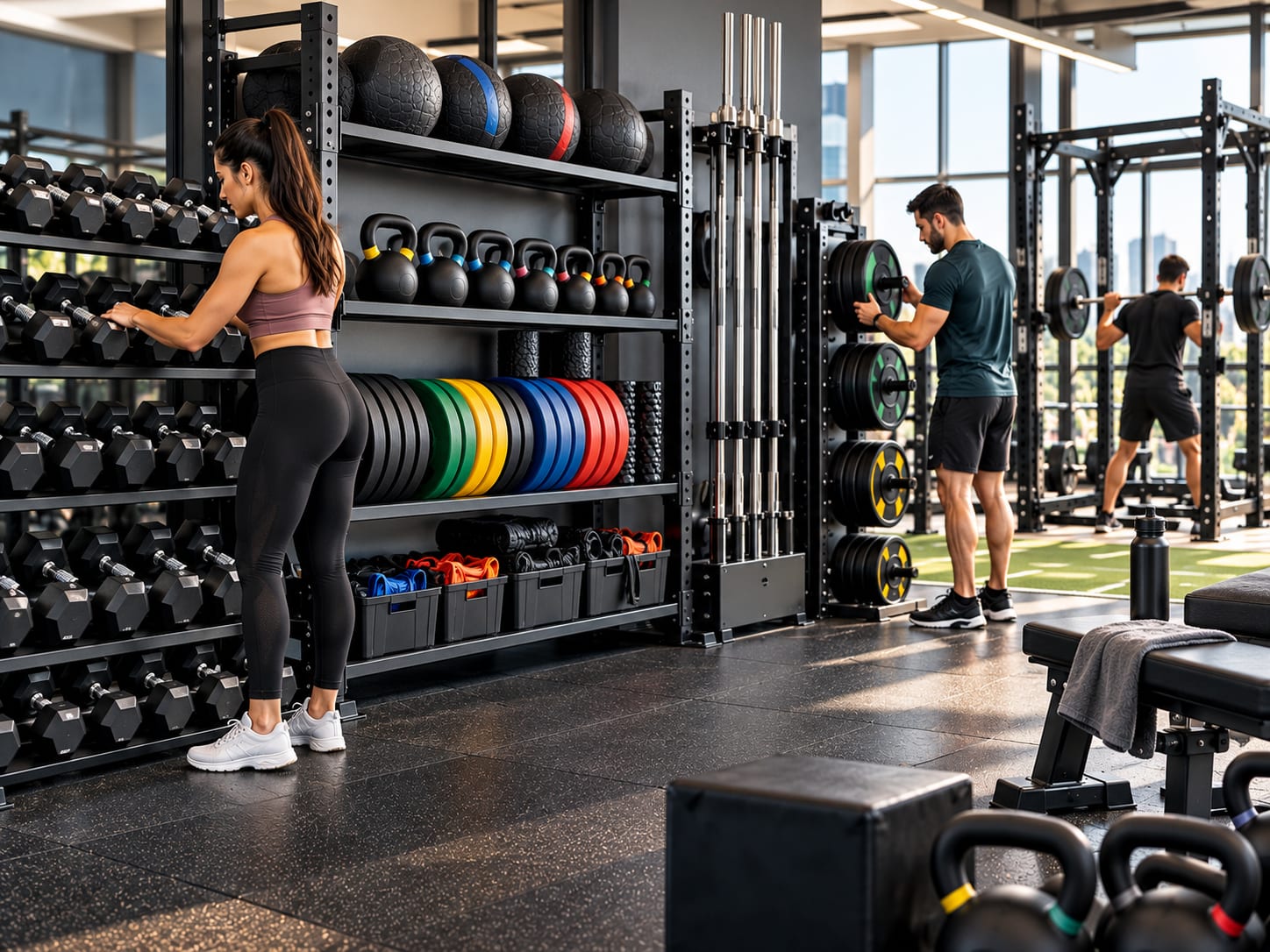
Do not forget the storage racks. Clean the contact points and surfaces where plates and dumbbells are placed. Keeping storage areas clean also helps prevent dust and dirt from spreading across the gym floor.
How to Clean Rubber Gym Flooring and Exercise Mats?
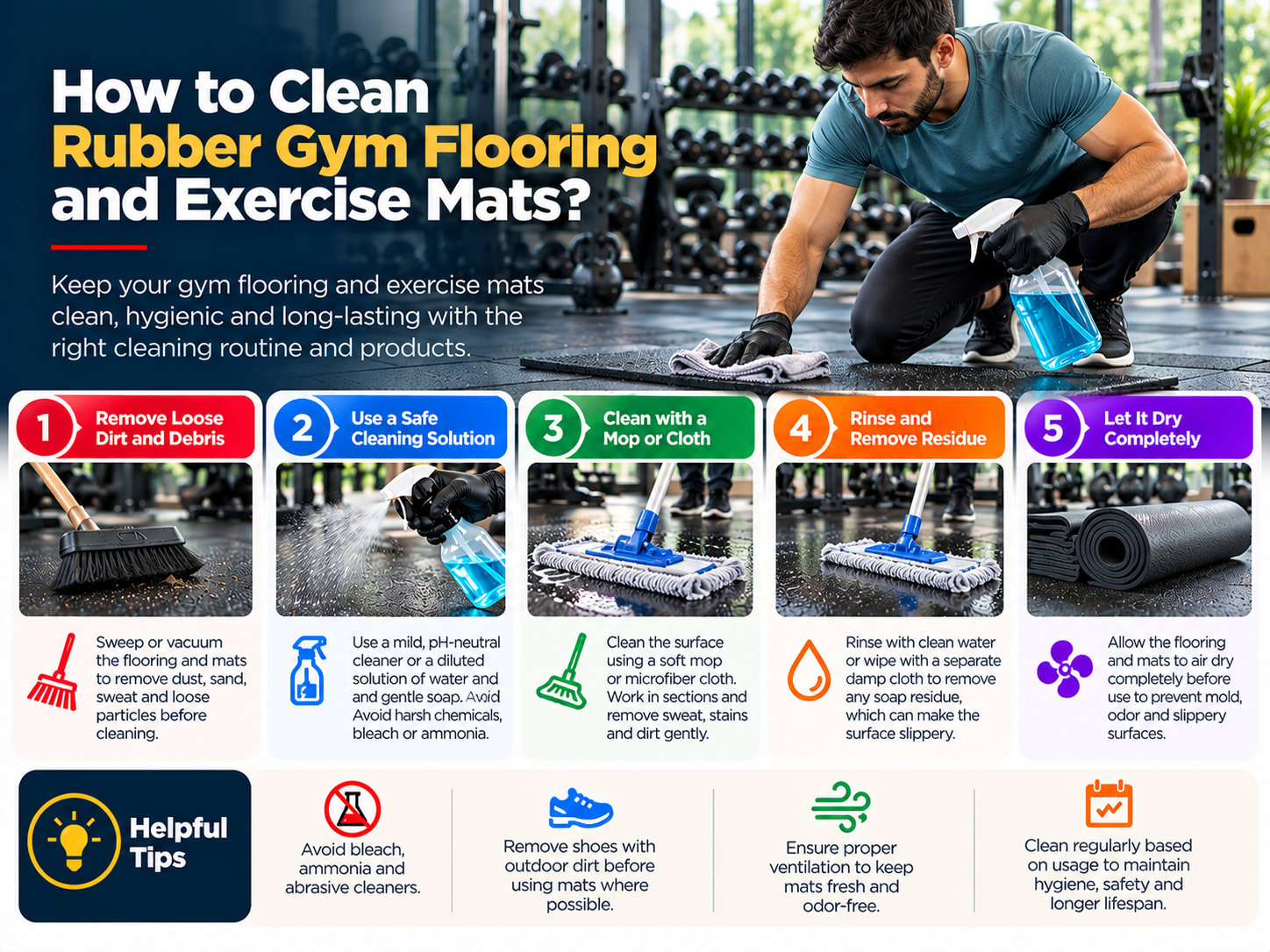
Gym flooring collects dust, sweat, shoe marks and other dirt throughout the day. Cleaning frequency depends on the amount of traffic and the type of training taking place.
Rubber Flooring
Start by removing loose dust and debris with a suitable vacuum or soft broom. Then clean the surface using a flooring-compatible solution. Avoid leaving excess water on the floor, especially around seams and under equipment. Check interlocking tiles and rubber rolls for lifted edges, gaps and damaged areas.
Exercise Mats
Wipe exercise mats after use, particularly when they are shared between members. Use a compatible cleaning product and allow the mat to dry completely before storing or reusing it.
Do not stack damp mats together. Trapped moisture can lead to unpleasant smells and make the mats less pleasant to use. For shared yoga, stretching and floor-exercise areas, establish a clear routine for cleaning mats between users.
How Does GCC Weather Affect Gym Cleaning?
The GCC climate poses a threat for gym owners because of the extreme temperature. Check out how a few following challenges can be dealt with:
Dust
Dust can enter through doors, collect around ventilation areas and settle on equipment frames and consoles. Use regular dusting and suitable vacuuming methods. Avoid blowing dust into the air or pushing it into electrical openings.
Heat
Equipment should be installed in an environment that meets the manufacturer's temperature requirements. Where air-conditioning is used, make sure the space is maintained appropriately. Avoid leaving equipment in direct sunlight or extremely hot areas.
Humidity
Humidity can contribute to moisture-related issues and corrosion, especially in coastal locations or poorly ventilated areas. Dry equipment surfaces after cleaning where appropriate. Check metal components regularly for signs of corrosion.
Heavy Traffic
Busy gyms need a more frequent cleaning routine than lightly used home gyms. During peak hours, high-touch surfaces may need to be wiped more often. Staff should also check shared equipment regularly and replenish cleaning supplies.
Common Gym Cleaning Mistakes to Avoid
Even an effective cleaning routine can cause problems if the wrong methods are used.
- Spraying liquid directly onto electronics: This can allow moisture to enter the display or control panel.
- Using one product on every surface: Screens, upholstery, rubber and metal may have different cleaning requirements.
- Using too much water: Excess moisture can enter seams, joints and electrical openings.
- Ignoring contact time: Some disinfectants need to remain wet for a specified period to work properly.
- Mixing cleaning products: This can produce dangerous chemical reactions or fumes.
- Using dirty cloths: Reusing contaminated cloths across different areas can spread dirt instead of removing it.
- Cleaning without checking the equipment: Visible damage discovered during cleaning should be reported rather than ignored.
- Forgetting the floor and shared facilities: Equipment may be clean, but the gym still needs a complete hygiene routine.
When Should You Seek Professional Help for Cleaning Gym?
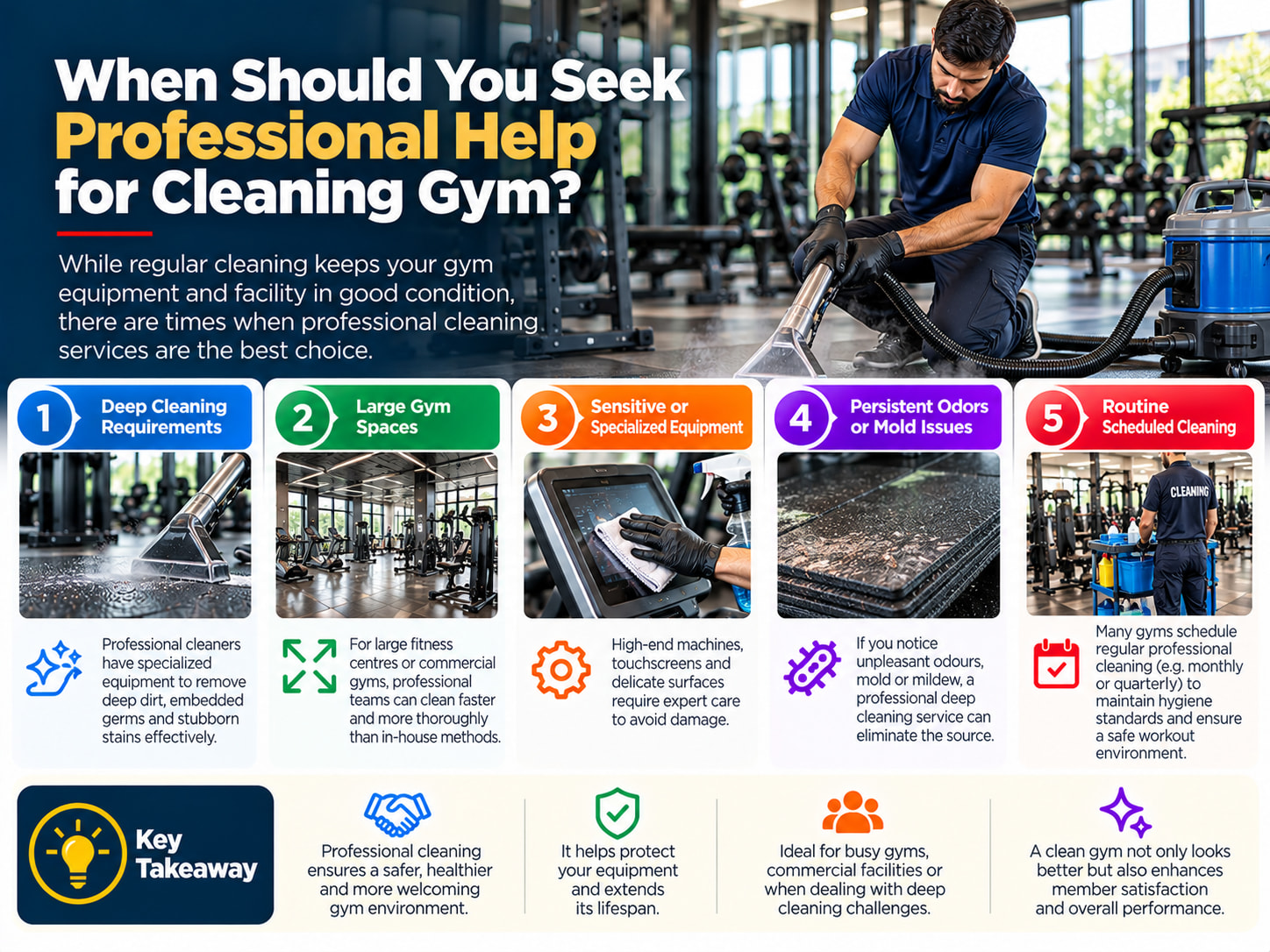
Routine surface cleaning can be handled by trained gym staff, but some problems require professional attention. Arrange an inspection if you notice the following scenarios:
- Electrical problems or damaged power cables.
- Unusual motor sounds.
- Damaged treadmill belts.
- Frayed strength machine cables.
- Corrosion on structural parts.
- Loose or unstable equipment.
- Damaged adjustment mechanisms.
- Persistent problems that return after cleaning.
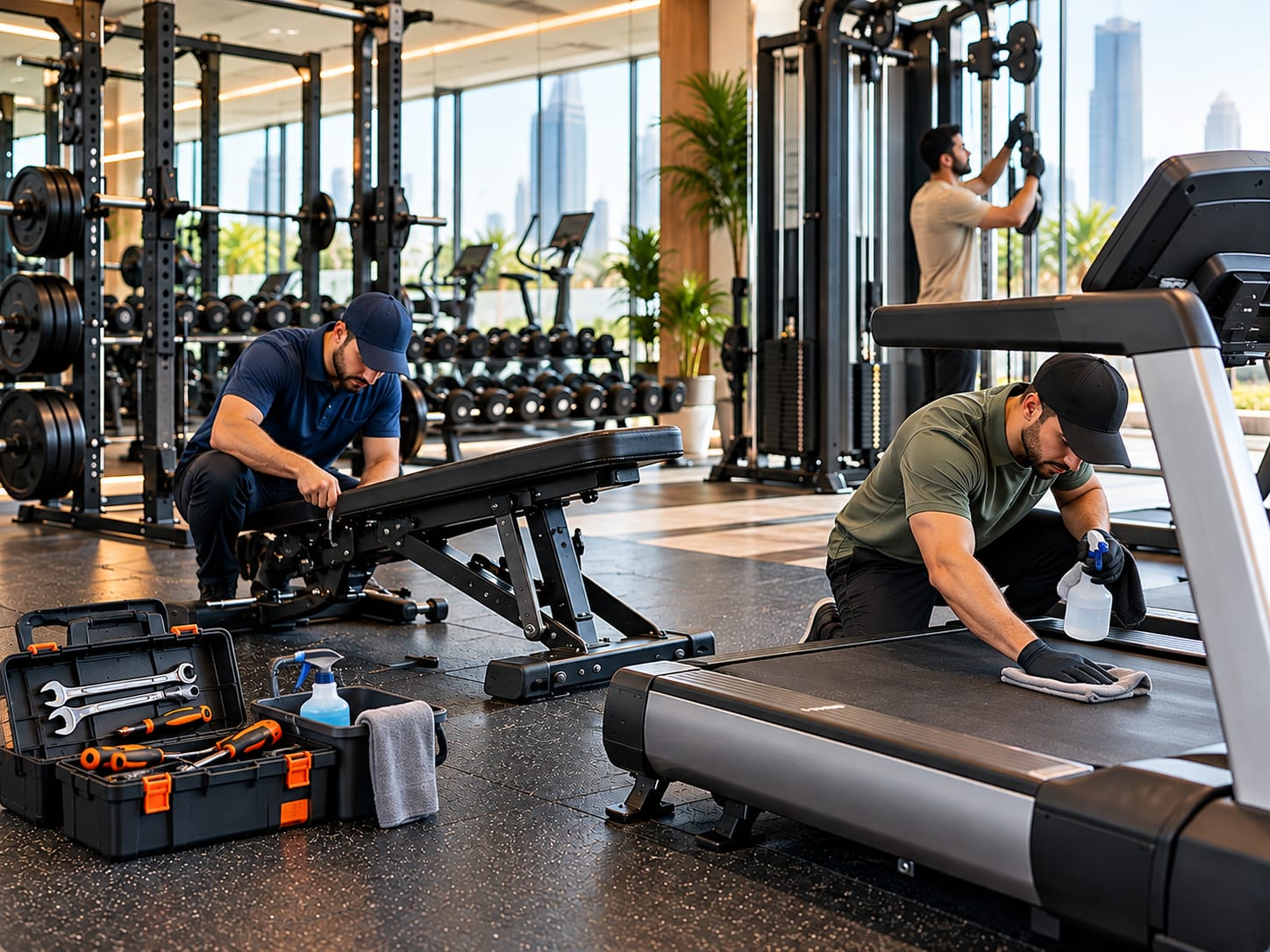
Never open electrical housings or attempt repairs unless you are qualified and authorised to do so. If equipment appears unsafe, stop using it and arrange the necessary inspection or repair.
Fitness enthusiasts across Qatar can choose Lifetime Fitness Store for premium-quality gym equipment, unbeatable offers, trusted brands, expert guidance, reliable delivery, professional installation, and dedicated after-sales support for all their home and commercial fitness needs.
Conclusion
Cleaning gym equipment safely is about using the right products, following the correct procedures and maintaining a consistent routine.
Treadmill screens need different care from rubber grips. Upholstery should not be soaked, metal parts should be dried where necessary, and exercise mats should be cleaned and allowed to dry before reuse. Shared facilities also need regular attention.
For gyms in the GCC, dust, humidity and heavy daily usage make a structured cleaning schedule especially useful. A few minutes of regular cleaning can prevent residue from building up and help keep the gym comfortable for everyone.
Start with the basics: clean frequently touched surfaces, use equipment-compatible products, avoid excessive moisture and check for visible damage. Give staff clear instructions and make sure suitable cleaning supplies are always available.
Most importantly, remember that cleaning, disinfecting and equipment maintenance are different tasks. Each plays a role in keeping your gym hygienic, safe and ready for daily use.
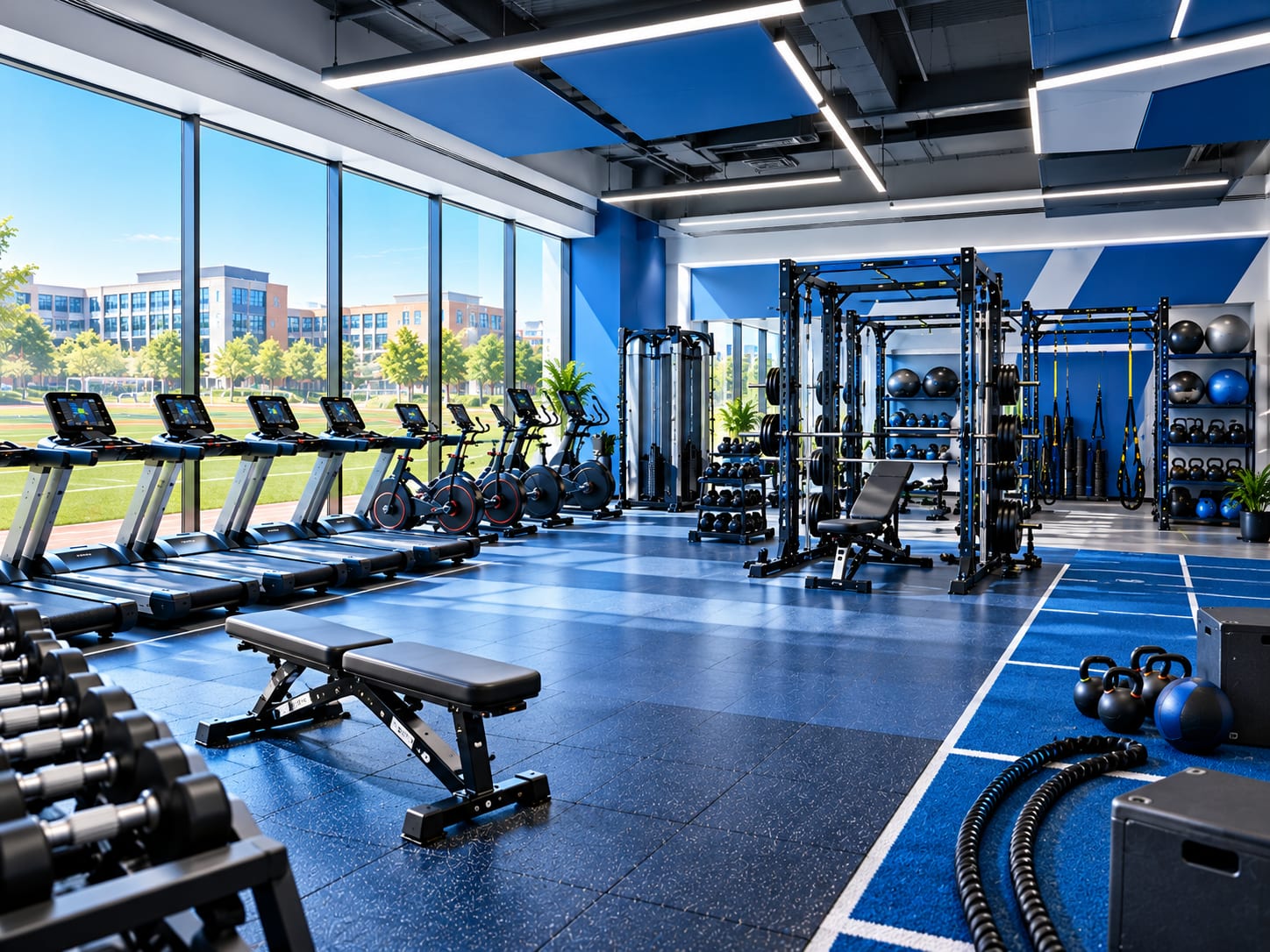
With the right routine, you can protect your equipment, create a better experience for members and keep your fitness space looking professional throughout the year.
 Get a weekly dose of latest stories
and useful tips directly in your inbox!
Get a weekly dose of latest stories
and useful tips directly in your inbox!


 0
0