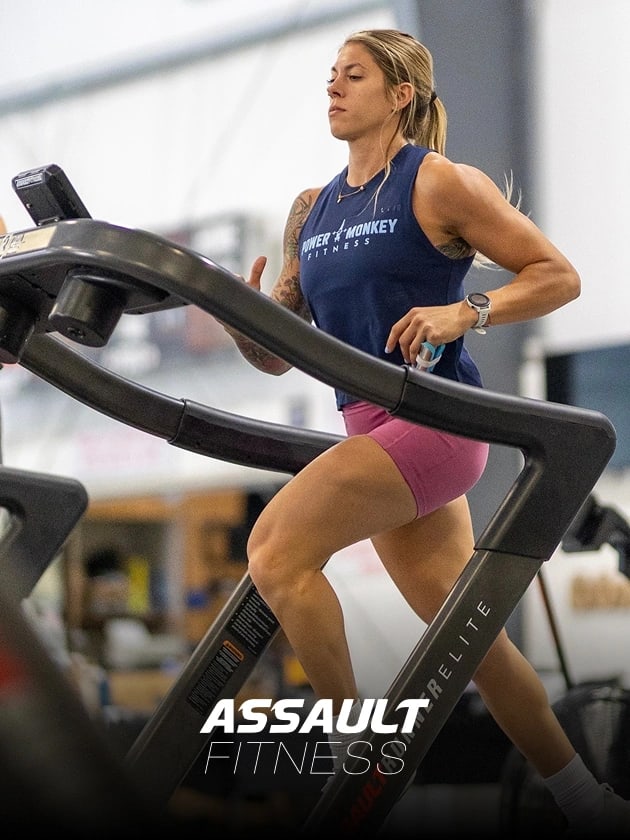




An exercise bike is one of the most versatile and effective pieces of cardio equipment available for both home and commercial gyms. Whether your goal is improving cardiovascular health, increasing endurance, losing weight, recovering from injury, or building lower-body strength, the way you adjust your bike plays a major role in your overall workout experience. Many people focus on workout duration or resistance levels but overlook the importance of proper bike setup. An incorrectly adjusted exercise bike can reduce pedaling efficiency, cause discomfort, increase fatigue, and even contribute to unnecessary strain on the knees, hips, lower back, shoulders, and wrists. On the other hand, a properly adjusted bike allows your body to move naturally, helping you generate more power while remaining comfortable throughout your ride. Understanding how to correctly adjust your exercise bike is therefore one of the simplest ways to improve workout quality, regardless of whether you ride an upright bike, recumbent bike, spin bike, or air bike.
Why Proper Bike Adjustment Matters
Many cyclists assume that all exercise bikes can simply be adjusted by raising or lowering the seat. In reality, proper bike fitting involves multiple adjustments that work together to create an efficient riding position. The relationship between the saddle, handlebars, pedals, and rider determines posture, comfort, and power transfer throughout every pedal stroke. Poor positioning may lead to sore knees, aching shoulders, numb hands, or lower back discomfort after only a short workout. Proper adjustment distributes body weight more evenly, encourages smooth pedaling mechanics, and allows muscles to work efficiently. This not only improves comfort but also helps riders maintain consistent performance during longer training sessions.
Understanding the Different Types of Exercise Bikes
Exercise bikes are available in several different designs, each created to suit different fitness goals and user preferences. Although the basic principles of bike adjustment remain similar, each style has unique characteristics that influence riding position and setup.
Upright exercise bikes closely resemble traditional outdoor bicycles and position the rider in a more vertical posture. They are popular for general cardiovascular fitness, calorie burning, and endurance training. Because they require greater core engagement and upper-body balance, proper seat height and handlebar positioning are especially important.
Recumbent bikes feature a larger seat with back support and position the pedals in front of the rider rather than directly beneath them. This design reduces pressure on the lower back while providing a comfortable riding experience for beginners, seniors, rehabilitation patients, and individuals with joint concerns. Proper seat distance remains critical to ensure full leg extension without overreaching.
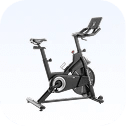
Spin bikes are designed to replicate road cycling and high-intensity indoor cycling classes. Riders typically adopt a more aggressive forward-leaning posture while frequently transitioning between seated and standing positions. Accurate adjustment of saddle height, saddle position, and handlebars significantly affects comfort and pedaling efficiency during intense workouts.
Air bikes operate differently from traditional exercise bikes because resistance increases according to pedaling intensity. They also incorporate moving handlebars that engage both the upper and lower body simultaneously. Correct seat positioning allows riders to generate maximum power while maintaining smooth coordination between the arms and legs.
Also Read: Elliptical vs Treadmill: Which Cardio Machine Is Better for Your Fitness Goals?
Starting with the Correct Seat Height
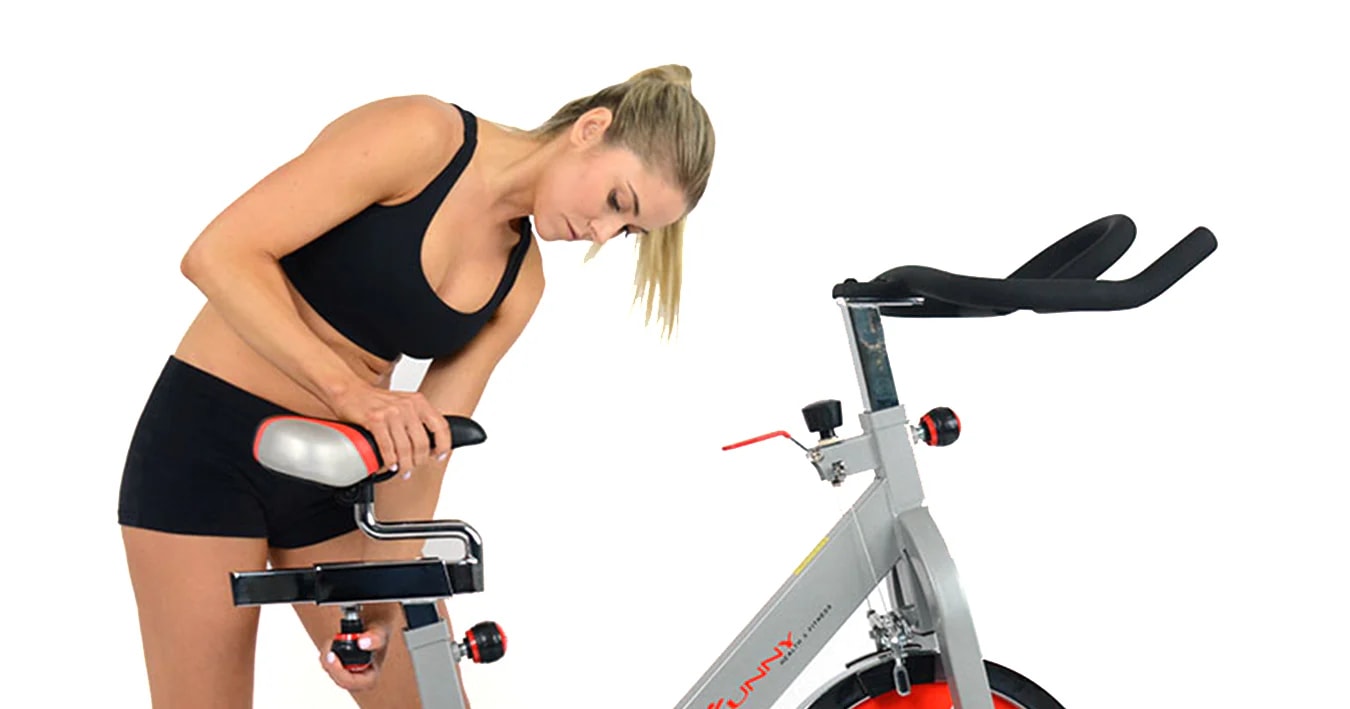
The saddle is the foundation of every bike adjustment. Regardless of bike style, seat height determines how effectively your legs produce power throughout each pedal stroke. A saddle positioned too low forces excessive knee bending, increasing stress on the joints while reducing pedaling efficiency. Conversely, a saddle positioned too high may cause overextension of the knees and unwanted hip movement.
When properly adjusted, your knee should maintain a slight bend at the bottom of the pedal stroke rather than becoming completely straight. This allows muscles to remain engaged while protecting the joints from excessive strain. Taking a few minutes to fine-tune saddle height before every ride can significantly improve both comfort and performance.
Finding the Correct Saddle Position
After adjusting seat height, the next step is positioning the saddle forward or backward. This adjustment affects knee alignment, weight distribution, and pedaling mechanics. A saddle positioned too far forward shifts excessive weight toward the handlebars, placing unnecessary stress on the wrists and shoulders. A saddle positioned too far back can reduce pedaling efficiency and make reaching the handlebars uncomfortable.
The ideal saddle position allows the rider to maintain balanced posture while generating smooth, controlled pedal strokes. Small adjustments often produce noticeable improvements in comfort during longer rides.
Adjusting the Handlebars
Handlebar position influences upper-body posture, breathing, and overall comfort. Riders seeking relaxed cardiovascular workouts may prefer slightly higher handlebars that encourage an upright posture. More experienced cyclists often lower the handlebars to create a more aerodynamic riding position that resembles outdoor cycling.
Regardless of riding style, handlebars should allow the elbows to remain slightly bent rather than fully locked. Relaxed shoulders and neutral wrist positioning help reduce unnecessary upper-body tension while promoting efficient breathing throughout the workout.
Why Proper Foot Placement Matters
Although many riders focus primarily on the saddle, foot placement also contributes significantly to cycling efficiency. The feet should remain centered on the pedals with even pressure distributed throughout each pedal stroke. Maintaining stable foot positioning allows power to transfer smoothly while minimizing unnecessary ankle movement.
Proper footwear further improves stability, particularly on spin bikes equipped with clip-in pedal systems. Even on standard pedals, supportive athletic shoes help maintain alignment while reducing fatigue during extended rides.
Understanding Pedaling Technique
An effective ride depends on more than simply pushing the pedals downward. Efficient cyclists produce smooth circular pedal strokes that engage muscles throughout the entire rotation. Rather than relying solely on downward force, riders develop balanced movement patterns that improve efficiency and reduce fatigue.
Consistent cadence, controlled breathing, and steady resistance adjustments all contribute to a more productive cycling session. As technique improves, riders often notice smoother movement, increased endurance, and better overall workout quality.
Also view:
Matching Bike Adjustments to Workout Goals
Different fitness goals may require slight adjustments to riding position. Riders focused on endurance often prioritize comfort and sustainable posture for longer workouts. Individuals performing interval training or sprint sessions may adopt a more aggressive position that supports higher power output. Those recovering from injury typically emphasize comfort, joint protection, and controlled movement.
Understanding how riding position supports specific training objectives allows users to customize their bike setup according to each workout rather than relying on a single adjustment for every session.
Common Adjustment Mistakes
Many riders unknowingly continue using exercise bikes with incorrect settings for months or even years. Common mistakes include leaving the seat too low, positioning the saddle too far forward, reaching excessively for the handlebars, riding with locked elbows, and ignoring discomfort during workouts. Small positioning errors may seem insignificant initially but can gradually contribute to inefficient movement patterns and unnecessary joint stress. Taking time to reassess bike fit periodically helps maintain comfort as fitness levels and riding habits evolve.
Listening to Your Body
No universal bike adjustment works perfectly for everyone. Individual differences in height, flexibility, mobility, and riding style all influence the ideal setup. Paying attention to signs such as knee discomfort, back pain, shoulder tension, or numb hands provides valuable feedback that adjustments may be necessary. Comfort should improve as riding technique develops, not deteriorate. Small modifications followed by short test rides often produce the best results when fine-tuning bike position.
Building Long-Term Riding Habits
The ultimate purpose of proper bike adjustment is not simply improving one workout but creating sustainable exercise habits. A comfortable riding position encourages longer workouts, greater consistency, and improved enjoyment. Whether training several times each week or incorporating cycling into a broader fitness routine, maintaining proper bike fit allows every workout to feel more natural and productive. Over time, these consistent, comfortable rides contribute to better cardiovascular health, increased endurance, improved lower-body strength, and greater overall fitness.
Why Comfort Should Always Come Before Intensity
Many people are eager to increase resistance levels or participate in high-intensity cycling sessions as soon as they begin using an exercise bike. While challenging workouts certainly have their place, comfort should always be the foundation of every ride. Even the most advanced exercise bike cannot compensate for poor positioning. When the bike is adjusted correctly, your muscles can produce power more efficiently without placing unnecessary stress on your joints. This allows you to focus on maintaining a steady cadence, improving endurance, and enjoying the workout rather than constantly shifting your position to relieve discomfort. Comfortable riders are also more likely to stay consistent with their training, making proper bike adjustment one of the most valuable investments in long-term fitness success.
How Proper Bike Adjustment Improves Pedaling Efficiency
Efficient cycling is not simply about moving the pedals faster. It is about transferring energy smoothly from your legs into every revolution. Correct seat height, handlebar position, and saddle alignment work together to improve the body's natural biomechanics. When everything is properly adjusted, the quadriceps, hamstrings, calves, glutes, and hip muscles share the workload more evenly. This balanced muscle engagement reduces unnecessary fatigue while helping riders maintain a consistent rhythm throughout the workout. Better pedaling efficiency also means less wasted movement, allowing you to ride longer with improved control and reduced strain.
Why Core Engagement Matters During Cycling
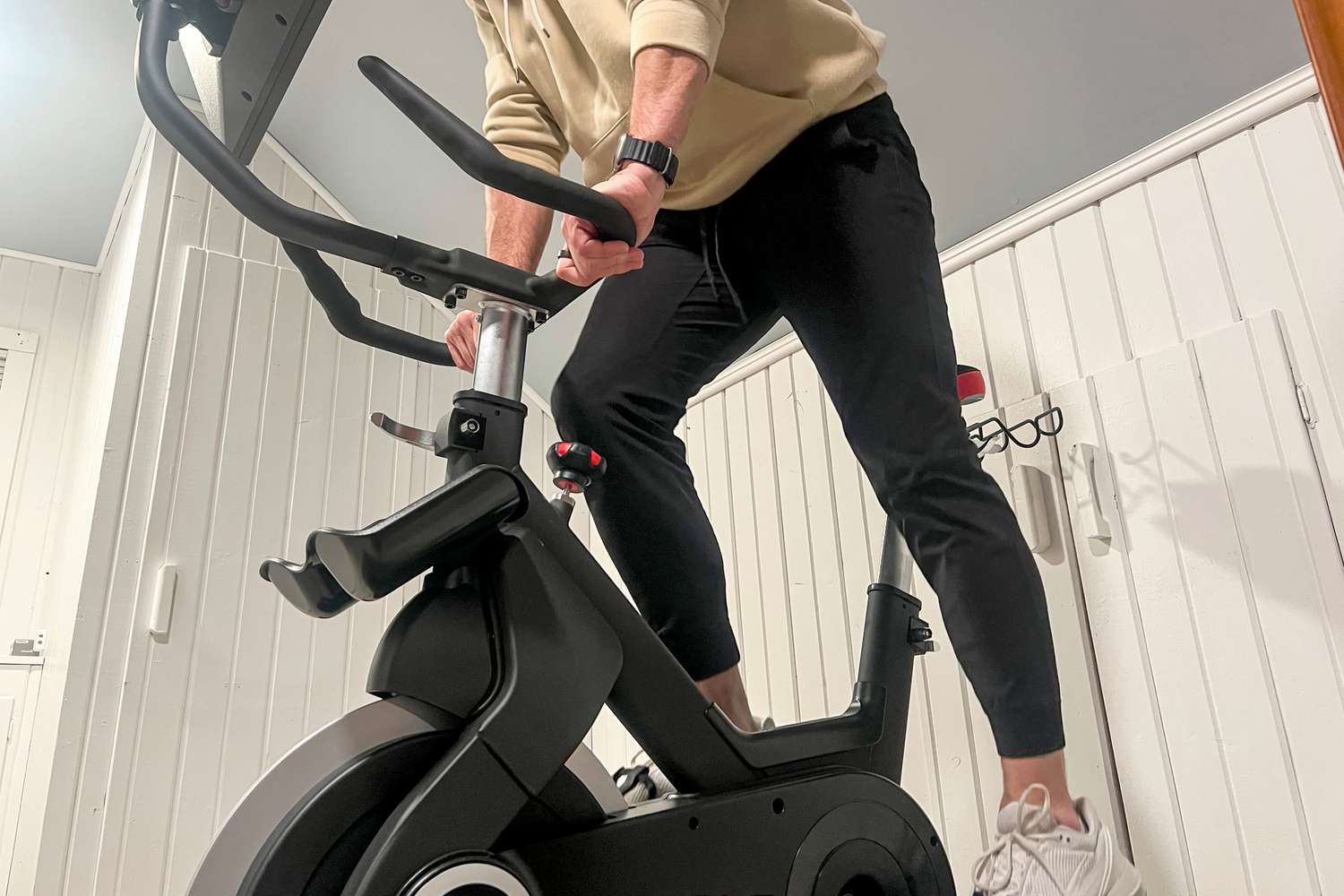
Although cycling is often viewed as a lower-body exercise, the core plays an essential role in maintaining stability throughout every ride. A properly adjusted exercise bike encourages natural core engagement by supporting an upright and balanced posture. Strong core muscles help stabilize the pelvis, reduce unnecessary upper-body movement, and improve overall cycling efficiency. Riders who maintain an engaged core often experience better posture, smoother pedaling, and less lower back fatigue during longer workouts. Rather than gripping the handlebars tightly, allowing the core to support body position creates a more relaxed and controlled riding experience.
Breathing Technique Can Improve Every Ride
Many riders overlook the importance of breathing during indoor cycling. As workout intensity increases, breathing naturally becomes faster, but maintaining controlled breathing patterns helps improve endurance and reduce early fatigue. Deep, rhythmic breathing supplies working muscles with oxygen while supporting steady energy production. Poor posture caused by incorrect bike adjustments can restrict breathing by placing unnecessary pressure on the chest and shoulders. Maintaining an open, relaxed upper body allows the lungs to expand more efficiently, making every workout feel more comfortable and sustainable.
The Importance of Resistance Selection
Bike adjustment and resistance work hand in hand. Even a perfectly adjusted bike can become uncomfortable if resistance levels are inappropriate. Riding with extremely light resistance may encourage excessive pedaling speed and poor control, while resistance that is too high can place unnecessary stress on the knees and hips. The ideal resistance level allows riders to maintain smooth, controlled pedal strokes while still feeling appropriately challenged. Adjusting resistance gradually throughout the workout helps improve cardiovascular fitness without sacrificing technique.
Adapting Bike Settings as Fitness Improves
Bike adjustments should not remain exactly the same forever. As flexibility, strength, endurance, and cycling experience improve, small modifications may become beneficial. Riders often develop better posture and increased mobility over time, allowing them to experiment with slightly different handlebar positions or riding styles. Periodically reassessing bike fit helps ensure that the equipment continues supporting changing fitness levels rather than limiting progress. Treating bike adjustment as an ongoing process rather than a one-time setup contributes to greater long-term comfort and performance.
Finding the Right Bike for Every Rider
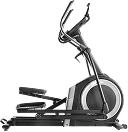
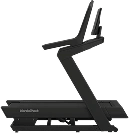
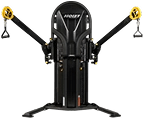
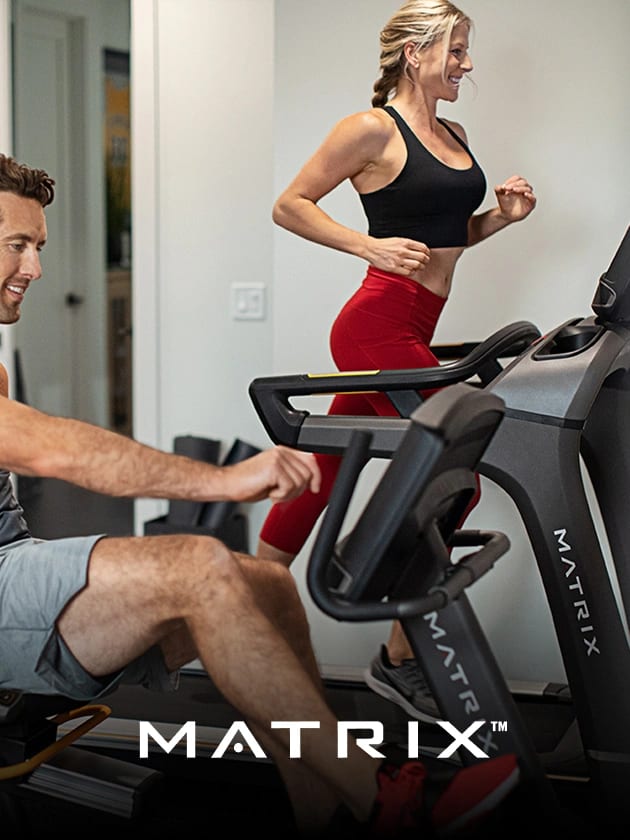
Every rider has unique fitness goals, which is why choosing the right exercise bike is just as important as adjusting it correctly. Upright exercise bikes are ideal for everyday cardio and general fitness, while recumbent bikes provide additional back support and comfort for rehabilitation, seniors, and users seeking low-impact workouts. Spin bikes offer a road cycling experience with adjustable riding positions that suit endurance and interval training, and air bikes deliver full-body conditioning by combining fan-generated resistance with moving handlebars. Pairing the right bike with quality accessories and complementary equipment such as treadmills, ellipticals, rowing machines, and functional trainers creates a complete home or commercial fitness environment that supports a wide variety of training goals.
Why Warm-Up and Cool-Down Rides Are Important
Many cyclists are eager to begin their main workout immediately after getting on the bike. However, gradually increasing intensity during a warm-up allows muscles, joints, and the cardiovascular system to prepare for exercise. A proper warm-up improves circulation, increases muscle temperature, and encourages smoother movement patterns before higher-intensity riding begins. Similarly, cooling down at the end of a workout helps lower the heart rate gradually while promoting recovery. These simple habits complement proper bike adjustment and contribute to safer, more effective training sessions.
Recognizing Signs That Your Bike Needs Readjustment
Even experienced cyclists occasionally overlook signs that their bike position requires adjustment. Persistent knee discomfort, lower back tightness, shoulder tension, numb hands, hip soreness, or excessive side-to-side movement while pedaling often indicate that one or more adjustments need attention. Rather than assuming discomfort is simply part of exercise, riders should evaluate their positioning whenever new aches develop. Small adjustments frequently resolve these issues and restore a more comfortable riding experience without requiring major changes.
Home Exercise Bikes Versus Commercial Exercise Bikes
While the basic adjustment principles remain the same, home and commercial exercise bikes often differ in design, construction, and adjustment mechanisms. Home exercise bikes typically prioritize compact size, ease of use, and convenience for individual users. Commercial exercise bikes are engineered for continuous daily usage by people of different heights and body types, offering wider adjustment ranges, heavier flywheels, reinforced frames, and enhanced durability. Because commercial bikes accommodate a greater variety of users, learning how to make quick and accurate adjustments becomes especially important in shared gym environments.
Why Consistency Produces Better Results Than Perfect Workouts
Many riders become overly focused on achieving the perfect workout while overlooking the importance of consistency. A properly adjusted exercise bike makes workouts more enjoyable, increasing the likelihood of maintaining regular exercise habits. Whether your sessions last twenty minutes or an hour, consistent riding contributes more to long-term cardiovascular health and fitness than occasional high-intensity efforts. Comfortable equipment encourages regular use, making bike adjustment an important factor in maintaining motivation over months and years rather than just individual workouts.
Using Technology to Improve Indoor Cycling
Modern exercise bikes often include technology that helps riders optimize their workouts. Digital consoles, heart-rate monitoring, cadence tracking, virtual training programs, and performance metrics provide valuable feedback during every session. While these features can improve motivation and help monitor progress, they should complement rather than replace proper bike adjustment. Technology performs best when riders are comfortable, allowing them to focus on performance data instead of physical discomfort caused by incorrect positioning.
Maintaining Your Exercise Bike for Smooth Performance
Correct adjustment alone cannot guarantee an enjoyable ride if the equipment itself is poorly maintained. Regular maintenance helps preserve smooth operation while extending the bike's lifespan. Cleaning the frame after each workout removes sweat that may contribute to corrosion over time. Periodically checking bolts, pedals, resistance mechanisms, and adjustment levers ensures that the bike remains stable and safe. Following manufacturer maintenance recommendations helps maintain consistent performance while reducing unnecessary wear on moving components.
Creating Long-Term Cycling Success
Indoor cycling offers one of the most accessible forms of cardiovascular exercise available today, but maximizing its benefits requires more than simply getting on the bike and pedaling. Proper adjustment creates the foundation for efficient movement, comfortable posture, and sustainable performance. Whether riding an upright bike, recumbent bike, spin bike, or air bike, taking the time to establish the correct setup allows every workout to become more productive and enjoyable. Combined with regular maintenance, gradual progression, and consistent training, proper bike adjustment supports improved endurance, better cardiovascular health, stronger muscles, and a more enjoyable fitness journey for years to come.
Conclusion
Learning how to adjust your exercise bike correctly is one of the most valuable skills any rider can develop. Proper saddle height, saddle position, handlebar adjustment, and foot placement work together to improve comfort, efficiency, and performance while reducing unnecessary strain on the body. Whether using an upright bike, recumbent bike, spin bike, or air bike, taking a few extra minutes to establish the correct riding position can transform the quality of every workout. Combined with consistent training, gradual progression, and the right equipment, proper bike adjustment helps riders achieve safer, more enjoyable, and more effective cycling sessions for years to come.
If you are looking to buy other fitness machines or accessories, look no further! Explore our range of fitness products like treadmills, elliptical cross trainers, exercise bikes, rowing machines, home gym, functional trainer, multi-station, power towers, smith machines, dumbbells, foosball tables, pool tables, and table tennis.


 0
0