



Weight training has evolved far beyond the stereotype of bodybuilders lifting heavy weights in crowded gyms. Today, it is recognized as one of the most effective forms of exercise for improving overall health, building strength, enhancing physical appearance, and increasing quality of life. Whether your goal is to lose weight, gain muscle, improve athletic performance, or simply feel healthier, weight training can be a powerful tool to help you get there.
Many beginners are intimidated by the idea of lifting weights. They worry about using the wrong technique, getting injured, or not knowing where to start. Others believe that weight training is only for young athletes or people who want to build large muscles. In reality, weight training is suitable for almost everyone, regardless of age, gender, or fitness level. One of the most exciting aspects of weight training is that its benefits extend far beyond physical appearance. Regular resistance training can improve mental health, boost confidence, increase energy levels, strengthen bones, support heart health, and help maintain independence as you age.
If you are considering starting a weight training journey, understanding the basics can help you build a strong foundation and achieve sustainable results. This guide covers everything beginners need to know, from the benefits of strength training to proper workout structure, common mistakes, and essential equipment.
What Is Weight Training?
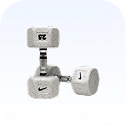
Weight training, also known as resistance training or strength training, involves performing exercises against resistance to challenge your muscles. This resistance can come from various sources, including free weights, machines, resistance bands, body weight, or cable systems. Dumbbells are among the most popular and beginner-friendly strength training tools, allowing users to perform a wide range of exercises that target both major and stabilizing muscle groups. When muscles are challenged through resistance, tiny microscopic tears occur within muscle fibers. During recovery, the body repairs these fibers and makes them stronger, allowing the muscles to adapt and grow over time.
This process leads to improvements in:
•Muscular strength
•Muscular endurance
•Muscle size
•Bone density
•Joint stability
•Athletic performance
•Metabolic efficiency
•Overall fitness
Weight training is not simply about lifting heavier weights. It is about progressively challenging the body to become stronger and more resilient.
Why Weight Training Is More Important Than Ever
Modern lifestyles often involve long hours of sitting, reduced physical activity, and increasing levels of stress. These habits contribute to muscle loss, poor posture, reduced mobility, and a higher risk of chronic disease. Weight training helps counteract many of these challenges by preserving and building muscle mass while improving functional movement.
Regular strength training can help:
•Improve posture
•Increase daily energy levels
•Reduce injury risk
•Support healthy aging
•Improve mobility
•Enhance physical performance
•Boost confidence
•Increase independence
Unlike many forms of exercise that primarily focus on calorie burning, weight training creates lasting physical adaptations that continue to provide benefits long after the workout is complete.
Can Weight Training Really Change Your Life?
For many people, the answer is yes.
The benefits of weight training often extend beyond the gym and into everyday life. Tasks such as carrying groceries, climbing stairs, lifting luggage, playing with children, and maintaining good posture become easier as strength improves.
Weight training can positively impact:
•Physical health
•Mental well-being
•Self-confidence
•Body composition
•Work performance
•Sports performance
•Stress management
•Long-term health outcomes
Many beginners start lifting weights to improve their appearance but quickly discover improvements in energy, focus, discipline, and overall quality of life.
The Physical Benefits of Weight Training
Increased Strength
Strength is one of the most obvious benefits of resistance training. As your muscles adapt to progressively heavier loads, everyday activities become easier and more manageable. Improved strength also enhances performance in sports and recreational activities.
Increased Muscle Mass
Building lean muscle mass improves body composition and contributes to a stronger, more athletic appearance.
Muscle development can help:
•Improve posture
•Increase stability
•Support healthy joints
•Enhance physical performance
•Boost metabolism
Improved Metabolism
Muscle tissue requires energy to maintain. As muscle mass increases, the body burns more calories throughout the day, even during periods of rest. This makes weight training highly beneficial for long-term weight management.
Better Bone Health
Strength training places healthy stress on bones, encouraging them to become stronger over time.
Benefits include:
•Improved bone density
•Reduced risk of osteoporosis
•Stronger skeletal structure
•Lower fracture risk
This becomes especially important as individuals age.
Enhanced Joint Stability
Strong muscles support and protect joints.
Weight training can improve:
•Knee stability
•Hip function
•Shoulder health
•Ankle strength
•Overall movement quality
Proper training often reduces the likelihood of injuries during daily activities and sports.
The Mental Benefits of Weight Training
The effects of strength training are not limited to the body.
Many people experience significant mental health improvements after incorporating resistance training into their routine.
Benefits include:
•Reduced stress
•Improved mood
•Greater confidence
•Increased self-esteem
•Better focus
•Improved discipline
•Reduced anxiety
Completing challenging workouts and achieving measurable progress can create a strong sense of accomplishment that carries into other areas of life.
Common Weight Training Myths
Myth 1: Weight Training Is Only for Bodybuilders
Weight training benefits anyone seeking improved health, strength, and fitness.
Myth 2: Women Will Become Too Muscular
Women naturally have lower testosterone levels than men, making it difficult to develop excessive muscle mass without highly specialized training and nutrition.
Myth 3: Cardio Is Better for Weight Loss
While cardio burns calories, weight training helps preserve muscle and improve metabolism, making it an essential part of any weight management plan.
Myth 4: Older Adults Should Avoid Weights
Strength training is highly beneficial for older adults because it helps preserve muscle mass, maintain mobility, and support independence.
Myth 5: More Weight Is Always Better
Proper technique and progressive overload are far more important than lifting the heaviest possible weight.
Understanding Progressive Overload
Progressive overload is the principle of gradually increasing the demands placed on the body.
This can be achieved by:
•Increasing weight
•Adding repetitions
•Increasing training volume
•Improving exercise difficulty
•Reducing rest periods
Without progressive overload, the body eventually adapts and progress slows. Consistently applying this principle is one of the most important factors for long-term success.
The Most Important Exercises for Beginners
Beginners should focus on compound movements that engage multiple muscle groups simultaneously.
Examples include:
•Squats
•Deadlifts
•Bench Press
•Overhead Press
•Rows
•Pull-Ups
•Lunges
•Hip Thrusts
•Push-Ups
•Lat Pulldowns
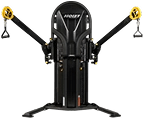
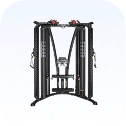
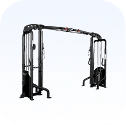
These exercises build strength efficiently and provide the greatest overall benefits. Among the most versatile strength-training equipment available today are functional trainers, which allow users to perform a wide variety of resistance exercises targeting multiple muscle groups through adjustable cable systems.
How Often Should Beginners Train?
A common mistake is doing too much too soon.
For most beginners:
•2 to 3 sessions per week is ideal initially
•Focus on full-body workouts
•Allow recovery between sessions
•Prioritize consistency over intensity
Building a sustainable routine is far more important than trying to train every day.
The Importance of Recovery
Muscles grow during recovery, not during workouts.
Recovery strategies include:
•Quality sleep
•Proper hydration
•Balanced nutrition
•Stress management
•Rest days
Ignoring recovery often leads to fatigue, poor performance, and increased injury risk.
Nutrition for Weight Training Success
Nutrition plays a critical role in determining how effectively your body responds to weight training. While workouts provide the stimulus for muscle growth and strength development, proper nutrition provides the resources needed for recovery and adaptation. Many beginners focus heavily on training while overlooking nutrition. This often limits progress and slows recovery.
A balanced nutrition plan should include:
•Lean protein sources
•Complex carbohydrates
•Healthy fats
•Fruits and vegetables
•Adequate hydration
•Consistent meal timing
Protein is especially important because it provides the building blocks needed to repair and build muscle tissue. Good protein sources include chicken, fish, eggs, dairy products, legumes, and lean meats. Carbohydrates serve as the body's primary energy source and help fuel intense training sessions. Whole grains, fruits, vegetables, and rice are excellent options. Healthy fats support hormone production, joint health, and overall recovery. Sources include nuts, seeds, olive oil, avocados, and fatty fish. Rather than following restrictive diets, beginners should focus on creating sustainable eating habits that support their training goals.
How Much Protein Do Beginners Need?
Protein requirements vary depending on activity level, body weight, and training intensity. For most individuals engaged in regular weight training, consuming adequate protein throughout the day supports muscle recovery and growth.
Benefits of sufficient protein intake include:
•Improved muscle recovery
•Greater strength gains
•Enhanced muscle development
•Reduced muscle breakdown
•Improved workout performance
Spreading protein intake across multiple meals is often more effective than consuming large amounts in a single sitting.
Building a Beginner Weight Training Routine
One of the biggest mistakes beginners make is following advanced workout routines designed for experienced lifters. A beginner program should focus on mastering movement patterns before pursuing complex training methods.
A simple full-body routine might include:
Lower Body
•Squats
•Lunges
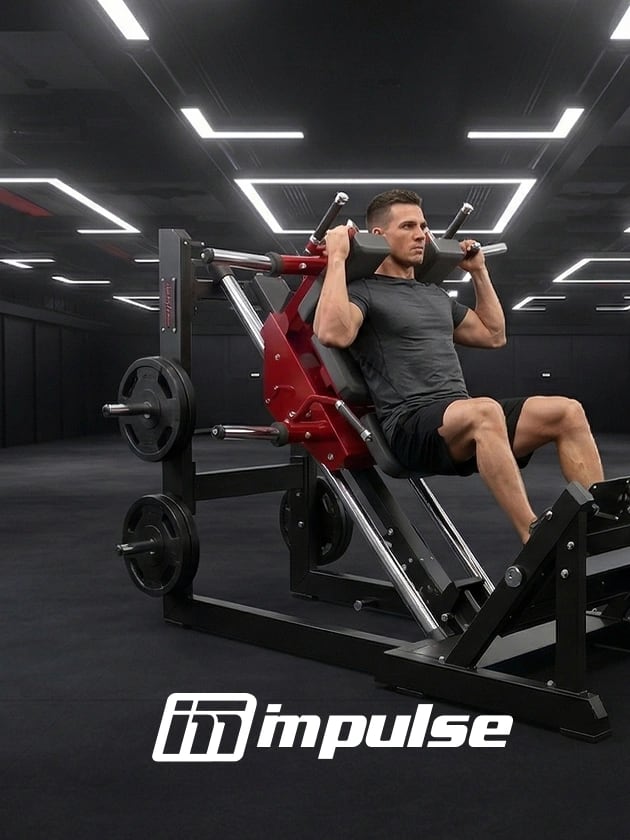
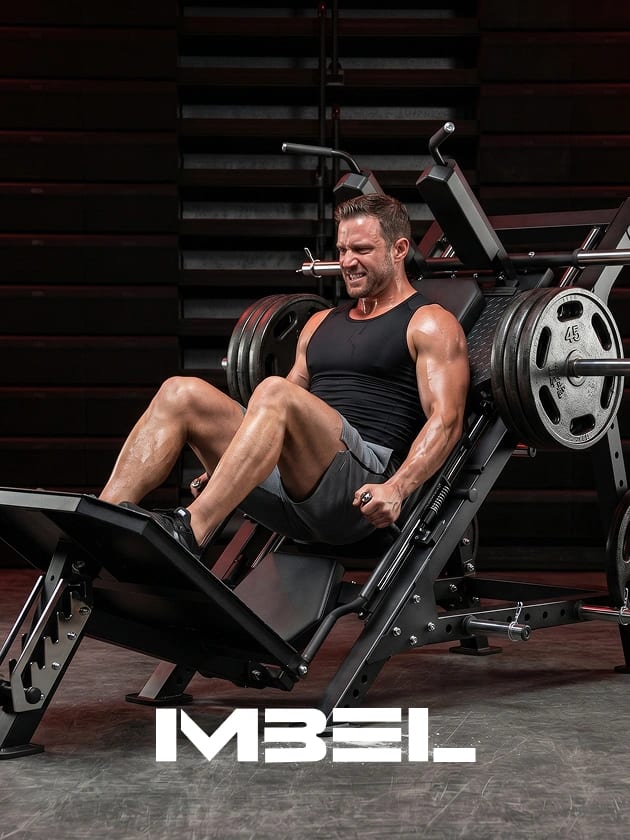
•Leg Press
•Romanian Deadlifts
Upper Body Push
•Bench Press
•Push-Ups
•Shoulder Press
•Chest Press Machine
Upper Body Pull
•Rows
•Lat Pulldowns
•Assisted Pull-Ups
•Face Pulls
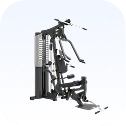
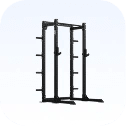
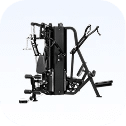
Check out our Home Gym eqpemts to fijnd all this exercie machines at one place
Core
•Planks
•Dead Bugs
•Leg Raises
•Cable Rotations
Training the entire body two to three times per week provides sufficient stimulus for most beginners while allowing adequate recovery.
Find all these exercise machines in one place - Our Home Gyms Collection
The Importance of Proper Form
Learning proper technique should be the first priority for any beginner.
Good form helps:
•Reduce injury risk
•Improve muscle activation
•Increase training efficiency
•Build movement confidence
•Support long-term progress
Many beginners become overly focused on lifting heavier weights. However, lifting with poor technique often leads to plateaus and injuries. Start with manageable weights and focus on mastering movement quality before increasing resistance.
Common Beginner Weight Training Mistakes
Doing Too Much Too Soon
Motivation is valuable, but excessive training can lead to burnout and injury. Beginners often believe more workouts automatically produce better results. In reality, recovery is just as important as training.
Skipping Warm-Ups
A proper warm-up prepares muscles, joints, and the nervous system for exercise.
Benefits include:
•Improved mobility
•Enhanced performance
•Reduced injury risk
•Better movement quality
Ignoring Recovery
Training breaks down muscle tissue, while recovery rebuilds it.
Without adequate recovery:
•Performance declines
•Fatigue increases
•Progress slows
•Injury risk rises
The answer depends on personal preferences, goals, budget, and lifestyle.
Benefits of Home Training
•Convenience
•Time savings
•Privacy
•Flexible workout schedules
•No waiting for equipment
Benefits of Commercial Gyms
•Greater equipment variety
•Professional environment
•Access to trainers
•Community atmosphere
•Specialized machines
Both options can be highly effective when paired with consistency and proper programming.
Tracking Your Progress
Progress in weight training can be measured in many ways. Do not rely solely on the scale.
Consider tracking:
•Strength improvements
•Body measurements
•Workout performance
•Energy levels
•Progress photos
•Muscle development
•Endurance improvements
•Mobility gains
Many beginners become discouraged because weight loss occurs slowly. However, significant positive changes may be happening beneath the surface. Building muscle while reducing body fat can result in dramatic physical improvements even when body weight changes minimally.
Staying Motivated as a Beginner
Motivation naturally fluctuates over time. The individuals who achieve lasting results are usually those who develop consistent habits rather than relying on motivation alone.
Strategies that support consistency include:
•Setting realistic goals
•Tracking workouts
•Celebrating small victories
•Following a structured program
•Training with a partner
•Maintaining a routine
•Focusing on progress rather than perfection
Remember that fitness is a long-term journey. Small improvements performed consistently often produce extraordinary results over time.
How Long Does It Take to See Results?
One of the most common beginner questions is how quickly weight training produces visible results. While individual experiences vary, many beginners notice improvements within a few weeks.
Early benefits may include:
•Increased strength
•Better posture
•Improved energy
•Enhanced confidence
•Better sleep
•Improved coordination
Visible physical changes often become more noticeable after several months of consistent training and proper nutrition. Patience is essential. The most impressive transformations are typically the result of sustained effort over time.
Long-Term Benefits of Weight Training
Weight training offers benefits that extend well beyond aesthetics.
Long-term advantages include:
•Stronger muscles
•Healthier bones
•Improved cardiovascular health
•Better balance
•Enhanced mobility
•Reduced injury risk
•Improved metabolism
•Greater independence with age
•Better mental well-being
•Improved quality of life
These benefits continue accumulating for years, making weight training one of the most valuable investments you can make in your health.
Also read: Abu Dhabi fitness Initiatives
Can Weight Training Help with Weight Loss?
Absolutely.
Many people mistakenly assume that cardio is the only effective exercise for fat loss.
Weight training supports weight management by:
•Preserving lean muscle mass
•Increasing calorie expenditure
•Improving metabolic rate
•Enhancing body composition
•Supporting long-term fat loss
The combination of strength training, cardiovascular exercise, and proper nutrition often produces the most sustainable results.
Weight Training for Different Age Groups
Weight training is beneficial throughout life.
Young Adults
•Build strength
•Improve athletic performance
•Develop healthy habits
Middle-Aged Adults
•Maintain muscle mass
•Support metabolism
•Reduce chronic disease risk
Older Adults
•Preserve independence
•Improve balance
•Reduce fall risk
•Support bone health
Regardless of age, properly structured resistance training can significantly improve overall health and function.
Conclusion
Weight training is far more than a method for building muscle or improving appearance. It is a powerful tool that can positively influence nearly every aspect of your life, from physical health and mental well-being to confidence, mobility, and long-term quality of life. For beginners, the journey may seem intimidating at first, but the fundamentals are surprisingly simple: learn proper technique, train consistently, prioritize recovery, and focus on gradual progress. Over time, these small efforts compound into significant results. Whether your goal is to lose weight, gain strength, improve athletic performance, or simply feel healthier and more capable in everyday life, weight training provides a proven path toward achieving those goals. The key is to start where you are, stay patient, and trust the process. Years from now, you may look back and realize that picking up those first weights was one of the best decisions you ever made for your health and future.
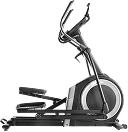
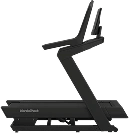
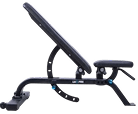
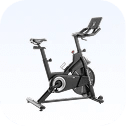
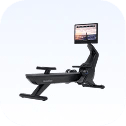
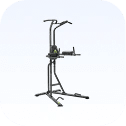
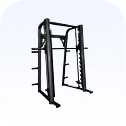
If you are looking to buy other fitness machines or accessories, look no further! Explore our range of fitness products like treadmills, elliptical cross trainers, exercise bikes, rowing machines, home gym, functional trainer, multi-station, power towers, smith machines, dumbbells, foosball tables, pool tables, and table tennis.


 0
0