



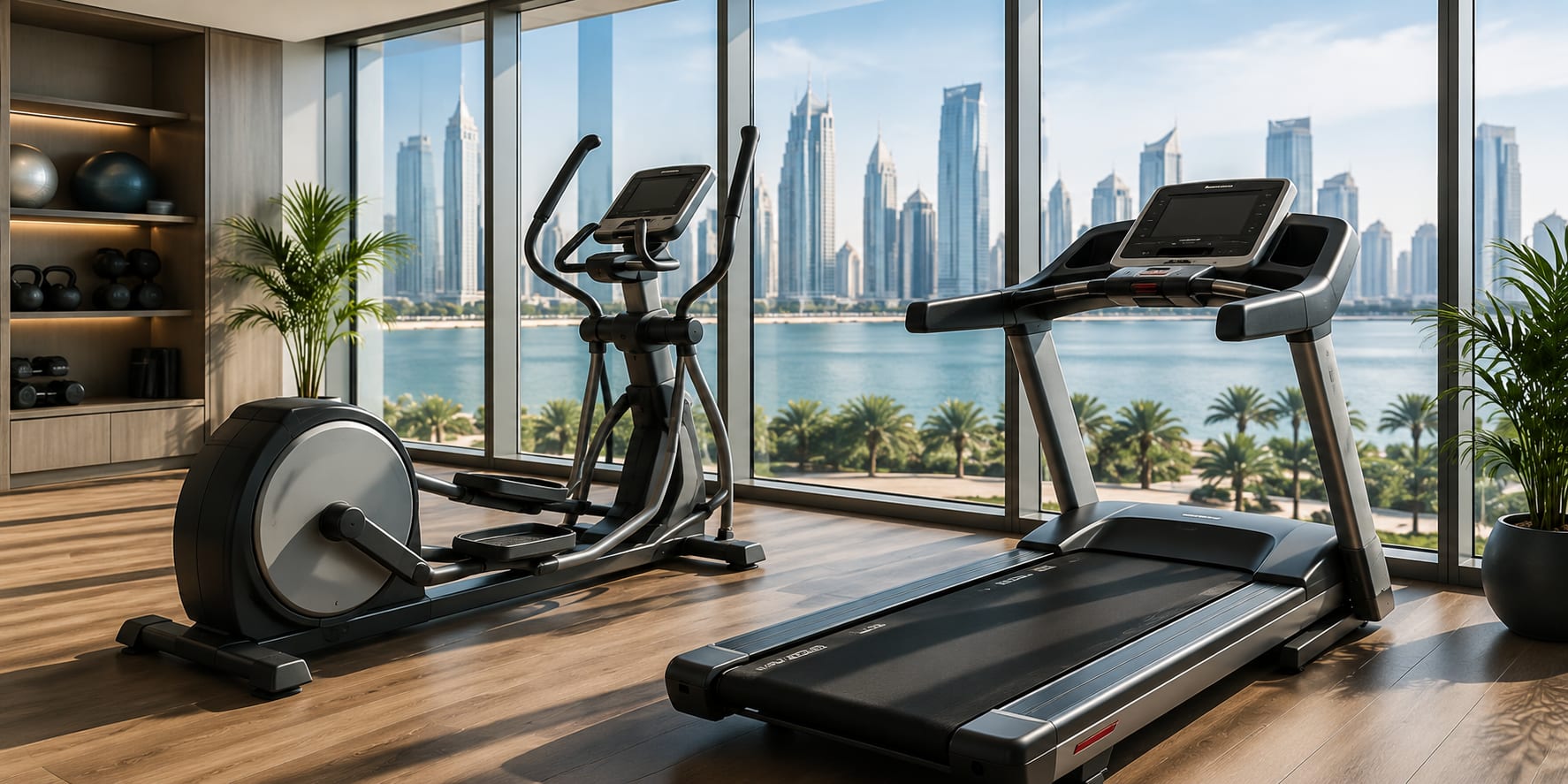
The numerous benefits of cardio workouts need no introduction. A strong immune system and flawless physical, mental health are few of the advantages cardio exercises provide. Among the various equipment that are preferred for cardio workouts, treadmills and elliptical trainers stand tall. Both of them have been proved to be effective in burning calories and increasing endurance. This is why treadmills and elliptical trainers are commonly found in fitness centres and home gyms.
However, many fitness freaks seem to be confused when it comes to choosing one among the two. In fact, various factors should be considered while comparing both the equipment. Fitness goals, physical conditions, training experience, and workout preferences are often taken into consideration when a comparative analysis is done. It’s true that both machines provide immense cardiovascular benefits, but the respective results they provide differ from each other. A basic understanding of these differences could help users pick the machine that meets their expectations and objectives.
How Treadmills Work and Support Your Cardio Workouts
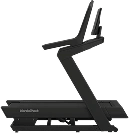
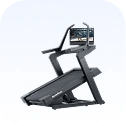
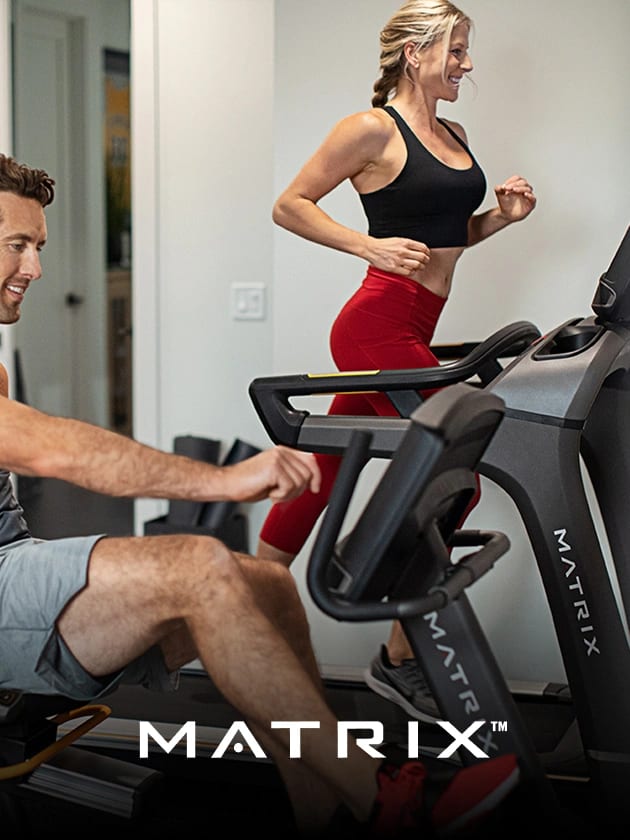
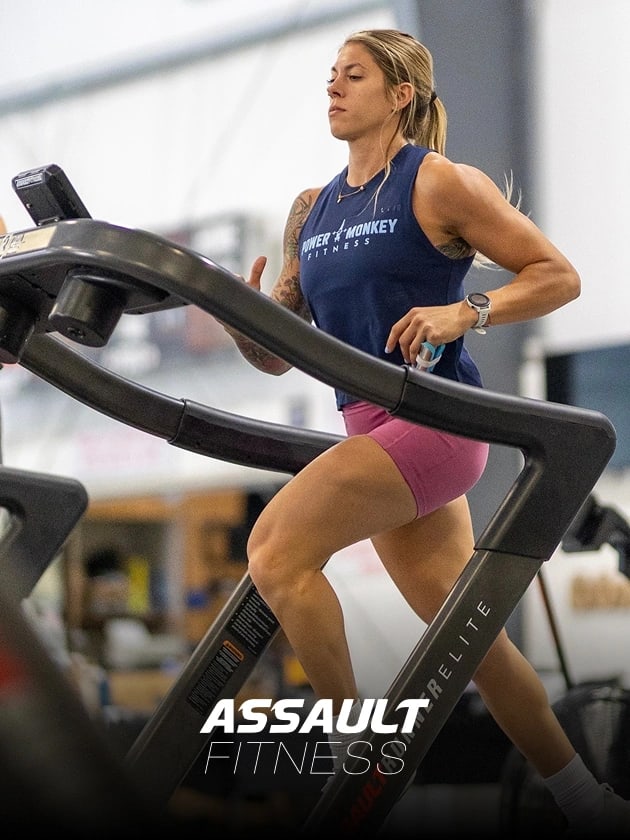
A treadmill’s moving belt allows users to control speed and incline while performing natural movements. Treadmills have the capacity to accommodate a variety of workout patterns. Some users prefer leisurely walks, while others use treadmills for interval training, endurance runs, or high-intensity sessions. It is this versatility that makes treadmills suitable for beginners and experienced athletes alike. The ability to adjust speed and incline creates umpteen training possibilities, making it one of the most preferred cardio machines in the market.
How Elliptical Trainers Work and Support Your Cardio Workouts
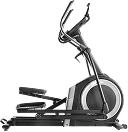
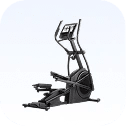
An elliptical trainer combines aspects of walking, running, stair climbing, and cross-country skiing into a smooth movement pattern. Unlike a treadmill, the feet remain in constant contact with the pedals all through the workout. Besides, elliptical trainers also incorporate moving handlebars, allowing users to engage both the upper and lower body simultaneously. This provides a full-body workout experience while minimizing impact on joints. The flawless motion makes elliptical trainers appealing to individuals who seek effective cardiovascular exercise without any stress on the knees, hips, or ankles.
Treadmill vs Elliptical: Which Burns More Calories?
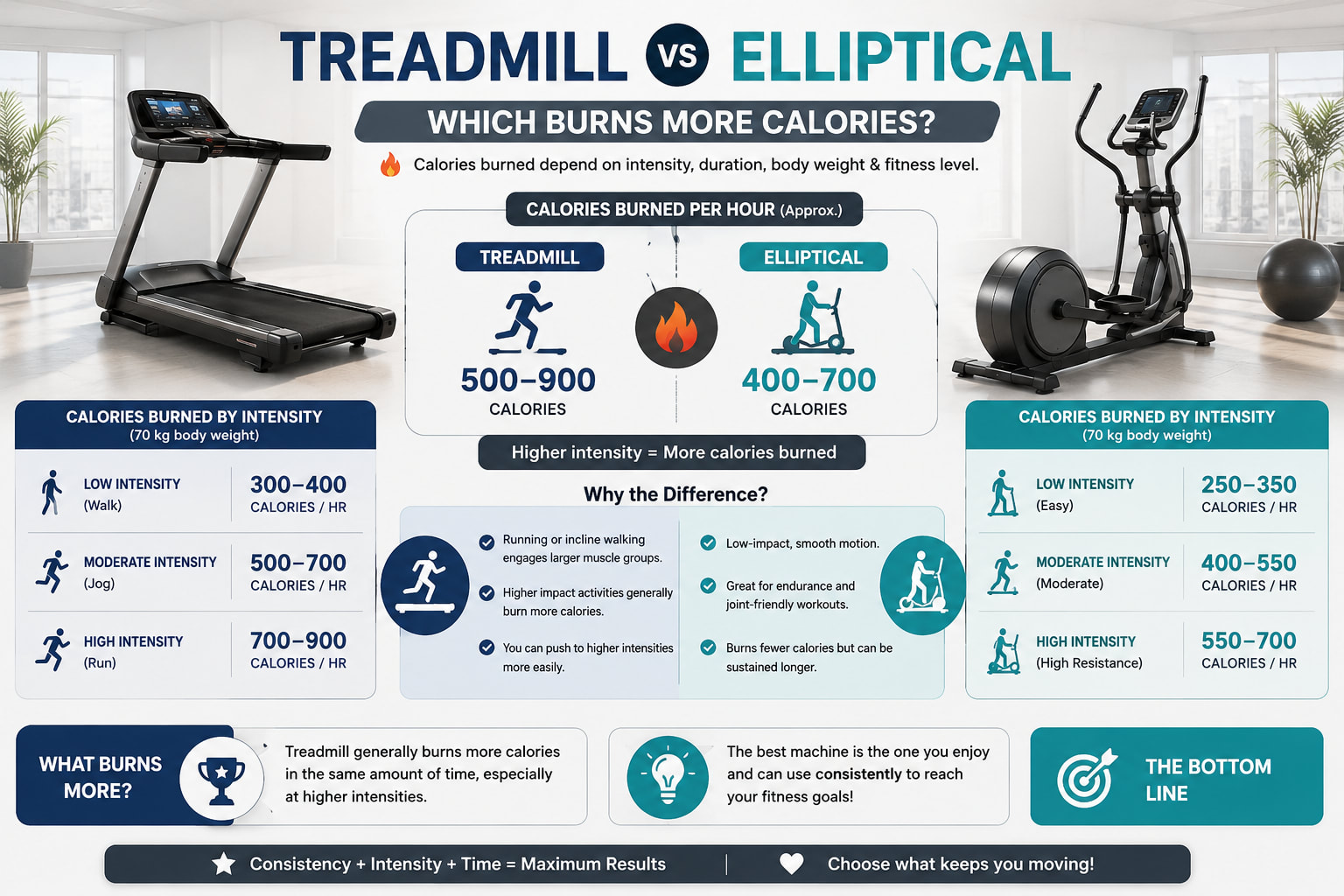
Burning calories is the most common factor people consider while choosing cardio equipment. Both machines help burn calories when utilized appropriately. The extent to which calories are burned depends on workout type, duration, and body weight. According to experts, treadmills burn more calories during running because the action requires significant energy output. All forms of running like print intervals, incline walking, and endurance runs create significant calorie burn.
Having said that, elliptical trainers should not be looked down upon. Many elliptical trainers are capable of engaging both the upper body and lower body. They, too, create highly effective full-body workouts that contribute to calorie burning. The most effective machine for burning calories is often the one a user can perform consistently and comfortably over time.
Which Is Better for Joint Comfort and Low-Impact Exercise?
One of the biggest differences between the two equipment lies in the force we exert on them. Treadmill workouts involve repeated foot strikes with every step. While modern treadmills feature cushioning systems designed to reduce stress, the impact still remains. For healthy individuals, this may not be an issue. In fact, the impact could contribute to bone health and athletic conditioning.
However, those individuals managing joint discomfort, recovering from injuries, or seeking lower-impact workouts are seen to prefer elliptical trainers. As the feet remain on the pedals throughout the workout, the impact force is significantly reduced. This allows users to perform cardiovascular exercise while minimizing stress on the joints. For comfort and joint friendliness, many people find elliptical trainers more reliable.
Which Equipment Is Better for Beginners?
Treadmills often feel more natural because walking is a common movement. Those who are new to workouts can simply step onto the machine and begin moving at a comfortable pace. Elliptical trainers may require a brief adjustment period as users learn the coordinated upper and lower body movement pattern. However, most individuals adapt quickly. For beginners concerned about balance, coordination, or impact, the elliptical trainer may offer a simple introduction to cardio exercise. For beginners seeking simplicity and familiarity, the treadmill often feels more intuitive.
Which Is Better for Building Endurance?
Both machines are considered excellent for building endurance. Treadmills allow users to progressively increase walking, jogging, and running duration. This helps improve cardiovascular efficiency while enhancing aerobic fitness.
On the other hand, elliptical trainers support endurance development through longer low-impact workouts that challenge both the upper and lower body. As elliptical workouts feel more comfortable on the joints, some users find it easier to perform longer sessions without discomfort. The best choice depends on personal preference and training objectives rather than a clear superiority of one machine over the other.
Which Muscles Does a Treadmill vs Elliptical Target?
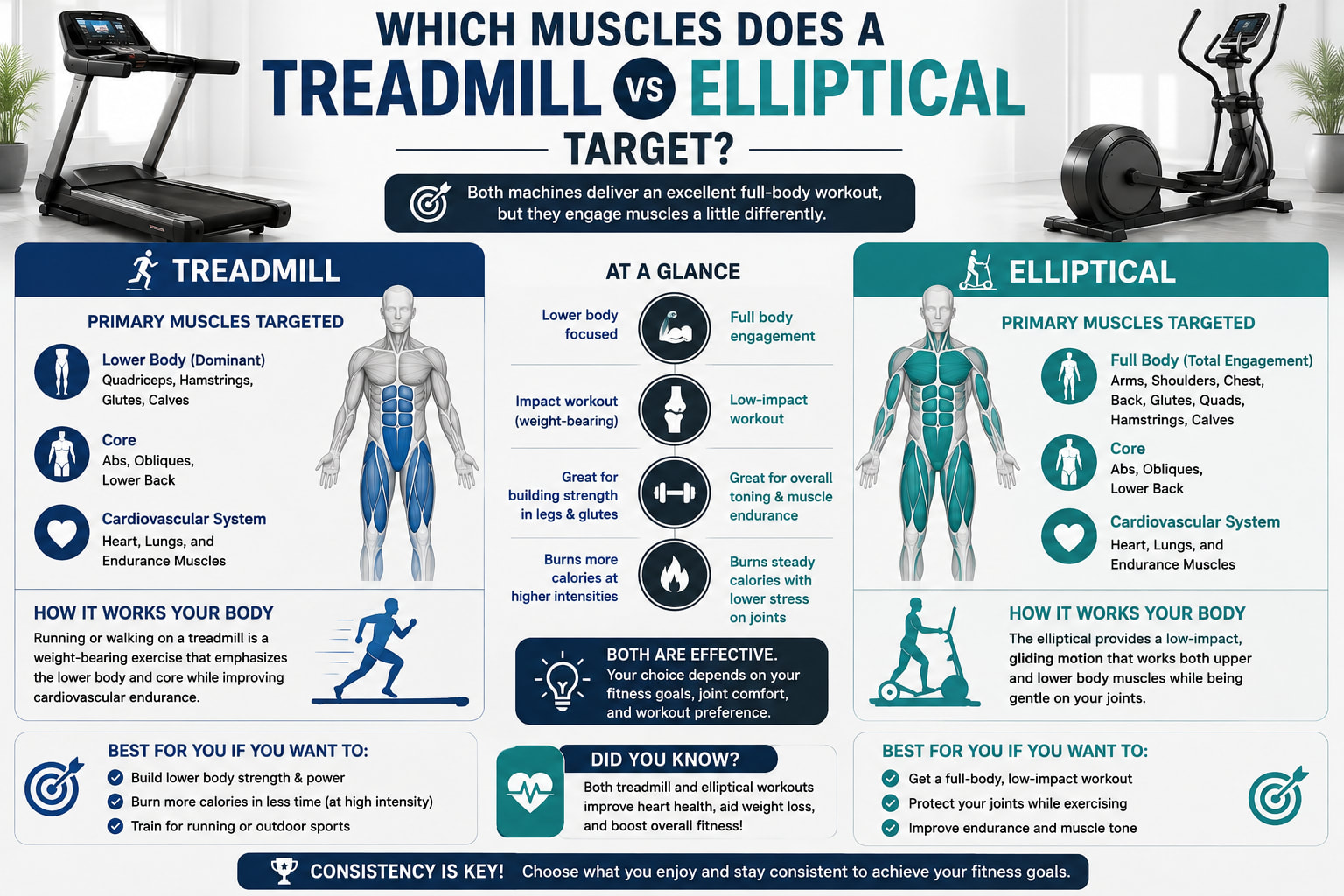
A major distinction between treadmills and elliptical trainers consists of muscle involvement. Treadmills primarily emphasize the lower body, including the quadriceps, hamstrings, calves, and glutes. Elliptical trainers engage many of these same muscles while also incorporating the shoulders, chest, back, and arms through moving handlebars. This full-body engagement can create a more comprehensive workout experience. Naturally, users seeking greater upper-body participation during cardio sessions often gravitate toward elliptical trainers for this reason.
Which Cardio Machine Is Better for Fat Loss?
The weight loss factor depends on creating a sustained calorie deficit. Both treadmills and ellipticals contribute to this process effectively. Treadmills may appeal to individuals who enjoy walking, jogging, or running. The ability to perform high-intensity workouts can support substantial calorie expenditure.
Ellipticals provide low-impact workouts that many users can perform consistently without excessive fatigue or joint stress. Consistency is often the most important factor in long-term weight-management success. The machine that encourages regular exercise typically produces better results over time.
Which Cardio Machine Should You Choose for Home Workouts?
Home fitness users often evaluate equipment based on space requirements, comfort, and versatility. Home treadmills remain among the most popular cardio machines because they support walking, jogging, and running in a non-complex format. Home elliptical trainers attract users seeking quieter operation, low-impact exercise, and full-body engagement. The ideal choice depends on the space available, personal preferences, and training goals. Many home gyms eventually incorporate both machines to maximize workout variety.
Best Cardio Machine for Varied and Engaging Workouts
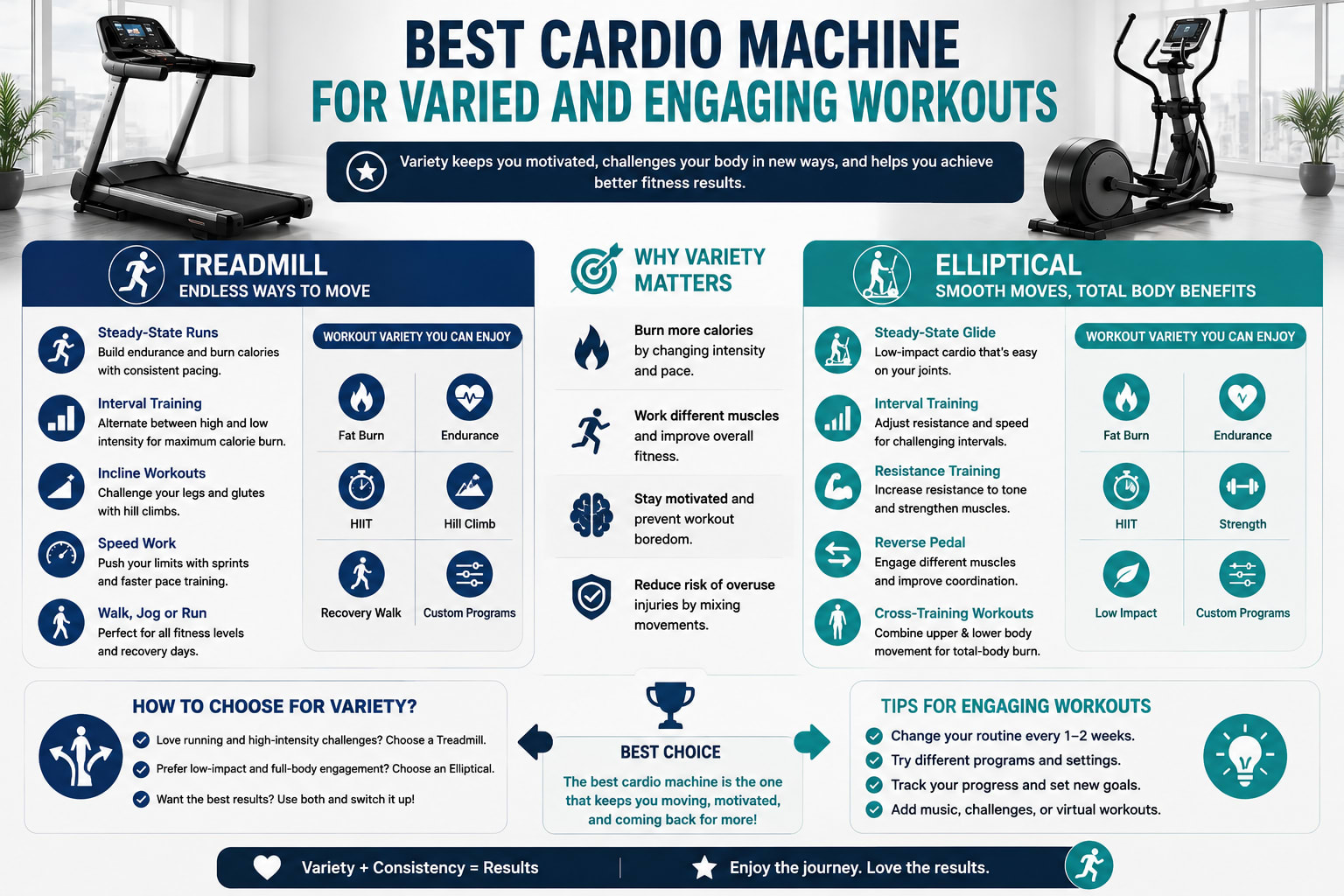
Exercise adherence often depends on enjoyment factor. For individuals who enjoy walking, jogging, and running, treadmill workouts are likely to provide a rewarding experience. However, there are others who may find treadmill sessions repetitive. They may prefer the coordinated movement of an elliptical trainer. The best machine is often the one that users look forward to using consistently. The motivation factor plays a significant role in long-term fitness success, making personal preference an important consideration.
Which Machine Is Better for Recovery?
Recovery workouts help maintain activity levels while reducing physical stress. Elliptical trainers excel in this front because they provide smooth movement with minimal impact. Athletes generally rely on ellipticals during recovery periods when they want cardiovascular exercise without the repetitive stress associated with running. Treadmills can also support recovery through low-intensity walking sessions, but elliptical trainers offer a gentle experience. For individuals recovering from intense training sessions or managing joint sensitivity, ellipticals have an upper hand.
Which Is Better for Long-Term Fitness?
The most effective exercise machine is ultimately the one that supports long-term consistency. A treadmill may deliver outstanding results for someone who enjoys running. An elliptical trainer may prove more sustainable for someone who prefers low-impact workouts. Fitness success rarely depends on choosing the perfect machine. Instead, it depends on choosing equipment that encourages regular use over months and years. Sustainability often matters more than theoretical calorie differences or isolated workout metrics.
Which Machine Is Better for Long Cardio Sessions?
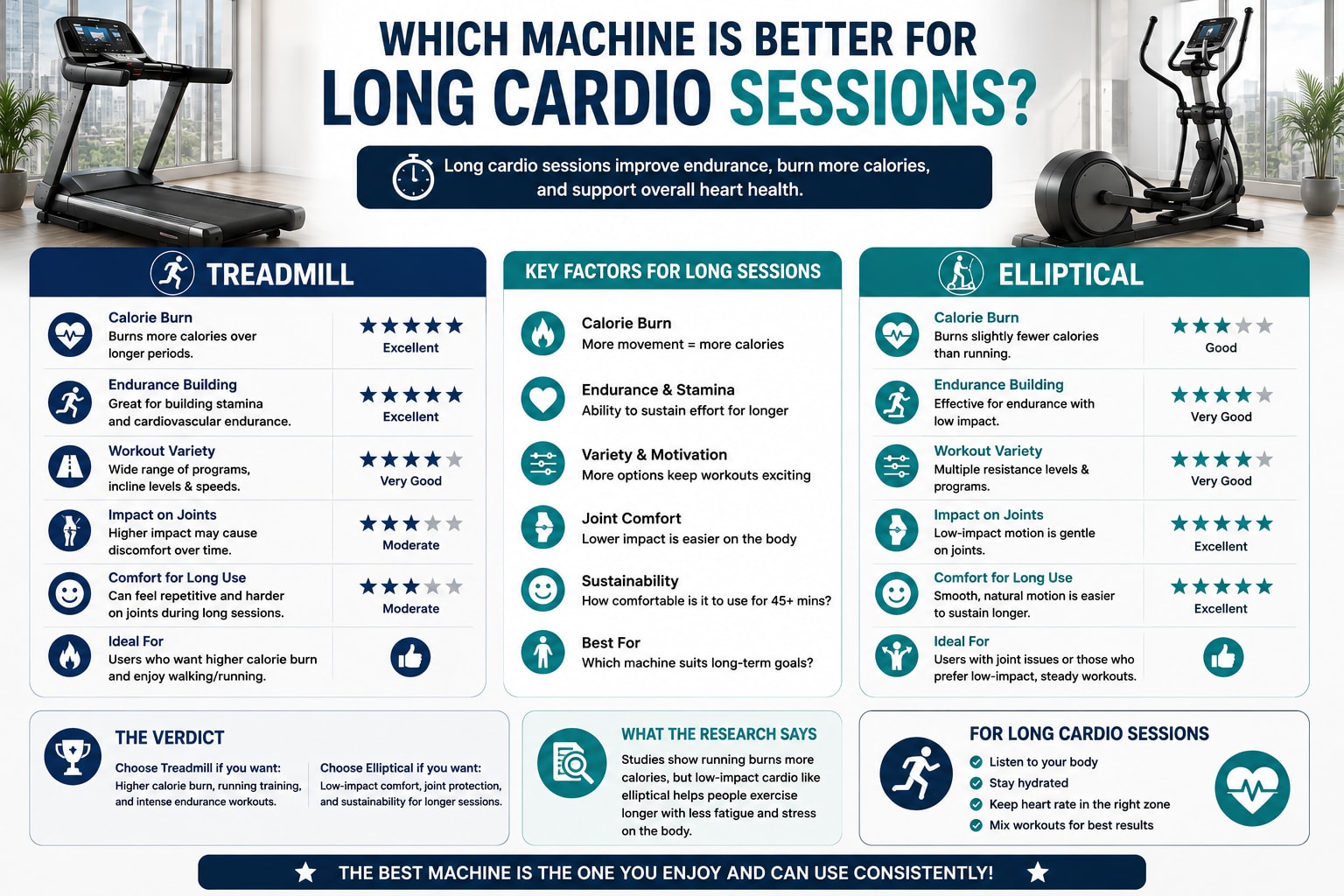
Many fitness enthusiasts enjoy longer cardio sessions lasting 30, 45, or even 60 minutes. Both treadmills and elliptical trainers can accommodate these workouts, but the experience is often different. Treadmill users may enjoy the natural feeling of walking or running, particularly when varying speed and incline throughout the workout. However, longer running sessions can sometimes create fatigue in the joints, feet, and lower back.
Elliptical trainers often feel more comfortable during extended workouts because of their low-impact movement pattern. Users can maintain steady effort for longer periods without experiencing the repetitive impact associated with running. This makes ellipticals attractive for individuals who prioritize comfort during endurance-focused cardio sessions.
Comparing Full-Body and Lower-Body Workouts
One of the most noticeable differences between the two machines is the way they engage the body. A treadmill primarily targets the lower body through walking, jogging, or running motions. While the core contributes to stability, the upper body plays a relatively minor role during most treadmill workouts.
Elliptical trainers, on the other hand, encourage simultaneous movement of both the upper and lower body. The arms, shoulders, chest, and back work alongside the legs, creating a more integrated exercise experience. This additional muscle involvement can make elliptical workouts feel more comprehensive and may help users maintain higher overall activity levels during training sessions.
Which Is More Suitable for Seniors?
As people age, maintaining cardiovascular fitness becomes extremely important. However, comfort and joint health often become greater priorities as well. Treadmills remain valuable tools for walking-based fitness programs, particularly for individuals who enjoy natural movement patterns. Many elders appreciate the simplicity of treadmill walking because it closely mirrors everyday activities.
Elliptical trainers, however, offer significant advantages for those concerned about joint stress. The smooth, gliding motion minimizes impact while still allowing users to elevate their heart rate and improve endurance. For this reason, many elders prefer elliptical trainers as part of their long-term fitness routines.
Training for Athletic Performance
Athletes frequently use both treadmills and elliptical trainers as part of their conditioning programs. Treadmills are especially useful for runners, field sport athletes, and individuals whose performance depends on walking or running mechanics. The ability to sprint, perform incline intervals, and simulate race conditions makes the treadmill highly specific to many athletic activities.
Elliptical trainers are often used as complementary tools. Athletes may incorporate elliptical sessions during recovery periods or use them to maintain cardiovascular fitness while reducing impact stress. The combination of both machines often creates a balanced training approach that supports performance while helping manage overall workload.
Which Machine Is Easier to Maintain?
Maintenance is an important factor for both home users and commercial facility operators. Treadmills contain moving belts, rollers, motors, and electronic systems that require periodic inspection and servicing. Regular cleaning and lubrication are often necessary to maintain performance.
Elliptical trainers, too, require maintenance, but they generally experience different types of wear because there is no moving running belt. While components such as pedals, rollers, and resistance systems still require attention, some users find elliptical maintenance slightly simpler. Regardless of the machine chosen, consistent maintenance helps improve performance, extend lifespan, and reduce the likelihood of costly repairs.
How Much Space Do You Need for a Treadmill vs Elliptical?
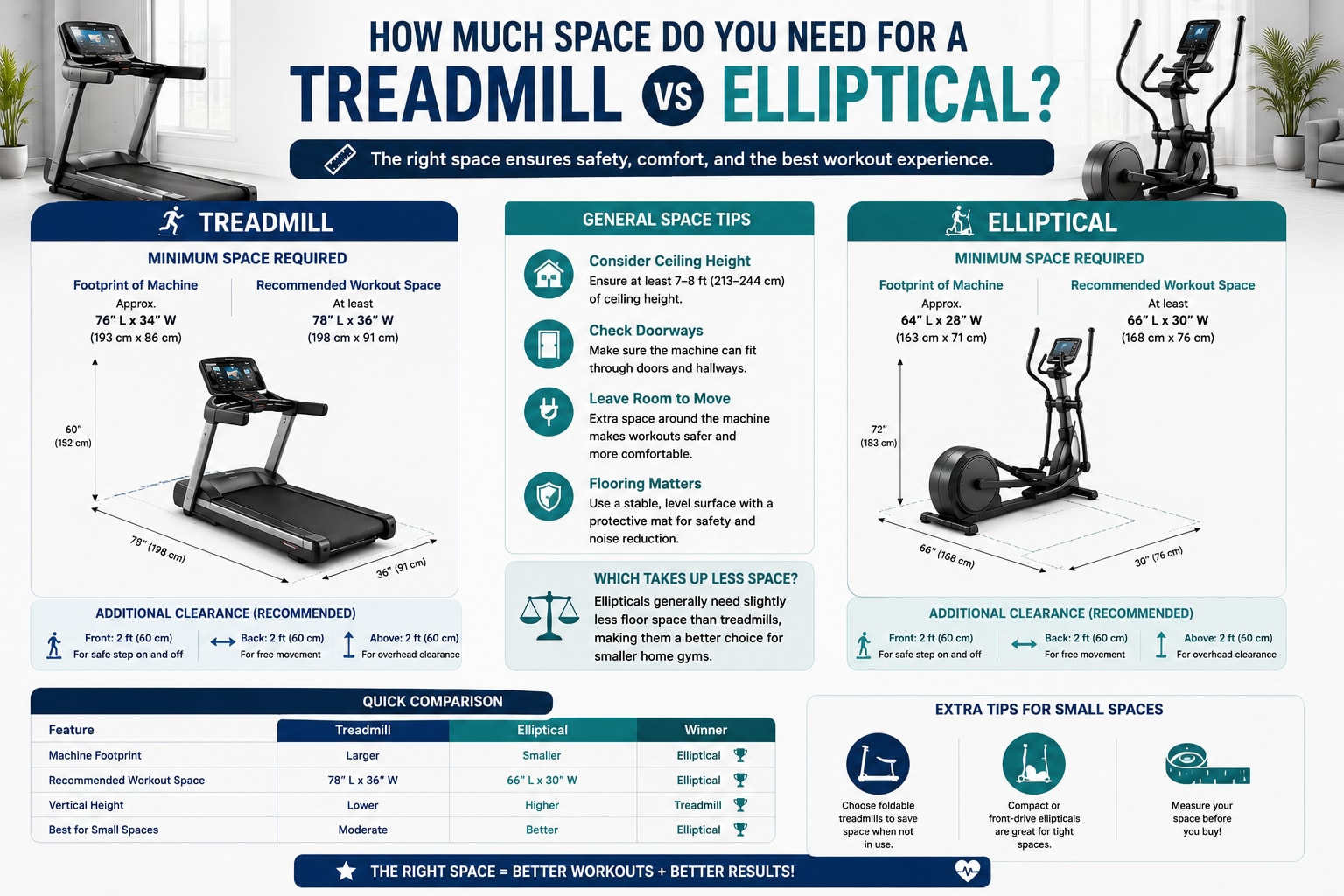
Home gym planning often involves balancing equipment selection with available space. Treadmills occupy significant floor space, especially larger models designed for running. Folding treadmills help address this issue by allowing users to store equipment when not in use.
Elliptical trainers have a different footprint and may fit more comfortably into certain home environments. The ideal choice depends on room dimensions, ceiling height, and overall gym layout. Before purchasing either machine, home owners should ensure that the equipment fits into their available space.
Which Is More Cost-Effective: Treadmill or Elliptical?
When comparing an elliptical trainer and a treadmill, many buyers focus primarily on the initial purchase price. Treadmills often appeal to individuals who enjoy walking or running and want to replicate outdoor activities indoors. Elliptical trainers attract users seeking low-impact workouts and full-body engagement. The best investment is not necessarily the most expensive machine, but the one that aligns with your fitness goals and encourages regular use. When evaluating the value, consider factors like durability, workout versatility, and maintenance requirements.
Which Makes Your Workouts More Enjoyable?
One factor that is often overlooked when comparing cardio equipment is enjoyment. Fitness programs succeed when people actually want to participate in them. Some individuals genuinely enjoy walking, jogging, and running, making treadmills a natural fit for them. Others prefer the smooth, gliding motion of an elliptical trainer and find it easier to stay motivated during longer workouts. Since long-term results depend heavily on consistency, choosing equipment that feels enjoyable can significantly influence success. Even the most advanced machine will not deliver results if it remains unused. Finding a workout style that fits your preferences often leads to better adherence and more sustainable progress.
How to Choose a Treadmill or Elliptical for Your Fitness Goals?
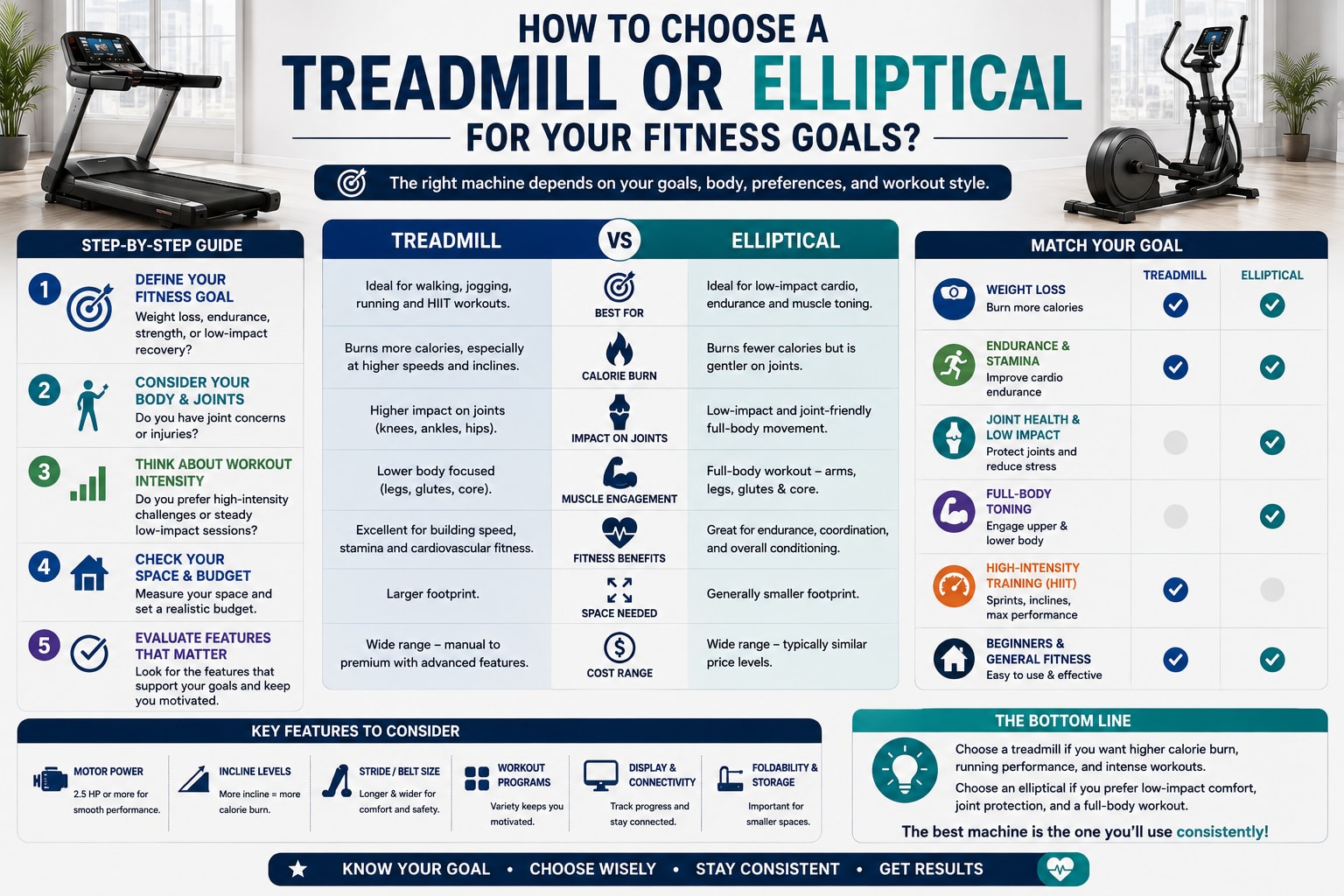
Fitness goals change over time and cardio equipment should be capable of adapting to those changes. A person who initially purchased a machine for weight management may later focus on endurance or cardiovascular health. Both treadmills and elliptical trainers offer flexibility that allows workouts to evolve alongside these changing objectives.
Home users may prioritize convenience and comfort, while commercial facilities may focus on durability and user variety. By considering both current and future goals, buyers can make more informed decisions and select equipment that continues providing value long after the initial purchase. At the end of the day, whether you choose an elliptical trainer, a treadmill or both, what matters the most is committing to a fitness routine that supports long-term health and well-being.
Are you looking forward to purchasing treadmills, elliptical trainers or other fitness-related accessories from Qatar? Visit lifetimefitnessstore.com for reliable equipment, amazing offers and affordable prices.
Mental Health Benefits of Cardio Exercise
Cardio exercise provides more than just physical benefits. Regular workouts can contribute to improved mood, reduced stress, and increased energy levels. Both treadmills and elliptical trainers offer these results by encouraging movement and cardiovascular activity. Some individuals enjoy treadmill workouts because walking or running feels natural and familiar. Others appreciate the rhythmic, low-impact motion of elliptical training. The mental benefits of exercise often depend less on the machine itself and more on the consistency of participation. Choosing a machine that feels enjoyable can make it easier to maintain regular workouts and experience these psychological benefits over time.
Why Gyms Offer Both Treadmills and Ellipticals for Cardio Training
The fact that most commercial fitness facilities or gyms include both treadmills and elliptical trainers highlights an important reality: each machine serves valuable, but slightly different purposes. Some gym members prioritize running performance and gravitate toward treadmills. Others seek low-impact workouts and prefer ellipticals. By offering both options, facilities can accommodate a wider range of fitness goals, physical conditions, and personal preferences. This diversity helps improve member satisfaction while ensuring that users have access to equipment that aligns with their individual needs.
Combining Treadmill and Elliptical Training
Rather than viewing treadmills and ellipticals as competing options, many fitness experts recommend using both. Combining the machines can create more varied and balanced workout programs. For example, users might perform treadmill interval sessions on certain days while using an elliptical trainer for recovery-focused cardio on others. This variation helps reduce workout monotony while exposing the body to different movement patterns. It can also help manage impact levels more effectively, particularly for individuals who enjoy running, but want to reduce cumulative stress on the joints.
Making the Right Choice for Your Goals
Choosing between an elliptical trainer and a treadmill ultimately boils down to personal priorities. Individuals seeking a natural walking or running experience may find the treadmill more appealing. Those looking for low-impact, full-body cardio often prefer the elliptical trainer. Weight management, endurance development, cardiovascular health, and general fitness can all be achieved using either machine when paired with consistent effort and proper programming. The most important factor is selecting equipment that fits your goals, physical condition, and lifestyle. A machine that encourages regular use will almost always outperform one that remains unused.
Final Verdict
The question is not whether which among an elliptical trainer or a treadmill is universally better. The real question is which machine works better for you. Treadmills excel at replicating real-world walking and running while supporting high-intensity training. Elliptical trainers provide smooth, joint-friendly workouts that engage both the upper and lower body. Both offer unique advantages, and they play valuable roles in achieving fitness goals. Whether you choose one machine or incorporate both into your routine, keep in mind that consistency remains the key to long-term success. The equipment that keeps you motivated, comfortable, and committed to regular exercise is ultimately the most effective choice.


 0
0