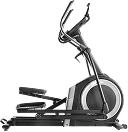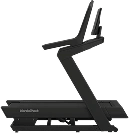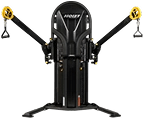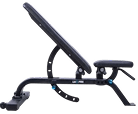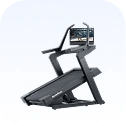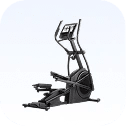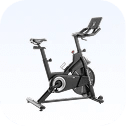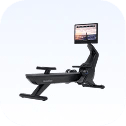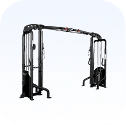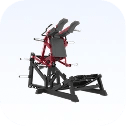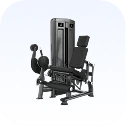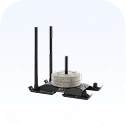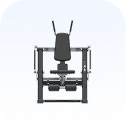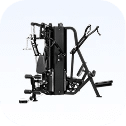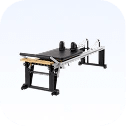




Setting up a powerful commercial gym requires utmost planning, appropriate understanding of the market and huge investment in equipment. The likes of treadmills, ellipticals, strength machines, functional trainers, racks, benches and free weights can cost you a bomb.
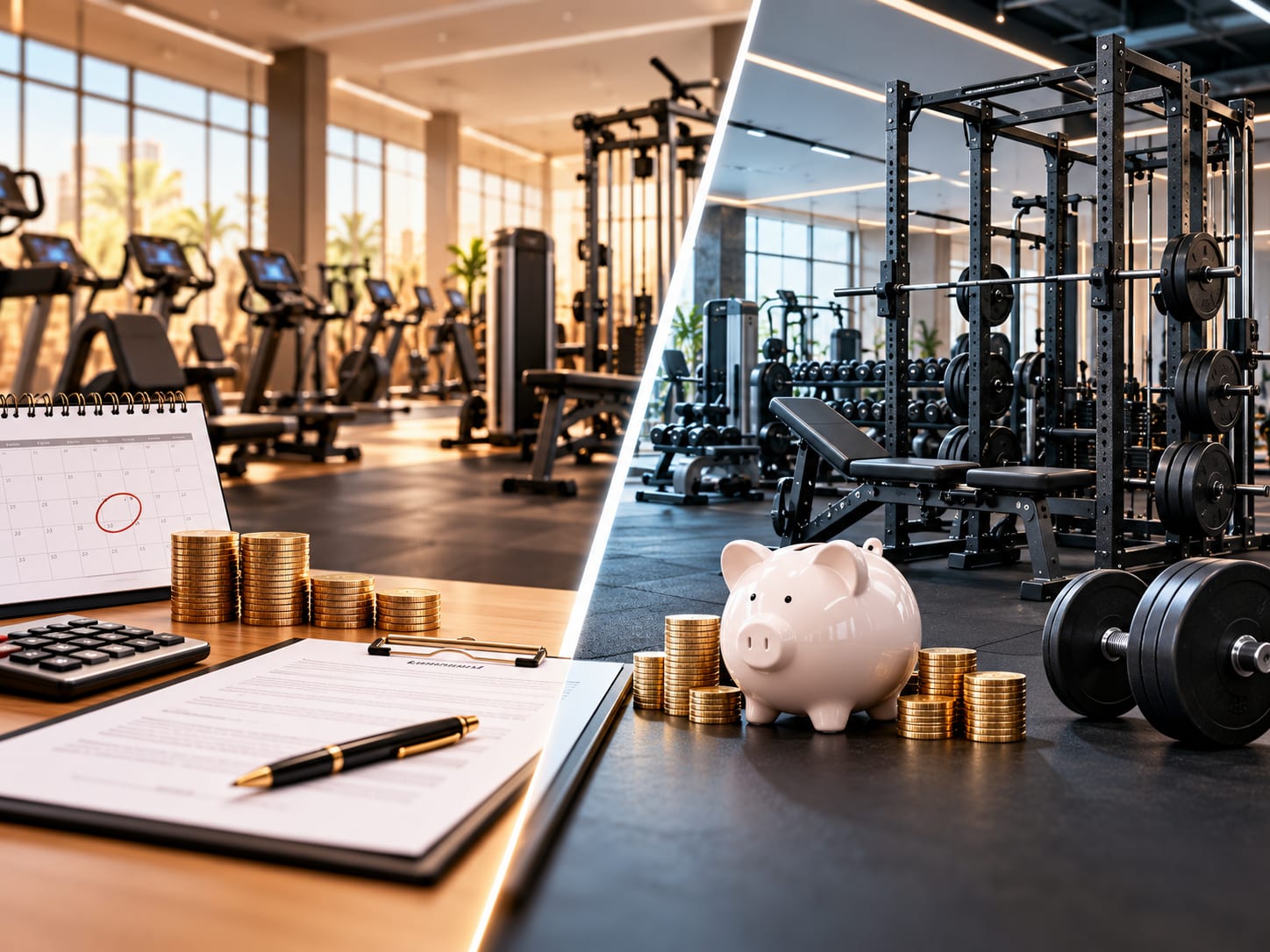
For a new gym owner, it is likely that one question comes up before making the purchases, ‘Should I buy the equipment or lease it’? The fact is, there is no universal answer that works for every gym. While buying gives you ownership and control, leasing reduces the initial cash required for the gym.
The right choice actually depends on factors like budget, business plans, expected equipment usage, cash flow and how often you want to upgrade your machines.
This blog compares leasing vs buying of commercial gym equipment, with points like cash flow, ownership, maintenance, upgrades, accounting considerations and contract risks. The intention is to help you understand the differences before making a decision.
What Does Buying Gym Equipment Mean?
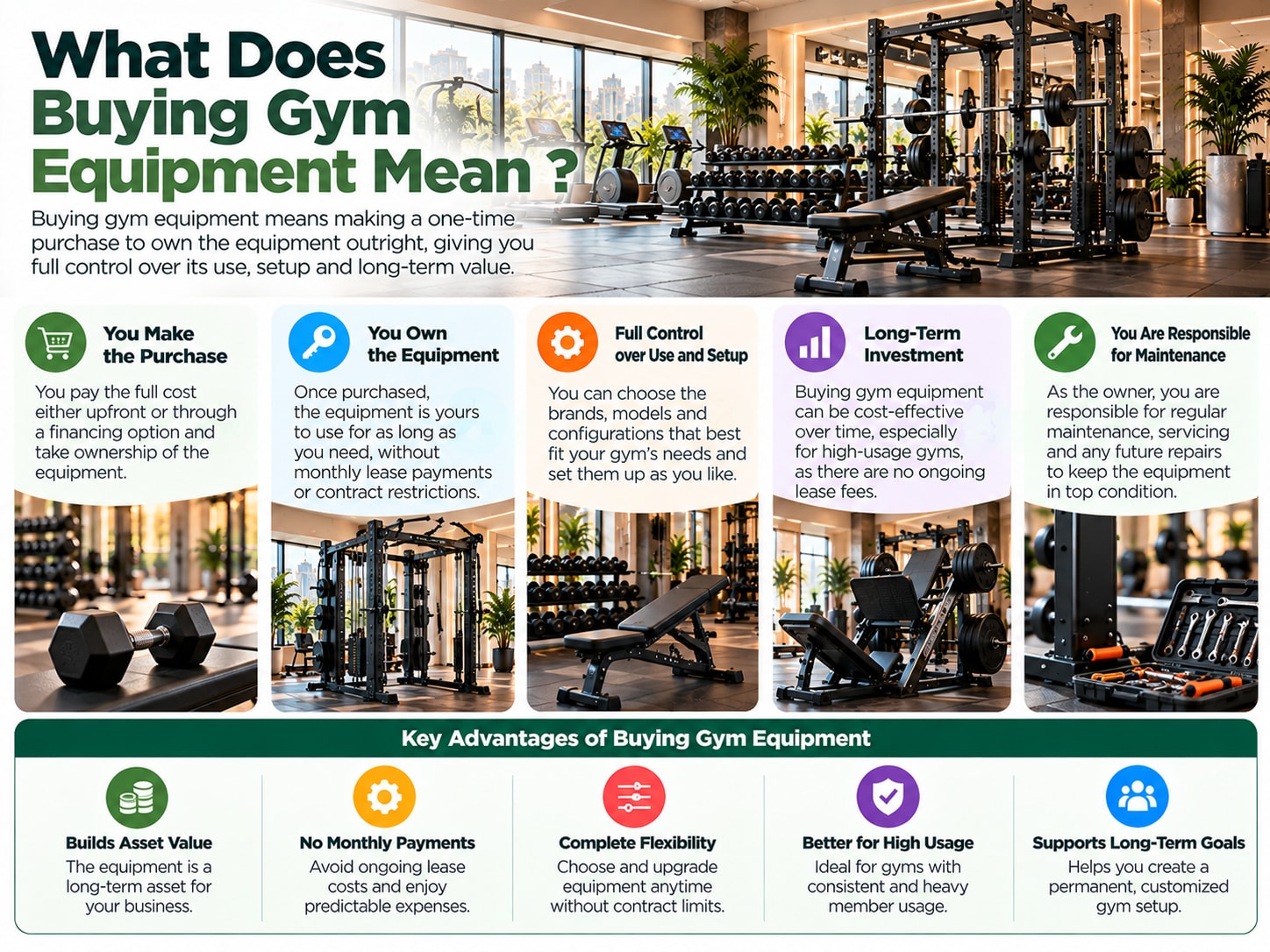
In simple terms, buying means you pay for the equipment and become the owner. You purchase the equipment with cash, or use a business loan, or other financial options.
Once the equipment is purchased, it belongs to your business, subject to any financing or security arrangements. You get to decide how long to keep it, when to replace it and what to do with it when you upgrade.
For a commercial gym, buying really makes sense when you plan to use the equipment for several years and have enough capital available without putting much pressure on day-to-day expenses.
What Does Leasing Gym Equipment Mean?
With leasing, your business pays to use the equipment for an agreed period rather than purchasing it outright at the beginning.
The exact structure depends on the leasing company and contract. You may make monthly or quarterly payments for a specified period. At the end of the agreement, the equipment may be returned, renewed, purchased or handled in another way depending on the terms.
This can make leasing attractive to gym owners who want to preserve cash for other parts of the business. However, the monthly payment should not be the only thing you look at. The total cost over the entire contract matters just as much.
Commercial Gym: Buying vs Leasing Simplified
Check out a quick comparison between the two options. Note that the details of each agreement can be very different.
- Initial cost: It is usually higher in buying, when compared to leasing
- Ownership: Buying lets you own equipment, while leasing depends on contract
- Monthly payments: It is lower in buying, but continues during lease process
- Cash flow: Needs huge investment for buying, leasing has predictable payments
- Upgrades: In buying, the owner decides it, while it depends on agreement in leasing
- Resale value: Owners can sell equipment in buying, but contract matters in leasing
- Long-term use: It is attractive in buying, but the total lease cost matters in leasing
- Contract flexibility: It is greater in buying, while lease terms matter in leasing
- Maintenance: It is owner's responsibility in buying, while it may or may not be included in leasing
Cash Flow Creates the Biggest Difference
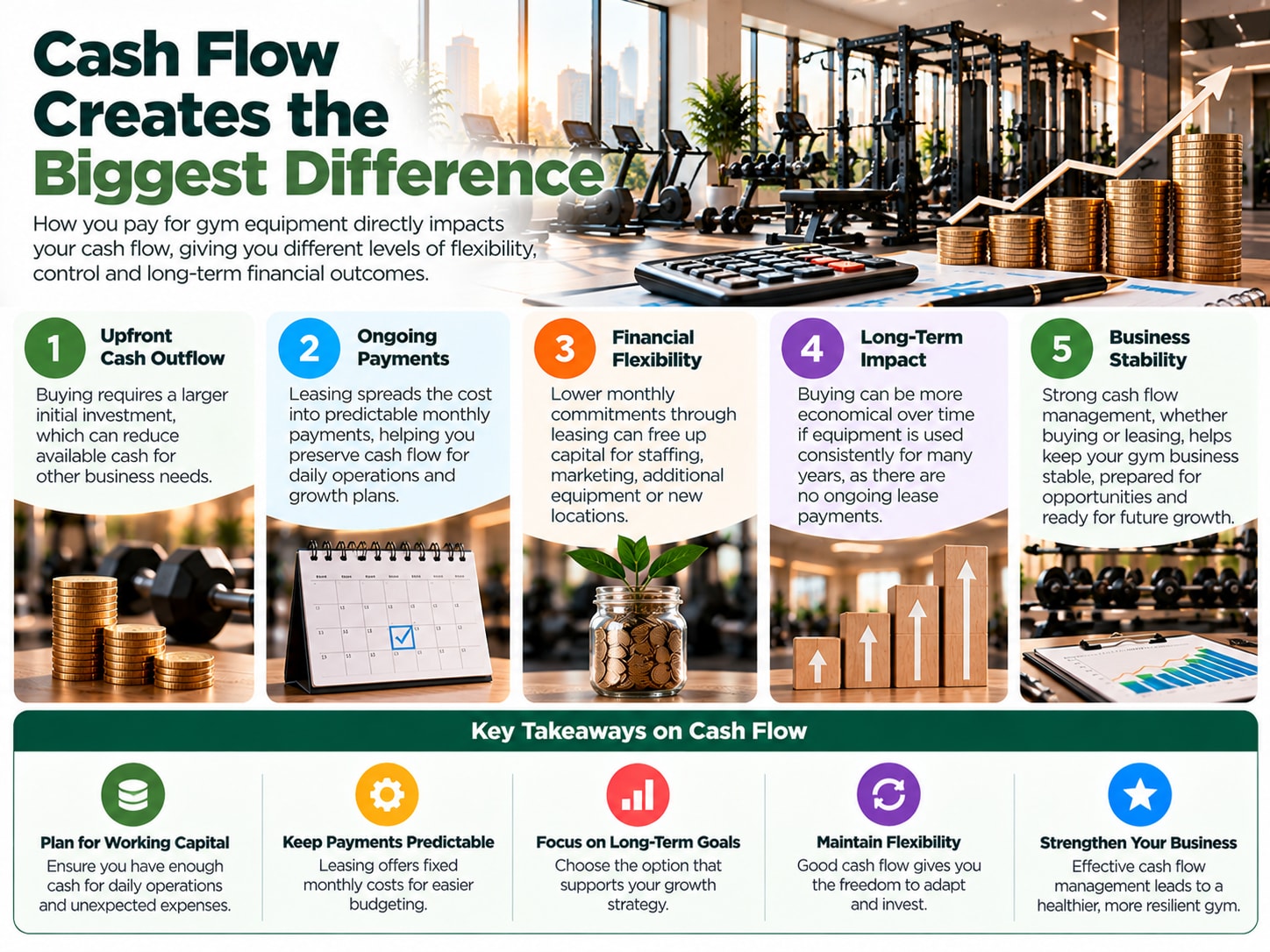
Cash flow is often the biggest reason a gym owner opts for leasing options. Opening a commercial gym involves much more than equipment. You may also need to spend money on the following things:
- Rent
- Interior work
- Flooring
- Mirrors
- Lighting
- Air conditioning
- Staff
- Marketing
- Software
- Insurance
- Licences
- Utilities
- Working capital
If you spend a large portion of your available cash on equipment, you may have less money available for other expenses. Leasing can spread equipment payments over a longer period. Instead of paying the full equipment cost at the beginning, you may make regular payments as per the agreement.
This makes it easier to keep cash available for daily business needs. However, leasing does not make the equipment cheaper automatically. You need to compare the total amount paid over the entire lease with the price of buying the same equipment.
How Can Buying Option Be Better for Cash Flow?
Interestingly, buying can still be a good option if you have sufficient capital. Once the equipment has been paid for, there may be no equipment lease payment each month.
This can reduce regular financial commitments later. For an established gym with strong cash reserves, purchasing equipment may be more attractive than taking on another long-term monthly payment.
The key is to avoid spending so much upfront that the business struggles with its operating expenses. A gym needs enough working capital to survive the early months, especially if membership numbers take time to build.
Ownership of a Commercial Gym: Who Owns the Equipment?
Ownership is another major difference. When you buy commercial gym equipment, you own it, subject to any financing terms. Needless to say, this gives you more freedom. You have options like the following:
- Keeping it
- Selling it
- Moving it
- Replacing it
- Trading it in
- Using it for as long as it remains useful
When it comes to leasing, ownership depends on the agreement. You may only have the right to use the equipment during the lease period.
Some contracts may offer an option to purchase the equipment at the end. Others may require you to return it. Never assume that paying monthly installments means you become the owner. Always read the agreement carefully.
What Happens at the End of a Lease?
This is one of the important questions to ask yourself before signing a lease. Find out exactly what happens when the lease ends. Possible arrangements can include the following scenarios:
- Return the equipment
- Renew the lease
- Purchase the equipment
- Replace it with newer equipment
- Continue under another agreement
The contract should clearly explain the process. Also check whether there are return conditions. For example, the agreement may specify the condition in which equipment must be returned. Understanding this from the beginning can prevent unpleasant surprises later.
Maintenance in Commercial Gym: Buying vs Leasing?
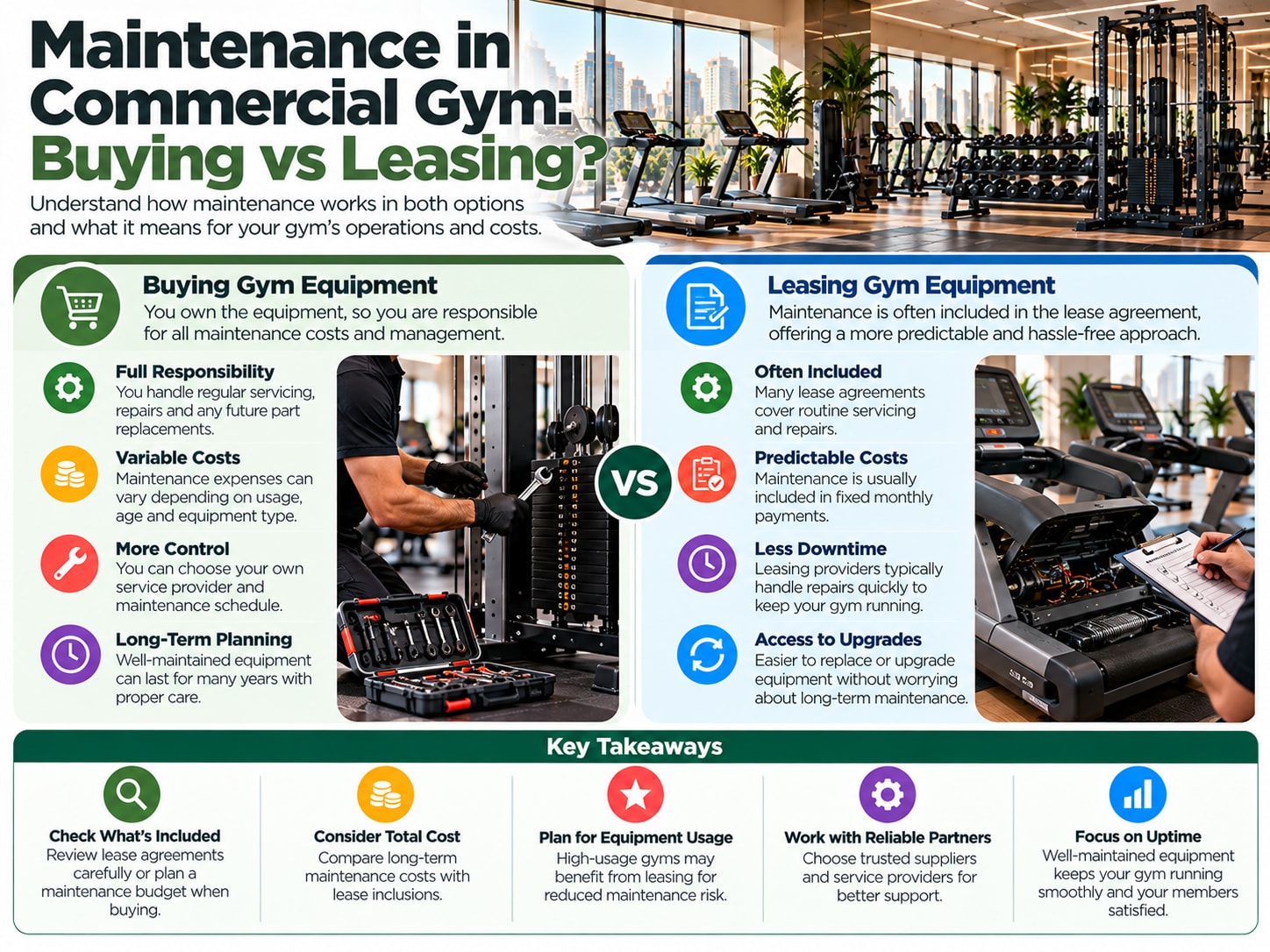
Commercial gym equipment always receives heavy use. A treadmill in a busy gym may be used many times every day. Strength machines, cables, benches and other equipment also experience regular wear.
Therefore, maintenance needs to be part of the financial calculation. When buying equipment, maintenance is generally the responsibility of the owner. You may need to arrange the below aspects:
- Preventive maintenance
- Repairs
- Replacement parts
- Equipment inspections
- Lubrication
- Belt replacement
- Cable replacement
- Upholstery repairs
The exact requirements vary by equipment. With leasing, maintenance arrangements depend on the contract.
Some leasing packages may include maintenance or service support. Others may leave maintenance completely to the customer. Never assume maintenance is included simply because you are leasing. Always ask for it in writing.
Comparing the Service Package is Recommended
If maintenance is included in a lease, check what it actually covers. Some of the questions to ask include the following:
- How often is preventive maintenance performed?
- Are service visits included?
- Are spare parts included?
- Are labour costs included?
- What happens if a machine breaks down?
- Is emergency service available?
- How long is the expected repair response time?
- Are consumable parts covered?
A lower monthly lease payment may not be a good deal if you have to pay separately for every repair.
Upgrades and New Equipment in a Commercial Gym
Many fitness equipment may need changes over time. New consoles, improved technology and updated machine designs can make older equipment look outdated.
This is mostly relevant for gyms that want to maintain a modern appearance. Buying gives you complete control over upgrades. You can replace a machine whenever you decide that it is no longer suitable.
Under leasing, upgrades may be easier in some contracts, particularly if the agreement is structured around equipment replacement. However, this depends entirely on the provider and terms. Before signing, ask whether you can upgrade during the contract and what additional costs would apply.
Buying vs Leasing: How Does Technology Factor Differ?
Technology is particularly relevant to cardio machines. Modern treadmills, ellipticals and bikes may include the following:
- Touchscreen consoles
- Workout programmes
- Internet connectivity
- Entertainment options
- Training apps
- User profiles
If technology is an important part of your gym's customer experience, think about how long you expect the equipment to remain current. Buying may work well if you are comfortable keeping equipment for several years. Leasing may be worth considering if you want a planned replacement cycle.
Tax and Accounting Concerns You Need to Know
Tax and accounting treatment can become complicated because it depends on the business structure, financing arrangement and type of lease. The rules can also change.
For this reason, gym owners should speak to their accountant before deciding based only on expected tax benefits. There are several questions worth asking like the following:
- Is the equipment treated as a business asset?
- How is depreciation handled?
- Are lease payments deductible?
- Does the agreement count as a finance lease or operating arrangement?
- How is interest treated?
- What happens if the equipment is purchased at the end?
- How should the transaction appear in the company's accounts?
Do not assume that leasing automatically provides a better tax outcome. Likewise, buying does not automatically mean that the full purchase price can be treated as an immediate business expense. The accounting treatment depends on the circumstances.
Contract Risks When Leasing a Commercial Gym
Leasing can offer flexibility, but the contract needs careful attention. A gym owner should understand exactly what they are agreeing to before signing. Pay particular attention to the following factors:
- Contract length
- Monthly payment
- Deposit
- Interest or finance charges
- Early termination
- Late-payment charges
- Maintenance
- Insurance
- Equipment damage
- End-of-term options
- Upgrade conditions
- Ownership terms
- Return requirements
- Renewal terms
A contract that looks attractive at first can become expensive if these details are overlooked.
Think About the Prospects of Early Termination
Any business plan can change over a period of time. A gym may move to another location, close, merge with another business or change its equipment strategy. What happens if you need to end the lease early?
Some agreements may charge an early termination fee. Others may require the remaining payments to be settled. Make sure you understand this before signing. If the business has an uncertain future, a long lease commitment deserves extra consideration.
Risks Associated with Buying a Commercial Gym
Buying does not eliminate risk. Gym owners need to consider what happens if equipment becomes outdated or fails earlier than expected. Other risks include the following scenarios:
- Large upfront investment
- Depreciation
- Repair costs
- Difficulty selling used equipment
- Technology becoming outdated
- Equipment sitting unused
A business may also overestimate how much equipment it needs. Buying ten machines that are rarely used is not a better investment than buying five machines that are used throughout the day.
Why Should You Plan in Advance for the Resale Value Factor?
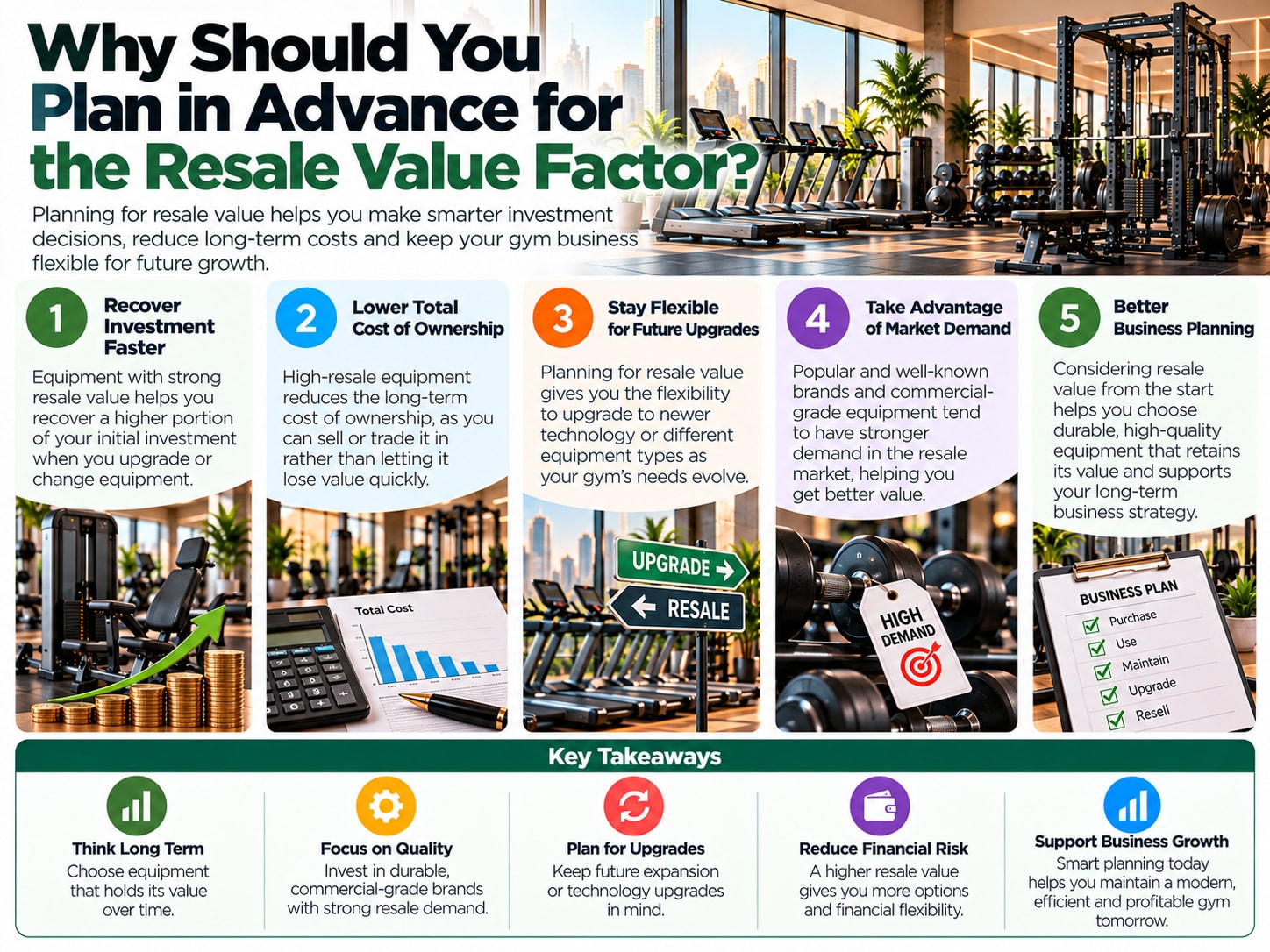
One advantage of buying is the possibility of selling equipment later. Commercial gym equipment may have some resale value depending on its condition, age, brand and demand.
However, do not assume that you will recover a large portion of the original price. Equipment loses value over time. Technology-heavy cardio machines can also become outdated faster than basic strength equipment. When buying, think about both the useful life and potential resale value.
Equipment Type Can Influence the Decision
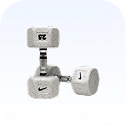
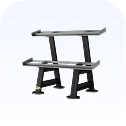
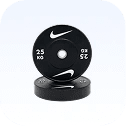
Not every piece of gym equipment needs to be treated the same way. For example, basic equipment such as the following can often remain useful for many years:
- Dumbbells
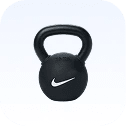
- Kettlebells
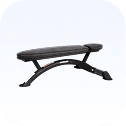
- Benches
- Racks
- Weight plates
Technology-heavy cardio equipment may have a different replacement cycle. For this reason, a gym could potentially use a mixed approach.
You might buy long-lasting strength equipment while considering financing or leasing options for certain cardio machines. The best solution does not always have to be ‘lease everything’ or ‘buy everything’.
Buying vs Leasing for a New Gym
A new gym needs to protect its cash during the early stages. Rent, salaries, marketing and other expenses can quickly add up before the membership base becomes stable.
Leasing may therefore appeal to a new business because it can spread equipment costs. However, the business should still calculate its expected monthly expenses carefully.
If membership growth is slower than expected, monthly lease payments still need to be made. A new gym should not take on a payment it cannot comfortably support during a slow period.
Buying vs Leasing for an Established Gym
An established gym may have more predictable revenue. If it has strong cash reserves, buying equipment may be attractive. It can also replace equipment according to its own schedule without being tied to a lease agreement.
On the other hand, an established gym that wants regular equipment upgrades may prefer leasing arrangements that provide a planned replacement cycle. The decision depends on the gym's financial position and long-term strategy.
Questions to Ask Before Leasing a Commercial Gym
Before signing a lease, ask the provider the following questions:
- Who owns the equipment?
- What is the total amount payable?
- Is there a deposit?
- What is the lease period?
- Is maintenance included?
- Are spare parts included?
- What happens if equipment breaks down?
- Can I upgrade the equipment?
- What happens if I want to end the agreement early?
- Can the equipment be moved to another location?
- What happens at the end of the lease?
- Can I purchase the equipment?
- Are there additional administrative or service fees?
- What condition must the equipment be in when returned?
- Keep in mind that you need to get important answers in writing.
Questions to Ask Before Buying a Commercial Gym
If you decide to buy, ask the following questions:
- What is the warranty?
- Is installation included?
- What is the delivery time?
- Are spare parts available?
- Is preventive maintenance available?
- What does the service package include?
- What is the expected lifespan of the equipment?
- Can equipment be upgraded?
- Is there a trade-in programme?
- What support is available after the sale?
Always note that good after-sales service can be just as important as the equipment itself.
Why is a Mixed Approach Likely to Work?
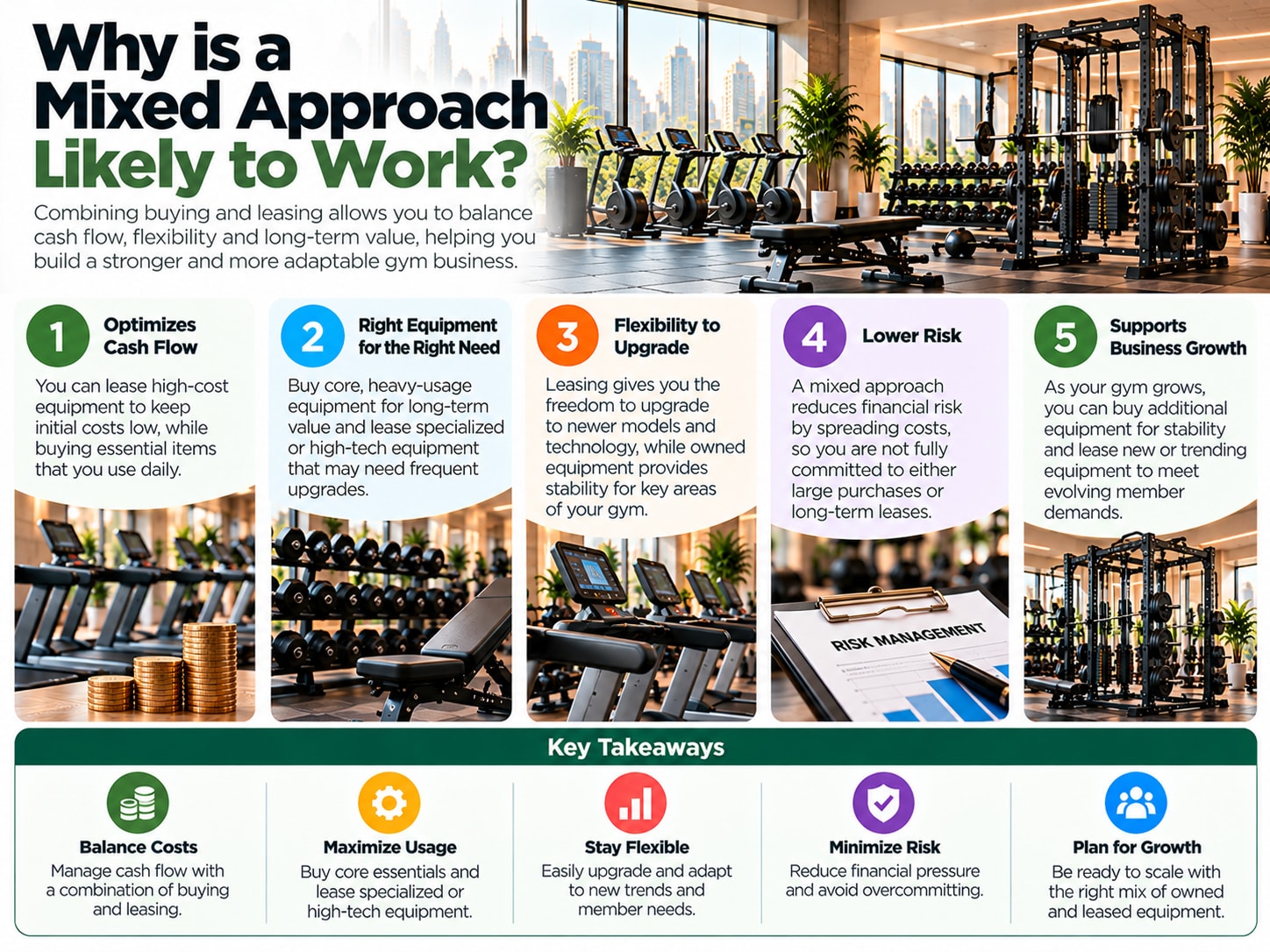
Gym owners sometimes assume they have to choose between either buying and leasing everything. However, that is not necessarily true. Sometimes, a mixed strategy may make sense. For example, a gym could buy the following:
- Dumbbells
- Kettlebells
- Benches
- Racks
- Weight plates
and use financing or leasing for the following:
- Treadmills
- Ellipticals
- Bikes
- Other technology-heavy equipment
This can spread the financial commitment while allowing the business to own equipment that is likely to remain useful for a long time. Whether this approach works depends on the business's finances and the available agreements.
A Simple Guide for a Final Decision
There is no universal winner in the commercial gym equipment leasing vs buying debate. Buying can be a good choice when you have enough capital, want ownership and plan to keep the equipment for several years.
Leasing can be useful when protecting cash flow is important, when you want predictable payments or when regular equipment upgrades are part of your business strategy.
The decision should come down to the numbers and the needs of your gym. Before making a final choice, compare the total cost, expected equipment life, maintenance requirements, upgrade plans and contract terms.
Buying may suit you if:
- You have enough available capital
- You want to own the equipment
- You plan to keep it for many years
- You want freedom to sell or replace it
- You are comfortable managing maintenance
Leasing may suit you if:
- You want to preserve working capital
- You prefer regular payments
- You want a planned upgrade cycle
- You want certain services included in the agreement
- You prefer not to make a large upfront payment
A mixed approach may suit you if:
- You want to own basic strength equipment
- You want flexibility with cardio equipment
- You want to balance cash flow and ownership
- Different equipment has different replacement cycles
Qatar fitness enthusiasts can visit Lifetime Fitness Store for competitive offers, quality gym equipment, trusted brands, expert guidance, reliable delivery, professional installation, and dependable after-sales support for home and commercial fitness needs.
Conclusion
Choosing between leasing and buying commercial gym equipment is a financial decision, but it is also an operational one. The cheapest option on paper may not always be the best choice for the business.
Buying requires more money upfront, but it gives you ownership and control. Leasing can make the initial investment easier to manage, but you need to understand the full contract and total cost. Think about your gym's current position as well as where you want it to be in three, five or even ten years.
Consider your expected membership, available cash, equipment usage, maintenance requirements and plans for upgrades.
Most importantly, read the agreement carefully before signing. Understand who owns the equipment, what happens if something breaks, what happens when the contract ends and what it will cost if your plans change.
The right equipment strategy is the one that supports your gym without putting unnecessary pressure on its finances. Whether that means buying, leasing or combining both approaches, a clear comparison of the long-term costs and benefits will help you make a more confident decision.
 Get a weekly dose of latest stories
and useful tips directly in your inbox!
Get a weekly dose of latest stories
and useful tips directly in your inbox!


 0
0