



Head injuries are among the most serious and complex injuries the human body can experience. Whether they occur during sports, gym workouts, road accidents, workplace incidents, or everyday activities, injuries involving the head can have lasting physical, cognitive, and emotional consequences. The brain controls every major function of the body, making head protection one of the most important aspects of overall safety and well-being.
Modern lifestyles have increased participation in fitness activities, outdoor sports, cycling, home workouts, strength training, and recreational fitness. While staying active is highly beneficial for long-term health, it is equally important to understand the risks associated with physical activity and how proper safety measures can significantly reduce the chances of serious injuries.
At Lifetime Fitness Store, fitness is not only about performance and results. It is also about training safely, protecting the body properly, and building long-term wellness habits through high-quality fitness equipment and responsible workout practices.
Head injuries can range from mild concussions to severe traumatic brain injuries that affect movement, memory, concentration, emotional health, and daily functioning. Even mild head trauma should never be ignored because symptoms may not always appear immediately.
The good news is that many head injuries are preventable. With proper awareness, the right protective equipment, safer workout environments, and responsible fitness practices, individuals can dramatically reduce risks while continuing to enjoy active lifestyles.
Understanding how head injuries occur, recognizing warning signs, and investing in proper safety equipment can help protect not only physical health but also long-term quality of life.
Understanding Head Injuries
A head injury refers to any trauma affecting the scalp, skull, or brain. These injuries usually occur when external force impacts the head suddenly or violently.
The severity of head injuries can vary greatly depending on:
- The force of impact
- The angle of injury
- The area affected
- The duration of trauma
- The person’s age and health condition
Some injuries involve only superficial damage to the scalp, while others directly affect brain tissue and neurological function.
Because the brain is highly sensitive and controls virtually every bodily function, head injuries must always be taken seriously.
Types of Head Injuries
There are several different forms of head injuries, each varying in severity and long-term impact.
Concussions
Concussions are among the most common head injuries, particularly during sports and physical activities. A concussion occurs when sudden movement or impact disrupts normal brain function temporarily.
Symptoms may include:
- Headaches
- Dizziness
- Nausea
- Sensitivity to light
- Confusion
- Memory problems
- Difficulty concentrating
Concussions can occur even without visible injury, making them difficult to identify immediately.
Contusions
Contusions are bruises that occur directly on brain tissue due to impact.
Mild brain bruising may heal naturally, while severe cases can involve swelling or bleeding requiring urgent medical attention.
Skull Fractures
A skull fracture occurs when the bone surrounding the brain breaks due to impact.
These injuries can become dangerous if:
- Bone fragments penetrate brain tissue
- Bleeding occurs internally
- Infection risks develop
Intracranial Hemorrhage
This type of injury involves bleeding within or around the brain.
Internal bleeding increases pressure inside the skull and may become life-threatening if untreated.
Symptoms often include:
- Severe headaches
- Vomiting
- Loss of consciousness
- Confusion
- Neurological impairment
Diffuse Axonal Injury
Diffuse Axonal Injury, often called DAI, occurs during sudden rotational movement or severe impact.
This injury damages nerve fibers within the brain and often results in long-term cognitive or physical impairments.
Common Causes of Head Injuries
Head injuries can occur in many situations, but some environments carry significantly higher risks.
Sports and Fitness Activities
Sports-related head injuries are increasingly common due to:
- Contact sports
- High-impact training
- Cycling accidents
- Falls during workouts
- Improper equipment use
Activities such as:
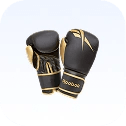
- Boxing
- Football
- Martial arts
- Skateboarding
- Cycling
- Weightlifting
can involve elevated injury risks without proper safety precautions.
Even home workouts can become dangerous if equipment is unstable or workout environments are poorly organized.
Road Accidents
Motorcycle, bicycle, and car accidents remain major causes of serious head injuries globally.
Wearing helmets and seatbelts significantly reduces injury severity during accidents.
Falls
Falls are extremely common among:
- Children
- Elderly individuals
- Athletes
- Gym users
Slippery surfaces, poor lighting, unstable flooring, and cluttered workout spaces increase fall risks substantially.
Workplace Hazards
Construction sites, industrial facilities, and physically demanding workplaces often expose workers to elevated injury risks from:
- Falling objects
- Heavy equipment
- Unsafe environments
This is why hard hats and protective equipment remain mandatory in hazardous workplaces.
Why Awareness About Head Injuries Matters
One of the biggest problems surrounding head injuries is that many people underestimate their seriousness.
Mild symptoms are often ignored initially, allowing injuries to worsen over time.
Awareness is extremely important because early recognition:
- Improves recovery
- Reduces complications
- Prevents long-term damage
Understanding the warning signs can help individuals seek medical attention before conditions become severe.
Symptoms of Head Injuries
Symptoms vary depending on injury severity.
Mild Symptoms
Mild head injuries may involve:
- Dizziness
- Headaches
- Nausea
- Fatigue
- Confusion
- Blurred vision
- Difficulty concentrating
Severe Symptoms
More serious injuries may involve:
- Loss of consciousness
- Persistent vomiting
- Seizures
- Severe confusion
- Difficulty speaking
- Limb weakness
- Memory loss
Any severe symptom requires immediate medical evaluation.
Why Fitness Safety Is More Important Than Ever
As fitness culture continues growing worldwide, more people are:
- Joining gyms
- Building home gyms
- Participating in sports
- Using advanced equipment
While this growth is positive, it also increases injury risks when safety measures are ignored.
Modern fitness equipment should always prioritize:
- Stability
- Safety
- Ergonomic design
- Controlled movement
- User protection
The Role of Protective Equipment
Protective equipment plays a massive role in reducing head injury risks during fitness activities and sports.
Using proper equipment can significantly minimize impact forces transmitted to the head and brain.
Helmets
Helmets remain the most important protective equipment for preventing serious head injuries.
Helmets are essential during:
- Cycling
- Skating
- Motorcycling
- Boxing
- Outdoor sports
Modern helmets are designed to absorb and distribute impact forces more effectively.
Advanced helmet technologies now include:
- Multi-directional impact protection
- Shock-absorbing materials
- Rotational force reduction systems
Mouthguards
Although primarily designed for dental protection, mouthguards also help reduce impact forces affecting the jaw and head.
They are highly recommended during:
- Boxing
- Martial arts
- Contact sports
Face Shields and Goggles
Face protection equipment helps reduce injuries during:
- Construction work
- High-risk sports
- Industrial activities
Hard Hats
Hard hats remain essential in hazardous workplaces where falling debris or heavy objects may pose risks.
How Smart Fitness Equipment Improves Safety
Modern fitness equipment now includes advanced safety-focused features designed to reduce injury risks.
- Emergency stop systems
- Stable frame designs
- Shock absorption
- Cushioning systems
Controlled resistance mechanisms
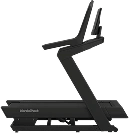
Treadmills and Safer Cardio Training
Modern treadmills now include:
- Safety key systems
- Cushioned running decks
- Controlled incline systems
- Stability-focused engineering
These features help reduce risks during:
- Running
- Walking
- Interval training
Proper treadmill use also reduces accidental falls caused by instability or sudden stopping.
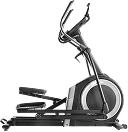
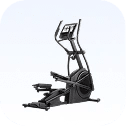
Cross Trainers and Joint-Friendly Workouts
Cross trainers provide low-impact cardio workouts while minimizing pressure on:
- Knees
- Ankles
- Hips
- Lower back
Because cross trainers create smoother movement patterns, they reduce risks associated with high-impact exercise.
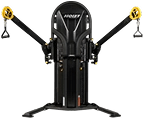
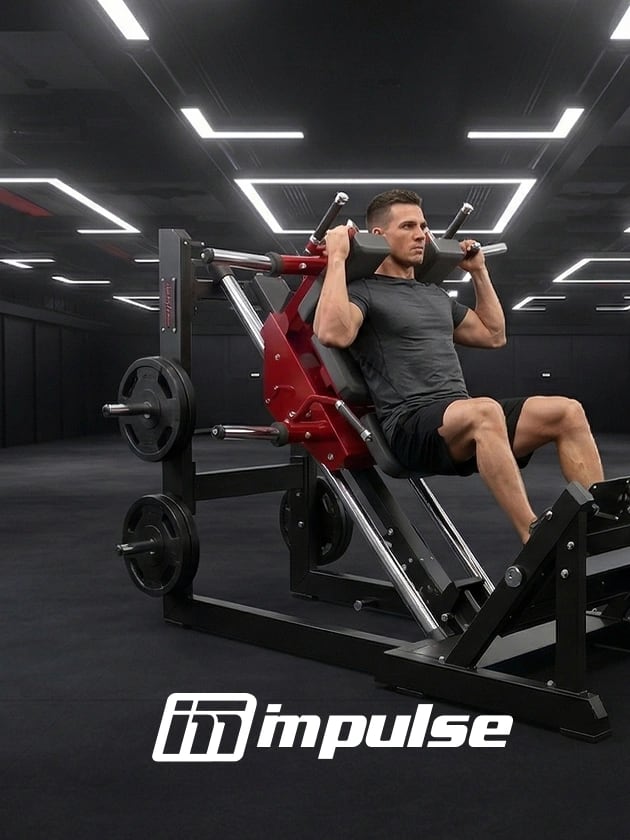
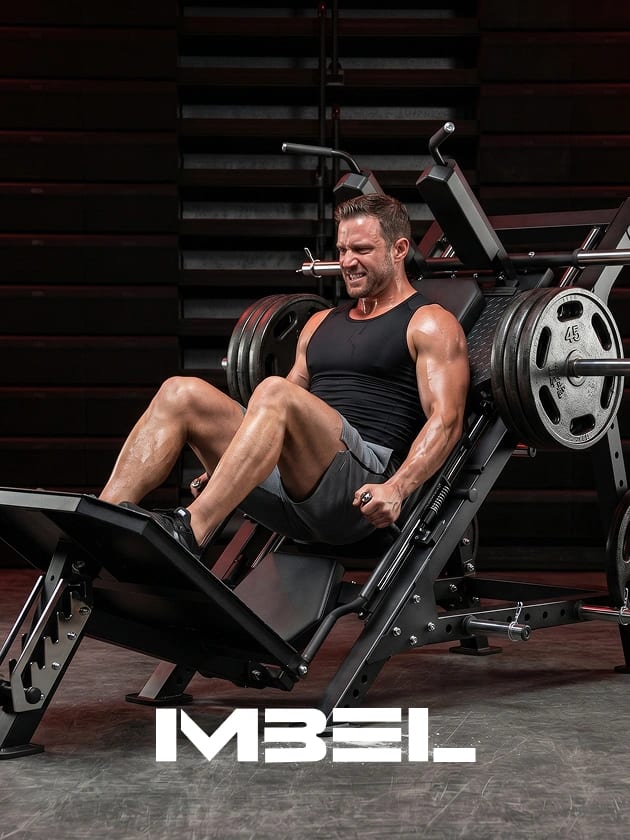
Strength Equipment and Controlled Movement
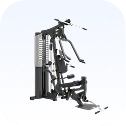
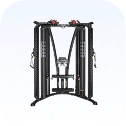
Functional trainers and resistance equipment designed with proper biomechanics help reduce injury risks during:
- Weightlifting
- Functional training
- Strength workouts
Stable workout environments are essential for preventing falls and sudden impacts.
Home Gym Safety Matters
Home fitness continues growing rapidly, but poorly designed home gyms can increase injury risks significantly.
Safe home workout environments should include:
- Proper flooring
- Adequate lighting
- Stable equipment placement
- Sufficient workout space
- Organized layouts
Heavy equipment should always remain properly secured and maintained.
Recovery After Head Injuries
Recovery from head injuries varies greatly depending on injury severity.
Mild Injuries
Mild injuries often require:
- Rest
- Reduced screen time
- Limited physical exertion
- Proper hydration
- Sleep optimization
Severe Injuries
Serious head injuries may require:
- Hospitalization
- Surgery
- Rehabilitation therapy
- Neurological monitoring
Recovery often involves:
- Physical therapy
- Occupational therapy
- Cognitive rehabilitation
The Psychological Impact of Head Injuries
Head injuries affect more than physical health.
Many individuals experience:
- Anxiety
- Depression
- Mood changes
- Difficulty concentrating
- Emotional instability
Psychological support plays a critical role during recovery.
Support systems such as:
- Therapy
- Counseling
- Family support
- Rehabilitation programs
can improve emotional healing significantly.
Why Children Need Extra Protection
Children remain especially vulnerable to head injuries because their brains are still developing.
Common causes include:
- Playground falls
- Cycling accidents
- Sports injuries
- Skating accidents
Parents should prioritize:
- Proper helmets
- Age-appropriate equipment
- Safe play environments
- Active supervision
Innovations in Head Injury Prevention
Technology continues improving protective equipment dramatically.
Modern innovations include:
- Smart helmets
- Impact sensors
- Advanced foam materials
- Wearable airbags
- Rotational impact protection systems
These advancements help reduce injury severity more effectively than traditional equipment.
Building a Culture of Safety
Preventing head injuries requires more than equipment alone.
It also requires:
- Awareness
- Education
- Responsible behavior
- Proper training practices
- Safe environments
Fitness and sports communities must continue prioritizing safety alongside performance.
Why Prevention Is Always Better
Head injuries can affect:
- Physical health
- Cognitive function
- Emotional wellness
- Quality of life
Preventive measures remain the most effective solution.
Simple habits such as:
- Wearing helmets
- Using proper equipment
- Following safety protocols
- Maintaining safe workout spaces
can dramatically reduce risks.
Conclusion
Head injuries remain one of the most serious health risks across sports, fitness, transportation, workplaces, and everyday life. Because the brain controls every major bodily function, protecting it should always remain a top priority.
Understanding the causes, symptoms, prevention methods, and recovery strategies associated with head injuries helps individuals make safer decisions during physical activities and daily life.
Protective equipment such as helmets, mouthguards, hard hats, and safety-focused fitness equipment significantly reduce risks when used properly.
Modern fitness technology and premium workout equipment now provide safer training environments through advanced engineering, stability-focused design, controlled movement systems, and impact-reducing features.
At Lifetime Fitness Store, fitness is about more than performance. It is about building healthier lifestyles safely through premium workout equipment, advanced cardio systems, home gym solutions, and wellness-focused training environments designed for long-term physical well-being.
Protecting the head is not simply a recommendation. It is a responsibility that supports long-term health, movement, confidence, and quality of life.
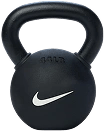
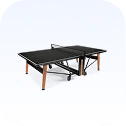
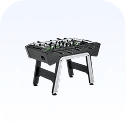
If you are looking to buy other fitness machines or accessories, look no further! Explore our range of fitness products like treadmills, elliptical cross trainers, exercise bikes, rowing machines, home gym, functional trainer, multi-station, power towers, smith machines, dumbbells, foosball tables, pool tables, and table tennis.


 0
0