




The multiple perks sports and physical activities offer to people of all ages need no introduction. Better muscle strength, improved cardiovascular health, and enriched mental well-being are some of the benefits of indulging in outdoor games. However, the excitement that sports offer could come with certain risks as well, like minor injuries that range from strains to serious fractures.
If we intend to completely reap the various benefits of sports, it is inevitable to focus on injury prevention. In this detailed guide, we will learn the various methods to avoid injuries to keep ourselves safe and secure.
Understanding Sports Injuries
Sports injuries occur owing to several reasons. It could happen due to performing improper techniques, inappropriate warm-ups, and sometimes because of environmental factors. The varied kinds of injuries could affect different parts of the body, including muscles, ligaments, bones, and joints. Some of the common sports injuries include:
- Sprains and Strains: These injuries are nothing but tearing of ligaments or muscles. They occur because of sudden movements or overstretching.
- Fractures: Bone fractures happen due to falls or excessive stress on bones while indulging in heavy-impact sports.
- Dislocations: Joints suffer from dislocation when a force pushes the bones from their original positions. Though quite common in contact sports, it requires immediate medical attention.
- Concussions: A heavy impact on the head leads to concussions, which further leads to serious brain injuries that require appropriate evaluation.
Importance of Preventing Injury
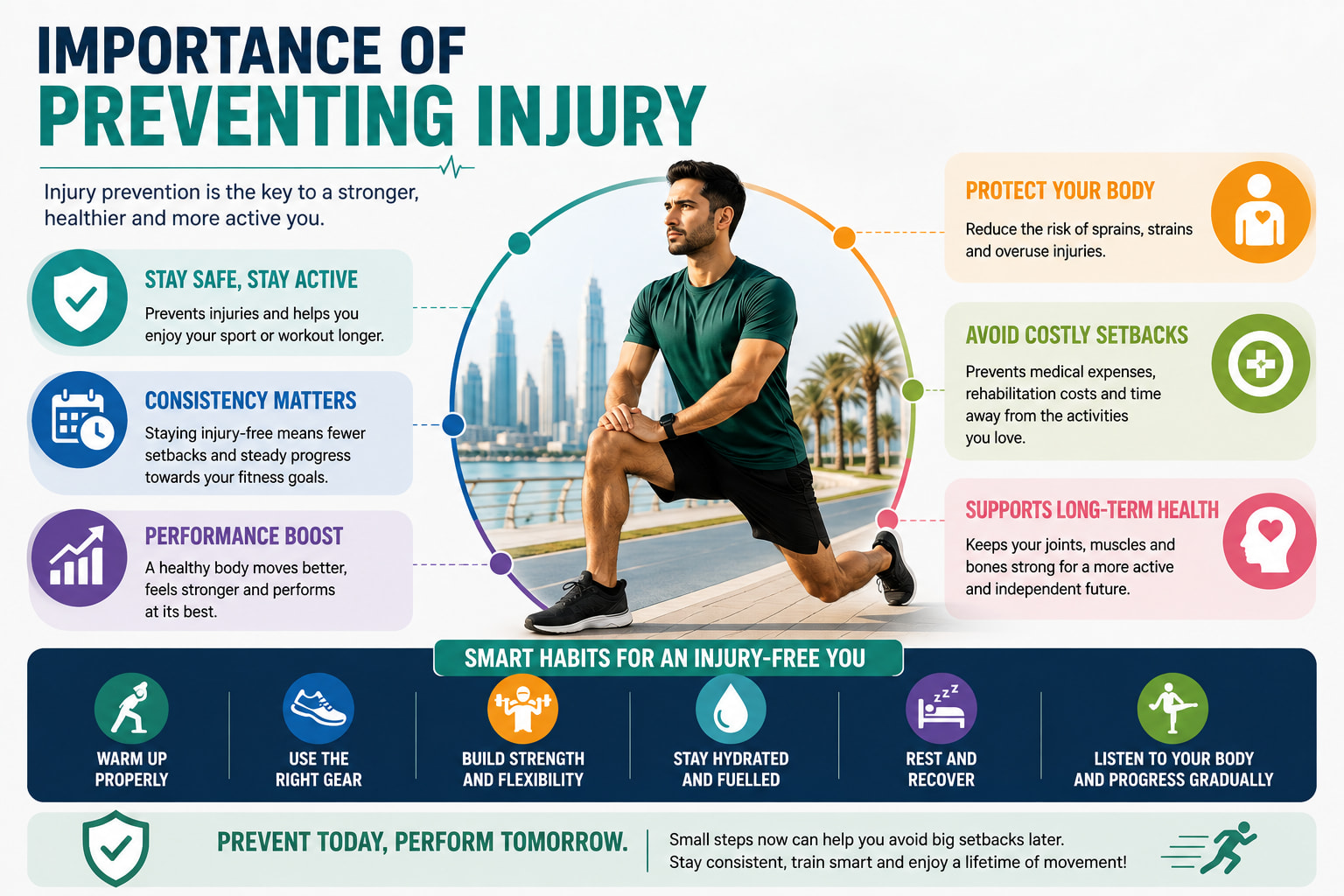
Preventing injuries related to sports is not just about avoiding pain or discomfort, it's also about maintaining a healthy lifestyle. When injuries occur, they hinder your overall training routine and lead to long-term health issues. Staying away from injury allows you to enjoy and appreciate the sports activities that you take up passionately.
Strategies for Avoiding Sports Injuries
- Proper Warm-Up: The most simple and effective method to prevent injury is to indulge in a proper warm-up before taking up any physical activity. This practice increases your heart rate, blood flow, and body temperature, thus enabling your muscles and joints for intense movements. Doing several stretches in many positions and light aerobic exercises will activate your muscles.
- Technical Proficiency: Embracing the right techniques to play your favourite sport could drastically lower the risk of injuries. Maintaining proper posture and the right stretches will minimize the strain on the body.
- Gradual Progression: It's advisable to progress gradually in terms of the frequency of your workouts, irrespective of whether you are a beginner or an experienced sportsperson. The sudden increase in workout load may lead to injuries, as your body needs time to adapt to new challenges.
- Cross-Training: Making yourself engaged with different physical activities is likely to prevent overuse injuries by giving some of the muscles and joints a break.
- Use of Appropriate Gear and Equipment: Wearing the right footwear and protective gear for your sport will provide the essential support, thereby reducing the risk of injuries. Needless to say, ill-fitting shoes or lack of adequate padding could lead to discomfort and accidents.
- Stay Hydrated: Proper hydration and balanced nutrition are always considered important for effective muscle function and overall performance. Dehydration leads to muscle cramps and fatigue, thus increasing the chances of injuries.
- Rest and Recovery: Many tend to ignore the need to take ample rest after indulging in a hectic physical activity. Taking rest is as important as training as your body requires time to repair and rebuild. Prioritizing sleep is another factor people should keep in their minds.
- Listen to Your Body: Always pay attention to signs of pain or discomfort. Pushing your limits unnecessarily when your body is actually telling you to take a break could lead to serious problems.
- Regular Check-Ups: Opting for a consultation with a health expert before taking up a heavy-impact sport or complex exercise could be a life-saving move. Similarly, regular check-ups could help identify underlying issues in the primary stage itself.
- Environmental Conditions: Always be mindful of the environment where you're exercising. Weather conditions and the terrain where you participate in a physical activity could impact your safety. Never hesitate to take simple precautions such as applying sunscreen, using insect repellent, and staying hydrated in humid conditions.
Injury Prevention for Specific Sports
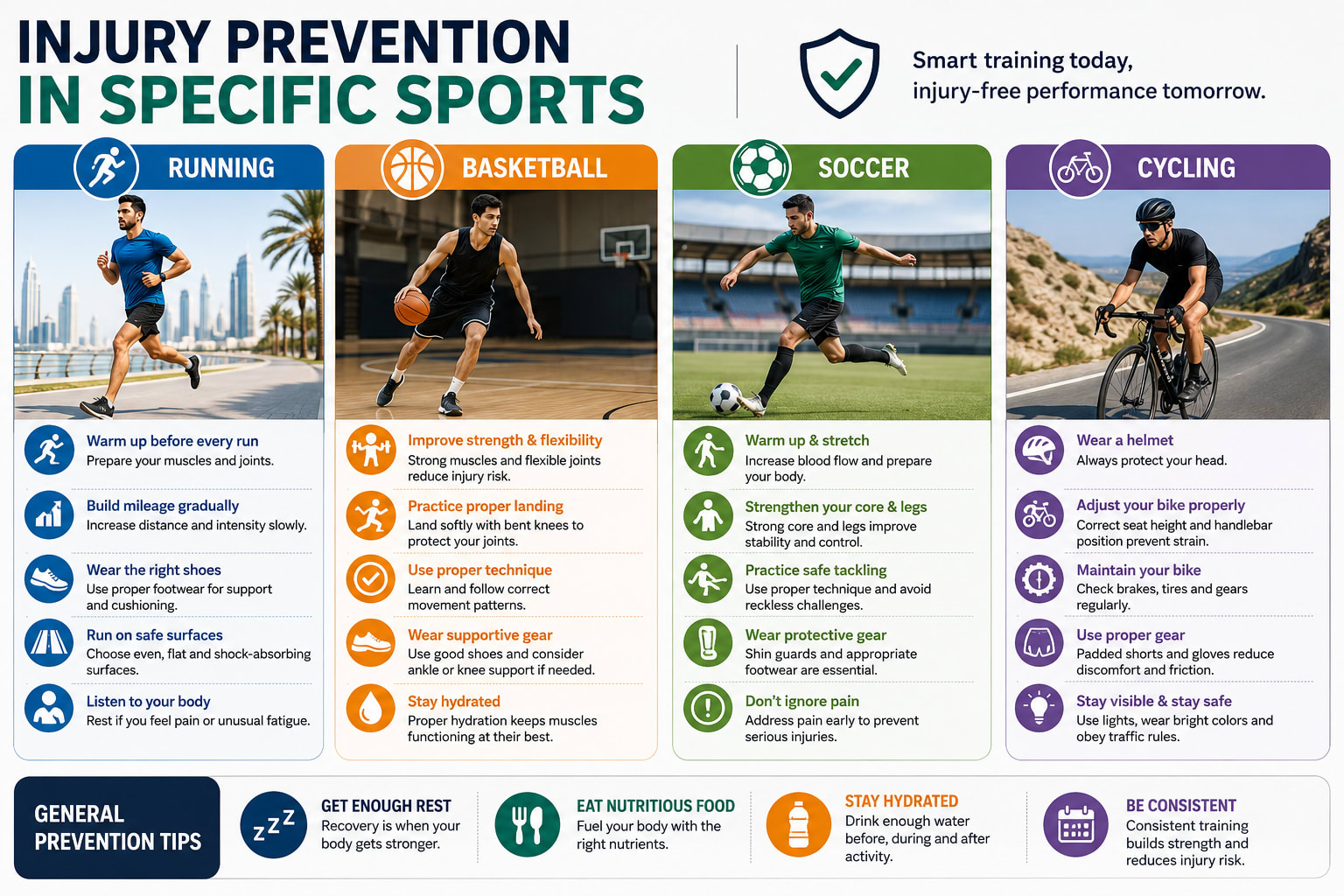
Different sports come with unique requirements and vulnerability. Let’s take a look at injury prevention strategies for some of the common sports:
- Running or Jogging: Choose the best quality shoes that provide proper cushioning and support. Select a balanced or even surface to avoid pressure and increase the distance slowly and steadily.
- Basketball: Your focus should be on agility training and strengthening the lower limbs. Ensure the basketball court is well-maintained to avoid sudden trips and falls.
- Soccer: Prioritize hamstring and quadriceps strengthening, apart from flexibility exercises. Practice proper tackling and sliding techniques to reduce the risk of collisions.
- Cycling: Ensure your bike is properly fitted to your body, and never forget to wear a helmet. Incorporating core strengthening exercises to support your posture during long rides could be of immense help.
- Swimming: Warm up your shoulders before swimming and perform rotator cuff exercises to avoid shoulder injuries. Practice stroke mechanics as well to prevent overuse of specific muscle groups.
- Weightlifting: Focus on proper lifting techniques and gradually increase weights. Incorporate rest days between muscle groups to allow for recovery.
All About Responding to Injuries
All said and done, injuries could still occur despite the cautious steps we take at regular intervals. However, what matters is knowing how to respond when an injury happens. This helps in minimizing the damage and promotes smooth recovery:
- R.I.C.E. Method: Rest, Ice, Compression, and Elevation are regarded as ideal steps to deal with acute injuries. It is all about giving rest to the injured area, applying ice to reduce swelling, using compression to support the injured area, and elevating it to reduce blood flow and swelling.
- Seek Medical Attention: For serious injuries like fractures, dislocations, or head trauma, one needs to seek immediate medical help. Anything that causes persistent pain should be evaluated by a health expert.
- Rehabilitation and Physical Therapy: Engaging in rehabilitation exercises and physical therapy are advisable to regain strength and flexibility. Such timely interventions are crucial for preventing long-term complications.
Sports Injury Prevention Awareness
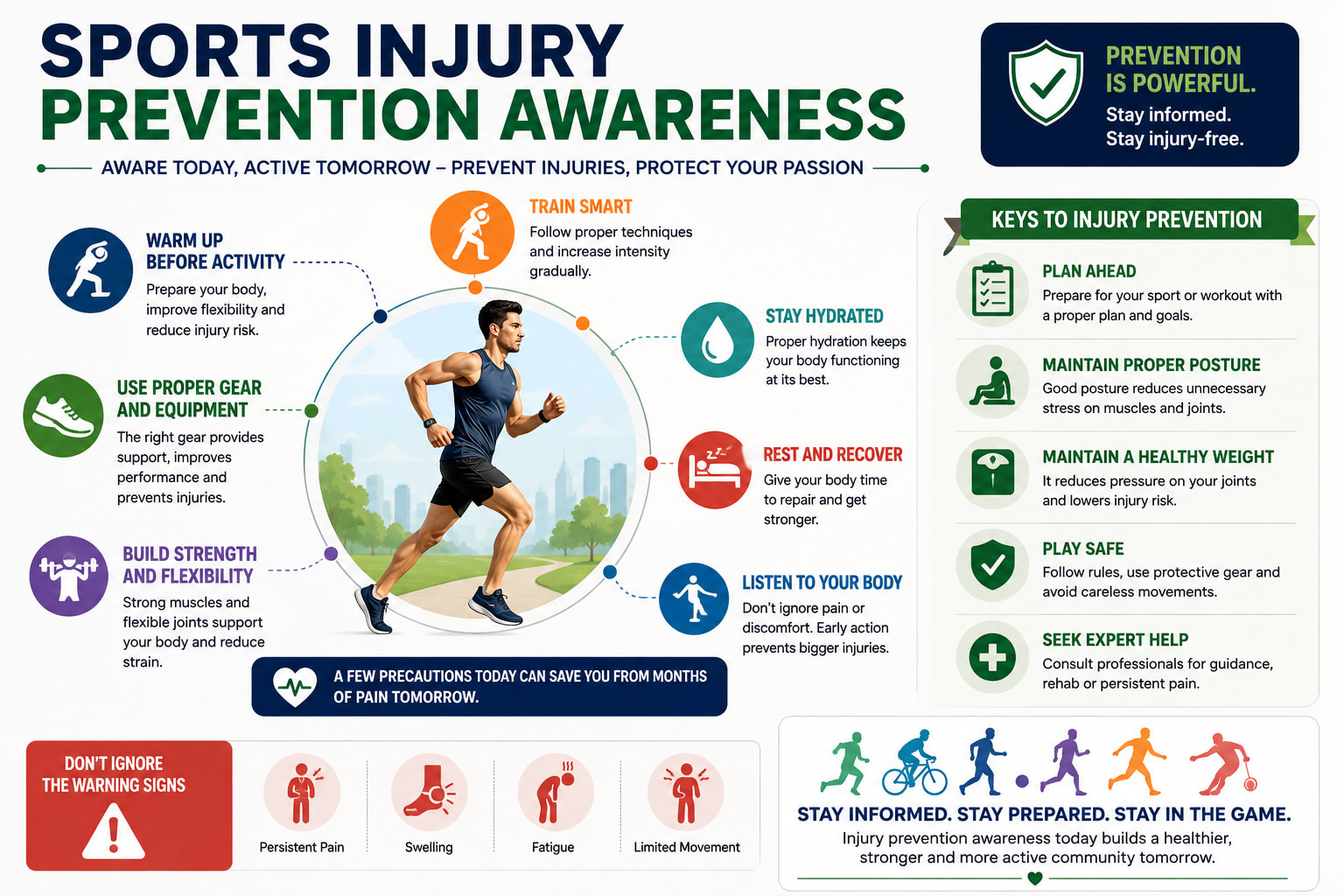
An act of awareness is imperative with regard to sports injury prevention. This is applicable to athletes, coaches, and parents. Here are a few practical awareness tips to follow:
- Preparticipation Physical Evaluation (PPE): This is essential for athletes, especially those participating in contact or collision sports. This evaluation assesses athletes’ physical fitness, health status, and risk of injury, thereby ensuring a safe participation in sports activities.
- Team Physician Consensus Statements: The consensus statements from sports experts provide the updated research and medical care methods for athletes. These statements reflect the consensus of an expert panel and are important to understand and implement injury prevention strategies.
- Education and Awareness: Educating athletes, coaches, and parents about the risks of sports injuries and the importance of injury prevention is key. This includes a deep dive into the signs of overuse injuries, the importance of proper nutrition, and the role of rest in recovery.
Are you a fitness enthusiast based out of Qatar and are planning to buy high quality gym equipment or accessories, visit some of the incredible options lifetimefitnessstore.com offers at an attractive price.
Medicine Options Aplenty
Check out the list of a few popular medical options that are available to treat sports injuries:
- Non-Steroidal Anti-Inflammatory Drugs: One of the most commonly prescribed medications for sports injuries is Non-Steroidal Anti-Inflammatory Drugs (NSAIDs). These drugs, such as ibuprofen, are advised to treat pain, reduce inflammation, and facilitate healing. NSAIDs are generally effective in alleviating pain and inflammation associated with strains, sprains, and tendonitis.
- Corticosteroid Injections: In some cases, corticosteroid injections may be prescribed to target specific areas of inflammation to provide relief. These injections are usually effective in treating acute injuries, such as those resulting from a sudden twist or fall, by reducing swelling and pain.
- Cellular Therapy: Cellular therapy is a relatively new treatment for sports injuries. This therapy is said to utilize the body's own cells to promote healing to potentially speed up the recovery process and reduce pain and inflammation. It is used to treat ligament injuries, muscle strains, and other tissue injuries. Having said that, this treatment is still under experimentation mode, and hence, more research is required to confirm its effectiveness.
- Surgery: Surgery is the go-to solution for injuries that can’t be treated with medications. This includes injuries like torn ligaments or bones. The surgical process has high success rates and its options differ depending on the type of injury.
- Immobilization: This is a common treatment for musculoskeletal sports injuries. It involves limiting movement in the affected area that helps in better healing. The devices used for this treatment include slings, splints, braces, and casts, which support injured bones and soft tissue. This method is believed to help reduce pain, swelling, and muscle spasms.
The Benefits of Physical Therapy

Physical therapy, also known as rehabilitation, plays a crucial role in treating sports injuries. It focuses on restoring strength, range of motion, manual therapy, and modalities such as heat or cold therapy. Physical therapy is often recommended for athletes who have suffered muscle strains, ligament tears, or tendon injuries. It is also used to help athletes recover fast to help them return to their sports activities after surgery.
It’s true that participating in sports and physical activities enhances our quality of life in various ways. However, it's essential to prioritize injury prevention to ensure long-term health. By adopting disciplined warm-up routines, practising correct techniques, progressing gradually and listening to your body, you can really reduce the risk of sports injuries.
Each sport comes up with its unique demands, so plan your injury prevention strategies accordingly. In case of an injury, seeking out for appropriate medical attention and sticking to rehabilitation protocols are crucial steps on the road to recovery. You could experience a fulfilling and injury-free sports journey, if you are able to strike a balance between pushing the limits and safeguarding well-being.


 0
0