 Delivery to guest, Columbus
Visit Our Dubai Showroom - Port Saeed | Mon-Sun: 9:30AM-9:30PM
Get Direction

Delivery to guest, Columbus
Delivery To Guest, Columbus
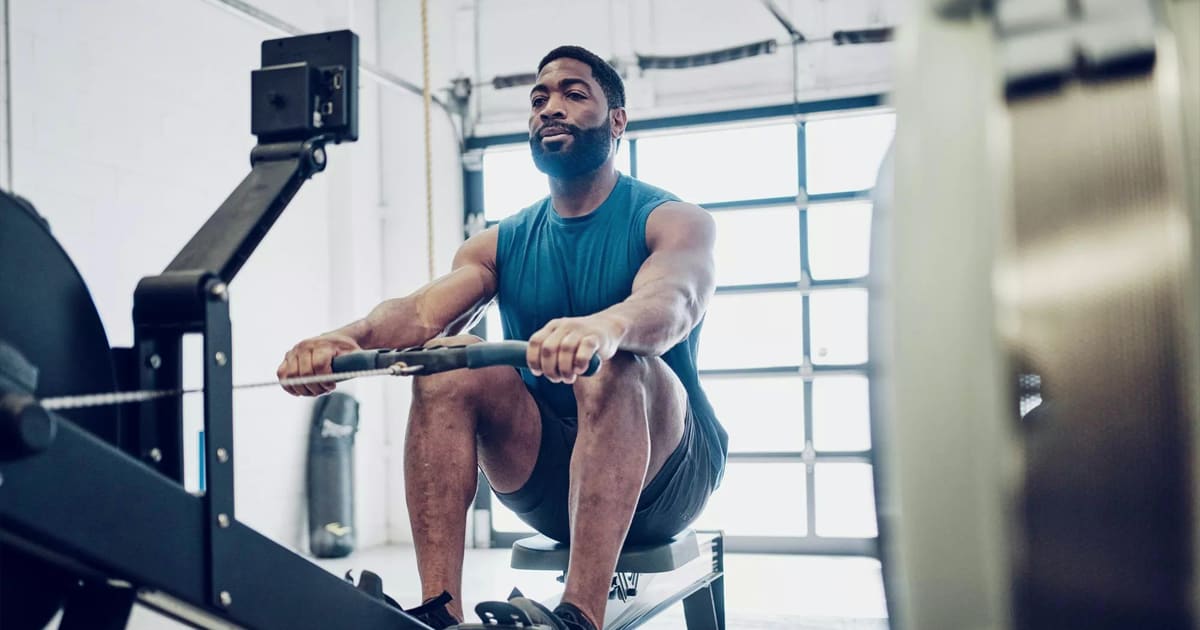
A rowing machine is a piece of exercise equipment that simulates the act of rowing a boat. It typically consists of a sliding seat, a set of handlebars, and a flywheel that provides resistance. The user sits on the sliding seat and uses their legs, back, and arms to pull on the handlebars, causing the seat to slide back and forth. The flywheel provides resistance, making the rowing motion more challenging.
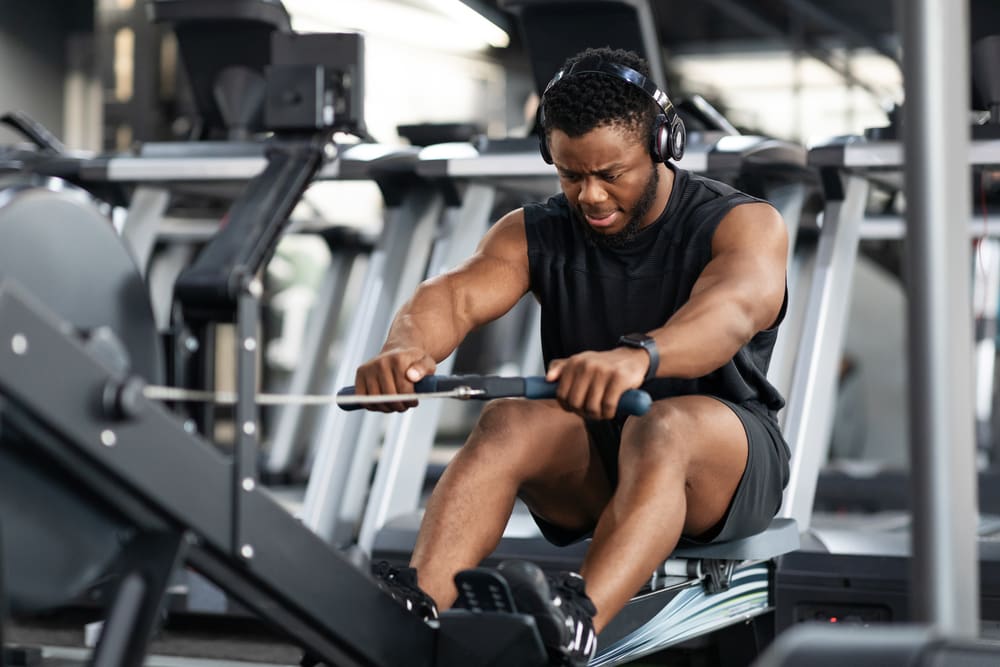
Rowing machine is an essential home gym equipment, if you are about to set up one. However, everything can go wrong with the wrong choice of rowing machine.
Rowing machines can be a great addition to a home gym or fitness routine. They provide a low-impact cardio workout that can help improve endurance, strength, and flexibility. People with joint issues can also consider rowing machines. The rowing motion places less stress on the knees and ankles compared to activities like running.
To use a rowing machine, begin by setting the resistance level to a comfortable starting point. Sit on the sliding seat with your feet on the footrests and your hands grasping the handlebars. Lean back slightly and push off with your legs, using your back and arms to pull the handlebars towards your chest.
As you complete the stroke, allow the seat to slide forward and your arms to extend, then repeat the motion. Keep your back straight and engage your core muscles to maintain proper form and avoid injury.
Rowing machines are adjustable to suit different fitness levels and goals. You can increase the resistance level to make the workout more challenging. Or, you can use interval training techniques to change the intensity of your workouts.
Some rowing machines also have features like a monitor that tracks your distance, time, and calories burned. These features help in tracking progress and setting goals.
Overall, rowing machines are a versatile and effective way to get a full-body workout. It can help improve your fitness. Just be sure to start at a comfortable resistance level and use proper form to avoid injury.
Rowing machines offer several benefits for both physical and mental health. Some of the benefits of using a rowing machine include the following:
The rowing machine's price range might vary depending on the quality and features of the machine. Considering buying rowing machine Abu Dhabi? Here are some general price ranges you might expect to see:
The amount of space you need for a rowing machine or gym accessories, will depend on the size of the machine and the layout of your home or gym. Most rowing machines are quite long, with a typical length of about 8 feet. In addition to the length, you'll also need to allow for enough space to fully extend your arms and legs while using the machine.
As a general rule, you should allow for at least a few feet of space on either side and at the back of the machine. This allows proper movement while rowing.
If you plan to use the machine in a small space, you may want to consider a foldable model. You can easily fold and store the machine when it's not in use. These models are typically smaller and more compact, making them a good option for limited space.
Here are some key features and essential specifications to consider when you are to buy a rowing machine Dubai:
Size and storage: Consider the size of the rowing machine, and whether it will fit in the space you have available for it. Foldable rowing machine models are the best option for those with limited workout space.
Several types of rowing machines are available on the market, each with its unique features and benefits. Here are some popular types of rowing machines:
Overall, the best type of rowing machine for you will depend on your personal preferences and needs. Consider the type of resistance, price, and other features to find the machine that is the best fit for you.
Using a rowing machine is a great way to get a full-body workout and improve cardio fitness. Here are the basic steps for using a rowing machine:
Maintain good form while using a rowing machine to avoid injury and get the most out of your workout. Be sure to keep your core engaged, maintain a straight back, and use your legs to initiate each stroke. Start with a lower resistance level and gradually increase it as you get more comfortable with the movement.
When shopping for a rowing machine, there are a few key factors to consider:
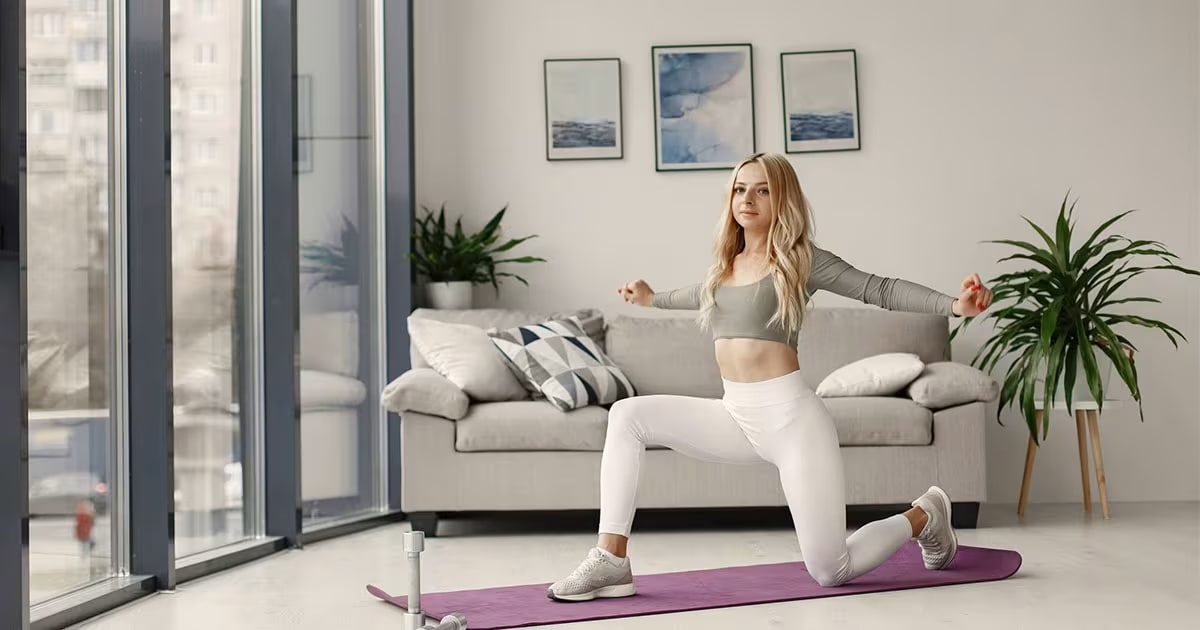
In recent times, the world has witnessed a rapid transformation in the way people live their lives. With technology making life more comfortable, people are now leading sedentary lifestyles, resulting in several health issues.
While the importance of physical activity is well known, people struggle to find the time and motivation to exercise regularly. This is where working out from home comes in as a convenient and cost-effective option to stay fit and healthy.
Whether you want to lose weight, build muscle, improve your overall fitness level, or simply want to stay active, working out from home can help you achieve your fitness goals. However, it can be challenging to know where to start and how to create a workout plan that suits your needs. In this guide, we will take you through the steps to achieve your fitness goals by working out from home.
Working out from home has become an increasingly popular option for people looking to achieve their fitness goals. Not only is it convenient, but it can also be more cost-effective than going to a gym or hiring a personal trainer.
We will delve deeper into the benefits of working out from home and provide a more comprehensive approach to help you achieve your fitness goals.
The first step in achieving your fitness goals is to define what those goals are. Your goals can be anything from losing weight, building muscle, or increasing your overall fitness level. It is important to be specific and realistic when setting your goals. For example, if your goal is to lose weight, you should set a specific target weight and a timeframe within which you want to achieve it.
Once you have set your goals, the next step is identifying the workout style that works best for you. There are several types of workouts that you can do from home, including strength training, cardio, and yoga. Depending on your goals, you may need to incorporate a combination of these workout styles to achieve the desired results.
After identifying your workout style, the next step is to create your workout plan. Your workout plan should be designed to help you achieve your goals and fit into your daily schedule. You should include a warm-up and cool-down routine, along with the main workout. Your workout plan should be progressive, meaning you should gradually increase the intensity and duration of your workouts as you progress.
Working out from home requires some equipment. You do not need a lot of equipment, but having the right equipment can make your workouts more effective. Depending on your workout style, you may need dumbbells, resistance bands, a yoga mat, and a stability ball. If you are on a budget, you can start with basic equipment and gradually add more as you progress.
Finding the right workout space is crucial for your home workout routine. Ideally, you should have a dedicated space for your workouts, such as a spare room or a corner of your living room. Make sure the space is well-ventilated, has adequate lighting, and is free from distractions.
Staying motivated is essential for achieving your fitness goals. Working out from home can be challenging, especially if you do it alone. It is important to find ways to stay motivated and accountable. You can use workout apps, join online fitness communities, or work out with a friend to stay motivated.
Tracking your progress is important for staying motivated and on track to achieving your fitness goals. You can use a fitness tracker or a journal to track your workouts, record your progress, and make adjustments to your workout plan as needed. Tracking your progress can also help you identify areas where you need to improve and celebrate your achievements.
Working out from home is just one part of a healthy lifestyle. To achieve your fitness goals, you need to incorporate healthy habits such as eating a balanced diet, getting enough sleep, and managing stress. These healthy habits can help you stay motivated, energized, and focused on achieving your fitness goals.
Working out from home has several benefits, including:
Staying active is of great importance, especially when you find yourself at home, travelling for work, on vacation, or quarantining. In such situations, it can be challenging to stick to your exercise routine or maintain your fitness goals.
You may have limited access to fitness facilities or find it difficult to adapt to a new workout routine. Additionally, you may miss the social connection and support from your usual group of workout buddies or the motivating instructor in your fitness class.
It's easy to feel like maintaining an exercise routine at home or in a hotel room is a chore rather than something you want to do. And with financial struggles due to job losses or pay cuts, maintaining a gym membership or staying active may seem less of a priority.
However, even a small amount of physical activity can make a significant difference to your mental and physical health. In fact, exercise is one of the most powerful tools we have for staying healthy, both physically and mentally. You don't need to have access to a gym or an expensive health club to reap the benefits of exercise.
Exercise has been shown to ease depression, stress, anxiety, and aid in managing chronic conditions like high blood pressure and diabetes. By finding new ways to stay active and motivated:
Even when your normal routine is disrupted, you can find ways to stay physically active and healthy.
When it comes to exercise, any amount is better than nothing. Even a walk around the block can stretch your legs and clear your head. It may even inspire you to walk further the next day. However, the current recommendation for adults is to aim for at least 150 minutes of moderate-intensity activity each week, or 75 minutes of vigorous-intensity activity, along with two sessions of strength-building activities.
This translates to about 30 minutes of movement, five times per week. You can break it up, so two 15-minute workouts or three 10-minute workouts are just as beneficial. Don't forget to include warm-up and cool-down time as part of your workout, as well as heavier activities around the house or garden.
Moderate-intensity activities involve working, breathing faster, and starting to sweat. You should still be able to talk in full sentences but not able to sing. Moderate-intensity activities consist of brisk walking, cycling on level ground, hiking, weight training, and skateboarding, to name a few examples.
On the other hand, vigorous-intensity activities require you to work much harder, breathe hard, sweat profusely, and be too breathless to talk in full sentences. Jogging, skipping rope, cycling fast or on hills, aerobics, and circuit training are some examples of vigorous-intensity activities.
It's important to find the right balance of moderate and vigorous intensity activities to suit your fitness goals and physical abilities. Remember, consistency is key, and it's always better to do something rather than nothing. So whether it's a short walk, a bike ride, or a weightlifting session, get moving and make exercise a part of your daily routine.
Setting fitness goals is a crucial aspect of working out, especially when it comes to home workouts. Fitness goals provide direction, purpose, and motivation, helping you to stay focused on your fitness journey. They also provide a benchmark for progress and allow you to track your achievements. In this article, we will explore some fitness goal examples for working out at home to help you kick-start your fitness journey.
One of the most popular fitness goals for people who work out at home is weight loss. Losing weight can improve overall health, boost self-esteem, and increase energy levels. A goal to lose a certain amount of weight over a specific period is an excellent way to stay motivated and track progress. For example, a goal to lose ten pounds in three months through consistent cardio workouts and a healthy diet can be an excellent weight loss goal for beginners.
Another popular fitness goal for working out at home is strength training. Strength training exercises help to build and tone muscles, improve posture, and increase overall strength. A goal to perform a certain number of push-ups or squats over a particular period is an excellent way to stay motivated and track progress. For example, a goal to perform ten push-ups per day for a month can be an excellent strength training goal for beginners.
Improving cardio health is another popular fitness goal for those who work out at home. Cardio exercises help to strengthen the heart and lungs, improve circulation, and boost overall endurance. A goal to perform a certain amount of cardio exercise per week, such as running or cycling, is an excellent way to stay motivated and track progress. For example, a goal to run for thirty minutes, three times per week, for a month can be an excellent cardiovascular health goal for beginners.
Improving flexibility is another fitness goal that is essential for overall health and wellness. Flexibility exercises help to improve mobility, prevent injury, and reduce muscle soreness. A goal to perform a certain number of stretching exercises per day or week is an excellent way to stay motivated and track progress. For example, a goal to perform ten minutes of stretching exercises every day for a month can be an excellent flexibility goal for beginners.
Improving body composition is another popular fitness goal for those who work out at home. Body composition refers to the percentage of body fat compared to muscle mass. A goal to reduce body fat and increase muscle mass is an excellent way to stay motivated and track progress. For example, a goal to decrease body fat by two per cent and increase muscle mass by one per cent over three months can be an excellent body composition goal for beginners.
Improving endurance is another popular fitness goal for those who work out at home. Endurance exercises help to improve cardiovascular health, increase stamina, and boost overall energy levels. A goal to perform a certain amount of endurance exercises, such as running or cycling, over a specific period is an excellent way to stay motivated and track progress. For example, a goal to run for thirty minutes non-stop, three times per week, for a month can be an excellent endurance goal for beginners.
Improving balance and coordination is another fitness goal that is essential for overall health and wellness. Balance and coordination exercises help to improve stability, prevent falls, and increase overall agility.
A goal to perform a certain number of balance and coordination exercises per day or week is an excellent way to stay motivated and track progress. For example, a goal to perform ten minutes of balance and coordination exercises daily for a month can be an excellent goal for beginners.
Improving mental health is another important fitness goal for those who work out at home. Exercise has been shown to reduce stress, improve mental health, and boost overall mood. A goal to incorporate mindfulness practices, such as yoga or meditation, into your fitness routine can be an excellent way to improve mental health. For example, a goal to practice ten minutes of meditation every day for a month can be an excellent mental health goal for beginners.
If you have a specific sport or activity that you enjoy, setting a fitness goal that is specific to that activity can be an excellent way to improve your performance. For example, if you enjoy playing tennis, a goal to improve your speed, agility, and endurance through specific tennis drills and exercises can be an excellent sports-specific fitness goal.
Finally, setting a goal to be consistent with your workouts is a great way to stay motivated and track progress. Consistency is key when it comes to achieving fitness goals and setting a goal to work out a certain number of times per week or to never miss a workout, can be an excellent way to build momentum and achieve your desired results.
In conclusion, setting fitness goals for working out at home is essential to stay motivated, focused, and on track with your fitness journey. From weight loss and strength training to mental health and sports-specific goals, there are countless fitness goal examples to choose from. The key is to set realistic, achievable goals that are tailored to your specific needs and preferences. By setting goals and tracking your progress, you can stay accountable and motivated, and ultimately achieve your desired results.
If you are looking to buy other fitness machines or accessories, look no further! Explore our range of fitness products like treadmills, elliptical cross trainers, exercise bikes, rowing machines, home gym, functional trainer, multi-station, power towers, smith machines, dumbbells, foosball tables, pool tables, and table tennis.
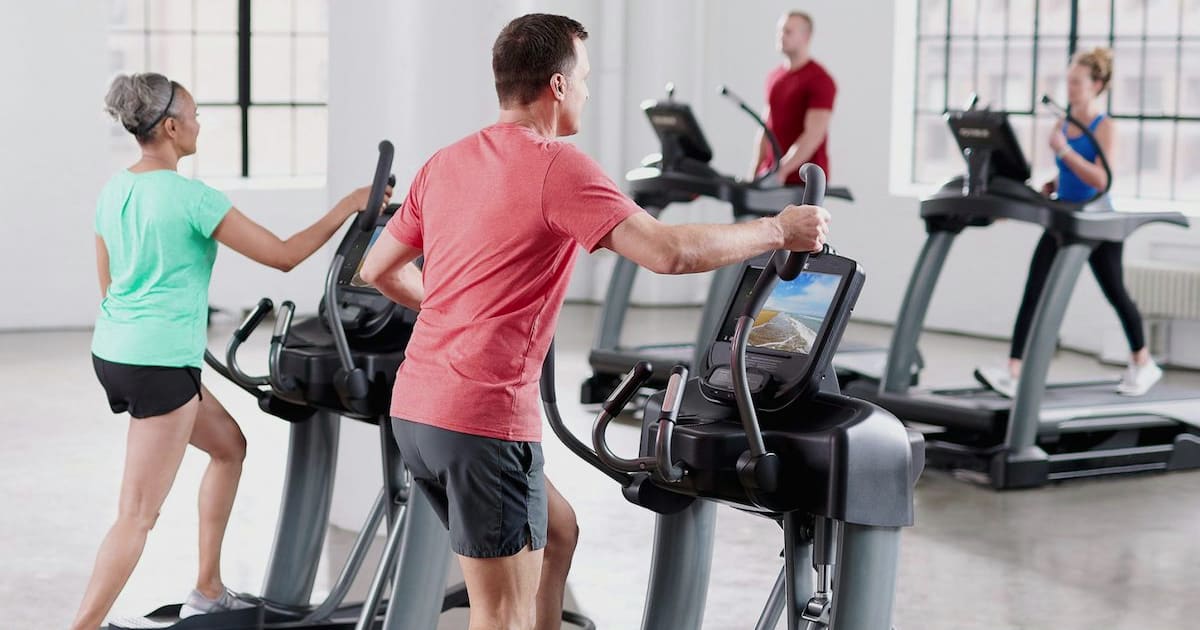
An elliptical cross trainer machine is a cardio equipment that simulates the natural movement of running or walking. It's an excellent low-impact option for those with joint pain or injuries and provides a full-body workout.
However, with so many options on the market, it can be overwhelming to choose the right elliptical for your needs. In this article, we'll discuss some key factors to consider when buying an elliptical machine Dubai.
Planning to buy a cross trainer online or offline? Here are the factors to consider:
The stride length is the distance between the pedals of the elliptical. Choosing an elliptical with a stride length that feels comfortable for your body size and natural stride is essential. Most ellipticals have a stride length between 18-22 inches.
If you're taller or have a longer stride, look for an elliptical with a longer stride length. If you're shorter or have a shorter stride, look for an elliptical with a shorter length.
Resistance is what makes an elliptical workout challenging. The more resistance, the more complex the workout. Look for an elliptical with various resistance levels to accommodate your fitness level and ability to increase as you improve.
Some ellipticals have manual resistance, where you adjust the resistance by turning a knob, while others have electronic resistance, where you can adjust the resistance with the push of a button.
Many ellipticals come with built-in workout programs, such as hill climb, interval training, and weight loss programs. These programs can add variety to your workouts and help you achieve your fitness goals. If you're someone who likes structure in your workout, look for an elliptical with built-in programs.
A heart rate monitor allows you to track your heart rate during a workout and ensure that you are in your target heart rate zone. This is important for those who want to track their progress and ensure they get the most out of their workout. Some ellipticals come with a built-in heart rate monitor, while others require a separate chest strap.
Make sure the elliptical will fit in the space you have available and can support your weight. Measure the space where you plan to put the elliptical, and check the dimensions of the elliptical before you buy. Also, check the weight capacity of the elliptical to make sure it can support your weight.
Ellipticals can range in price from a few hundred to several thousand dollars. Determine your budget and look for a machine that fits within it and also meets your needs. Keep in mind that a more expensive elliptical may have more features, such as built-in programs, a heart rate monitor, or a longer stride length.
Consider the reputation of the brand, read reviews from other customers and check the warranty offered with the elliptical. Researching a company's reputation will give you an idea of the quality of their products and also the level of customer service you can expect. Also, check the warranty offered with the elliptical. A longer warranty is usually a good indication of the quality of the product.
If you plan on using the elliptical in a shared space, pay attention to the noise level before making your purchase. Some ellipticals are louder than others, and you don't want to disturb others in your household or apartment complex.
Some ellipticals come with additional features like built-in speakers, USB charging ports, and Bluetooth connectivity. If you like to listen to music or watch TV while you work out, look for an elliptical with built-in speakers or Bluetooth connectivity.
This will allow you to connect your phone or other device and play music or videos through the elliptical speakers. Additionally, USB charging ports can be a convenient feature to have, as they will allow you to charge your phone or another device while you work out.
Consider the space you have available in your home and whether or not you need the elliptical to be foldable. Folding ellipticals are a great option for those who have limited space, as they can be easily stored away when not in use. However, non-folding ellipticals tend to be more stable and durable.
Ellipticals can be made of different materials and the quality of construction. Look for ellipticals that are made of sturdy and durable materials, such as steel frames. Also, check for the quality of the pedals, handlebars and other parts, as they are the ones that are in constant use.
There are several reasons why someone might consider buying an elliptical machine:
Unlike running or jogging, which can be hard on the joints, an elliptical machine allows you to get a cardiovascular workout without putting stress on your knees, ankles, and hips.
An elliptical machine is an excellent option for those looking for a low-impact, full-body workout with the convenience of working out at home. With a variety of workout programs, heart rate monitoring, and adjustability options, an elliptical machine can help you achieve your fitness goals and also be an investment for long-term use.
An elliptical machine can be a great option for a variety of people, including:
Certain groups of people may not be suitable candidates for using an elliptical machine, including:
It's always important to consult with a medical professional before starting any exercise program, especially if you have any pre-existing medical conditions or injuries.
Ellipticals come in various types, each with unique features and designs. Consider your specific needs and preferences when choosing an elliptical machine. The varieties go from compact, stable, natural, full-body, foldable, standing, to recumbent, hybrid, and smart.
The size of an elliptical machine you need will depend on several factors, including:
When choosing the size of an elliptical machine, it's important to consider your space availability, stride length, weight capacity, user height, storage, and intended use. Considering these factors, you'll be able to choose the right size elliptical for your needs and achieve your fitness goals.
An elliptical machine can be an effective tool for burning belly fat. However, it's important to note that spot reduction is not possible. To burn belly fat, you need to burn calories overall and reduce your overall body fat.
To burn belly fat, you need to create a calorie deficit by burning more calories than you take in. An elliptical machine can be a great tool for burning calories, as it provides a low-impact, full-body workout that can help to increase your heart rate and burn calories.
In addition to cardio exercise, it's important to also include strength training to build muscle increase your metabolism and watch your diet. Eating a healthy, balanced diet that is low in processed foods and added sugars can help to reduce belly fat.
An elliptical machine can be an effective tool for burning calories and losing belly fat, but it should be combined with a healthy diet and strength training to achieve the best results.
In conclusion, an elliptical machine is a great cardio equipment that can provide a low-impact, full-body workout. When buying an elliptical, consider the stride length, resistance levels, built-in programs, heart rate monitor, size and weight capacity, price, brand reputation and warranty, noise level, additional features, folding or non-folding, and quality of construction. By taking the time to consider these factors, you'll be able to choose the right elliptical for your needs and achieve your fitness goals.
If you are looking to buy other fitness machines or accessories, look no further! Explore our range of fitness products like treadmills, elliptical cross trainers, exercise bikes, rowing machines, home gym, functional trainer, multi-station, power towers, smith machines, dumbbells, foosball tables, pool tables, and table tennis.
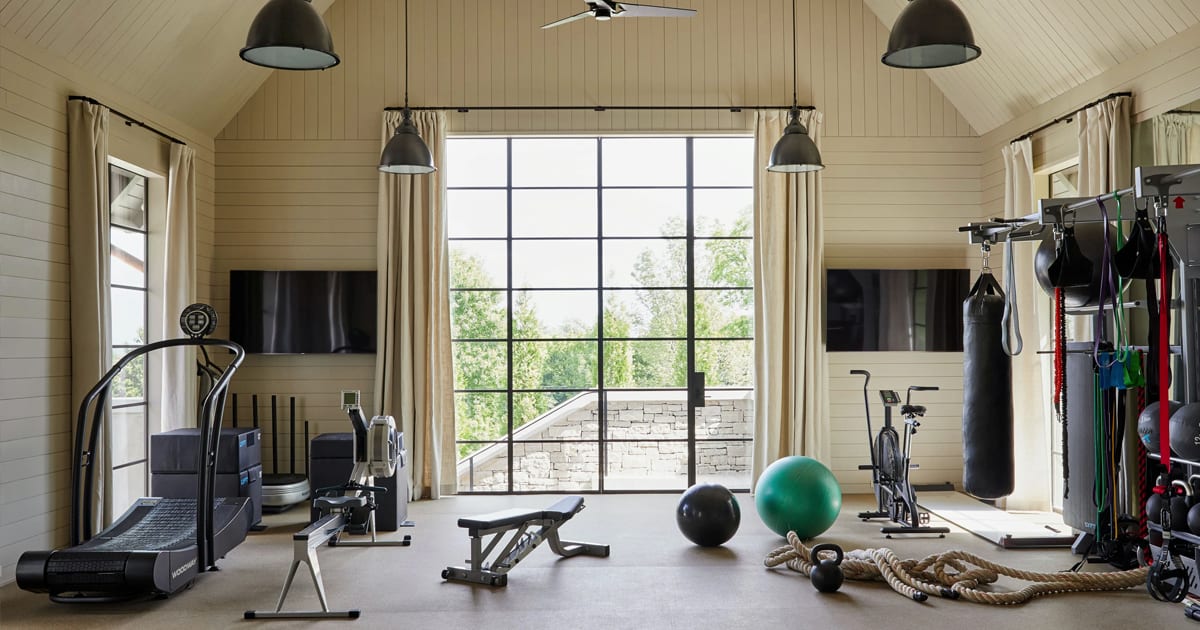
Whether you are an experienced bodybuilder who faithfully frequents the gym every day of the week or someone new to the realm of physical fitness, opting for a do-it-yourself CrossFit garage gym may prove to be the perfect solution for you.
This comprehensive article aims to delve into the intricacies of CrossFit workouts. Shedding light on the myriad benefits they offer, exploring the equipment that can aid in these exercises, and imparting valuable guidance on establishing your own fully equipped gym within the confines of your garage, all from the comfort of your home.
CrossFit constitutes a series of high-intensity exercises, combining functional multi-joint movements meticulously designed to bolster endurance, enhance strength, and foster optimal body composition.
Engaging in CrossFit workouts entails elevating your heart rate and subjecting your muscles to rigorous intervals, with minimal respite between each session.
Renowned for its efficacy in fortifying both physical power and overall fitness, this form of exercise has proven invaluable in the training regimens of military personnel, firefighters, and police officers alike.
CrossFit training encompasses a wide array of health benefits, targeting the ten key fitness domains to maximize exercise performance:
CrossFit combines weightlifting, gymnastics, aerobic exercises, and callisthenics. It lasts 45 minutes to 1 hour, allowing individuals to move at their own pace without pressure. A typical session includes a warm-up, WOD (Workout Of The Day) prescribed by trainers, and Strength/Skill training to challenge the body and master skills like squats, jacks, jump rope, push-ups, lunges, and pull-ups.
While assessing the risks associated with CrossFit, it is worth noting that they are akin to those found in other exercise modalities and sports like powerlifting, gymnastics, or rugby. However, when determining the suitability of CrossFit as a workout regimen for oneself, it is vital to consider individual strength, physical health, and the potential risks involved, such as shoulder or spinal injuries.
For instance, individuals with sensitive knees might need to modify certain running or jumping movements commonly incorporated in CrossFit. Similarly, if one has a preexisting heart or lung condition, it is essential to consult with a healthcare professional to determine whether CrossFit is an appropriate exercise option.
To minimize the risk of injuries while working out, consider the following recommendations to ensure safe and effective exercise:
By following these guidelines, you can help prevent injuries and maintain a safe and sustainable workout routine.
Are you inclined towards home workouts rather than gym visits? If so, it's worth noting that engaging in CrossFit doesn't necessarily require joining a gym. In fact, you can set up your own CrossFit space in your garage and forego the need for a traditional gym environment.
While establishing a DIY gym may require some initial effort and time, once it's set up, you can enjoy regular exercise sessions without having to leave the comfort of your home.
When it comes to CrossFit, there are a variety of useful items and accessories you may consider:
In addition to the aforementioned equipment, there are other accessories that can prove helpful:
Yes, CrossFit can aid in weight loss. However, it's important to note that weight loss primarily occurs when you consistently burn more calories through physical activity than you consume. CrossFit, known for its varied and intense nature, can help create a calorie deficit and contribute to weight loss.
A study published in the International Journal of Sports and Exercise Medicine examined 27 non-competitive CrossFit athletes who were randomly assigned to either follow a low-carb keto diet and engage in 6 weeks of CrossFit training or continue their regular diet while participating in 6 weeks of CrossFit training. The study found that individuals who combined CrossFit with a keto diet experienced significant reductions in weight, body fat percentage, and fat mass.
In summary, engaging in CrossFit, coupled with a balanced and calorie-conscious diet, can be an effective approach to achieving weight loss goals.
A study published in the International Journal of Sports Physical Therapy compared the benefits of functional and traditional strength training and found that there were no significant differences in improvement between the two training protocols for men.
If your goal is to build muscle, it is irrelevant whether you engage in strength training with a barbell in a traditional gym or in a CrossFit box. Muscle growth can be achieved through both approaches.
Moreover, if you have concerns that the conditioning work in CrossFit might hinder your muscle gains, rest assured that it will not. Research conducted at the Department of Health Sciences at Mid Sweden University demonstrated that incorporating cardio into a leg-strengthening program actually led to an increase in muscle size instead of reducing it.
CrossFit gyms are known for their welcoming atmosphere, but it's not uncommon to feel like the CrossFit community has its own unique language. With numerous acronyms and terminology, it can be challenging to keep up. However, fear not! We have compiled a list of common and popular CrossFit terms to help you navigate the conversations and feel like part of the community, regardless of your current appearance or fitness level.
After going through this guide, you'll never have to wonder about the meaning of a WOD again.
If joining a CrossFit gym doesn't seem like the right fit for you, don't worry, you can still train for CrossFit at home with minimal equipment. However, it's important to note that there are risks involved with this option. If you're new to the CrossFit training program, it's recommended to start at a gym or with a trainer to receive proper education and information.
Attending a CrossFit gym, even for a short period, provides an easier way to familiarize yourself with the program, its movements, and proper technique. It's crucial to remember that without proper form, some of the heavier CrossFit exercises can pose a risk of injury. Having someone knowledgeable present is always better to ensure safety and proper guidance.
CrossFit is for everyone, despite their age or gender. From the elderly to athletes, CrossFit is for anyone who is ready to stay committed. Even if you are not a strong person, you can improve your health and strength with constant training.
CrossFit offers a great opportunity to combine cardio and weight training in your workout routine. The best part is that you don't have to go to the gym to achieve this. You can easily set up a CrossFit gym right in your own garage! With a few pieces of equipment and necessary supplies, creating a DIY garage gym is entirely manageable. Hopefully, this guide will inspire you to embark on your CrossFit fitness journey!
If you are looking to buy other fitness machines or accessories, look no further! Explore our range of fitness products like treadmills, elliptical cross trainers, exercise bikes, rowing machines, home gym, functional trainer, multi-station, power towers, smith machines, dumbbells, foosball tables, pool tables, and table tennis.
Weight loss has become one of the most talked about health and fitness goals across the UAE. From busy professionals in Dubai trying to stay active between long work hours to families in Abu Dhabi investing in home fitness equipment, people are constantly searching for effective ways to lose weight and improve their overall health. However, despite the endless fitness advice available online, one major question continues to dominate conversations: does exercise actually help with weight loss, and if so, how?
Many people begin their fitness journey believing that exercise is only about burning calories. While calorie expenditure is certainly important, the impact of exercise goes much deeper than what appears on a treadmill display or smartwatch screen. Exercise changes the way your body functions internally. It improves metabolism, preserves muscle mass, regulates hormones, supports cardiovascular health, and helps the body become more efficient at using stored fat as fuel. Understanding this process is what separates temporary progress from sustainable long term transformation.
In the UAE, maintaining an active lifestyle can be challenging. Long office hours, limited outdoor activity during extreme summer heat, and increasing dependence on sedentary routines have all contributed to growing health concerns. As a result, more people are turning to gyms, home workout setups, treadmills, exercise bikes, and functional training equipment to stay active indoors. This shift has created greater awareness around fitness, but it has also led to confusion. Should you focus on cardio? Is strength training more effective? How often should you exercise? Can you lose weight without working out every day? These are common questions people struggle to answer.
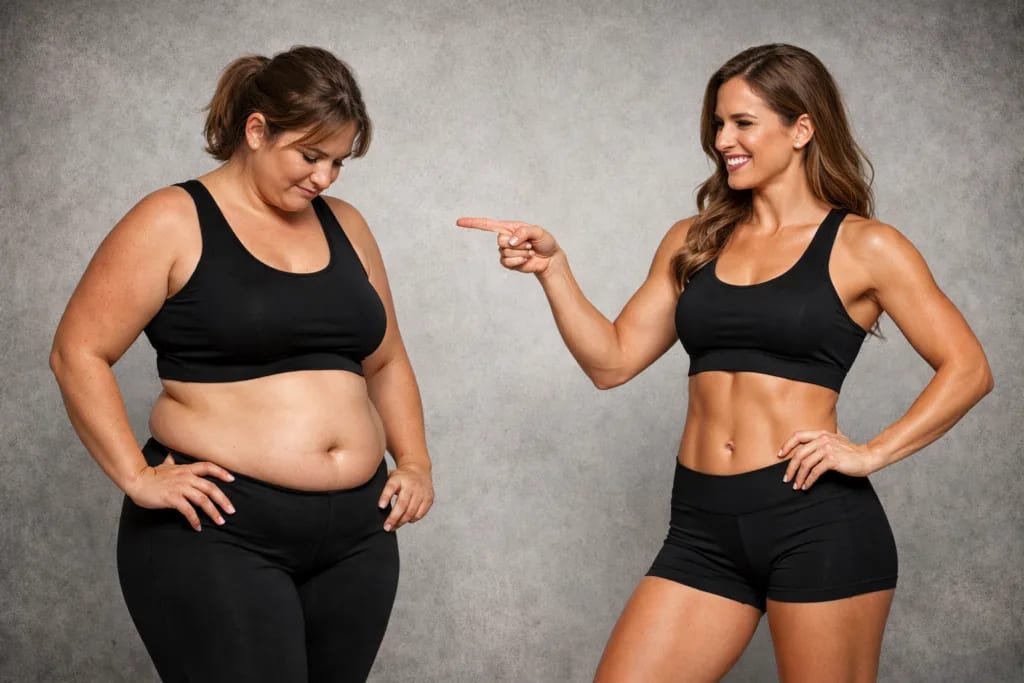
One of the biggest misconceptions about exercise is expecting instant results. Many individuals start working out consistently for a few weeks and become discouraged when the scale does not change dramatically. The reality is that exercise works gradually by improving your body composition and internal health markers over time. Fat loss, muscle preservation, hormonal balance, and metabolic adaptation all contribute to sustainable results that last longer than quick fixes or crash diets.
Exercise should not be viewed as punishment for eating. Instead, it should be seen as a long term investment in your physical and mental well being. A properly structured fitness routine helps improve energy levels, sleep quality, stress management, mobility, confidence, and overall lifestyle quality. These benefits are often just as important as weight loss itself.
At Lifetime Fitness Store, we believe that fitness success comes from combining the right knowledge with the right equipment and consistency. Whether you are building a home gym, starting your first fitness routine, or upgrading your current setup, understanding how exercise truly affects weight loss will help you make smarter decisions and achieve more sustainable results.
Lifetime Fitness Store does not provide medical advice. This content is based on general fitness research, wellness trends, and industry insights. Individual fitness outcomes may vary depending on lifestyle, nutrition, training consistency, and overall health condition.
To create this guide, we evaluated multiple aspects of exercise and weight loss using practical fitness insights and scientific understanding.
Our analysis included:
Weight loss is not influenced by one single factor. It is the result of multiple systems working together, and exercise plays a central role in improving how those systems function over time.
At the foundation of weight loss is the concept of a calorie deficit. This simply means your body burns more calories than it consumes. Exercise contributes directly to this process by increasing the amount of energy your body uses throughout the day.
For example, activities like walking, jogging, cycling, rowing, and strength training all require energy. The more consistently you move, the more calories your body burns. However, one important thing many people misunderstand is that exercise alone is rarely enough to drive major weight loss if nutrition is ignored.
In the UAE, where food delivery culture and calorie dense meals are highly accessible, it becomes even more important to combine exercise with proper eating habits. A single high calorie meal can easily offset the calories burned during a workout. This is why exercise should be viewed as part of a complete lifestyle system rather than a standalone solution.
The good news is that exercise makes maintaining a calorie deficit easier and more sustainable. Instead of relying on extreme dieting, your body gradually adapts to a healthier routine where movement becomes a natural part of daily life.
Your metabolism determines how efficiently your body burns calories throughout the day. Exercise improves this process significantly, especially when strength training is included in your routine.
When you build muscle through resistance exercises, your body requires more energy even while resting. Muscle tissue burns more calories than fat tissue, meaning your resting metabolic rate naturally increases as you gain lean muscle mass.
This is especially beneficial for busy UAE residents who may not have hours available for exercise every day. Even outside workout hours, a stronger metabolism helps the body continue using energy more efficiently.
Another important factor is post exercise calorie burn. After intense workouts, the body continues consuming oxygen and energy to recover. This process, often called the after burn effect, increases calorie expenditure even after training has ended.
One of the biggest risks during weight loss is losing muscle alongside fat. Crash diets and extremely low calorie eating plans often cause the body to break down muscle tissue for energy. This slows metabolism and negatively impacts body composition.
Exercise, particularly strength training, helps prevent this problem. Resistance exercises send signals to the body that muscle tissue should be maintained while fat stores are used for energy instead.
This is why two people can lose the same amount of weight but look completely different physically. Someone who exercises regularly often appears leaner, stronger, and healthier because they preserve muscle while reducing body fat percentage.
In the UAE fitness market, strength training has become increasingly popular not only for aesthetics but also for long term health and mobility. Functional trainers, dumbbells, home gyms, and smith machines are now commonly used in home fitness spaces because of their ability to support muscle development and overall conditioning.
Over time, consistent exercise trains the body to use fat more efficiently as an energy source. This adaptation is important for long term weight management and endurance improvement.
Steady state cardio activities such as treadmill walking, cycling, rowing, and elliptical workouts improve the body’s aerobic capacity. As this improves, your body becomes better at utilizing stored fat during both exercise and recovery.
High intensity training also contributes to fat loss by increasing overall calorie expenditure and metabolic demand. Combining cardio and resistance training often produces the best long term results because each method supports the body differently.
For individuals in the UAE who prefer indoor fitness due to climate conditions, investing in versatile equipment such as treadmills, exercise bikes, and rowing machines can help maintain consistent fat burning activity year round.
Exercise affects hormones that influence hunger, satiety, stress, and fat storage. This is one of the most overlooked aspects of fitness and weight management.
Regular physical activity helps improve insulin sensitivity, allowing the body to process carbohydrates more efficiently. It also supports hormonal balance related to hunger and fullness, helping reduce cravings and emotional eating behaviors.
Stress management is another important factor. High stress levels often lead to overeating and poor food choices. Exercise naturally supports mental wellness by reducing stress hormones and improving mood.
For many people living in high pressure work environments across Dubai and Abu Dhabi, exercise becomes more than just a physical activity. It becomes a mental reset that supports healthier daily habits overall.
Cardio remains one of the most effective forms of calorie burning exercise. Walking, jogging, cycling, rowing, and treadmill workouts improve heart health while increasing daily energy expenditure. Cardio is especially beneficial for beginners because it is accessible and easy to start.
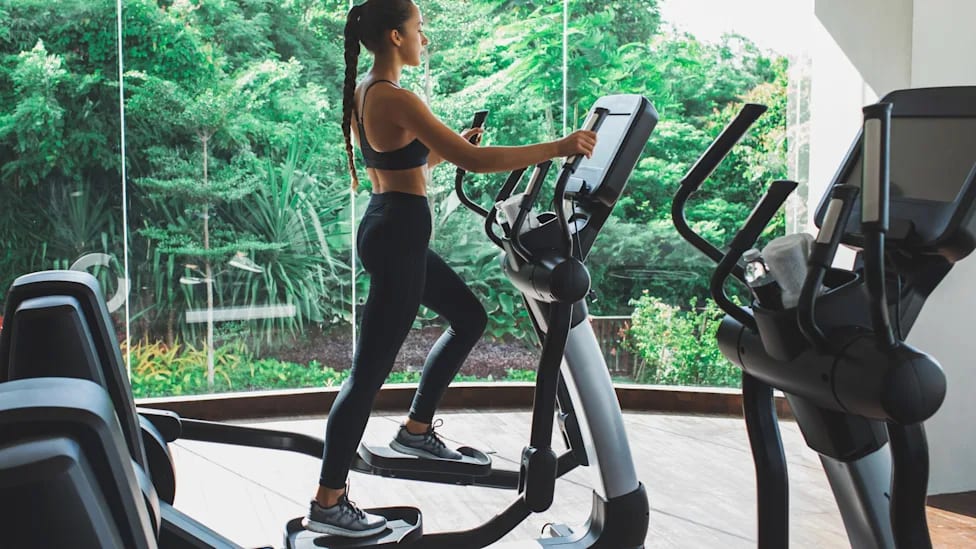
Strength training helps build muscle, improve metabolism, and enhance overall body composition. It is essential for maintaining long term fat loss and improving strength. Popular strength equipment includes dumbbells, smith machines, home gyms, and multi station systems.
High intensity interval training combines short bursts of intense effort with brief recovery periods. These workouts are time efficient and effective for calorie burning.They are particularly useful for busy professionals who want shorter but challenging workouts.
Functional workouts focus on movement patterns used in everyday life. They improve mobility, balance, coordination, and athletic conditioning while supporting calorie expenditure.
Exercise affects nearly every system within the body. Cardiovascular training strengthens the heart and improves oxygen circulation. Resistance training strengthens muscles, joints, and connective tissues. Mobility work improves flexibility and movement quality.
Over time, these adaptations create a body that functions more efficiently. Daily activities become easier, energy levels improve, and the body becomes more resistant to fatigue.
Exercise also improves sleep quality, which directly affects weight management. Poor sleep often disrupts hormones related to hunger and recovery, making fat loss more difficult. Regular movement helps regulate sleep cycles and improve recovery quality.
Mental health improvements are equally important. Exercise has been shown to support mood, reduce anxiety, and improve confidence. These factors contribute to consistency, which is one of the most important elements of successful weight loss.
The best workout plan is not necessarily the most intense one. It is the one you can follow consistently over time.
Beginners should focus on simple routines that build consistency first. Walking, basic strength exercises, and low impact cardio are excellent starting points.
Intermediate users can gradually combine cardio and resistance training for balanced fitness improvement. Advanced users may incorporate structured performance programs and progressive overload training.
One major mistake people make is choosing unrealistic plans that are difficult to maintain. Sustainability matters more than perfection. Even moderate exercise performed consistently will produce better long term results than short periods of extreme training.
Choosing the right equipment also plays a role. Home fitness solutions are becoming increasingly popular across the UAE because they eliminate travel time and improve workout convenience.
The UAE fitness industry has evolved significantly in recent years. Home gyms have become more common as people prioritize convenience and long term wellness.
There is also growing demand for premium fitness equipment that combines performance, durability, and modern design. Smart treadmills, functional trainers, rowing machines, and compact multi station systems are becoming increasingly popular among UAE consumers.
Hybrid fitness routines are another major trend. Many individuals now combine strength training, cardio, recovery work, and functional movement instead of focusing on only one style of exercise.
This shift reflects a broader understanding that sustainable fitness requires balance, adaptability, and consistency rather than extreme approaches.
PROS AND CONS OF EXERCISE FOR WEIGHT LOSS
Exercise remains one of the most powerful tools for improving health, managing body weight, and supporting long term wellness. Its impact extends far beyond simple calorie burning. Regular movement improves metabolism, preserves muscle, regulates hormones, supports mental health, and helps create sustainable lifestyle habits that lead to lasting progress.
For people across the UAE, where modern lifestyles often limit physical activity, exercise provides an effective way to regain control over health and fitness. Whether through treadmill workouts, strength training, functional fitness, or home gym routines, consistency is what ultimately drives meaningful results.
The key is understanding that exercise is not a short term solution. It is a long term investment in your physical and mental well being. When approached correctly, it becomes a sustainable lifestyle habit that supports both appearance and overall quality of life.
At Lifetime Fitness Store, we believe the right fitness equipment and knowledge can help individuals build healthier, stronger lifestyles with confidence and consistency.
Disclaimer: Lifetime Fitness Store is sharing this content for informational purposes only. Results may vary based on individual lifestyle and health conditions.
If you are looking to buy other fitness machines or accessories, look no further! Explore our range of fitness products like treadmills, elliptical cross trainers, exercise bikes, rowing machines, home gym, functional trainer, multi-station, power towers, smith machines, dumbbells, foosball tables, pool tables, and table tennis.
Fitness in the UAE has evolved far beyond traditional gym memberships. Today, more people across Dubai, Abu Dhabi, Sharjah, and the wider UAE are choosing to build healthier lifestyles directly from their homes. Whether it is because of busy work schedules, traffic, extreme summer temperatures, or the need for convenience, home fitness is becoming one of the fastest-growing lifestyle trends in the region.
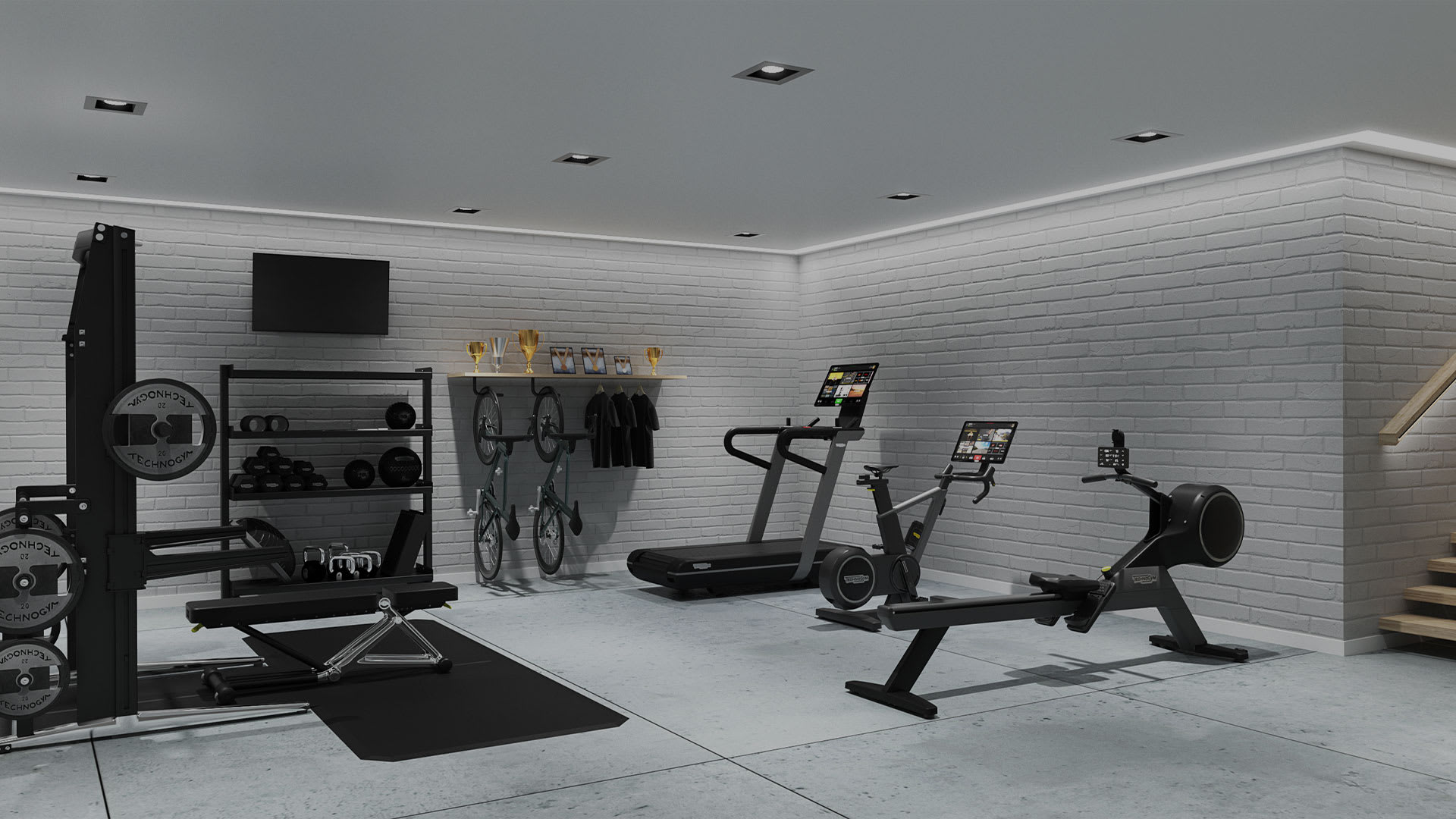
Modern lifestyles in the UAE move fast. Professionals balance demanding careers, long commutes, social commitments, and family responsibilities every single day. In such a fast-paced environment, consistency becomes the biggest challenge in fitness. That is exactly why home workouts are becoming the smarter solution. Instead of spending extra time driving to a gym, waiting for machines, or adjusting schedules around crowded peak hours, people are now bringing premium fitness experiences into their own spaces.
Home fitness is no longer about basic treadmills in spare rooms. The UAE market now offers advanced cardio systems, commercial-grade strength equipment, smart fitness technology, recovery tools, and luxury wellness setups that can completely transform homes into personal fitness spaces. From compact apartment-friendly setups to full-scale villa gyms, people are investing in long-term wellness from the comfort of home.
Another major factor driving this trend in the UAE is climate. During peak summer months, outdoor activities can become challenging because of the heat. Home fitness creates a comfortable indoor environment where people can stay consistent regardless of weather conditions. Whether it is an early morning cardio session or a late-night strength workout, training at home offers unmatched flexibility.
The rise of premium residential living across the UAE has also influenced fitness culture. Many homeowners and villa residents now prioritize wellness-focused living spaces. Dedicated home gyms are becoming as important as entertainment rooms or home offices. Fitness is no longer viewed as an occasional activity. It has become part of a modern luxury lifestyle.
At Lifetime Fitness Store, the focus has always been on helping people create stronger, healthier lifestyles through premium fitness solutions. With access to 300+ global fitness brands and thousands of products across cardio, strength, functional training, recovery, and wellness categories, home fitness in the UAE has become more accessible than ever before.
The UAE fitness industry has witnessed a massive transformation over the last few years. While commercial gyms continue to grow, home fitness has emerged as one of the strongest lifestyle trends in the country.
Several factors are contributing to this growth:
People are realizing that results do not depend on workout location. What truly matters is consistency, discipline, and access to quality equipment.
One of the biggest challenges in UAE cities is traffic during peak hours. After long workdays, commuting to a gym can feel exhausting.
Home fitness completely removes that barrier.
People can train:
This flexibility helps users stay consistent throughout the year.
Outdoor fitness during UAE summers can become extremely difficult.
Home gyms provide:
This makes fitness easier to maintain even during the hottest months.
In the UAE, fitness is increasingly becoming part of luxury living.
Modern home gyms now include:
Fitness spaces are now designed to match modern luxury homes.
Many people prefer training in a more private environment.
Home fitness allows users to:
This is especially valuable for beginners starting their fitness journey.
Treadmills remain one of the most popular home cardio machines in the UAE because they support indoor walking, running, incline training, and fat-burning workouts.
Modern treadmills now feature:
They are ideal for maintaining daily activity levels indoors.
Exercise bikes are perfect for UAE apartments and villas because they offer low-impact cardio without requiring large workout spaces.
Popular options include:
Benefits include:
Ellipticals provide full-body cardio training while reducing stress on knees and ankles.
This makes them highly popular among:
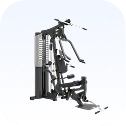
Home multi gyms are becoming increasingly popular in UAE villas because they combine multiple workout stations into one compact setup.
Users can train:
These systems are ideal for complete home strength training.
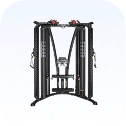
Functional fitness continues to grow rapidly across the UAE.
Popular equipment includes:
These tools support:
For apartment living:
This creates an effective setup without using excessive space.
Also Watch:
Villa spaces allow more advanced fitness environments.
Popular additions include:
Many villa owners now create complete luxury wellness rooms.
Technology is transforming fitness experiences across the UAE.
Modern equipment now offers:
This creates highly engaging and motivating workouts directly from home.
One of the biggest advantages of home fitness is routine consistency.
When equipment is available at home:
This consistency is what ultimately delivers real transformation.
Building a Wellness Lifestyle at Home
Fitness today is not just about workouts. It is about creating a healthier lifestyle overall.
Many UAE homeowners now integrate:
The goal is to create an environment that encourages healthier daily habits.
Recovery is now a major part of modern fitness lifestyles.
Popular recovery products include:
Proper recovery improves:
Users increasingly prefer machines with:
People are combining:
Into one complete home setup.
Lifetime Fitness Store continues to help UAE residents create premium home fitness environments with world-class equipment and professional consultation services.
Key advantages include:
From compact apartment setups to luxury villa gyms, home fitness solutions are now more accessible than ever.
The future of fitness in the UAE is becoming more flexible, personalized, and lifestyle-driven than ever before. Home fitness is no longer just an alternative to commercial gyms. It has become a smarter and more sustainable way for people to stay active, healthy, and consistent.
Whether it is a compact apartment setup or a luxury villa gym, creating a dedicated fitness environment at home allows people to train on their own schedule, maintain consistency throughout the year, and build healthier long-term habits.
As modern UAE lifestyles continue to evolve, convenience and wellness are becoming increasingly connected. Home fitness brings both together perfectly. It removes barriers, saves time, and helps people stay committed to their goals without compromising comfort or flexibility.
Lifetime Fitness Store continues to support this growing fitness movement across the UAE by helping people create premium wellness spaces with world-class fitness equipment and expert solutions designed for modern living.
If you are looking to buy other fitness machines or accessories, look no further! Explore our range of fitness products like treadmills, elliptical cross trainers, exercise bikes, rowing machines, home gym, functional trainer, multi-station, power towers, smith machines, dumbbells, foosball tables, pool tables, and table tennis.
A commercial treadmill is often one of the most frequently used machines in any fitness facility. Whether you operate a large gym, boutique fitness studio, hotel fitness center, corporate wellness facility, rehabilitation clinic, or sports performance center, treadmills play a critical role in attracting and retaining members.
However, buying commercial treadmills is very different from purchasing equipment for a home gym. The machine must handle continuous daily usage, accommodate users with varying fitness levels, deliver a comfortable workout experience, and remain reliable for years. A poor purchasing decision can lead to costly repairs, increased downtime, unhappy members, and premature equipment replacement. With so many options available, choosing the right treadmill can feel overwhelming. Understanding what truly matters will help facility owners make informed decisions and maximize the return on their investment.
Before comparing treadmill specifications, it is important to evaluate the needs of your facility. Every fitness environment is different. A commercial gym may experience hundreds of treadmill sessions each week, while a hotel fitness center may only see occasional usage. A rehabilitation clinic may require lower-speed options and enhanced safety features, while a sports performance facility may prioritize advanced training capabilities.
Understanding your expected user volume, target audience, available space, and training requirements creates a strong foundation for the purchasing process. The best treadmill for one facility may not be the best choice for another. Buying equipment based solely on price or appearance often leads to disappointment. Instead, focus on selecting treadmills that align with the specific needs of your users.
Choosing the right treadmill involves more than selecting a brand. Facility owners should evaluate several important factors before making a final decision.
The number of expected daily users has a significant impact on equipment requirements. Facilities with heavy traffic should prioritize durability and long-term reliability.
Commercial treadmills require adequate space for safe operation and maintenance access. Proper planning helps create a more comfortable and efficient fitness environment.
Every treadmill requires routine servicing. Understanding maintenance expectations before purchasing equipment can help avoid future operational challenges.
A facility serving beginners may prioritize ease of use and comfort, while a facility serving athletes may focus on performance capabilities and advanced training features.
The least expensive treadmill is not always the most cost-effective option. Evaluating total ownership costs, including maintenance and lifespan, often provides a more accurate picture of long-term value.
Not all commercial treadmills are built for the same level of usage. Some models are designed for full commercial environments where continuous daily operation is expected. Others are classified as light commercial equipment and are intended for moderate usage levels.
Facilities should select equipment based on realistic workload expectations rather than assuming all commercial treadmills offer identical durability.Choosing equipment that matches actual usage requirements helps avoid both underinvestment and unnecessary overspending.
Before comparing individual brands, it is important to understand the characteristics that define a quality commercial treadmill. Durability remains one of the most important factors. Commercial treadmills must withstand constant usage from multiple users every day. Strong frames, high-quality motors, durable running surfaces, and reliable electronics all contribute to long-term performance.
User comfort is equally important. Effective cushioning systems, spacious running decks, intuitive controls, and smooth operation all help create a better workout experience. Facilities that provide comfortable equipment often see higher member satisfaction and increased retention. Maintenance and serviceability should also be considered. Even the best treadmills require routine upkeep. Brands that offer reliable support, accessible replacement parts, and straightforward maintenance procedures often deliver greater long-term value. Technology has become another major differentiator. Modern treadmills frequently include touchscreens, workout tracking systems, connectivity features, and immersive training content. While technology should never replace durability, it can significantly enhance user engagement when implemented effectively.
NordicTrack is one of the most recognizable names in the fitness industry. The brand has built its reputation around combining cardio equipment with advanced technology and interactive training experiences.
Many NordicTrack treadmills feature large touchscreens, immersive workout platforms, automatic speed and incline adjustments, and trainer-led sessions. These features create a highly engaging workout environment that appeals to users who enjoy guided fitness experiences. For facilities looking to provide a modern and connected fitness environment, NordicTrack can be an attractive option. Members who enjoy virtual coaching, scenic workouts, and performance tracking often appreciate the brand's technology-driven approach.
One of NordicTrack's biggest strengths is motivation. Interactive workouts help users stay engaged and may encourage longer and more consistent exercise sessions. This can be particularly valuable for facilities focused on member retention and user experience. However, facilities considering NordicTrack should also evaluate their specific usage requirements. While the brand excels in technology integration, operators should ensure the selected models align with expected commercial workloads and maintenance expectations.
Impulse Fitness has established itself as a trusted name in commercial fitness environments around the world. The brand is widely recognized for its emphasis on durability, reliability, and long-term performance.
Unlike some manufacturers that prioritize entertainment features, Impulse Fitness focuses heavily on equipment construction and structural integrity. Its treadmills are designed to withstand demanding commercial environments where machines may operate for many hours every day. Facility owners often choose Impulse Fitness because of its reputation for handling high usage levels while maintaining consistent performance. The robust construction, dependable drive systems, and commercial-grade components contribute to lower maintenance requirements and extended equipment lifespan. For gyms, hotels, sports facilities, and corporate wellness centers that prioritize durability and reliability, Impulse Fitness remains one of the strongest options available. The brand's straightforward approach to commercial fitness equipment appeals to operators seeking dependable long-term value.
Spirit Fitness occupies a unique position within the commercial treadmill market by combining durability with a strong focus on user comfort.
The brand is known for creating treadmills that feel smooth, stable, and intuitive during workouts. Its equipment often incorporates thoughtful ergonomic design, effective cushioning systems, and user-friendly interfaces. One reason Spirit Fitness has become popular among rehabilitation facilities, training centers, and fitness clubs is its emphasis on biomechanics. The treadmills are designed to support natural movement patterns while reducing unnecessary impact stress on the body.
For facilities serving a broad demographic range, this balance between comfort and performance can be particularly beneficial. Beginners, experienced exercisers, older adults, and athletes can all enjoy a comfortable and accessible workout experience. Spirit Fitness also maintains a strong reputation for reliability, making it a compelling option for operators seeking a combination of user satisfaction and long-term durability.
Sole Fitness has become one of the most recognized treadmill brands among fitness enthusiasts, and in recent years it has successfully expanded its reputation into light commercial and commercial fitness environments. The brand is particularly known for combining durability, performance, and comfort while maintaining a strong focus on user experience.
One of the key strengths of Sole Fitness treadmills is their robust construction. Many models feature powerful motors, spacious running surfaces, heavy-duty frames, and advanced cushioning systems that help reduce impact on the joints. These characteristics make Sole treadmills appealing not only to home users but also to hotels, residential fitness centers, corporate wellness facilities, and boutique fitness studios. Comfort is a major focus for Sole Fitness. The brand places considerable emphasis on shock absorption and running ergonomics. Users often appreciate the smooth belt movement, stable running platform, and comfortable deck design during both walking and running workouts. For facilities that serve a wide variety of users, this emphasis on comfort can contribute to greater member satisfaction.
Another advantage of Sole Fitness is simplicity. While many modern treadmills focus heavily on entertainment and connected fitness platforms, Sole generally balances technology with practicality. The result is equipment that remains user-friendly and dependable without overwhelming users with unnecessary complexity. For facilities seeking a combination of durability, comfort, and value, Sole Fitness remains a highly attractive option. Its treadmills often appeal to operators who want premium-quality equipment without necessarily investing in the highest-end commercial category.
Matrix is widely regarded as one of the leading names in commercial fitness equipment. The brand has built a strong reputation within gyms, health clubs, hotels, rehabilitation facilities, and sports performance centers around the world.
One of Matrix's greatest strengths is its commitment to premium engineering. The brand invests heavily in research, biomechanics, durability testing, and user experience. As a result, Matrix treadmills are designed to perform consistently under demanding commercial conditions. Many Matrix treadmills feature sleek modern designs, advanced consoles, high-quality touchscreens, powerful motors, and sophisticated workout programming. However, the brand's appeal extends beyond technology. Matrix equipment is also known for exceptional structural integrity and long-term reliability.
The running experience on a Matrix treadmill is often described as smooth, stable, and refined. Effective cushioning systems help reduce impact forces while maintaining a natural feel during workouts. This balance is particularly important for facilities that serve both casual exercisers and serious athletes. Matrix is frequently selected by premium fitness clubs because it offers a combination of aesthetics, performance, and durability. For facilities seeking a high-end commercial treadmill solution, Matrix remains one of the strongest contenders in the market.
Also Read: What Really Makes a Treadmill Commercial-Grade?
While all five brands produce quality treadmills, each one excels in different areas. NordicTrack stands out for technology and interactive training experiences. Users who enjoy virtual coaching, immersive workouts, and connected fitness platforms often appreciate the brand's innovative approach.
Impulse Fitness focuses heavily on durability and commercial reliability. Facilities with high daily traffic often choose Impulse because of its robust construction and ability to withstand demanding usage levels.
Spirit Fitness emphasizes comfort, biomechanics, and user-friendly performance. The brand appeals to facilities that prioritize smooth operation and a positive workout experience across a wide range of users. Sole Fitness combines premium performance with strong value. Its treadmills offer durable construction and comfortable workouts while remaining accessible to facilities that want commercial-inspired quality without excessive complexity.
Matrix occupies the premium commercial segment. The brand delivers advanced engineering, sophisticated design, and high-end performance for facilities seeking top-tier equipment. The best choice ultimately depends on the specific needs of the facility rather than the popularity of a particular brand.
Different facilities often require different equipment priorities. Understanding these priorities can help narrow the selection process.
Large fitness centers typically experience heavy treadmill usage throughout the day. Durability, reliability, and serviceability become especially important under these conditions. Brands focused on commercial durability often perform particularly well in these environments because they are engineered to withstand continuous operation and high user volumes.
Boutique studios often prioritize member experience and equipment aesthetics. The workout environment plays a major role in the facility's overall appeal. Brands that combine performance, comfort, and modern design can be especially effective in these settings because they contribute to a premium training atmosphere.
Hotels serve a diverse range of users with varying fitness levels. Equipment must be intuitive, comfortable, and dependable while requiring minimal supervision. A treadmill that balances user-friendliness with durability often provides the best value for hospitality environments.
Corporate fitness centers typically serve employees with different levels of fitness experience. Equipment should be approachable, comfortable, and easy to use. Comfort-focused treadmills often perform well in these environments because they encourage participation and support long-term wellness initiatives.
Athletes and serious fitness enthusiasts often place greater demands on treadmill equipment. High-speed performance, stability, durability, and advanced training features become increasingly important. Facilities serving this audience frequently prioritize premium commercial equipment capable of supporting intense training workloads.
The true value of a commercial treadmill becomes apparent over years of use rather than at the point of purchase. A lower-priced treadmill may initially reduce expenses, but if it requires frequent repairs or replacement, overall costs can increase substantially. Conversely, a higher-quality machine may provide years of dependable performance with fewer interruptions.
When evaluating options, gym owners should consider factors such as durability, maintenance requirements, warranty coverage, service support, and expected lifespan. These elements often have a greater impact on long-term value than purchase price alone. Thinking beyond the initial investment helps facility owners make decisions that support both financial performance and member satisfaction.
The treadmill section is often one of the busiest areas in a fitness facility. Members use these machines for warm-ups, endurance training, interval workouts, weight-loss programs, and general cardiovascular exercise.
Because of this, treadmill quality plays an important role in shaping the overall cardio experience. Comfortable equipment encourages longer workouts, while reliable performance helps members stay focused on their fitness goals rather than equipment limitations.
When treadmills are carefully selected and properly maintained, they become valuable tools that support member success. They contribute to a professional environment where users feel confident in the quality of the facility and the equipment provided.
One of the most important considerations when purchasing a commercial treadmill is durability. Unlike residential treadmills, commercial equipment is expected to operate for many hours every day. Multiple users place continuous stress on the frame, motor, deck, rollers, and electronics. The treadmill must withstand these demands without compromising performance.
A durable treadmill is typically built with a heavy-duty steel frame designed to minimize movement and vibration during workouts. Strong construction improves stability, enhances user confidence, and reduces wear on internal components. While premium construction may increase the initial investment, it often results in lower long-term ownership costs because the equipment requires fewer repairs and replacements over time.
Read: Abu Dhabi Inspires Initiatives
The motor is often considered the heart of a treadmill. Commercial treadmills require motors capable of delivering consistent performance throughout the day. Unlike residential machines that may be used for short workout sessions, commercial treadmills frequently operate for extended periods without interruption. A high-quality motor contributes to smoother belt movement, more accurate speed control, and improved reliability. It also helps reduce stress on other components by maintaining efficient operation under heavy workloads. When evaluating treadmill options, facility owners should look beyond horsepower numbers alone. The overall quality, durability, and intended usage level of the motor are often more important than headline specifications.
The size and quality of the running surface directly affect user comfort and safety. A larger running deck accommodates users of different heights and stride lengths while allowing more natural movement during exercise. This becomes particularly important for runners and taller individuals who require additional space.
Members should feel comfortable walking, jogging, or running without feeling restricted. A spacious running surface can significantly improve the workout experience and encourage users to spend more time on the equipment. The quality of the running belt also plays an important role. Durable materials help reduce wear while contributing to smoother operation over the long term.
Many gym owners focus heavily on performance specifications while overlooking treadmill cushioning systems.
Impact absorption technology helps reduce stress on the knees, ankles, hips, and lower back. This is especially important for users who spend significant time on treadmills or participate in frequent cardio training.
A comfortable running experience can influence member satisfaction and encourage repeat usage. Users often notice the difference between a treadmill with effective cushioning and one that feels harsh during exercise.
Since treadmills are among the most frequently used pieces of equipment in most facilities, comfort should be considered a major purchasing factor rather than an optional feature.
Weight capacity is often viewed simply as a user specification, but it also provides insight into overall treadmill construction. Higher weight capacities generally indicate stronger frames, more durable components, and better engineering. Commercial treadmills must accommodate a wide variety of users, making structural strength essential.
A treadmill capable of supporting heavier individuals often delivers improved durability for all users. Stronger construction reduces stress on the machine and contributes to longer equipment lifespan. Rather than focusing solely on current user demographics, facility owners should consider future flexibility when evaluating weight capacities.
Many facility owners become overwhelmed by specifications, features, and marketing claims. The most effective approach is to focus on the practical needs of the facility. Consider how the equipment will be used, who will be using it, and what level of performance is required. Evaluate durability, comfort, maintenance needs, and user experience alongside technological features.
Testing equipment whenever possible can also provide valuable insights. Walking, jogging, and running on different treadmills often reveals differences that specifications alone cannot communicate. The right treadmill is ultimately the one that best supports the goals of both the facility and its members.
The best commercial treadmill is not necessarily the one with the longest feature list. Instead, it is the machine that delivers a positive experience for the people using it. Users should be able to navigate controls easily, adjust speed and incline quickly, and access workout information without confusion. Displays should be clear and intuitive, while controls should remain responsive even during intense exercise sessions.
A positive user experience encourages repeat usage and helps create a professional impression of the facility. When evaluating equipment, it is often helpful to spend time using the treadmill personally. Experiencing the machine from a member's perspective can reveal important details that specifications alone cannot communicate.
Modern commercial treadmills offer a wide range of technological features. Large touchscreens, workout tracking systems, virtual training programs, connectivity options, and entertainment platforms have become increasingly common. While these features can enhance engagement, they should be evaluated based on actual user preferences rather than marketing appeal.
Some facilities benefit greatly from advanced technology, particularly those targeting tech-savvy users. Others may find that simplicity, reliability, and ease of use are more important than extensive entertainment features. Technology should enhance the workout experience without complicating daily operations or increasing maintenance requirements unnecessarily.
Many gym owners focus on purchase price while overlooking long-term maintenance requirements. Every treadmill requires regular servicing, but some models are designed to simplify maintenance procedures. Easy access to internal components, clear maintenance guidelines, and readily available replacement parts can significantly reduce downtime.
Equipment that is difficult to maintain often becomes more expensive over its lifespan. Before making a purchase, facility owners should understand the maintenance expectations associated with each model. A treadmill that remains easy to service throughout its life can provide significant operational advantages.
Safety remains one of the most important considerations when selecting commercial fitness equipment.Commercial treadmills should include reliable emergency stop systems, intuitive controls, stable handrails, and secure running surfaces. These features help protect users while creating a safer exercise environment.
Facilities serving older adults, beginners, or rehabilitation clients may place even greater emphasis on safety-related features. Understanding the needs of your target audience helps ensure equipment selection aligns with user expectations. A safer treadmill not only protects members but also reduces operational risk for the facility.
Noise can have a surprising impact on the overall gym environment. A treadmill that generates excessive noise may negatively affect the workout experience for users throughout the facility. High-quality construction, precision components, and efficient motors often contribute to quieter operation.
While no treadmill is completely silent, smoother and quieter equipment generally creates a more pleasant atmosphere. This becomes especially important in boutique studios, hotels, corporate wellness facilities, and mixed-use spaces. Noise levels should be evaluated as part of the overall user experience rather than viewed solely as a technical specification.
Commercial treadmills require adequate space for safe and comfortable operation. Facility owners should consider not only the footprint of the treadmill itself but also the surrounding clearance required for user safety, maintenance access, and facility flow.
Overcrowding equipment can create an uncomfortable environment and reduce the overall functionality of the facility. Proper space planning helps maximize both safety and member satisfaction. Before purchasing equipment, it is important to ensure the facility layout can accommodate current and future needs.
Many treadmill purchasing mistakes occur because buyers focus on marketing claims rather than operational realities. Some facilities purchase equipment with features members rarely use. Others underestimate usage levels and select machines that cannot withstand the demands of a commercial environment.
Another common mistake involves overlooking maintenance requirements. Equipment that appears attractive during the purchasing process may become difficult and expensive to maintain over time. Successful facility owners evaluate treadmills based on long-term performance rather than short-term impressions.
Specifications and brochures provide valuable information, but nothing replaces hands-on testing. Whenever possible, gym owners should spend time using the treadmill before making a purchase. Walking, jogging, and running on the machine allows buyers to evaluate stability, cushioning, noise levels, responsiveness, and overall comfort.
Testing also provides insight into console usability and control placement. Features that appear impressive on paper may not feel practical during actual workouts. If multiple stakeholders are involved in the purchasing process, allowing trainers, managers, and maintenance personnel to evaluate the equipment can provide valuable perspectives. A treadmill may look excellent in a showroom, but real-world testing often reveals details that influence long-term satisfaction.
Purchasing commercial treadmills is a significant investment that affects member satisfaction, facility reputation, and long-term operational costs. The best treadmill is not necessarily the one with the highest specifications or the most advanced technology. Instead, it is the machine that aligns with the needs of your facility and delivers reliable performance over many years.
By focusing on durability, motor quality, running surface design, cushioning, user experience, maintenance requirements, safety features, and overall value, gym owners can make more informed purchasing decisions.
A carefully selected commercial treadmill becomes more than just a piece of equipment. It becomes a long-term asset that supports member success, enhances the facility experience, and contributes to the growth and reputation of the business.
If you are looking to buy other fitness machines or accessories, look no further! Explore our range of fitness products like treadmills, elliptical cross trainers, exercise bikes, rowing machines, home gym, functional trainer, multi-station, power towers, smith machines, dumbbells, foosball tables, pool tables, and table tennis.
When facility owners evaluate fitness equipment purchases, treadmills often represent one of the largest investments on the gym floor. Whether it's a commercial gym, hotel fitness center, corporate wellness facility, sports performance center, rehabilitation clinic, or residential fitness facility, treadmills consistently rank among the most used pieces of equipment. Because of their popularity, treadmill purchasing decisions can have a significant impact on member satisfaction, operational costs, facility reputation, and long-term profitability. While commercial treadmills generally require a higher upfront investment than residential or light-duty alternatives, many facility owners discover that the long-term value far outweighs the initial cost.
The question is not simply whether a commercial treadmill costs more. The real question is whether it can deliver enough benefits over time to justify the investment. For many facilities, the answer is yes. Understanding why commercial treadmills continue to be one of the smartest long-term investments in the fitness industry can help facility owners make more informed purchasing decisions.
One of the biggest mistakes facility owners make is focusing solely on the purchase price of fitness equipment. At first glance, lower-priced alternatives may appear attractive because they reduce initial spending. However, equipment should be evaluated based on its total value throughout its lifespan rather than its upfront cost.
Commercial treadmills are designed for years of demanding use. Their stronger construction, premium components, and higher-quality engineering allow them to withstand conditions that would quickly wear down lower-grade equipment. When evaluating long-term value, factors such as maintenance costs, repair frequency, downtime, equipment lifespan, and user satisfaction become just as important as the purchase price itself.
This broader perspective often reveals why commercial treadmills are considered investments rather than expenses.
Commercial treadmills are built to handle heavy daily usage.
Unlike residential equipment, which may only support a few workout sessions each day, commercial treadmills are designed to operate continuously in high-traffic environments. Multiple users with different body weights, fitness levels, and workout styles place constant demands on the machine. To accommodate these conditions, manufacturers use stronger frames, more durable running surfaces, higher-capacity motors, and commercial-grade components. These features allow the equipment to maintain performance while minimizing wear.
Durability directly impacts financial performance. Equipment that lasts longer generally requires fewer replacements, reducing capital expenditures over time. A treadmill that remains operational for years while maintaining a positive user experience often delivers significantly greater value than a cheaper alternative that requires early replacement.
Equipment downtime is one of the most overlooked costs in facility management. When a treadmill becomes unavailable, users may become frustrated, workouts may be disrupted, and facility operations can be affected. In busy gyms, even a single machine being out of service can create noticeable congestion.
Commercial treadmills are engineered to minimize downtime through durable construction and reliable performance. Because they are designed for continuous use, they often experience fewer interruptions than lower-grade equipment. Reduced downtime helps facilities maintain a professional image while ensuring members always have access to the equipment they expect. The financial impact extends beyond repairs. Reliable equipment contributes to a better member experience, which can influence retention and overall satisfaction.
Commercial treadmills are often among the first machines members use when entering a fitness facility.For beginners, walking is a familiar and approachable form of exercise. For experienced athletes, treadmills support structured cardio training, endurance development, and performance goals.
Because treadmills serve such a broad audience, their quality directly affects member perception.A treadmill that feels stable, comfortable, and reliable creates a positive experience. Smooth operation, responsive controls, effective cushioning, and consistent performance encourage members to spend more time exercising.
Conversely, equipment that feels unstable, noisy, or poorly maintained can create frustration.Facilities that invest in quality equipment often experience higher levels of member satisfaction because users recognize the difference in performance and comfort.
Member retention is one of the most important factors affecting the long-term success of any fitness facility. Acquiring new members is often more expensive than retaining existing ones. As a result, facilities benefit significantly when they create positive experiences that encourage members to remain engaged.
High-quality equipment contributes to this process. When users consistently encounter reliable treadmills that perform well and feel comfortable, they are more likely to view the facility positively. This contributes to overall satisfaction and strengthens the relationship between members and the facility. Although treadmills alone do not determine retention rates, they play a meaningful role in shaping the overall member experience.
Many facilities experience fluctuations in traffic throughout the day.
Peak hours often place substantial demands on cardio equipment, particularly treadmills. Machines may operate continuously for several hours while supporting users with different workout intensities. Commercial treadmills are specifically engineered for these conditions.
The stronger construction allows them to handle heavy usage without compromising performance. This capability becomes especially important as facilities grow and membership numbers increase. Rather than limiting growth, commercial treadmills support scalability by providing equipment that can continue performing as demand rises. For expanding facilities, this flexibility represents a valuable long-term advantage.
Every treadmill requires maintenance. However, the quality of the equipment often influences how frequently repairs are needed.Commercial treadmills are designed with maintenance in mind. Many models provide easier access to internal components, simplify servicing procedures, and use higher-quality parts that resist wear.
This does not eliminate maintenance requirements, but it often makes them more predictable. Predictable maintenance allows facility owners to budget more effectively while reducing the likelihood of unexpected repair expenses. Over the lifespan of the equipment, these operational advantages can contribute significantly to overall return on investment.
Read: Abu Dhabi Inspires Initiatives
Comfort is an important factor in equipment usage. Commercial treadmills often incorporate advanced cushioning systems designed to reduce impact stress on the joints. These systems help create a more comfortable exercise experience while supporting a wide range of users. When workouts feel comfortable, members are often more willing to spend additional time on the equipment. Longer and more enjoyable workout sessions contribute to positive perceptions of the facility while supporting members' fitness goals. User comfort may seem difficult to measure financially, but its influence on satisfaction and facility reputation should not be underestimated.
The quality of equipment often shapes how members perceive a facility. When visitors see well-maintained commercial treadmills, they associate the equipment with professionalism and quality. Strong equipment selections signal that the facility is committed to providing a positive member experience. This perception can influence referrals, reviews, and membership decisions.
In competitive markets, facility reputation becomes increasingly important. Investing in commercial-grade equipment can help strengthen that reputation while differentiating the facility from competitors. A positive first impression often begins with the equipment users encounter most frequently.
Fitness facilities rarely remain static. Membership levels change, training trends evolve, and user expectations continue to increase. Equipment that satisfies today's needs may not necessarily meet future demands.
Commercial treadmills provide a level of future-proofing because they are designed to support higher usage levels and broader user populations. As facilities grow, the equipment remains capable of handling increased demand without requiring immediate replacement. Future-proofing helps protect investments while reducing the likelihood of major capital expenditures in the near future.
Also Read: What Really Makes a Treadmill Commercial-Grade?
One of the reasons treadmills remain so valuable is their versatility. A single commercial treadmill can support beginners, recreational exercisers, serious runners, athletes, seniors, and rehabilitation clients. Few pieces of fitness equipment serve such a wide audience.
Because commercial treadmills accommodate diverse user groups, they often deliver greater utilization rates than more specialized equipment. Higher utilization improves overall equipment value because the investment benefits a larger portion of the membership base. Facilities that maximize equipment usage often achieve stronger returns on their investments.
Reliability is difficult to quantify but easy to appreciate. Members expect equipment to function properly whenever they visit the facility. Consistent performance creates trust and confidence in the overall fitness experience. Commercial treadmills are designed to deliver this reliability.
By reducing unexpected breakdowns and maintaining consistent operation, these machines help create a dependable environment that members can rely on. Over time, reliability becomes one of the most valuable characteristics of any fitness equipment investment.
Lower-cost equipment may initially appear attractive, but there is often a reason for the price difference. Commercial treadmills typically incorporate stronger materials, better engineering, more durable motors, higher-quality electronics, and advanced cushioning systems. These enhancements improve performance while extending equipment lifespan. Although the initial investment may be higher, the long-term benefits often include fewer repairs, greater durability, improved user satisfaction, and lower replacement frequency.
When viewed over many years of operation, commercial treadmills frequently deliver stronger overall value than less expensive alternatives.
From a business perspective, successful investments typically generate value over an extended period.
Commercial treadmills contribute value in multiple ways:
These benefits collectively strengthen the financial performance of the facility while enhancing the member experience. For many operators, this combination makes commercial treadmills one of the most important investments on the fitness floor.
While treadmills are often viewed simply as exercise equipment, they can also contribute to revenue generation in several ways. A well-equipped cardio section can attract prospective members, support premium membership offerings, and enhance the overall appeal of a fitness facility.
When potential customers tour a gym, the quality of the equipment often influences their decision-making process. Modern, well-maintained commercial treadmills create a positive first impression and communicate that the facility invests in member experience. This perception can help convert visitors into paying members. In some facilities, premium cardio areas featuring advanced commercial treadmills become part of higher-tier membership packages. Corporate wellness centers, hotels, and luxury residential facilities may also use premium fitness equipment as a selling point when marketing their services.
Although treadmills do not generate revenue directly, they contribute to the overall value proposition that encourages memberships, renewals, and referrals.
Fitness trends change over time, but treadmill training continues to remain relevant across generations. Over the years, members have embraced walking programs, interval training, endurance running, incline workouts, heart-rate-based training, and virtual fitness experiences. Commercial treadmills have evolved to support these changing preferences through advanced features and training capabilities.
This adaptability contributes to their long-term value. Instead of becoming obsolete as fitness trends change, quality commercial treadmills continue to support a wide variety of workout styles. Facilities that invest in versatile equipment are often better positioned to adapt to future trends without constantly replacing machines. This flexibility helps maximize the lifespan of the investment while keeping members engaged.
Consistency is one of the most important characteristics of commercial fitness equipment. Members expect the treadmill to perform the same way every time they use it. Speed settings should be accurate, incline adjustments should respond smoothly, and the running surface should feel stable regardless of workout intensity.
Commercial treadmills are designed to maintain this consistency over long periods of use. Their stronger components help reduce performance fluctuations and ensure users receive a dependable experience. For serious runners and athletes, consistency becomes especially important because training programs often rely on specific speed and incline targets. Equipment that performs accurately helps users track progress and maintain confidence in their workouts.
Reliable performance contributes to trust, and trust contributes to long-term member satisfaction.
Safety is another factor that strengthens the business case for commercial treadmills. Commercial facilities serve users with different ages, abilities, and fitness levels. Equipment must accommodate everyone from first-time exercisers to experienced athletes.
Commercial treadmills often incorporate advanced safety features, including emergency stop systems, intuitive controls, stable handrails, spacious running surfaces, and durable deck construction. These elements help reduce risk while creating a more comfortable environment for users. A safer facility benefits both members and operators. Members gain confidence while exercising, and facility owners reduce the likelihood of incidents that could negatively affect the business.
Investing in quality equipment is therefore also an investment in safety and risk management.
Another often-overlooked advantage of commercial treadmills is their resale value. Because commercial-grade equipment is built for durability, many machines retain value even after years of use. Facilities that decide to upgrade equipment in the future may be able to recover a portion of their original investment through resale or trade-in opportunities.
Lower-quality equipment often depreciates more rapidly because buyers may have concerns about durability and remaining lifespan. Commercial treadmills, however, are generally viewed as long-term assets with proven performance records.While resale value should never be the primary reason for a purchase, it contributes to the overall return on investment and strengthens the financial case for choosing commercial-grade equipment.
In today's competitive fitness market, presentation matters. Members often judge a facility based on what they see when they walk through the door. The cardio area is typically one of the most visible sections of any gym, making treadmill quality particularly important.
Rows of commercial treadmills create an immediate impression of professionalism, capability, and investment. Members associate high-quality equipment with a higher standard of service. This perception extends beyond current members. Potential clients, corporate partners, hotel guests, and visitors all form opinions based on the condition and quality of the equipment available.
A professional appearance helps strengthen brand image and reinforces the facility's commitment to providing an exceptional fitness experience.
The fitness industry continues to evolve, introducing new training methods, specialized equipment, and emerging technologies. Despite these changes, commercial treadmills remain one of the most consistently valuable investments available to facility owners. Few pieces of equipment offer the same combination of versatility, accessibility, and utilization. Treadmills appeal to users across nearly every demographic group and support a wide range of fitness goals.
Whether someone wants to lose weight, improve cardiovascular health, train for a race, recover from an injury, or simply stay active, the treadmill remains one of the most effective and approachable exercise options available. Because of this broad appeal, commercial treadmills often become some of the busiest machines in any facility. High utilization rates help justify the investment while contributing to overall member satisfaction.
The true value of a commercial treadmill becomes clear when viewed over a period of years rather than months.
A quality machine may support thousands of workouts, accommodate countless users, and contribute significantly to the overall member experience throughout its lifespan. The combination of durability, reliability, comfort, and versatility allows the treadmill to deliver value long after the initial purchase.Facility owners who evaluate equipment through a long-term lens often recognize that investing in quality today can reduce costs, improve operations, and strengthen business performance in the future.
This perspective transforms the purchasing decision from a simple expense into a strategic investment.
Commercial treadmills continue to be one of the smartest long-term investments for fitness facilities because they deliver value in multiple ways simultaneously. They support member acquisition, improve retention, enhance facility reputation, reduce downtime, provide reliable performance, and accommodate future growth. Unlike many purchases that lose value over time, a well-maintained commercial treadmill continues contributing to business success year after year. Its ability to serve a broad user base, withstand demanding usage, and provide a consistent workout experience makes it a cornerstone of successful fitness operations.
For facility owners seeking equipment that combines operational benefits with long-term financial value, commercial treadmills remain one of the strongest investments available. Their impact extends far beyond cardio training, influencing member satisfaction, facility perception, and business growth for years to come.
Commercial treadmills represent far more than cardio equipment. They are long-term assets that influence member satisfaction, operational efficiency, facility reputation, and overall business performance. While the initial investment may be greater than lower-grade alternatives, the long-term advantages often justify the cost. Greater durability, reduced downtime, improved comfort, stronger member retention, and predictable maintenance costs all contribute to a stronger return on investment.
Facilities that view treadmills as strategic assets rather than simple purchases often experience better outcomes over time. By prioritizing quality, reliability, and user experience, gym owners and facility operators can create environments that support both member success and business growth. In the fitness industry, few equipment investments deliver value as consistently as a well-chosen commercial treadmill. It is this combination of performance, longevity, and operational impact that makes commercial treadmills a smart long-term investment.
If you are looking to buy other fitness machines or accessories, look no further! Explore our range of fitness products like treadmills, elliptical cross trainers, exercise bikes, rowing machines, home gym, functional trainer, multi-station, power towers, smith machines, dumbbells, foosball tables, pool tables, and table tennis.
The numerous benefits of cardio workouts need no introduction. A strong immune system and flawless physical, mental health are few of the advantages cardio exercises provide. Among the various equipment that are preferred for cardio workouts, treadmills and elliptical trainers stand tall. Both of them have been proved to be effective in burning calories and increasing endurance. This is why treadmills and elliptical trainers are commonly found in fitness centres and home gyms.
However, many fitness freaks seem to be confused when it comes to choosing one among the two. In fact, various factors should be considered while comparing both the equipment. Fitness goals, physical conditions, training experience, and workout preferences are often taken into consideration when a comparative analysis is done. It’s true that both machines provide immense cardiovascular benefits, but the respective results they provide differ from each other. A basic understanding of these differences could help users pick the machine that meets their expectations and objectives.
A treadmill’s moving belt allows users to control speed and incline while performing natural movements. Treadmills have the capacity to accommodate a variety of workout patterns. Some users prefer leisurely walks, while others use treadmills for interval training, endurance runs, or high-intensity sessions. It is this versatility that makes treadmills suitable for beginners and experienced athletes alike. The ability to adjust speed and incline creates umpteen training possibilities, making it one of the most preferred cardio machines in the market.
An elliptical trainer combines aspects of walking, running, stair climbing, and cross-country skiing into a smooth movement pattern. Unlike a treadmill, the feet remain in constant contact with the pedals all through the workout. Besides, elliptical trainers also incorporate moving handlebars, allowing users to engage both the upper and lower body simultaneously. This provides a full-body workout experience while minimizing impact on joints. The flawless motion makes elliptical trainers appealing to individuals who seek effective cardiovascular exercise without any stress on the knees, hips, or ankles.
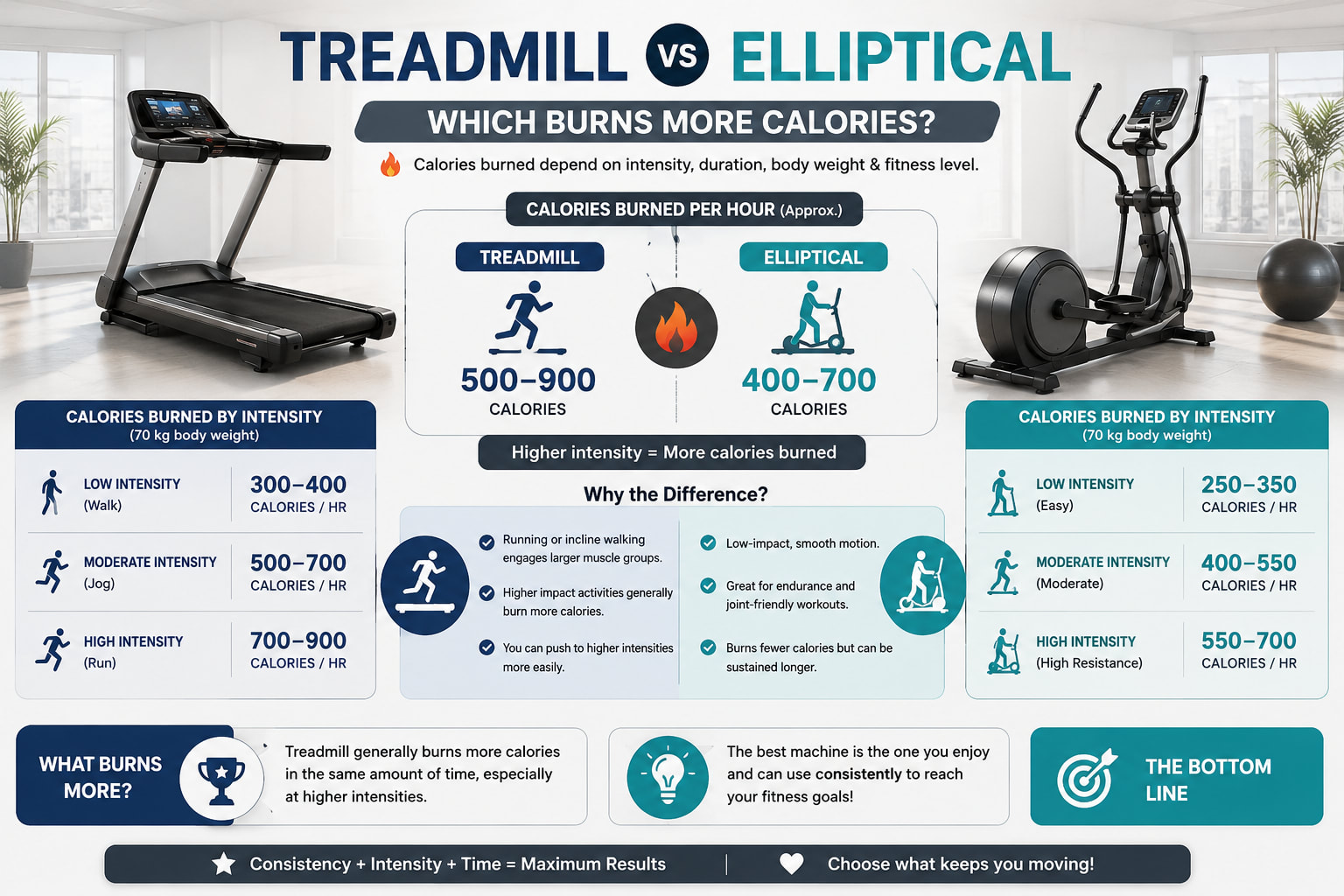
Burning calories is the most common factor people consider while choosing cardio equipment. Both machines help burn calories when utilized appropriately. The extent to which calories are burned depends on workout type, duration, and body weight. According to experts, treadmills burn more calories during running because the action requires significant energy output. All forms of running like print intervals, incline walking, and endurance runs create significant calorie burn.
Having said that, elliptical trainers should not be looked down upon. Many elliptical trainers are capable of engaging both the upper body and lower body. They, too, create highly effective full-body workouts that contribute to calorie burning. The most effective machine for burning calories is often the one a user can perform consistently and comfortably over time.
One of the biggest differences between the two equipment lies in the force we exert on them. Treadmill workouts involve repeated foot strikes with every step. While modern treadmills feature cushioning systems designed to reduce stress, the impact still remains. For healthy individuals, this may not be an issue. In fact, the impact could contribute to bone health and athletic conditioning.
However, those individuals managing joint discomfort, recovering from injuries, or seeking lower-impact workouts are seen to prefer elliptical trainers. As the feet remain on the pedals throughout the workout, the impact force is significantly reduced. This allows users to perform cardiovascular exercise while minimizing stress on the joints. For comfort and joint friendliness, many people find elliptical trainers more reliable.
Treadmills often feel more natural because walking is a common movement. Those who are new to workouts can simply step onto the machine and begin moving at a comfortable pace. Elliptical trainers may require a brief adjustment period as users learn the coordinated upper and lower body movement pattern. However, most individuals adapt quickly. For beginners concerned about balance, coordination, or impact, the elliptical trainer may offer a simple introduction to cardio exercise. For beginners seeking simplicity and familiarity, the treadmill often feels more intuitive.
Both machines are considered excellent for building endurance. Treadmills allow users to progressively increase walking, jogging, and running duration. This helps improve cardiovascular efficiency while enhancing aerobic fitness.
On the other hand, elliptical trainers support endurance development through longer low-impact workouts that challenge both the upper and lower body. As elliptical workouts feel more comfortable on the joints, some users find it easier to perform longer sessions without discomfort. The best choice depends on personal preference and training objectives rather than a clear superiority of one machine over the other.
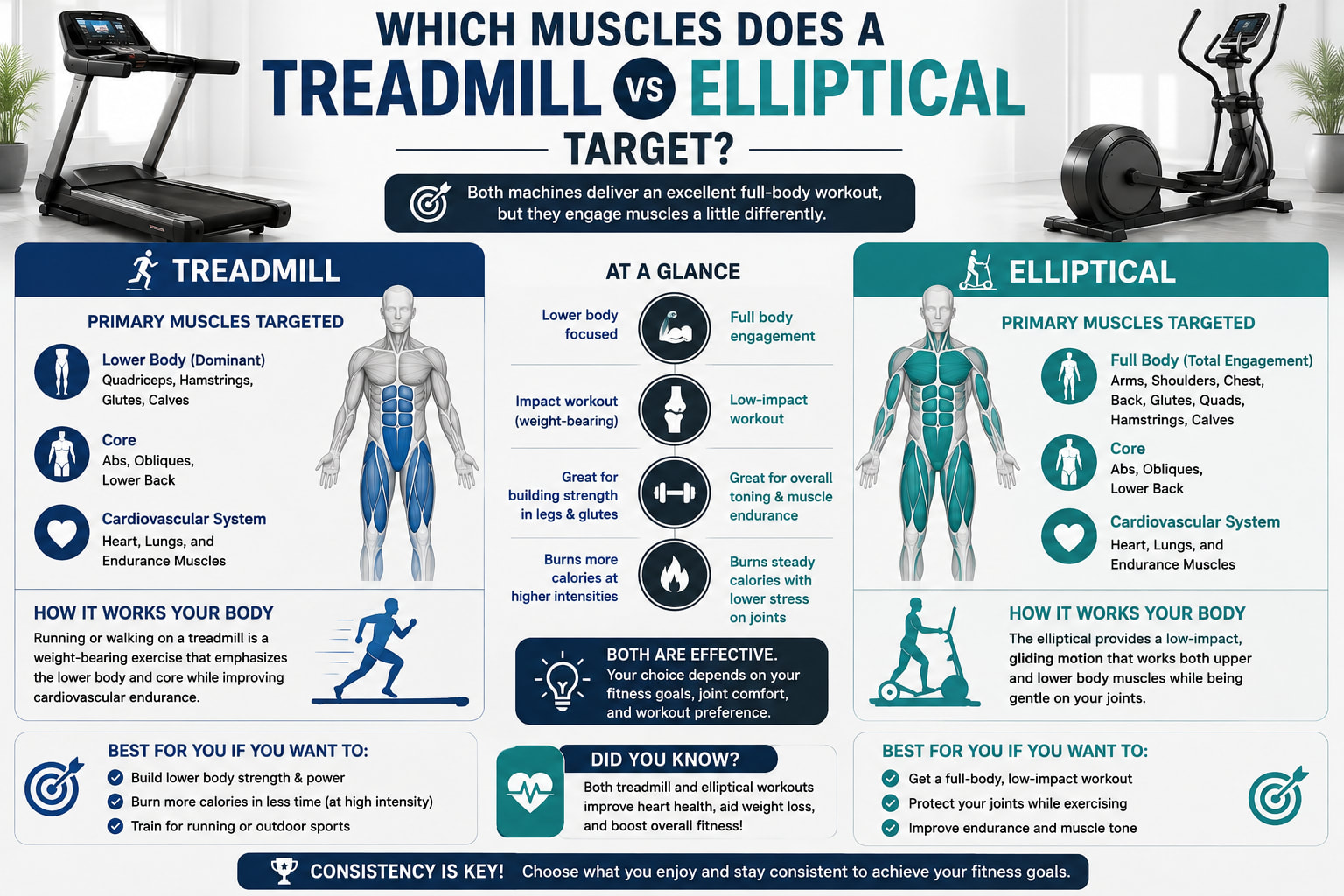
A major distinction between treadmills and elliptical trainers consists of muscle involvement. Treadmills primarily emphasize the lower body, including the quadriceps, hamstrings, calves, and glutes. Elliptical trainers engage many of these same muscles while also incorporating the shoulders, chest, back, and arms through moving handlebars. This full-body engagement can create a more comprehensive workout experience. Naturally, users seeking greater upper-body participation during cardio sessions often gravitate toward elliptical trainers for this reason.
The weight loss factor depends on creating a sustained calorie deficit. Both treadmills and ellipticals contribute to this process effectively. Treadmills may appeal to individuals who enjoy walking, jogging, or running. The ability to perform high-intensity workouts can support substantial calorie expenditure.
Ellipticals provide low-impact workouts that many users can perform consistently without excessive fatigue or joint stress. Consistency is often the most important factor in long-term weight-management success. The machine that encourages regular exercise typically produces better results over time.
Home fitness users often evaluate equipment based on space requirements, comfort, and versatility. Home treadmills remain among the most popular cardio machines because they support walking, jogging, and running in a non-complex format. Home elliptical trainers attract users seeking quieter operation, low-impact exercise, and full-body engagement. The ideal choice depends on the space available, personal preferences, and training goals. Many home gyms eventually incorporate both machines to maximize workout variety.
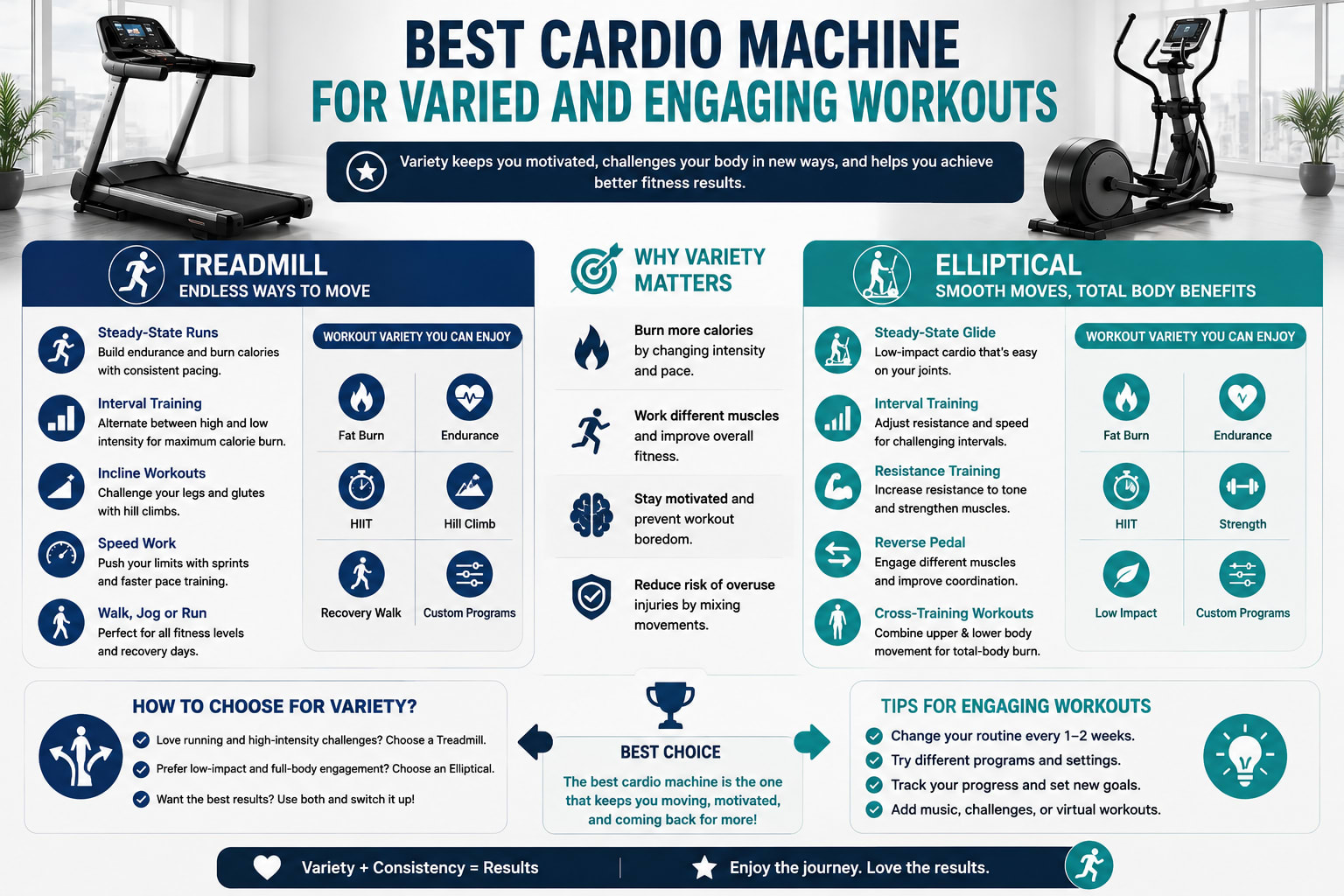
Exercise adherence often depends on enjoyment factor. For individuals who enjoy walking, jogging, and running, treadmill workouts are likely to provide a rewarding experience. However, there are others who may find treadmill sessions repetitive. They may prefer the coordinated movement of an elliptical trainer. The best machine is often the one that users look forward to using consistently. The motivation factor plays a significant role in long-term fitness success, making personal preference an important consideration.
Recovery workouts help maintain activity levels while reducing physical stress. Elliptical trainers excel in this front because they provide smooth movement with minimal impact. Athletes generally rely on ellipticals during recovery periods when they want cardiovascular exercise without the repetitive stress associated with running. Treadmills can also support recovery through low-intensity walking sessions, but elliptical trainers offer a gentle experience. For individuals recovering from intense training sessions or managing joint sensitivity, ellipticals have an upper hand.
The most effective exercise machine is ultimately the one that supports long-term consistency. A treadmill may deliver outstanding results for someone who enjoys running. An elliptical trainer may prove more sustainable for someone who prefers low-impact workouts. Fitness success rarely depends on choosing the perfect machine. Instead, it depends on choosing equipment that encourages regular use over months and years. Sustainability often matters more than theoretical calorie differences or isolated workout metrics.
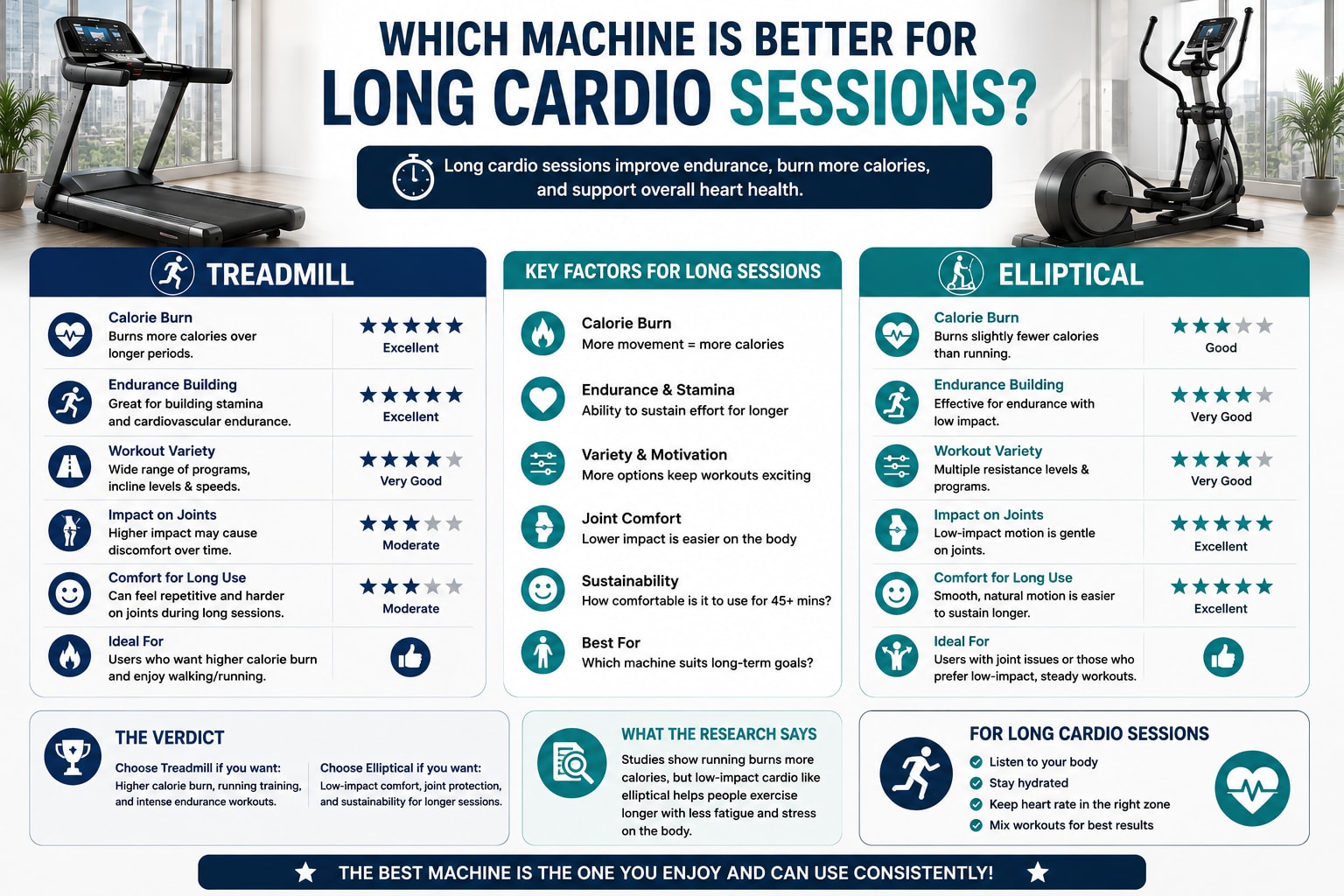
Many fitness enthusiasts enjoy longer cardio sessions lasting 30, 45, or even 60 minutes. Both treadmills and elliptical trainers can accommodate these workouts, but the experience is often different. Treadmill users may enjoy the natural feeling of walking or running, particularly when varying speed and incline throughout the workout. However, longer running sessions can sometimes create fatigue in the joints, feet, and lower back.
Elliptical trainers often feel more comfortable during extended workouts because of their low-impact movement pattern. Users can maintain steady effort for longer periods without experiencing the repetitive impact associated with running. This makes ellipticals attractive for individuals who prioritize comfort during endurance-focused cardio sessions.
One of the most noticeable differences between the two machines is the way they engage the body. A treadmill primarily targets the lower body through walking, jogging, or running motions. While the core contributes to stability, the upper body plays a relatively minor role during most treadmill workouts.
Elliptical trainers, on the other hand, encourage simultaneous movement of both the upper and lower body. The arms, shoulders, chest, and back work alongside the legs, creating a more integrated exercise experience. This additional muscle involvement can make elliptical workouts feel more comprehensive and may help users maintain higher overall activity levels during training sessions.
As people age, maintaining cardiovascular fitness becomes extremely important. However, comfort and joint health often become greater priorities as well. Treadmills remain valuable tools for walking-based fitness programs, particularly for individuals who enjoy natural movement patterns. Many elders appreciate the simplicity of treadmill walking because it closely mirrors everyday activities.
Elliptical trainers, however, offer significant advantages for those concerned about joint stress. The smooth, gliding motion minimizes impact while still allowing users to elevate their heart rate and improve endurance. For this reason, many elders prefer elliptical trainers as part of their long-term fitness routines.
Athletes frequently use both treadmills and elliptical trainers as part of their conditioning programs. Treadmills are especially useful for runners, field sport athletes, and individuals whose performance depends on walking or running mechanics. The ability to sprint, perform incline intervals, and simulate race conditions makes the treadmill highly specific to many athletic activities.
Elliptical trainers are often used as complementary tools. Athletes may incorporate elliptical sessions during recovery periods or use them to maintain cardiovascular fitness while reducing impact stress. The combination of both machines often creates a balanced training approach that supports performance while helping manage overall workload.
Maintenance is an important factor for both home users and commercial facility operators. Treadmills contain moving belts, rollers, motors, and electronic systems that require periodic inspection and servicing. Regular cleaning and lubrication are often necessary to maintain performance.
Elliptical trainers, too, require maintenance, but they generally experience different types of wear because there is no moving running belt. While components such as pedals, rollers, and resistance systems still require attention, some users find elliptical maintenance slightly simpler. Regardless of the machine chosen, consistent maintenance helps improve performance, extend lifespan, and reduce the likelihood of costly repairs.
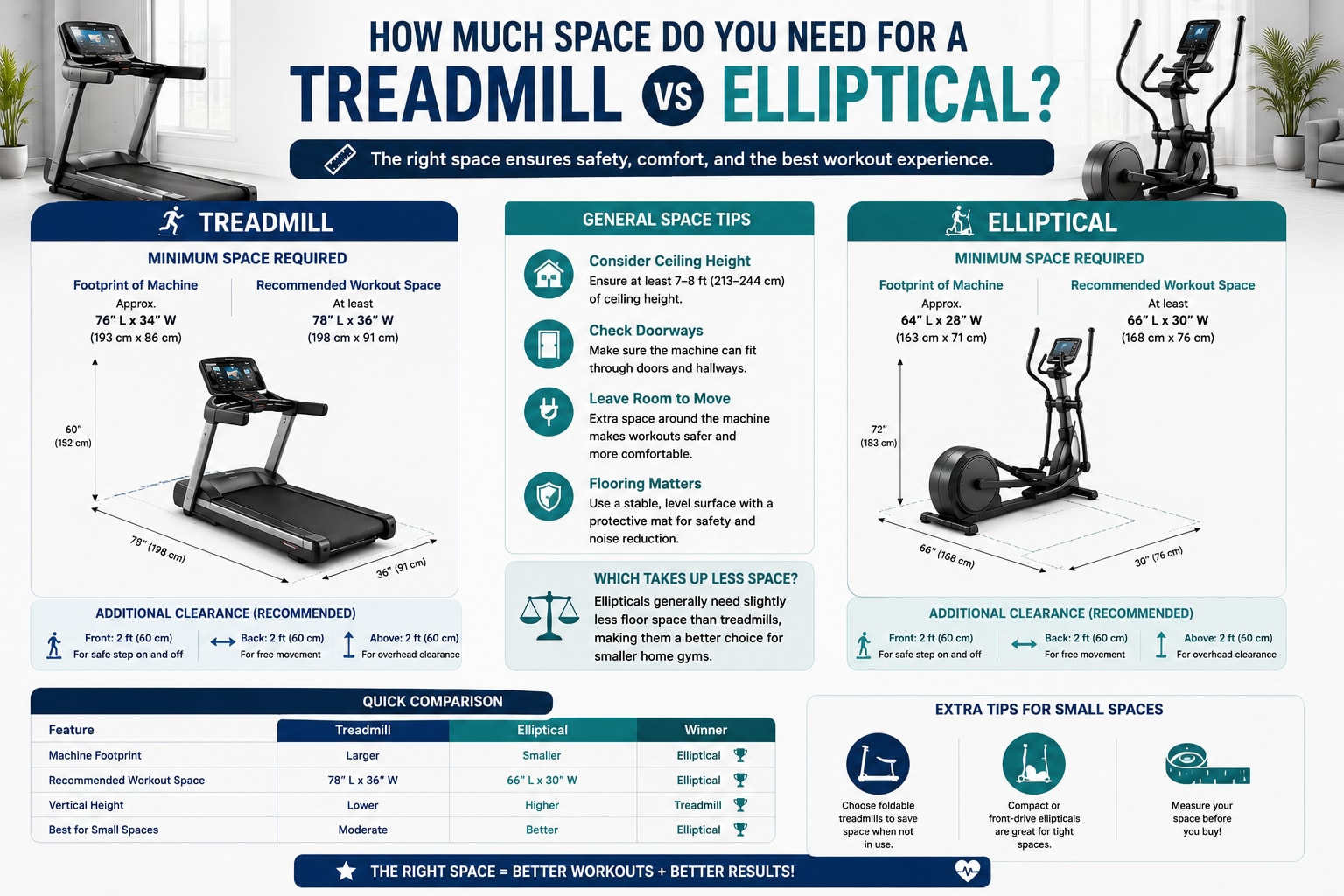
Home gym planning often involves balancing equipment selection with available space. Treadmills occupy significant floor space, especially larger models designed for running. Folding treadmills help address this issue by allowing users to store equipment when not in use.
Elliptical trainers have a different footprint and may fit more comfortably into certain home environments. The ideal choice depends on room dimensions, ceiling height, and overall gym layout. Before purchasing either machine, home owners should ensure that the equipment fits into their available space.
When comparing an elliptical trainer and a treadmill, many buyers focus primarily on the initial purchase price. Treadmills often appeal to individuals who enjoy walking or running and want to replicate outdoor activities indoors. Elliptical trainers attract users seeking low-impact workouts and full-body engagement. The best investment is not necessarily the most expensive machine, but the one that aligns with your fitness goals and encourages regular use. When evaluating the value, consider factors like durability, workout versatility, and maintenance requirements.
One factor that is often overlooked when comparing cardio equipment is enjoyment. Fitness programs succeed when people actually want to participate in them. Some individuals genuinely enjoy walking, jogging, and running, making treadmills a natural fit for them. Others prefer the smooth, gliding motion of an elliptical trainer and find it easier to stay motivated during longer workouts. Since long-term results depend heavily on consistency, choosing equipment that feels enjoyable can significantly influence success. Even the most advanced machine will not deliver results if it remains unused. Finding a workout style that fits your preferences often leads to better adherence and more sustainable progress.
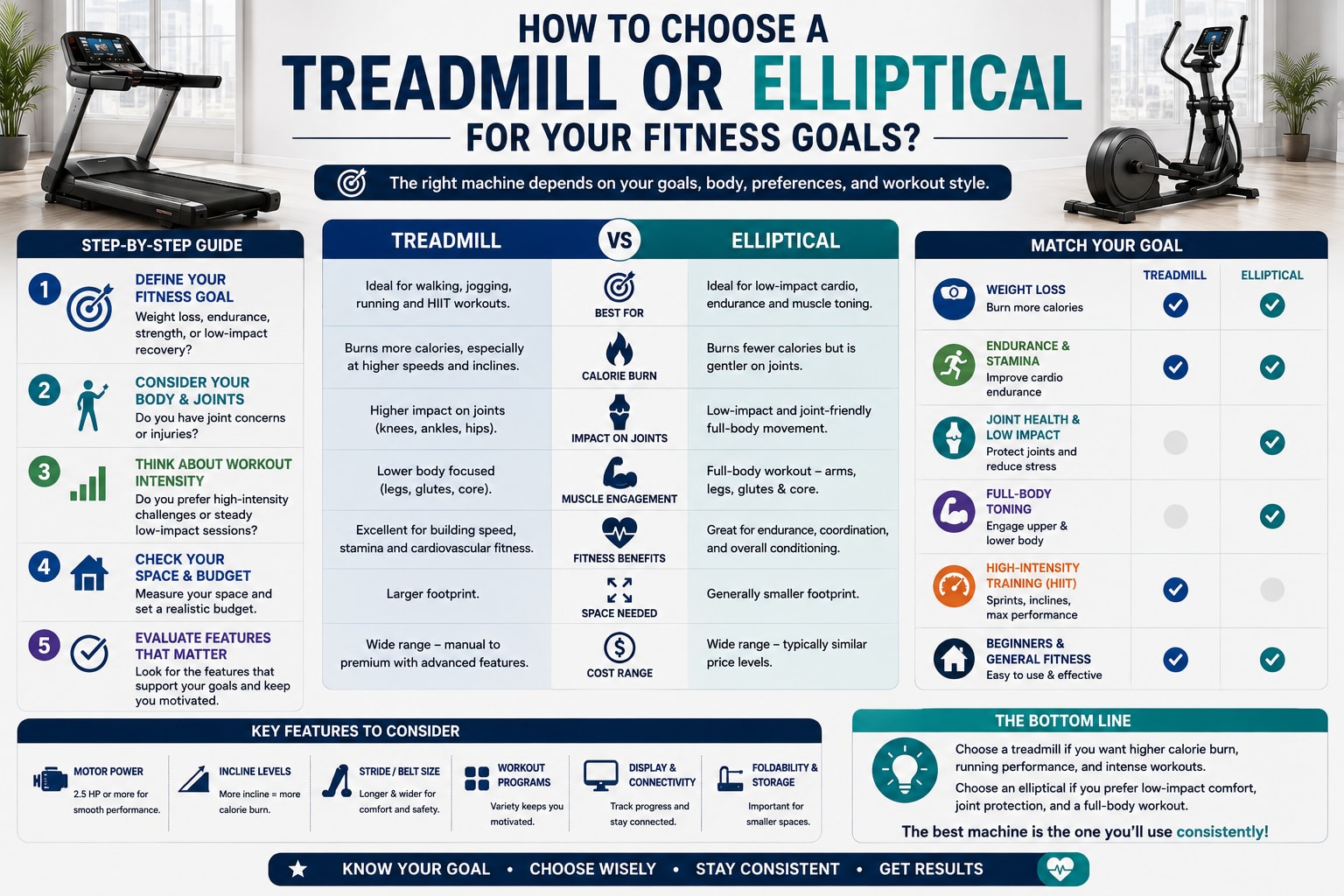
Fitness goals change over time and cardio equipment should be capable of adapting to those changes. A person who initially purchased a machine for weight management may later focus on endurance or cardiovascular health. Both treadmills and elliptical trainers offer flexibility that allows workouts to evolve alongside these changing objectives.
Home users may prioritize convenience and comfort, while commercial facilities may focus on durability and user variety. By considering both current and future goals, buyers can make more informed decisions and select equipment that continues providing value long after the initial purchase. At the end of the day, whether you choose an elliptical trainer, a treadmill or both, what matters the most is committing to a fitness routine that supports long-term health and well-being.
Are you looking forward to purchasing treadmills, elliptical trainers or other fitness-related accessories from the UAE? Visit lifetimefitnessstore.com for reliable equipment, amazing offers and affordable prices.
Cardio exercise provides more than just physical benefits. Regular workouts can contribute to improved mood, reduced stress, and increased energy levels. Both treadmills and elliptical trainers offer these results by encouraging movement and cardiovascular activity. Some individuals enjoy treadmill workouts because walking or running feels natural and familiar. Others appreciate the rhythmic, low-impact motion of elliptical training. The mental benefits of exercise often depend less on the machine itself and more on the consistency of participation. Choosing a machine that feels enjoyable can make it easier to maintain regular workouts and experience these psychological benefits over time.
The fact that most commercial fitness facilities or gyms include both treadmills and elliptical trainers highlights an important reality: each machine serves valuable, but slightly different purposes. Some gym members prioritize running performance and gravitate toward treadmills. Others seek low-impact workouts and prefer ellipticals. By offering both options, facilities can accommodate a wider range of fitness goals, physical conditions, and personal preferences. This diversity helps improve member satisfaction while ensuring that users have access to equipment that aligns with their individual needs.
Rather than viewing treadmills and ellipticals as competing options, many fitness experts recommend using both. Combining the machines can create more varied and balanced workout programs. For example, users might perform treadmill interval sessions on certain days while using an elliptical trainer for recovery-focused cardio on others. This variation helps reduce workout monotony while exposing the body to different movement patterns. It can also help manage impact levels more effectively, particularly for individuals who enjoy running, but want to reduce cumulative stress on the joints.
Choosing between an elliptical trainer and a treadmill ultimately boils down to personal priorities. Individuals seeking a natural walking or running experience may find the treadmill more appealing. Those looking for low-impact, full-body cardio often prefer the elliptical trainer. Weight management, endurance development, cardiovascular health, and general fitness can all be achieved using either machine when paired with consistent effort and proper programming. The most important factor is selecting equipment that fits your goals, physical condition, and lifestyle. A machine that encourages regular use will almost always outperform one that remains unused.
The question is not whether which among an elliptical trainer or a treadmill is universally better. The real question is which machine works better for you. Treadmills excel at replicating real-world walking and running while supporting high-intensity training. Elliptical trainers provide smooth, joint-friendly workouts that engage both the upper and lower body. Both offer unique advantages, and they play valuable roles in achieving fitness goals. Whether you choose one machine or incorporate both into your routine, keep in mind that consistency remains the key to long-term success. The equipment that keeps you motivated, comfortable, and committed to regular exercise is ultimately the most effective choice.
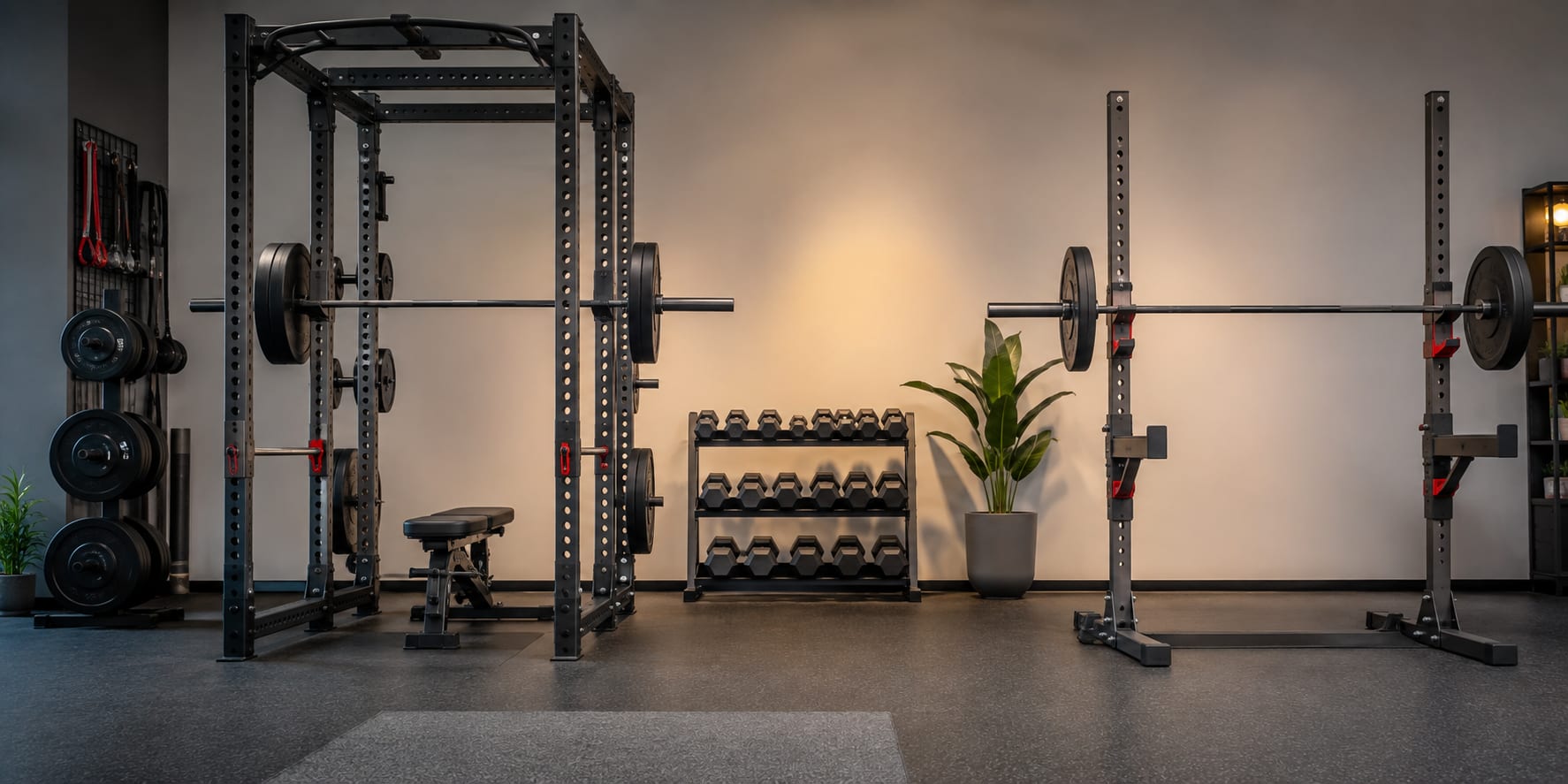
The importance of choosing the right equipment for strength training needs no introduction. The same applies while picking a rack as well. It is one of the best tools you can rely on, irrespective of whether you are keen on having a home gym or a commercial gym.
Two of the popular options available in rack are the power rack and the squat rack. For beginners, they may appear similar and can support barbell exercises like presses and squats. However, they are different in various ways, possess distinct features and offer contrasting levels of safety, and flexibility.
Many beginners and intermediates are often confused about choosing between power racks and squat racks. It all depends on factors like your requirements, training style, availability of space, and budget.
This blog intends to take a deep dive into a comparison between power racks and squat racks based on varied features like safety, weight capacity, and space.
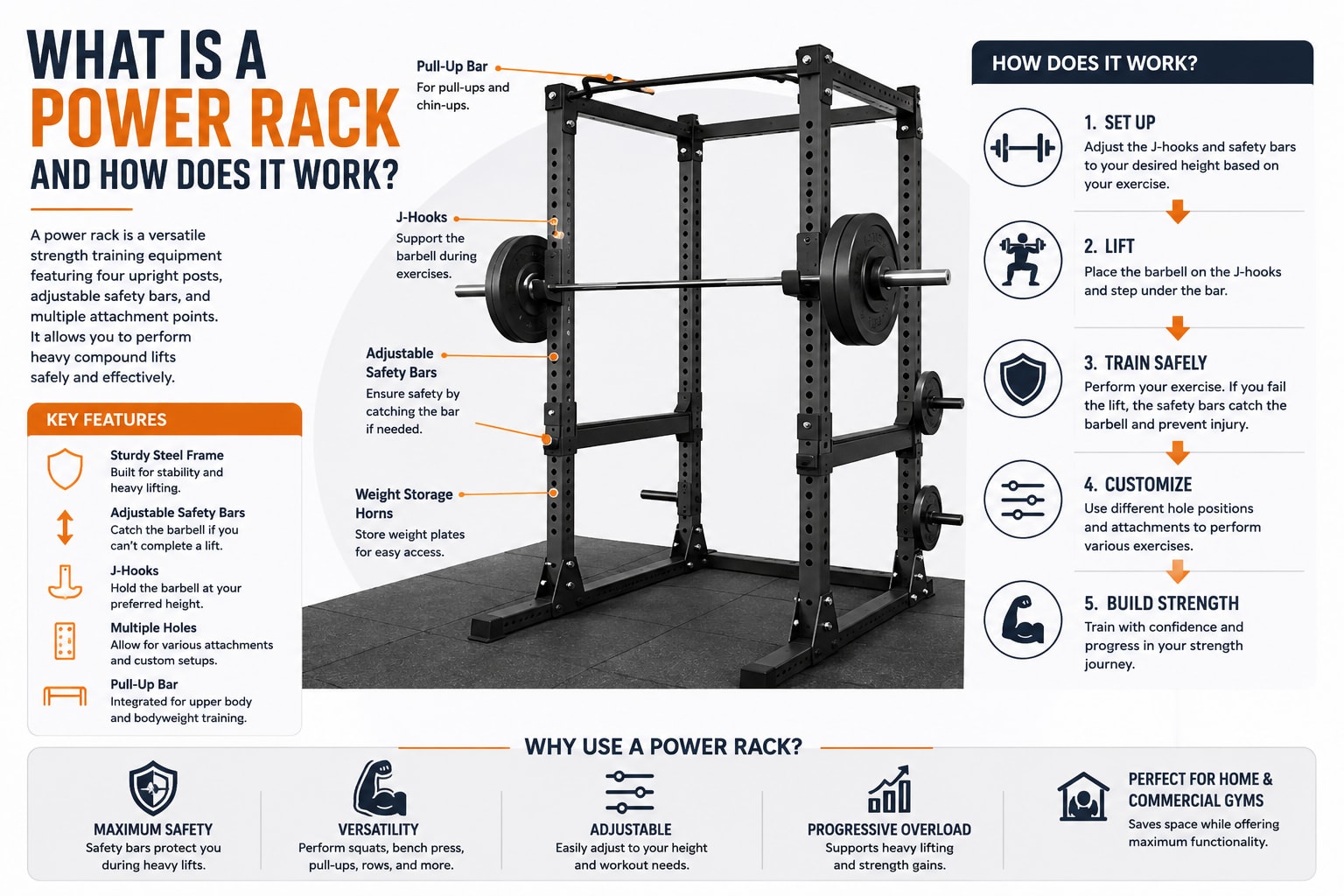
A power rack is nothing, but a big frame made of metal posts, consisting of four upright posts connected by bars at the top and bottom.
The rack holds the barbell in place. The bar position can be tweaked to cater to different exercises and different users. The prime advantage of a power rack is its safety feature. Most power racks are equipped with safety bars or straps that can hold the bar if you are not able to complete a lift.
When performing a heavy squat, you can set the safety bars below the lowest point of your squat. If you lose control, fret not. The bar will comfortably rest on the safety bars instead of falling onto you. A power rack can be used for exercises such as bench presses, shoulder presses, pull-ups, and lunges, too.
Interestingly, many models are capable of having additional attachments such as dip handles, cable systems, weight storage, and pull-up bars. This makes power racks a good option for those who rely on a main piece of equipment for doing a variety of exercises.
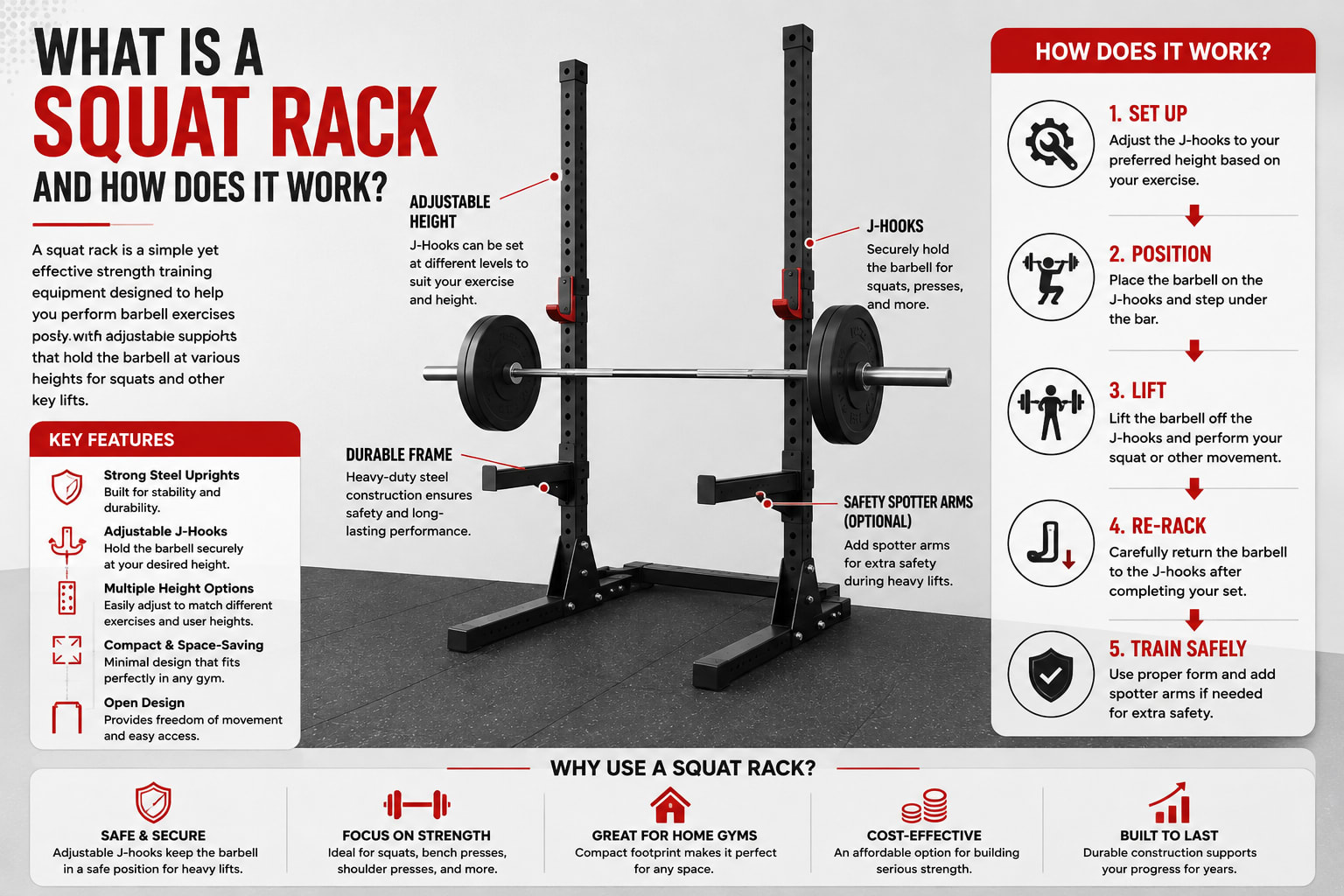
A squat rack, unlike four large upright posts in a power rack, has two vertical supports that hold the barbell at the required height.
Since it has comparatively fewer parts, a squat rack is usually smaller in size and easier to move. As the name suggests, squat racks are generally preferred for squats and front squats. Overhead presses, bench presses, and barbell exercises are other physical activities one could do with a squat rack. Some of the models are equipped with safety features that provide extra protection if you fail in lifting.
Having said that, the safety aspect depends on the design of the rack. A simple squat stand without safety arms provides less protection when compared to a properly set-up power rack. Squat racks are a good option if there is space constraint or when the idea is to perform only squats and barbell exercises.
The notable difference among the two strength training equipment is the support and protection they provide. The design of a power rack is such that it surrounds the user with a large frame. It has adjustable safety bars or straps on both sides that offer extra protection when lifting heavy weights.
On the other hand, a squat rack has an open design. This helps in having easier access, but offers less protection depending on the model. Below is a brief comparison of both the equipment.
Safety is one of the most significant aspects to consider while buying a rack. As we have mentioned above, a power rack offers better protection for heavy lifting.
The safety bars prevent the barbell from falling down. This may come in handy when you are training alone. Picture yourself performing a heavy bench press at home. You attempt to push the bar up, but end up unable to complete the next rep. In such a situation, a neatly adjusted power rack with a proper safety bar helps prevent it from coming down onto your chest.
However, a power rack can’t be considered as automatically safe because it needs to be rightly assembled and used. A squat rack with strong safety arms can provide good protection. However, an open squat stand without safety arms should be used with greater care during heavy training.
If safety is your primary concern, especially for solo training, opting for a power rack is the better choice. It is always advised to:
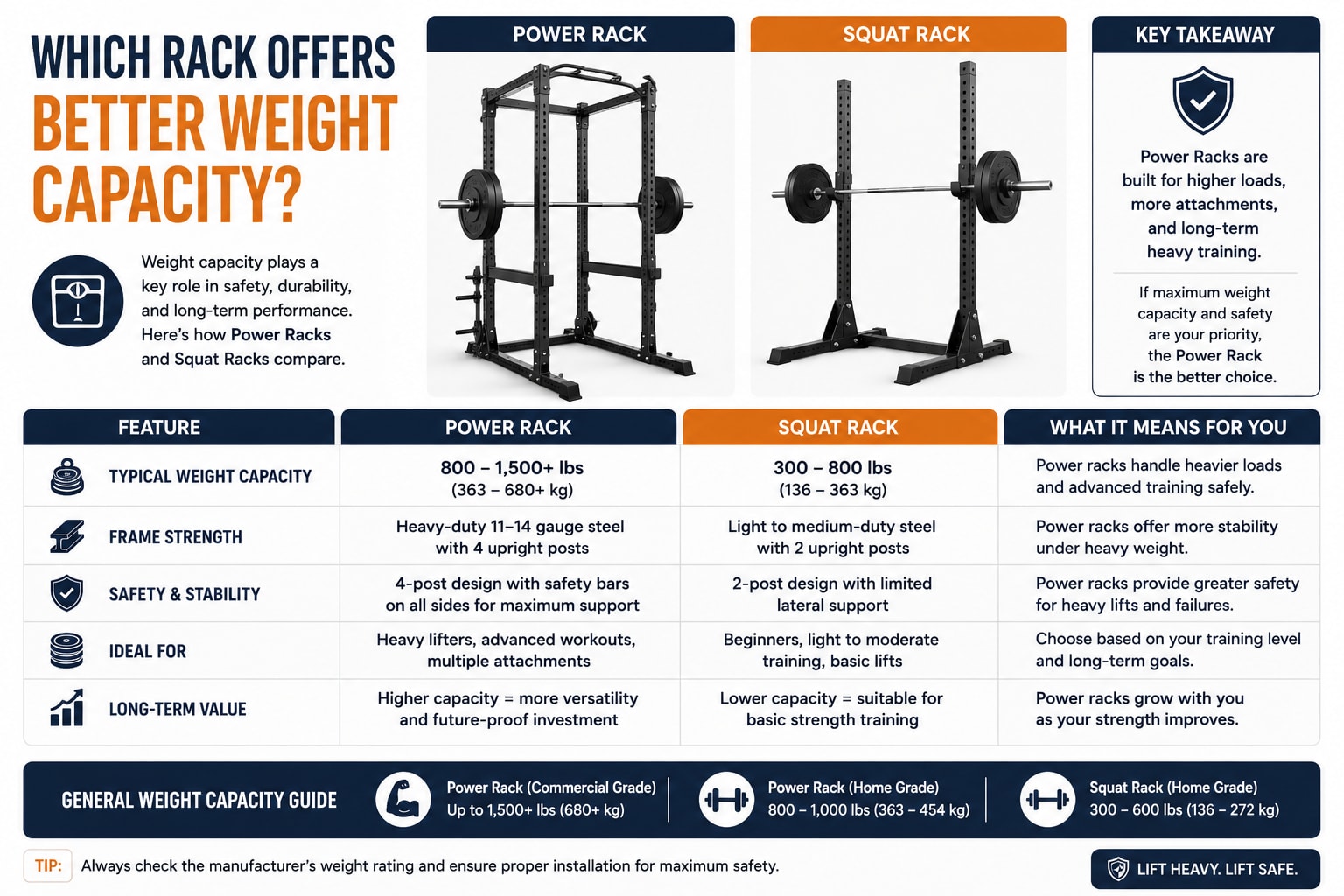
Weight capacity is another essential factor to look for while making a purchase. Never make the mistake of assuming that every power rack or squat rack can handle the same amount of weight because different racks have different weight limits.
Ideally, a good power rack that is designed for serious training can support a high amount of weight. Most of the commercial models are built for heavy loads. There are strong squat racks as well; some of them can support really large weights. However, light versions aka home-use models may have lower weight limits.
When comparing racks, factors like steel thickness, upright size, base design, rack stability, safety arm strength, bolt quality, and weight rating should be considered. A heavy-duty power rack that is stable would be the smart choice as it supports those who perform heavy squats, bench presses, and barbell exercises.
The space factor plays a pivotal role when it comes to home gyms. A power rack needs more space, thanks to its larger frame. Moreover, you may need adequate space around it to safely perform exercises.
Before buying the equipment, you need to be aware of your gym area. Measure both the floor space and ceiling height. There should be proper space for the rack, a barbell, a bench, other gym equipment, and for the user to move around.
Needless to say, a squat rack is much easier to fit into a smaller space. Its open design helps make a room look less crowded. The icing on the cake is, some squat stands can be moved when they are not in use. Hence, squat racks are the ideal option if you have limited space.
How Much Do Power Racks and Squat Racks Cost?
Though there are several technical factors that fitness freaks consider before making a purchase, one aspect most of them are curious about is the price factor. Generally, squat racks come across as cheaper than power racks because of the former’s simple design and fewer materials.
Having said that, prices in the UAE vary depending on factors like steel quality, weight capacity, brand, size, attachments, warranty, safety features, installation, and delivery.
A basic squat stand may be easily affordable for a person who needs only a place to hold a barbell. But a heavy-duty power rack will cost more, particularly if it consists of accessories.
All said and done, one shouldn’t choose a rack based only on price factor. A cheap rack is unlikely to provide the required stability or safety for heavy training. Similarly, buying an expensive rack may not be a good idea if you are into performing only basic exercises.
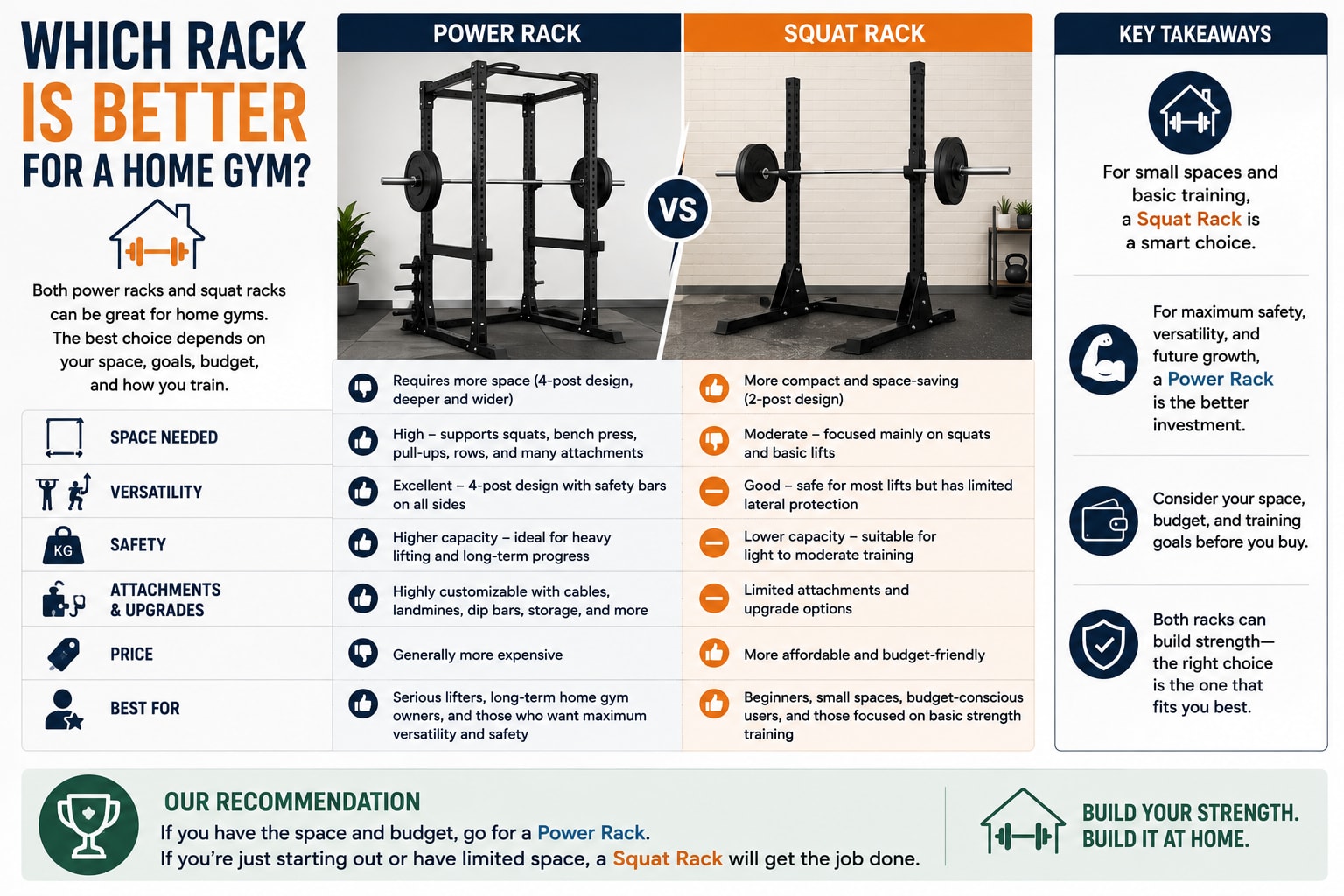
Well, the answer depends on your training style. Are you a beginner who wants to perform activities like squats, overhead presses, and some basic barbell movements? If yes, a squat rack would suffice.
Moreover, it takes up only less space and can keep your setup simple. However, if you want to build a complete home gym around strength training, a power rack comes across as a better investment.
A power rack offers scope for more exercises without needing separate pieces of equipment. It can also provide better support when you are training alone. According to experts, an effective home gym setup could include a power rack, adjustable bench, olympic barbell, and weight plates. This combination allows you to perform numerous exercises.
Durability and safety are essential factors to consider in a commercial gym. Several dozens of people use equipment in such gyms every day. As those equipment are handled repeatedly, power racks become a strong choice for commercial gyms. They offer:
Squat racks can also be used in commercial gyms. They take up only less space and allow more members to train at the same time. A gym with limited floor space may prefer many squat stands instead of a small number of big power racks.
If you are keen on doing more than squats, the power rack has a clear advantage. A power rack can support exercises such as:
Though squat racks can handle many of these exercises, the options they offer are limited.
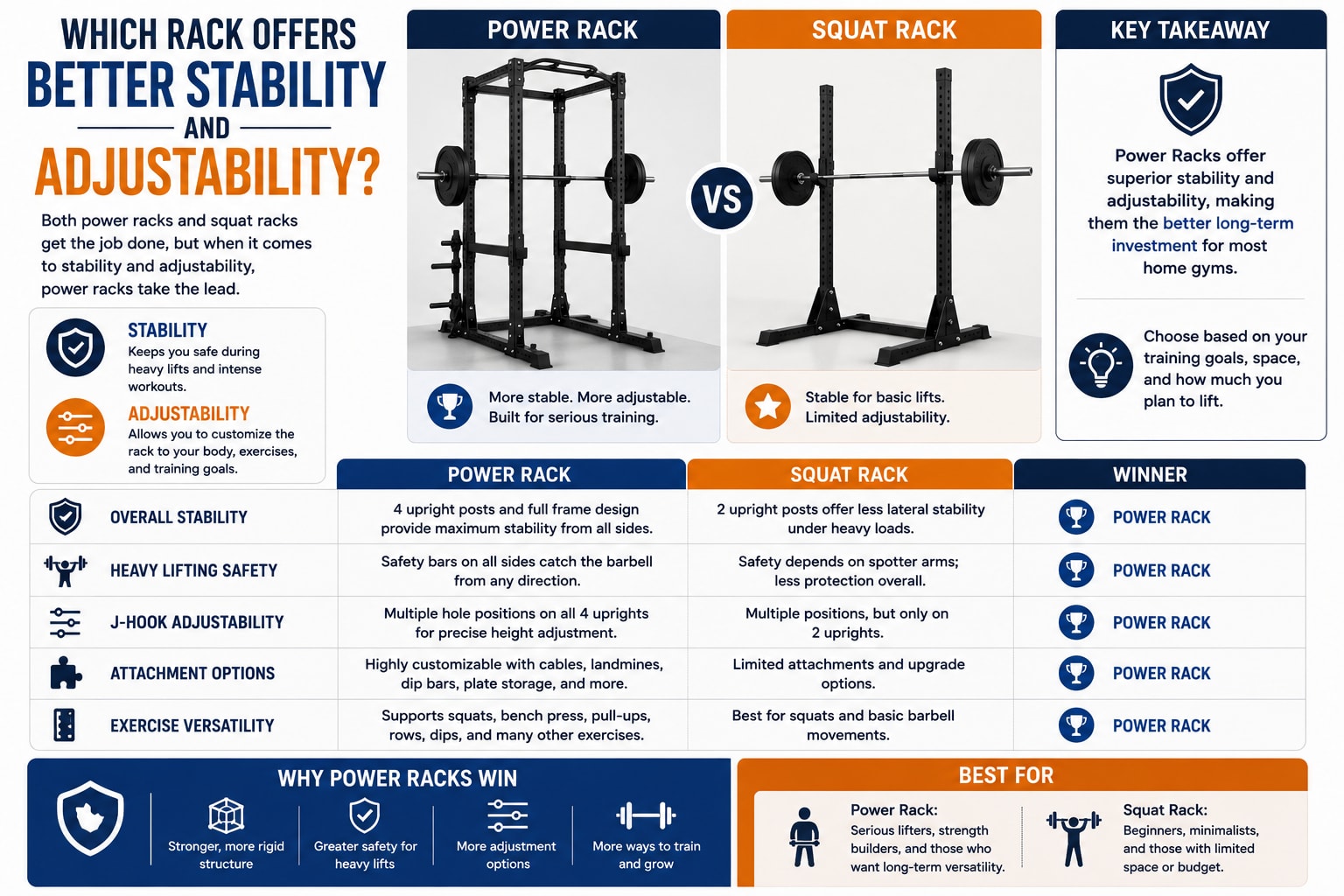
A good rack allows you to change the bar position according to your height and the exercise you perform. This becomes useful when multiple people use the same equipment. A power rack usually offers several adjustment points along its upright posts. Squat racks, too, offer height adjustment, but the range depends on the design. If you are buying equipment for a family, training studio, or commercial gym, adjustable equipment becomes more useful.
When you place a heavy barbell on a rack, the last thing you want is the equipment moving or tipping. In this regard, power racks are stable because their four-post design creates a strong base. There are some models that can be fixed to the floor as well.
Squat stands are also lighter and more open. This makes them easier to move, though stability varies from one model to another. If you choose a squat rack, it is ideal to look for a wide and strong base. For commercial use, a rack designed for heavy and repeated use is considered the safer choice.
Beginners, in general, may be tempted to go for the cheapest option. The smart approach is to prioritize your needs and demands. If you are into basic strength exercises and have only a limited space, a good squat rack with safety arms would be enough.
A power rack may make sense if you plan to increase your weights over time. Your strength may improve quickly with regular training. A rack that is suitable for you today may not be suitable after a few years. So, buying equipment that can grow with your training can save money in the long run.
Power Rack Pros
Power Rack Cons
Squat Rack Pros
Squat Rack Cons
If you are a resident of the UAE, explore Lifetime Fitness Store for quality power racks, squat racks, and a wide range of strength training equipment at competitive prices to build the perfect home or commercial gym.
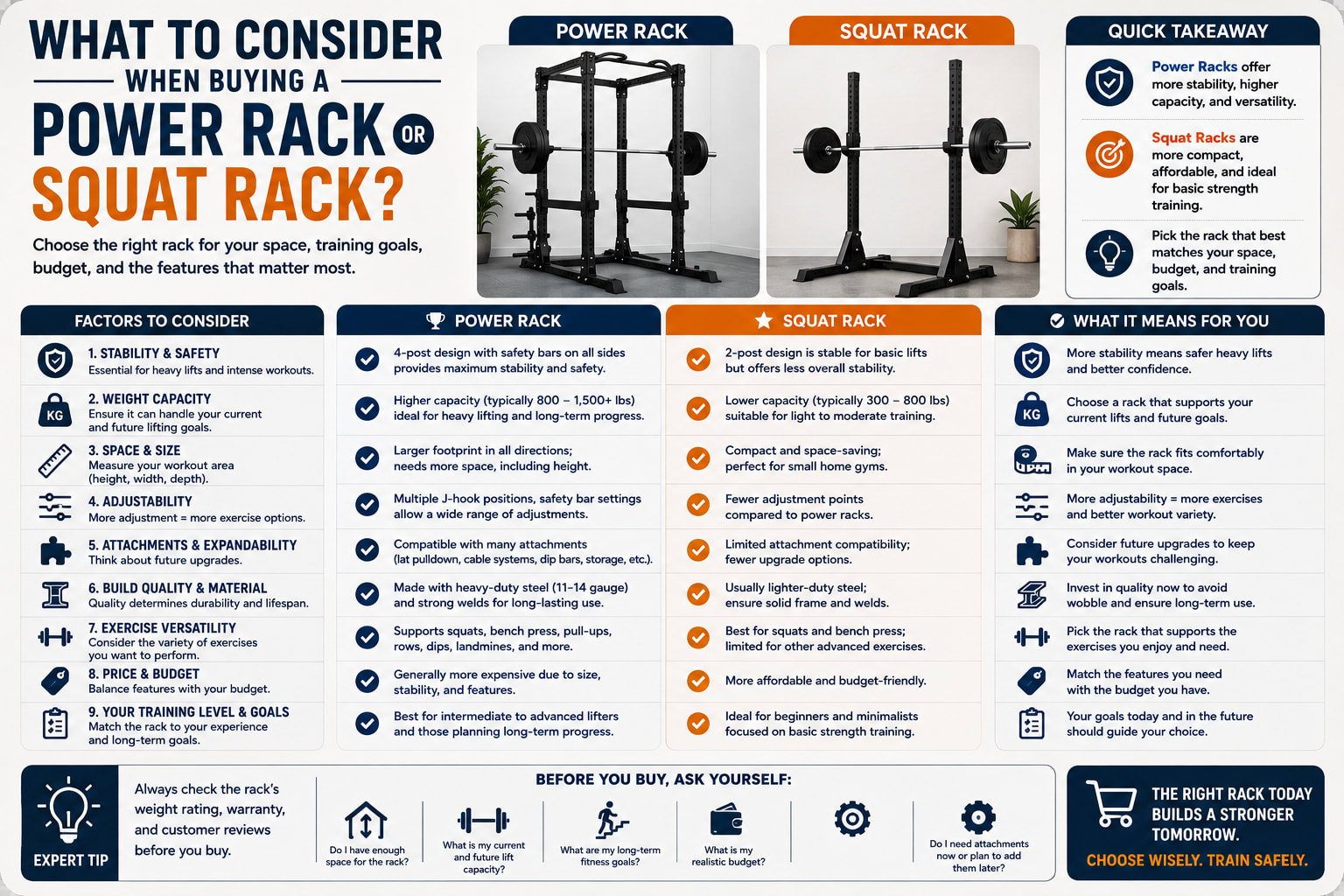
Before purchasing a rack, check the specifications carefully, along with the following features.
A squat rack may cost less, but a power rack provides more features and more options to train. For someone who only performs squats and overhead presses, spending extra money on a large power rack may not be necessary.
But for those who want to build a serious strength-training setup, a power rack offers better value over time. Always consider the complete package you are likely to get from the equipment, not just the price.
Choose a power rack if:
Choose a squat rack if:
For serious strength-training users, the power rack comes across as the complete option. Its stronger frame, safety features, and wide range of exercises make it an equipment worth your money. For users who value simplicity, lower cost, and smaller equipment, the squat rack can be a good choice.
The fitness market offers several options. So, compare the rack's size, weight capacity, safety features, build quality, warranty, and price before making your decision. Choose equipment based on your training style and needs, and not based on how the rack looks or how much it costs.
A good rack should be strong, stable, safe, and suitable for your current needs while giving you room to improve. Whether you choose a power rack or squat rack, investing in quality equipment can make your strength-training routine safer, easier, and a wholesome experience.

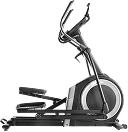 Setup Your Space
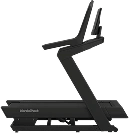 Cardio
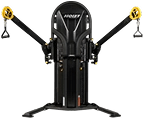 Strength
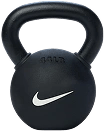 Weights
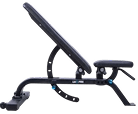 Benches
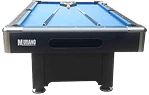 Game tables
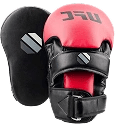 Boxing
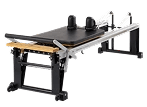 Yoga
Yoga
 Sports
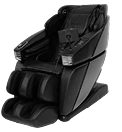 Massagers
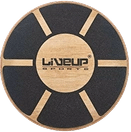 Balance Training
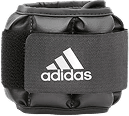 Accessories
 Flooring


 Treadmills
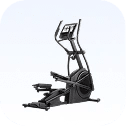 Elliptical Cross Trainers
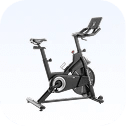 Exercise Bikes
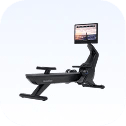 Rowing Machines
 Climbmill & Steppers
 Interactive Trainers
 Athletics
Squash
Athletics
Squash
 Handball
 Padel Tennis
 Cricket
 Football
 Badminton
 Chess
Chess
 Swimming
 Tennis
 Rugby
Rugby
 Agility Training
 Netball
 Volleyball
 Kids Games
 Throwball
 Basketball
 Bottles & Hydration
 Training & Gym Gloves
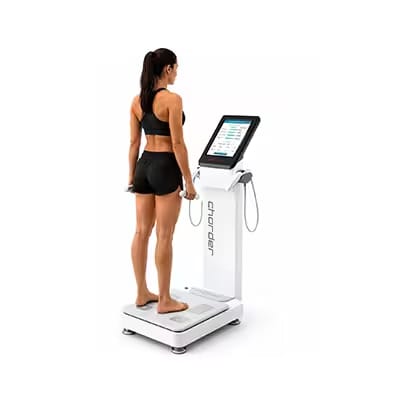 Body Composition Analyzers
 Wellness Support
 Battle Ropes
 Resistance Bands & Tubes
 Ankle and Wrist Weights
 Exercise Mats and Gym Mats
 Fitness Belts
 CrossFit Training Turf
 Sweatbands
 Sit Up Bars
 Skipping Ropes
 Push Up Bars
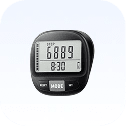 Pedometers
 Suspension Slings
 Hula Hoops
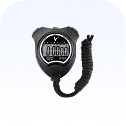 Stopwatch
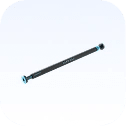 Pull Up Bars
 Timer
Timer
 Aerobic Steps
 Weighted Vests
 Plyo Box
 Door Gyms
 Gym Balls
 Gym Rings
 Fitness Tires
 Hand Grips
 Body Strengthener
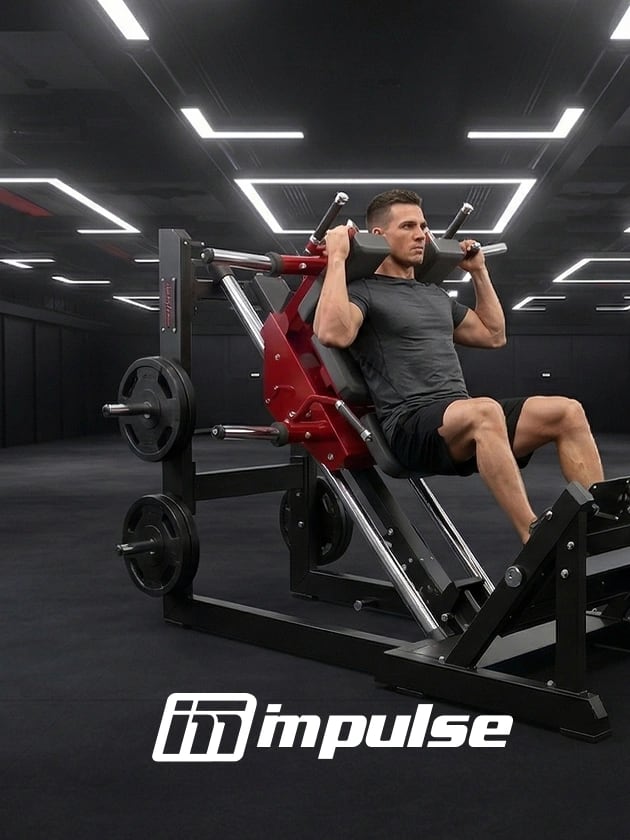



















 0
0