


Pilates is more than just a fitness trend it’s a transformative movement system that strengthens, stretches, and stabilises your body. But have you ever wondered, Why Pilates moves feel so effective? What’s so special about this workout? you’re not alone.
The magic of Pilates lies in its ability to blend precision, mindfulness, and science into one seamless practice. Let’s dive into the principles that make Pilates work and why it has remained a fitness favourite for decades.
A Quick History of Pilates
Joseph Pilates developed Pilates in the early 20th century as a method of rehabilitation and strength training. Originally called “Contrology,” Pilates was designed to improve posture, core strength, and overall body awareness. Unlike many workout programs that focus on brute force or repetitive motion, Pilates prioritises controlled movements that align the body and engage the mind.
The Core of Pilates: It’s All About the Core
When people talk about Pilates, they often mention the “core,” but this isn’t just about getting six-pack abs. In Pilates, the core refers to the “powerhouse,” which includes your abdominals, back muscles, pelvic floor, hips, and glutes.
Here’s why this focus on the core matters:
- A strong core stabilizes your entire body, improving balance and posture.
- It acts as the foundation for all movement, reducing the risk of injury.
- Engaging your core during Pilates moves trains your body to move more efficiently, whether you’re walking, running, or simply standing tall.
When you perform a Pilates move like the Hundred or a Teaser, you’re not just working your abs; you’re activating a network of muscles that work together to support your spine and limbs.
Pilates has become one of the most popular fitness methods in the world, attracting everyone from athletes and fitness enthusiasts to office workers and rehabilitation patients. Unlike many workout trends that come and go, Pilates has maintained its popularity for decades because of its unique ability to improve strength, flexibility, posture, mobility, and body awareness simultaneously.
Many people are initially drawn to Pilates because it appears gentle and accessible. However, those who try it quickly discover that Pilates is far more challenging than it looks. Controlled movements, precise breathing patterns, and constant core engagement create a workout experience that targets muscles in a way that traditional exercise often cannot.
One of the reasons Pilates continues to grow in popularity is that it delivers results without relying on heavy weights, high-impact movements, or extreme training sessions. Instead, it focuses on movement quality, muscular control, alignment, and efficient body mechanics.
But what exactly makes Pilates so effective? Why do people report improved posture, stronger cores, better flexibility, and reduced pain after consistently practicing Pilates? The answer lies in the science behind the method.
Understanding how Pilates works can help you appreciate why it has become a cornerstone of modern fitness and rehabilitation programs worldwide.
What Is Pilates?
Pilates is a system of exercise developed by Joseph Pilates during the early twentieth century.
Originally known as "Contrology," Pilates was designed to improve physical strength, flexibility, posture, coordination, and mental focus through controlled movement.
The method combines:
•Precise movements
•Controlled breathing
•Core engagement
•Postural alignment
•Flexibility training
•Muscular endurance
•Mind-body connection
Today, Pilates is practiced in two primary forms:
•Mat Pilates
•Reformer Pilates
Both approaches follow the same foundational principles while utilizing different equipment and movement variations.
The Six Core Principles of Pilates
The effectiveness of Pilates begins with its foundational principles.
These principles guide every movement and create the framework that distinguishes Pilates from traditional exercise programs.
Concentration
Pilates requires full mental engagement throughout each exercise.
Rather than moving mindlessly through repetitions, practitioners focus on movement quality, body position, and muscular control.
Benefits include:
•Improved body awareness
•Better coordination
•Enhanced movement efficiency
•Greater exercise effectiveness
Control
Every Pilates movement is performed deliberately and with purpose.Control helps ensure that muscles are activated correctly while reducing unnecessary strain on joints and connective tissues.
Centering
The core serves as the foundation for nearly every Pilates exercise.
This central area includes:
•Abdominal muscles
•Lower back muscles
•Pelvic floor muscles
•Hip stabilizers
A strong center improves overall movement quality and stability.
Precision
Small adjustments often make significant differences in Pilates.Precise movement patterns help maximize muscular engagement while minimizing compensation patterns.
Breath
Breathing is integrated into every Pilates exercise.
Proper breathing supports:
•Core activation
•Oxygen delivery
•Movement efficiency
•Relaxation
Flow
Pilates emphasizes smooth transitions between movements.
Flow encourages coordination, balance, and overall movement efficiency.
The Science of Core Activation
One of the most recognized benefits of Pilates is its ability to strengthen the core. However, the Pilates definition of the core extends beyond visible abdominal muscles.
The core includes:
•Transverse abdominis
•Rectus abdominis
•Obliques
•Multifidus
•Pelvic floor muscles
•Diaphragm
The transverse abdominis is particularly important. This deep abdominal muscle functions like a natural corset around the torso, helping stabilize the spine and pelvis during movement. Research suggests that Pilates effectively activates these deep stabilizing muscles, contributing to improved posture, reduced back pain, and enhanced movement efficiency.
How Pilates Improves Posture
Modern lifestyles often involve prolonged sitting, screen time, and repetitive movement patterns.
These habits frequently contribute to:
•Rounded shoulders
•Forward head posture
•Lower back discomfort
•Reduced mobility
Pilates addresses these issues by strengthening postural muscles and increasing awareness of body alignment.
Key muscles targeted include:
•Upper back muscles
•Core stabilizers
•Glutes
•Shoulder stabilizers
As strength and awareness improve, many individuals naturally develop better posture during daily activities.
The Neuromuscular Benefits of Pilates
Pilates does more than strengthen muscles. It also improves communication between the brain and the body. This relationship is known as neuromuscular coordination.
Better neuromuscular function leads to:
•Improved balance
•Enhanced coordination
•More efficient movement
•Reduced injury risk
Because Pilates emphasizes precise movement patterns, the nervous system learns to recruit muscles more effectively. This can improve both athletic performance and everyday functional movement.
Why Pilates Feels Different from Traditional Workouts
Traditional strength training often focuses on moving external resistance. Pilates focuses on controlling the body itself.
Instead of asking: “How much weight can I lift?”
Pilates asks: "How well can I control my movement?"
This shift in focus creates unique benefits including:
•Improved body awareness
•Greater muscular control
•Enhanced mobility
•Better movement quality
Many people discover muscles they never knew existed after their first Pilates session.
How Pilates Builds Functional Strength
Functional strength refers to strength that improves real-world movement and daily activities. Pilates enhances functional strength by training muscles to work together rather than in isolation.
Benefits include:
•Improved lifting mechanics
•Better balance
•Enhanced mobility
•Greater joint stability
•Reduced injury risk
Functional strength becomes especially important as individuals age and seek to maintain independence.
The Role of Breathing in Pilates
Breathing plays a central role in Pilates effectiveness.Unlike shallow chest breathing commonly associated with stress, Pilates encourages deeper and more intentional breathing patterns.
Benefits include:
•Improved oxygen delivery
•Enhanced core activation
•Reduced tension
•Better movement control
Breathing also supports the mind-body connection that distinguishes Pilates from many traditional exercise programs.
Also Read: Can Weight Training Change Your Life? Here is what beginners should know
Pilates and Flexibility
Flexibility improvements are among the most noticeable benefits reported by Pilates practitioners. Many exercises move joints through full ranges of motion while simultaneously strengthening supporting muscles.
This combination helps improve:
•Hip mobility
•Spinal mobility
•Shoulder flexibility
•Hamstring flexibility
•Overall movement quality
Unlike passive stretching alone, Pilates develops active flexibility that translates into everyday movement.
Why Pilates Is Considered Low Impact
Low-impact exercise places minimal stress on joints while still providing meaningful fitness benefits.
Pilates achieves this by:
•Avoiding repetitive impact forces
•Emphasizing controlled movement
•Supporting proper alignment
•Promoting muscular balance
This makes Pilates suitable for:
•Beginners
•Older adults
•Athletes
•Individuals recovering from injury
Pilates for Injury Prevention
Many injuries result from muscular imbalances, poor movement mechanics, and insufficient stability.
Pilates addresses these factors by:
•Strengthening stabilizing muscles
•Improving mobility
•Enhancing balance
•Promoting proper alignment
These adaptations may help reduce injury risk during both exercise and daily activities.
Pilates and Athletic Performance
Professional athletes across numerous sports incorporate Pilates into their training programs.
Benefits may include:
•Improved core strength
•Enhanced mobility
•Better balance
•Greater body control
•Reduced injury risk
Athletes often find that Pilates complements traditional strength and conditioning programs by addressing movement quality and stability.
Pilates for Different Fitness Goals
Pilates can support a wide variety of goals including:
•Improving posture
•Increasing flexibility
•Developing core strength
•Enhancing mobility
•Supporting rehabilitation
•Reducing stress
•Improving athletic performance
•Building muscular endurance
This versatility contributes significantly to its widespread appeal.
Check out: GCC Certified Pilates Certification
Common Misconceptions About Pilates
Pilates Is Only for Women
Pilates was originally developed by a man and was initially used by athletes, dancers, and military personnel.
Pilates Is Easy
While low impact, Pilates can be highly challenging due to its emphasis on control and precision.
Pilates Is Only Stretching
Pilates incorporates strength, stability, mobility, coordination, and endurance training.
Pilates Cannot Build Strength
Pilates effectively develops muscular strength and endurance, particularly within stabilizing muscle groups.
How Long Does It Take to See Results?
Results vary depending on consistency, frequency, and individual goals.
Many practitioners report improvements such as:
•Better posture within weeks
•Increased flexibility within weeks
•Enhanced core strength within weeks
•Improved body awareness within weeks
Long-term benefits continue developing with regular practice.
Why Pilates Continues to Grow in Popularity
Pilates addresses many modern health challenges.
It helps combat:
•Poor posture
•Sedentary lifestyles
•Stress
•Reduced mobility
•Muscular imbalances
Its adaptability allows people of all ages and fitness levels to participate and benefit.
Precision Over Repetition
Unlike traditional workouts where you might do endless reps of the same exercise, Pilates emphasizes doing fewer movements with perfect form. This focus on precision ensures:
- Maximum Muscle Engagement: Each move targets the intended muscle group without compensating or overusing other muscles.
- Improved Body Awareness: You become more mindful of how your body moves, helping you avoid bad habits or misalignment in daily life.
- Faster Results: Because every move is intentional, you don’t need to spend hours working out to see progress.
For example, when performing the Roll-Up, it’s not about how quickly you can sit up. Instead, it’s about controlling the movement from start to finish, engaging your core, and articulating your spine.
Low-Impact, High-Reward
Pilates is famously gentle on the joints while being incredibly effective. How does this combination work?
- Controlled Movements: Pilates eliminates the risk of jarring motions that can strain your joints.
- Strength Through Length: Many Pilates moves, like Leg Circles or Swan Dive, elongate the muscles while strengthening them, promoting flexibility and joint mobility.
- Adaptable for All Levels: Whether you’re recovering from an injury or looking to enhance athletic performance, Pilates meets you where you are.
This low-impact nature makes Pilates an excellent choice for people of all ages, including seniors and those with physical limitations.
Pilates and the Mind-Body Connection
One of the most unique aspects of Pilates is its ability to strengthen not only the body but also the connection between the mind and movement. Unlike many forms of exercise where repetitions are performed quickly or with minimal awareness, Pilates requires complete focus on posture, breathing, alignment, and muscular engagement throughout every exercise. This heightened awareness encourages practitioners to become more conscious of how their bodies move and respond during both workouts and daily activities.
The mind-body connection developed through Pilates can have a significant impact on overall well-being. Many people spend long hours sitting at desks, using electronic devices, or performing repetitive movements without paying attention to posture and body mechanics. Over time, these habits can contribute to muscle imbalances, stiffness, discomfort, and reduced mobility. Pilates helps counteract these issues by teaching individuals to move with greater awareness and control.
Research has shown that mindful movement practices can contribute to reduced stress levels and improved mental clarity. The controlled breathing techniques used in Pilates help activate the body's relaxation response, allowing practitioners to feel calmer and more focused after a session. This combination of physical activity and mental concentration makes Pilates an effective tool for managing the demands of modern life.
Another reason Pilates produces such noticeable results is its emphasis on movement efficiency. Every exercise is designed to encourage proper alignment and optimal muscle recruitment. Rather than relying on momentum, practitioners learn to engage the correct muscles at the correct time. This can improve movement quality during everyday tasks such as walking, lifting, bending, reaching, and climbing stairs.
Pilates also promotes muscular balance throughout the body. Many traditional workout programs focus heavily on major muscle groups while neglecting smaller stabilizing muscles. Pilates addresses both, helping create a more balanced and functional physique. Improved muscular balance often translates into better posture, enhanced athletic performance, and reduced risk of overuse injuries.
For individuals pursuing long-term fitness goals, Pilates can serve as an excellent complement to other forms of exercise. Strength athletes, runners, cyclists, swimmers, and team-sport athletes often use Pilates to improve mobility, core stability, and body control. By enhancing movement efficiency and joint stability, Pilates can support better performance across a wide range of physical activities.
Essential Pilates Equipment for Better Results
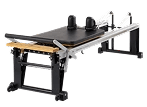
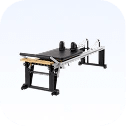
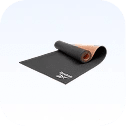
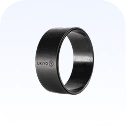
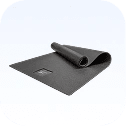
While Pilates can be practiced using body weight alone, specialized equipment can significantly enhance the effectiveness and variety of your workouts. A high-quality Pilates mat provides the foundation for many core-strengthening, flexibility, and mobility exercises, offering comfort and support during floor-based movements. The Pilates ring, also known as a magic circle, adds gentle resistance to exercises, helping activate deeper stabilizing muscles while improving strength, coordination, and body control. For those seeking the most comprehensive Pilates experience, Pilates reformers use adjustable spring resistance to create hundreds of exercise variations that challenge strength, balance, flexibility, and endurance simultaneously. Together, Pilates mats, rings, and reformers help practitioners of all fitness levels perform movements with greater precision, making it easier to build core strength, improve posture, increase flexibility, and experience the full benefits of the Pilates method.
Perhaps one of the greatest advantages of Pilates is its accessibility. The exercises can be modified for beginners, older adults, athletes, and individuals recovering from injuries. As strength, flexibility, and coordination improve, movements can be progressed to provide greater challenges and continued results. This adaptability allows Pilates to remain effective throughout different stages of life and fitness.
Ultimately, the science behind Pilates demonstrates that fitness is not solely about lifting heavier weights or performing high-intensity workouts. It is also about moving well, maintaining balance, developing body awareness, and building a strong foundation for lifelong health. Through consistent practice, Pilates helps individuals create a body that is not only stronger and more flexible but also more resilient, efficient, and capable of meeting the physical demands of everyday life.
One of the standout features of Pilates is its focus on the mind-body connection. Each move requires mental focus to coordinate breathing, alignment, and muscle engagement. This mindful approach offers several benefits:
- Improved Concentration: Pilates teaches you to tune into your body, enhancing focus in your workouts and daily activities.
- Stress Relief: The deep breathing techniques in Pilates activate your parasympathetic nervous system, reducing stress and promoting relaxation.
- Better Performance: Being present during Pilates helps you move with intention, making each workout more effective.
For example, when performing the Spine Stretch Forward, the breath guides the movement, helping you connect with your body and maximize the stretch.
Flexibility Meets Strength
Pilates uniquely combines flexibility and strength in every move. Rather than bulking up specific muscle groups, Pilates creates long, lean muscles by integrating stretching and strengthening simultaneously.
- Dynamic Movements: Exercises like the Saw or Side Kick lengthen muscles while building stability.
- Balanced Muscle Development: Pilates avoids overworking any one muscle group, promoting symmetry and balance in the body.
This dual benefit is why Pilates enthusiasts often report feeling taller, lighter, and more aligned after a session.
Why Breathing Matters
Breathing is a cornerstone of Pilates, and it’s not just about inhaling and exhaling—it’s about breathing with purpose.
- Oxygen Boost: Coordinated breathing increases oxygen flow to your muscles, improving performance and endurance.
- Core Engagement: Proper breathing activates your diaphragm and deep abdominal muscles, enhancing core strength.
- Stress Reduction: Deep breaths calm your nervous system, helping you stay focused and relaxed.
For instance, in the Hundred, the rhythm of your breath complements the pulsing arm movements, ensuring you stay energized throughout the exercise.
Functional Movement for Everyday Life
Pilates is designed to improve the way you move in real life, not just during workouts. Its focus on alignment, posture, and core strength translates to:
- Better Posture: You’ll naturally stand taller and sit straighter without feeling stiff or forced.
- Efficient Movement: Everyday actions like bending, lifting, or walking feel easier and more natural.
- Injury Prevention: By strengthening stabilizing muscles and improving flexibility, Pilates reduces the likelihood of strains or injuries.
The Role of Pilates Equipment
While mat Pilates is highly effective, equipment like the Reformer, Cadillac, or Wunda Chair adds variety and challenge. These tools use springs and pulleys to:
- Increase resistance for strength-building exercises.
- Provide support for beginners or those recovering from injuries.
- Enable a greater range of motion for advanced moves.
For example, the Reformer’s sliding carriage allows for fluid movements that challenge your core and limbs simultaneously.
Results That Last
Pilates isn’t just a workout—it’s a practice that delivers lasting benefits:
- Physical Changes: Improved muscle tone, flexibility, and posture.
- Mental Benefits: Increased focus, reduced stress, and a sense of well-being.
- Lifestyle Improvements: Enhanced confidence, energy levels, and overall body awareness.
These results aren’t limited to the studio; the principles of Pilates can transform the way you approach movement and self-care in every aspect of your life.
Pilates works because it’s more than just exercise, it’s a mindful, science-backed system that trains your body to move smarter, not harder. By focusing on the core, precision, and mind-body connection, Pilates creates a strong foundation for fitness and wellness.
Whether you’re new to Pilates or a seasoned practitioner, its benefits will leave you feeling stronger, more balanced, and empowered.
So, why not give it a try? Unroll your mat or hop on a Reformer and experience the magic of Pilates for yourself!
Conclusion
Pilates has earned its reputation as one of the most effective and sustainable fitness methods because it combines science-backed principles of strength, stability, flexibility, breathing, and movement control into a single training system. Rather than focusing solely on appearance or calorie burning, Pilates improves the way the body functions as a whole. Through consistent practice, individuals often experience stronger core muscles, better posture, improved flexibility, enhanced balance, reduced discomfort, and greater body awareness. Whether performed on a mat or specialized equipment, Pilates provides a low-impact yet highly effective approach to fitness that supports long-term health and well-being. The science behind Pilates demonstrates that small, controlled movements can produce powerful results, making it a valuable addition to virtually any fitness routine.
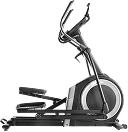
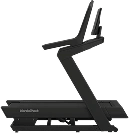
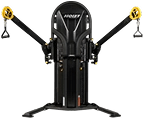
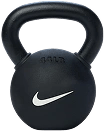
If you are looking to buy other fitness machines or accessories, look no further! Explore our range of fitness products like treadmills, elliptical cross trainers, exercise bikes, rowing machines, home gym, functional trainer, multi-station, power towers, smith machines, dumbbells, foosball tables, pool tables, and table tennis.


 0
0