Training for a Marathon: A Complete Guide to Running, Hydration, Treadmill Training & Recovery in Bahrain
Running a marathon is a dream that many fitness freaks nurture these days. It has become a fad among people from different walks of life and across all ages in the last few years. Some of them prefer 10K in their first attempt, while there are those who are determined to complete a half marathon or a full 42.2 km.
The basic factors that are required to pull off a marathon are preparing your body for the run, regular training, and patience. When it comes to long marathons, it is not just about the distance. What counts is stamina, strength, hydration, diet and recovery.
For runners, especially in the GCC countries, marathon training comes with several challenges. The weather can be humid for most of the year, and hence, running outdoors may not be comfortable. This makes it necessary to plan your workouts and know when to train outdoors and when to move indoors.
Interestingly, you do not need to run outside every day to prepare for a marathon. With a proper training plan, an effective treadmill, strength exercises and sufficient recovery, you can build your running fitness from home or at the gym.
In this blog, we look at some of the aspects like preparing for a marathon, staying hydrated, using a treadmill for training and taking care of your body before and after a run.
All About Understanding the Running Season
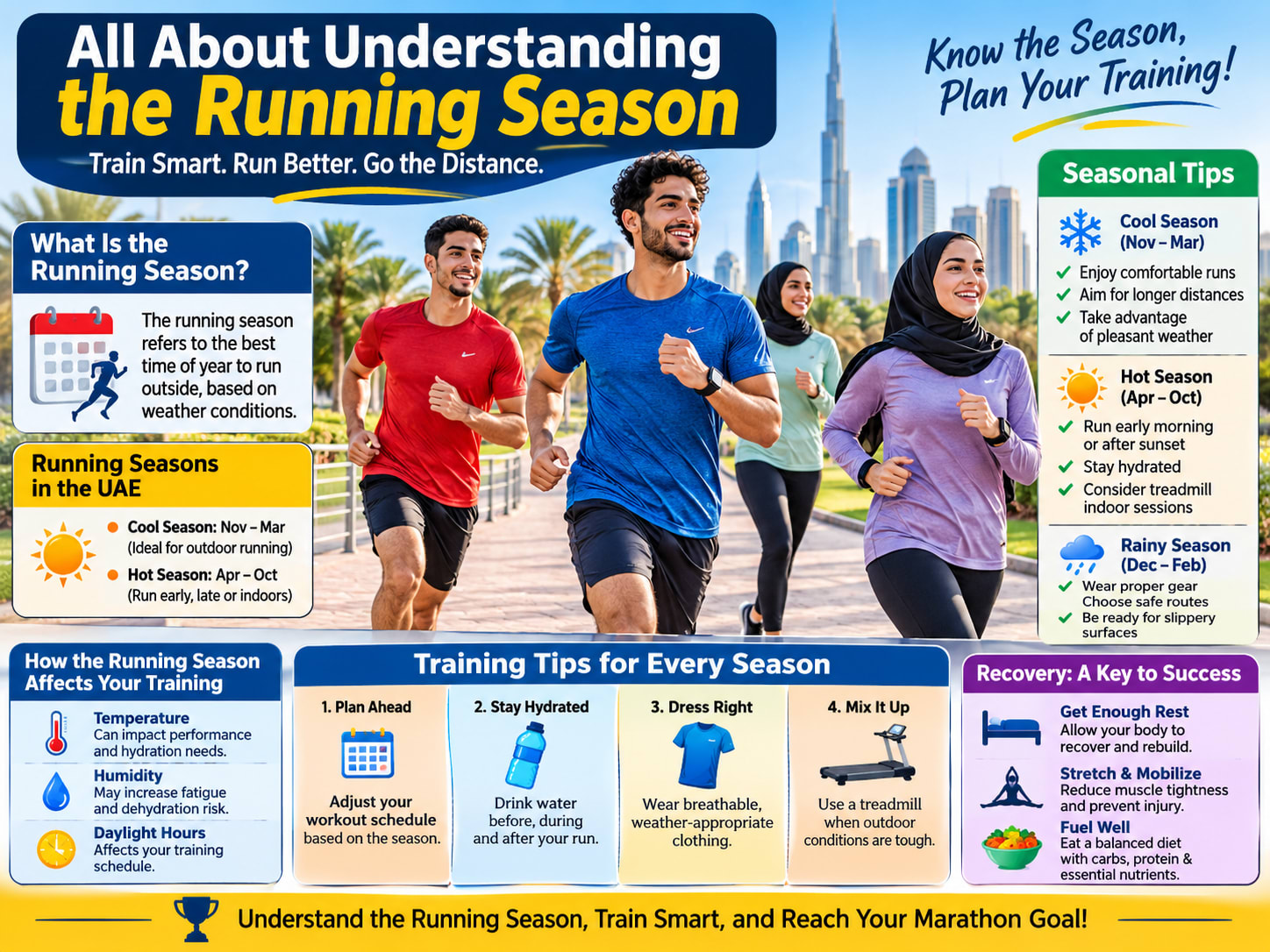
The first thing to consider when planning a marathon training is the weather. Unlike countries with cooler summers, the Gulf countries experience very high temperatures across the year. Running outdoors during the hottest time of the day may increase the risk of dehydration and heat-related illness.
The cooler months, generally from October to March, are generally more comfortable for outdoor running. This is also when many popular running events take place across the GCC countries. If you are preparing for a marathon during this period, you can plan more of your long runs outdoors. You can also use this time to get comfortable with running on roads and different surfaces.
During the hotter months, it is advisable to move most of your running sessions indoors. Early mornings and evenings may be cooler, but you should still check the temperature and humidity before heading out. Check out a few simple tips for running:
Avoid running outdoors during peak afternoon heat.
Choose early morning or late evening sessions when conditions are suitable.
Wear lightweight and breathable running clothes.
Carry water when running longer distances.
Use indoor treadmills when outdoor conditions are too hot.
Do not push yourself to match your usual running speed in hot weather.
Remember, missing an outdoor run because of the weather is not a setback. You can still get a good workout indoors.
Start With a Realistic Marathon Training Plan
One common mistake among new runners is trying to run too much in a short period. You may feel motivated in the beginning and start running long distances every day. However, this can leave you tired and increase your chances of getting injured.
Marathon training should be done slowly and steadily. Keep in mind that your body needs time to get used to longer distances. If you are new to running, start with shorter distances. You can begin with a combination of walking and running before slowly increasing your running time.
If you already run regularly, you can start with a structured training plan. According to experts, a typical marathon training plan takes around 12 to 16 weeks, although beginners may need a longer preparation period. Here is a simple example of a weekly training routine:
Monday: Light stretching is advisable
Tuesday: Indulge in short-distance running
Wednesday: Do strength training
Thursday: Attempt Simple interval running
Friday: Take rest or do light walking
Saturday: Try long-distance running
Sunday: Time for recovery and mobility exercises
You may tweak this schedule depending on your fitness level and work routine. The most important part of marathon training is consistency. You do not have to run fast every day. Some days should be easy, while other days can focus on distance or speed.
Increase your running distance slowly
Your long run is one of the most important parts of marathon preparation. It helps your body get used to running for longer periods. If your current comfortable running distance is 5 km, do not suddenly try to run 15 km the following week.
Increase your distance gradually and include easier weeks in your training plan. This gives your muscles and joints enough time to recover. Always remember that a marathon is not just about covering the distance. It is also about being able to complete it without putting too much stress on your body.
Outdoor Running vs Treadmill Running: What Works Better?
Many runners believe that outdoor running is the only way to prepare for a marathon. While outdoor training is important, treadmill running can also play a major role in your preparation. Having access to a treadmill is especially useful because of the hot weather. Both types of running have their own benefits.
Benefits of outdoor running
Outdoor running helps you get used to real running conditions. You experience different road surfaces, small changes in elevation, wind resistance and the general feeling of running outside. It also helps you prepare mentally for race day. Some of its benefits include the following:
Getting used to outdoor running conditions.
Improving your ability to run on different surfaces.
Practising your race-day pace.
Building confidence for longer outdoor runs.
Enjoying fresh air and outdoor surroundings.
Benefits of treadmill running
A treadmill is a useful piece of equipment for anyone who wants to maintain a regular running routine. You can run indoors without worrying about extreme heat, traffic or changing weather conditions. Listed below are some benefits:
You can control your running speed.
You can adjust the incline to make your workout harder.
You can follow a planned running routine.
You can practise interval training.
You can train comfortably at home.
You can avoid outdoor heat during summer.
For runners, a combination of both is a good option. Use outdoor running when the weather is comfortable and switch to treadmill training when it is too hot outside.
How to Use a Treadmill for Marathon Training?
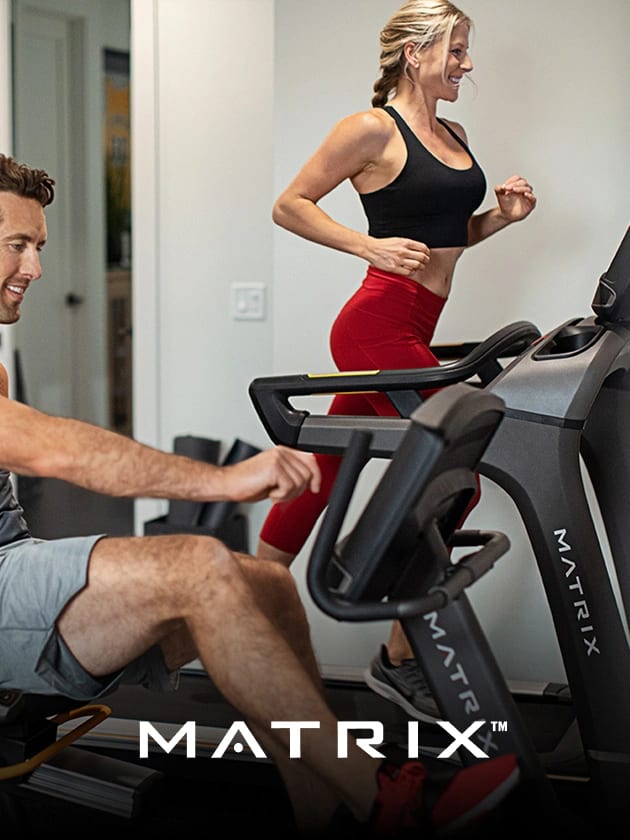
A treadmill is not just for walking or light jogging. It can be used as a useful training tool for marathon runners. The key is to use it with a proper workout plan instead of running at the same speed every day. Check out a few treadmill workouts you can include in your routine.
Easy Running
Easy running is exactly what it sounds like. You run at a comfortable pace where you can still hold a conversation. This type of workout helps build your endurance without putting too much pressure on your body. Start with 20 to 30 minutes and slowly increase the duration as your fitness improves.
Interval Training
Interval training involves alternating between faster running and slower recovery periods. For example:
Warm up with 5 minutes of walking.
Run at a faster pace for 1 minute.
Reduce your speed and jog or walk for 2 minutes.
Repeat this cycle 5 to 6 times.
Finish with 5 minutes of easy walking.
You can adjust the speed depending on your fitness level. Interval training helps improve your running speed and cardiovascular fitness.
Long-Distance Treadmill Running
Long-distance running is important for marathon preparation. When outdoor conditions are too hot, you can complete some of your longer training sessions on a treadmill.
Start with a comfortable speed and focus on maintaining a steady pace. Keep water nearby and use a fan or a well-ventilated room to stay comfortable. A treadmill with good cushioning, a stable running surface and suitable speed settings can make these sessions more comfortable.
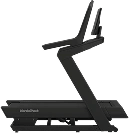
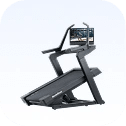
If you are planning to buy a treadmill for regular marathon training, look for one that suits your running needs rather than choosing only based on price.
Hydration: One of the Most Important Parts of Running
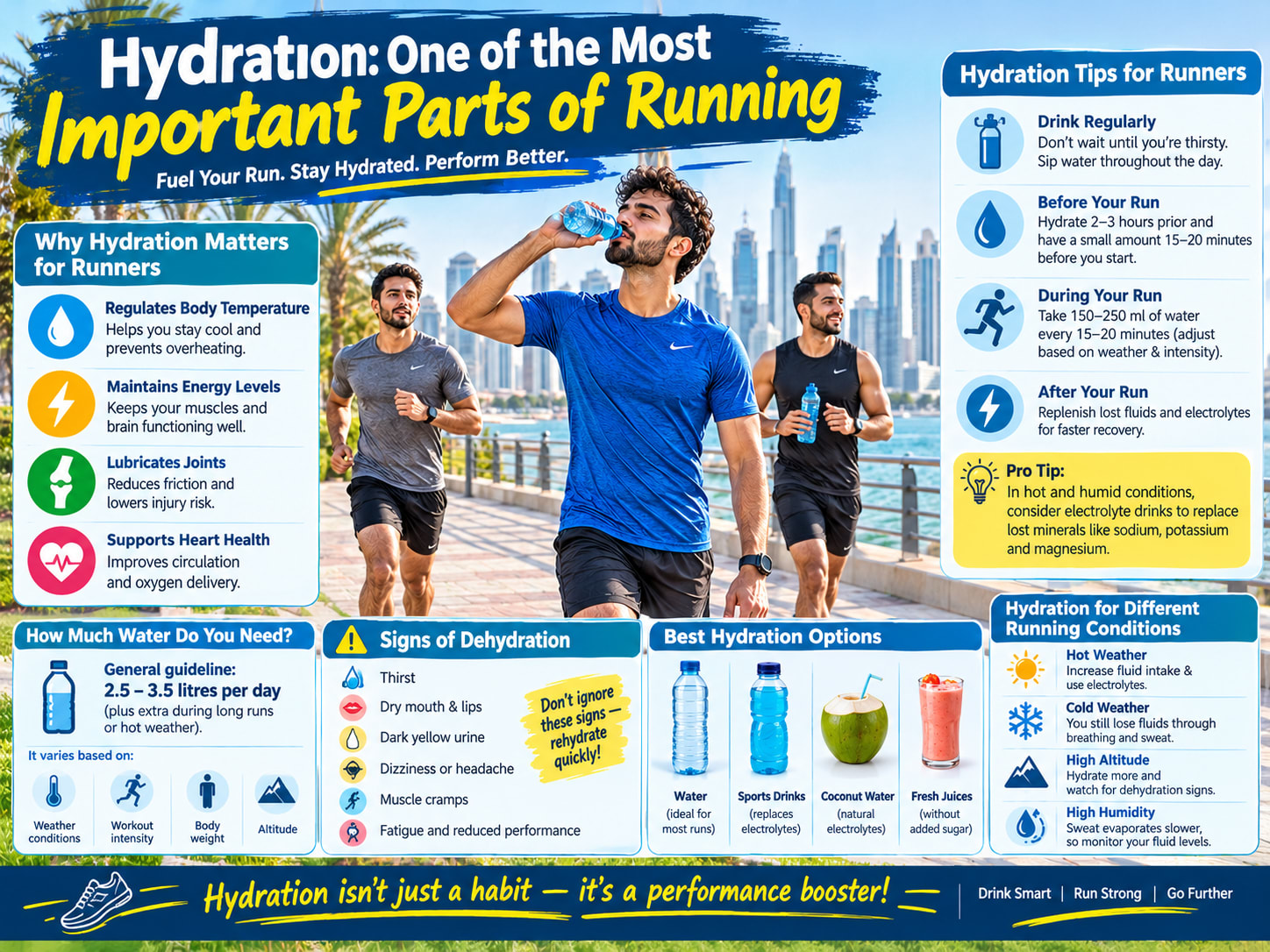
Hydration is something every runner should take seriously. When you run, your body produces sweat to cool itself down. In hot and humid conditions, you may lose more fluid through sweating. If you do not replace the fluids you lose, you may become dehydrated. This can affect your energy levels, running performance and overall health.
How much water should you drink?
There is no universal amount of water that works for everyone. Your hydration needs depend on your body weight, running duration, weather conditions and how much you sweat. Here are a few simple habits to follow:
Before running: Drink water regularly throughout the day. Avoid starting a long run when you are already thirsty or dehydrated.
During running: For shorter runs, you may not need to carry much water if you are well hydrated. For longer runs, especially in warm conditions, plan regular access to fluids.
After running: Drink water to replace the fluids you have lost. After a long or particularly sweaty session, an electrolyte drink may also be useful.
Should you use electrolyte drinks?
When you sweat, your body loses water as well as minerals such as sodium. For longer runs or workouts in hot weather, electrolyte drinks can help replace some of these lost minerals. You do not necessarily need an electrolyte drink for every short workout. Water is usually enough for shorter, less intense sessions.
For longer training sessions, pay attention to how much you sweat and plan your hydration accordingly. One important thing to remember is not to drink excessive amounts of water. Drinking too much can also be dangerous. Follow a sensible hydration plan based on your individual needs.
Watch out for signs of heat exhaustion
Running in hot weather can be risky if you do not take the right precautions. Stop exercising and move to a cool place if you experience symptoms such as the following:
Dizziness or light-headedness.
Headache.
Unusual weakness or tiredness.
Nausea.
Heavy sweating or feeling unusually hot.
If you experience confusion, fainting or other signs of a serious heat-related illness, seek emergency medical help immediately. It is always better to stop a workout than to push yourself through unsafe conditions.
Marathon Training: Build Stronger Muscles for Better Running
Running is not just about your legs. Your entire body plays a role in maintaining balance, posture and movement. Strength training helps improve muscle strength and stability. It can also help runners manage the physical demands of longer distances.
You do not need to spend hours lifting heavy weights. Two strength-training sessions per week can be a good starting point for many runners. Here are some exercises you can include in your routine.
Squats
Squats help strengthen your thighs, glutes and hips. Stand with your feet shoulder-width apart. Slowly bend your knees and lower your body as if you are sitting on a chair. Return to the standing position. Try 2 to 3 sets of 10 repetitions.
Lunges
Lunges help improve leg strength and balance. Take one step forward and lower your body until both knees are comfortably bent. Return to the starting position and repeat with the other leg. Try 2 sets of 10 repetitions on each leg.
Planks
Planks help strengthen your core muscles. Place your forearms on the floor and keep your body straight. Hold the position for 20 to 30 seconds to start with. You can slowly increase the holding time as your strength improves.
Calf Raises
Your calf muscles play an important role when you run. Stand straight, raise your heels off the ground and slowly lower them again. Try 2 to 3 sets of 12 to 15 repetitions.
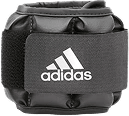
You can also use resistance bands, dumbbells and other strength-training equipment to add variety to your workouts. The goal is to build strength without making yourself too tired for your running sessions.
Eat Well to Support Your Marathon Training
Your food choices can make a big difference to your running performance. You do not need an expensive diet plan or complicated meals to prepare for a marathon. Focus on eating balanced meals and giving your body enough energy.
Carbohydrates for energy
Carbohydrates are an important source of energy for runners. Foods such as rice, oats, potatoes, bread and bananas can help provide the energy you need for training. For longer runs, some runners also use energy gels or sports drinks to maintain their energy levels.
Protein for muscle recovery
Protein helps your muscles recover after exercise. Include foods such as eggs, chicken, fish, milk, yoghurt, beans and lentils in your meals. Try to include a source of protein after your training sessions.
Healthy Fats
Healthy fats are also part of a balanced diet. Nuts, seeds, olive oil and avocados are some options you can include in your meals.
What should you eat before a run?
Avoid eating a very heavy meal immediately before running. For a morning workout, a banana, a slice of toast or a small bowl of oats may work well. For longer runs, practise your pre-run meals during training. Do not try completely new foods on marathon day.
Recovery: Give Your Body Ample Time to Rest
Many runners focus only on their training and forget about recovery. However, rest is just as important as running. Your muscles need time to recover after long-distance sessions and strength workouts. If you keep pushing your body without enough rest, you may experience muscle soreness, tiredness or injuries. Here are a few simple ways to improve your recovery.
Get enough sleep
Try to get around 7 to 9 hours of sleep every night. Good sleep helps your body recover and prepares you for your next workout.
Stretch after running
Light stretching can help improve flexibility and reduce feelings of muscle tightness. Focus on your calves, hamstrings, quadriceps and hip muscles. Avoid forcing a stretch or stretching through pain.
Use foam rollers
Foam rollers can be useful for massaging tight muscles after a workout. You can use them on your calves, thighs and other large muscle groups. Start gently and avoid rolling directly over painful joints or injured areas.
Try massage guns
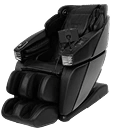
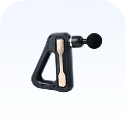
Massage guns are another option for muscle recovery. They can be used on certain muscle groups to help relieve temporary muscle tightness. Use a comfortable setting and avoid sensitive areas, bones and injuries.
Take rest days
You do not need to exercise every day to become a better runner. Rest days allow your body to recover and help you maintain a consistent training routine over time. If you feel unusually tired or experience persistent pain, reduce your training and seek advice from a healthcare professional.
Avoid Common Marathon Training Mistakes
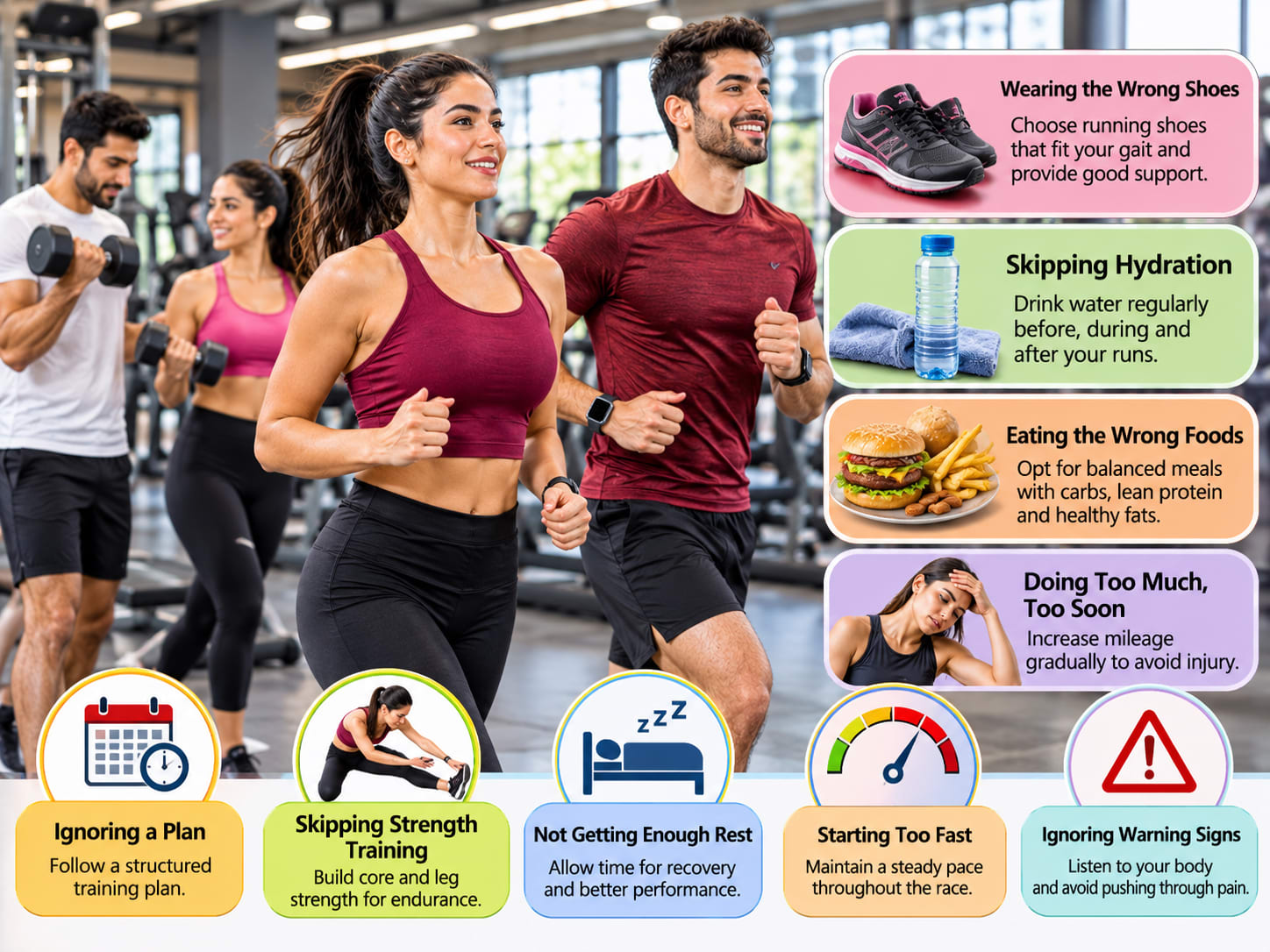
Even experienced runners make mistakes during their preparation. Knowing what to avoid can make your training easier and safer. Here are some common mistakes to watch out for:
Running too much too soon: Increasing your distance or speed too quickly can put unnecessary pressure on your muscles and joints. Increase your training gradually.
Ignoring strength training: Running alone may not be enough to build all the strength and stability your body needs. Include basic strength exercises in your weekly routine.
Not drinking enough water: Dehydration can affect your performance, particularly in the Gulf climate. Plan your hydration before, during and after longer runs.
Skipping recovery: Your body needs rest. Do not turn every workout into a high-intensity session.
Using new shoes on race day: Always test your running shoes during training. Choose comfortable shoes that suit your feet and running style.
Not practising long runs: A marathon is a long event. You need to prepare your body and mind for spending several hours on your feet.
Ignoring pain: Normal muscle tiredness is different from sharp or persistent pain. Do not ignore signs of injury.
For fitness enthusiasts and athletes across Bahrain, Life Time Fitness Store is your trusted destination for quality fitness equipment, reliable products, expert support and great offers, helping you stay committed to your fitness goals with everything you need to train better and lead a healthier lifestyle.
Conclusion
Preparing for a marathon requires a little extra planning, especially when it comes to dealing with the weather. But with the right routine, you can build your running fitness throughout the year.
Start with a realistic training plan, increase your distance gradually and make hydration a priority. Use outdoor running when the weather allows and make the most of treadmill workouts during the hotter months.
Do not forget strength training, good nutrition and recovery. These are just as important as your daily runs. Whether you are preparing for your first 10K, a half marathon or a full marathon, remember that progress takes time. Stay consistent, listen to your body and enjoy the process.
And if you are setting up a home workout space, having the right fitness equipment can make it easier to stay on track. A good treadmill, resistance bands, dumbbells and recovery tools can all be useful additions to your training routine. Your marathon journey starts with one run. Keep showing up, stay patient and take it one step at a time!
Most beginners need around 4 to 6 months of preparation, depending on their current fitness level and running experience. A structured training plan with gradual increases in running distance, strength exercises and rest days can help you prepare safely.
Yes, treadmill running is a good option for marathon training, especially during the hot summer months. It helps you maintain a regular running routine, improve endurance, practise interval training and adjust your running speed and incline.
Drink water regularly throughout the day and pay attention to your fluid intake before, during and after running. For longer runs, especially in hot weather, electrolyte drinks may help replace minerals lost through sweating. Adjust your hydration according to your sweat levels and training intensity.
Strength exercises such as squats, lunges, planks and calf raises can help improve muscle strength, balance and stability. You can also include stretching, mobility exercises and light resistance training to support your running routine.
Most runners benefit from at least one or two rest or active recovery days each week, depending on their training level. Rest helps muscles recover, reduces fatigue and lowers the risk of overtraining. Listen to your body and avoid pushing through persistent pain.
Get a weekly dose of latest stories
and useful tips directly in your inbox!
Help Us Enhance Your Experience or Report a Website Problem!
We value your feedback! Let us know if there’s anything we can improve or if there’s a feature you’d love to see on our website.
Need Help? We're Here.
Our Fitness Experts Can Help With Products, Orders, Delivery And Installation







 Get a weekly dose of latest stories
and useful tips directly in your inbox!


 0



























































































 Price Match Guarantee
 Free Shipping
 Product Warranty
 After-Sale Support
 Have Coupon Code?
 You'll Save 0.00 On This Order
 Safe And Secure Payments. Easy Returns. 100% Genuine Products