


Buying a stationary bike may seem like a simple decision until you realize how many options are available. One of the most common questions buyers ask is whether they should choose a spinning bike or a traditional exercise bike. Although both machines are designed to improve cardiovascular fitness, burn calories, and help you stay active indoors, they are built with different purposes in mind. Understanding these differences is essential because the right bike can make your workouts more enjoyable, more effective, and easier to maintain over the long term.
Many people purchase a fitness machine based on appearance, price, or recommendations from friends without considering how they actually plan to use it. This often leads to disappointment. Someone looking for high intensity cycling workouts may quickly outgrow a standard exercise bike, while someone who simply wants a comfortable way to stay active may find a spinning bike unnecessarily demanding. Choosing equipment that matches your lifestyle is far more important than simply choosing the most expensive model.
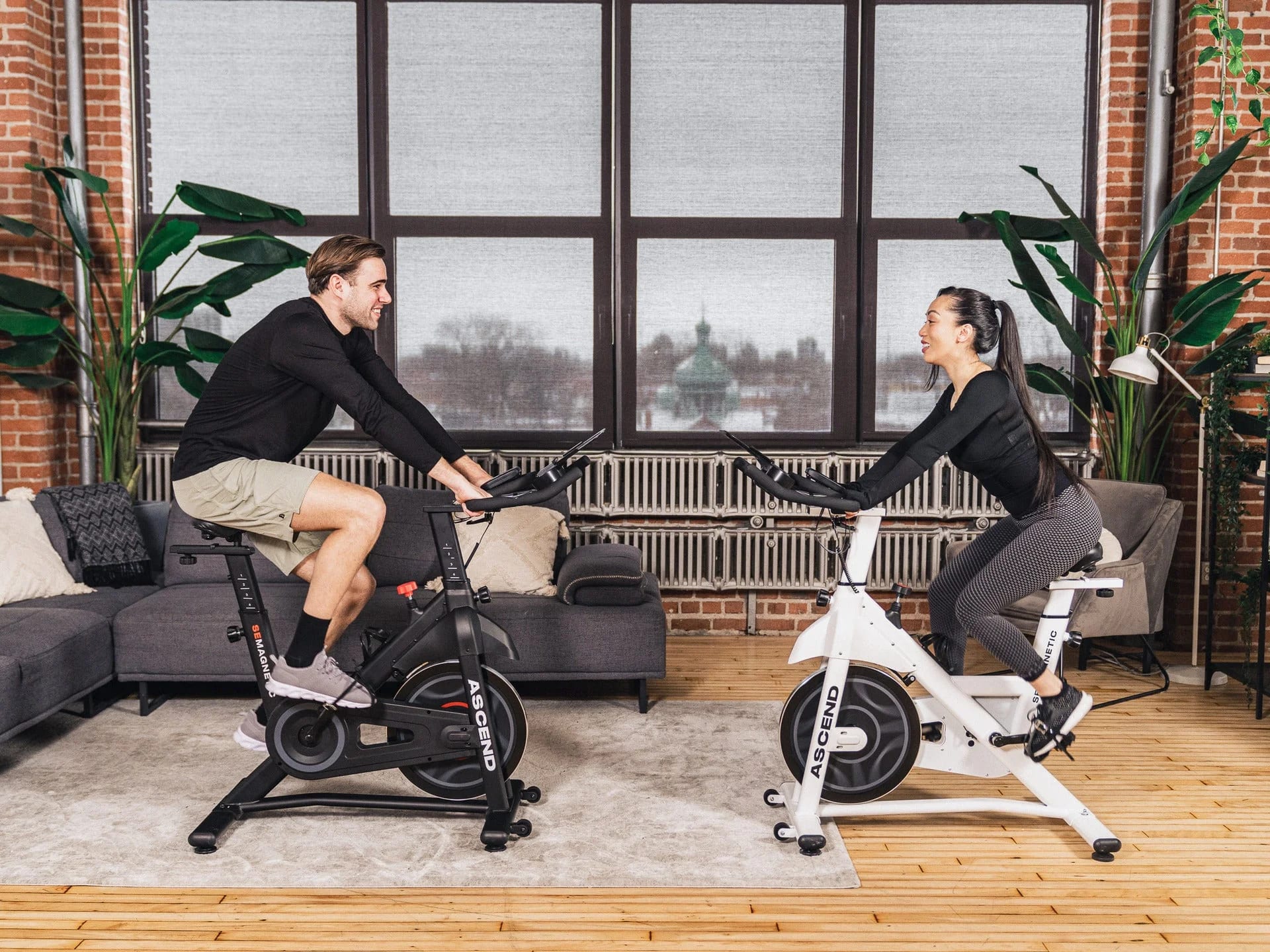
Stationary bikes have become one of the most popular pieces of cardio equipment because they offer an effective workout without requiring much space. They are suitable for people of different ages and fitness levels and can easily fit into a home gym, apartment, or dedicated workout room. Unlike outdoor cycling, indoor bikes allow you to exercise regardless of weather conditions or traffic, making it easier to stay consistent throughout the year.
While both spinning bikes and exercise bikes improve heart health, strengthen the lower body, and support weight management, the experience of using them is completely different. From the riding position and resistance system to workout intensity and comfort, every aspect of the design influences how the machine feels during exercise. Understanding these features will help you choose equipment that keeps you motivated for years instead of becoming another unused machine in the corner of your home.
At Lifetime Fitness Store, we believe that buying fitness equipment should be based on your goals rather than trends. Whether you are looking to lose weight, improve endurance, stay active, or train like a cyclist, selecting the right stationary bike is the first step towards building a fitness routine that lasts. This guide will help you understand exactly how spinning bikes and exercise bikes differ so you can make an informed investment.
What Is a Spinning Bike?
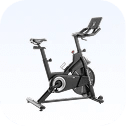
A spinning bike, often called an indoor cycling bike, is designed to recreate the feeling of riding a road bicycle. Every part of the machine is built to support higher intensity workouts, making it a popular choice for cyclists, fitness enthusiasts, and anyone who enjoys challenging cardio sessions. Unlike traditional exercise bikes, spinning bikes encourage a more athletic riding position where the rider leans slightly forward, similar to outdoor cycling.
One of the defining features of a spinning bike is its heavy flywheel. This flywheel creates smooth momentum and provides a riding experience that feels much closer to cycling on the road. As you pedal faster, the flywheel continues rotating naturally, requiring you to maintain control throughout your workout. This realistic cycling motion is one of the reasons spinning bikes are widely used for endurance training and interval workouts.
Another major advantage is the ability to ride while standing. During a spinning workout, users frequently alternate between seated cycling and standing climbs to simulate uphill riding or sprint intervals. This creates a more dynamic workout that improves cardiovascular endurance while challenging multiple muscle groups at the same time.
Most spinning bikes also allow quick resistance adjustments, making it easy to transition from light pedaling to demanding hill climbs within seconds. This flexibility makes them an excellent option for people who enjoy structured training sessions or instructor led cycling classes.
For individuals looking to improve athletic performance, increase calorie burn, or experience a workout that closely resembles outdoor cycling, a spinning bike delivers an engaging and highly effective training experience.
What Is an Exercise Bike?
An exercise bike is designed primarily for comfort, convenience, and everyday cardiovascular fitness. Although spinning bikes technically belong to the exercise bike category, the term "exercise bike" is commonly used to describe upright stationary bikes intended for general fitness rather than performance based cycling.
The biggest difference is the riding position. Exercise bikes allow users to sit upright with the handlebars positioned higher than the seat. This relaxed posture places less pressure on the back, shoulders, wrists, and neck, making the machine much more comfortable for extended cardio sessions.
Most exercise bikes use magnetic resistance systems that provide smooth, quiet operation with very little maintenance. Resistance levels are usually controlled electronically through the console, allowing users to switch between workout programs with the press of a button. These pre programmed workouts help introduce variety while making the machine easy to use for beginners.
Comfort is another area where exercise bikes stand out. They often include wider seats, ergonomic handlebars, adjustable saddle positions, and user friendly consoles that display important workout information such as speed, distance, calories burned, heart rate, and workout duration.
Because of their simple operation and comfortable design, exercise bikes appeal to a broad range of users. Beginners appreciate the approachable workout experience, while experienced users often use them for recovery sessions or moderate intensity cardio. They are also an excellent choice for people who prefer watching television, reading, or listening to music while exercising because the upright riding position feels more relaxed.
At Lifetime Fitness Store, exercise bikes remain one of the most popular choices for home gyms because they combine comfort, durability, and effective cardiovascular training in one compact machine.
Also Read : How to Adjust Your Exercise Bike for Effective Ride
Why Do People Confuse Them?
It is easy to understand why many people assume spinning bikes and exercise bikes are the same. Both are stationary cycling machines designed to improve cardiovascular health, strengthen the lower body, and support weight management. At first glance, they share many similar features, including adjustable seats, pedals, handlebars, resistance systems, and digital displays.
The confusion becomes even greater because retailers often use the general term "exercise bike" to describe every type of stationary bike. This makes it difficult for first time buyers to understand that spinning bikes are designed for a completely different training style.
The real difference becomes obvious only after using each machine. A spinning bike encourages faster pedaling, standing climbs, and higher workout intensity, while an exercise bike focuses on comfort, stability, and steady cardiovascular exercise. Neither approach is better than the other. They simply serve different purposes.
Understanding these differences before making a purchase helps ensure that your investment supports your personal fitness goals instead of creating frustration later. Someone looking for intense indoor cycling workouts will benefit much more from a spinning bike, while someone seeking comfortable daily cardio may find an upright exercise bike to be the perfect choice.
Why Choosing the Right Bike Matters
Buying a stationary bike is more than simply purchasing another piece of fitness equipment. It is an investment in your long term health, fitness, and consistency. The right bike should encourage you to exercise regularly instead of making every workout feel like a challenge you would rather avoid.
Your fitness goals play the biggest role in deciding which machine is right for you. If you enjoy intense workouts, interval training, and pushing your cardiovascular endurance, a spinning bike can provide the challenge you need to stay motivated. On the other hand, if your goal is comfortable daily cardio, improved heart health, or gradual weight management, an exercise bike may fit your lifestyle much better.
Comfort, workout intensity, available space, and user experience all contribute to how often you use your equipment. Even the most advanced fitness machine cannot deliver results if it sits unused. Choosing equipment that matches your preferences increases the likelihood of staying consistent, and consistency remains the single most important factor in achieving long term fitness success.
At Lifetime Fitness Store, our goal is not simply to help customers buy equipment. We aim to help them choose machines they will continue using for years, making every workout enjoyable, effective, and sustainable.
Design and Riding Position
One of the first things you will notice when comparing a spinning bike and an exercise bike is the overall design. Although both machines are built for indoor cycling, they are created with completely different riding experiences in mind.
A spinning bike closely resembles a road bicycle. The seat is positioned almost level with the handlebars, encouraging you to lean slightly forward while riding. This position allows you to generate more power through your legs while engaging your core for stability. It also enables you to stand while pedaling, making it possible to simulate hill climbs, sprints, and outdoor cycling conditions.
An exercise bike follows a more relaxed design. The handlebars are positioned higher than the seat, allowing you to sit upright throughout the workout. This reduces strain on your back, shoulders, and wrists while creating a comfortable riding posture that is easy to maintain for longer periods. For users who simply want to stay active without pushing maximum intensity, this design often feels more natural and enjoyable.
The riding position affects more than just comfort. It influences your workout intensity, posture, muscle engagement, and overall experience. Someone looking for performance based training will appreciate the aggressive position of a spinning bike, while someone who values comfort and convenience will often prefer the upright posture of an exercise bike.
Resistance System
Resistance determines how challenging your workout feels, and this is another area where spinning bikes and exercise bikes differ significantly.
Most spinning bikes are designed for quick resistance changes. Depending on the model, they may use magnetic resistance or friction resistance, allowing riders to instantly increase intensity while climbing, sprinting, or performing interval training. This flexibility makes spinning bikes ideal for users who enjoy constantly changing workout intensity.
Exercise bikes usually focus on smooth, controlled resistance adjustments. Most modern models use magnetic resistance systems that operate quietly and require very little maintenance. Instead of making frequent manual changes during a workout, users often select one of the built in workout programs, allowing the machine to automatically adjust resistance levels throughout the session.
Both systems are effective, but they serve different purposes. Spinning bikes prioritize workout performance and responsiveness, while exercise bikes prioritize convenience and ease of use.
If your goal is to challenge yourself with varied training sessions, a spinning bike offers greater flexibility. If you prefer guided workouts with consistent resistance changes, an exercise bike may be the better option.
Read: Abu Dhabi Inspires Initiatives
Flywheel Comparison
The flywheel is often referred to as the heart of a stationary bike because it directly affects how smooth and realistic the ride feels.
Spinning bikes are equipped with much heavier flywheels, often ranging from 18 kg to 25 kg or more. The added weight creates continuous momentum once you begin pedaling, closely replicating the feeling of riding a real bicycle outdoors. The heavier the flywheel, the smoother the pedaling motion becomes, particularly during high speed workouts.
Exercise bikes usually feature lighter flywheels because they are designed for comfortable daily cardio rather than athletic cycling. The lighter flywheel requires less effort to start pedaling and creates a smooth, controlled motion that is ideal for beginners and casual users.
Neither flywheel is better in every situation. A heavier flywheel provides a more challenging and realistic cycling experience, while a lighter flywheel makes workouts feel easier to control and less intimidating for first time users.
When shopping for a bike, it is important to choose a flywheel that matches your workout style rather than simply selecting the heaviest option available.
Workout Intensity
One of the biggest differences between these two machines is the intensity they are designed to deliver.
Spinning bikes are built for vigorous training. They encourage higher pedaling speeds, standing climbs, sprint intervals, and endurance sessions that elevate your heart rate quickly. Many people use spinning bikes for high intensity interval training because the resistance can be adjusted almost instantly, allowing rapid transitions between recovery and maximum effort.
Exercise bikes provide a more controlled workout experience. Although they are still capable of challenging cardio sessions, they are generally used for moderate intensity exercise that can be maintained comfortably over longer durations. This makes them an excellent choice for users who want to improve cardiovascular fitness without pushing themselves to exhaustion every session.
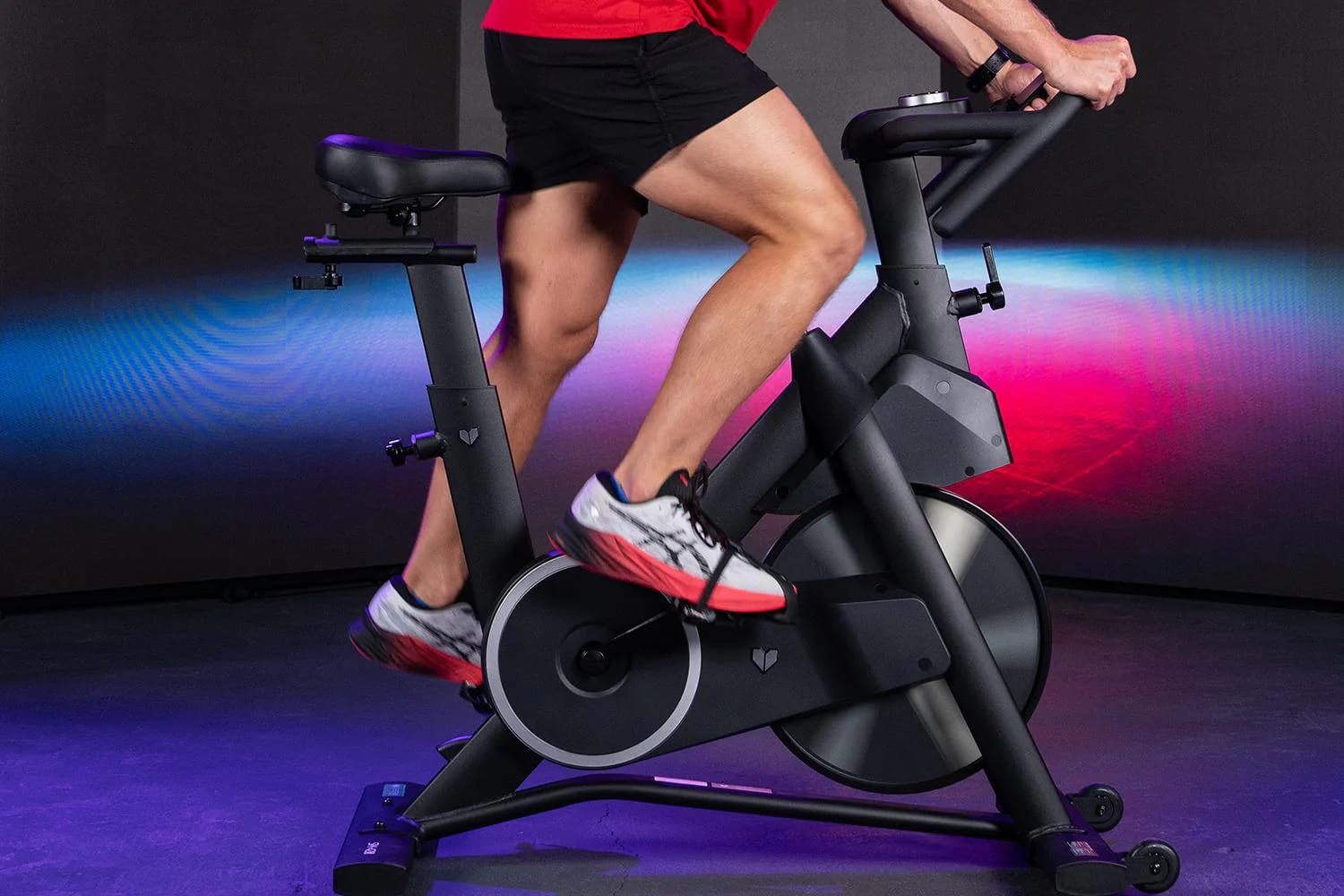
The intensity of your workout should always match your fitness level and personal goals. High intensity workouts are excellent for improving endurance and burning calories, but moderate intensity sessions often lead to greater consistency because they are easier to recover from.
Both bikes are capable of delivering excellent results when used regularly. The difference lies in how demanding each workout feels.
Muscle Groups Worked
At first glance, it may seem like both bikes train exactly the same muscles. While there is certainly overlap, the level of muscle engagement differs based on riding position and workout style.
Spinning bikes recruit the quadriceps, hamstrings, calves, and glutes throughout every ride. Because riders frequently stand while pedaling, the core muscles become much more active to stabilize the body. During intense climbing sessions, the shoulders and arms also contribute by supporting body weight through the handlebars.
Exercise bikes primarily target the lower body. The quadriceps, hamstrings, calves, and glutes remain the primary muscles involved, but the upright riding position reduces the demand placed on the core and upper body. This creates a more relaxed workout that is easier to sustain for extended periods.
If your goal is athletic conditioning or building cycling specific strength, a spinning bike offers greater overall muscle activation. If your objective is comfortable cardiovascular exercise with effective lower body training, an exercise bike provides everything you need without placing excessive demands on the rest of your body.
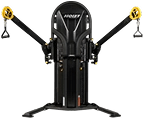
Regardless of which bike you choose, combining your cardio routine with strength equipment such as adjustable dumbbells, functional trainers, or a home gym from Lifetime Fitness Store can help you develop balanced strength while improving overall fitness.
Which Bike Burns More Calories?
Calorie burn is one of the most important factors people consider when choosing cardio equipment. While both bikes help increase energy expenditure, the actual number of calories burned depends on workout intensity, duration, body weight, and fitness level rather than the machine alone.
Spinning bikes typically produce higher calorie burn because they encourage more vigorous workouts. Standing climbs, sprint intervals, and heavier resistance require greater effort, causing the body to consume more energy during the session. A challenging spinning workout can significantly elevate your heart rate and continue increasing calorie expenditure even after the workout has ended.
Exercise bikes usually support moderate intensity cardio, making them ideal for longer sessions that gradually build endurance. Although the calorie burn during a typical session may be lower than an intense spinning workout, exercising consistently several times each week still contributes significantly to weight management and overall health.
The best bike is not necessarily the one that burns the most calories in a single workout. It is the one you will continue using month after month. Consistency has a much greater impact on long term weight loss than occasional high intensity sessions.
Which Bike Is Better for Weight Loss?
Both spinning bikes and exercise bikes can support weight loss when combined with proper nutrition and a consistent exercise routine. The choice depends largely on your preferred workout style.
If you enjoy challenging yourself with intense cardio sessions, a spinning bike may help you reach your goals faster because of its higher workout intensity. The combination of interval training, resistance changes, and standing climbs creates a demanding session that increases calorie expenditure while improving cardiovascular endurance.
However, intensity is only one part of the equation. Many people find exercise bikes easier to use consistently because they are more comfortable and less physically demanding. Riding for forty five minutes several times each week can often produce better long term results than occasionally completing extremely intense spinning workouts.
Weight loss is ultimately driven by creating a sustainable calorie deficit. The bike you enjoy riding consistently will always deliver better results than the one you rarely use.
At Lifetime Fitness Store, we always recommend choosing equipment that fits naturally into your daily routine. A machine that encourages regular exercise is one of the best investments you can make for your long term health and fitness.
Which Bike Is Better for Beginners?
For someone who is just starting their fitness journey, choosing equipment that feels comfortable and easy to use can make all the difference. Beginners often focus on finding the fastest way to lose weight, but the real key to success is building a routine that can be maintained consistently over time. This is where the choice between a spinning bike and an exercise bike becomes important.
An exercise bike is generally the better option for beginners because it offers a more relaxed riding position and a gentler learning curve. The upright posture feels natural, the seat is usually wider and more comfortable, and the resistance levels can be adjusted gradually as fitness improves. Most exercise bikes also come with built in workout programs that guide users through different intensity levels, making it easier to stay motivated without feeling overwhelmed.
Spinning bikes, on the other hand, are designed for more performance focused workouts. The forward leaning position, narrower saddle, and heavier flywheel create an experience that closely resembles outdoor cycling. While this makes spinning bikes highly effective for endurance and calorie burning, it can feel challenging for someone who has never used indoor cycling equipment before. Beginners may need time to adjust to the riding position and the higher workout intensity.
That does not mean a spinning bike is unsuitable for beginners. If your goal is to improve cycling performance or you enjoy high energy workouts, you can certainly start with a spinning bike. The key is to begin with shorter sessions, lighter resistance, and proper bike adjustments to ensure a safe and enjoyable experience.
Regardless of which bike you choose, consistency will always matter more than intensity. A machine that encourages you to exercise several times a week will deliver far better long term results than one that feels intimidating and goes unused. Investing in equipment that matches your current fitness level while leaving room for progression is often the smartest approach.
Final Thoughts: Which Bike Should You Buy?
There is no single answer to the spinning bike versus exercise bike debate because each machine is designed with different users in mind. The right choice depends on your fitness goals, workout preferences, comfort requirements, and long term commitment to staying active.
If you enjoy challenging workouts, interval training, and a riding experience that closely mirrors outdoor cycling, a spinning bike is an excellent investment. Its heavier flywheel, responsive resistance system, and ability to support standing rides create a dynamic and engaging workout that appeals to fitness enthusiasts and experienced cyclists alike.
If comfort, convenience, and consistent daily cardio are your priorities, an upright exercise bike may be the better option. Its ergonomic design, user friendly controls, and smooth operation make it suitable for beginners, older adults, and anyone who wants an effective workout without the physical demands of high intensity cycling.
It is also worth considering how your fitness routine may evolve over time. Many people begin with moderate cardio and later incorporate strength training, functional workouts, or interval sessions as their confidence grows. Choosing quality fitness equipment from the beginning ensures that your investment continues to support your progress as your goals change.
At Lifetime Fitness Store, we offer a carefully selected range of spinning bikes, upright exercise bikes, recumbent bikes, and other premium cardio equipment from leading fitness brands. Whether you are creating your first home gym or upgrading your existing setup, our collection is designed to help you achieve your goals with equipment that combines performance, durability, and comfort. Pairing your bike with complementary equipment such as adjustable dumbbells, rowing machines, or functional trainers can also help create a well rounded fitness routine that keeps your workouts interesting and effective.
The most important decision is not simply choosing between a spinning bike and an exercise bike. It is choosing the machine that fits your lifestyle, motivates you to exercise consistently, and supports your fitness journey for years to come. When your equipment matches your goals, staying active becomes easier, more enjoyable, and far more rewarding.
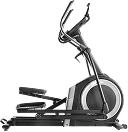
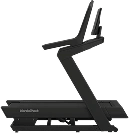
If you are looking to buy other fitness machines or accessories, look no further! Explore our range of fitness products like treadmills, elliptical cross trainers, exercise bikes, rowing machines, home gym, functional trainer, multi-station, power towers, smith machines, dumbbells, foosball tables, pool tables, and table tennis.


 0
0