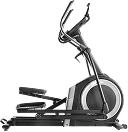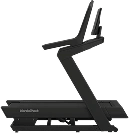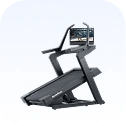



Buying a home treadmill can be one of the best investments you make for your health and fitness. Whether your goal is weight loss, improved cardiovascular fitness, better endurance, increased daily activity, or simply creating a convenient workout space at home, a treadmill offers one of the most versatile exercise solutions available.
However, choosing the right treadmill is not always straightforward. A quick search reveals hundreds of models with different specifications, technologies, price points, and features. For first-time buyers, the sheer number of options can feel overwhelming. Many people focus solely on price, while others get distracted by flashy technology without considering the features that truly affect performance, comfort, durability, and long-term satisfaction.
The reality is that not all treadmills are created equal. The right treadmill for one person may not be the best choice for another. Factors such as fitness goals, body weight, available space, workout intensity, and training frequency all play an important role in determining which machine will provide the best experience.
Understanding the features that genuinely matter can help you make a smarter purchase decision and ensure that your treadmill continues to serve your fitness needs for years to come. This guide explores the most important treadmill features, explains why they matter, and helps you identify the best machine for your goals.
Why a Home Treadmill Is a Valuable Investment
A treadmill remains one of the most popular pieces of fitness equipment worldwide because it offers unmatched convenience and versatility.
Unlike outdoor running or walking, treadmill workouts are not affected by:
•Weather conditions
•Extreme temperatures
•Rain
•Traffic
•Safety concerns
•Limited daylight hours
A home treadmill allows users to maintain consistent exercise habits regardless of external circumstances.
Additional benefits include:
•Convenient home workouts
•Customizable workout intensity
•Suitable for beginners and advanced users
•Effective calorie burning
•Improved cardiovascular health
•Support for weight management
•Year-round accessibility
The key is choosing a treadmill that matches your specific needs.
Understanding Your Fitness Goals First
Before comparing treadmill specifications, consider how you plan to use the machine.
Ask yourself:
•Will I primarily walk?
•Will I jog regularly?
•Will I run frequently?
•Will multiple family members use it?
•Am I training for races?
•Do I want incline workouts?
•How often will I exercise?
Your answers will help determine which features deserve the highest priority.
Someone walking three times per week will require different specifications than someone running daily marathon training sessions.
Click here view: Healthy lifestyle awareness UAE
Motor Power: The Heart of Every Treadmill
The motor is one of the most important components of any treadmill.
Motor power directly affects:
•Performance
•Smoothness
•Durability
•Noise levels
•Workout capacity
Motor strength is typically measured in continuous horsepower (CHP).
Recommended Motor Power
For walking:•2.0 CHP minimum
For jogging: •2.5 CHP to 3.0 CHP
For running: •3.0 CHP to 4.0 CHP or higher
For heavy daily usage: •4.0 CHP and above
A stronger motor generally provides smoother performance and better long-term durability.
Why Continuous Horsepower Matters
Many buyers mistakenly focus on peak horsepower ratings.Continuous horsepower is more important because it measures the motor's ability to sustain power during extended workouts.
Benefits of higher CHP ratings include:
•Smoother operation
•Reduced motor strain
•Longer lifespan
•Better performance at higher speeds
•Improved incline functionality
When comparing treadmills, always prioritize CHP ratings over peak power claims.
Running Surface Size
The running deck significantly impacts workout comfort and safety.A deck that is too short or narrow can make running feel restrictive.
Recommended Running Areas
For walking: Minimum 20" x 50"
For jogging: 20" x 55"
For running: 22" x 60"
Taller users generally benefit from longer running surfaces due to longer stride lengths. Adequate deck space allows more natural movement and improves confidence during workouts.
Cushioning Systems
One of the biggest advantages of treadmill running compared to outdoor running is reduced joint impact. Quality cushioning systems help absorb shock and reduce stress on:
•Knees
•Ankles
•Hips
•Lower back
Benefits include:
•Greater workout comfort
•Reduced fatigue
•Lower injury risk
•Improved workout consistency
For individuals with joint concerns, cushioning should be a top priority.
Speed Range
Different users require different speed capabilities. Walking users may only need moderate speed ranges, while runners often require much higher maximum speeds.
Typical speed ranges include:
•Walking: 1 to 6 mph
•Jogging: 4 to 8 mph
•Running: 6 to 12 mph
•Advanced training: 12 mph and above
Choose a treadmill that allows room for future fitness improvements.
Also read: Are You Buying the Right Treadmill? Here is How to Decide!
Incline Functionality
Incline training is one of the most valuable treadmill features available.
Increasing incline:
•Raises workout intensity
•Increases calorie burn
•Targets additional muscle groups
•Improves cardiovascular conditioning
•Simulates outdoor terrain
Common Incline Ranges
•0% to 10%
•0% to 15%
•0% to 20%
Some premium treadmills also offer decline functionality for even greater training variety.
Why Incline Training Matters
Walking or running uphill requires greater muscular effort.
Incline workouts can effectively target:
•Glutes
•Hamstrings
•Calves
•Core muscles
Benefits include:
•Higher calorie expenditure
•Improved endurance
•Enhanced cardiovascular fitness
•Reduced boredom
For many users, incline training becomes one of the most valuable treadmill functions.
Stability and Frame Construction
A treadmill should feel stable during every workout.
Signs of a quality frame include:
•Minimal vibration
•Smooth operation
•Solid construction
•Consistent performance
Frame quality becomes especially important for:
•Heavier users
•Frequent runners
•High-speed workouts
A stable treadmill creates a safer and more enjoyable exercise experience.
User Weight Capacity
Weight capacity often reflects overall machine durability.
Higher weight capacities usually indicate:
•Stronger frames
•More robust motors
•Improved construction quality
Experts often recommend choosing a treadmill with a weight capacity significantly above your current body weight.
This helps ensure:
•Better performance
•Reduced wear
•Longer lifespan
Console and Display Features
Modern treadmills offer a wide range of technology features.
Common display metrics include:
•Speed
•Distance
•Time
•Calories burned
•Heart rate
•Incline level
Advanced displays may also include:
•Interactive workouts
•Entertainment apps
•Training programs
•Performance tracking
The best console depends on your preferences and fitness goals.
Smart Technology and Connectivity
Technology continues transforming the treadmill experience.
Popular features include:
•Bluetooth connectivity
•Wi-Fi access
•Fitness app integration
•Virtual training programs
•Touchscreen displays
•Workout tracking
Smart features can improve engagement and motivation, particularly for users who enjoy structured training programs.
Heart Rate Monitoring
Heart rate tracking provides valuable workout insights.
Benefits include:
•Improved training accuracy
•Better calorie tracking
•Enhanced cardiovascular conditioning
•Safer exercise intensity management
Heart rate monitoring options include:
•Grip sensors
•Wireless chest straps
•Bluetooth connectivity
Many serious exercisers prefer chest-strap compatibility for greater accuracy.
Built-In Workout Programs
Workout variety can significantly improve long-term consistency.
Built-in programs often include:
•Fat-burning workouts
•Hill training
•Interval training
•Heart rate programs
•Endurance sessions
These programs help reduce workout monotony while supporting different fitness goals.
Folding vs Non-Folding Treadmills
Space availability often influences treadmill selection.
Folding Treadmills
Advantages:
•Space-saving design
•Convenient storage
•Ideal for apartments
Non-Folding Treadmills
Advantages:
•Greater stability
•Often more durable
•Better suited for serious runners
The best option depends on available space and intended usage.
Noise Levels
Noise is often overlooked during treadmill shopping.
Factors affecting noise include:
•Motor quality
•Deck construction
•Cushioning systems
•Frame stability
A quieter treadmill is particularly important for:
•Apartment living
•Shared spaces
•Early morning workouts
Safety Features
Safety should never be overlooked.
Important features include:
•Emergency stop key
•Side rails
•Stable frame
•Non-slip surfaces
•Child safety functions
These features provide additional confidence during workouts.
Common Mistakes When Buying a Treadmill
Many buyers regret their treadmill purchase because they focus on the wrong factors.
Common mistakes include:
•Buying solely based on price
•Ignoring motor power
•Choosing insufficient deck size
•Overlooking weight capacity
•Ignoring warranty coverage
•Purchasing unnecessary technology
•Not considering future fitness goals
Avoiding these mistakes can save money and improve satisfaction.
How to Match a Treadmill to Your Goals
For Walking
Prioritize:
•Comfort
•Cushioning
•Quiet operation
•Compact design
For Weight Loss
Prioritize:
•Incline functionality
•Workout programs
•Heart rate tracking
For Running
Prioritize:
•Powerful motor
•Large running deck
•High stability
•Advanced cushioning
For Family Use
Prioritize:
•Durability
•Multiple user profiles
•Higher weight capacity
Matching features to goals improves long-term success.
Why Durability Should Be a Priority
A treadmill is a long-term investment.
Durable machines offer:
•Lower maintenance costs
•Better reliability
•Longer lifespan
•Improved performance
High-quality construction often provides greater value than purchasing a cheaper machine that requires frequent repairs.
Warranty Considerations
A strong warranty often reflects manufacturer confidence.
Key warranty areas include:
•Frame coverage
•Motor coverage
•Parts coverage
•Labor coverage
Always review warranty terms before making a purchase.
Home Treadmills, Commercial Treadmills, and Curved Treadmills: Which One Is Right for You?
When shopping for a treadmill, one of the most important decisions you will make is choosing the type of treadmill that best matches your fitness goals, workout frequency, available space, and budget. While many buyers focus on features such as motor power, incline levels, or display technology, understanding the differences between home treadmills, commercial treadmills, and curved treadmills can help you make a much more informed investment. Each category is designed with specific users and training styles in mind, offering unique advantages that cater to different fitness needs.
Home Treadmills
Home treadmills are the most common type of treadmill found in residential settings. These machines are specifically designed for personal use and are ideal for individuals or families looking to exercise conveniently from home. Home treadmills typically prioritize comfort, space efficiency, ease of use, and affordability while still offering a wide range of workout options.
One of the biggest advantages of home treadmills is convenience. Having a treadmill at home eliminates many of the barriers that prevent people from exercising consistently. Weather conditions, travel time, crowded gyms, and busy schedules become less of an obstacle when your workout equipment is only a few steps away. This convenience often leads to greater consistency, which is one of the most important factors for achieving long-term fitness success.
Modern home treadmills are available in a variety of configurations to suit different fitness levels. Entry-level models are often suitable for walking and light jogging, while premium residential treadmills offer powerful motors, advanced cushioning systems, high-speed capabilities, and interactive training programs that rival those found in commercial fitness facilities.
Many home treadmills also feature folding designs that help save space when not in use. This makes them particularly attractive for apartment dwellers or homeowners with limited workout space. Despite their compact designs, many premium home treadmills still provide spacious running surfaces, incline training capabilities, and smart connectivity features that support a wide variety of workout styles.
Home treadmills are ideal for:
•Daily walking
•Weight-loss programs
•General fitness improvement
•Cardiovascular training
•Indoor jogging
•Family use
•Convenient home workouts
For most users, a high-quality home treadmill provides everything needed to support long-term health and fitness goals while maintaining the convenience of exercising at home.
Commercial Treadmills
Commercial treadmills are built for a completely different level of usage. These machines are engineered to withstand heavy daily use in gyms, fitness centers, hotels, sports clubs, corporate wellness facilities, and rehabilitation centers. As a result, commercial treadmills are significantly more durable, powerful, and robust than most residential models.
One of the defining characteristics of a commercial treadmill is its construction quality. Commercial machines typically feature heavy-duty steel frames, larger rollers, stronger motors, industrial-grade components, and reinforced running decks designed to withstand continuous operation throughout the day. These treadmills are built to handle multiple users, varying fitness levels, and extended workout sessions without compromising performance.
Motor performance is another area where commercial treadmills excel. Many commercial units feature powerful motors that maintain smooth operation even under demanding conditions. This is particularly important for runners who train at higher speeds or users who regularly perform incline workouts.
Commercial treadmills often provide larger running surfaces, allowing users to move more naturally during high-speed running sessions. The extra space creates a safer and more comfortable workout experience, especially for taller individuals or serious runners with longer strides.
Advanced technology is another major advantage of commercial treadmills. Many premium models include large touchscreen displays, virtual training programs, internet connectivity, entertainment systems, workout tracking, and sophisticated performance analytics. These features help create a more engaging and motivating exercise environment.
Commercial treadmills are particularly well suited for:
•Fitness centers
•Sports clubs
•Hotels
•Corporate gyms
•Rehabilitation facilities
•High-volume usage
•Serious runners
•Professional athletes
Although commercial treadmills typically require a larger investment than residential models, their durability, performance, and longevity often justify the cost for facilities and individuals seeking professional-grade equipment.
Curved Treadmills
Curved treadmills represent one of the most innovative developments in treadmill technology. Unlike traditional motorized treadmills, curved treadmills operate entirely through user-generated movement. The running surface features a distinctive curved design that allows the user to control speed naturally through their own effort.
Because there is no motor driving the belt, the user becomes the engine. The faster you move, the faster the belt moves. When you slow down, the treadmill immediately responds by reducing speed. This creates a highly responsive and natural running experience that closely mimics outdoor running mechanics.
One of the biggest advantages of curved treadmills is their ability to increase workout intensity. Research and user experience suggest that curved treadmills often require greater energy expenditure compared to traditional motorized treadmills. Because users must generate their own momentum, workouts frequently demand more muscular effort and cardiovascular output.
Curved treadmills are especially popular among athletes, functional fitness enthusiasts, and individuals participating in high-intensity interval training. They are commonly used in:
•CrossFit facilities
•Performance training centers
•Athletic training programs
•Sports conditioning facilities
•Functional fitness gyms
The design of a curved treadmill encourages proper running mechanics and often promotes a more natural midfoot strike pattern. Many users find that this helps improve running technique while simultaneously increasing workout intensity.
Another major advantage is durability. Since curved treadmills do not rely on motors, they typically have fewer moving parts that can wear out over time. This often results in lower maintenance requirements and longer equipment lifespan.
Curved treadmills are particularly effective for:
•Sprint training
•Interval workouts
•Athletic conditioning
•Performance enhancement
•Explosive power development
•High-intensity cardiovascular training
However, curved treadmills may not be ideal for everyone. Beginners, older adults, or individuals primarily interested in steady-state walking may find traditional motorized treadmills more comfortable and easier to use. Curved treadmills are generally best suited for users seeking challenging workouts and advanced training experiences.
Ultimately, each treadmill category serves a different purpose. Home treadmills offer convenience and versatility for everyday fitness, commercial treadmills provide unmatched durability and professional-grade performance, and curved treadmills deliver a unique, self-powered training experience favored by athletes and high-performance users. Understanding these differences allows buyers to choose a treadmill that aligns perfectly with their fitness goals, training preferences, and long-term exercise needs.
How Much Space Do You Really Need for a Home Treadmill?
One of the most overlooked aspects of buying a treadmill is understanding the amount of space required not only for the machine itself but also for safe and comfortable usage. Many buyers focus on performance specifications and forget to measure their workout area properly.
A treadmill needs sufficient clearance around it for both safety and convenience. In addition to the machine's footprint, users should consider space for mounting, dismounting, maintenance, and airflow.
Before purchasing a treadmill, consider:
•Room dimensions
•Ceiling height
•Doorway access
•Storage requirements
•Workout comfort
•Nearby furniture
•Electrical outlet placement
Tall users should pay particular attention to ceiling clearance, especially if the treadmill includes high incline capabilities. Running on an inclined treadmill can significantly increase overall user height relative to the floor.
Choosing the correct location before delivery can help prevent installation challenges and improve the overall workout experience.
The Importance of Roller Size
While motors receive significant attention, treadmill rollers play an equally important role in overall performance.
Rollers help move the running belt smoothly and efficiently. Larger rollers generally provide better belt movement, reduced strain on the motor, and longer component lifespan.
Benefits of larger rollers include:
•Smoother belt movement
•Reduced motor workload
•Improved durability
•Quieter operation
•Enhanced running comfort
Premium treadmills often feature larger front and rear rollers specifically designed to improve long-term performance.
Treadmill Belt Quality Matters More Than You Think
The running belt is the surface you interact with during every workout.
High-quality treadmill belts provide:
•Better traction
•Improved comfort
•Reduced wear
•Enhanced durability
•Lower maintenance requirements
Factors to evaluate include:
•Belt thickness
•Multi-ply construction
•Shock absorption
•Surface grip
•Heat resistance
A premium running belt can significantly improve both comfort and machine longevity.
Why Deck Construction Influences Performance
The treadmill deck sits beneath the running belt and plays a major role in workout feel.
A well-constructed deck contributes to:
•Impact reduction
•Running comfort
•Structural stability
•Noise reduction
•Long-term durability
Some premium treadmills feature reversible decks, which can extend equipment lifespan by allowing users to flip the deck surface after years of use.
For frequent runners, deck quality should be considered just as important as motor power.
Should You Choose a Smart Treadmill?
Technology has transformed modern treadmills.
Smart treadmills can provide:
•Interactive coaching
•Virtual running routes
•Performance analytics
•Fitness app integration
•Goal tracking
•Personalized workout recommendations
For some users, smart features increase motivation and improve workout consistency.
However, buyers should consider whether they will actually use these functions before paying a premium for advanced technology.
Ask yourself:
•Do I enjoy guided workouts?
•Will I use fitness apps regularly?
•Do I prefer data tracking?
•Will multiple users benefit from smart profiles?
The answers can help determine whether smart technology is worth the investment.
Treadmills for Walking vs Running
Not every treadmill is built for running.
Walkers generally prioritize:
•Comfort
•Quiet operation
•Ease of use
•Compact design
•Lower speed requirements
Runners typically need:
•Stronger motors
•Longer running decks
•Greater stability
•Advanced cushioning
•Higher speed ranges
Buying a treadmill that matches your primary activity can improve satisfaction while preventing overspending on unnecessary features.
How User Experience Impacts Long-Term Consistency
One of the biggest reasons people stop using fitness equipment is poor user experience.
A treadmill should feel inviting and enjoyable to use.
Features that improve user experience include:
•Easy controls
•Comfortable handrails
•Quick speed adjustments
•Simple navigation
•Clear displays
•Comfortable cushioning
•Smooth operation
When workouts feel enjoyable, users are more likely to remain consistent.
Consistency ultimately matters more than any individual treadmill specification.
Understanding Maintenance Requirements
Every treadmill requires some level of maintenance.
Routine maintenance helps ensure:
•Smooth performance
•Extended lifespan
•Reduced repairs
•Improved safety
Basic maintenance typically includes:
•Belt lubrication
•Deck cleaning
•Dust removal
•Belt alignment checks
•Fastener inspections
Some treadmills require less maintenance than others, making maintenance requirements an important consideration for busy households.
Why Brand Reputation Matters
A treadmill is often a long-term investment.
Purchasing from a reputable fitness equipment brand can provide advantages such as:
•Better engineering
•Improved durability
•Reliable customer support
•Available spare parts
•Long-term service support
Established fitness brands often invest heavily in research, testing, and quality control, resulting in more reliable products.
Before making a purchase, consider:
•Customer reviews
•Brand history
•Service availability
•Parts accessibility
•Warranty reputation
These factors can significantly influence ownership satisfaction.
Future-Proofing Your Treadmill Purchase
One mistake many buyers make is selecting a treadmill based solely on their current fitness level.
Instead, consider where your fitness may be six months, one year, or even several years from now.
Questions to ask include:
•Will I eventually start running?
•Will my workout frequency increase?
•Will multiple family members use it?
•Will I want advanced training programs later?
•Will I require higher incline levels?
Purchasing a treadmill that allows room for growth can help avoid the need for future upgrades.
Environmental Considerations
The location where a treadmill is installed can affect its performance and lifespan.
Factors that influence treadmill durability include:
•Humidity
•Temperature fluctuations
•Dust levels
•Sunlight exposure
•Flooring type
To maximize equipment longevity:
•Keep the treadmill clean
•Avoid excessive moisture
•Use protective floor mats
•Maintain proper ventilation
•Follow manufacturer maintenance recommendations
These simple steps can help preserve performance for years.
How Treadmill Workouts Support Different Fitness Goals
One of the biggest advantages of owning a treadmill is its versatility. Unlike many pieces of fitness equipment that are designed for specific workout styles, a treadmill can adapt to a wide range of fitness goals. Whether you are trying to lose weight, improve endurance, train for a race, increase daily activity, or simply maintain general health, the right treadmill can support your progress.
For weight loss, treadmills provide a controlled environment for consistent calorie-burning workouts. Users can combine walking, jogging, incline training, and interval sessions to create highly effective fat-loss programs. Incline walking, in particular, has become increasingly popular because it significantly increases workout intensity while remaining accessible to many fitness levels.
For endurance athletes, treadmills allow structured training regardless of weather conditions. Marathon runners, distance runners, and recreational athletes frequently use treadmills to complete scheduled workouts without interruptions caused by rain, heat, cold temperatures, or poor air quality.
For beginners, treadmills offer a safe and manageable introduction to exercise. Users can gradually increase workout duration, speed, and intensity while monitoring their progress in a controlled environment.
Because of this versatility, treadmills remain one of the most effective long-term investments for home fitness.
Understanding Shock Absorption Technologies
Not all treadmill cushioning systems perform the same way.
Modern treadmill manufacturers use various shock absorption technologies to reduce impact stress and improve workout comfort.
Benefits of advanced shock absorption include:
•Reduced joint stress
•Improved running comfort
•Lower fatigue levels
•Enhanced workout duration
•Reduced injury risk
This feature becomes especially important for:
•Older adults
•Individuals recovering from injury
•Users with joint sensitivity
•Frequent runners
•High-mileage athletes
Some premium treadmills offer adjustable cushioning systems, allowing users to choose between softer and firmer running surfaces based on personal preference.
This flexibility creates a more customized workout experience.
Why Stability Becomes More Important at Higher Speeds
Many buyers test treadmills at walking speeds but fail to evaluate stability during running.
A treadmill that feels stable during walking may behave differently when speeds increase.
At higher speeds, stability affects:
•Confidence
•Safety
•Running mechanics
•Workout enjoyment
•Performance
Signs of a stable treadmill include:
•Minimal shaking
•Solid frame construction
•Consistent belt movement
•Smooth transitions
•Secure footing
For serious runners, stability often becomes one of the most important purchase considerations.
The Role of Treadmills in Weight Management
Weight management is one of the most common reasons people purchase home treadmills.
The combination of convenience and versatility makes treadmills highly effective for supporting long-term body composition goals.
Benefits include:
•Consistent calorie expenditure
•Improved cardiovascular health
•Enhanced daily activity levels
•Greater workout flexibility
•Long-term exercise adherence
Unlike temporary fitness trends, walking and running remain foundational forms of physical activity that can be sustained for years.
The ability to exercise consistently often contributes more to weight management success than any single workout program.
Treadmill Walking: The Most Underrated Workout
Many people associate treadmills primarily with running.
However, walking remains one of the most effective forms of cardiovascular exercise available.
Benefits of treadmill walking include:
•Low-impact movement
•Improved heart health
•Better circulation
•Reduced stress
•Enhanced recovery
•Sustainable exercise habits
Incline walking can further increase intensity while remaining accessible to a wide range of fitness levels.
For many individuals, walking provides a realistic and sustainable approach to long-term health improvement.
How Treadmills Help Build Exercise Consistency
The most effective fitness program is the one you actually follow.
Many individuals struggle to maintain consistent exercise habits because of external barriers such as:
•Weather
•Travel
•Work schedules
•Family commitments
•Gym access
A home treadmill removes many of these obstacles.
Benefits include:
•Immediate workout access
•Flexible scheduling
•Private exercise environment
•Reduced travel time
•Greater convenience
The easier it becomes to exercise, the more likely people are to maintain healthy habits over the long term.
Why Serious Runners Often Choose Premium Treadmills
While entry-level treadmills can support basic fitness goals, serious runners often require more advanced equipment.
Premium treadmills typically offer:
•Stronger motors
•Larger running surfaces
•Enhanced cushioning
•Superior stability
•Advanced performance tracking
•Greater durability
These features become increasingly important as training volume and intensity increase.
High-mileage runners place significant demands on their equipment, making durability and performance essential considerations.
The Importance of Airflow and Cooling Features
Comfort can significantly impact workout quality.
Many premium treadmills include integrated cooling systems designed to improve the user experience.
Benefits include:
•Reduced overheating
•Improved comfort
•Extended workout duration
•Enhanced exercise enjoyment
Although cooling fans may seem like a minor feature, they can make a noticeable difference during longer training sessions.
Comfort often influences consistency more than many buyers realize.
Entertainment Features and Workout Motivation
One challenge many treadmill users face is boredom.
Modern treadmills increasingly address this issue through entertainment features such as:
•Touchscreen displays
•Streaming services
•Virtual training routes
•Interactive workouts
•Music integration
•Device connectivity
These features can make workouts more engaging and enjoyable.
For some users, entertainment options significantly improve workout adherence and long-term consistency.
Why Treadmills Are Suitable for All Ages
One of the greatest strengths of treadmill training is accessibility.
Treadmills can be used by:
•Young adults
•Busy professionals
•Parents
•Older adults
•Athletes
•Beginners
Workout intensity can be adjusted according to individual fitness levels, making treadmills one of the most inclusive forms of exercise available.
This adaptability allows households with multiple users to benefit from a single machine.
How to Evaluate Long-Term Value Instead of Initial Cost
Price is often one of the first factors buyers consider.However, focusing solely on initial cost can sometimes lead to poor purchasing decisions. A treadmill should be viewed as a long-term investment.
When evaluating value, consider:
•Expected lifespan
•Build quality
•Warranty coverage
•Maintenance requirements
•Feature set
•User experience
A treadmill that lasts ten years while supporting consistent exercise habits often provides far greater value than a cheaper model requiring replacement after a short period.
Treadmills and Cardiovascular Health
Cardiovascular health remains one of the most important aspects of overall wellness.
Regular treadmill workouts can help support:
•Heart health
•Blood pressure management
•Improved circulation
•Enhanced endurance
•Better oxygen utilization
Consistent cardiovascular exercise has been associated with numerous long-term health benefits and remains a cornerstone of healthy living.
Because treadmills provide convenient access to walking and running, they make cardiovascular exercise more accessible and sustainable.
Why the Right Treadmill Should Match Your Lifestyle
Ultimately, the best treadmill is not necessarily the most expensive or the most technologically advanced.
The best treadmill is the one that fits seamlessly into your lifestyle.
Consider:
•Your available space
•Your fitness goals
•Your workout preferences
•Your budget
•Your household needs
A treadmill that aligns with these factors is far more likely to be used consistently and deliver meaningful results over time.
Making a thoughtful purchase decision ensures that your treadmill becomes a valuable partner in your fitness journey rather than an unused piece of equipment.
Treadmills vs Outdoor Running: Which Is Better?
One of the most common questions among fitness enthusiasts is whether treadmill running is as effective as running outdoors. The truth is that both options offer unique benefits, and the right choice often depends on personal preferences, goals, and circumstances.
Outdoor running provides changing scenery, fresh air, and natural terrain variations that many people find motivating. It also requires the body to adapt to factors such as wind resistance, uneven surfaces, and elevation changes.
However, outdoor running also comes with challenges:
•Weather conditions
•Traffic
•Safety concerns
•Poor lighting
•Air pollution
•Uneven terrain
Treadmills eliminate many of these obstacles while providing a controlled and predictable environment.
Benefits of treadmill running include:
•Consistent workout conditions
•Controlled speed settings
•Adjustable incline levels
•Reduced joint impact
•Improved workout tracking
•Year-round accessibility
For many people, the best approach is incorporating both treadmill and outdoor running into their fitness routine.
Why Beginners Often Succeed Faster with Treadmills
Starting a fitness journey can feel intimidating, especially for individuals who have not exercised regularly in years.
A treadmill creates a controlled environment that allows beginners to focus on building consistency without worrying about external factors.
Benefits for beginners include:
•Adjustable speeds
•Easy progress tracking
•Controlled workout intensity
•Reduced environmental distractions
•Convenient scheduling
Many beginners feel more comfortable exercising at home where they can focus entirely on their workout without feeling self-conscious.
This increased comfort often improves exercise adherence and long-term success.
The Benefits of Interval Training on a Treadmill
Interval training has become one of the most popular workout methods because it allows users to achieve significant fitness improvements in less time.
Interval workouts involve alternating periods of higher intensity effort with recovery periods.
Examples include:
•Fast walking followed by slower walking
•Running intervals
•Incline intervals
•Sprint sessions
•Hill repeats
Benefits of interval training include:
•Improved cardiovascular fitness
•Higher calorie expenditure
•Increased endurance
•Enhanced metabolic function
•Reduced workout boredom
Treadmills are particularly effective for interval training because speed and incline adjustments can be controlled with precision.
Treadmill Workouts for Busy Professionals
One of the biggest barriers to fitness is lack of time.
Busy professionals often struggle to fit exercise into demanding schedules.
A home treadmill provides a practical solution by eliminating travel time and allowing workouts to be performed whenever convenient.
Popular treadmill workouts for busy individuals include:
•20-minute brisk walks
•30-minute incline sessions
•Short interval workouts
•Morning cardio routines
•Evening stress-relief walks
Even relatively short treadmill sessions can contribute significantly to overall health when performed consistently.
The Mental Health Benefits of Treadmill Exercise
While most people associate treadmill workouts with physical fitness, regular cardiovascular exercise can also support mental well-being.
Exercise may help:
•Reduce stress
•Improve mood
•Boost energy levels
•Support better sleep
•Enhance mental clarity
•Reduce feelings of anxiety
Walking or running on a treadmill can serve as a valuable opportunity to disconnect from daily stressors and focus on personal wellness.
Many users combine treadmill sessions with:
•Music
•Podcasts
•Audiobooks
•Meditation content
•Educational material
This transforms workouts into productive and enjoyable experiences.
Treadmills and Active Aging
As people age, maintaining physical activity becomes increasingly important.
Regular treadmill exercise can help older adults maintain:
•Cardiovascular fitness
•Joint mobility
•Muscular endurance
•Balance
•Independence
•Overall quality of life
Walking remains one of the safest and most accessible forms of exercise for older adults.
Many treadmills offer features specifically beneficial for aging populations:
•Low starting speeds
•Supportive handrails
•Cushioned decks
•Easy-to-read displays
•Simple controls
These features help create a comfortable and safe exercise environment.
Common Signs of a High-Quality Treadmill
Not all treadmills are built to the same standard.
Certain characteristics often indicate superior quality.
Look for:
•Heavy-duty frame construction
•Powerful continuous-duty motor
•Spacious running surface
•Advanced cushioning systems
•Strong warranty coverage
•Stable operation
•Premium components
•Reliable customer support
Quality equipment often delivers better performance, greater durability, and a more enjoyable workout experience.
Why Workout Variety Matters
Repeating the same workout every day can eventually lead to boredom and reduced motivation.
Treadmills offer numerous ways to create workout variety.
Examples include:
•Incline walking
•Steady-state jogging
•Hill intervals
•Sprint sessions
•Endurance runs
•Recovery walks
•Heart-rate training
Variety helps:
•Maintain motivation
•Reduce boredom
•Challenge different muscle groups
•Improve fitness adaptations
A treadmill that supports multiple workout styles can remain engaging for years.
How to Stay Motivated After Buying a Treadmill
Many treadmill purchases begin with excitement and motivation.
The challenge comes months later when the novelty wears off.
Strategies for maintaining consistency include:
•Setting realistic goals
•Tracking progress
•Scheduling workouts
•Using fitness apps
•Joining virtual challenges
•Creating workout playlists
•Following structured programs
Consistency often matters far more than workout intensity.
Small efforts repeated regularly can produce impressive long-term results.
The Future of Home Treadmills
Fitness technology continues evolving rapidly.
Modern treadmills are becoming increasingly sophisticated through advancements such as:
•Artificial intelligence coaching
•Adaptive workout programs
•Virtual reality environments
•Interactive training communities
•Real-time performance analytics
•Enhanced biometric tracking
These innovations are helping users stay motivated while creating more personalized workout experiences.As technology continues advancing, treadmills are likely to become even more effective tools for supporting health and fitness goals.
Understanding Treadmill Incline vs Flat Surface Training
Many treadmill buyers focus heavily on speed capabilities while overlooking one of the most powerful features available: incline training.
Incline training can dramatically increase workout intensity without requiring users to run faster. By simply raising the treadmill deck, users challenge their cardiovascular system and lower-body muscles more effectively.
Benefits of incline training include:
•Higher calorie burn
•Improved cardiovascular endurance
•Greater glute activation
•Increased hamstring engagement
•Enhanced lower-body strength
•Reduced workout monotony
For individuals who prefer walking over running, incline training can be particularly valuable. A brisk walk on a steep incline may provide a workout intensity comparable to jogging while placing less stress on joints.
Many fitness professionals recommend incline walking as an effective strategy for:
•Fat loss
•Endurance development
•Cardiovascular improvement
•Active recovery sessions
When comparing treadmills, buyers should evaluate incline range alongside motor power and running surface dimensions.
How Treadmills Support Year-Round Fitness
One of the biggest challenges to maintaining a fitness routine is consistency throughout the year. External conditions frequently disrupt exercise plans.
Common obstacles include:
•Summer heat
•Winter cold
•Heavy rain
•Humidity
•Air pollution
•Limited daylight
A home treadmill eliminates these variables and allows users to exercise whenever it is convenient.
This consistency often leads to:
•Better fitness results
•Improved weight management
•Higher workout adherence
•Greater long-term success
Fitness progress is rarely determined by a single workout. Instead, it is the result of hundreds of workouts completed consistently over time. A treadmill makes those workouts easier to achieve.
Why Treadmills Are Ideal for Multi-User Households
Many homes include family members with different fitness goals and experience levels. A treadmill is one of the few fitness machines capable of accommodating a wide range of users.
Examples include:
•Beginners starting a walking routine
•Adults pursuing weight-loss goals
•Athletes performing endurance training
•Older adults maintaining mobility
•Teenagers improving fitness
Because speed and incline can be adjusted instantly, a single treadmill can serve multiple purposes within the same household.
Features that particularly benefit multi-user environments include:
•Multiple user profiles
•Quick adjustment controls
•Workout tracking
•Custom programs
•Easy-to-read displays
The versatility of treadmill training makes it a practical investment for families.
The Importance of Workout Comfort
Fitness equipment should not only be effective but also comfortable.
Comfort significantly influences long-term exercise consistency.
Features that improve treadmill comfort include:
•Shock absorption
•Wide running surfaces
•Smooth belt operation
•Ergonomic handrails
•Quiet motors
•Cooling systems
Even small comfort improvements can make workouts feel more enjoyable.Over time, a comfortable treadmill often sees greater usage than a machine that feels awkward or uncomfortable.This increased usage ultimately leads to better results.
Treadmills and Rehabilitation Training
Treadmills are frequently used in rehabilitation environments because they allow controlled movement progression.
Healthcare professionals often incorporate treadmill walking into recovery programs designed to improve:
•Walking mechanics
•Balance
•Coordination
•Endurance
•Cardiovascular fitness
The ability to carefully regulate speed makes treadmills valuable tools for progressive rehabilitation.
While individuals should always follow professional guidance during recovery, the controlled nature of treadmill exercise makes it a popular option in rehabilitation settings worldwide.
Why Tracking Progress Matters
One of the advantages of treadmill training is the ability to collect objective performance data.
Tracking metrics helps users monitor improvement over time.
Common measurements include:
•Distance covered
•Workout duration
•Average speed
•Calories burned
•Incline levels
•Heart rate
•Weekly activity volume
Monitoring progress can increase motivation and provide evidence that fitness levels are improving.Many users find that visible progress helps maintain commitment during periods when motivation fluctuates.
Walking Desks and Modern Treadmill Trends
The rise of remote work has contributed to growing interest in walking desks and under-desk treadmills. These compact treadmills allow users to remain active while performing work-related tasks.
Potential benefits include:
•Reduced sedentary behavior
•Increased daily movement
•Improved calorie expenditure
•Enhanced energy levels
•Better workday activity balance
Although they are not designed for intense exercise, walking treadmills offer an innovative solution for individuals seeking greater daily movement. This trend reflects a growing awareness of the importance of physical activity throughout the day rather than relying solely on structured workouts.
The Relationship Between Treadmill Training and Endurance
Endurance development requires consistent cardiovascular training. Treadmills provide a reliable environment for gradually increasing workout volume and intensity.
Strategies for endurance improvement include:
•Long-duration walks
•Steady-state runs
•Progressive overload
•Interval sessions
•Incline training
Over time, these workouts help improve:
•Cardiovascular efficiency
•Oxygen utilization
•Muscular endurance
•Exercise capacity
Many runners use treadmills specifically because they allow highly controlled endurance training.
How to Maximize the Lifespan of Your Treadmill
A quality treadmill can provide many years of reliable performance when properly maintained.
Best practices include:
•Cleaning regularly
•Lubricating the belt as recommended
•Checking belt alignment
•Inspecting moving parts
•Using a protective floor mat
•Keeping dust away from the motor area
Simple maintenance habits often prevent costly repairs and extend equipment lifespan significantly.
The Long-Term Value of Owning a Treadmill
The true value of a treadmill extends beyond its specifications and features.
A treadmill represents:
•Convenient access to exercise
•Greater workout consistency
•Improved cardiovascular health
•Long-term fitness support
•A healthier lifestyle
When viewed as a long-term health investment rather than a short-term purchase, a high-quality treadmill can deliver exceptional value over many years. For many individuals, the ability to exercise whenever they choose ultimately becomes the feature that matters most.
Final Buying Checklist
Before purchasing a treadmill, review the following:
•Motor power matches your goals
•Running surface is large enough
•Weight capacity exceeds your requirements
•Incline range supports your training needs
•Cushioning system feels comfortable
•Technology features match your preferences
•Warranty coverage is adequate
•Space requirements have been measured
•Maintenance requirements are understood
•Brand support is available
Using this checklist can help ensure that your treadmill purchase delivers long-term value and satisfaction.
Conclusion
Choosing the right home treadmill involves far more than comparing prices or selecting the model with the largest screen. The best treadmill is the one that aligns with your fitness goals, workout preferences, available space, and long-term needs. Features such as motor power, running surface size, cushioning systems, incline functionality, stability, durability, and technology all play important roles in determining workout quality and overall satisfaction. By understanding what each feature contributes to performance and comfort, you can make a more informed buying decision and invest in a machine that supports your health journey for years to come. Whether your goal is walking for wellness, running for performance, or creating a complete home gym experience, choosing the right treadmill can become the foundation of a healthier, more active lifestyle.
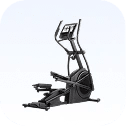
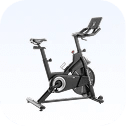
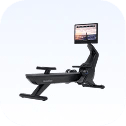
If you are looking to buy other fitness machines or accessories, look no further! Explore our range of fitness products like treadmills, elliptical cross trainers, exercise bikes, rowing machines, home gym, functional trainer, multi-station, power towers, smith machines, dumbbells, foosball tables, pool tables, and table tennis.


 0
0