How Do You Choose the Right Elliptical for High-Traffic Fitness Facilities?
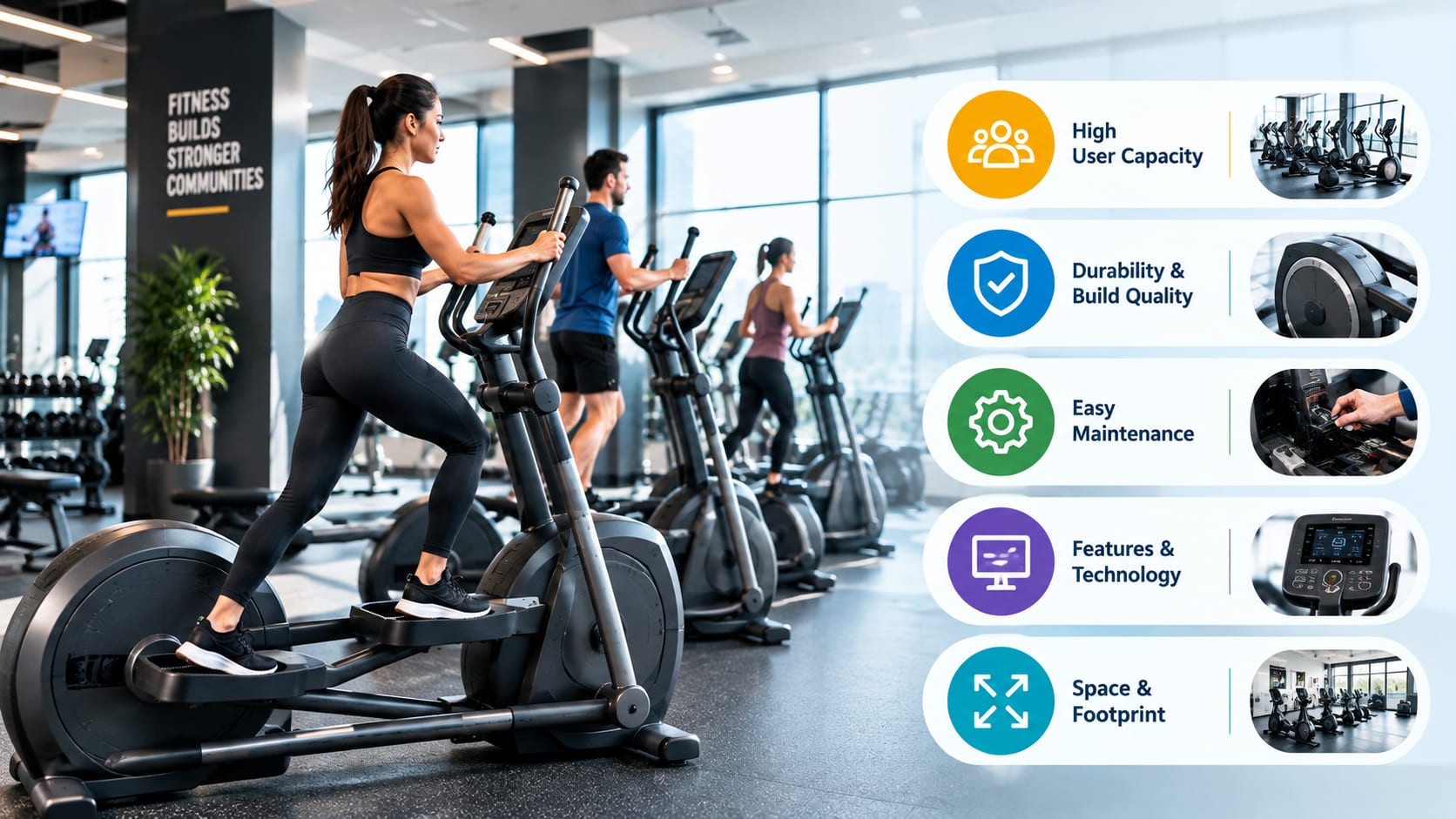
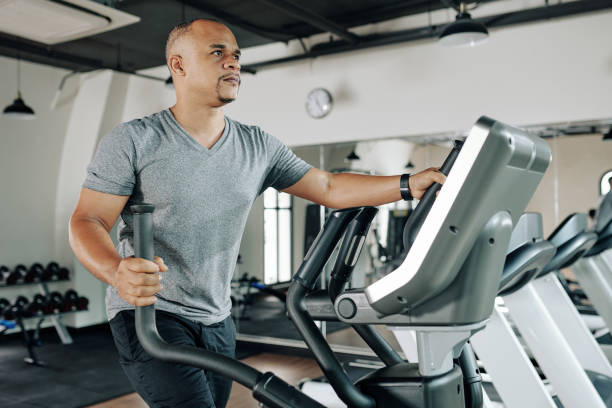
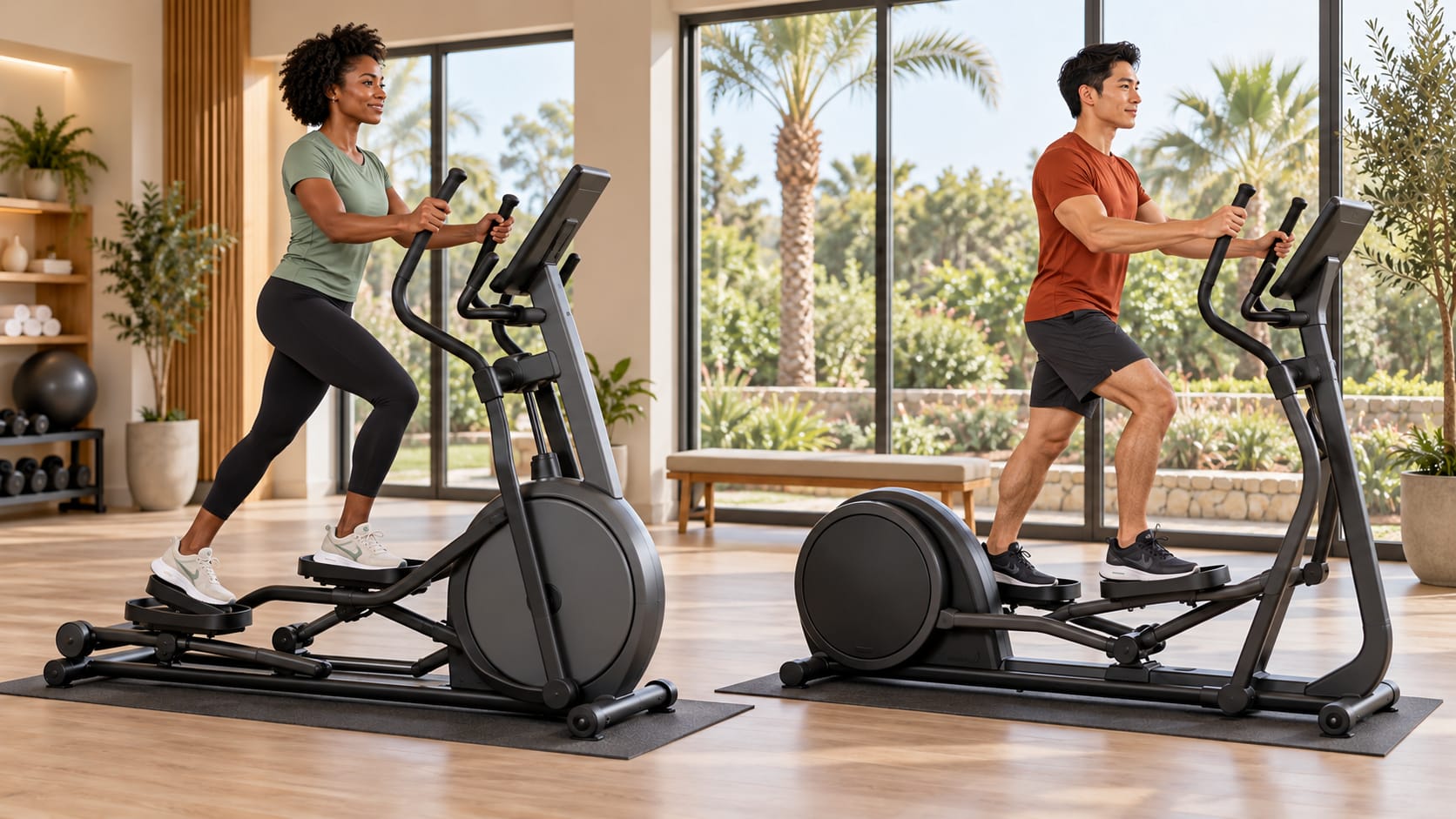
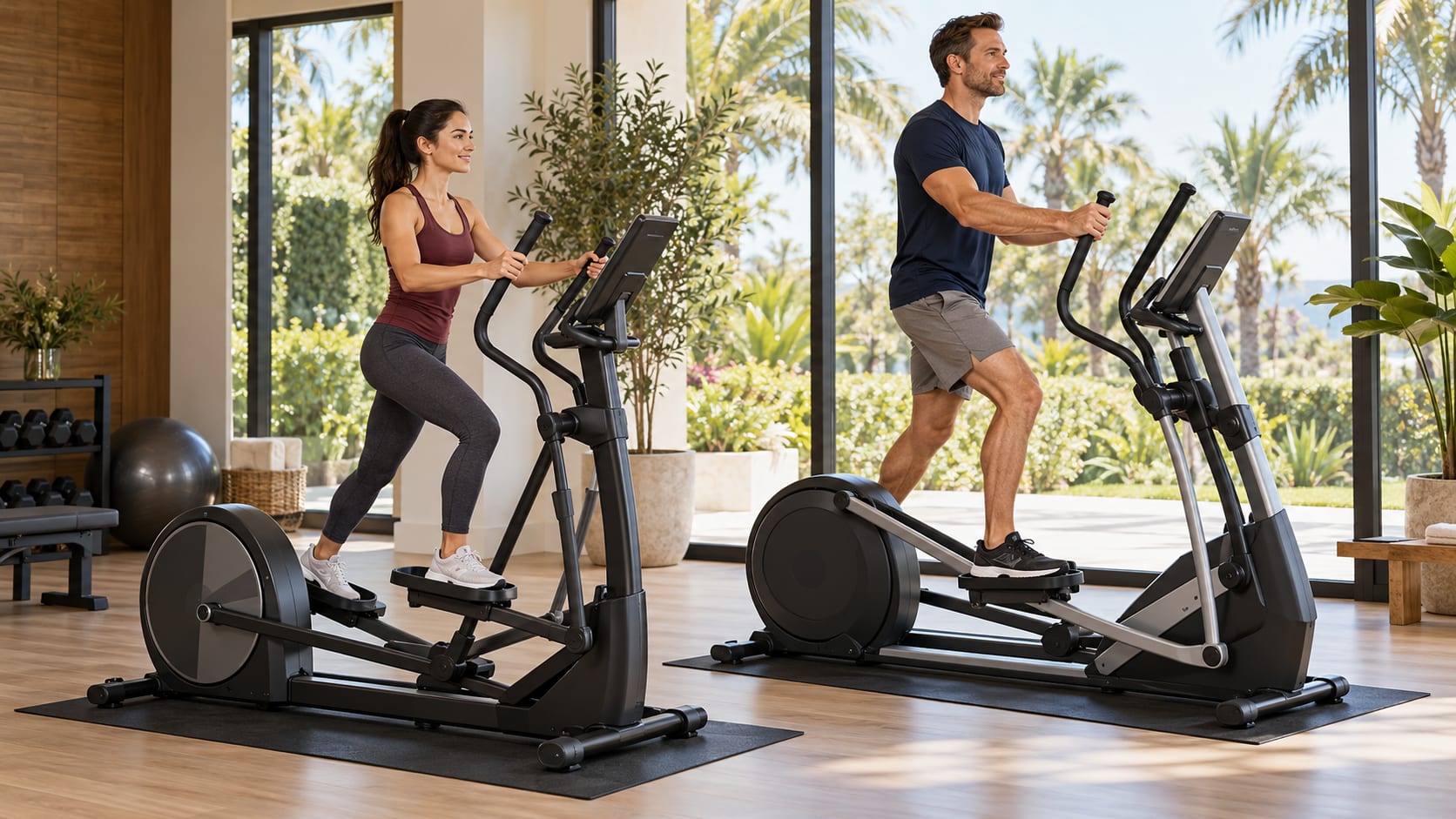
When selecting fitness equipment for a commercial facility, durability and performance become just as important as user experience. Elliptical trainers are among the most frequently used cardio machines in gyms, hotels, sports clubs, corporate wellness centers, and rehabilitation facilities because they provide a low-impact, full-body workout suitable for users of all fitness levels. However, not every elliptical is designed to withstand the demands of a high-traffic environment. Equipment that performs well in a home setting may struggle under continuous daily use from dozens of members. Choosing the right commercial elliptical requires careful consideration of construction quality, resistance systems, technology, maintenance requirements, and long-term value. A well-chosen elliptical can improve member satisfaction, reduce downtime, and provide years of reliable performance, making it one of the most important investments for any fitness facility.
Why High-Traffic Facilities Need Commercial-Grade Ellipticals
High-traffic fitness facilities place extraordinary demands on equipment. Unlike residential environments where a machine may be used for an hour or two per day, commercial facilities often operate for extended hours with multiple users continuously rotating between machines. This constant usage creates wear on frames, bearings, drive systems, electronics, and moving components. Commercial-grade ellipticals are specifically engineered to withstand these demands through stronger construction, premium materials, and more durable components. Investing in equipment designed for heavy usage helps reduce maintenance costs while ensuring a consistent workout experience for members.
Understanding User Volume Before Purchasing
One of the first considerations when selecting an elliptical is understanding expected user volume. A small corporate gym may experience moderate usage, while a busy health club could see hundreds of workouts per week on a single machine. Facilities should evaluate daily foot traffic, membership growth projections, operating hours, and peak usage periods before making purchasing decisions. Selecting equipment that exceeds current demand often provides better long-term value and reduces the likelihood of premature wear.
Frame Construction and Structural Integrity
The frame serves as the foundation of every elliptical trainer. In high-traffic facilities, frame strength becomes particularly important because it directly affects durability, stability, and user confidence. Commercial ellipticals typically feature heavy-duty steel frames engineered to resist flexing and vibration even during intense workouts. A stronger frame contributes to smoother operation and helps maintain performance over many years of use. Gym owners should prioritize equipment with robust construction and proven reliability records.
Why Stability Matters in Commercial Environments
Members expect fitness equipment to feel secure regardless of workout intensity. A stable elliptical provides confidence, especially during challenging interval sessions or high-resistance workouts. Commercial machines are generally heavier than residential models, allowing them to remain firmly positioned even when used by larger individuals or athletes. Reduced movement and vibration improve the overall user experience while minimizing stress on mechanical components.
The flywheel plays a major role in determining how smooth and natural an elliptical feels. Commercial machines often feature larger and heavier flywheels that generate consistent momentum throughout each stride. This results in smoother transitions, improved comfort, and a more natural movement pattern. Members who use commercial-grade ellipticals frequently notice the difference during longer workouts, where motion quality becomes increasingly important.
Choosing the Right Resistance System
Resistance systems influence workout intensity, progression, and overall training variety. Commercial ellipticals typically offer more resistance levels than home models, allowing facilities to accommodate beginners, experienced exercisers, and athletes on the same machine. A broad resistance range supports everything from rehabilitation programs to advanced performance training. Smooth resistance transitions also contribute to a premium workout experience.
The Importance of Stride Length
Stride length significantly affects user comfort. High-traffic facilities serve individuals of different heights, body types, and movement preferences. Commercial ellipticals often provide longer stride lengths than residential machines, creating a more natural motion that accommodates a broader range of users. Some premium models even offer adjustable stride lengths, allowing facilities to maximize accessibility and user satisfaction.
Weight Capacity Considerations
Weight capacity serves as an important indicator of overall machine durability. Commercial ellipticals generally support higher user weights because they are built with stronger frames and reinforced components. Facilities that serve diverse populations should select equipment capable of accommodating a wide range of body types while maintaining smooth performance and stability.
Console Features and User Engagement
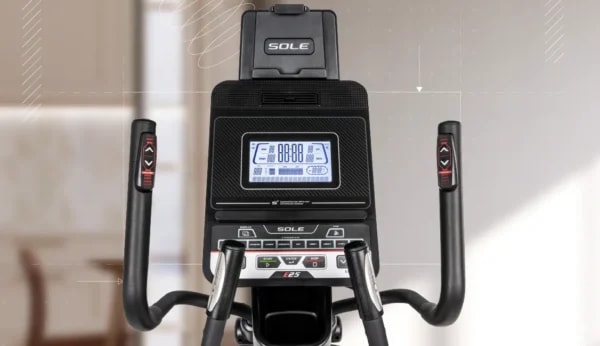
Technology has become a major factor in member satisfaction. Today's fitness consumers expect interactive experiences that go beyond basic workout tracking. Commercial ellipticals often include large touchscreen displays, internet connectivity, virtual training environments, and integrated fitness applications. These features help keep workouts engaging while providing valuable performance feedback.
Connectivity and Fitness Tracking
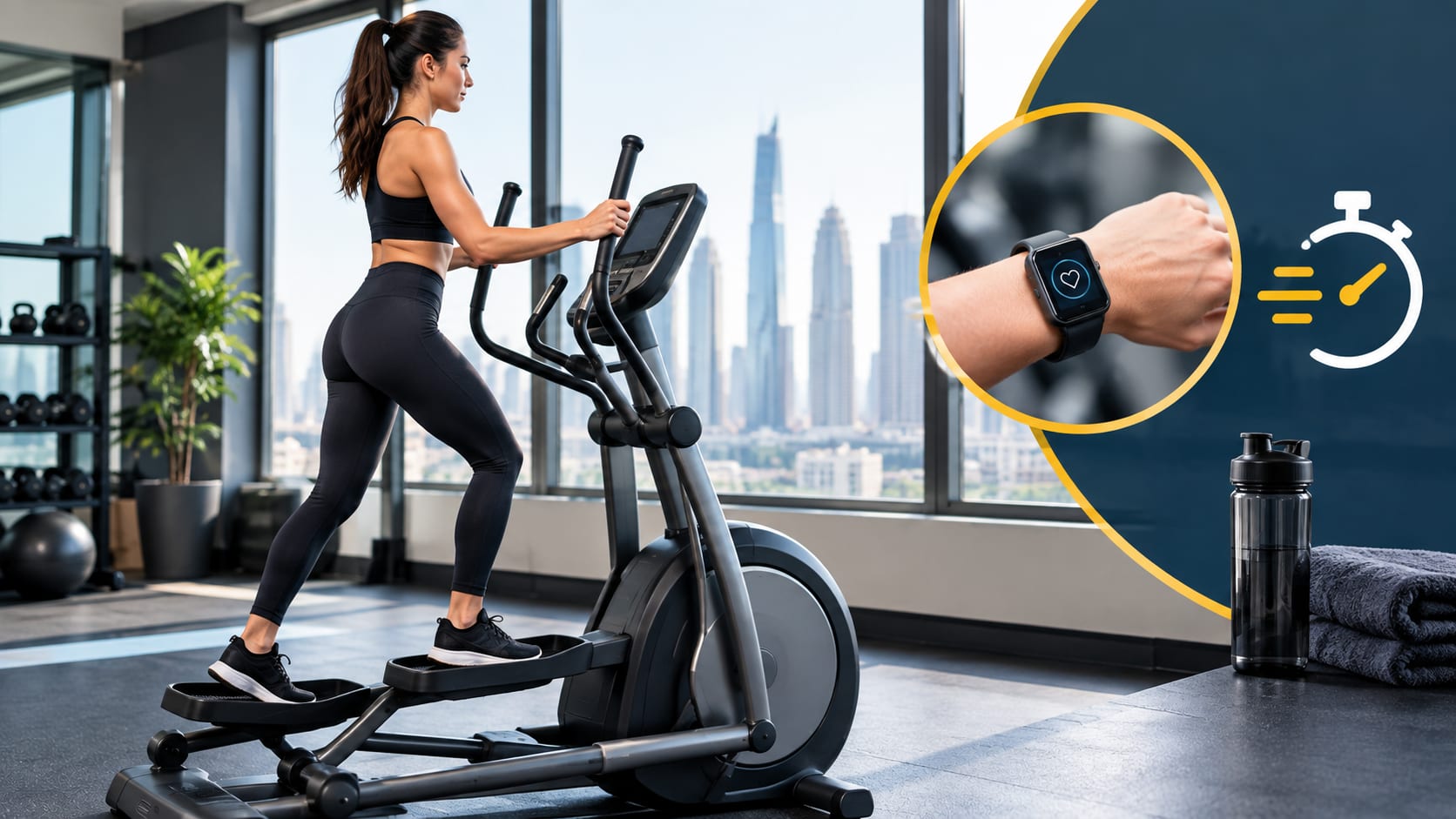
Modern members frequently use wearable devices and fitness applications to track their progress. Commercial ellipticals with Bluetooth connectivity and app integration provide a seamless user experience. Synchronizing workout data helps members monitor goals, track improvements, and remain motivated over the long term.
Maintenance Requirements and Serviceability
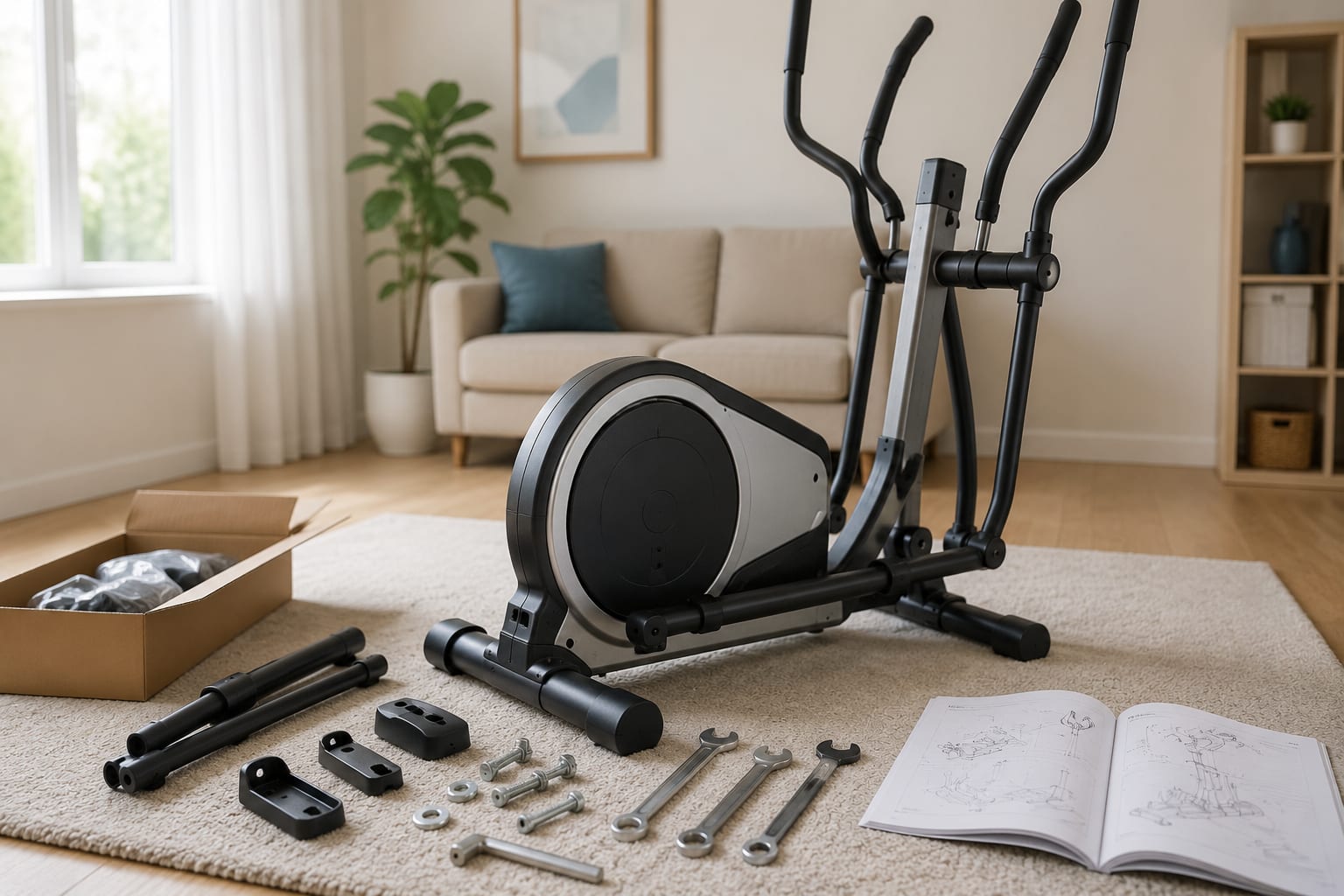
Equipment maintenance is inevitable in high-traffic facilities. Choosing ellipticals that are easy to maintain can significantly reduce operational costs and downtime. Commercial models are often designed with accessible service panels, modular components, and maintenance-friendly layouts that simplify repairs and routine servicing. This helps facilities keep equipment available for members while minimizing disruptions.
Warranty Coverage and Manufacturer Support
A strong warranty often reflects manufacturer confidence in product quality. Commercial facility owners should carefully review frame, parts, electronics, and labor warranties before purchasing equipment. Equally important is the availability of technical support and replacement parts. Reliable manufacturer support can greatly influence long-term ownership satisfaction.
Although gyms are active environments, excessive equipment noise can negatively affect the workout atmosphere. Commercial ellipticals are typically engineered to operate quietly despite heavy usage. High-quality bearings, drive systems, and structural components contribute to smooth and quiet performance, improving comfort for both members and staff.
Building a Complete Commercial Cardio Area
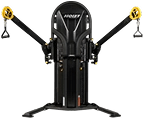
Commercial ellipticals perform best when integrated into a well-rounded cardio zone. Many fitness facilities combine ellipticals with commercial treadmills, exercise bikes, rowing machines, and stair climbers to provide members with a variety of training options. This diversity helps reduce workout monotony while allowing users to target different fitness goals. Facilities that combine premium cardio equipment with strength-training systems, functional trainers, and recovery areas create a more comprehensive fitness environment that appeals to a broader audience and supports long-term member retention.
Energy Efficiency and Operational Costs
Large fitness facilities often operate dozens of machines simultaneously. Energy-efficient equipment can help reduce operational expenses over time. Many modern commercial ellipticals incorporate self-powered systems or energy-saving technologies that reduce electricity consumption without compromising performance.
Safety Features for Commercial Use
Safety should always be a priority when selecting fitness equipment. Commercial ellipticals often include features such as oversized pedals, ergonomic handlebars, stable frames, and intuitive controls designed to improve user confidence. These features help create a safer exercise environment for members of all fitness levels.
Member Retention and Equipment Quality
Equipment quality can influence how members perceive a facility. Machines that feel smooth, reliable, and comfortable contribute to a positive workout experience. Members are more likely to return to facilities that provide high-quality equipment capable of supporting their fitness goals. Investing in premium commercial ellipticals can therefore play a role in member retention and overall business success.
Evaluating Long-Term Return on Investment
While commercial ellipticals require a larger upfront investment than residential models, their durability and longevity often provide greater value over time. Lower maintenance costs, fewer equipment replacements, improved member satisfaction, and consistent performance contribute to a stronger return on investment. Facility owners should evaluate total ownership costs rather than focusing solely on initial purchase price.
Some facility owners may consider using residential equipment to reduce upfront costs. However, home ellipticals are generally not designed for continuous daily operation. Commercial machines are built with stronger frames, larger flywheels, premium electronics, and higher-quality components specifically engineered for demanding environments. In most cases, commercial-grade equipment delivers superior value and reliability in high-traffic settings.
Understanding Peak Usage Hours and Equipment Demand
One of the most important factors when selecting commercial ellipticals is understanding when and how equipment will be used. Most fitness facilities experience peak usage periods during early mornings, lunch hours, and evenings. During these times, cardio equipment often operates continuously for several hours.
A commercial elliptical designed for high-traffic environments should be capable of handling:
•Back-to-back workouts •Continuous operation •Multiple user profiles •High resistance training •Extended workout durations
Facilities that underestimate peak usage demands often experience increased maintenance requirements and shorter equipment lifespans. Choosing equipment specifically designed for heavy daily workloads helps ensure reliable performance even during the busiest hours.
Why Member Comfort Should Be a Priority
When members choose cardio equipment, comfort often influences their decision as much as performance.
An elliptical that feels comfortable encourages longer workouts and repeat usage.
Commercial ellipticals are typically designed to accommodate a wide variety of users, making comfort a major engineering priority.
The more comfortable the machine feels, the more likely members are to include it in their regular workout routines.
Pedal Design and User Experience
Pedal design is often overlooked during equipment selection.
However, pedal placement and construction can significantly impact workout quality.
Well-designed pedals help promote:
•Natural movement patterns •Reduced joint stress •Improved comfort •Better stability
Premium commercial ellipticals frequently incorporate oversized pedals and biomechanically optimized designs that improve user experience during longer training sessions.
For facilities focused on member satisfaction, pedal design deserves careful consideration.
Why Joint-Friendly Training Matters
One reason ellipticals remain so popular is their low-impact nature.
Unlike running, elliptical workouts minimize repetitive impact on:
•Knees •Hips •Ankles •Lower back
This makes ellipticals attractive to:
•Older adults •Beginners •Rehabilitation clients •Individuals with joint concerns
Commercial facilities serving diverse populations often prioritize ellipticals because they provide effective cardiovascular exercise while remaining accessible to a broad range of users.
Accommodating Different Fitness Levels
High-traffic facilities serve people with vastly different fitness backgrounds.
These components help maintain performance despite heavy daily workloads.
Although they may not always be visible, component quality has a significant impact on equipment lifespan.
The Relationship Between Equipment Quality and Member Satisfaction
Fitness facility members notice equipment quality.
Signs of premium equipment include:
•Smooth movement •Quiet operation •Stable performance •Responsive controls •Comfortable ergonomics
Positive equipment experiences often contribute to:
•Increased member retention •Higher satisfaction scores •Better facility reputation
Because cardio equipment is among the most frequently used equipment categories, elliptical quality can influence overall member perception of the facility.
Commercial Ellipticals for Hotels and Hospitality Facilities
Hotels face unique fitness equipment requirements.
Guests expect equipment that is:
•Easy to use •Reliable •Comfortable •Suitable for all fitness levels
Commercial ellipticals are often selected because they provide professional-quality workouts without requiring extensive user instruction.
Their durability also helps accommodate guests with varying exercise habits and fitness backgrounds.
These characteristics support safe and effective rehabilitation protocols.
User Interface Simplicity and Accessibility
Advanced technology can be valuable, but usability remains essential. The best commercial ellipticals balance sophisticated functionality with intuitive operation.
Equipment that can accommodate future growth helps reduce the need for premature upgrades or replacements.
This scalability contributes significantly to long-term business planning.
Final Thoughts on Choosing Commercial Ellipticals
Selecting an elliptical for a high-traffic fitness facility is about much more than choosing a cardio machine. It involves evaluating durability, comfort, reliability, technology, maintenance requirements, and member expectations. The right commercial elliptical should be capable of delivering consistent performance day after day while accommodating users of all fitness levels. By focusing on build quality, biomechanics, serviceability, and long-term value, facility owners can make smarter purchasing decisions that support member satisfaction, operational efficiency, and sustainable business growth for years to come.
Conclusion
Choosing the right elliptical for a high-traffic fitness facility requires careful evaluation of durability, performance, comfort, technology, maintenance, and long-term value. Commercial-grade ellipticals are specifically designed to withstand continuous daily use while providing a smooth and engaging workout experience for a wide range of users. Factors such as frame construction, flywheel quality, resistance systems, stride length, technology integration, warranty coverage, and manufacturer support all play critical roles in determining equipment success. By investing in high-quality commercial ellipticals that align with facility goals and user expectations, gym owners can create a reliable cardio environment that enhances member satisfaction, supports long-term business growth, and delivers strong returns on investment.
Commercial ellipticals are generally more durable, stable, and feature-rich than home models because they are designed for continuous daily use in gyms and fitness centers. However, for most residential users, a high-quality home elliptical can provide excellent performance and value while meeting everyday fitness needs.
A commercial elliptical can last 10 years or more with proper maintenance, even in high-traffic fitness facilities. Their heavy-duty frames, premium components, and robust construction are specifically designed to withstand frequent and intensive use.
For gyms, hotels, sports clubs, and serious fitness enthusiasts, commercial ellipticals are often worth the investment due to their superior durability, smoother performance, advanced technology, and longer lifespan. For casual users, a residential elliptical may provide a more cost-effective solution while still delivering excellent workouts.




 Get a weekly dose of latest stories
and useful tips directly in your inbox!
Get a weekly dose of latest stories
and useful tips directly in your inbox!


 0
0







































 Price Match Guarantee
 Free Shipping
 Product Warranty
 After-Sale Support
 Have Coupon Code?
 You'll Save 0.00 On This Order
 Safe And Secure Payments. Easy Returns. 100% Genuine Products