Spin bikes have become one of the most popular pieces of cardio equipment in gyms, fitness studios, and home workout spaces around the world. Their ability to deliver challenging workouts, burn calories, and improve cardiovascular fitness has made them a favorite among beginners and experienced athletes alike. From high intensity interval training sessions to endurance rides, spin bikes offer a versatile way to stay active without relying on outdoor cycling. However, one question continues to come up among people looking to invest in one: are spin bikes actually good for full body workouts?
It is easy to understand why this question is so common. At first glance, cycling appears to be an activity that only works the legs. Many people assume that because you are pedaling throughout the workout, your upper body remains inactive. Others believe that a spin bike can completely replace strength training and provide a total body workout on its own. The truth lies somewhere in between. While spin bikes primarily target the lower body, they also engage several other muscle groups that play an important role in maintaining posture, stability, and overall performance during every ride.
Understanding how a spin bike works can help you set realistic expectations and build a more effective fitness routine. Rather than focusing only on calorie burn, it is important to consider how the body responds during different riding positions, resistance levels, and workout styles. Standing climbs, sprint intervals, and long endurance rides all challenge your muscles in different ways, making spin bikes much more than a simple cardio machine.
Another reason spin bikes continue to grow in popularity is their accessibility. They allow people to train regardless of weather conditions, require relatively little space compared to larger cardio equipment, and accommodate users with different fitness levels. Whether your goal is improving cardiovascular health, increasing endurance, losing weight, or enhancing athletic performance, a spin bike offers a practical and engaging way to stay consistent with your workouts.
At the same time, it is important to recognize the role a spin bike plays within a complete fitness program. While it delivers excellent cardiovascular conditioning and strengthens many muscles throughout the body, it is not designed to replace every form of exercise. Understanding its strengths, limitations, and the muscles it activates allows you to use it more effectively and achieve better long term results.
In this guide, we will explore whether spin bikes can truly be considered full body workout machines, explain which muscles they target, discuss their cardiovascular and fitness benefits, and share practical tips to help you get the most from every indoor cycling session.
Editorial Disclaimer
Lifetime Fitness Store does not provide medical or fitness advice. This article is intended for educational and informational purposes only. Always consult a qualified healthcare professional or certified fitness expert before beginning a new exercise program, especially if you have an existing medical condition or injury.
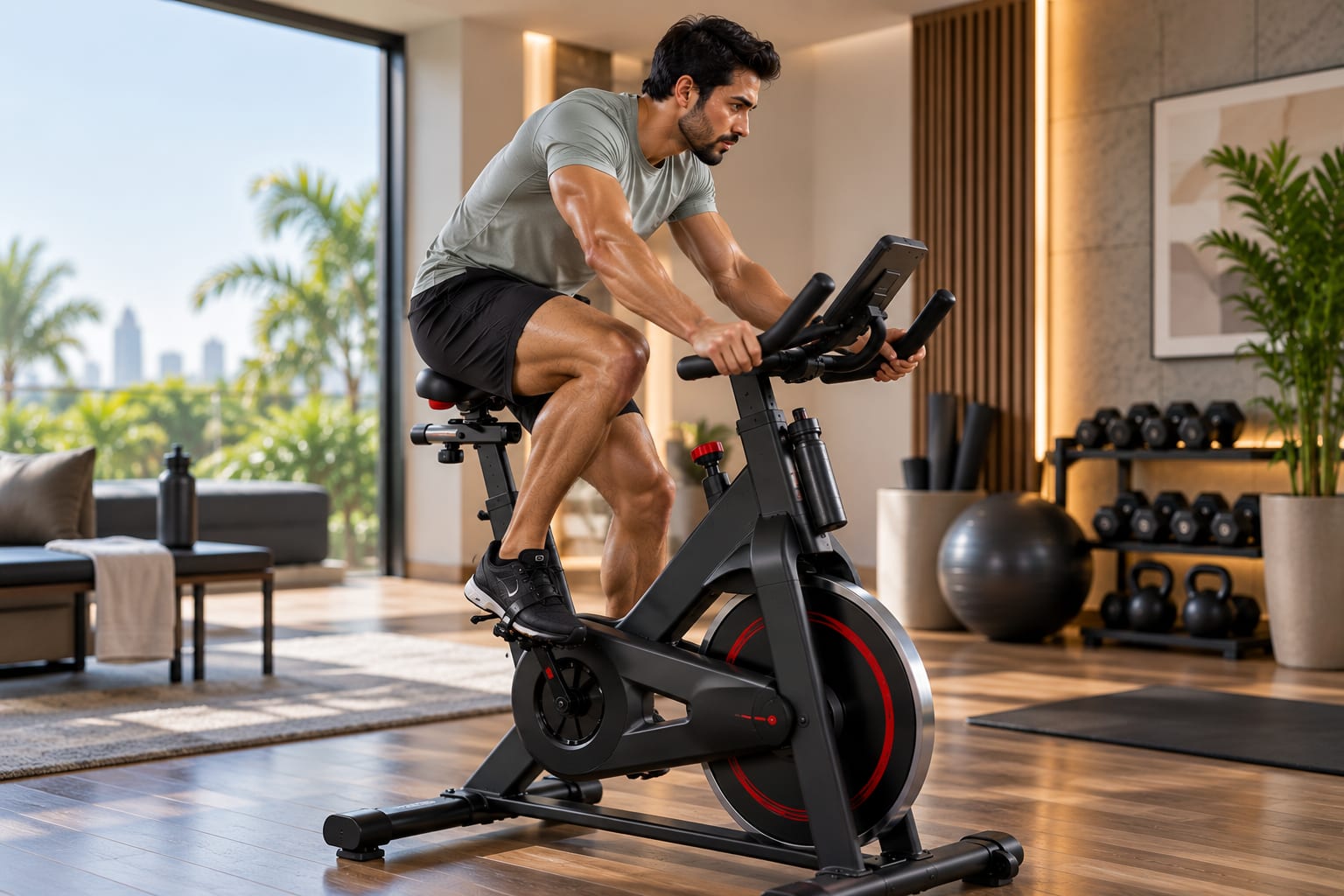
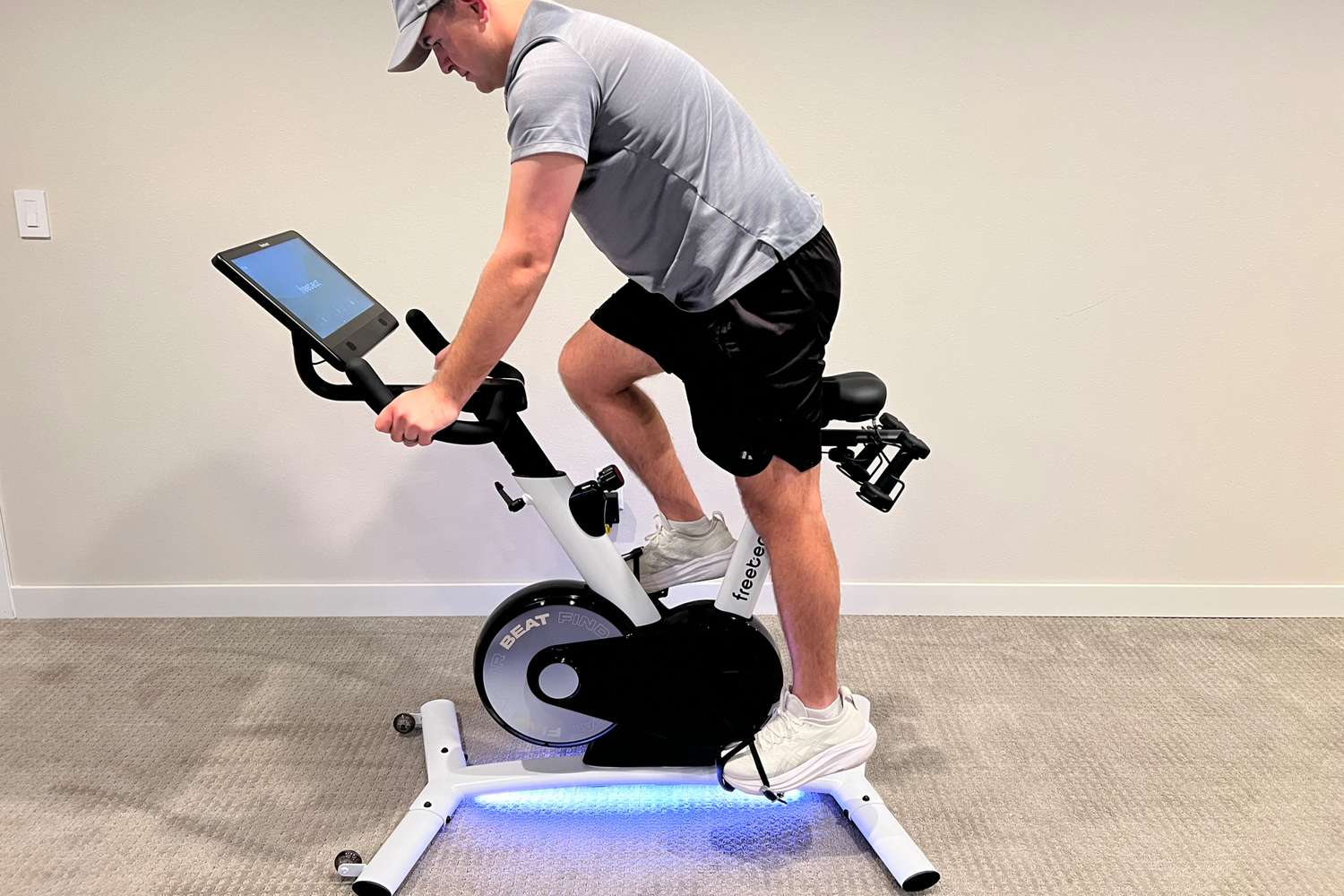
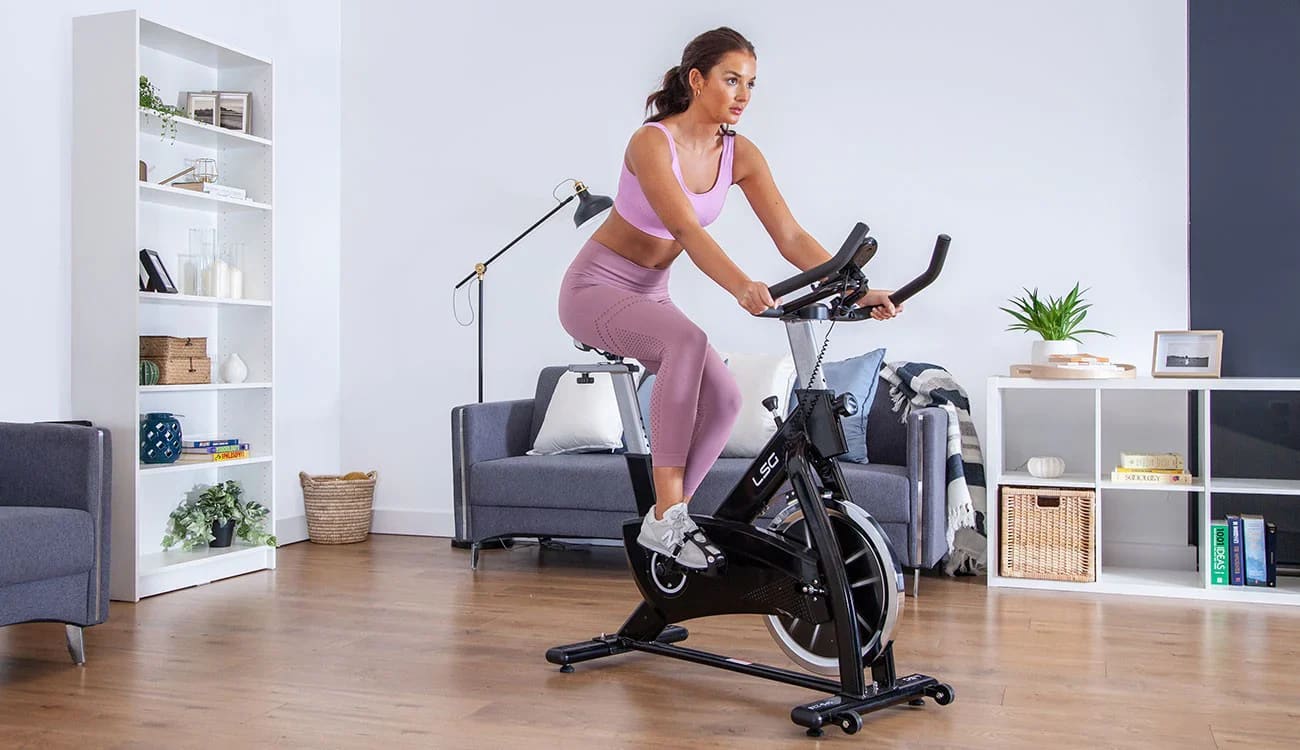
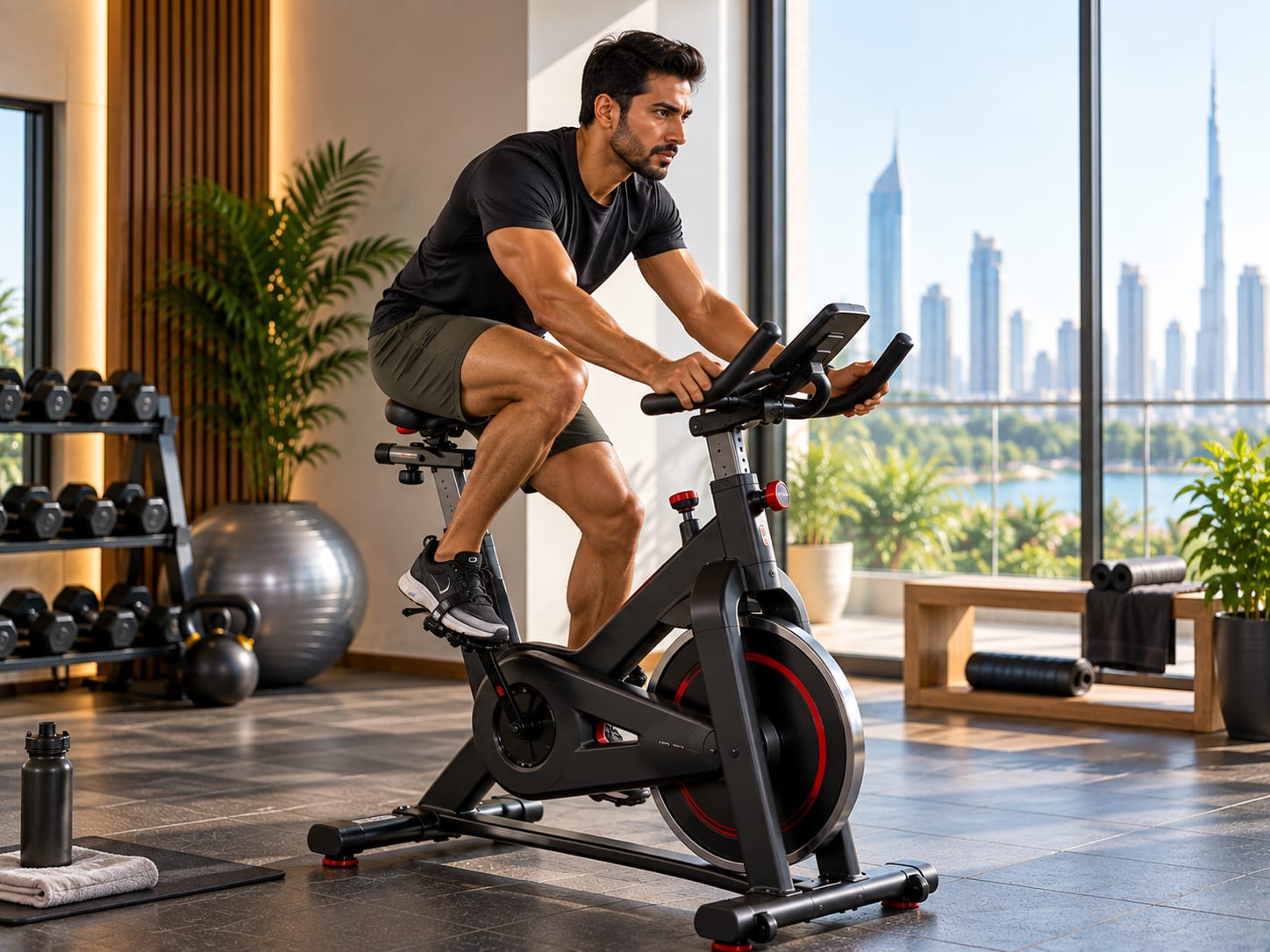
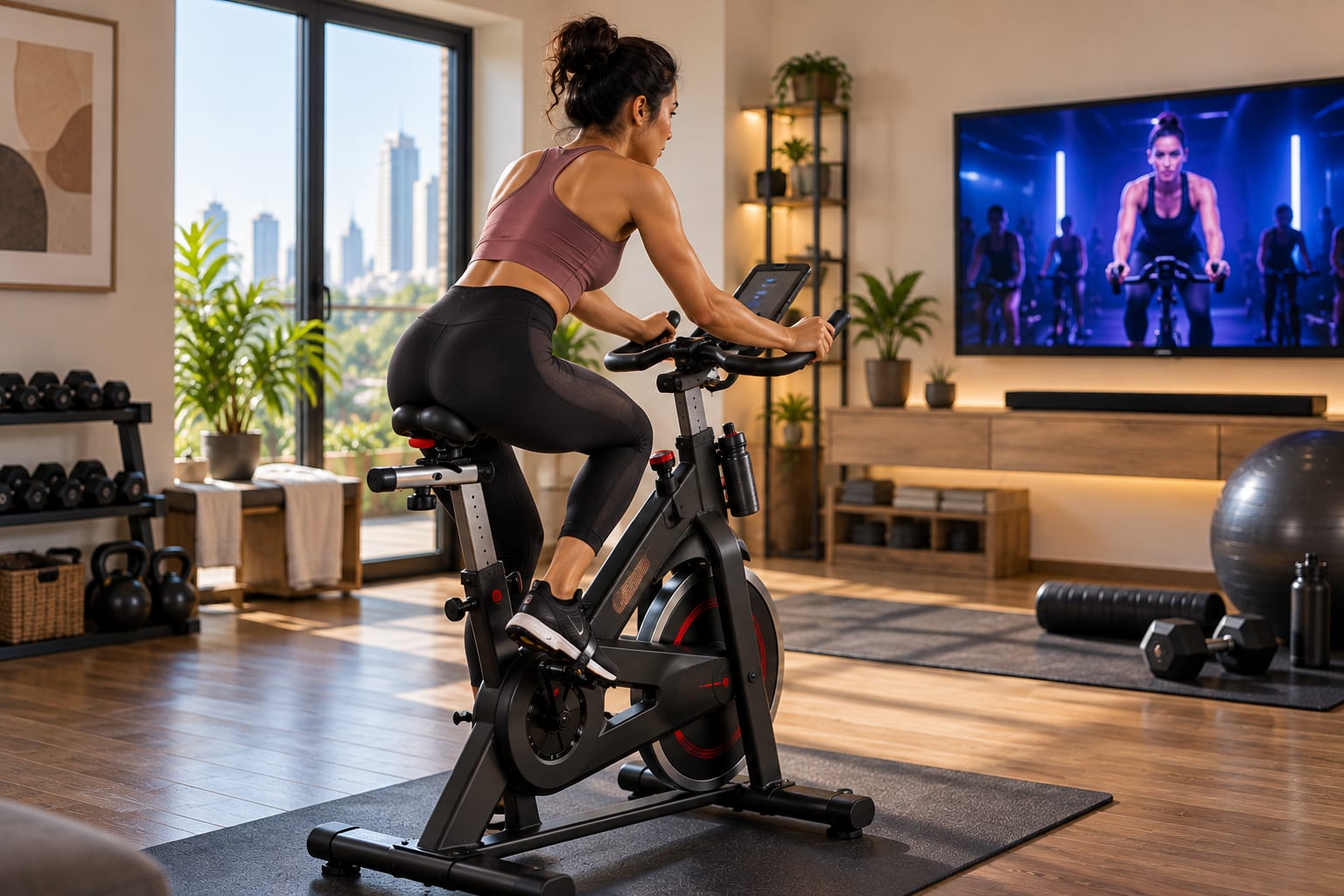
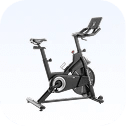
A spin bike, also known as an indoor cycling bike, is a stationary exercise bike designed to replicate the experience of riding a road bicycle. Unlike traditional upright exercise bikes, spin bikes are built for higher intensity workouts and feature a riding position that encourages users to lean slightly forward while maintaining an active posture throughout the session.
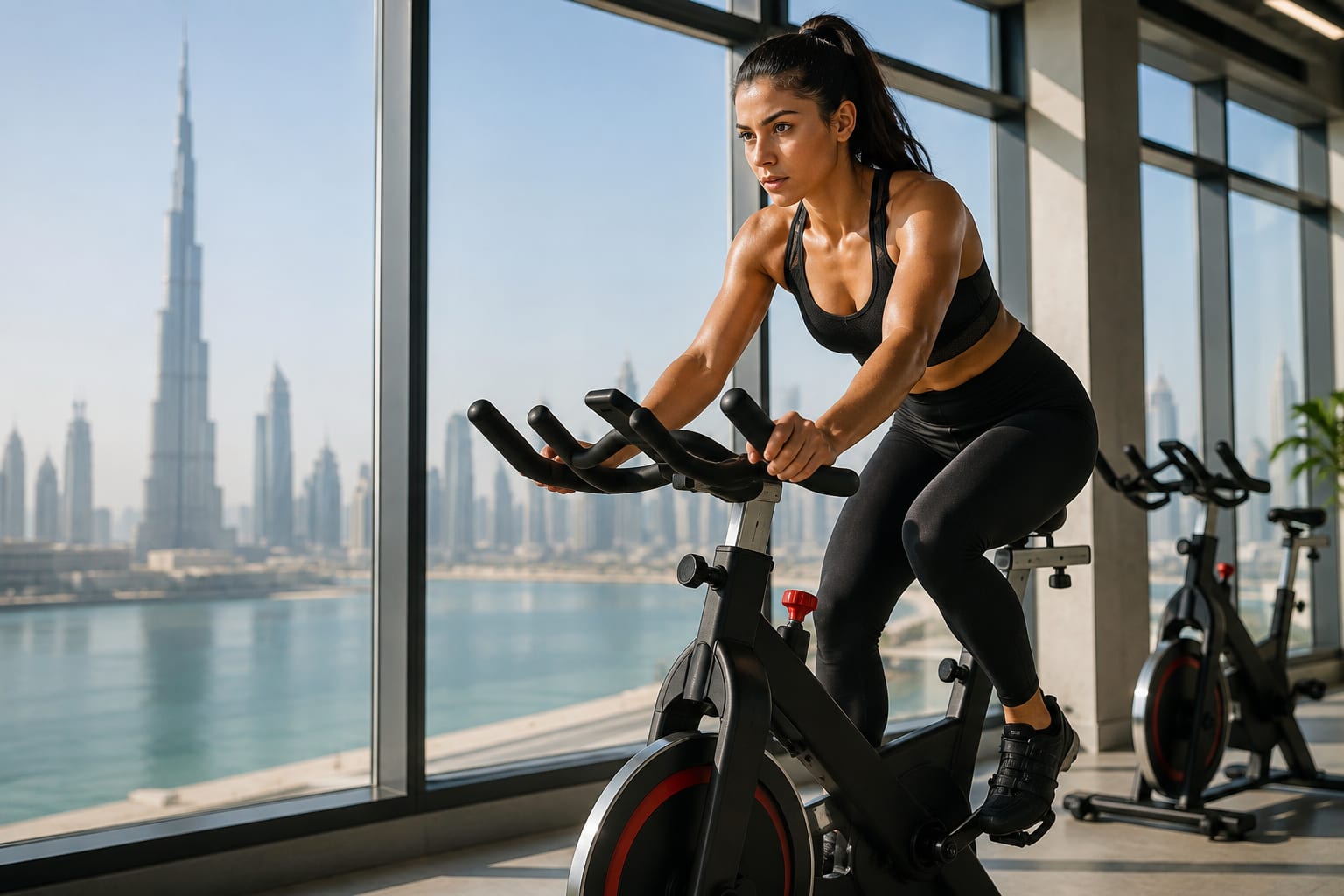
One of the defining features of a spin bike is its heavy flywheel. The flywheel creates continuous momentum once it begins rotating, producing a smooth and realistic cycling experience. This allows riders to perform steady endurance rides, powerful sprint intervals, and simulated hill climbs with resistance that closely resembles outdoor cycling.
Spin bikes also offer adjustable resistance, allowing users to increase or decrease workout intensity depending on their goals. Lower resistance levels are ideal for recovery rides and endurance training, while higher resistance creates more demanding workouts that challenge muscular endurance and cardiovascular fitness. Many modern spin bikes also include adjustable handlebars and seats to ensure proper riding posture and improve overall comfort.
Unlike standard exercise bikes that focus primarily on comfort and moderate intensity cardio, spin bikes are designed to encourage movement variation. Riders frequently alternate between seated cycling and standing climbs, creating dynamic workouts that activate multiple muscle groups while improving balance and coordination.
This combination of realistic cycling mechanics, adjustable resistance, and varied riding positions makes spin bikes one of the most versatile cardio machines available today.
What Is Considered a Full Body Workout?
Before determining whether a spin bike provides a full body workout, it is important to understand what that term actually means. A full body workout is generally defined as physical activity that engages most of the major muscle groups throughout the body while also improving cardiovascular fitness and overall functional movement.
A true full body workout typically involves the lower body, upper body, and core working together during the same exercise session. Large muscle groups such as the quadriceps, hamstrings, glutes, chest, shoulders, back, and abdominal muscles all contribute to producing movement or maintaining stability. Exercises like rowing, swimming, and certain functional strength training routines are often considered classic examples because they require coordinated effort from nearly every major muscle group.
However, not every muscle group needs to perform the same amount of work for an exercise to deliver whole body benefits. Many forms of cardio primarily target one area while requiring other muscles to stabilize the body, maintain posture, or assist movement. This distinction is important when evaluating spin bikes because although the legs generate most of the power, several additional muscle groups remain active throughout the workout.
Cardiovascular conditioning is another essential component of a full body fitness routine. Activities that elevate the heart rate improve oxygen delivery, strengthen the heart and lungs, and increase endurance while supporting overall health. A spin bike excels in this area by providing effective cardiovascular training alongside muscular endurance development.
Rather than asking whether a spin bike trains every muscle equally, a better question is whether it activates enough muscle groups to contribute meaningfully to total body fitness. The answer depends largely on how the bike is used and the style of workout performed.
Do Spin Bikes Provide a Full Body Workout?
The simple answer is that a spin bike does not provide a complete full body strength workout on its own, but it does engage far more than just your legs. Every ride requires coordinated effort from multiple muscle groups that work together to maintain posture, generate power, stabilize movement, and support efficient cycling technique.
The lower body remains the primary source of power throughout the workout. Every pedal stroke activates the quadriceps, hamstrings, calves, glutes, and hip muscles as they work together to rotate the pedals. These muscles continue working throughout the session, particularly during climbs and higher resistance intervals where greater force is required.
The core also plays a much bigger role than many people realize. Your abdominal muscles and lower back help stabilize your body, especially during standing climbs and faster sprint intervals. A strong core allows you to transfer power more efficiently from your legs while maintaining proper posture throughout the ride.
The upper body contributes mainly through stabilization rather than strength production. Your shoulders, forearms, and upper back remain engaged as you hold the handlebars, control your balance, and support your body during standing efforts. Although these muscles do not receive the same workload as they would during resistance training, they remain active throughout the workout.
For this reason, a spin bike is best viewed as a lower body focused cardio machine that also engages the core and upper body for support and stability. When combined with regular strength training, it becomes an excellent part of a complete full body fitness routine.
Although spin bikes are often associated with leg workouts, they actually engage several major muscle groups throughout the body. The primary muscles involved are the quadriceps, hamstrings, glutes, calves, and hip flexors, all of which work together to generate the force needed to pedal efficiently. Every rotation of the pedals requires these muscles to contract and relax continuously, making indoor cycling an excellent way to improve muscular endurance and lower body conditioning.
The quadriceps play a major role during the downward phase of each pedal stroke, producing much of the power needed to keep the flywheel moving. The hamstrings assist during the upward phase, helping create a smoother and more efficient cycling motion. Meanwhile, the glutes contribute significantly during climbs and higher resistance rides, particularly when you pedal out of the saddle.
Your calves also remain active throughout the workout, helping stabilize the ankle while contributing to every pedal stroke. At the same time, the hip flexors assist in lifting the legs during continuous cycling, especially when maintaining a faster cadence.
Beyond the lower body, your abdominal muscles, lower back, shoulders, forearms, and upper back work continuously to stabilize your posture. While these muscles are not producing the primary movement, they play an essential role in maintaining balance and supporting efficient riding technique.
How Your Core Works During Indoor Cycling
The core is often overlooked during cycling, but it is one of the most important muscle groups involved in every ride. Rather than creating movement directly, the core acts as the body's stabilizing system, helping maintain posture and transfer power efficiently from the lower body.
When riding in a seated position, your abdominal muscles help prevent unnecessary upper body movement while supporting your spine. This allows more of the energy generated by your legs to be transferred into the pedals instead of being lost through excessive body movement.
Core engagement becomes even more important during standing climbs and sprint intervals. As you rise from the saddle, your body naturally becomes less stable. Your abdominal muscles, obliques, and lower back work harder to maintain balance while controlling side to side movement. This increased activation makes standing intervals one of the most demanding parts of an indoor cycling workout.
Maintaining a strong core also improves riding posture. Instead of placing excessive weight on the handlebars, a properly engaged core supports the upper body, reducing strain on the shoulders, wrists, and lower back. Over time, regular cycling can improve core endurance, helping you maintain better posture both on and off the bike.
Although cycling alone is not a substitute for dedicated core training, it contributes significantly to core stability and muscular endurance when performed with proper technique.
Does the Upper Body Get a Workout?
One of the biggest misconceptions about spin bikes is that the upper body remains completely inactive during every ride. While it is true that the legs perform most of the work, the upper body plays an important supporting role throughout the workout.
Your shoulders, arms, forearms, and upper back remain engaged as you hold the handlebars and stabilize your body. During seated rides, these muscles work isometrically, meaning they contract without producing large movements. Their primary purpose is to maintain posture and provide stability rather than generate power.
During standing climbs and sprint intervals, upper body involvement increases noticeably. As you shift your weight from the saddle, your shoulders and arms help support your body while controlling movement over the bike. Your grip strength also improves gradually because your hands remain in contact with the handlebars throughout the workout.
However, it is important to set realistic expectations. A spin bike is not designed to build significant upper body muscle mass in the same way as resistance training exercises such as push ups, pull ups, or weightlifting. Instead, it develops muscular endurance and stability that support efficient cycling performance.
For individuals seeking complete upper body strength development, combining indoor cycling with a structured resistance training program produces far more balanced results.
Lower Body Benefits
The lower body receives the greatest training stimulus during every spin bike workout. Because the pedals move continuously throughout the session, the leg muscles remain active from start to finish, making cycling one of the most effective forms of endurance training for the lower body.
The quadriceps become stronger as they repeatedly generate power during every downward pedal stroke. The hamstrings contribute by controlling the upward phase of the movement, while the glutes become increasingly active as resistance levels rise. During hill climbs and heavy resistance intervals, these muscles work together to produce greater force, helping improve both muscular endurance and functional strength.
Regular spin bike workouts also improve coordination between the different muscle groups in the legs. Instead of relying on a single muscle, cycling encourages smooth, efficient movement patterns that distribute the workload evenly throughout the lower body.
Over time, these adaptations improve cycling efficiency while making everyday activities such as walking, climbing stairs, and standing from a seated position feel easier. Individuals who participate in recreational cycling or endurance sports may also notice improvements in overall leg stamina and pedaling efficiency.
Cardiovascular Benefits of Spin Bike Workouts
While muscle engagement is important, one of the greatest strengths of a spin bike lies in its ability to improve cardiovascular health. Every ride challenges the heart and lungs to deliver oxygen more efficiently throughout the body, gradually increasing endurance and overall fitness.
As your heart rate rises during cycling, your cardiovascular system becomes stronger and more efficient. Over time, regular spin bike workouts can improve circulation, enhance oxygen delivery to working muscles, and increase stamina for both exercise and daily activities.
Spin bikes are particularly effective for interval training because resistance and pedaling speed can be adjusted quickly. Alternating between periods of high intensity effort and active recovery challenges the cardiovascular system while helping improve both aerobic and anaerobic fitness.
Consistent cardiovascular exercise is associated with numerous long term health benefits, including improved heart function, healthier blood pressure, increased energy levels, and better overall endurance. For people looking to improve their general fitness while enjoying an engaging indoor workout, spin bikes provide an efficient and highly adaptable solution.
Another advantage is the ability to tailor workout intensity according to individual fitness levels. Beginners can enjoy comfortable steady rides, while experienced users can challenge themselves with demanding sprint intervals and endurance sessions, ensuring continued progress regardless of experience.
Can Spin Bikes Help Build Muscle?
One of the most common questions about indoor cycling is whether it can build muscle. The answer depends on what type of muscle development you are expecting.
Spin bikes are highly effective at improving muscular endurance. The repeated pedaling motion teaches the muscles to perform efficiently over long periods, allowing riders to maintain power and endurance throughout extended workouts. Higher resistance levels also challenge the legs more intensely, contributing to improvements in muscular strength, particularly for beginners.
However, cycling is not the most effective method for maximizing muscle size. Building significant muscle mass generally requires progressive resistance training using heavier external loads that create greater mechanical tension within the muscles. While a spin bike increases muscular endurance and conditions the lower body exceptionally well, it does not provide the same stimulus as traditional strength training.
That said, stronger does not always mean bigger. Many people use spin bikes to develop lean, toned legs while improving cardiovascular fitness and overall athletic performance. When combined with proper nutrition and a balanced fitness routine, indoor cycling can contribute to a well conditioned and athletic physique.
For those seeking complete physical development, pairing regular spin bike sessions with resistance training offers the best combination of cardiovascular fitness, muscular strength, and overall body conditioning.
Spin bikes have become one of the most popular cardio machines for people looking to lose weight, and for good reason. They combine cardiovascular exercise with muscular endurance training, allowing users to burn a significant number of calories while improving overall fitness. However, it is important to understand that no exercise machine can guarantee weight loss on its own. Sustainable weight loss occurs when regular physical activity is combined with healthy eating habits and a consistent fitness routine.
One of the biggest advantages of a spin bike is its ability to accommodate different workout styles. Steady endurance rides help increase daily calorie expenditure, while high intensity interval training sessions challenge the body to work harder in shorter periods of time. Alternating between these workout styles not only prevents boredom but also helps improve cardiovascular fitness while supporting long term fat loss goals.
The resistance on a spin bike can also be adjusted according to your fitness level. Increasing resistance during climbs or interval sessions requires your leg muscles to generate more force, making your body work harder throughout the ride. As your fitness improves, progressively increasing the difficulty of your workouts helps maintain steady progress while preventing plateaus.
Consistency remains the most important factor. Riding a spin bike several times each week while maintaining balanced nutrition is far more effective than relying on occasional intense workouts. Over time, regular cycling can contribute to improved body composition, increased endurance, and better overall health.
How to Make a Spin Bike Workout Feel More Like a Full Body Workout
Although a spin bike primarily targets the lower body, there are several ways to increase overall muscle engagement during your workouts. Small adjustments to your technique and workout structure can encourage greater activation of your core and upper body while improving the quality of each session.
One of the most effective methods is incorporating standing climbs into your routine. Standing out of the saddle requires your abdominal muscles, lower back, shoulders, and arms to work together to stabilize your body while your legs continue generating power. These intervals create a more dynamic workout than remaining seated throughout the entire session.
Focusing on proper posture also makes a noticeable difference. Instead of leaning heavily on the handlebars, engage your core to support your upper body while maintaining relaxed shoulders. This encourages better muscle activation and improves cycling efficiency without placing unnecessary stress on your wrists or lower back.
Varying your resistance throughout the workout can also increase muscle involvement. Alternating between lighter resistance for faster cadence and heavier resistance for simulated hill climbs challenges your muscles in different ways while keeping your workouts engaging.
Finally, remember that a spin bike works best as part of a balanced fitness routine. Combining regular cycling sessions with dedicated strength training helps ensure that every major muscle group receives appropriate attention. This approach creates a more complete fitness program while improving overall strength, endurance, and mobility.
Common Mistakes to Avoid
Using a spin bike correctly is essential for achieving the best possible results. One of the most common mistakes is relying too heavily on the handlebars. Supporting excessive body weight with your arms reduces core engagement and places unnecessary pressure on your shoulders, wrists, and neck. Instead, allow your legs and core to do most of the work while keeping a light grip on the handlebars.
Incorrect bike setup is another frequent problem. A seat that is too high or too low changes your pedaling mechanics and may lead to discomfort in the knees, hips, or lower back. Taking a few moments to adjust the seat height and handlebar position before each ride helps improve both comfort and performance.
Many riders also make the mistake of using resistance that is either too light or too heavy. Very low resistance encourages poor pedaling technique and excessive bouncing in the saddle, while resistance that is too high can place unnecessary stress on the joints and reduce workout efficiency. Choosing a resistance level that allows smooth, controlled pedaling is far more beneficial than simply selecting the hardest setting.
Skipping the warm up and cool down is another habit that should be avoided. Beginning every session with a few minutes of gentle cycling prepares your muscles and cardiovascular system for exercise, while cooling down afterward allows your heart rate to recover gradually and helps reduce muscle tightness.
Perhaps the biggest mistake is expecting immediate results. Improving fitness, endurance, and body composition takes time. Staying consistent with your workouts while gradually increasing intensity will always produce better long term progress than trying to push yourself to exhaustion every session.
Who Should Choose a Spin Bike?
Spin bikes are suitable for a wide range of users because they offer flexibility in both workout intensity and training style. Beginners can start with shorter rides and lighter resistance while gradually building confidence and endurance. As fitness improves, resistance and workout duration can be increased to provide new challenges and continued progress.
People looking to improve cardiovascular health often find spin bikes particularly effective because they allow sustained aerobic exercise while also supporting interval training. The ability to adjust resistance makes it easy to personalize every workout according to individual fitness goals.
Spin bikes are also an excellent option for individuals interested in weight management, endurance training, or improving lower body conditioning. Their compact design makes them suitable for home gyms, while the variety of workouts available helps prevent boredom and encourages long term consistency.
Recreational cyclists frequently use spin bikes to maintain fitness during unfavorable weather conditions or when outdoor riding is not possible. The realistic riding position and adjustable resistance provide an experience that closely resembles road cycling while allowing structured indoor training throughout the year.
Ultimately, a spin bike is an excellent investment for anyone who enjoys challenging cardio workouts and wants a versatile machine capable of supporting multiple fitness goals.
Conclusion
Spin bikes have earned their reputation as one of the most effective cardio machines available today, but they are often misunderstood when it comes to full body workouts. While they primarily target the lower body, they also engage the core and upper body to maintain balance, posture, and stability throughout every ride. This coordinated muscle activation makes indoor cycling far more comprehensive than many people initially expect.
The real strength of a spin bike lies in its versatility. Whether your goal is improving cardiovascular fitness, increasing endurance, supporting weight management, or strengthening your lower body, it provides an engaging and efficient way to stay active. From steady endurance rides to challenging interval sessions, the variety of workouts available helps keep training enjoyable while encouraging long term consistency.
It is also important to recognize that no single piece of fitness equipment can do everything. A spin bike excels at cardiovascular conditioning and muscular endurance, but combining it with regular strength training, flexibility exercises, and proper recovery creates a more complete approach to overall fitness. This balanced routine ensures that every major muscle group receives appropriate attention while reducing the risk of overuse and improving long term performance.
If you are looking for a machine that delivers challenging cardio workouts, improves lower body strength, engages your core, and supports a healthier lifestyle, a spin bike is an excellent choice. While it may not be a complete full body strength machine on its own, it remains one of the most effective tools for building endurance, burning calories, and improving total body fitness when used as part of a well rounded exercise program.
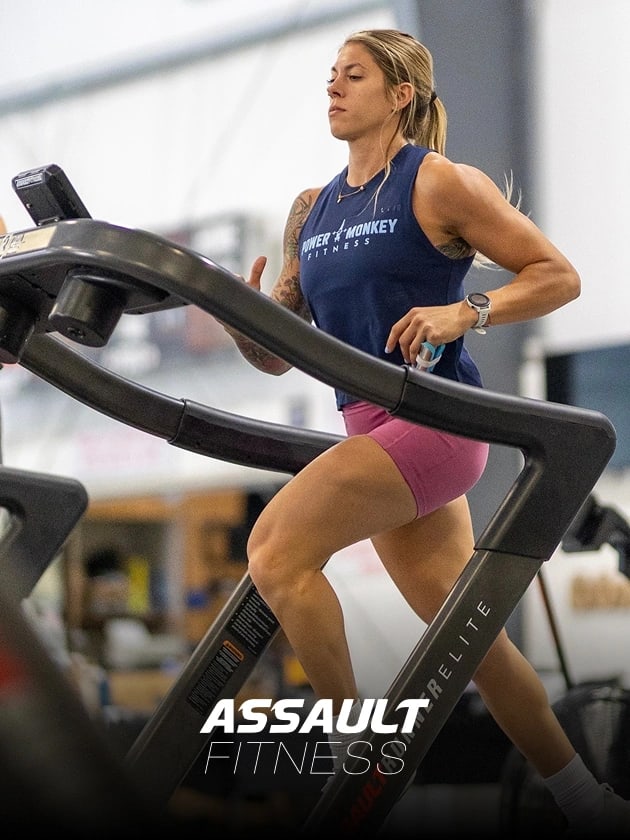
Both machines provide excellent cardiovascular exercise, but they serve different purposes. A spin bike offers a low impact workout that places less stress on the joints while improving lower body endurance and cardiovascular fitness. A treadmill more closely replicates walking or running and may burn similar or higher calories depending on workout intensity. The better choice depends on your fitness goals, preferences, and any existing joint concerns.
A spin bike improves muscular endurance, cardiovascular fitness, and lower body conditioning, but it does not replace a complete strength training program. While it activates the legs, core, and stabilizing muscles, dedicated resistance training is still needed to build significant upper body strength and overall muscle mass. Combining cycling with strength exercises provides the most balanced approach to fitness.
Calorie expenditure varies depending on your body weight, workout duration, resistance level, and exercise intensity. A moderate cycling session generally burns a substantial number of calories, while high intensity interval workouts often increase calorie expenditure even further. Consistent training combined with balanced nutrition contributes most effectively to long term weight management.
Yes. Beginners can easily adjust the resistance to match their fitness level and gradually increase workout intensity as they become stronger. Starting with shorter rides and focusing on proper bike setup and technique helps create a comfortable and enjoyable introduction to indoor cycling.




 Get a weekly dose of latest stories
and useful tips directly in your inbox!
Get a weekly dose of latest stories
and useful tips directly in your inbox!


 0
0





































































 Price Match Guarantee
 Free Shipping
 Product Warranty
 After-Sale Support
 Have Coupon Code?
 You'll Save 0.00 On This Order
 Safe And Secure Payments. Easy Returns. 100% Genuine Products