We are living in an era where people often complain about lack of time to enhance their physical and mental wellbeing. Imagine having a gym inside your apartment or residential building. Don’t you think it is a big boon for fitness freaks in today’s times? Those who crib about time and space constraints get to enjoy the convenience of working out without travelling to a fitness centre far from your home. For building owners, a well-designed gym adds value to the residential experience.
However, setting up an effective residential gym is quite different from building a large commercial fitness centre. The available space is limited, several residents may use the facility around the same time, and the equipment needs to be chosen carefully.
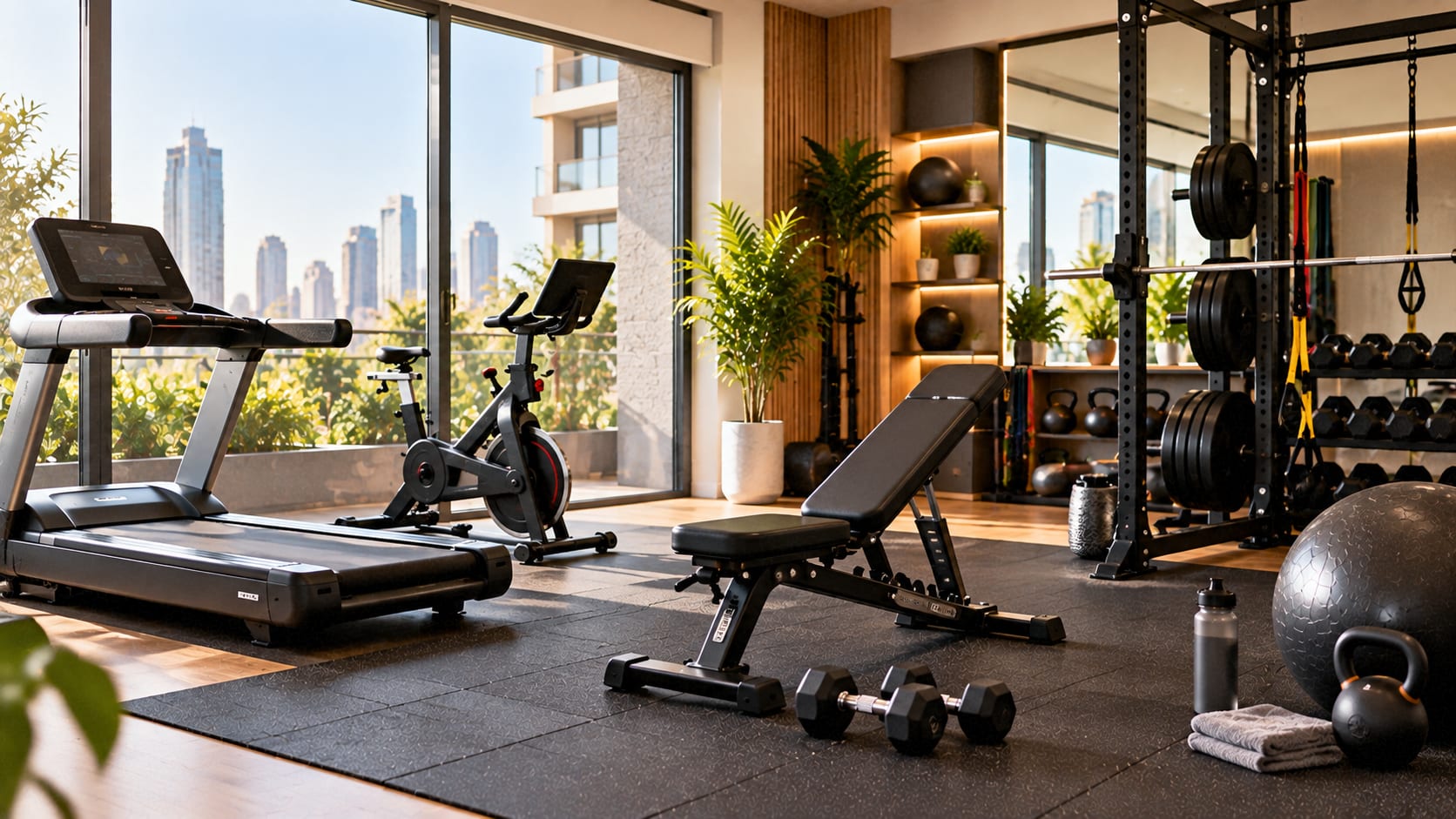
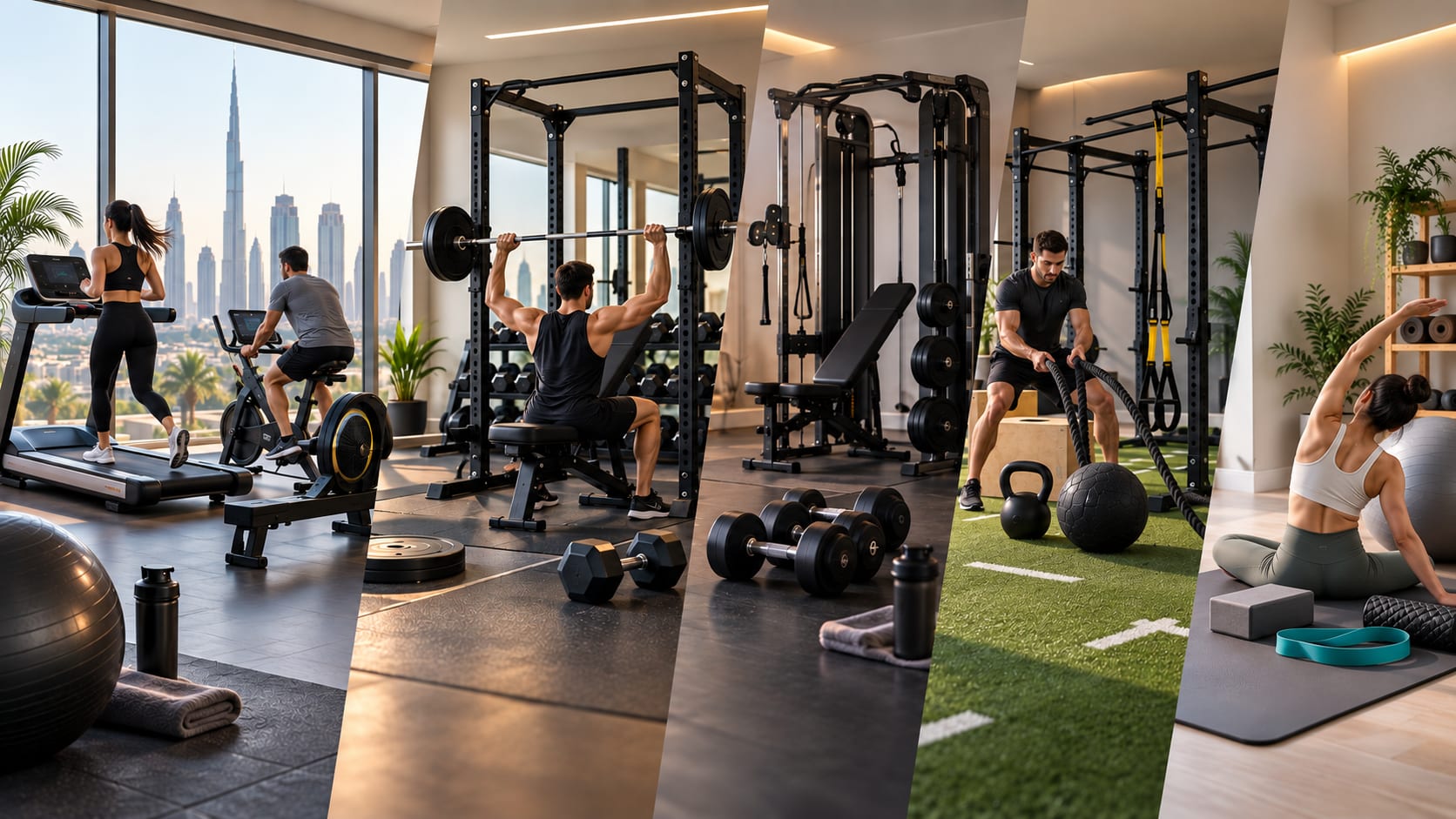
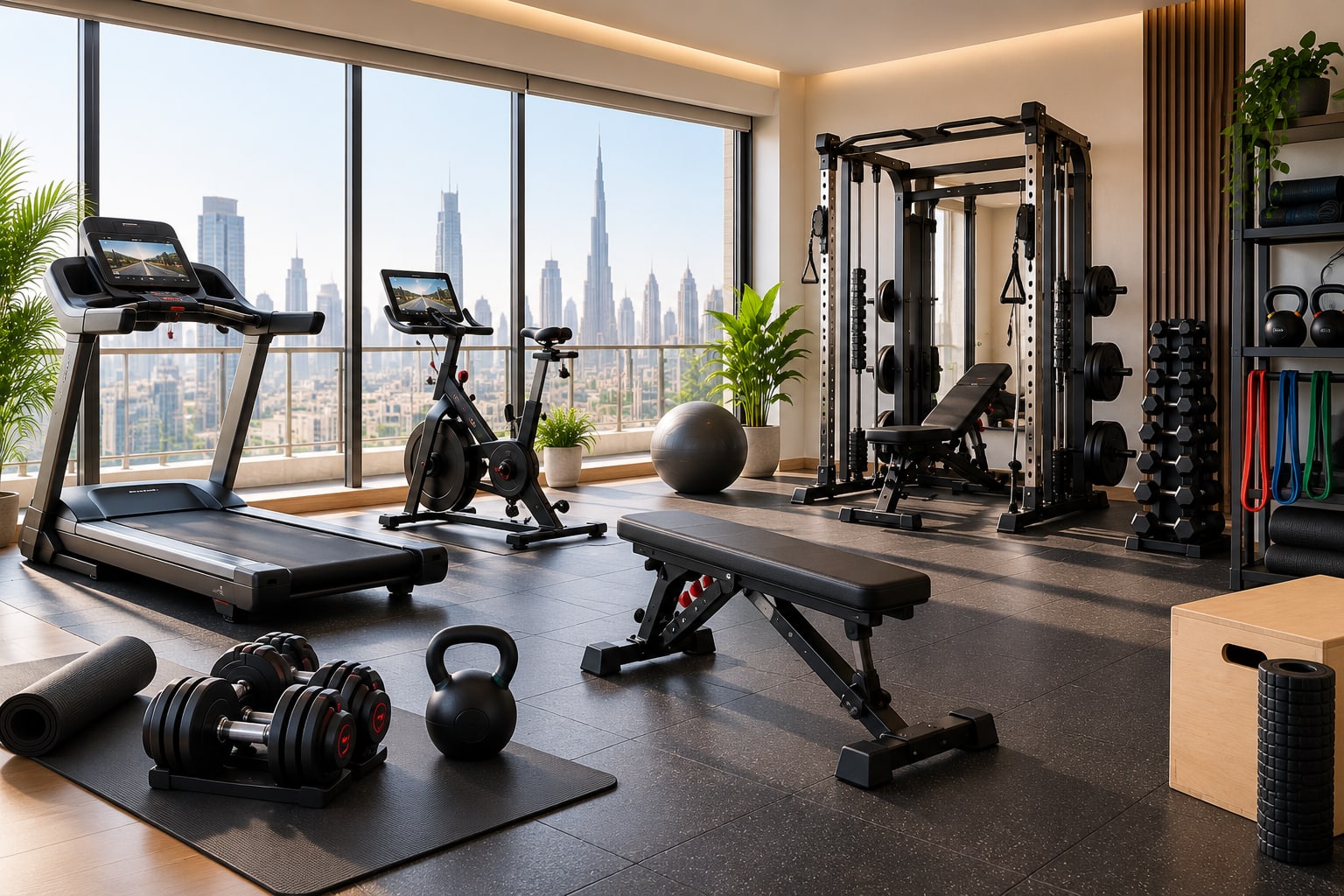
According to experts, a good residential gym does not need dozens of machines. What is important is the right combination of cardio equipment, functional strength equipment, flooring and open space. The layout factor matters as well. The residents should be able to move from one area to another without any hassles.
This blog elucidates how to plan apartment and residential gym equipment by focusing on aspects like compact layouts, cardio and functional strength equipment, flooring, access flow, delivery, installation, and product availability.
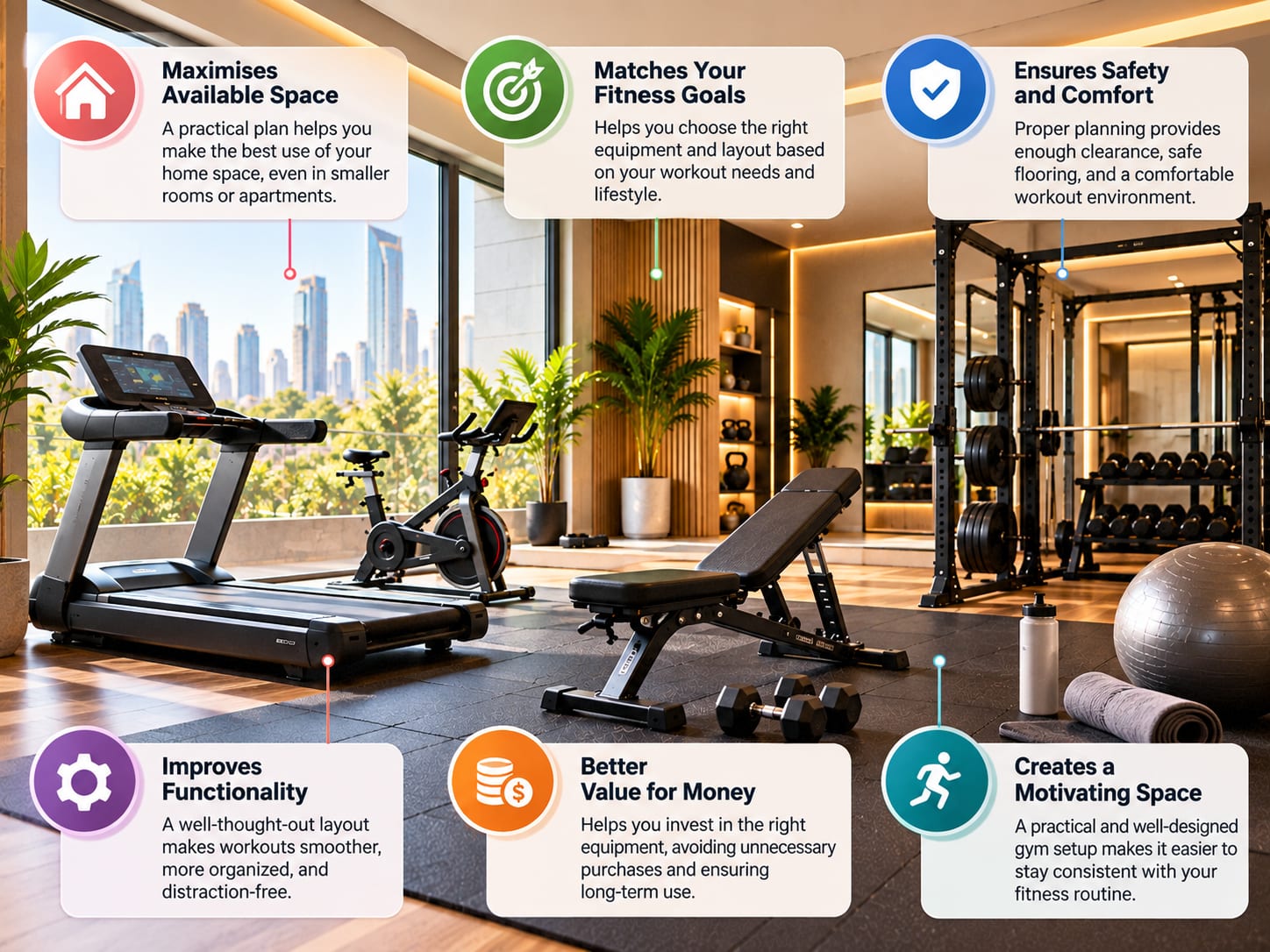
Why Does Residential Gym Planning Need a Practical Approach?
A residential gym is generally shared by people with various fitness goals. One resident may want to walk on a treadmill. Another may want to use dumbbells. Someone else may prefer cycling or functional training.
Needless to say, the equipment collection needs to suit different types of users. Having said that, space is often limited, unlike the scenario in commercial gyms. Hence, it is advised to choose equipment appropriately instead of filling the room with every machine available.
For example, a treadmill can be useful for activities like walking, jogging and cardio workouts. A functional trainer can support several strength exercises. Dumbbells can be used for basic exercises to more advanced strength workouts.
Apartment & Residential Gym: Begin With the Available Space
Before buying any equipment, measure the gym area. Look at the following aspects:
Total floor area
Room length and width
Ceiling height
Doorways
Lift access
Windows
Pillars
Electrical points
Air-conditioning units
Emergency exits
Do not just measure the empty area. Consider the space required around each machine. A treadmill, for example, has its own footprint, but residents also need space to use it comfortably.
The same applies to a functional trainer, bench or free-weight area. A simple floor plan can help you understand where each piece of equipment should go before the delivery.
Plan the Apartment & Residential Gym Around Usage
Since a residential gym is shared, you need to plan about the equipment that is likely to be used most often. Equipment that is extensively used usually deserves more attention when planning the layout. A basic residential gym could include:
Treadmills
Ellipticals
Exercise bikes
Functional trainers
Dumbbells
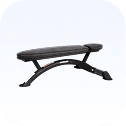
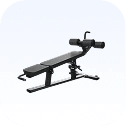
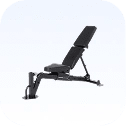
Adjustable benches
Kettlebells
Resistance bands
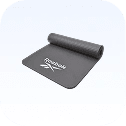
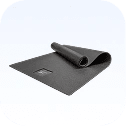
Exercise mats
The exact combination depends on the size of the gym and the type of residents using it. A larger residential property may have enough space for separate cardio, strength and functional areas. A smaller apartment gym may need a compact combination.
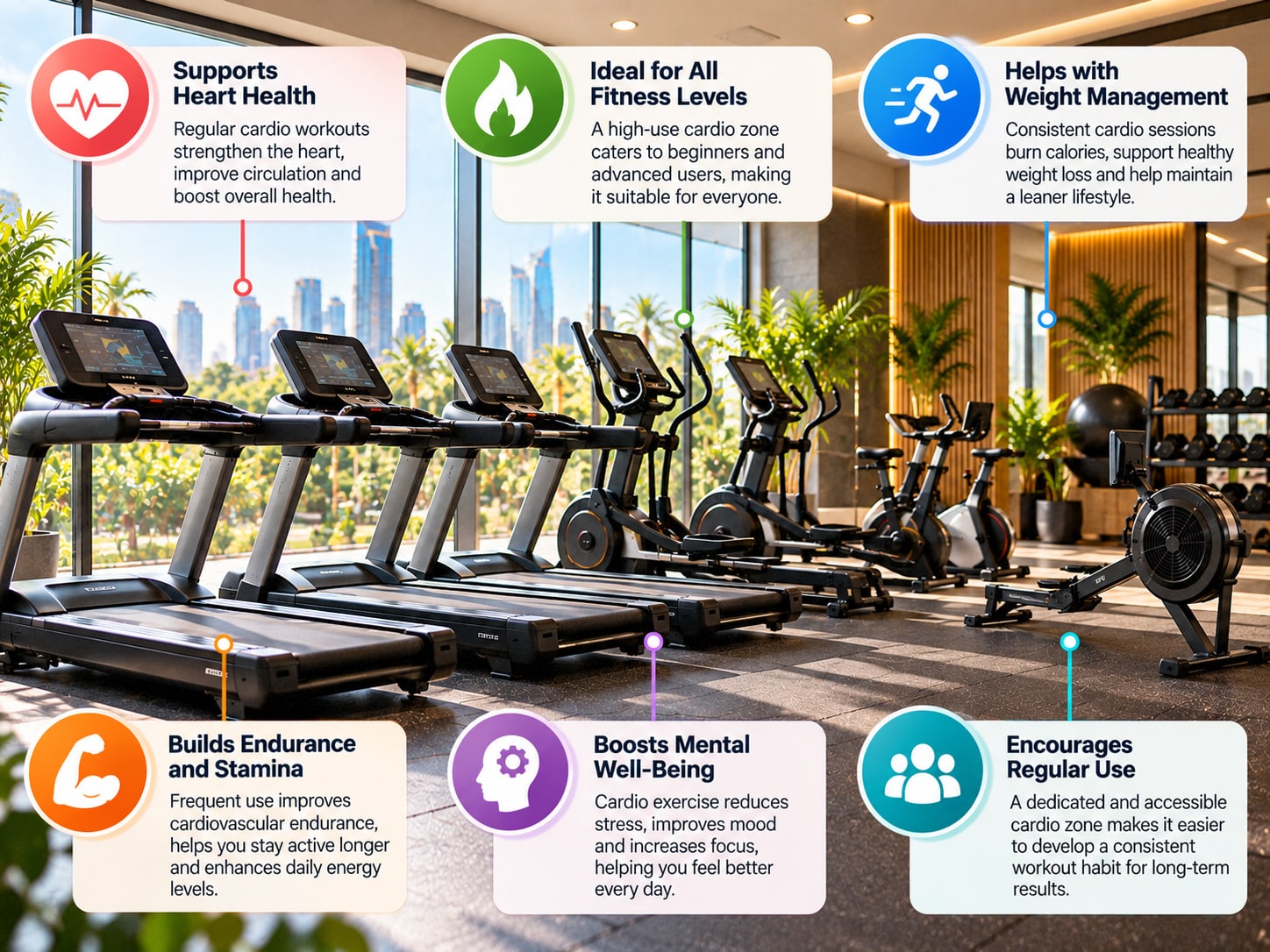
The Importance of a High-Use Cardio Zone
Cardio equipment is an integral part of a residential gym. Treadmills, bikes and ellipticals can be used by beginners as well as experienced gym users there.
Treadmills
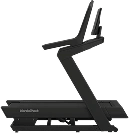
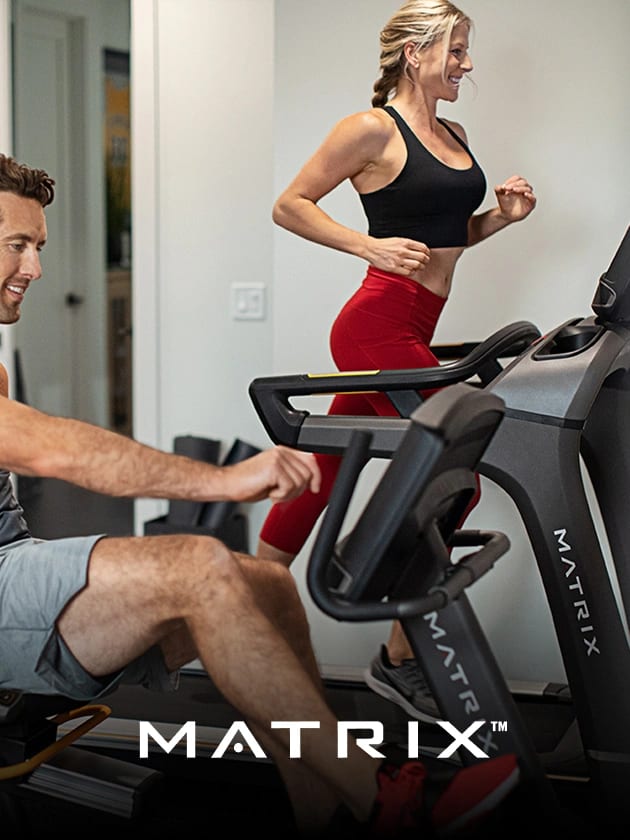
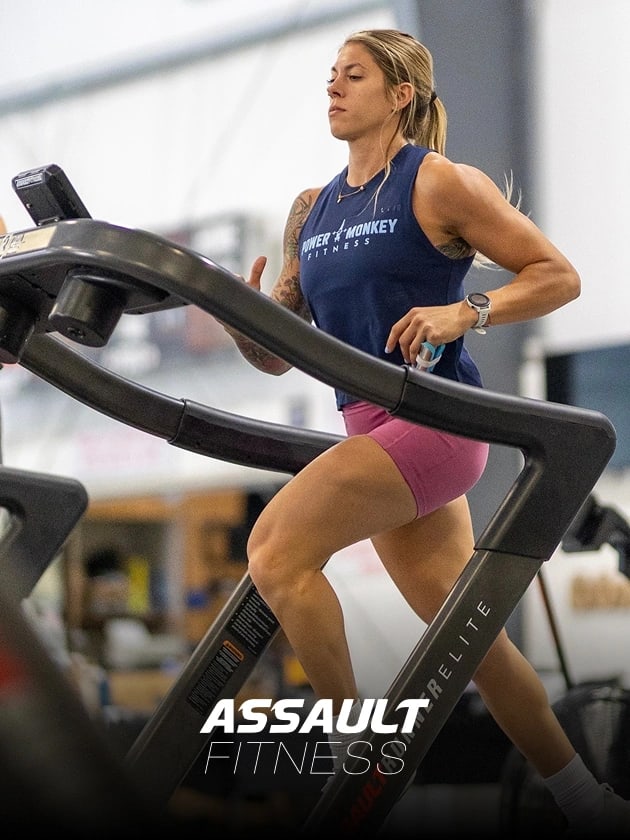
It is known that treadmills are useful for walking, jogging and running. When choosing treadmills for a residential gym, look at the following aspects:
Machine size
Running surface
Motor specifications
User weight rating
Noise
Warranty
Service support
Always keep in mind that a treadmill should not be placed so close to other equipment in such a way that users feel restricted while getting on or off the machine.
Exercise Bikes
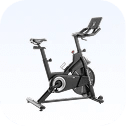
Exercise bikes generally consume a smaller amount of space than other cardio machines. They are useful when space is limited.
Ellipticals
Ellipticals, too, provide cardio options, but they require more movement around the machine than a basic bike. Check the equipment dimensions before deciding how many equipment can fit into the room.
Deal With the Noise Aspect in Residential Gyms
Noise should be an important consideration while setting up a gym in an apartment or residential building. The gym may be located above or next to residential units. Equipment that creates vibration or impact needs to be planned carefully. Noise can come from these scenarios:
Treadmills
Dropped weights
Moving equipment
Group workouts
Heavy dumbbells
Weight plates
Good flooring helps reduce some noise impact, but equipment placement matters. If possible, avoid placing heavy free-weight areas directly above bedrooms or other sensitive areas. The building's own rules and construction should also be considered before making changes to the gym.
Functional Strength Equipment for Small Gyms
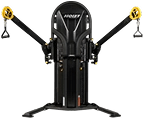
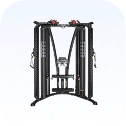
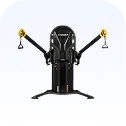
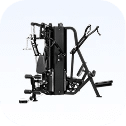
Functional strength equipment can be of a great addition in residential gyms because one machine can support many exercises. A functional trainer, for example, may allow users to perform the following:
Chest exercises
Back exercises
Shoulder exercises
Arm exercises
Leg exercises
Core exercises
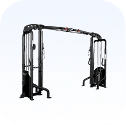
This makes it a practical choice when floor space is limited. Instead of having several single-purpose machines, one versatile cable machine can provide a wider range of workouts. Before buying, check the machine's overall dimensions and the space needed around the pulleys.
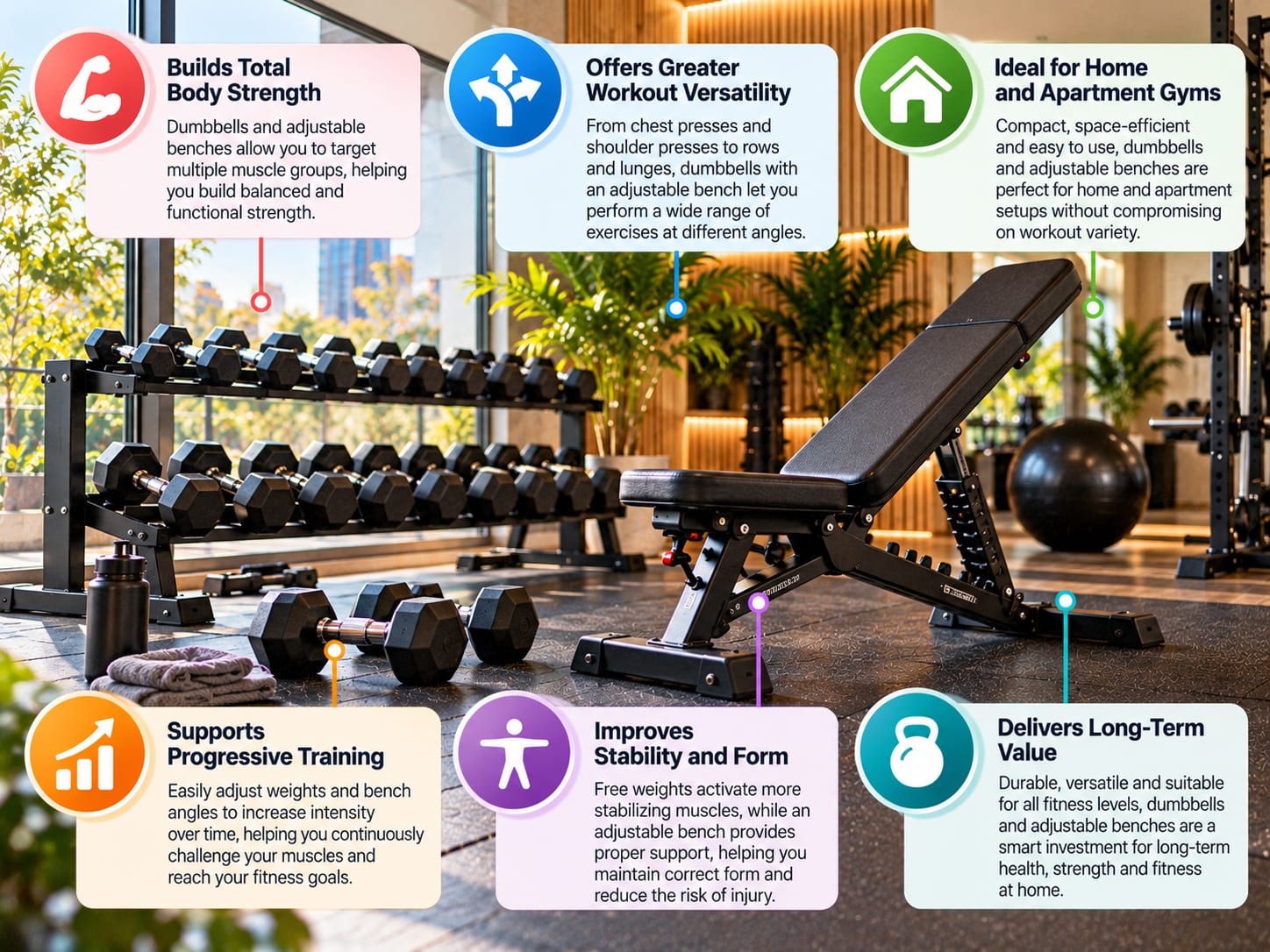
The Benefits of Dumbbells and Adjustable Benches
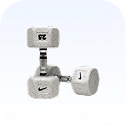
Dumbbells are another important part of a shared gym. They can be used for the following exercises:
Chest presses
Shoulder presses
Rows
Lunges
Squats
Curls
Various full-body exercises
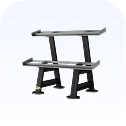
However, a full collection of fixed dumbbells can take up considerable space. A suitable dumbbell rack is therefore really important.
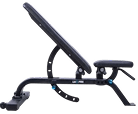
For smaller residential gyms, adjustable dumbbells may also be worth considering if they suit the expected users and training style. An adjustable bench adds more flexibility. One bench can support several exercises without requiring multiple benches.
Add Kettlebells and Functional Accessories
Kettlebells are another equipment that can provide compact training options. They can be used for movements such as swings, squats, presses and carries.
Resistance bands and medicine balls also take up only a little space and can be stored easily. A residential gym does not need a large collection of accessories. A carefully chosen set can provide plenty of options for residents.
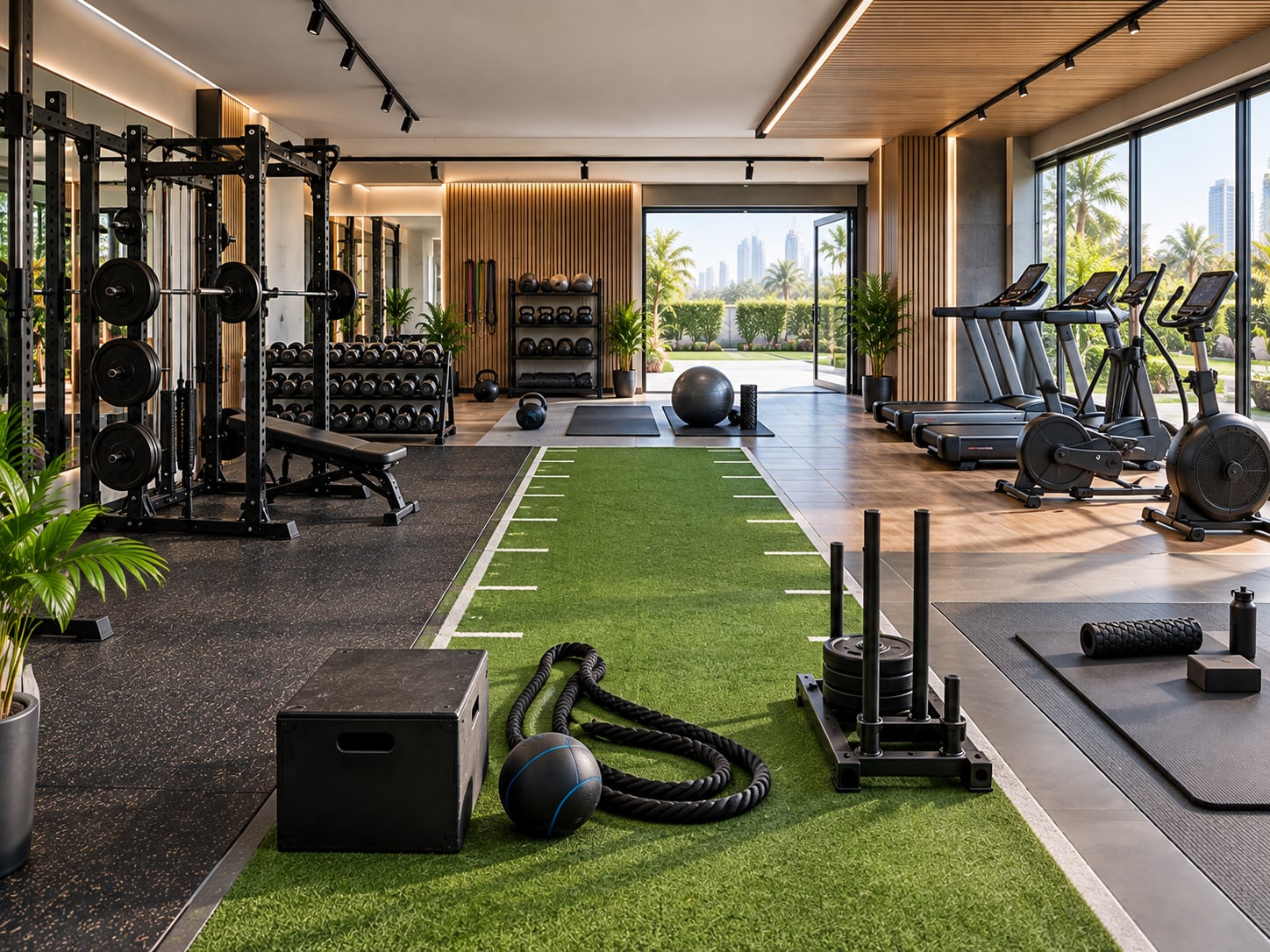
Creating Equipment Zones is a Smart Idea
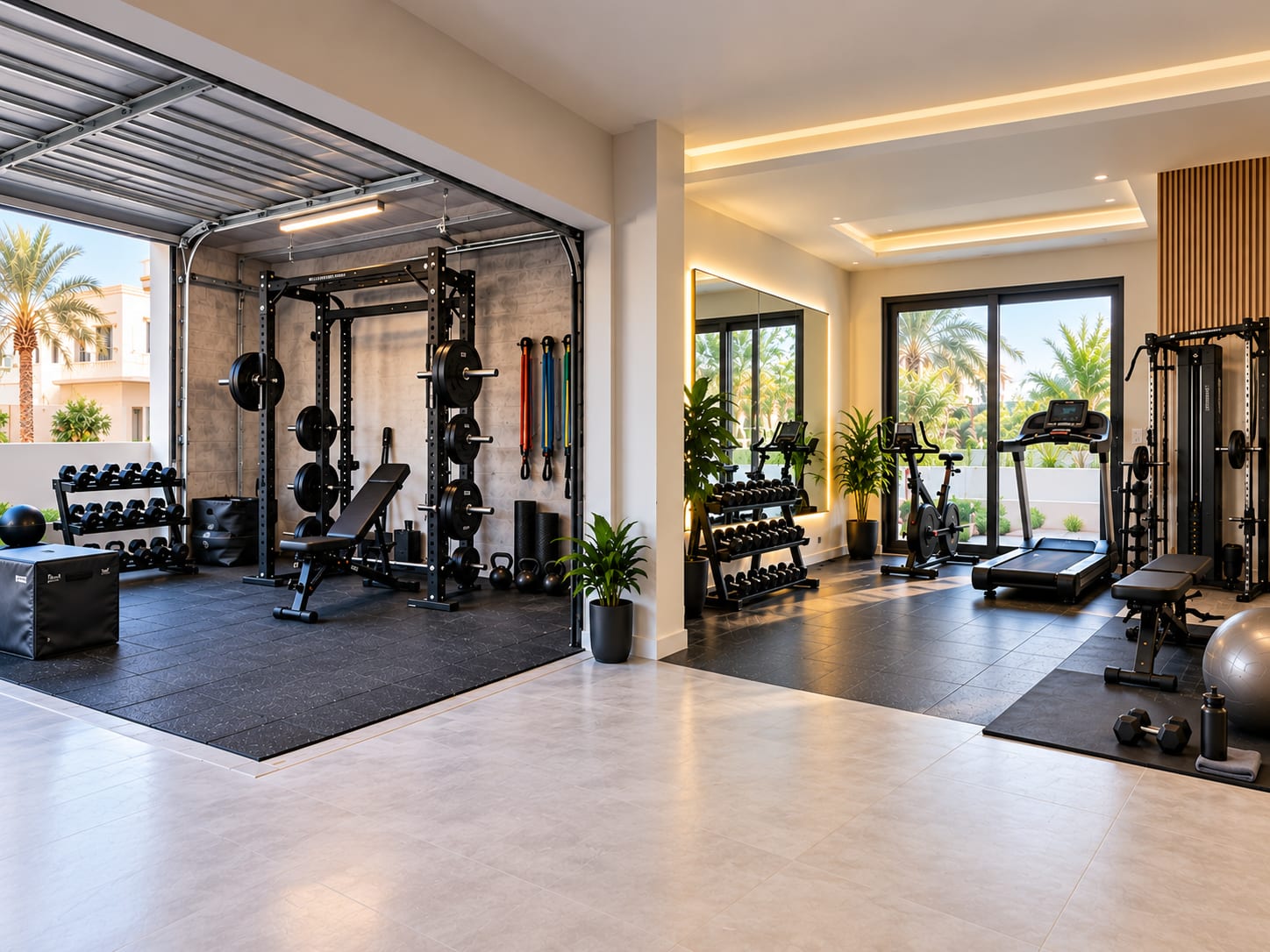
Making a simple zoning system can make a small gym feel more organised. Check out some examples:
Cardio Zone: Place treadmills, bikes and ellipticals together.
Strength Zone: Keep dumbbells, benches and functional strength equipment in another section.
Functional Zone: Leave an open area for kettlebells, resistance bands, stretching and bodyweight exercises.
Mobility Zone: A small section with mats can be used for stretching and warm-ups. These zones do not have to be separated by walls. Even a clear arrangement of equipment can make the gym easier to understand and use.
Plan Access Flow Carefully in Apartment & Residential Gym
Access flow is one of the most overlooked aspects of a shared gym. Residents should be able to enter the gym and reach different equipment without walking through another person's workout space.
Try to keep main walkways always clear. For example, the route from the entrance to the cardio area should not pass directly through the free-weight training area.
Similarly, storage racks should not block access to benches or machines. Always think about the gym from a resident's point of view. A layout can be considered successful if people are able to move naturally in a gym without any hiccups.
Ensure Heavy Equipments are Kept Away From Main Walkways
Large machines should not create unnecessary obstacles to users. Place them along walls or in planned zones where possible.
However, do not push every machine against the wall just to save space. Users still need room to operate the equipment. Cable machines, benches and free-weight areas require space around them. A compact gym should feel organised rather than crowded.
Flooring for Apartment and Residential Gyms
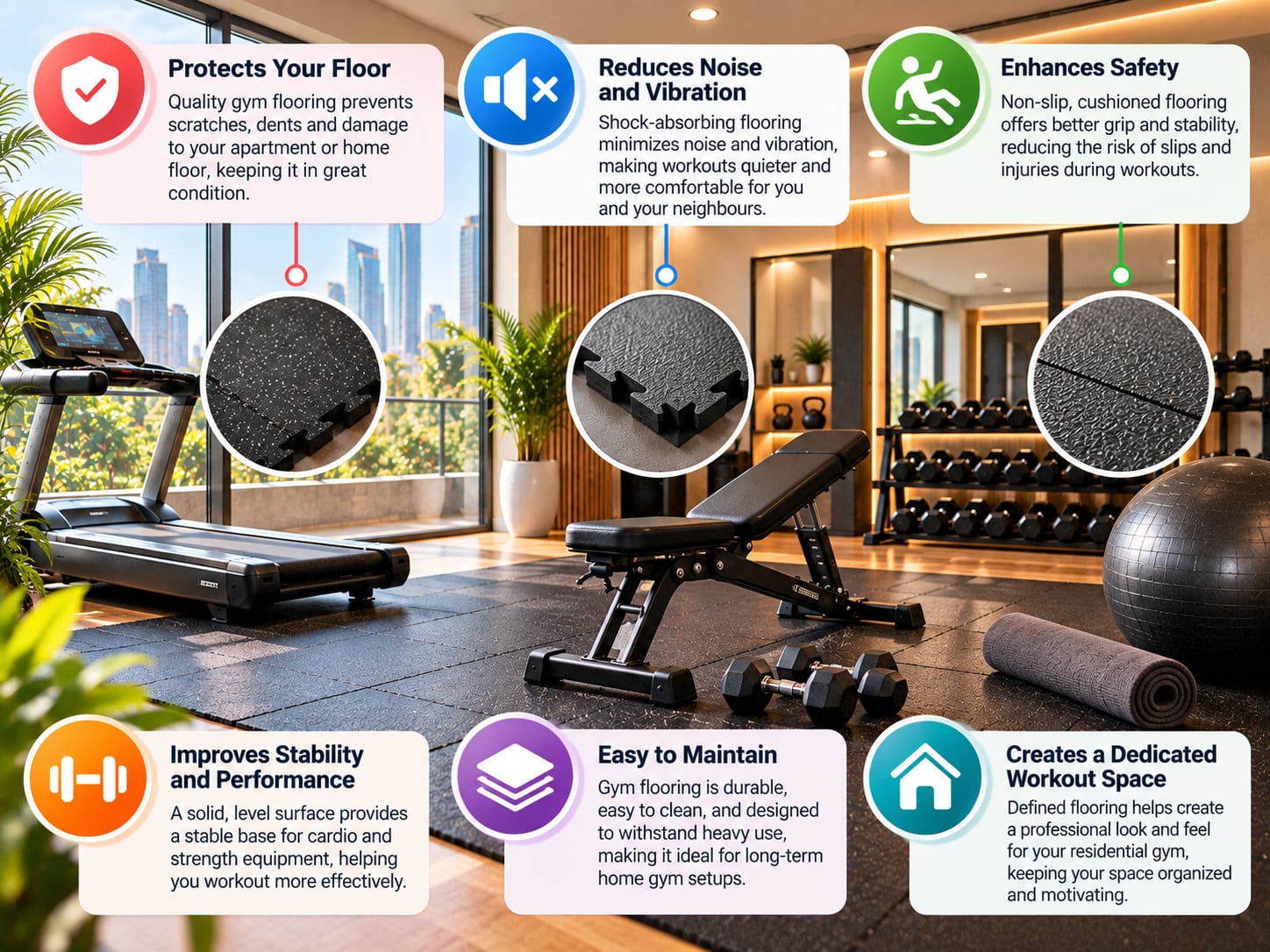
Flooring is an important investment in fitness centres. It needs to handle regular use while providing a suitable surface for different types of training as well.
Rubber flooring is commonly used in gym environments, especially around free weights and strength equipment. It helps protect the underlying floor from normal gym use and reduce some impact. The flooring choice should depend on the following factors:
Equipment type
Expected usage
Weight training
Noise concerns
Cleaning requirements
Maintenance
Existing floor
Storage Is Essential in a Compact Gym
Storage is often forgotten during the planning stage. Without proper storage, even a well-designed gym is likely to become messy. Consider storage for the following accessories:
Dumbbells
Kettlebells
Weight plates
Barbells
Resistance bands
Mats
Dumbbell racks should be positioned where residents can pick up and return weights easily. Kettlebells and smaller equipment can have their own storage area. Keeping equipment off the floor also makes cleaning easier.
Why Ceiling Height Matters in a Residential Gym?
Ceiling height is really important when installing larger equipment. Some functional trainers, cable machines and racks are tall. Before ordering, compare the equipment height with the actual ceiling height. Always consider the following things:
False ceilings
Lighting
Air-conditioning ducts
Sprinklers
Other overhead fixtures
A machine that technically fits the room may still be difficult to install if there is not enough clearance above it.
Electrical Planning Should Not Be Compromised
Many residential gym machines require electricity. This includes the following equipment:
Treadmills
Ellipticals
Some bikes
Screens
Fans
Entertainment systems
Plan the electrical points before finalising the equipment layout. Avoid running loose extension cables across walking areas. For larger projects, electrical requirements should be considered with the building's relevant team before installation.
Air Conditioning and Ventilation Should be a High Priority
A residential gym can generate heat quickly when several people are exercising at the same time. Cardio equipment can also produce warmth during regular use. Make sure the gym has suitable air conditioning and ventilation.
Also, ensure that equipment placement does not block air vents. A comfortable temperature can make the gym more pleasant for residents, especially during the hotter months.
All About Installation of Residential Gym Equipment
Some equipment is simple to assemble, while larger commercial-grade machines may require professional installation. This can include the following ones:
Treadmills
Functional trainers
Cable machines
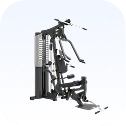
Multi-station machines
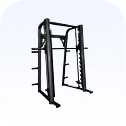
Smith machines
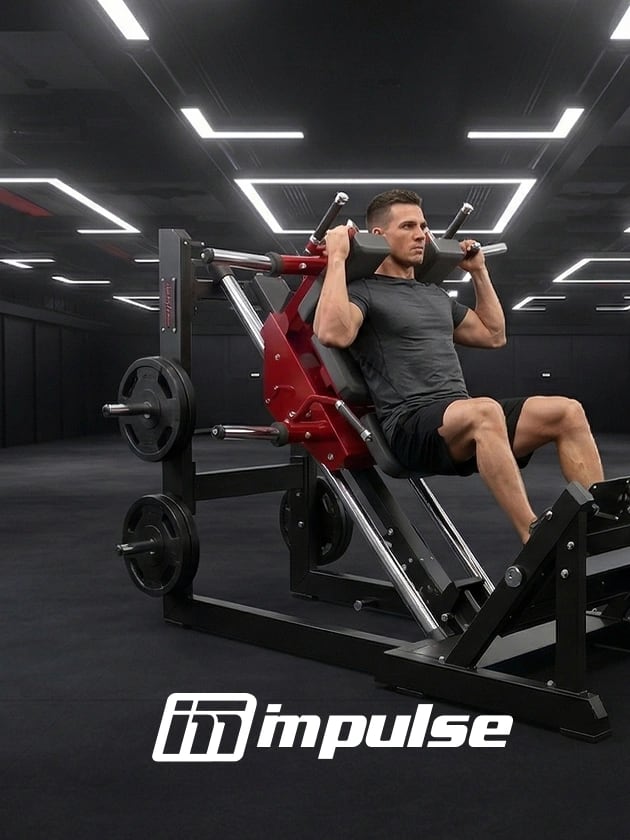
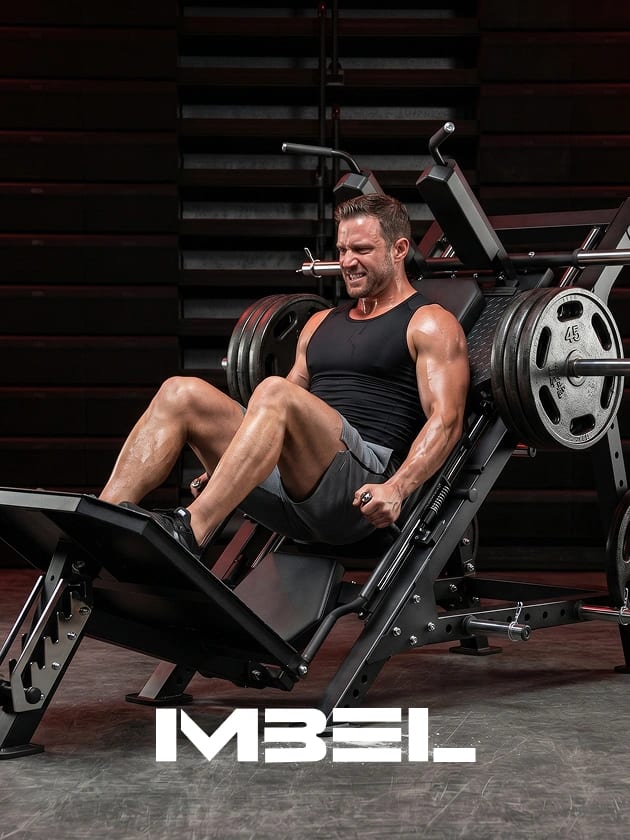
Large strength machines
Professional installation ensures that equipment is assembled and positioned correctly. Before purchasing, ask the supplier the following questions:
Is installation included?
Who will install the equipment?
Is positioning included?
Is old equipment removed?
Is testing included after installation?
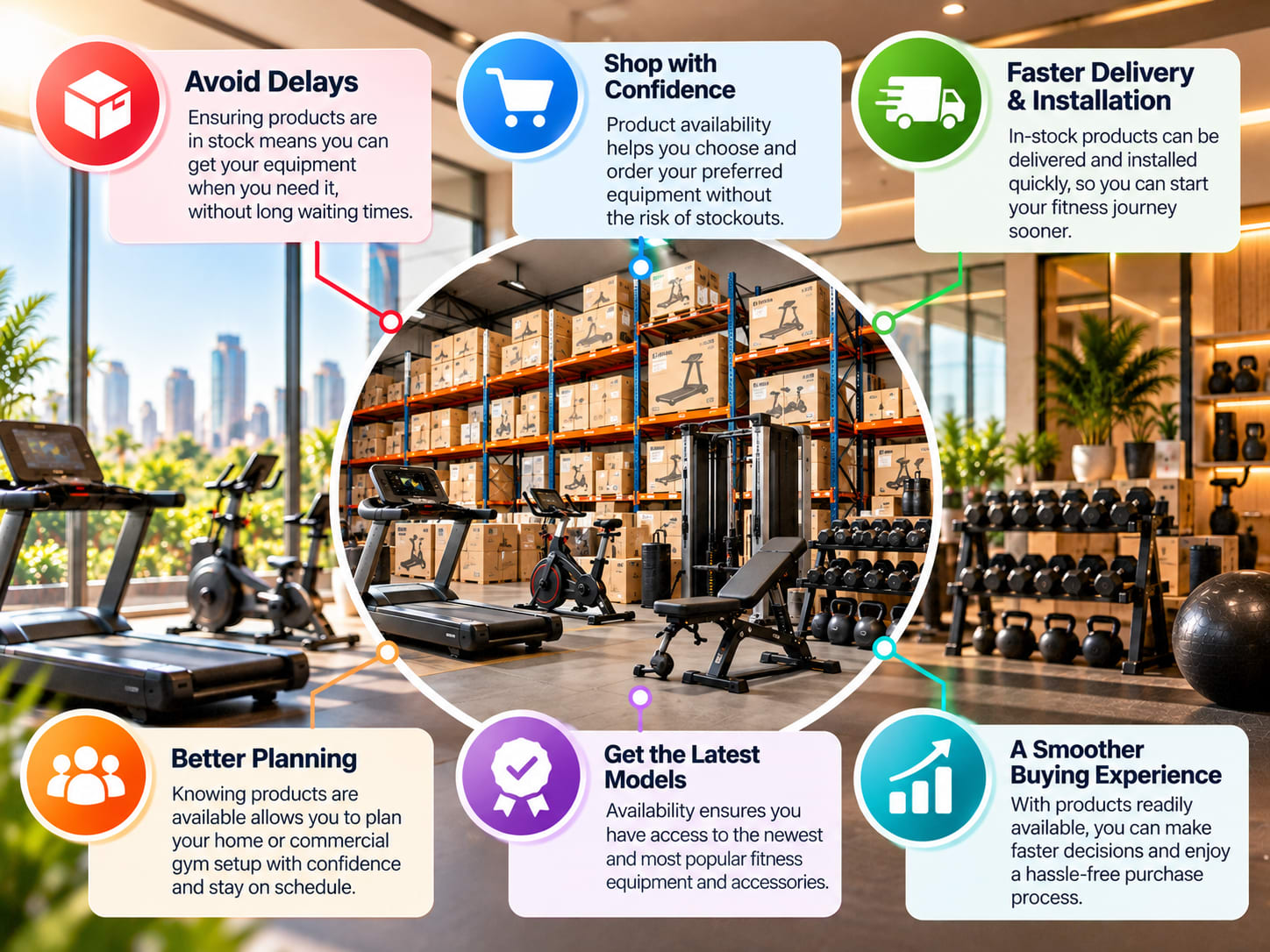
Always Ensure the Availability of Products
This is an aspect that could affect the entire plan in unexpected ways. If the gym needs several pieces of equipment, check whether they are available at the same time. Ask for the following things:
Current stock
Delivery time
Available models
Equipment sizes
Accessories
Warranty
Installation
Spare parts
Service support
If a particular machine is unavailable, you may need to adjust the layout or choose another model with similar dimensions. This is another reason why equipment should be finalised before flooring and other parts of the project are completed.
Maintenance for Shared Residential Gyms
Residential gym equipment is used by people from different walks of life. Unlike a private home gym, the equipment may be used by many throughout the day. Regular maintenance is therefore unavoidable. A maintenance plan can include the following tips:
Equipment inspection
Cable checks
Bolt checks
Treadmill belt checks
Lubrication where required
Cleaning
Electrical checks
Checking moving parts
Replacing worn components
The manufacturer's maintenance instructions should always be followed. Regular service can also help identify small problems before they become bigger ones.
Create a Plan for Repairs and Spare Parts
All the gym equipment will eventually need their parts replaced. This may include all the following:
Cables
Belts
Rollers
Bearings
Handles
Upholstery
Pins
When choosing equipment, check whether spare parts are available locally. Good after-sales support can be of great help for residential buildings because equipment downtime affects several users rather than just one person.
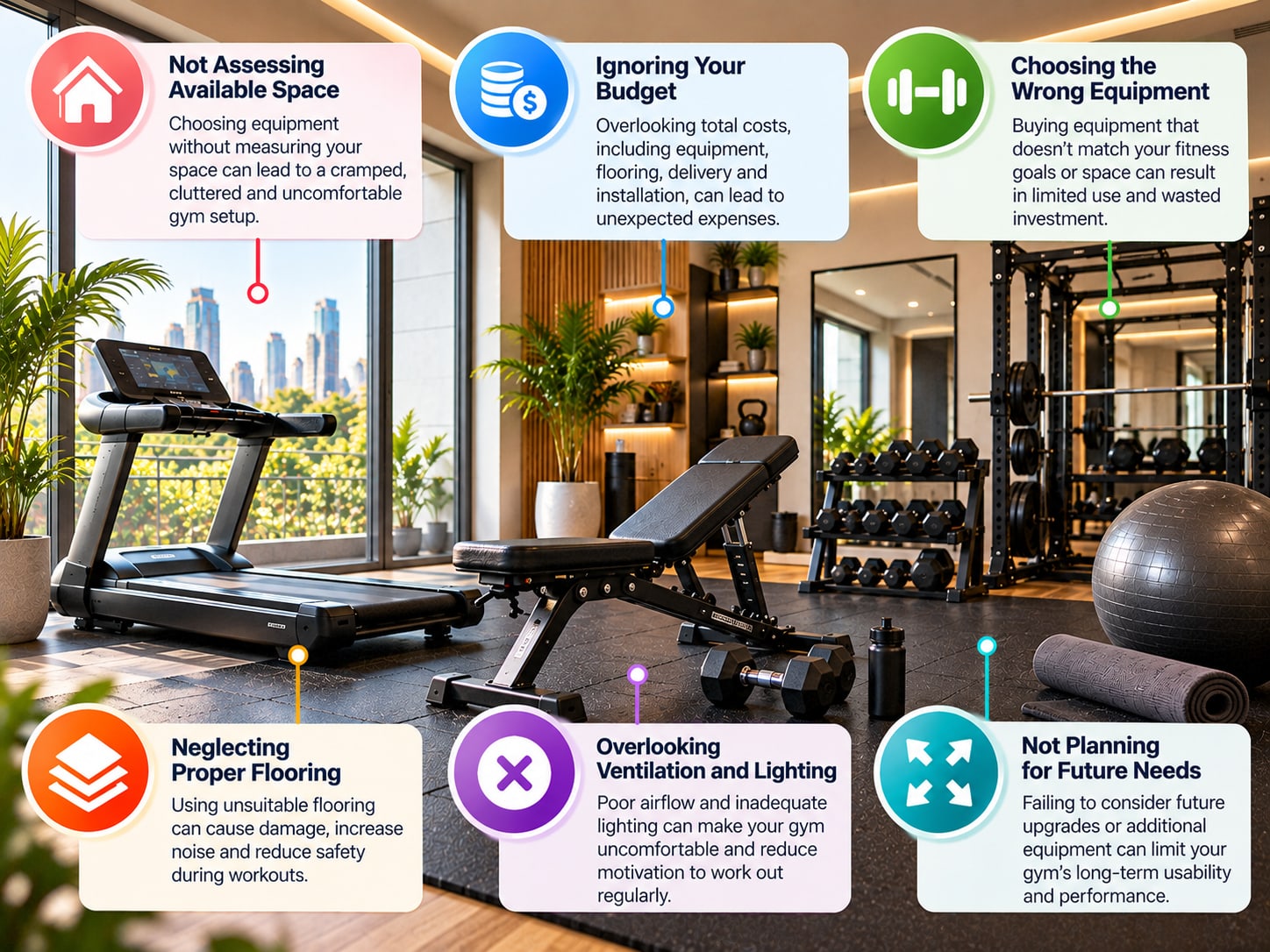
Common Residential Gym Planning Mistakes
Buying too much equipment: More equipment does not automatically mean a better gym.
Ignoring the space around machines: Every machine needs room to be used comfortably.
Forgetting storage: Weights left on the floor can create clutter.
Ignoring noise: Think about residents living near or below the gym.
Not checking delivery access: A large machine still needs to get inside the building.
Forgetting installation: Some equipment requires professional assembly.
Choosing equipment without checking availability: A delayed machine can affect the whole project.
Filling every empty corner: Open space is useful for stretching and functional training.
Not planning maintenance: Shared equipment needs regular inspection and care.
A Simple Residential Gym Equipment Checklist
Before finalising your gym, check for the following important factors:
Space
Measure the complete room
Check ceiling height
Measure doors and lifts
Plan movement areas
Equipment
Select high-use cardio
Add versatile strength equipment
Include free weights
Provide functional training options
Layout
Create clear zones
Keep walkways open
Place related equipment together
Flooring
Choose suitable gym flooring
Consider noise and impact
Use appropriate flooring for free weights
Delivery
Check building access
Confirm delivery timings
Measure lift and door dimensions
Installation
Confirm assembly requirements
Arrange professional installation where required
Maintenance
Create a regular service plan
Check spare-part availability
Keep equipment clean
For people across Bahrain, Lifetime Fitness Store is a reliable destination for quality gym equipment, competitive offers, and professional delivery and installation services, making it easier to build a well-equipped home, apartment, or commercial gym.
Conclusion
Planning an apartment or residential gym is all about making the best use of the space available. You do not need a huge equipment list to create an ideal fitness centre. A carefully curated combination of free weights, open training space, and cardio and functional strength equipment, can serve a wide range of residents.
Start with the room itself. Measure the space, ceiling height, doors and access routes. Then decide which equipment will be used most often. Pay utmost attention to aspects like flooring, noise, storage, air conditioning and traffic flow.
Delivery and installation are other aspects that should be considered before the equipment is ordered. This is important for large residential buildings where lift access, building rules and delivery timings may need to be considered.
Finally, think about the plans after the gym is set up. Regular maintenance, spare parts and service support help keep the equipment available for all residents and reduce unnecessary downtime.
A successful residential gym is about creating a neat, comfortable and practical space where residents can easily find the equipment they need and enjoy working out with it.
Compact and versatile equipment such as adjustable dumbbells, adjustable benches, kettlebells, resistance bands, exercise mats, compact treadmills, exercise bikes and multifunctional strength equipment can work well. The right selection depends on available space, fitness goals, expected usage and budget.
Rubber gym tiles, rubber rolls and suitable fitness flooring are commonly considered because they can help protect the underlying floor, improve equipment stability and reduce some impact and vibration. Flooring thickness and material should be selected according to the equipment and exercises performed.
Measure the workout area and the complete delivery route, including doors, corridors, lifts and stairways. Also consider equipment dimensions, noise and vibration, flooring, ventilation, electrical requirements, product availability, delivery, installation and future equipment additions.
Larger equipment such as treadmills, ellipticals, strength machines and multifunctional trainers may require assembly or professional installation. Before ordering, confirm delivery access, installation requirements, final equipment placement and whether the supplier provides delivery and installation services in your location.




 Get a weekly dose of latest stories
and useful tips directly in your inbox!
Get a weekly dose of latest stories
and useful tips directly in your inbox!


 0
0






















































 Price Match Guarantee
 Free Shipping
 Product Warranty
 After-Sale Support
 Have Coupon Code?
 You'll Save 0.00 On This Order
 Safe And Secure Payments. Easy Returns. 100% Genuine Products