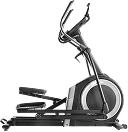



Elliptical trainers have become one of the most popular pieces of cardiovascular equipment in both homes and commercial fitness facilities. Their ability to deliver a low-impact, full-body workout makes them suitable for users of all fitness levels, from beginners starting their fitness journey to athletes seeking advanced conditioning. However, not all ellipticals are built the same. One of the biggest decisions buyers face is whether to invest in a home elliptical or a commercial elliptical.
At first glance, both machines may appear similar. They often feature moving handlebars, adjustable resistance levels, digital displays, and the same fundamental movement pattern. Yet beneath the surface, there are significant differences in construction, durability, performance, technology, and overall user experience. These differences directly affect how the machine performs over time and whether it is suitable for specific training environments.
Understanding what sets commercial ellipticals apart from home models can help buyers make informed decisions and invest in equipment that aligns with their fitness goals, usage requirements, and long-term expectations.
Understanding the Purpose of Each Machine
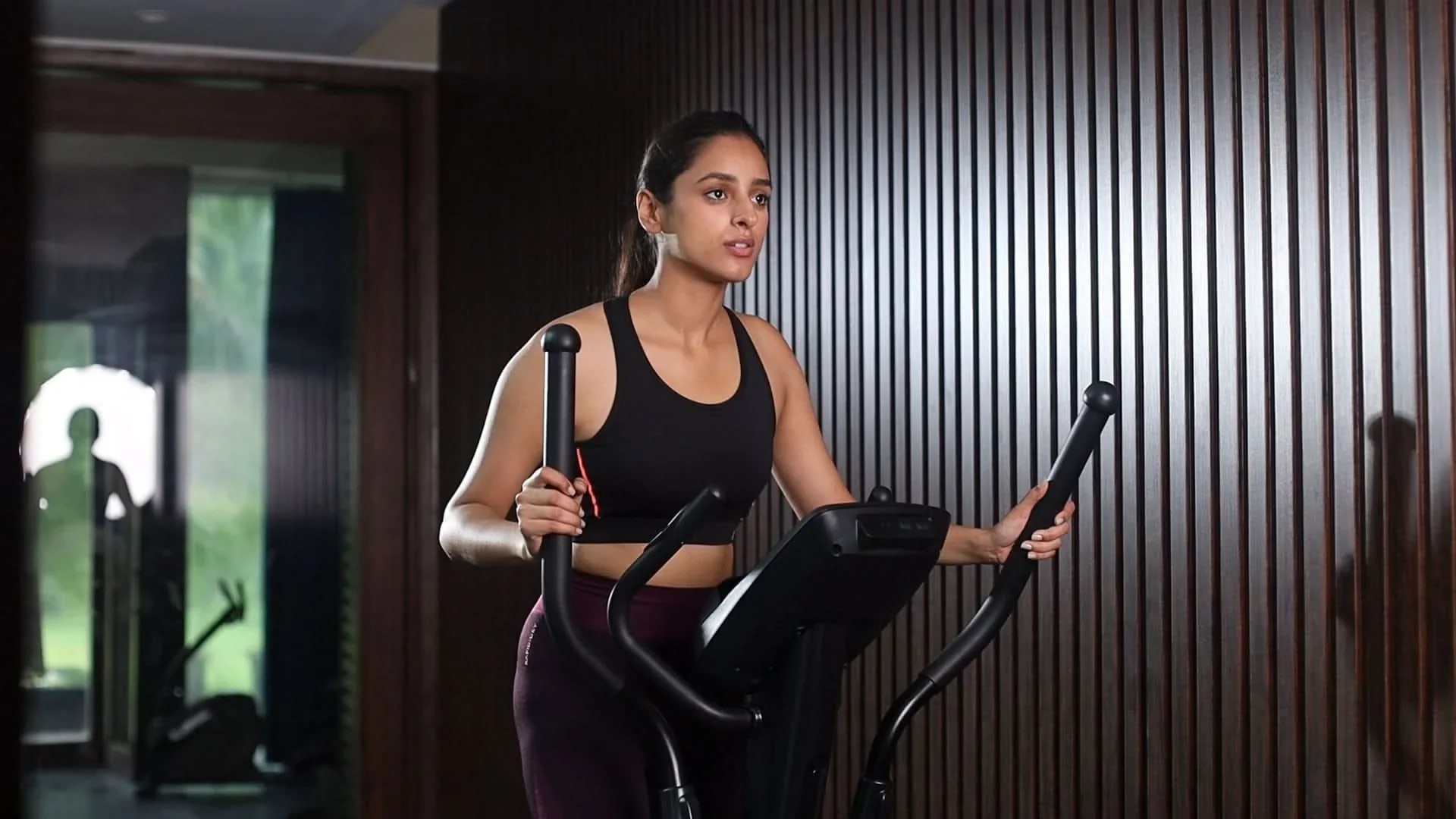
The primary difference between home and commercial ellipticals begins with their intended purpose. Home ellipticals are designed for residential use, where one or several family members use the machine for moderate workout sessions throughout the week. Commercial ellipticals, on the other hand, are built to withstand continuous daily usage in gyms, fitness centers, hotels, rehabilitation facilities, and sports clubs.
Because commercial machines are expected to operate for many hours each day with multiple users, manufacturers engineer them using stronger components and more durable materials. This difference in intended usage influences nearly every aspect of the machine, from frame construction and flywheel weight to technology and maintenance requirements.
Frame Construction and Durability
One of the most noticeable differences between commercial and home ellipticals is frame construction. Commercial ellipticals are built using heavy-duty steel frames designed to handle thousands of hours of operation. These frames are engineered to remain stable even during intense workouts performed by users of varying body weights and fitness levels.
Home ellipticals are typically lighter and more compact. While many residential models offer excellent quality, they are generally designed for moderate use rather than continuous operation. The lighter construction helps reduce cost and makes installation easier, but it may not provide the same level of long-term durability found in commercial machines.
The stronger frame of a commercial elliptical often results in a more stable workout experience. Users may notice less movement, vibration, and noise, especially during high-intensity training sessions.
Weight Capacity Differences
Commercial ellipticals usually offer significantly higher weight capacities than home models. This is important because fitness facilities must accommodate a wide range of users.
A higher weight capacity often indicates:
•Stronger frame construction
•More robust components
•Improved stability
•Enhanced durability
Many home ellipticals are designed for average household use, whereas commercial units are engineered to support heavier users while maintaining smooth and consistent performance.
Flywheel Size and Performance
The flywheel is one of the most important components in an elliptical trainer. It helps create the smooth gliding motion that users experience during workouts.
Commercial ellipticals typically feature larger and heavier flywheels. The additional weight contributes to:
•Smoother movement
•More natural stride patterns
•Better momentum
•Improved workout quality
Home models may use lighter flywheels to reduce overall machine cost and size. While many residential ellipticals still provide excellent workouts, commercial units often deliver a noticeably smoother and more refined feel.
This difference becomes particularly apparent during longer training sessions when movement consistency plays a major role in user comfort.
Resistance Systems
Resistance systems influence workout intensity and progression.
Commercial ellipticals often provide:
•More resistance levels
•Greater resistance range
•More precise adjustments
•Enhanced performance under heavy usage
These capabilities allow users to perform a wider variety of workouts, from gentle rehabilitation sessions to demanding athletic conditioning programs.
Home ellipticals generally provide sufficient resistance for most users, but commercial units often offer more advanced options for progressive training.
Continuous Daily Usage
Perhaps the most important distinction between commercial and residential equipment is the ability to handle continuous operation.
Commercial ellipticals are built to:
•Operate for extended periods
•Accommodate multiple users
•Maintain performance under heavy workloads
•Reduce wear and tear
Fitness centers may have machines operating from early morning until late evening. Commercial equipment must be capable of handling these demands without compromising reliability.
Home models are typically not designed for this level of usage.
Read: Abu Dhabi Inspires Initiatives
Stride Length and Comfort
Stride length plays an important role in workout comfort and biomechanics.
Commercial ellipticals often provide longer stride lengths that accommodate a broader range of users.
Benefits include:
•More natural movement
•Improved comfort
•Better muscle engagement
•Enhanced workout efficiency
Some commercial machines even offer adjustable stride lengths, allowing users to customize movement patterns according to their preferences and training goals. Home ellipticals may offer fixed stride lengths that work well for most users but provide less flexibility.
Also Read: Elliptical vs Treadmill: Which Cardio Machine Is Better for Your Fitness Goals?
Advanced Technology Features
Technology has become an increasingly important part of modern fitness equipment.
Commercial ellipticals often include advanced features such as:
•Large touchscreen displays
•Interactive training programs
•Internet connectivity
•Workout tracking
•Virtual fitness experiences
•Multiple user profiles
These features help improve engagement and create a premium workout experience. While many home ellipticals now include smart technology, commercial models often offer more sophisticated and durable systems designed for high-volume environments.
Console Design and User Experience
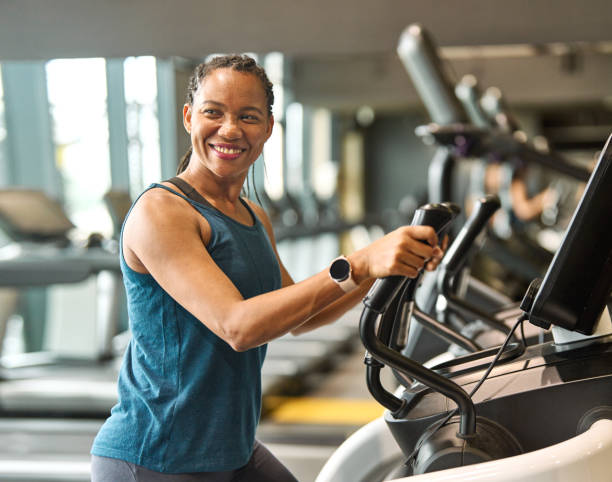
Commercial facilities rely on equipment that is intuitive and easy to use. As a result, commercial elliptical consoles are often designed to provide:
•Clear navigation
•Large displays
•Quick adjustments
•User-friendly interfaces
This improves accessibility for users of all fitness levels. Home models typically provide simpler interfaces that meet the needs of individual users while keeping costs manageable.
Maintenance and Serviceability
Maintenance requirements differ significantly between commercial and home equipment. Commercial ellipticals are often designed with serviceability in mind.
Benefits include:
•Easier component access
•Simplified repairs
•Reduced downtime
•Long-term reliability
Manufacturers understand that commercial facilities cannot afford prolonged equipment outages. Home users generally require less frequent maintenance because their machines experience lower usage volumes.
Noise and Smooth Operation
Commercial ellipticals are engineered to provide smooth and quiet performance even under demanding conditions.
This is achieved through:
•Precision-engineered components
•Higher-quality bearings
•Stronger drive systems
•Enhanced construction methods
The result is a more refined workout experience that remains consistent over years of operation.
Choosing the Right Elliptical for Your Fitness Goals
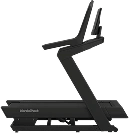
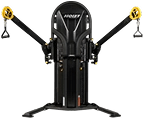
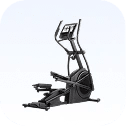
Whether you are building a home gym or outfitting a professional fitness facility, selecting the right elliptical trainer can significantly influence workout quality and long-term satisfaction. Home ellipticals provide excellent convenience and accessibility for personal fitness routines, while commercial ellipticals deliver unmatched durability, performance, and advanced technology for high-volume environments. Premium elliptical trainers often feature adjustable resistance systems, ergonomic designs, advanced consoles, and smooth motion patterns that support cardiovascular conditioning, calorie burning, and full-body training. Combining an elliptical with other fitness equipment such as treadmills, exercise bikes, rowing machines, and strength-training systems can create a comprehensive workout environment that supports diverse fitness goals.
Commercial Elliptical Trainers
Commercial elliptical trainers are built for high-performance environments such as gyms, fitness centers, hotels, rehabilitation facilities, and corporate wellness spaces. These machines feature heavy-duty frames, larger flywheels, advanced resistance systems, and premium components designed to withstand continuous daily use by multiple users. Commercial ellipticals typically offer smoother motion, greater stability, longer stride lengths, and advanced training programs that cater to beginners, experienced exercisers, and athletes alike. Their durability and superior performance make them an excellent choice for facilities that require reliable equipment capable of delivering consistent workouts for years.
Home Elliptical Trainers
Home elliptical trainers are designed specifically for residential use, offering a convenient and effective way to perform cardiovascular workouts without leaving the house. These machines are generally more compact, space-efficient, and budget-friendly than commercial models while still providing features such as adjustable resistance, workout programs, heart-rate monitoring, and comfortable stride patterns. Home ellipticals are ideal for individuals and families looking to improve cardiovascular health, burn calories, increase daily activity, and maintain fitness consistency. With the ability to exercise regardless of weather conditions or gym schedules, home elliptical trainers provide a practical solution for achieving long-term fitness goals from the comfort of home.
Workout Variety and Training Options
Commercial ellipticals are often designed to support a broader range of training styles.
These may include:
•Interval training
•Heart-rate training
•Endurance sessions
•Performance programs
•Athletic conditioning
The additional programming options allow users to tailor workouts more precisely to their goals.
Home models often include pre-set programs that are sufficient for general fitness but may not provide the same depth of customization.
Longevity and Return on Investment
Commercial ellipticals are typically more expensive than residential models.
However, the higher upfront cost often reflects:
•Superior durability
•Longer lifespan
•Higher-quality components
•Enhanced performance
For facilities with heavy usage demands, this investment can provide substantial long-term value. Home users may find that residential models offer the best balance between cost and functionality.
Safety and Stability
Commercial machines are built to provide exceptional stability.
Benefits include:
•Reduced movement
•Improved user confidence
•Safer workouts
•Better overall experience
This stability becomes increasingly important during intense workouts and when accommodating users of varying body sizes.
Why Fitness Facilities Choose Commercial Models
Commercial fitness facilities prioritize equipment that can withstand continuous use while maintaining a premium user experience.
Commercial ellipticals help facilities provide:
•Reliable performance
•Member satisfaction
•Lower long-term maintenance costs
•Professional-quality workouts
These factors make commercial equipment the preferred choice for high-traffic environments.
Which Type of Elliptical Is Right for You?
The right choice depends on your goals, usage expectations, and budget.
Home ellipticals may be ideal if:
•You exercise several times per week
•Space is limited
•You want convenient home workouts
•You have moderate usage requirements
Commercial ellipticals may be the better option if:
•You own a fitness facility
•Multiple users will share the machine
•You require maximum durability
•You want premium performance
Understanding your specific needs can help determine which option provides the greatest value.
Space Requirements and Facility Planning
Another major difference between commercial and home ellipticals is the amount of space they require. Home ellipticals are generally designed with residential environments in mind. Manufacturers understand that many homeowners have limited workout space, so residential models are often built with smaller footprints and more compact dimensions.
Commercial ellipticals, however, are designed primarily for performance and durability rather than space efficiency. Fitness facilities typically dedicate larger areas to cardio equipment, allowing manufacturers to prioritize stability, stride length, and user comfort over compact design.
The larger footprint of commercial ellipticals often contributes to:
•Greater stability
•Longer stride lengths
•Enhanced durability
•Improved user comfort
For gym owners, space planning is a critical consideration because cardio equipment must be arranged to provide adequate clearance, accessibility, and user comfort.
For homeowners, the ability to fit an elliptical comfortably within a spare room, home gym, or living area may influence purchasing decisions.
User Experience During Long Workouts
Many differences between home and commercial ellipticals become more noticeable during extended workout sessions.
Short workouts may not reveal significant variations in machine quality. However, during longer sessions, users often notice the advantages of commercial equipment.
Benefits frequently include:
•Smoother motion
•Reduced vibration
•Greater stability
•More comfortable stride patterns
•Improved ergonomic design
These factors contribute to reduced fatigue and a more enjoyable workout experience.
Commercial fitness facilities recognize that member satisfaction often depends on equipment comfort. As a result, manufacturers invest heavily in refining movement mechanics and ergonomic design.
This attention to detail helps create a premium user experience that can withstand years of heavy usage.
Biomechanics and Movement Efficiency
The quality of movement is one of the most important aspects of any elliptical trainer.
Commercial ellipticals are often engineered using extensive biomechanical research to create natural movement patterns.
Benefits may include:
•Reduced joint stress
•Improved comfort
•Enhanced muscle activation
•Better movement efficiency
The goal is to replicate natural walking and running motions while minimizing impact.
Home ellipticals also prioritize biomechanics, but commercial models often incorporate more advanced engineering and testing processes.
This can lead to a more refined workout experience, particularly for frequent users.
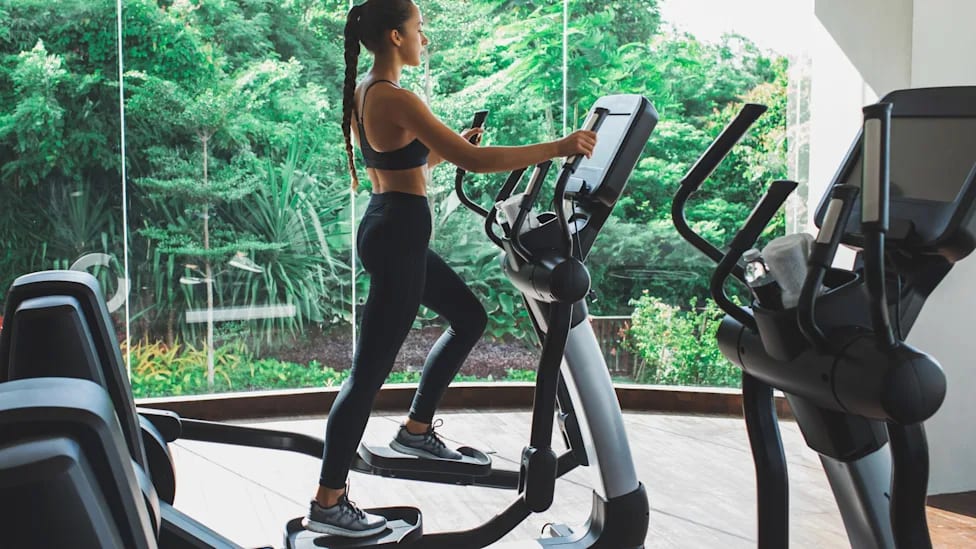
Why Commercial Ellipticals Feel More Stable
Many first-time users immediately notice the stability of commercial cardio equipment.
Commercial ellipticals often weigh substantially more than residential models.
This additional weight contributes to:
•Reduced rocking
•Greater structural integrity
•Improved confidence during workouts
•Enhanced durability
Users performing high-intensity workouts frequently appreciate the solid feel of commercial machines.
The increased stability becomes especially valuable when users increase resistance levels or workout intensity.
Resistance Accuracy and Consistency
Resistance quality influences both workout effectiveness and user satisfaction.
Commercial ellipticals often feature advanced resistance systems capable of delivering highly consistent performance.
Benefits include:
•Accurate resistance levels
•Smooth transitions
•Predictable workout intensity
•Improved training precision
This consistency is particularly important for:
•Athletes
•Rehabilitation programs
•Heart-rate training
•Performance-focused users
Accurate resistance allows users to monitor progress and maintain structured training programs more effectively.
Commercial Ellipticals and Rehabilitation Programs
Many rehabilitation centers utilize commercial ellipticals because of their reliability and smooth movement patterns.
Ellipticals are frequently selected for rehabilitation because they provide:
•Low-impact exercise
•Controlled movement
•Reduced joint stress
•Adjustable resistance
These characteristics make ellipticals suitable for individuals recovering from various injuries or seeking gentle cardiovascular exercise.
Commercial models are often preferred because they provide the consistency and durability required in clinical environments.
Why Hotels and Corporate Gyms Choose Commercial Models
Hotels, corporate wellness centers, and apartment fitness facilities often face unique challenges.
Equipment must accommodate:
•Multiple users
•Various fitness levels
•Frequent usage
•Limited supervision
Commercial ellipticals are designed specifically for these environments.
Benefits include:
•Long service life
•Minimal downtime
•Professional appearance
•Reliable performance
The ability to deliver consistent workouts for diverse user groups makes commercial equipment a logical investment.
Training Variety and Advanced Programming
Workout variety plays an important role in maintaining long-term motivation.
Commercial ellipticals often offer advanced training options such as:
•Custom interval programs
•Heart-rate-controlled workouts
•Performance testing
•Endurance challenges
•Athletic conditioning sessions
These programs help users:
•Avoid workout boredom
•Target specific goals
•Track progress
•Maintain engagement
While many residential machines include preloaded workouts, commercial units often provide greater customization and flexibility.
The Impact of Flywheel Placement
Flywheel placement significantly influences how an elliptical feels during use.
Commercial ellipticals are available in:
•Front-drive configurations
•Rear-drive configurations
•Center-drive designs
Each configuration offers unique movement characteristics.
Manufacturers carefully select flywheel placement to optimize:
•Stride quality
•Balance
•Comfort
•Biomechanics
Many commercial models are engineered to provide exceptionally natural movement patterns that appeal to a broad range of users.
Why Gym Members Expect Commercial Quality
Today's fitness consumers have high expectations.
Members often compare equipment based on:
•Comfort
•Technology
•Appearance
•Performance
•Reliability
Commercial ellipticals help facilities meet these expectations by providing premium experiences.
A positive equipment experience can contribute to:
•Member retention
•User satisfaction
•Facility reputation
As competition within the fitness industry continues to grow, equipment quality becomes increasingly important.
Maintenance Costs Over Time
Maintenance is an important consideration for both homeowners and facility operators.
Commercial ellipticals are engineered to simplify maintenance through:
•Accessible components
•Modular designs
•Durable materials
•Service-friendly construction
Although commercial machines experience greater usage, their robust design often helps reduce major maintenance issues.
Home ellipticals generally require less frequent servicing because they experience lower usage volumes.
However, commercial equipment is often built with long-term ownership in mind.
The Importance of Component Quality
The overall quality of an elliptical depends heavily on its individual components.
Commercial machines frequently utilize:
•Industrial-grade bearings
•Heavy-duty rollers
•Premium drive systems
•High-quality electronics
These components contribute to:
•Improved durability
•Enhanced performance
•Reduced wear
•Longer service life
Higher-quality components often justify the increased investment associated with commercial equipment.
Why Athletes Prefer Commercial Ellipticals
Athletes place unique demands on fitness equipment.
Training programs often involve:
•High-intensity intervals
•Extended endurance sessions
•Frequent usage
•Performance monitoring
Commercial ellipticals are designed to accommodate these demands while maintaining consistent performance.
Benefits for athletes include:
•Smooth resistance changes
•Accurate workout data
•Enhanced durability
•Reliable operation
These factors help support structured training programs and athletic development.
Future Technology in Commercial Ellipticals
Technology continues to transform the fitness industry.
Emerging innovations include:
•Artificial intelligence coaching
•Personalized training recommendations
•Advanced biometric tracking
•Cloud-based workout storage
•Interactive fitness ecosystems
Commercial equipment often serves as the first platform for introducing these innovations.
As technology evolves, the gap between commercial and residential equipment may continue to narrow, but commercial models will likely remain at the forefront of innovation.
Long-Term Ownership Experience
The ownership experience extends far beyond the initial purchase.
Commercial ellipticals are designed to provide:
•Consistent performance
•Minimal downtime
•Reliable operation
•Long service life
These qualities contribute significantly to overall value.
Whether used in a gym or luxury home fitness space, commercial equipment is often viewed as a long-term investment rather than a short-term purchase.
Final Comparison
Ultimately, commercial ellipticals stand apart from home models because they are built for an entirely different level of performance and durability. While home ellipticals provide excellent convenience and value for residential users, commercial units are engineered to withstand continuous daily operation while delivering premium workout experiences. Their stronger frames, larger flywheels, advanced resistance systems, sophisticated technology, and superior stability make them the preferred choice for fitness facilities, sports clubs, hotels, and serious fitness enthusiasts. For users seeking the highest level of performance, comfort, and longevity, commercial ellipticals offer advantages that extend far beyond basic functionality, making them a worthwhile investment for demanding training environments.
Conclusion
While home and commercial ellipticals share the same basic purpose, they are built for very different environments and user expectations. Commercial ellipticals stand apart through superior durability, stronger frame construction, larger flywheels, advanced technology, enhanced stability, and the ability to withstand continuous daily use. These machines are engineered to deliver consistent performance for years while accommodating a wide variety of users and training styles. Home ellipticals, meanwhile, provide a practical and cost-effective solution for individuals seeking convenient cardiovascular exercise within their own living spaces. By understanding the differences between these two categories, buyers can make informed decisions and select equipment that aligns with their fitness goals, usage demands, and long-term expectations.
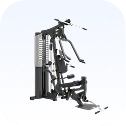
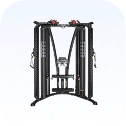
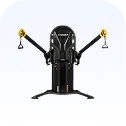
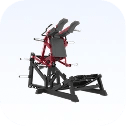
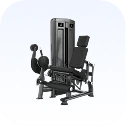
If you are looking to buy other fitness machines or accessories, look no further! Explore our range of fitness products like treadmills, elliptical cross trainers, exercise bikes, rowing machines, home gym, functional trainer, multi-station, power towers, smith machines, dumbbells, foosball tables, pool tables, and table tennis.


 0
0