


Exercise bikes have become one of the most popular pieces of fitness equipment for both home users and commercial gyms. They provide an effective cardiovascular workout while being low impact, making them suitable for beginners, experienced athletes, and everyone in between. However, many people become confused when choosing between a stationary bike and a spin bike. Although both machines are designed for indoor cycling, they differ significantly in design, riding position, workout style, resistance systems, and intended users. Choosing the right bike depends on your fitness goals, experience level, comfort preferences, and training intensity. Understanding these differences can help you invest in equipment that supports your long-term fitness journey while delivering the most enjoyable riding experience.
Understanding Indoor Cycling Equipment
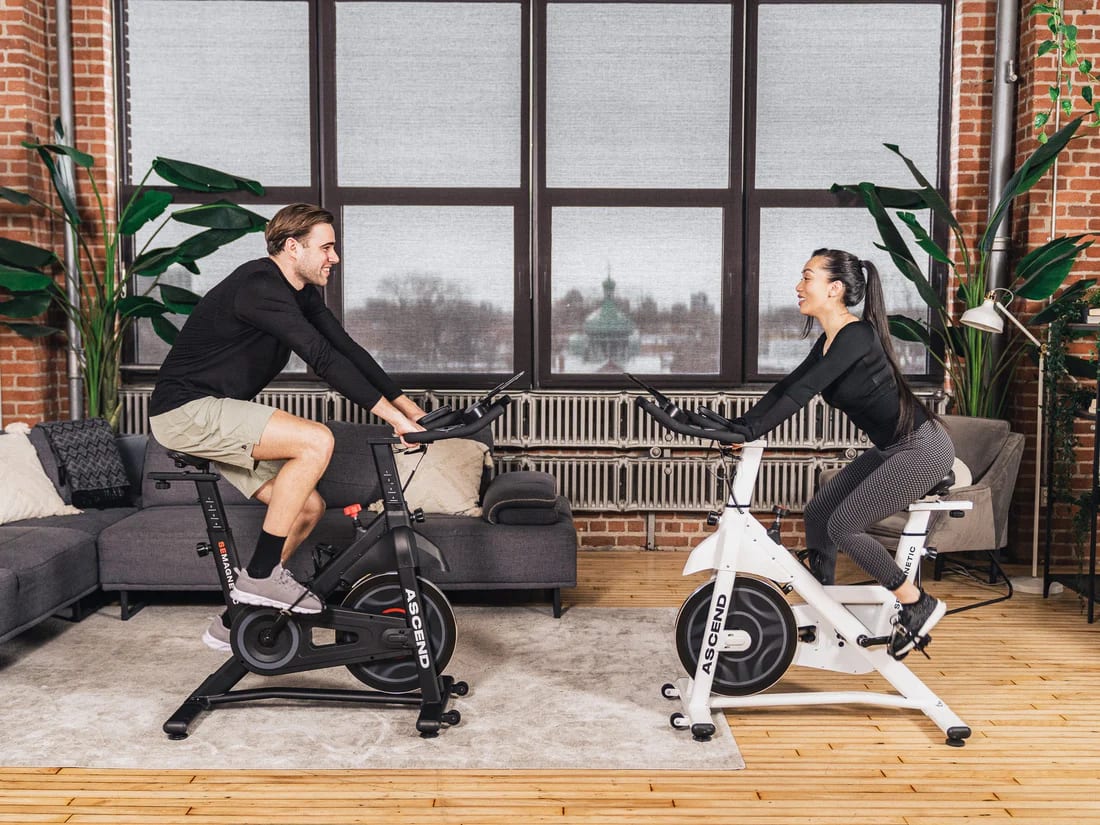
Indoor cycling has evolved considerably over the years. Traditional stationary bikes were originally developed to provide simple cardiovascular exercise that could be performed regardless of weather conditions. Over time, fitness trends introduced more advanced cycling experiences, leading to the popularity of spin bikes designed to closely replicate outdoor road cycling. Today, both bike types remain highly effective, but each serves a different purpose. Before making a purchase, it is important to understand how these bikes differ in terms of construction, riding mechanics, and workout experience.
What Is a Stationary Bike?
A stationary bike is a general term used to describe indoor exercise bikes designed primarily for cardiovascular fitness. Most stationary bikes feature an upright seating position, adjustable resistance, comfortable saddles, and user-friendly consoles that display workout information such as speed, distance, calories burned, heart rate, and workout duration. They are designed for comfortable daily exercise and are suitable for users of various ages and fitness levels. Stationary bikes emphasize ease of use and long-term comfort, making them popular choices for home gyms, rehabilitation programs, and commercial fitness centers.
What Is a Spin Bike?
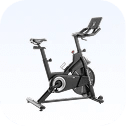
A spin bike is specifically designed to simulate the experience of riding a road bicycle indoors. Unlike traditional stationary bikes, spin bikes feature heavier flywheels, aggressive riding positions, adjustable handlebars, and performance-focused designs. Riders frequently alternate between seated and standing positions while performing interval training, sprinting, hill climbs, and endurance workouts. Spin bikes are widely used in indoor cycling classes because they closely replicate outdoor cycling dynamics while allowing riders to train at high intensity. Their robust construction makes them suitable for demanding workouts and experienced cyclists seeking performance-focused training.
The Difference in Riding Position
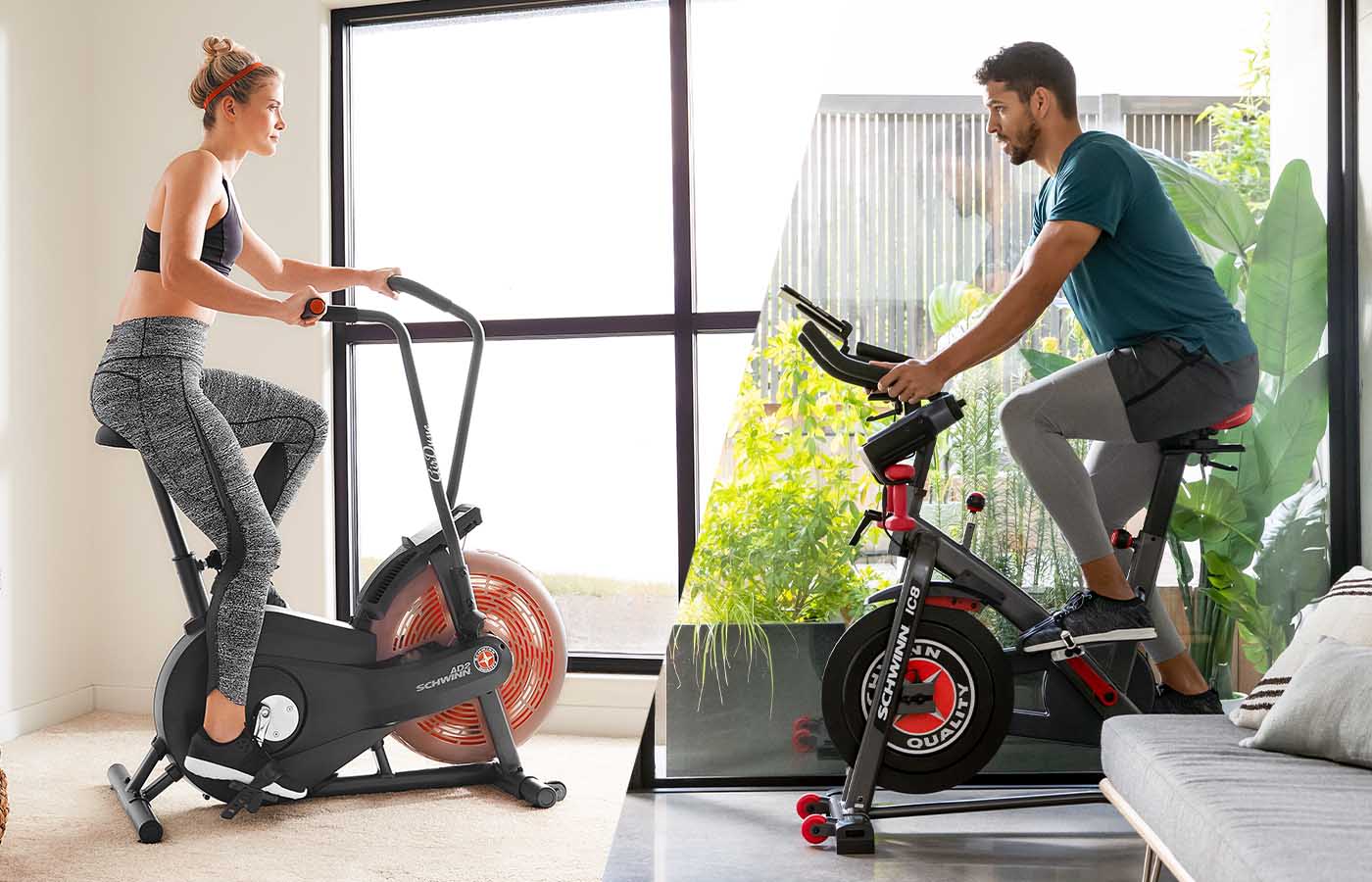
One of the most noticeable differences between stationary bikes and spin bikes is the riding position. Stationary bikes generally encourage a more upright posture, reducing pressure on the back, shoulders, and wrists. This relaxed position makes them ideal for beginners and individuals seeking comfortable cardiovascular exercise. Spin bikes position riders further forward, creating a posture similar to outdoor road cycling. This forward-leaning position engages the core more actively while supporting higher-intensity workouts. Although it may require a short adjustment period, many experienced riders appreciate the increased performance potential provided by this riding style.
Also Read : How to Adjust Your Exercise Bike for Effective Ride
Comparing Resistance Systems
Resistance is another major distinction between the two bike types. Most stationary bikes use magnetic or electronic resistance systems that allow users to adjust intensity smoothly using digital controls or manual settings. These systems are generally quiet, low maintenance, and easy to operate. Spin bikes may also use magnetic resistance, but many models incorporate heavier flywheels that create greater momentum and provide a riding experience that closely resembles outdoor cycling. The heavier flywheel contributes to smoother pedaling during high-intensity workouts and sprint intervals.
Comfort Differences
Comfort plays an important role when selecting an exercise bike. Stationary bikes prioritize rider comfort with wider saddles, upright seating positions, and ergonomic handlebars. These features make longer cardio sessions more enjoyable, particularly for beginners or users exercising several times each week. Spin bikes feature narrower performance saddles designed for cycling efficiency rather than maximum comfort. Although experienced cyclists often prefer these saddles, new riders may require time to adapt or choose padded cycling shorts for longer sessions.
Workout Intensity
Stationary bikes are excellent for moderate cardiovascular exercise, endurance building, calorie burning, and general fitness improvement. They support a wide range of workout intensities while remaining comfortable for everyday use. Spin bikes, however, are specifically engineered for higher-intensity interval training, sprint workouts, hill simulations, and performance-based cycling sessions. Riders seeking intense cardiovascular challenges often prefer spin bikes because they accommodate aggressive riding styles and standing pedaling positions.
Muscle Engagement
Both stationary bikes and spin bikes primarily target the lower body, including the quadriceps, hamstrings, calves, and glutes. However, spin bikes often require greater core engagement because of the forward riding posture and frequent transitions between seated and standing positions. The increased stabilization demands may contribute to more comprehensive muscular involvement during challenging workouts. Stationary bikes remain highly effective for lower-body conditioning while requiring less upper-body stabilization.
Learning Curve
Stationary bikes are generally easier for beginners to use. Their intuitive design, comfortable seating position, and straightforward controls make them accessible to individuals with little or no cycling experience. Spin bikes involve a slightly steeper learning curve due to their performance-oriented riding position and workout style. Riders may require time to become comfortable with standing climbs, cadence control, and more advanced cycling techniques.
Choosing the Right Exercise Bike
Selecting the right exercise bike depends on your individual fitness goals and training preferences. Upright stationary bikes are excellent for everyday cardio, weight management, and comfortable home workouts. Spin bikes provide a realistic road cycling experience for endurance athletes and high-intensity interval training enthusiasts. Recumbent bikes offer superior comfort and lower-back support for rehabilitation and low-impact exercise, while air bikes combine fan-generated resistance with moving handlebars to deliver full-body conditioning. Whether building a home gym or equipping a commercial fitness facility, choosing the right exercise bike alongside treadmills, ellipticals, rowing machines, and functional trainers creates a versatile workout environment that supports users of all fitness levels.
Which Bike Is Better for Weight Loss?
Both stationary bikes and spin bikes can contribute to weight management when combined with consistent exercise and balanced nutrition. The most effective choice depends on which bike encourages regular use. Stationary bikes may appeal to individuals seeking comfortable daily workouts, while spin bikes often attract users who enjoy high-intensity interval training and performance-based sessions. Long-term consistency generally plays a greater role in achieving results than selecting one specific bike type.
Which Bike Is Better for Beginners?
For most beginners, stationary bikes provide a more approachable introduction to indoor cycling. Their comfortable seating position, simple operation, and low-impact design help new users develop confidence while improving cardiovascular fitness. Spin bikes may become attractive as fitness levels improve and riders seek greater intensity or more advanced cycling experiences. Starting with a stationary bike often allows individuals to establish consistent exercise habits before progressing to more demanding training styles.
Maintenance Requirements
Both bike types require relatively little maintenance compared to many other fitness machines. Regular cleaning, periodic inspection of moving parts, and checking adjustment mechanisms help preserve performance. Spin bikes used frequently in commercial settings may require additional attention because of higher workout intensity and increased mechanical stress. Following manufacturer maintenance recommendations ensures reliable operation and extends equipment lifespan.
Home Gyms Versus Commercial Gyms
Stationary bikes are commonly found in both home gyms and commercial fitness centers because they accommodate users of varying fitness levels. Their comfortable design makes them suitable for everyday cardio training. Spin bikes are especially popular in commercial cycling studios and gyms offering instructor-led classes. Many home fitness enthusiasts also choose spin bikes to recreate professional indoor cycling experiences without leaving home.
Making the Right Decision
Choosing between a stationary bike and a spin bike ultimately depends on your personal fitness goals, riding preferences, comfort expectations, and training style. If you prioritize comfort, simplicity, and everyday cardiovascular exercise, a stationary bike is often the ideal choice. If you enjoy challenging workouts, road cycling simulation, and high-intensity interval training, a spin bike may better suit your needs. Understanding the strengths of each machine allows you to invest confidently in equipment that supports your long-term health and fitness objectives.
Understanding Who Each Bike Is Designed For
Choosing between a stationary bike and a spin bike becomes much easier when you understand who each machine is designed to serve. Stationary bikes are built for individuals seeking comfortable, low-impact cardiovascular exercise that can be maintained consistently over long periods. They are suitable for beginners, seniors, people returning to exercise, and anyone looking to improve overall fitness without placing excessive stress on the joints. Spin bikes, on the other hand, are designed for users who enjoy performance-oriented workouts. They appeal to road cyclists, endurance athletes, and fitness enthusiasts who want to replicate outdoor cycling while performing challenging interval sessions. Although both bikes improve cardiovascular health, their design priorities differ significantly, making it important to match the equipment to your personal goals rather than simply choosing the more advanced-looking machine.
Which Bike Is Better for Home Gyms?
Home gyms vary greatly in terms of available space, workout preferences, and the number of people using the equipment. Stationary bikes often fit naturally into home environments because they are easy to use, comfortable for family members with different fitness levels, and ideal for daily cardio sessions. Their quiet magnetic resistance systems also make them suitable for apartments and shared living spaces where noise may be a concern. Spin bikes are equally popular in home gyms, particularly among individuals who already enjoy cycling or participate in online cycling classes. Their compact design and high-intensity capabilities make them an excellent choice for users who want challenging workouts without requiring multiple pieces of cardio equipment.
Comparing the Workout Experience
Although both machines involve pedaling, the overall workout experience feels quite different. Riding a stationary bike generally feels smooth, controlled, and relaxed. Riders often maintain a comfortable pace while watching television, listening to music, or following guided cardio programs. Spin bikes create a much more immersive cycling experience. Riders frequently change positions, adjust resistance to simulate hills, perform sprint intervals, and challenge themselves with structured cycling workouts. The heavier flywheel and road-bike geometry create momentum that closely resembles outdoor riding, making each session feel more athletic and performance focused.
Which Bike Is Better for Long Cardio Sessions?
Many people enjoy extended cardio workouts that improve endurance and cardiovascular health. Stationary bikes are particularly well suited for these longer sessions because their upright seating position and wider saddle reduce pressure on the body. Riders can comfortably maintain steady effort for extended periods without experiencing excessive discomfort. Spin bikes can also support endurance rides, but their performance-oriented design often encourages more aggressive riding positions. Experienced cyclists may find this comfortable, while beginners may initially prefer the additional support provided by a stationary bike during longer workouts.
Safety Considerations
Safety should always be considered when selecting exercise equipment. Stationary bikes are generally regarded as highly beginner-friendly because they provide excellent stability and simple controls. Their upright posture also allows riders to mount and dismount the bike more easily. Spin bikes require slightly greater coordination because riders frequently transition between seated and standing positions while working at higher intensities. Learning proper riding technique and bike adjustment helps ensure a safe and enjoyable experience regardless of the equipment selected.
How Bike Design Influences Performance
The engineering behind each bike contributes directly to its performance characteristics. Stationary bikes emphasize comfort, quiet operation, and ease of use. Their resistance systems provide smooth transitions that support a wide variety of fitness levels. Spin bikes prioritize responsiveness, allowing riders to accelerate quickly and maintain higher cadences during interval training. The heavier flywheel generates continuous momentum that feels similar to riding outdoors, making spin bikes especially attractive to serious cyclists seeking realistic indoor training.
Which Bike Requires Less Maintenance?
Both stationary bikes and spin bikes are relatively low-maintenance compared to many other fitness machines. Regular cleaning, checking adjustment knobs, tightening bolts, and inspecting moving parts help maintain reliable performance. Magnetic resistance systems commonly found on modern stationary and spin bikes require very little ongoing maintenance because there is minimal mechanical contact during resistance adjustment. Commercial spin bikes used intensively in group cycling studios may require more frequent servicing due to continuous high-intensity usage, while residential stationary bikes often operate for years with only routine care.
The Role of Technology
Technology has transformed modern exercise bikes into highly interactive fitness platforms. Many stationary bikes include digital consoles with preset workout programs, heart-rate monitoring, Bluetooth connectivity, and performance tracking. Premium spin bikes often incorporate large touchscreen displays, virtual cycling routes, instructor-led classes, and app integration that recreates the experience of outdoor cycling or live studio sessions. While technology enhances motivation and workout variety, selecting the right bike should still begin with comfort, fit, and intended training style rather than digital features alone.
Choosing Based on Long-Term Goals
Fitness equipment should support your goals not only today but also months and years into the future. If your primary objective is maintaining daily activity, improving heart health, and exercising comfortably at home, a stationary bike often provides everything required for long-term success. If you plan to participate in cycling events, improve athletic performance, or enjoy structured interval training, investing in a spin bike may provide greater long-term satisfaction. Thinking beyond immediate workouts helps ensure that the equipment continues meeting your needs as your fitness level improves.
Commercial Fitness Facilities and Exercise Bikes
Commercial gyms often include both stationary bikes and spin bikes because they serve different member preferences. Traditional cardio areas typically feature upright stationary bikes for general cardiovascular exercise, while dedicated cycling studios use spin bikes for instructor-led group classes. Hotels, rehabilitation clinics, wellness centers, and corporate fitness facilities frequently choose stationary bikes because they accommodate a wider variety of users with minimal instruction. Larger health clubs often benefit from offering multiple bike styles to satisfy members with different experience levels and training objectives.
Why Bike Fit Remains Important
Regardless of which bike you choose, proper adjustment remains essential. Correct seat height, saddle position, and handlebar placement improve comfort while reducing unnecessary strain on the knees, hips, shoulders, and lower back. Even the most advanced spin bike or premium stationary bike cannot compensate for poor positioning. Spending a few minutes adjusting the equipment before each workout significantly improves pedaling efficiency while helping prevent discomfort during longer rides.
Final Thoughts
The debate between stationary bikes and spin bikes is not about determining which machine is universally better. Instead, it is about identifying which bike best matches your lifestyle, fitness goals, and preferred workout style. Stationary bikes excel in comfort, accessibility, and everyday cardiovascular exercise, making them ideal for users seeking consistent low-impact training. Spin bikes deliver a more athletic and immersive cycling experience that appeals to riders pursuing endurance, speed, and high-intensity performance. Both machines offer outstanding health benefits and can become valuable additions to home gyms and commercial fitness facilities alike. By understanding their differences and selecting the option that aligns with your long-term goals, you can enjoy safer, more effective, and more rewarding indoor cycling workouts for years to come.
Conclusion
Although stationary bikes and spin bikes share many similarities, they are designed for different types of riders and training goals. Stationary bikes provide comfortable, low-impact cardiovascular exercise suitable for beginners and everyday fitness enthusiasts, while spin bikes deliver performance-focused indoor cycling experiences that closely replicate outdoor riding. Both machines offer outstanding cardiovascular benefits, lower-body conditioning, and convenient indoor workouts. By understanding their unique characteristics, you can choose the exercise bike that best aligns with your lifestyle, fitness level, and long-term training goals, ensuring that every ride is both comfortable and effective.
If you are looking to buy other fitness machines or accessories, look no further! Explore our range of fitness products like treadmills, elliptical cross trainers, exercise bikes, rowing machines, home gym, functional trainer, multi-station, power towers, smith machines, dumbbells, foosball tables, pool tables, and table tennis.


 0
0