


Cardiovascular health plays a vital role in overall wellbeing, yet it is often overlooked until health concerns begin to appear. Your heart works continuously to pump oxygen rich blood throughout the body, supplying every organ and muscle with the nutrients needed to function properly. Like any other muscle, the heart becomes stronger and more efficient when it is exercised regularly. This is why cardiovascular exercise is considered one of the most important components of a healthy lifestyle.
Among the many forms of cardio available today, spinning has become one of the most effective and enjoyable ways to improve heart health. Originally popularized through group fitness classes, spinning has evolved into a widely accessible workout that can be performed at home or in the gym. With adjustable resistance, varied workout intensity, and engaging training styles, spin bikes allow people of all fitness levels to improve their cardiovascular fitness while enjoying challenging and rewarding workouts.
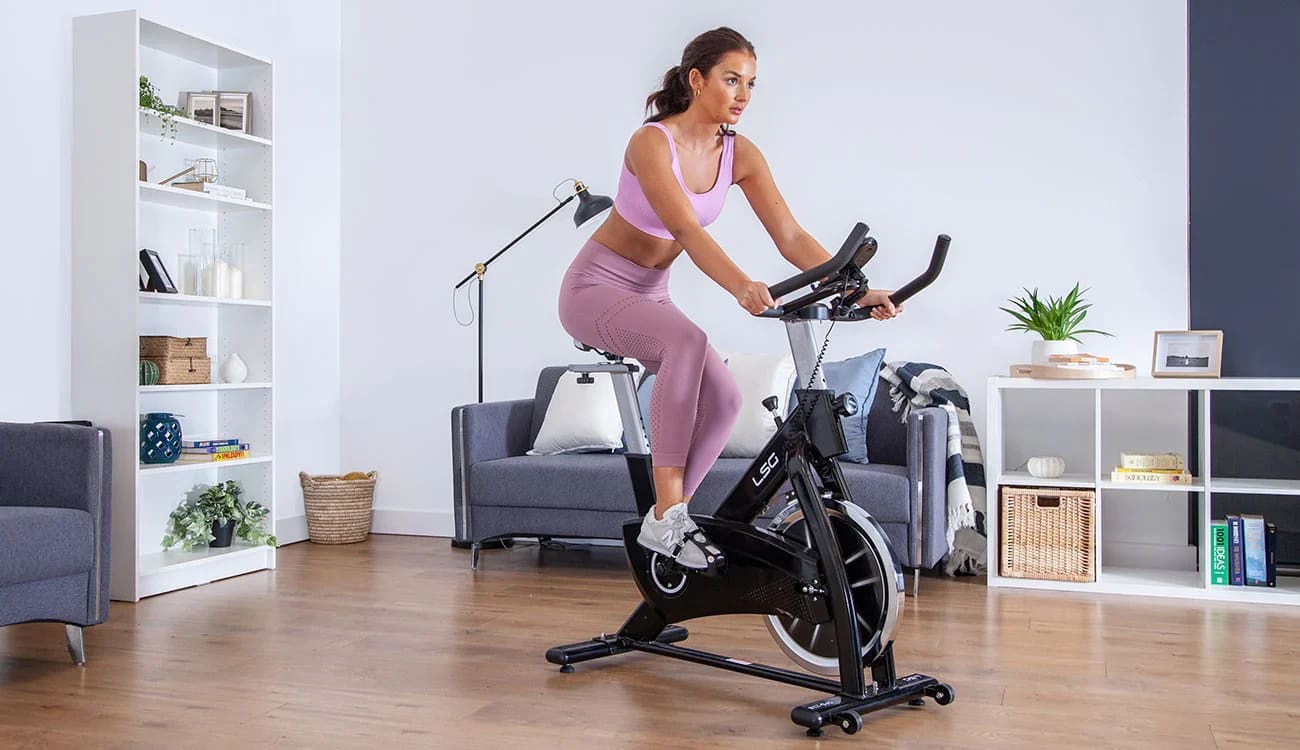
Many people begin spinning with goals such as losing weight or improving endurance, but the benefits extend far beyond calorie burning. Regular spinning strengthens the heart, improves circulation, increases lung capacity, and helps the body deliver oxygen more efficiently during both exercise and everyday activities. Over time, these improvements contribute to better stamina, increased energy levels, and a reduced risk of several chronic health conditions.
One of the reasons spinning continues to grow in popularity is its versatility. Whether you enjoy steady endurance rides, interval training, or high intensity cycling sessions, a spin bike allows you to adjust every workout according to your fitness level and personal goals. This flexibility keeps workouts interesting while encouraging long term consistency, which is one of the most important factors in improving cardiovascular health.
Another advantage is that spinning is a low impact activity. Unlike running or jumping exercises, cycling places less stress on the knees, hips, and ankles while still providing an effective cardiovascular workout. This makes it suitable for a wide range of people, including beginners, experienced exercisers, and individuals looking for an alternative to higher impact forms of cardio.
In this guide, we will explore how spinning benefits your cardiovascular system, explain the science behind improved heart health, discuss the long term advantages of regular indoor cycling, and share practical tips for getting the most from your spin bike workouts.
Editorial Disclaimer
Lifetime Fitness Store does not provide medical advice. This article is intended for educational and informational purposes only. Always consult a qualified healthcare professional before beginning a new exercise program, particularly if you have an existing heart condition or other medical concerns.
Understanding Cardiovascular Health
Your cardiovascular system consists of the heart, blood vessels, and blood working together to deliver oxygen and nutrients throughout the body. Every heartbeat pumps blood through an extensive network of arteries and veins, ensuring that muscles, organs, and tissues receive the oxygen they need to perform their functions efficiently.
When cardiovascular health is poor, the heart must work harder to meet the body's demands. Everyday activities such as climbing stairs, carrying groceries, or walking longer distances may become more tiring because oxygen is delivered less efficiently to working muscles. Over time, an inactive lifestyle can increase the risk of conditions such as high blood pressure, elevated cholesterol levels, and heart disease.
Regular cardiovascular exercise helps improve the efficiency of the entire circulatory system. As the heart becomes stronger, it pumps more blood with each beat, reducing the effort required during both exercise and rest. Blood vessels also become more flexible, allowing blood to flow more freely throughout the body.
Maintaining good cardiovascular health is not only about preventing disease. It also contributes to better physical performance, increased endurance, improved mental wellbeing, and greater energy throughout the day. Even moderate improvements in cardiovascular fitness can have a meaningful impact on overall quality of life.
What Is Spinning?
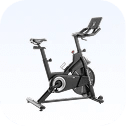
Spinning is a form of indoor cycling performed on a specially designed spin bike that closely replicates the experience of riding a road bicycle. Unlike traditional exercise bikes, spin bikes feature a heavier flywheel, adjustable resistance, and a riding position that encourages both seated and standing cycling. This design allows users to experience a wide variety of workouts, from steady endurance rides to challenging sprint intervals and simulated hill climbs.
One of the defining characteristics of spinning is its adaptability. Beginners can start with lower resistance and shorter sessions, while experienced riders can increase intensity to improve endurance, power, and cardiovascular fitness. This flexibility makes spinning suitable for people at almost every stage of their fitness journey.
Spinning workouts often involve changes in speed and resistance throughout the session. These variations keep the heart rate elevated while challenging different energy systems within the body. As a result, spinning provides both aerobic and anaerobic conditioning, helping improve overall fitness more effectively than maintaining the same pace for the entire workout.
Another reason spinning has become so popular is its accessibility. Whether you prefer instructor led classes, virtual cycling programs, or independent workouts at home, a spin bike allows you to enjoy structured cardiovascular exercise regardless of weather conditions or schedule constraints.
How Spinning Strengthens Your Heart
The heart is a muscle, and like every other muscle in the body, it becomes stronger when challenged consistently. During a spinning workout, your heart rate increases to meet the growing demand for oxygen from your working muscles. To supply this oxygen efficiently, the heart pumps blood more rapidly throughout the body.
With regular spinning sessions, the heart gradually adapts to this increased workload. It becomes stronger and more efficient, allowing it to pump a greater volume of blood with each heartbeat. This means your heart no longer needs to beat as frequently to deliver the same amount of oxygen during daily activities or moderate exercise.
A stronger heart also contributes to improved endurance. Activities that once felt physically demanding become easier because your cardiovascular system is able to supply oxygen more efficiently. Many people notice they can exercise longer, recover more quickly, and experience less fatigue as their cardiovascular fitness improves.
Over time, these adaptations help support long term heart health while improving overall physical performance and energy levels.
Improving Blood Circulation
Efficient blood circulation is essential for maintaining healthy organs, muscles, and tissues. During spinning, your heart works harder to pump oxygen rich blood throughout the body, increasing circulation to the muscles that are actively working. This enhanced blood flow helps deliver oxygen and nutrients more efficiently while removing waste products such as carbon dioxide.
As your cardiovascular fitness improves, your blood vessels become more responsive and flexible. Improved circulation not only benefits exercise performance but also supports healthy blood pressure, muscle recovery, and overall physical wellbeing.
Better circulation can also contribute to faster recovery following workouts. Oxygen and nutrients reach recovering muscles more efficiently, helping reduce fatigue and supporting the body's natural repair processes. These benefits extend beyond exercise sessions and contribute to healthier everyday
Also Read : How to Adjust Your Exercise Bike for Effective Ride
How Spinning Improves Lung Function
Your heart and lungs work together every time you exercise, making lung health an important part of cardiovascular fitness. During a spinning workout, your muscles require more oxygen to sustain continuous pedaling, especially during higher intensity intervals and climbs. To meet this demand, your breathing naturally becomes deeper and faster, allowing your lungs to take in more oxygen while removing carbon dioxide more efficiently.
Over time, regular spinning improves the efficiency of this process. Your lungs become better at delivering oxygen to the bloodstream, while your body learns to use that oxygen more effectively during physical activity. As a result, everyday tasks that once caused shortness of breath often become easier, and longer workouts feel more manageable.
Improved lung function also contributes to better endurance. As your respiratory system becomes more efficient, your body can sustain exercise for longer periods before fatigue begins to set in. This improvement benefits not only cycling performance but also many other physical activities and daily movements.
Building Endurance and Stamina
One of the first improvements many people notice after starting a regular spinning routine is increased endurance. Activities that once felt physically demanding gradually become easier because the body becomes more efficient at supplying oxygen to working muscles.
Every spinning session challenges your cardiovascular system to adapt to higher levels of physical activity. With consistent training, the heart pumps blood more effectively, the lungs deliver oxygen more efficiently, and the muscles become better at using that oxygen to produce energy. These combined improvements allow you to exercise longer while feeling less fatigued.
Better endurance also carries over into daily life. Walking longer distances, climbing stairs, carrying groceries, or participating in recreational activities often become easier because your body requires less effort to perform the same tasks. Increased stamina also supports other forms of exercise, making it easier to participate in strength training, sports, or outdoor activities without becoming exhausted quickly.
Unlike quick fitness fixes, endurance develops gradually through consistent effort. Regular spinning sessions performed several times each week create long term improvements that continue building over months and years.
Understanding Heart Rate Training
One of the reasons spinning is so effective for cardiovascular fitness is that it allows you to control your workout intensity by monitoring your heart rate. Different heart rate ranges challenge your cardiovascular system in different ways, allowing you to customize each session according to your fitness goals.
Lower intensity rides are excellent for building aerobic endurance and supporting recovery. These workouts strengthen the heart while allowing the body to exercise comfortably for extended periods. Moderate intensity sessions improve overall cardiovascular fitness and are often ideal for regular weekly training.
Higher intensity intervals increase the heart rate more dramatically and challenge both the aerobic and anaerobic energy systems. These demanding sessions improve the body's ability to recover quickly while increasing overall cardiovascular capacity.
The ability to alternate between different training intensities keeps spinning workouts varied and engaging while helping prevent fitness plateaus. Over time, many people notice that their resting heart rate gradually decreases, indicating improved cardiovascular efficiency.
Supporting Healthy Blood Pressure
High blood pressure is one of the most common health concerns associated with an inactive lifestyle. Although many factors influence blood pressure, including genetics and diet, regular cardiovascular exercise plays an important role in maintaining healthy circulation.
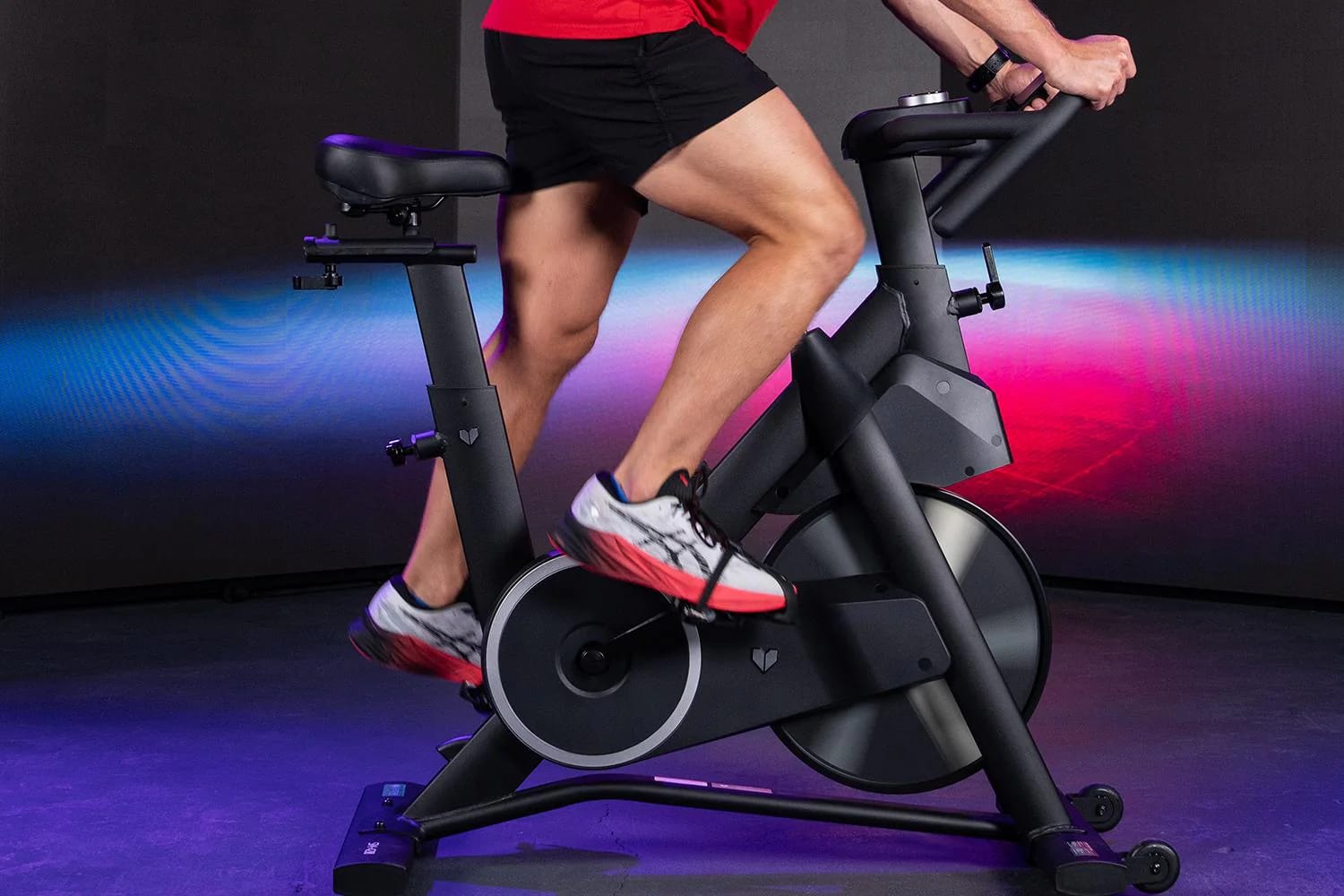
Spinning encourages the heart and blood vessels to work more efficiently. As cardiovascular fitness improves, blood vessels become more flexible, allowing blood to flow more easily throughout the body. This improved circulation reduces the effort required by the heart to pump blood, supporting healthier blood pressure over time.
Regular exercise also improves the function of the inner lining of blood vessels, helping them expand and contract more effectively in response to changing physical demands. These adaptations contribute to a healthier cardiovascular system and support long term heart health.
While spinning should never replace medical treatment for high blood pressure, it can become an important part of a healthy lifestyle when combined with balanced nutrition, adequate sleep, and guidance from a healthcare professional.
Helping Maintain Healthy Cholesterol Levels
Cholesterol often receives negative attention, but the body actually needs cholesterol to perform many important functions. The key is maintaining a healthy balance between different types of cholesterol.
Regular spinning can help increase levels of high density lipoprotein, commonly known as good cholesterol, while supporting healthier overall cholesterol levels when combined with proper nutrition. Good cholesterol helps transport excess cholesterol away from the arteries, contributing to healthier blood vessels and improved circulation.
Improved cardiovascular fitness also supports healthier metabolism and body composition, both of which influence cholesterol management. Although exercise alone cannot control cholesterol for everyone, incorporating regular spinning into a healthy lifestyle may contribute to improved cardiovascular health over time.
Consistency is once again the most important factor. Long term exercise habits provide far greater benefits than occasional intense workouts.
Weight Management and Heart Health
Maintaining a healthy body weight is closely linked to cardiovascular health. Excess body weight increases the workload placed on the heart because it must pump blood to a larger amount of tissue. Over time, this additional demand can contribute to several cardiovascular risk factors.
Spinning provides an effective way to increase daily energy expenditure while improving cardiovascular fitness. Depending on workout intensity, duration, and individual fitness level, cycling sessions can burn a considerable number of calories while strengthening the heart and improving endurance.
More importantly, spinning encourages long term consistency because it offers a variety of workout styles that help prevent boredom. Whether you enjoy steady endurance rides, interval training, or virtual cycling sessions, maintaining regular physical activity becomes much easier when workouts remain enjoyable.
Combined with balanced nutrition and healthy lifestyle habits, spinning can contribute to gradual, sustainable weight management while supporting long term heart health.
HIIT Versus Steady State Spinning
One of the greatest advantages of spinning is that it supports multiple styles of cardiovascular training. Two of the most popular approaches are High Intensity Interval Training and steady state cycling, each offering unique cardiovascular benefits.
High Intensity Interval Training alternates between short bursts of maximum effort and active recovery periods. This training style challenges the cardiovascular system by repeatedly elevating the heart rate before allowing partial recovery. HIIT workouts are efficient, improve cardiovascular capacity, and are particularly useful for individuals with limited workout time.
Steady state spinning follows a more consistent pace throughout the session. Although less intense, these workouts develop aerobic endurance while allowing users to exercise comfortably for longer durations. Many people enjoy steady rides because they are easier to recover from and can be performed more frequently.
Neither approach is universally better. Combining both workout styles throughout the week creates a balanced training program that improves endurance, heart health, and overall cardiovascular fitness while keeping workouts varied and enjoyable.
Mental Wellbeing and Cardiovascular Fitness
The benefits of spinning extend beyond physical health. Regular cardiovascular exercise has a positive effect on mental wellbeing by reducing stress and improving mood. During exercise, the body releases endorphins that help create feelings of relaxation and satisfaction after the workout.
Many people also find spinning to be an effective way to disconnect from daily pressures. Focusing on breathing, cadence, and rhythm creates a mentally engaging experience that helps shift attention away from work related stress or everyday worries.
Improved cardiovascular fitness also contributes to better sleep quality and higher daily energy levels. As endurance increases, many individuals report feeling more productive, motivated, and mentally refreshed throughout the day.
These psychological benefits often encourage long term consistency because people begin exercising not only for physical results but also for the positive effect it has on their overall wellbeing.
Long Term Cardiovascular Benefits of Regular Spinning
One of the greatest advantages of spinning is that its benefits continue to build over time. While many people notice improvements in endurance and energy levels within the first few weeks, the most significant changes occur when spinning becomes a consistent part of a long term fitness routine.
Regular spinning strengthens the heart muscle, allowing it to pump blood more efficiently with every beat. As the heart becomes stronger, it delivers oxygen to the muscles with less effort, reducing fatigue during both exercise and everyday activities. Many people also experience a lower resting heart rate over time, which is a common sign of improved cardiovascular fitness.
Long term spinning also supports healthier blood circulation by improving the flexibility and function of blood vessels. Better circulation allows oxygen and nutrients to reach muscles and organs more efficiently while helping remove metabolic waste products from the body. These improvements contribute to better physical performance, faster recovery, and enhanced overall wellbeing.
Another important benefit is improved exercise capacity. Individuals who spin regularly often find they can complete longer workouts, recover more quickly between training sessions, and participate in other physical activities with greater ease. These improvements extend beyond cycling and positively influence many aspects of daily life.
Perhaps most importantly, maintaining an active lifestyle through regular spinning supports long term heart health. When combined with healthy eating habits, sufficient sleep, and stress management, indoor cycling becomes an effective way to support overall cardiovascular wellness for years to come.
Read: Abu Dhabi Inspires Initiatives
Tips to Maximize Cardiovascular Benefits While Spinning
Getting the most from your spinning workouts requires more than simply getting on the bike and pedaling. Small adjustments to your routine can significantly improve your cardiovascular progress while helping you stay motivated over the long term.
Consistency should always be your primary focus. Riding several times each week at a manageable intensity produces greater long term benefits than performing occasional high intensity sessions followed by extended breaks. Building a routine that fits your lifestyle makes it easier to maintain your fitness over time.
Varying your workouts is equally important. Combining steady endurance rides with interval training challenges your cardiovascular system in different ways while preventing boredom. This variety encourages continuous improvement and helps avoid performance plateaus.
Paying attention to your posture also improves workout quality. Maintaining a strong core, relaxed shoulders, and smooth pedal strokes allows your body to move efficiently while reducing unnecessary fatigue. Proper technique helps you ride comfortably for longer periods and improves overall cycling performance.
Recovery should never be overlooked. Giving your body adequate time to recover between demanding workouts allows your heart, muscles, and nervous system to adapt to training. Staying hydrated, eating a balanced diet, and getting sufficient sleep all contribute to better cardiovascular improvements.
Finally, set realistic goals and track your progress. Monitoring workout duration, average resistance, cadence, or heart rate can provide valuable motivation while helping you recognize improvements that may not be immediately visible.
Common Mistakes to Avoid
Although spinning is one of the most effective forms of cardiovascular exercise, several common mistakes can reduce its effectiveness and increase the risk of discomfort.
One of the biggest mistakes is using poor bike setup. A seat positioned too high or too low can affect pedaling efficiency while placing unnecessary stress on the knees, hips, and lower back. Taking time to adjust the bike before each workout improves both comfort and performance.
Another mistake is relying on the same workout every session. Repeating identical rides week after week eventually limits progress because the body adapts to the routine. Alternating between endurance rides, interval sessions, and recovery workouts helps maintain continuous improvement.
Many riders also begin with resistance that is either too light or too heavy. Very low resistance often leads to uncontrolled pedaling and poor technique, while excessive resistance may reduce cadence and place unnecessary stress on the joints. Finding the right balance allows your muscles and cardiovascular system to work efficiently together.
Skipping warm ups and cool downs is another habit that should be avoided. Preparing your body gradually before intense exercise and allowing your heart rate to recover slowly afterward helps improve performance while reducing post workout stiffness.
Finally, many people become discouraged when results are not immediate. Cardiovascular fitness develops progressively through regular training. Staying consistent with your workouts will always produce better long term results than expecting dramatic improvements after only a few sessions.
Conclusion
Spinning has earned its reputation as one of the most effective forms of cardiovascular exercise because it combines challenging workouts with accessibility, versatility, and long term health benefits. Whether you are aiming to improve heart health, increase endurance, support weight management, or simply become more active, regular spinning provides a practical and enjoyable way to achieve those goals.
One of the greatest strengths of spinning is its ability to adapt to every stage of your fitness journey. Beginners can build confidence through steady rides, while experienced cyclists can challenge themselves with demanding interval sessions and endurance training. This flexibility keeps workouts engaging while encouraging the consistency needed for meaningful cardiovascular improvements.
The benefits extend well beyond the bike itself. A stronger heart, improved circulation, better lung function, increased stamina, healthier blood pressure, and greater energy all contribute to a higher quality of life. Regular spinning also supports mental wellbeing by reducing stress, improving mood, and helping create a sustainable exercise routine that becomes easier to maintain over time.
Although spinning is highly effective, it works best as part of a balanced lifestyle that includes nutritious eating habits, proper recovery, adequate sleep, and other forms of physical activity. Combining these healthy habits allows you to maximize the long term benefits of cardiovascular exercise while supporting your overall wellbeing.
By making spinning a consistent part of your weekly routine, you are not only improving your fitness today but also investing in your long term heart health. Every ride contributes to a stronger cardiovascular system, better endurance, and a healthier, more active future.
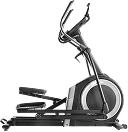
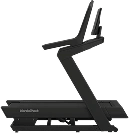
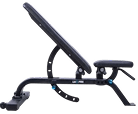
If you are looking to buy other fitness machines or accessories, look no further! Explore our range of fitness products like treadmills, elliptical cross trainers, exercise bikes, rowing machines, home gym, functional trainer, multi-station, power towers, smith machines, dumbbells, foosball tables, pool tables, and table tennis.


 0
0